Kuaishou’s Kling Reaches 100 Million Users Worldwide: What’s the IPO Valuation in Hong Kong?
 06/09 2026
 500
500
Summary: Kuaishou Replicates Its Success with Kling
Source: Chaoyang Capital Theory
An AIGC video platform with 100 million global users and nearly 50,000 enterprise clients is gearing up for a Hong Kong listing.
Recently, multiple media outlets reported that Kuaishou’s video generation business, Kling AI, has launched its first round of pre-IPO financing after spinning off, with a pre-investment valuation of $18 billion. It plans to submit its listing application to the Hong Kong stock market in early 2027.
In terms of commercialization, according to Kuaishou’s Q1 2026 financial report, Kling’s quarterly revenue exceeded 650 million yuan, up over 300% year-on-year. Its ARR (Annual Recurring Revenue) surged from $100 million to approximately $500 million within a year—a fourfold increase.
Notably, Kuaishou’s commercialization heavily relies on global PCG creators. According to a research report by Pu Yin International, Kling’s overseas revenue accounts for about 70%, with B-end API revenue contributing around 60%.
Backed by a large number of professional creators, Kling AI’s valuation has approached that of its parent company, Kuaishou, just two years after its launch—a rare achievement in China’s internet industry.
So, can Kuaishou’s spin-off of Kling create another Kuaishou?
Kling AI: The Dark Horse of AIGC Videos—What Did It Do Right?
Kling’s rise as a dark horse is closely tied to the opportunities of the era.
In February 2024, Sora made waves with a stunning 10-second video, completing unprecedented market education. It made creators, enterprises, and investors, previously hesitant about AI videos, realize that AIGC videos might have reached a tipping point for industrial application.
However, Sora failed to sustain its initial impact, instead facing a turbulent journey.
This left an opening for China’s AIGC video sector to make a comeback.
In just two years, domestic AI video models like ByteDance’s Seedance and Kuaishou’s Kling quickly filled this market gap.
This year, six leading video platforms—Douyin, Kuaishou, Bilibili, and the "iQIYI, Youku, Tencent Video" trio—have introduced new policies to support AI content, including funding, revenue-sharing guarantees, AI creation tools, and IP licensing.
Thanks to these initiatives, AIGC penetration among creators has reached 89%, with nearly 70% of creators eager for all-in-one tool integration, according to Tencent Research Institute’s "AI Dawn" report.
Of course, era-driven opportunities do not guarantee individual success.
Kling’s ability to grow into a contender for an independent IPO stems from its continuous technological investment, which has built a competitive barrier through product iteration.
With 26 iterations in a year and the joint launch of O1 and Omni versions, Kling AI is practically redefining what AI videos can do.
The latest Kling Video 3.0 Omni model has overcome technical challenges like character consistency and text deformation, enabling AI-generated content to meet professional filmmaking standards.

Image Source: Kling AI
Behind this continuous product evolution lies the direct drive of Kuaishou’s founder, Cheng Yixiao.
Those familiar with Kuaishou’s history know that Cheng Yixiao, a product manager by training, is nearly obsessive about user pain points and product refinement.
Cheng Yixiao set a straightforward strategy for Kling: "Enable everyone to tell great stories with AI," combining user insights with technological breakthroughs to continuously upgrade model capabilities.
To this end, Kuaishou has spared no expense in investing in Kling’s product iterations.
According to financial reports, Kuaishou’s capital expenditures for 2026 will rise to approximately 26 billion yuan, with the vast majority going toward Kling’s computing power procurement and model iterations.
Through this high-intensity product refinement, Kling has achieved tangible commercial returns: According to Kuaishou’s Q1 2026 financial report, its quarterly revenue exceeded 650 million yuan, with ARR surging from $100 million to $500 million in one year.
However, during this phase of rigid cost growth, Kuaishou also faces significant financial pressure.
According to Kuaishou’s Q1 2026 financial report, total revenue grew by only 3.4% year-on-year, while adjusted net profit plummeted by 26.3% year-on-year. Gross margin contracted to 51.2% from 54.6% in the same period last year.
Crucially, "iteration efficiency is the moat." If Kling AI cannot maintain its R&D intensity and commercialization speed, it will quickly be overtaken by competitors.
From an industry perspective, Kuaishou’s situation with Kling also stems from the intense competition among domestic large models.
Alibaba launched HappyHorse 1.0, while Tencent plans to release a new version of its Hunyuan video large model this year.
Not to mention Kuaishou’s longtime rival, ByteDance, whose Seedance series models are catching up rapidly, with an ARR (Annual Recurring Revenue) run rate exceeding $100 million.
If the AI video sector continues to surge, whether Kling and Seedance will repeat the exhausting battle between Kuaishou and Douyin in the short-video era becomes an unavoidable question.
This is also why Kuaishou is spinning off Kling AI for financing.
So, is Kling AI’s valuation story in the capital markets easy to tell?
Spinning Off Kling Kills Two Birds with One Stone: Kuaishou Revalues Itself
Kling AI’s spin-off financing, in preparation for a listing, is driven by a combination of financial pressure, product growth, and capital opportunities.
From Kuaishou’s perspective, Kling’s high burn rate is certainly a factor.
For Kling to continue its rapid iterations, it must seek external funding to cover computing costs rather than relying solely on Kuaishou.
Moreover, Kuaishou’s core business faces urgent growth challenges, which to some extent suppress Kling’s potential.
According to Kuaishou’s Q1 2026 financial report, total revenue was 33.716 billion yuan, up only 3.4% year-on-year—the lowest growth rate since listing. Adjusted net profit was 3.374 billion yuan, down sharply by 26.3% year-on-year. In terms of business, live streaming revenue plummeted by 13.5% year-on-year.
Without Kling-driven AI ad placements, overall ad revenue growth would be sluggish.
Thus, the capital market’s previous valuation of Kling within Kuaishou was absurdly low.
According to Goldman Sachs’ early-year estimates, the Kling valuation implied in Kuaishou’s stock price was only about $5 billion. Now, its target valuation for standalone financing has jumped to $18 billion.
This indicates that, based on two years of data, Kling possesses the hard power for an independent IPO recognized by the market.
Kling officially launched on June 6, 2024, and by June 2026, exactly two years later, its ARR had surged from $100 million to approximately $500 million—a fourfold increase.
For comparison, media reports suggest that Runway took about six years to reach $100 million in ARR from its founding.
Kling has accomplished in two years what overseas peers took six—this is its confidence in standing at the IPO starting line.
After independent financing, Kling’s benchmark will shift to Runway, Pika, Veo, and the global commercialization ceiling for AI video generation, with its scarcity fully priced in Hong Kong.
Finally, timing is crucial.
With Zhipu and MiniMax leading the way, Kuaishou cannot miss this AI wave.
Kling’s $500 million ARR corresponds to an $18 billion valuation, roughly 36x Price/ARR. By comparison, Kuaishou’s market cap is approximately $24.5 billion. In other words, an AI business launched less than two years ago, accounting for less than 5% of Kuaishou’s total revenue, is already valued at over 70% of its parent company’s market cap.
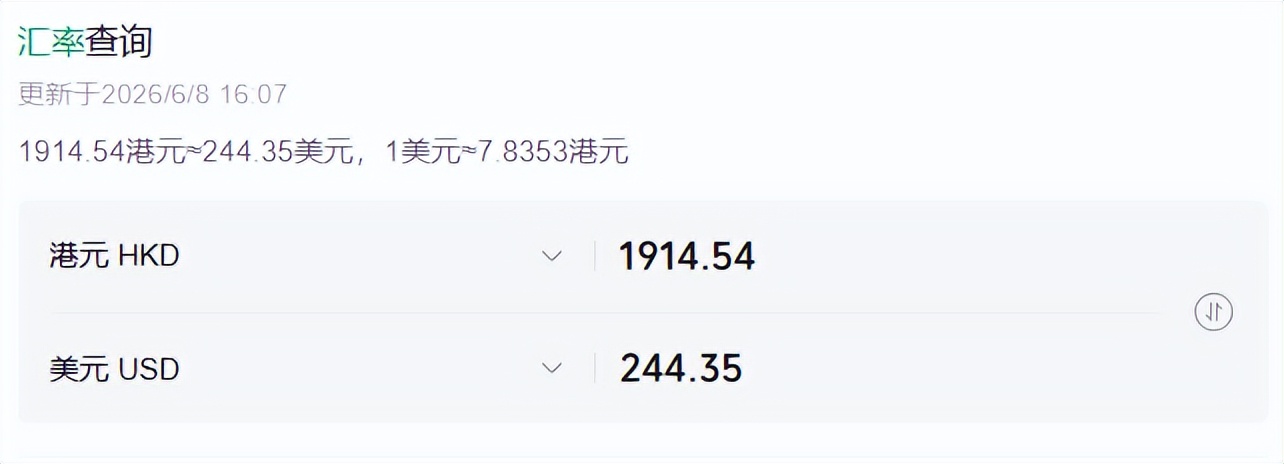
This figure is not particularly high in today’s Hong Kong AI bull market.
Amid the AI tech bull market, Zhipu and MiniMax have listed in Hong Kong, redefining market valuations for AI companies.
As of March, domestic large model company Zhipu AI’s Price/ARR valuation multiple exceeds 200x, while MiniMax’s exceeds 100x.
With the capability, the need for capital, and the window of opportunity, there’s no reason not to list.
It’s worth noting that everything mentioned so far highlights the benefits of the spin-off for Kling AI.
In fact, for Kuaishou, if Kling AI successfully lists, the benefits are substantial beyond just reducing financial pressure.
Once Kling becomes Kuaishou’s core narrative to the capital markets, Kuaishou’s valuation logic will shift from a consumer internet perspective to a "primary business cash flow + AI growth assets" dual-asset model.
As a content tech company holding a global leading AI video asset, the stories it can tell will only multiply.
For example, AI video generation, creator tools, content industrialization, ad material automation, e-commerce video production, short drama, and game content supply.
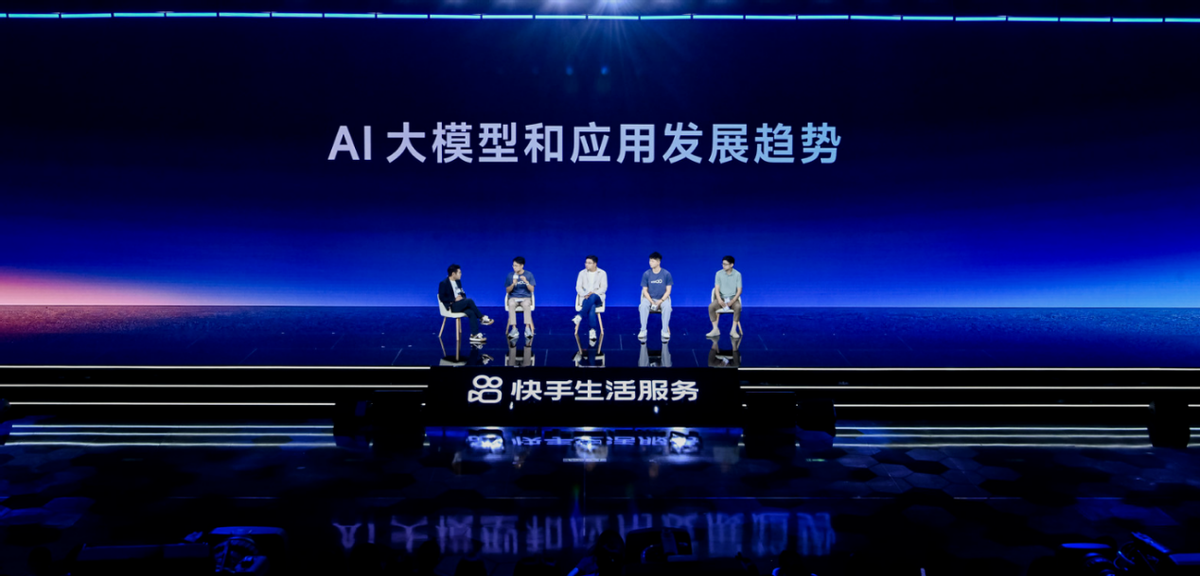
Image Source: Kuaishou
In short, Kling’s spin-off benefits both parent and subsidiary.
The only question is: Can AIGC video assets be as highly regarded in the capital markets as the large model duopoly?
Sora’s Decline and Kling’s IPO Plans: The Divergence of AIGC Commercialization
Across the AI industry, from the listings of large model leaders Zhipu and MiniMax on the Hong Kong Stock Exchange to Baidu’s spin-off of Kunlunxin for independent financing, and now Kling’s pre-IPO round, China’s top AI companies are in a window of technological assetization.
In contrast, while ByteDance’s Seedance 2.0 "kills the competition" and Kling surpasses 100 million global users, Sora—once hailed as an "AIGC video milestone"—has quietly shut down.
Sora failed because it was "not user-friendly."
According to SemiAnalysis, Sora spent about $5 billion annually but generated only about $2.1 million in lifetime revenue. Its paid conversion rate was below 3%, far lower than ChatGPT’s 18%.
The root cause is that Sora remained a "technology-first" lab product, failing to answer the commercial question: "Who should videos be made for?"
Now, as OpenAI approaches an IPO, it is strategically retrenching and, with limited resources, has cut off this money-burning black hole.
In contrast, China’s market saw Kling AI and Jimeng AI built with "scenarios" in mind from the start.
Kuaishou and Douyin are China’s largest video content ecosystems, allowing Kling to directly serve tens of millions of creators and advertisers on the platform, addressing pain points in short video production, e-commerce video creation, and short drama material supply.
For example, Jimeng AI is deeply integrated into Douyin’s ecosystem, serving vast content creation and consumption scenarios.
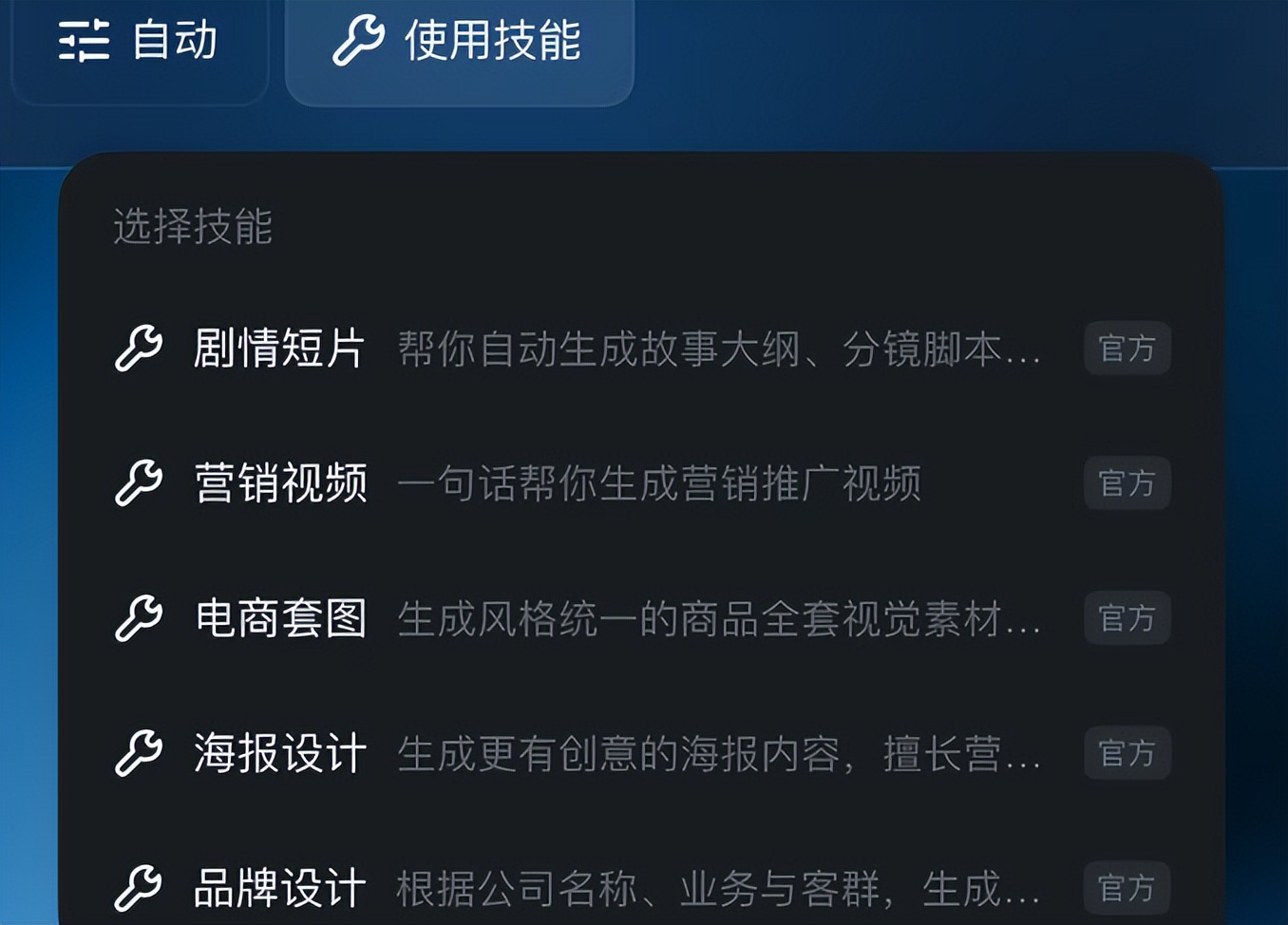
Image Source: Jimeng AI
Because it grew within a video ecosystem from the start, Kling’s commercialization path is straightforward: focus on B-end and P-end users, offering paid video generation tools, with ARR nearing $500 million.
This reflects a divergence in AI paths between China and the U.S.: one builds products first then seeks scenarios, while the other grows products within scenarios.
Today, China’s AIGC video models’ productivity advantages are translating into immense commercialization potential.
In a March 2026 research report, Pacific Securities estimated the global video production market at about $316.3 billion, while the global AI video market is only about $4.5 billion, with a penetration rate of just 1.4%—huge room for growth.
As long as AI videos clearly reduce costs in filmmaking, advertising, and e-commerce, capital will bet on the future.
Looking ahead, Kling AI’s long-term potential hinges on two key factors.
First, deep integration into professional filmmaking workflows, creating a data feedback loop that improves with use.
This year, leading content platforms like Douyin, Kuaishou, and Bilibili have rolled out AI creation support initiatives, driving multimodal and intelligent capabilities in professional filmmaking. In April, the AI short film "Paper Phone," made with Kling, surpassed 100 million views across platforms, showcasing AI’s ability to create "the most human-touch" videos.
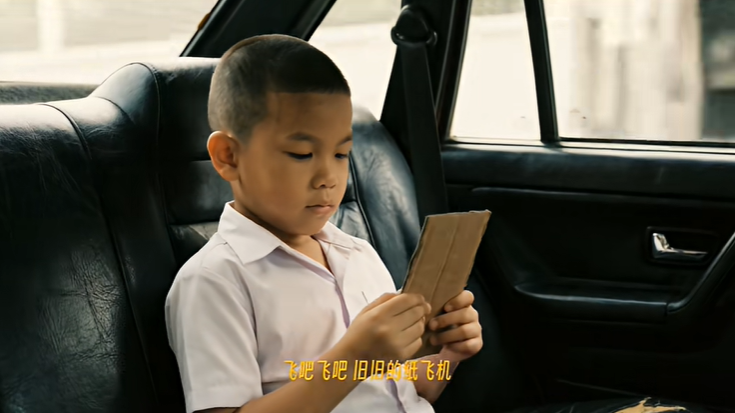
Image Source: Kling AI
Second, partnering with top IP and copyright holders to bridge the gap from text to AI video production.
While Tencent, Alibaba, and Douyin all have their own IP libraries, Kuaishou is notably lacking in this area.
However, Kling is trying to close this gap. For example, it has deepened its collaboration with China Literature, leveraging its vast IP resources to drive rapid evolution of video content.
Of course, binding global IP and building a compliant copyright library require massive resource investment. Thus, Kling AI must step out of Kuaishou’s shadow and seek support from broader capital markets to sustain growth.
Launching the first global AI video asset listing is a frontier outpost for Kling to become an AI content infrastructure provider.
-
![]()
Storage Price Increases Weigh on Industry! Global Smartphone Production Set to Decline by 16.2% by 2026
-
![]()
Large Models Reignite Big Tech's 'Healthcare Dreams'
-
![]()
Siri AI Takes Center Stage, VisionOS Steps Back: Can Cook Secure Victory in the AI Showdown?
-
![]()
Tencent and JD.com Forge Alliance: AI Agent Achieves Transaction Breakthrough
-
![]()
Auto Market Sees Increasing Polarization amid 'Moderate Recovery,' SAIC Volkswagen Leads Transformation with Five New Energy Models
-
![]()
Automotive-Grade Chip Prices Skyrocket by 180% in Three Months, Prompting NEVs to Stealthily Hike Prices Again
-
![]()
Kuaishou’s Kling Reaches 100 Million Users Worldwide: What’s the IPO Valuation in Hong Kong?
-
![]()
Li Feifei's Manifesto on World Models