Siri AI Takes Center Stage, VisionOS Steps Back: Can Cook Secure Victory in the AI Showdown?
 06/09 2026
 483
483
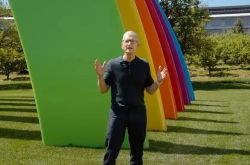
Taking place in the early hours of today, WWDC26 marks Tim Cook's swan song as Apple's CEO. Come September of this year, Cook will officially transition to the role of Executive Chairman, relinquishing his nearly 15-year tenure as CEO to Ternus.
The sole focus of this WWDC26 was AI. Morgan Stanley even dubbed this WWDC2026 as a pivotal clash to see if Apple can claim the title of an 'AI champion'.
However, as the adage goes, high expectations often lead to great disappointment. After watching the entire WWDC26, I found myself largely unimpressed. Let's delve into what transpired.
VisionOS: The Silent Player
On June 6, 2023, at Apple's Worldwide Developers Conference (WWDC23), Tim Cook proudly unveiled the groundbreaking Apple Vision Pro and its accompanying operating system, visionOS. Fast forward three years, and while Vision Pro and visionOS remain integral components of the Apple ecosystem, their initial buzz has waned.
Of course, Vision Pro hasn't bowed out; its role has simply evolved from 'front and center' to 'a part of the ensemble, receiving synchronous upgrades - you can use it too'.
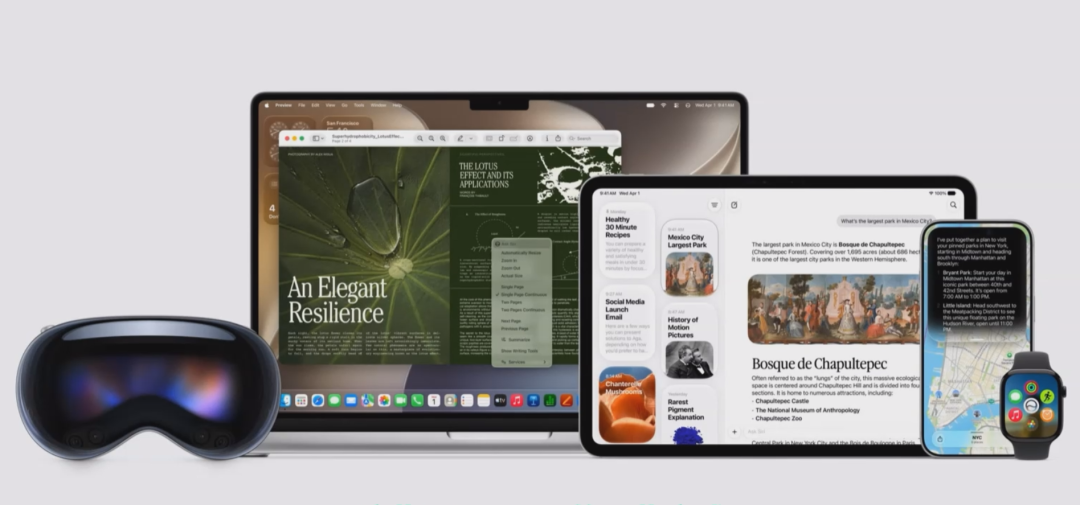
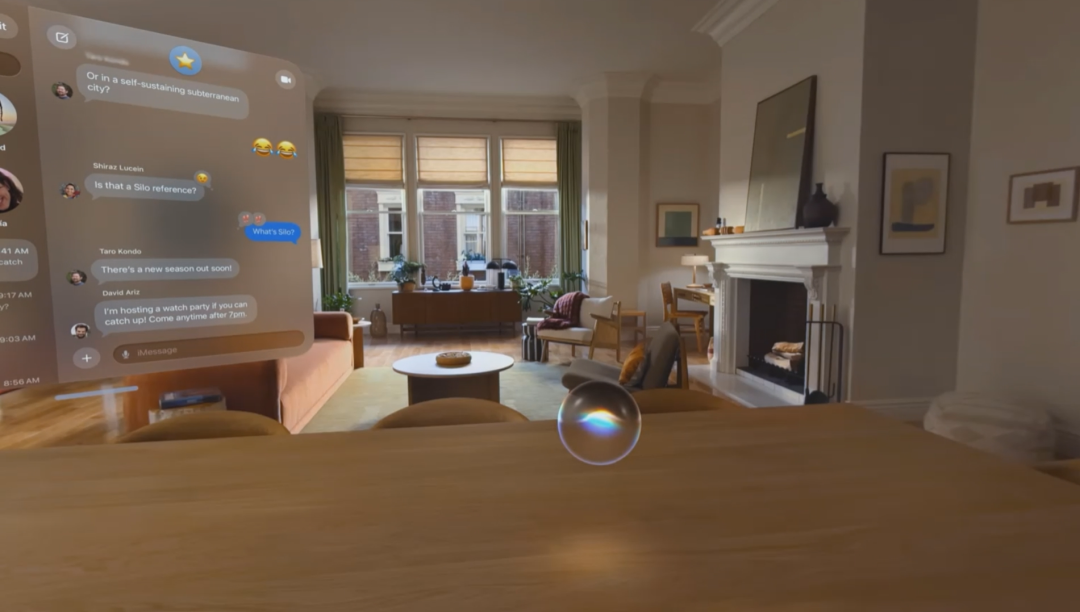
For instance, the newly launched standalone Siri APP is now accessible on Vision Pro. Leveraging Vision Pro's eye-tracking technology, users no longer need to utter a wake word every time they summon Siri AI in the headset; a simple glance at the virtual Siri 3D icon suffices for natural interaction. Additionally, Vision Pro empowers users to set panoramic images as backgrounds, crafting a unique ambiance.
However, it's worth noting a discernible trend: visionOS is increasingly integrating and synergizing with the AI ecosystems of Mac and iPhone, enabling it to harness AI capabilities from other devices and foster a cohesive Apple ecosystem.
Siri AI: The AI Personal Assistant
The undeniable highlight of this event was Siri AI and the standalone Siri APP.
First, let's examine Siri AI, a new iteration of Siri powered by Apple Intelligence (presumably based on Gemini). According to live demonstrations, Siri AI boasts system-level access, enabling deeper integration with iOS 27, iPadOS 27, and macOS 27. It can tap into comprehensive personal data on the device, encompassing messages, photos, calendars, and documents.
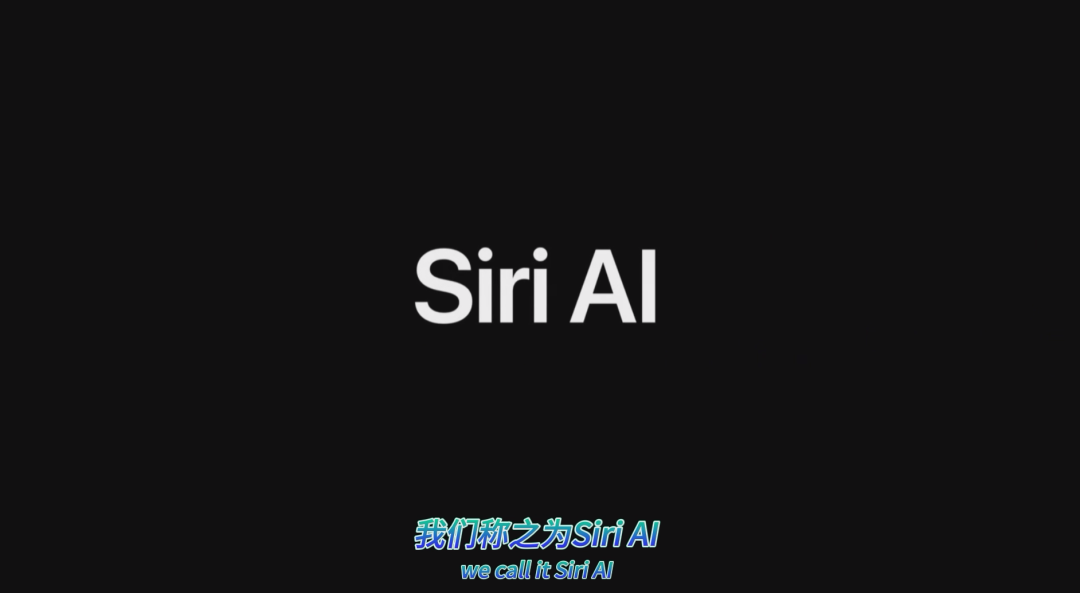
Consequently, Siri AI can engage in multimodal interactions, including voice and image comprehension, through Apple Intelligence. While such interaction methods may already be familiar to domestic users, Siri AI's ability to access local device data brings it closer to being a bona fide personal assistant than AI apps downloaded on phones.
This aligns precisely with Apple's vision. They're not content with fragmented AI usage scenarios or merely creating an app; instead, they aspire to craft an AI personal assistant. To this end, they've refined the AI's voice and allowed for personalization; they've enhanced voice capture and conversational interaction capabilities to facilitate more natural human-AI communication.
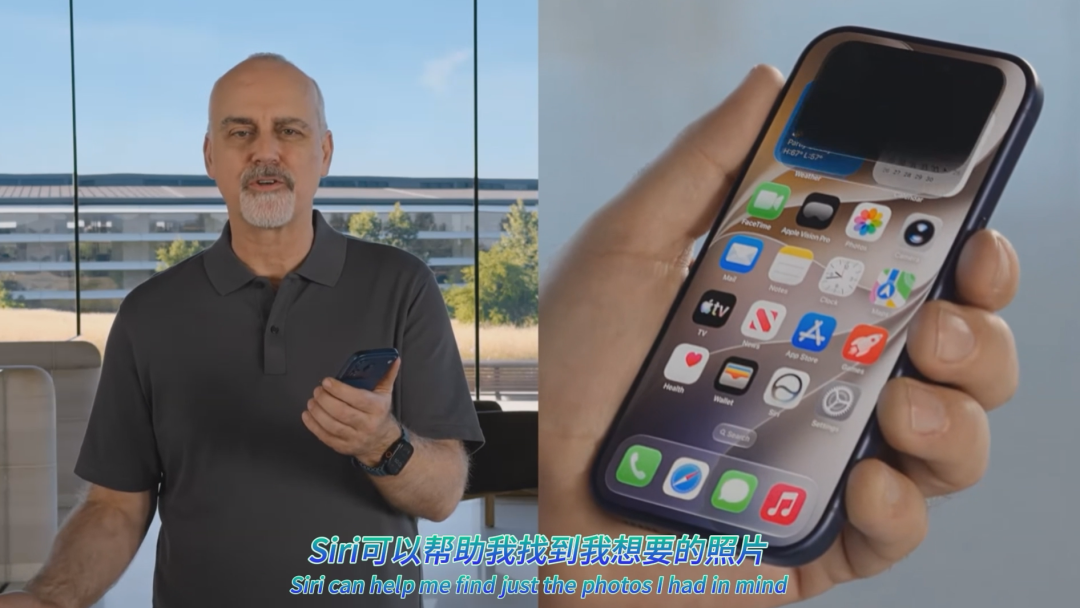
Moreover, Apple has introduced a standalone Siri APP, available across all devices, including the Apple Watch and Vision Pro. Beyond text-based interactions, the Siri APP boasts visual intelligence. Users can snap photos with their phone's camera, and the AI will recognize the image and respond accordingly.
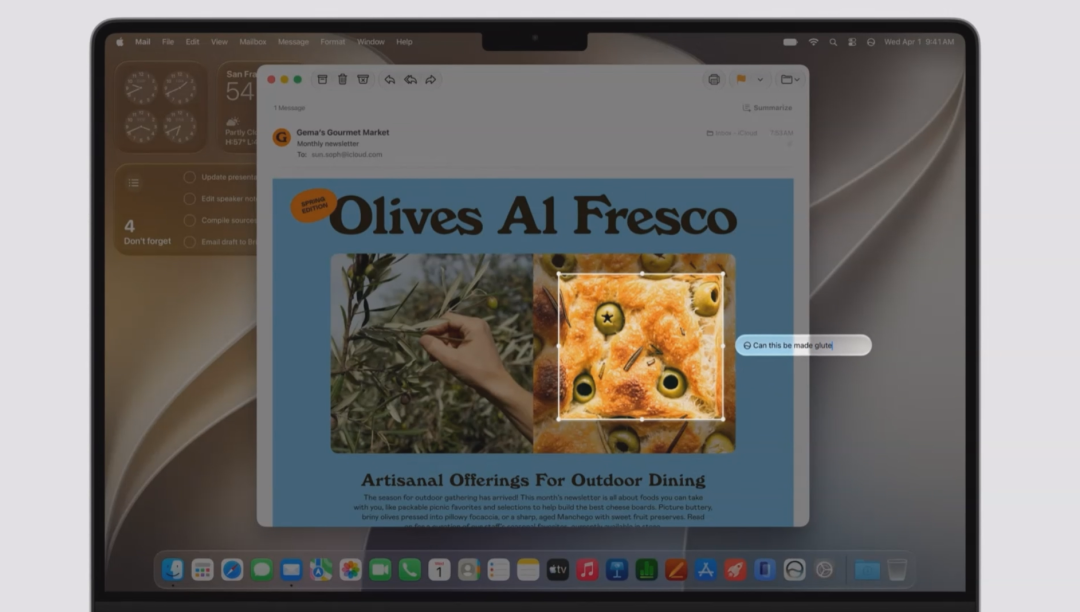
The presenter dubbed this 'seeing what you see'. However, as before, this may not particularly impress domestic users. Interestingly, you can also summon Siri in macOS with visual intelligence, allowing users to circle patterns for Siri to recognize and proceed with further interactions.
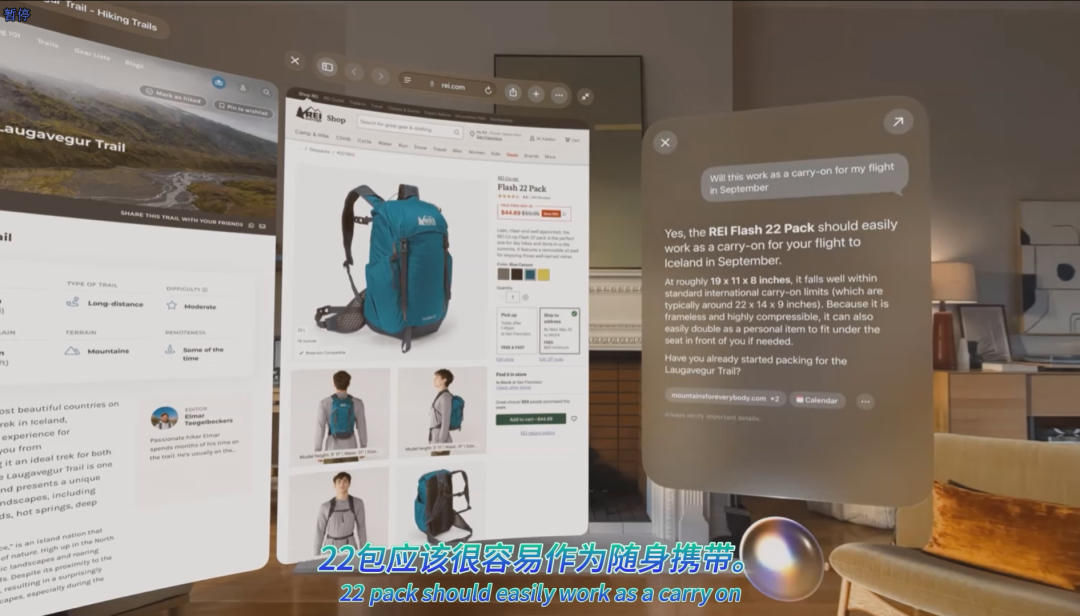
For Vision Pro, this means that as long as users gaze at an object, Siri can recognize it and interact appropriately based on large model knowledge and the user's personal preferences.
It's fair to say that these advancements in Siri are what everyone has been yearning for over the years. Especially after the rapid strides in various generative AI technologies, Apple had yet to provide a satisfactory response - until now, in Cook's final battle.
Apple Intelligence
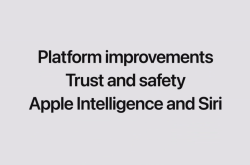
Another major focus at this event was the upgrade of Apple Intelligence, which manifests differently across various scenarios.
On Safari, Apple Intelligence organizes browser tabs by identifying commonalities and grouping them by theme. Users can also issue commands in natural language to 'Notify me', and the browser will actively alert them when relevant content is found. Through 'Describe an Extension', users can specify desired effects, and Safari will create a custom extension to personalize webpage adjustments.
On Image Playground, Apple Intelligence enables users to issue commands in natural language to modify images. In the Photos app, it facilitates Spacial Reframing, using AI to spatially reframe and adjust the perspective and composition of already-taken photos.
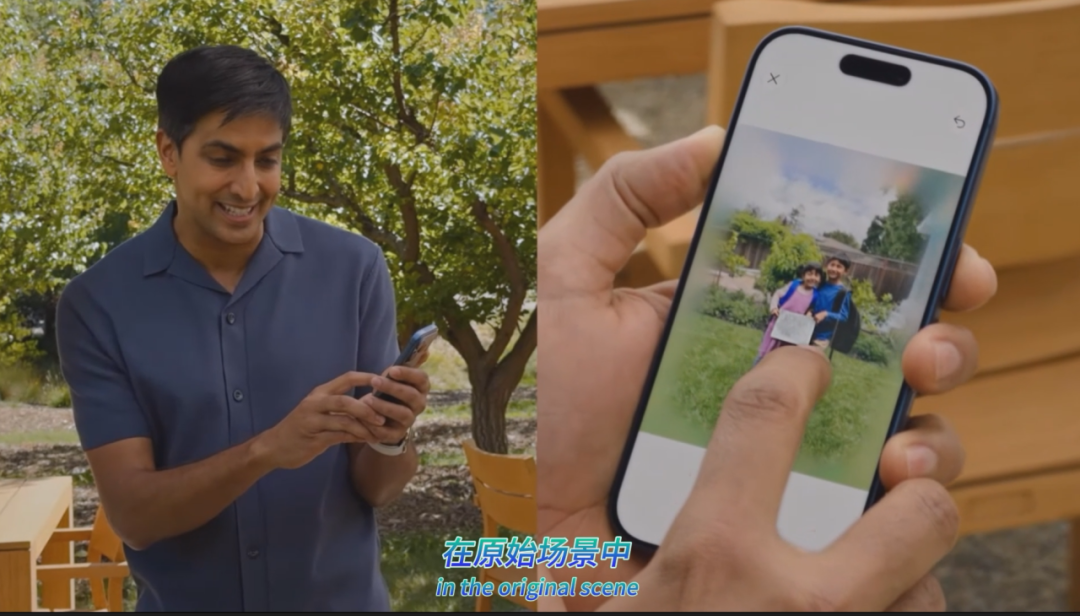
Additionally, there was a significant amount of content related to child safety and developers. As for the rumored Apple AI glasses, Apple Glass? There was no sign of them. Words are insufficient; you can watch the video we shared for the full WWDC26 experience:
It's fair to say that both iOS 27 and macOS 27 updates incorporate some clever ideas, and both Siri AI and Apple Intelligence offer some intriguing and useful functions. However, the sense of awe I experienced when first witnessing Vision Pro years ago has significantly diminished - if not completely faded.
We've become too accustomed to AI; it seems no matter how potent it becomes, we're no longer surprised.
I'd like to conclude today's sharing with a story. During my sophomore year of college, I sat down with a classmate to watch a childhood movie. In my memory, that sci-fi film was incredibly amusing. I told him, 'As a kid, I laughed non-stop for two hours - it was so much fun!'
But after the movie commenced, we looked at each other in bewilderment: there were no amusing moments, and we didn't know what to say. Nevertheless, we forced ourselves to finish watching the movie. That awkward and strange feeling remains vivid in my memory.
It wasn't the movie that changed; it was us.
Written by / Qingniao Yinqin
All images not specifically credited are sourced from event screenshots.
-
![]()
Cook’s ‘Curtain Call’: Has Apple AI Finally ‘Set Sail’? | Apple WWDC 2026 Highlights
-
![]()
Cook's 'Curtain Call': Apple AI 'Sets Sail'? | Apple 2026 WWDC Highlights
-
![]()
Storage Price Increases Weigh on Industry! Global Smartphone Production Set to Decline by 16.2% by 2026
-
![]()
Large Models Reignite Big Tech's 'Healthcare Dreams'
-
![]()
Siri AI Takes Center Stage, VisionOS Steps Back: Can Cook Secure Victory in the AI Showdown?
-
![]()
Tencent and JD.com Forge Alliance: AI Agent Achieves Transaction Breakthrough
-
![]()
Auto Market Sees Increasing Polarization amid 'Moderate Recovery,' SAIC Volkswagen Leads Transformation with Five New Energy Models
-
![]()
Automotive-Grade Chip Prices Skyrocket by 180% in Three Months, Prompting NEVs to Stealthily Hike Prices Again