Automotive-Grade Chip Prices Skyrocket by 180% in Three Months, Prompting NEVs to Stealthily Hike Prices Again
 06/09 2026
 449
449
In the summer of 2026, China's automotive market is experiencing a rather unexpected turnaround. Just half a year earlier, discussions centered around how the plummeting prices of lithium carbonate would spark a fresh round of price reductions for new energy vehicles (NEVs). Little did anyone anticipate that, despite the decline in battery costs, vehicle prices would quietly creep upwards. The catalyst for this price surge isn't batteries or steel but a type of memory chip that most consumers are oblivious to.

According to the latest reports from CCTV Finance and Global Times, automotive-grade memory chip prices have soared by approximately 180% from March to June 2026. This price hike has already trickled down to the end market, with over a dozen domestic NEV manufacturers increasing their retail prices or tightening purchase incentives. Price adjustments typically range from RMB 2,000 to RMB 6,000, with some optional packages for high-end intelligent driving models seeing price increases exceeding 20%.
UBS's latest research report directly points out the industry's predicament: memory chip price hikes have emerged as the primary cost pressure source for the automotive industry in 2026, even surpassing the impact of rising battery raw material costs.
AI Snatches Up Capacity from Three Major Manufacturers
The root cause of this price surge is, quite frankly, a straightforward resource grab. Presently, the global memory chip market is firmly dominated by three giants—Samsung, SK Hynix, and Micron—which collectively hold a monopoly on over 90% of the market share. In this highly concentrated market, capacity allocation directly influences prices.
Starting in the second half of 2025, the AI server market witnessed explosive growth. HBM (High Bandwidth Memory), a core component of AI servers, boasts profit margins as high as 85% to 90%, far outstripping those of automotive-grade memory chips. Lured by these substantial profits, the three major manufacturers swiftly shifted 70% to 80% of their advanced production capacity towards AI-specific products like HBM and DDR5.
In contrast, automotive-grade memory chips account for less than 5% of the global memory market, leaving them with inherently weak bargaining power. To make matters worse, due to their low profitability, automotive-grade DDR4 and DDR5 chips experienced significant production cuts and extended delivery times from the three major manufacturers, directly causing a sharp supply shortfall.
Data from TrendForce reveals that global conventional DRAM chip contract prices rose by 90% to 95% quarter-over-quarter in the first quarter of 2026, with server DRAM prices increasing by about 90% and NAND Flash contract prices rising by 55% to 60%. Multiple agencies predict that prices for these chips will continue to climb in the second quarter, with general-purpose DRAM contract prices expected to rise by 58% to 63% quarter-over-quarter.
The automotive industry finds itself virtually powerless in this resource battle. As one industry insider succinctly put it, "AI server orders are worth billions of dollars. Automakers' orders don't even register on the radar of the Big Three."
Intelligent Driving Sector Becomes the Hardest Hit by Price Hikes
The impact of memory chip price hikes on the automotive industry is far more severe than most people realize. In the era of intelligent connectivity, new energy vehicles are no longer just transportation tools—they're "data centers on wheels." Traditional fuel vehicles only require basic memory to support infotainment systems, whereas high-end NEV models equipped with LiDAR, high-computing-power intelligent driving platforms, high-definition maps, and multi-screen smart cockpits consume 4 to 8 times more memory chips per vehicle than basic entry-level models.

A high-end intelligent driving model can utilize over 5,000 chips, with memory chips accounting for 8% to 20% of the vehicle's total price. In terms of actual cost changes, the per-vehicle memory cost for mid-to-high-end models has surged from USD 40 to USD 90 in the early stages to USD 90 to USD 220 currently. For high-end intelligent models equipped with urban NOA (Navigate on Autopilot) and on-device large models, per-vehicle memory costs have even exceeded USD 500.
Based on these figures, DRAM and NAND Flash chips alone added RMB 7,000 to RMB 10,000 in costs per vehicle in the first quarter of 2026. When factoring in price hikes for other automotive-grade chips, the cost of many NEVs has risen by over RMB 10,000 compared to last year.
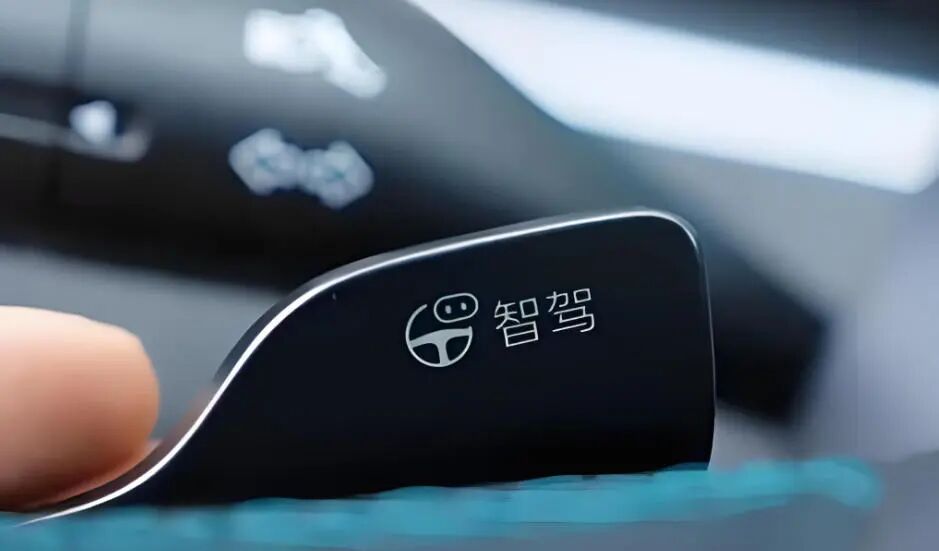
Cost pressures have ultimately been passed on to the end market. Statistics from China Securities Journal show that as of mid-May, 15 automaker brands had adjusted their prices or tightened terminal incentives. On March 19, Xiaomi launched the new-generation SU7 with a price increase of RMB 4,000 across all trims. Lei Jun admitted at the launch event that material costs alone had risen by about RMB 20,000, and the decision to only raise prices by RMB 4,000 was a "particularly tough" one.
On April 28, BYD announced a price increase for the "Divine Eye B" auxiliary driving laser version, an optional package for some models under its Dynasty, Ocean, and Fangchengbao brands, from RMB 9,900 to RMB 12,000—a RMB 2,100 hike. Two days later, Changan Qiyuan followed up with a price adjustment statement, raising the official guide price of the Qiyuan Q07 Tianshu Intelligent Laser Version by RMB 3,000. Around the same time, GAC Aion announced price increases for models like the AION Y Younger and AION S Plus, with hikes ranging from RMB 3,000 to RMB 6,000.
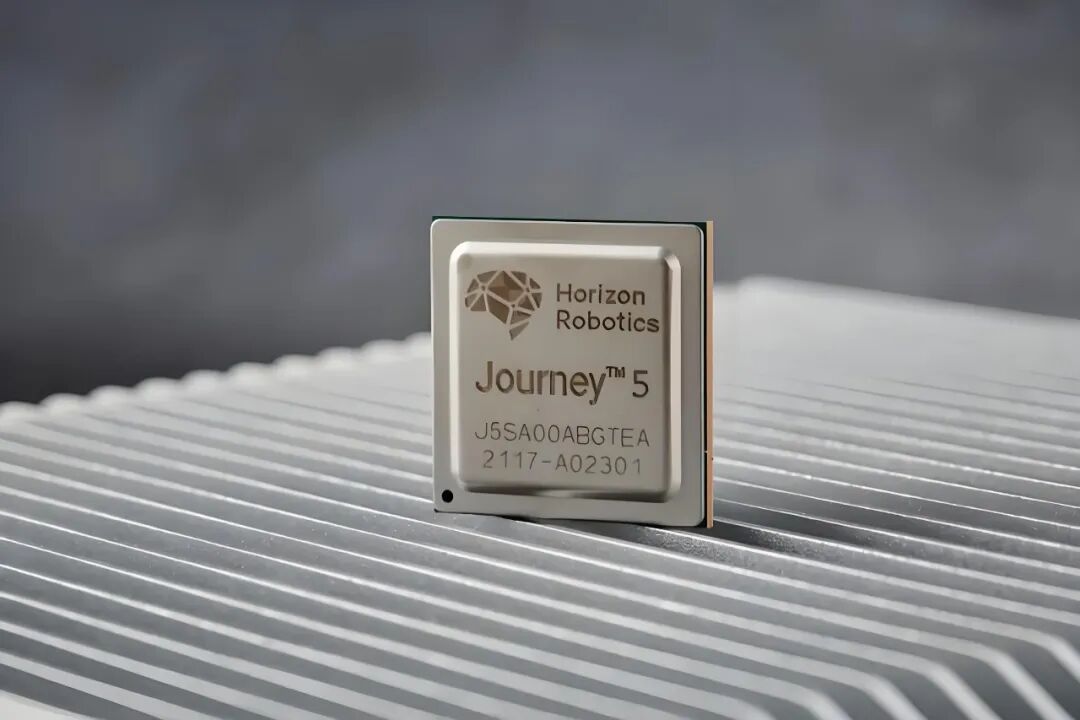
While Tesla did not directly raise its guide prices, it tightened the finance interest-free policy for the Model Y, effectively raising the barrier to entry for buyers. Brands like NIO, XPeng, and Zeekr have also raised prices for new models and optional packages to varying degrees.
Price Hike Wave May Fully Erupt in the Second Half of the Year
Judging by the current situation, this wave of price hikes is far from over. TrendForce predicts that memory prices will remain on an upward trajectory throughout 2026, with the supply-demand gap unlikely to be closed in the short term. Meng Qingpeng, Vice President of Supply Chain at Li Auto, even warned that the supply satisfaction rate for automotive memory chips in 2026 might fall below 50%. This means that not only will prices continue to rise, but some popular models may also face production and delivery delays due to chip shortages.
Industry analysis suggests that May-June 2026 remains a relatively stable price-protection window for the industry, with most brands maintaining original prices for inventory models. However, once the second half of the year arrives and inventories are depleted, a new wave of price adjustments is likely to erupt fully, with price hikes becoming even more pronounced.
For consumers, this presents a dilemma: Should they place an order now to lock in prices or wait for potential price cuts?
Objectively speaking, the likelihood of significant price drops in the short term is low. After all, adjusting memory chip production capacity takes time, and the three major manufacturers are unlikely to shift their capacity focus from AI servers to the automotive industry anytime soon. Moreover, as vehicles become increasingly intelligent, demand for memory chips will continue to grow.
Of course, this doesn't mean consumers have to passively accept price hikes. For those who don't need advanced intelligent driving features, entry-level models may be a more sensible choice, as they are less affected by memory chip price hikes. For those who do require high-end intelligent driving capabilities, placing an order now to lock in prices might be the more rational decision.
In the long run, this AI-driven memory chip crisis serves as a wake-up call for China's automotive industry. The risks of over-reliance on overseas supply chains have been laid bare. Domestic memory manufacturers like Yangtze Memory Technologies and GigaDevice are now facing an unprecedented window of opportunity for substitution. Only by achieving self-sufficiency in core components can China's automotive industry truly take control of its own destiny.
-
![]()
Storage Price Increases Weigh on Industry! Global Smartphone Production Set to Decline by 16.2% by 2026
-
![]()
Large Models Reignite Big Tech's 'Healthcare Dreams'
-
![]()
Siri AI Takes Center Stage, VisionOS Steps Back: Can Cook Secure Victory in the AI Showdown?
-
![]()
Tencent and JD.com Forge Alliance: AI Agent Achieves Transaction Breakthrough
-
![]()
Auto Market Sees Increasing Polarization amid 'Moderate Recovery,' SAIC Volkswagen Leads Transformation with Five New Energy Models
-
![]()
Automotive-Grade Chip Prices Skyrocket by 180% in Three Months, Prompting NEVs to Stealthily Hike Prices Again
-
![]()
Kuaishou’s Kling Reaches 100 Million Users Worldwide: What’s the IPO Valuation in Hong Kong?
-
![]()
Li Feifei's Manifesto on World Models