The Price of a Single Smartphone Could Outfit Your Home with Appliances: Navigating the Rising Costs of Smartphones
 10/08 2026
 462
462
Over the past year, the cost of smartphones has skyrocketed, with some media outlets noting that the price of a single smartphone now rivals that of outfitting an entire home with appliances. How should consumers perceive this trend of escalating smartphone prices, and what strategies can they adopt in response?
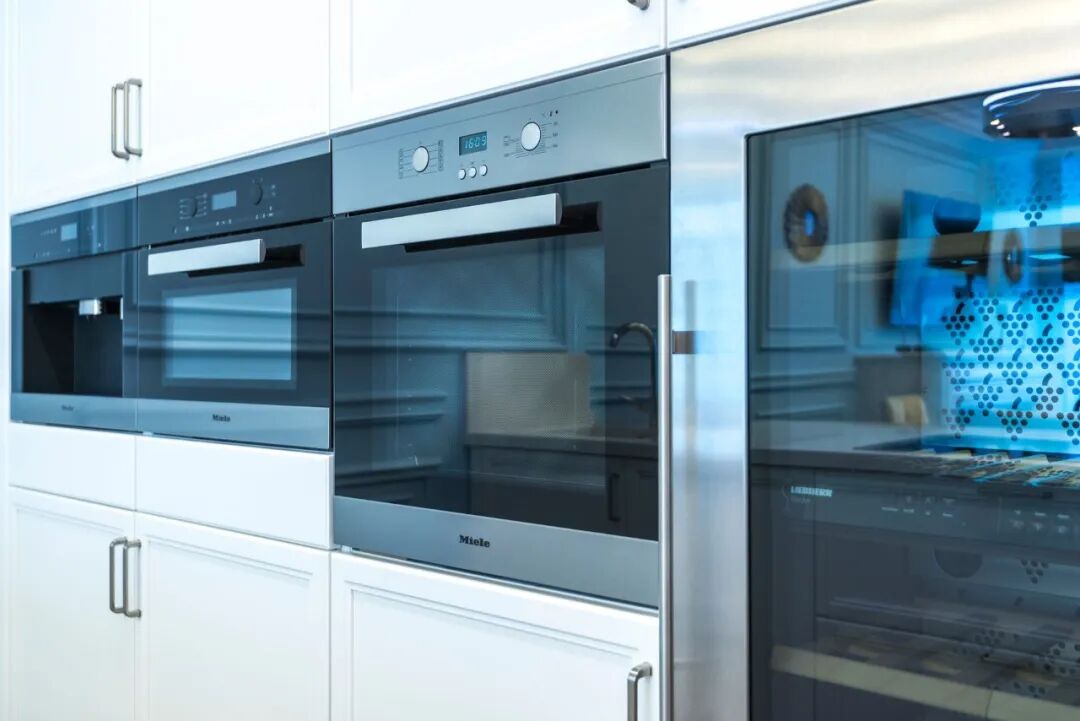
I. Can a Smartphone's Price Tag Really Cover Home Appliances for the Whole Family?
According to a report from China Jilin Network (Jilin Online), a Weibo topic titled "#ThePriceOfASmartphoneCanBuyHomeAppliancesForTheWholeHousehold#" has recently gained traction, amassing a significant readership in just one day. This isn't merely a marketing ploy; it's a genuine comparison made by consumers. What can you purchase with 6,999 yuan?
In the smartphone realm, 6,999 yuan marks the starting price for the Xiaomi 17 Pro Max, which has already seen two price hikes within a month, jumping from 6,499 yuan to 6,999 yuan. On e-commerce platforms, that same amount can fully equip a household with a Haier 240-liter refrigerator, a Midea 1.5-horsepower air conditioner, a Little Swan 10-kg washer-dryer combo, and a Hisense 65-inch TV. These four essential appliances—refrigerator, air conditioner, washing machine, and TV—can all be purchased simultaneously, with the total cost after government subsidies coming in at under 6,300 yuan.
When examining higher price tiers, the disparity becomes even more striking. The top-tier Huawei Mate 80 Pro Max (16GB + 1TB) is priced at 9,999 yuan after adjustments, nearing the 10,000-yuan threshold. What can 10,000 yuan buy in the home appliance market? Due to high inventory and overcapacity in panel production, 85-inch branded TVs are now priced below 5,000 yuan, while entry-level 100-inch models cost just over 6,000 yuan. With 10,000 yuan, one could easily purchase ten major household appliances—including a refrigerator, washing machine, air conditioner, water purifier, and smart toilet—and still have funds remaining.
This trending topic didn't arise spontaneously. On September 1, 2026, Huawei, Xiaomi, and Honor—three major domestic smartphone brands—simultaneously adjusted their prices. Unlike previous price increases, this round was characterized by collective, silent action affecting all price segments. None of the brands issued formal price increase notices; instead, they quietly raised the prices of older models on their official websites. More unusually, older models didn't enter their usual price-cutting promotion cycles as in previous years. Instead, they saw price increases ahead of new model releases.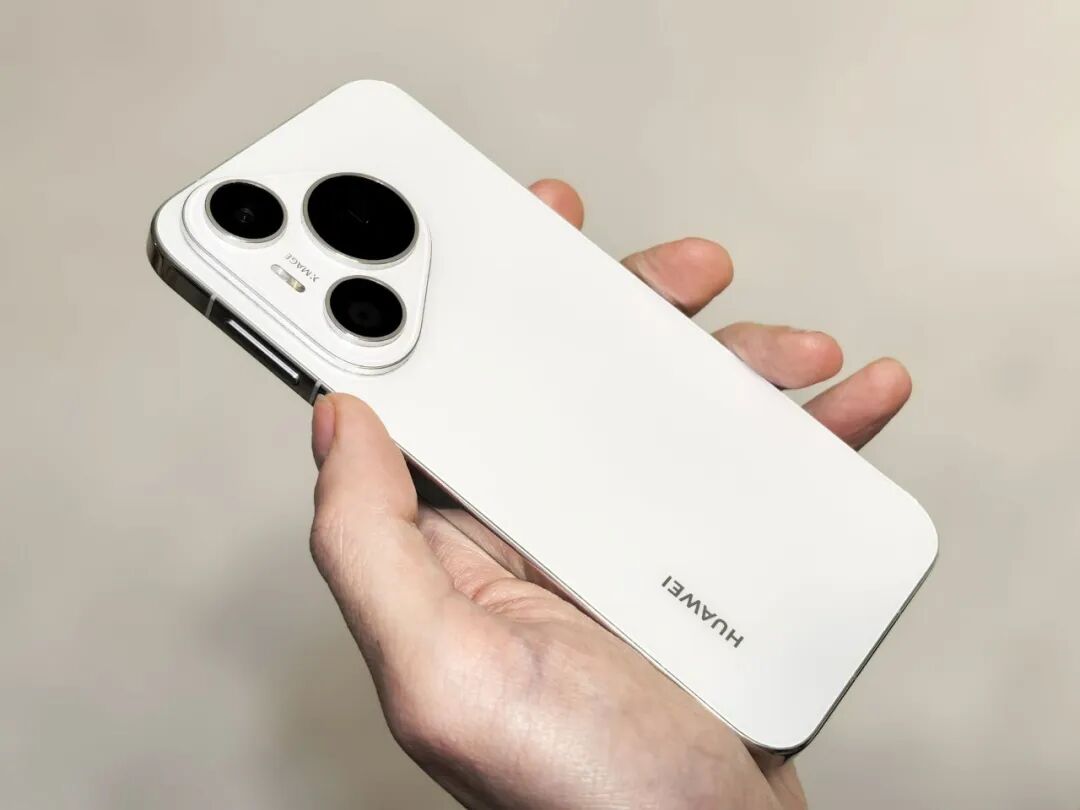
II. How Should We Interpret the Escalating Cost of Smartphones Over Time?
Many consumers are surprised to discover that the price of a flagship smartphone can cover the cost of home appliances for the entire family. A refrigerator, washing machine, and air conditioner might collectively cost less than a single top-tier smartphone. A decade ago, this scenario would have been unimaginable. Back then, smartphones were predominantly budget models priced around 1,000 yuan, while home appliances represented major household purchases. What led to this shift?
Firstly, smartphone price increases are now an undeniable reality. Many attribute this to AI technology, arguing that on-device large models require more memory and powerful processing chips, which are inherently expensive. While this is partially true—demand for AI-related infrastructure is rapidly consuming storage chip production capacity, shifting focus from consumer smartphones to servers and AI computing devices—it's not the sole factor driving up costs. This supply structure change has indeed increased procurement costs for basic hardware, which smartphone manufacturers often cite when justifying price hikes. However, this narrative doesn't tell the whole story.
Ultimately, the smartphone industry has spent years engaged in a cost-effectiveness war, competing across all price segments. Manufacturers' profit margins have been squeezed to razor-thin levels. Now, leveraging the AI technology transition, nearly all mainstream brands are collectively moving toward the high-end market, abandoning the old strategy of relying on volume sales through low prices. Even mid-range models now carry higher price tags than similarly positioned products did two years ago. Manufacturers no longer prioritize "low prices for high volume" as their core goal. Instead, they prefer to raise average product prices to secure healthier profit margins and support ongoing AI technology R&D investment. This rigid cost increase, combined with manufacturers' collective shift toward high-end models, has driven up overall market prices. The days when new models saw steep price drops just a few months after release are increasingly rare for many flagship devices.
Secondly, the home appliance market has entered a low-profit, inventory competition phase. After decades of development, China's home appliance industry boasts a fully mature industrial chain with abundant upstream and downstream production capacity. Core components have largely been localized, eliminating issues like high-end production capacity being crowded out or critical resources being bottlenecked. Overall production costs remain stably low. More critically, the fundamental product attributes of the two industries differ. Home appliances are typical large-ticket, durable consumer goods with lifespans of seven to ten years. Consumers don't frequently upgrade them, leading to extremely slow product iteration cycles. This slow pace prevents home appliance companies from relying on new model premiums to generate profits. Instead, they must maintain revenue through large-scale production and precise cost control.
At the same time, the home appliance industry is one of the most competitively saturated sectors in China. Major brands, mid-sized brands, and online white-label brands all compete on the same stage, leaving no room for monopoly pricing. Any brand that rashly raises prices will immediately lose market share. Additionally, in recent years, the home appliance industry has continuously benefited from government subsidies, trade-in programs, and other policies that further lower terminal prices and enhance product cost-effectiveness. This explains why the total cost of a full set of home appliances for a household often doesn't match the price of a single flagship smartphone. Essentially, the home appliance industry earns steady profits through thin margins and high volume, while the smartphone industry is pursuing a high-end, premium-priced route.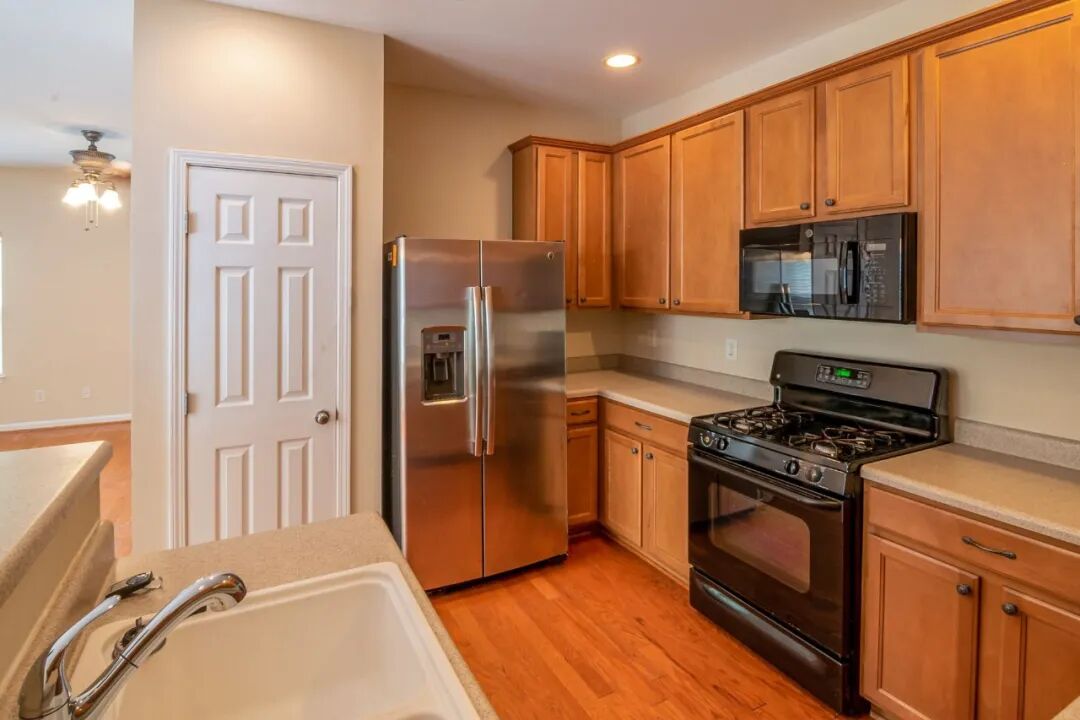
Thirdly, why has the traditional "wait-for-a-discount" purchasing strategy for smartphones become ineffective? For a long time, consumers adhered to the principle of "waiting for discounts" when buying smartphones. It was almost a universal rule that older models would see price cuts after new releases, with prices plummeting within six months and bargain deals available during clearance periods. This strategy relied on two key industry patterns. On one hand, Moore’s Law dictated a hardware iteration rhythm where core components like chips and memory would continuously decrease in cost as technology advanced and production capacity gradually released. This cost reduction inevitably drove down terminal pricing—this was the inevitable effect of Moore’s Law. However, recently, Huawei introduced its own "Tao’s Law," which essentially aims to break Moore’s Law, indicating from another angle that Moore’s Law is losing its relevance. On the other hand, the smartphone industry’s ecosystem of rapid iteration—where manufacturers release multiple new models annually—required clearing inventory of older models by continuously lowering prices to make room for new releases. This created a strong logical basis for waiting for older models to go on sale, giving "wait-for-a-discount" consumers ample opportunity to buy at low prices.
But now, neither of these patterns holds true. Smartphone hardware upgrades have hit a bottleneck, with performance improvements no longer occurring in leaps and bounds. Instead, the continuous integration of AI computing power, dedicated chips, and on-device models has pushed hardware costs steadily upward, with no trend of cost reduction. At the same time, after solidifying their high-end strategies, manufacturers no longer rely on price reduction (price cuts) for older models to drive volume. Instead, they stabilize high-end model prices through production controls, price adjustments, and discontinuations, preventing significant price drops that could undermine their premium brand positioning. In short, price cuts were once the industry norm, but now price increases are the new normal. Waiting no longer guarantees a lower price—it might even lead to another round of hikes, leaving "wait-for-a-discount" consumers at a complete disadvantage.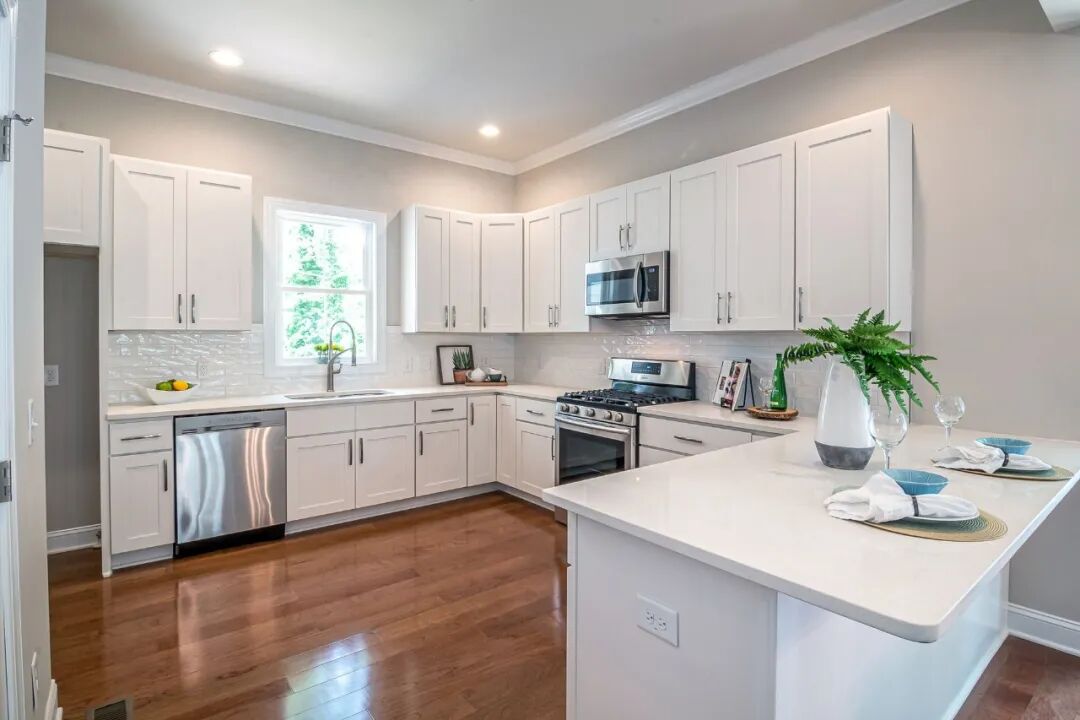
IV. Facing This Era of "Getting More Expensive the Longer You Wait," What Should Ordinary Consumers Choose? My assessment is that the upward trend in smartphone prices won’t reverse in the short term. The concept of AI smartphones is still in its infancy, and on-device large models will only increase their computing demands. This means flagship models will need to pile on even more hardware configurations, driving costs higher. So, don’t expect smartphones to return to the era of "budget models being the best deal" anytime soon.
If you’re a pragmatist who doesn’t chase extreme performance or brand premiums, consider slashing your flagship smartphone budget in half and buying a near-flagship model instead. Today’s near-flagship devices already offer more performance than you’ll realistically need for daily use, photography, or gaming—the gap with flagship models isn’t that significant. The money you save can fully outfit your household with a refrigerator, washing machine, air conditioner, and TV all at once. Moreover, the lifestyle improvements from home appliances are tangible. Over the next three years, you’ll experience minimal loss in utility and might even see a significant boost in happiness from upgraded appliances.
But if you truly rely on your smartphone as a productivity tool or see it as a status symbol, then you should still buy one—just don’t impulse-buy at launch. The smartphone market sees the highest premiums at initial release. Waiting three months will let prices enter a relative low point, offering the best cost-effectiveness. Remember: buying a smartphone is about purchasing "immediate experiential difference"—you’re paying for one to two years of usage feel. Buying home appliances is about securing "ten years of certainty"—you’re investing in long-term lifestyle quality. These two consumption logics are entirely different and shouldn’t be conflated.
Let me reiterate the key point: buy smartphones for "immediate experiential difference," and buy home appliances for "ten years of certainty." Smartphones start depreciating the moment you unbox them, and their value drops faster over time. Home appliances, on the other hand, are purchased for use—they save you time and effort, deriving their value from consistently providing services over the long term.
So, when you realize that the cost of one smartphone could buy home appliances for your entire family, pause and consider: Do you need a faster chip, or do you need a more relaxed life?
END
Daily Wisdom: The heart is like a pouch. When empty, it’s called the mind; when slightly filled, it’s called shrewdness; when full, it’s called cunning; when overflowing, it’s called scheming; when overstuffed, it’s called worries. We often cling to immediate material gains, obsess over glamorous lifestyles, or pursue love without results, easily falling into a state of being overwhelmed. In reality, letting go a little brings more gain. Those who can let go truly understand life and live more freely.
Jiang Han’s Perspective
-
Moonshot AI Launches Pre-IPO Funding Round, Eyes HKEX Listing in Q1 2027
-
Leapmotor's World Model Hasn't Yet Broken Free from Dahua's Shadow
-
![]()
Data Centers Can No Longer Keep Up with AI’s Ambitions
-
Vanishing 340 Billion! MiniMax’s Market Value Plummets by 80%, Signaling End of Capital Splurge in Large Model Sector
-
What Exactly is Holding Back the 'Last Mile' of Enterprise AI Implementation?
-
![]()
When World Models Become the 'Intermediary'
-
![]()
Is Apple Exerting Ecological Dominance? Forcing Developers to Comply with iPhone Duo Standards
-
![]()
Which Competitor's Market Share Does the Yijing X9 Target with Its Full-Huawei-Tech Stack at the 300,000 Yuan Price Point?