Confirmed! Apple CEO Cook Admits to ‘Drawing Inspiration’ from Huawei; Luo Yonghao Offers Direct Criticism
 09/14 2026
 347
347
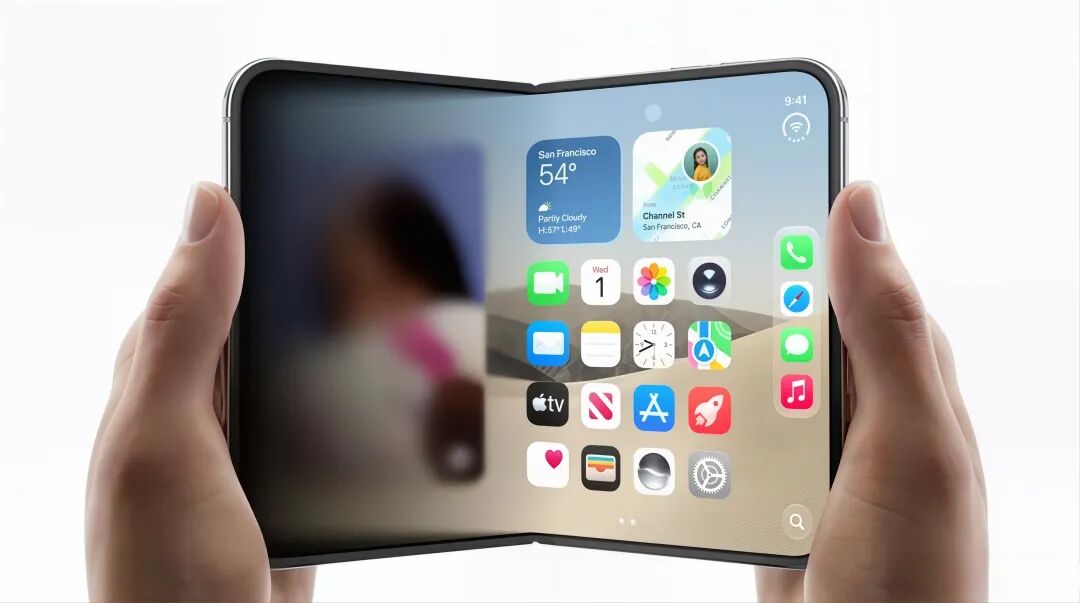
The tech world has been rocked by a bombshell revelation this year, now officially confirmed!
On September 11, the hashtag #Cook admits Apple only released foldable phone after seeing Huawei and others do so# soared to the top of trending lists. Apple’s long-standing reputation for “pioneering innovation” has suffered a significant blow.
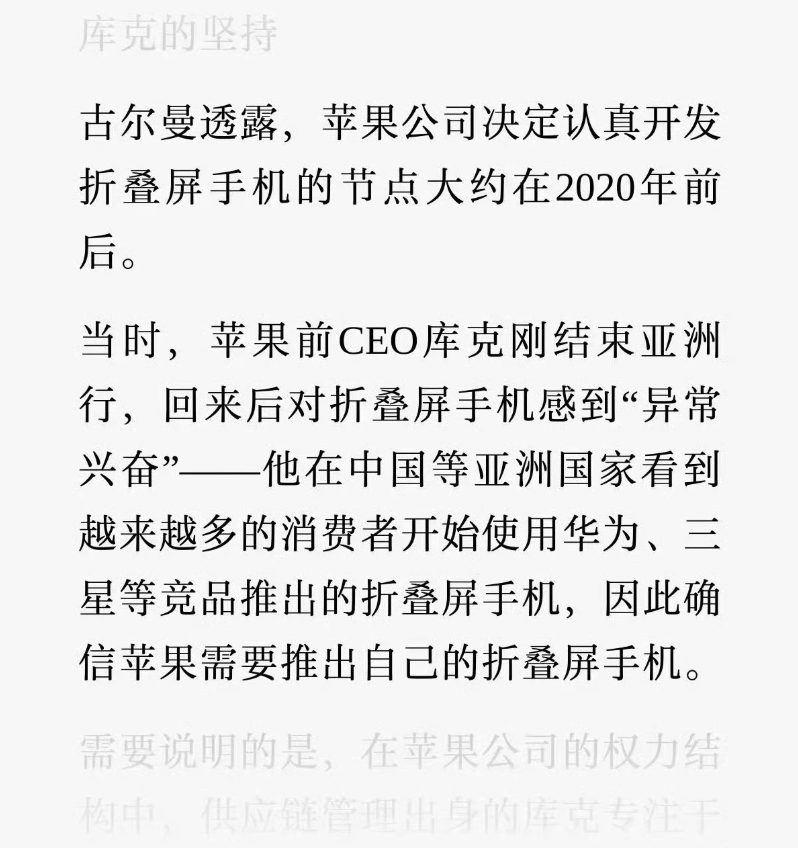 Image Source: Weibo
Historically, Apple’s product launches have been seen as industry benchmarks, setting trends rather than following them. However, this time around, authoritative leaks reveal that Apple’s foray into foldable screens was not a result of autonomous innovation but rather a response to the successful market moves of Huawei and Samsung.
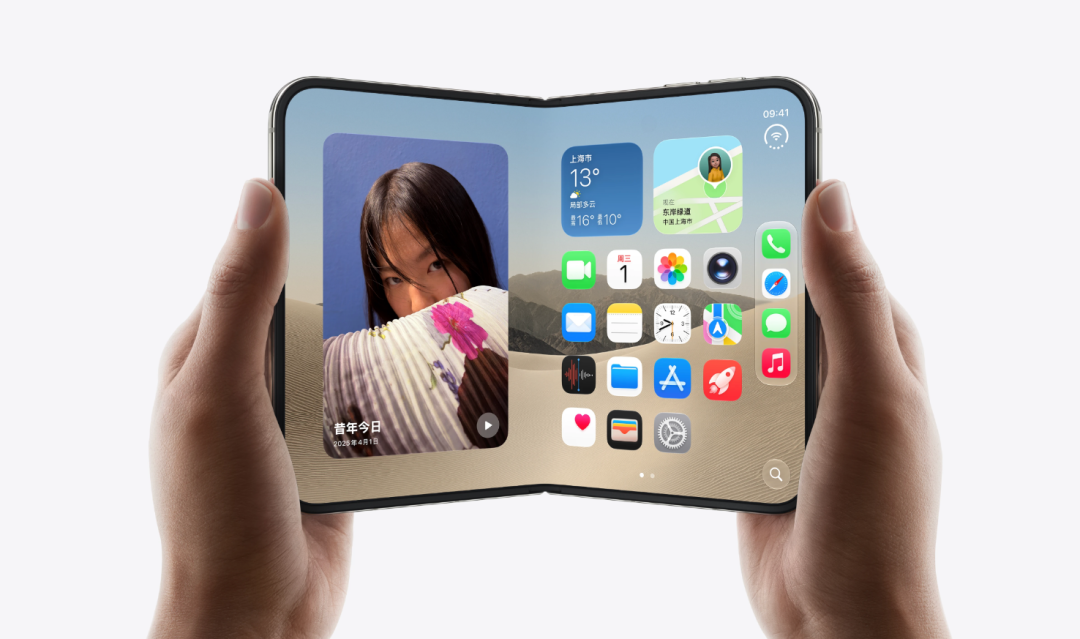 Image Source: Weibo
According to reports from Cailian Press and Bloomberg’s Gurman, the pivotal moment for Apple’s decision to develop foldable screens came around 2020.
During a visit to the Chinese market that year, Cook observed high-end users flocking to foldable phones from Huawei, Samsung, and other manufacturers. These devices quickly gained popularity due to their expansive screen experience, breathing new life into the foldable phone market.
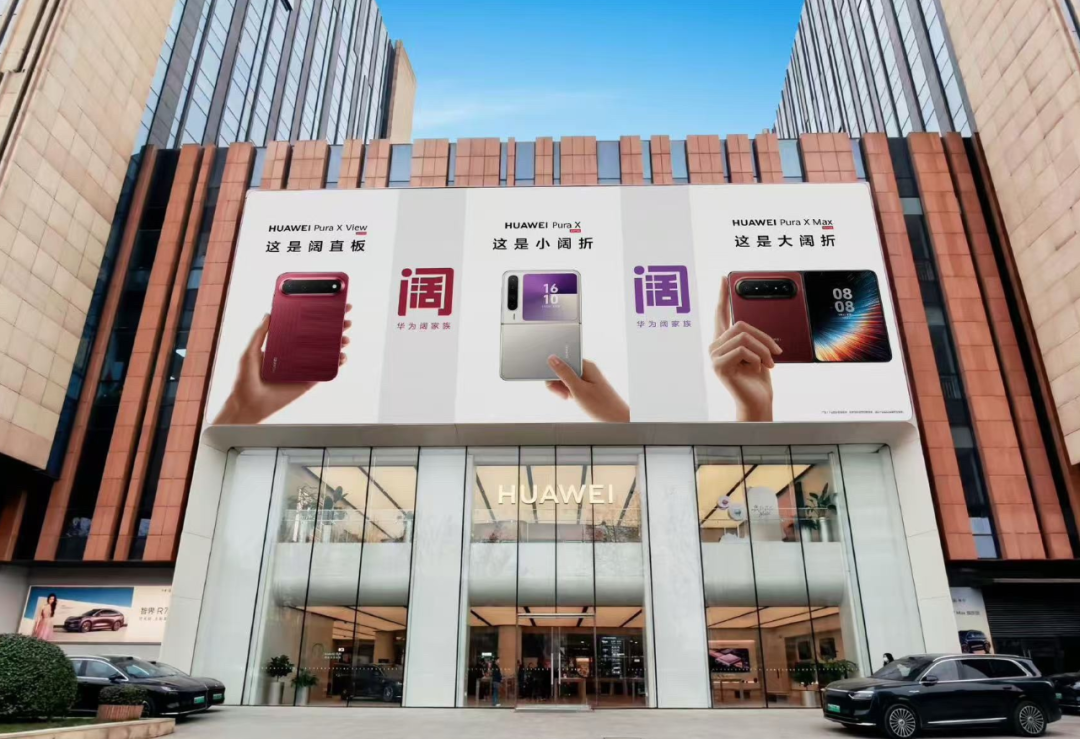 Image Source: Weibo
This Asian excursion left Cook restless. Upon his return, he swiftly approved the project and accelerated R&D efforts for Apple’s foldable phone. Prior to this, although Apple possessed relevant technical reserves, it had hesitated and delayed implementation.
To put it bluntly, without the trailblazing efforts and market education by domestic manufacturers like Huawei, Apple might not have ventured into the foldable phone market just yet.
1. The 15,999-Yuan iPhone Duo Makes Its Debut: High Anticipation, Numerous Flaws
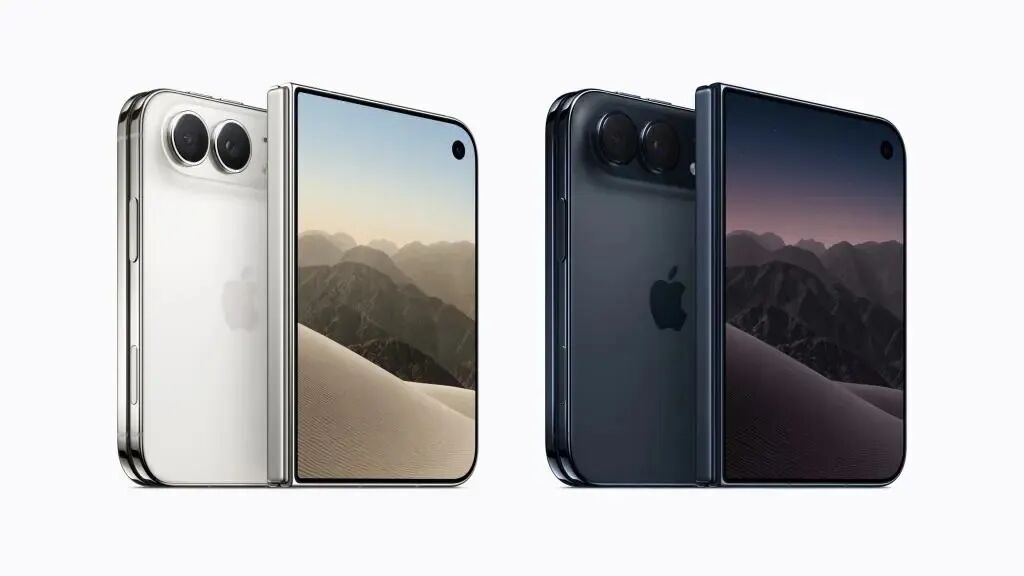
At Apple’s September 10 autumn event, the much-anticipated first foldable iPhone Duo finally made its appearance. The device is available in only two colors—Starlight White and Midnight Black—and exclusively supports global eSIM, eliminating physical SIM slots. This poses significant inconvenience for domestic users, making daily use cumbersome.
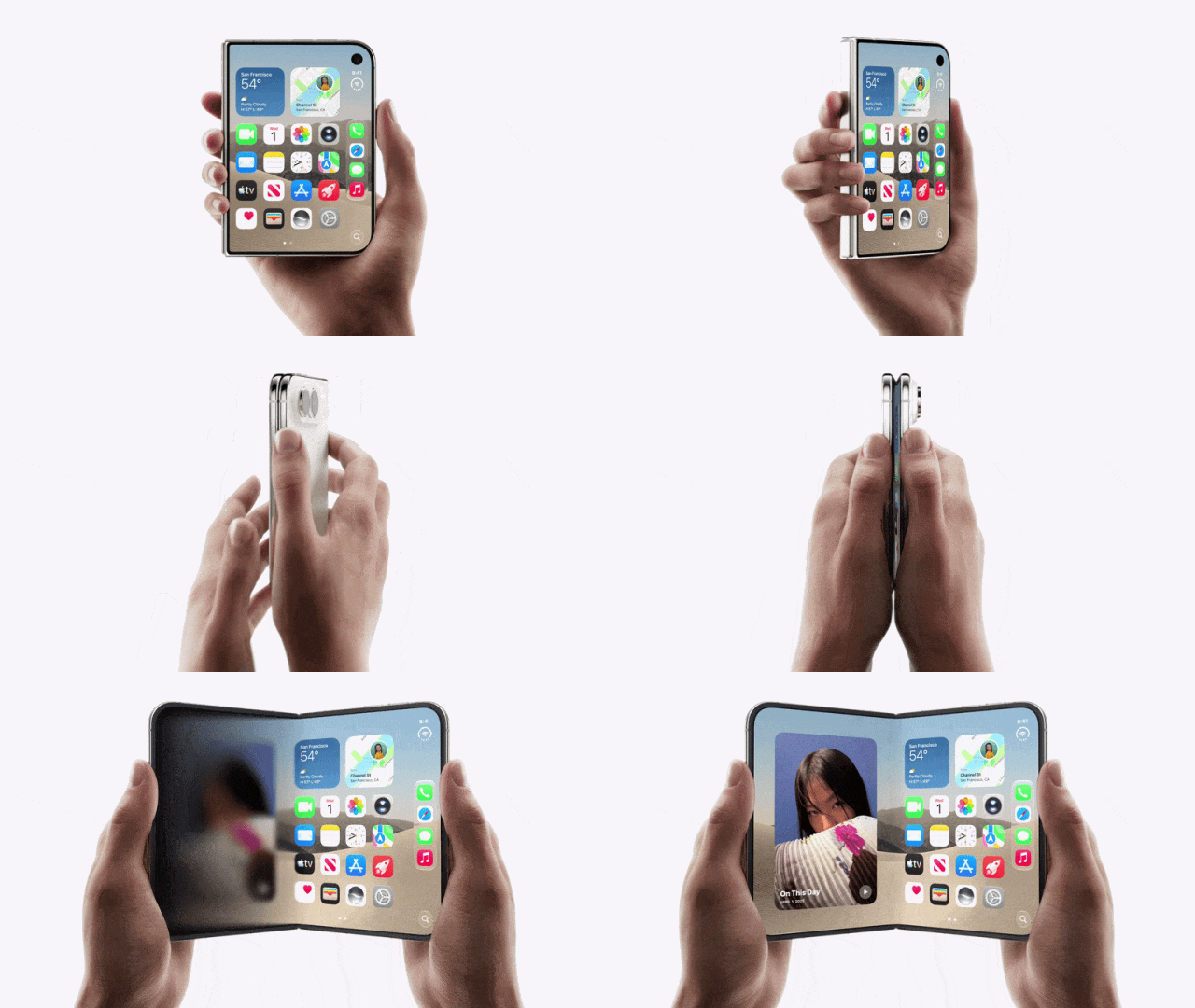 Image Source: Weibo
Pricing remains ambitious, starting at 15,999 yuan and reaching up to 26,499 yuan for the top 2TB version. Pre-orders commence on October 16, with official sales beginning on October 23.
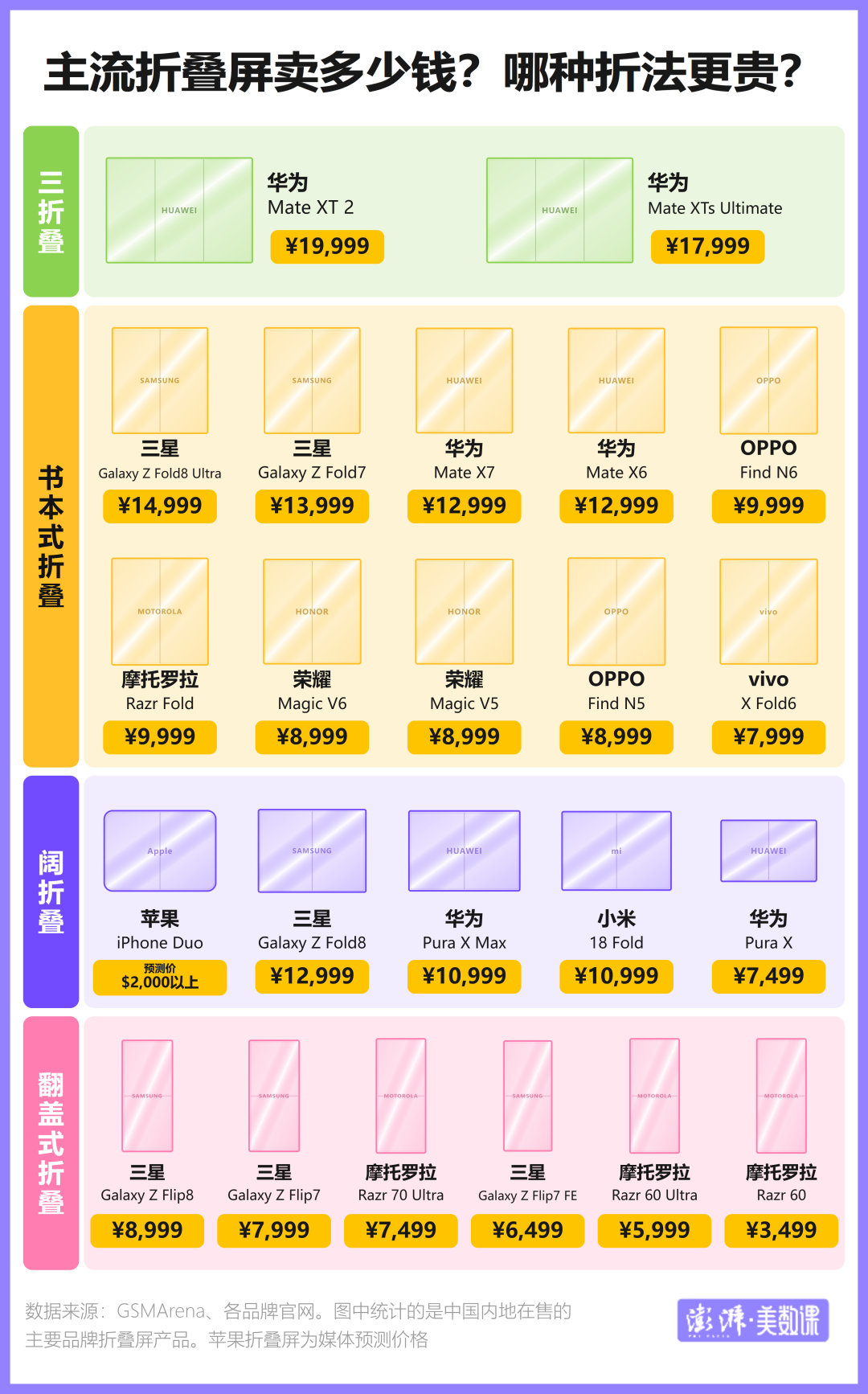 Image Source: The Paper
The device’s reception has been polarizing. Over 630,000 users have reserved it, with many tech influencers lavishing praise. However, industry leaders and ordinary users alike have criticized its glaring flaws.
Netizen Comments:


1. Luo Yonghao’s Scathing Critique: Seven ‘Borrowed’ Features Expose Apple’s Innovation Facade
On the night of the iPhone Duo’s release, Luo Yonghao launched a direct attack, listing seven features that he claims were “borrowed” and thoroughly debunking the new phone’s innovative claims. In his view, all its core designs are mature solutions borrowed from competitors: the foldable form, under-display camera, wide screen ratio, side Dock, seamless inner and outer screens, multi-angle suspension, and titanium hinge cover—all technologies already commercialized by Huawei, OPPO, and Samsung.
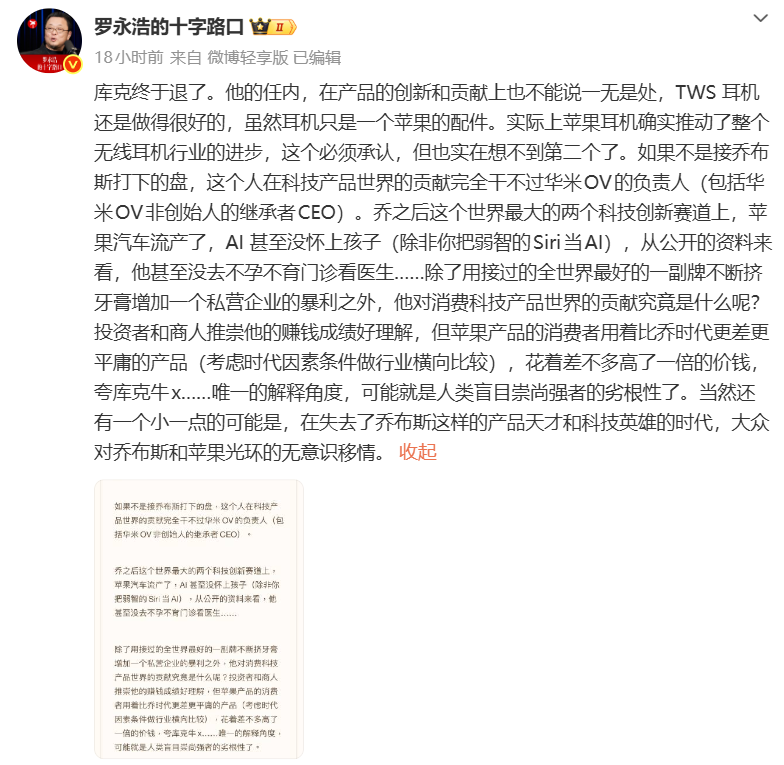 Image Source: Weibo
Simply put, the iPhone Duo is merely a technical integration with no original breakthroughs. Its only notable feature is the folding animation. Even more embarrassing is the crease issue—limited by hardware processes, Apple cannot eliminate creases and resorts to a matte screen to conceal them, while separately polishing the lens area as a compromise. This typical half-baked optimization has led many to lament the disappearance of the innovative spirit from the Jobs era.
2. Netizens Highlight Five Major Flaws, Dissuading Most Potential Buyers
Ignoring the hype from influencers, ordinary users have identified five major flaws that strike at the core reasons not to buy:
First: The pure eSIM design complicates domestic use. Without a physical SIM slot, users must visit offline stores to obtain or change cards. Changing local SIMs abroad is also inconvenient, completely contrary to Chinese user habits.
Second: The absence of a telephoto lens is a clear imaging flaw. It only features wide-angle and ultra-wide-angle dual cameras, performing poorly for distant shots and failing to meet daily photography needs.
Third: The removal of Face ID leads to unlocking failures in winter. The under-display camera lacks radar modules, making it impossible to unlock while wearing gloves and significantly reducing daily practicality.
Fourth: The thick and heavy body severely compromises portability. It feels cumbersome in hand and is a burden to carry while commuting or exercising.
Fifth: The overpriced device offers low cost-effectiveness. Starting at 15,000 yuan, its ordinary configuration and lack of core innovation rely solely on brand sentiment for premium pricing.
3. Visible Creases in Real Devices, Technology Lagging Behind Domestic Competitors by a Generation
After videos of early users handling real iPhone Duo devices surfaced, its flaws became fully exposed. Tests reveal clear, obvious creases on the body, especially glaring under direct light, with an appearance far inferior to Huawei’s and OPPO’s latest foldable models. Industry netizens bluntly state that Apple’s folding technology is basically last year’s version from domestic manufacturers, with no breakthrough upgrades in hinges or screen processes.

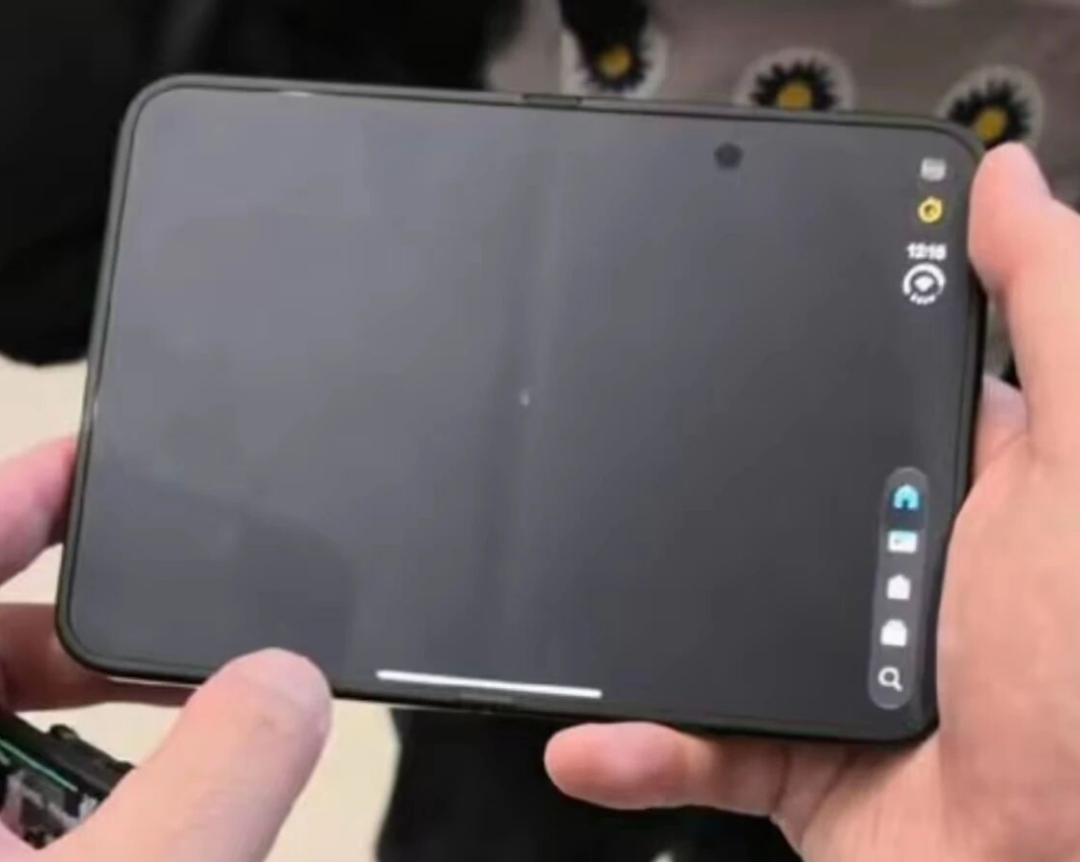
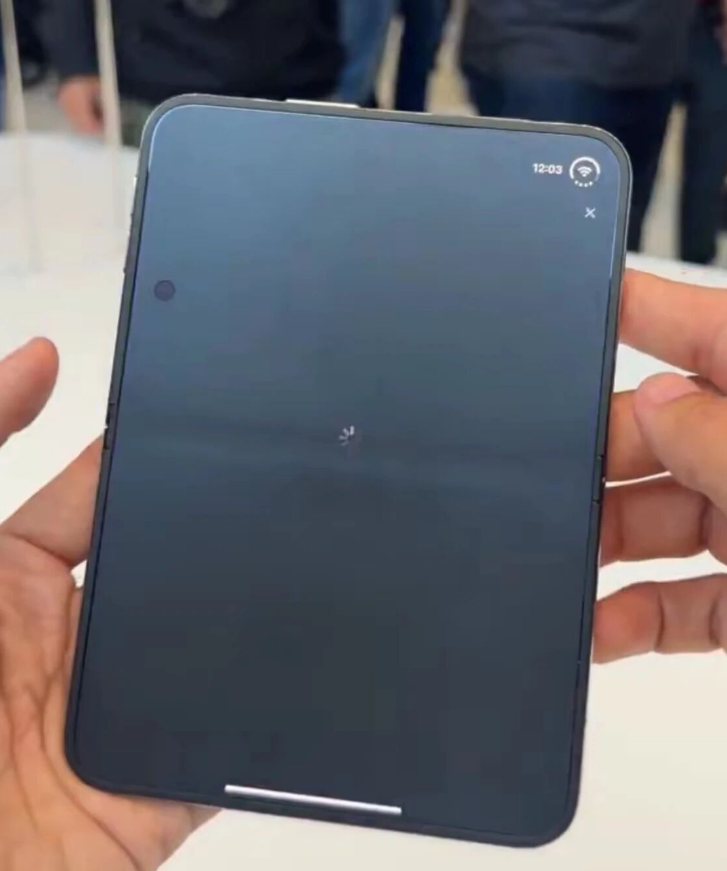 Image Source: Xiaohongshu
2. Concrete Evidence! Apple Has Long Viewed Huawei as Its Top Competitor
Amid the iPhone Duo controversy, an Apple official report sheds light on industry truths. Netizens uncovered Apple’s 2026 wearables heart rate white paper, which directly includes the Huawei Watch 5 in a high-end horizontal comparison list, testing it alongside international brands.
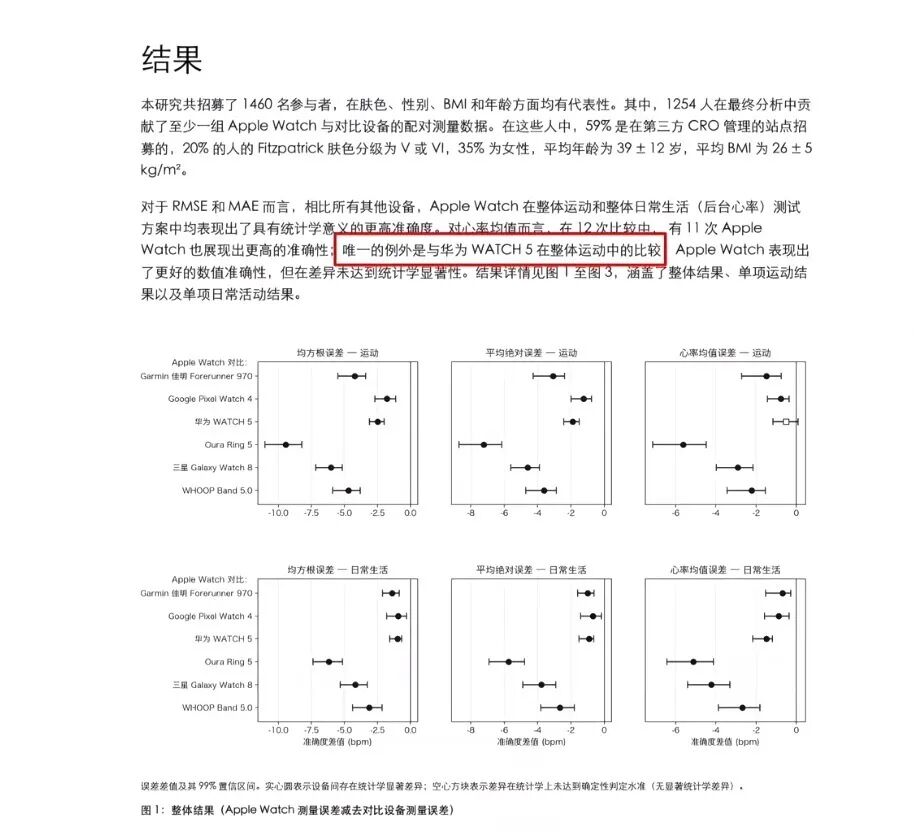 Image Source: Apple Official Website
The test was rigorous, recruiting 1,460 subjects of different ages, body types, and skin tones, simultaneously comparing mainstream wearables from Garmin, Google, Samsung, and others, with objective and authoritative data.
The results are intriguing: In 12 heart rate tests, the Apple Watch led in 11 categories, performing stably in daily monitoring. However, during high-intensity exercise, the Huawei Watch 5 was more accurate, though the gap was small and not overwhelming.
Simply put, Apple is more stable for daily monitoring, while Huawei has a slight edge in exercise scenarios. Apple, usually arrogant and rarely benchmarking against competitors, actively included Huawei in tests—proving that Huawei is now Apple’s most feared close rival, with high-end hardware competition already in full swing.
3. A 72-Hour Epic Showdown! Foldable Phones Enter a Three-Way Battle
From September 7 to 10, China’s tech circle witnessed a historic moment: Huawei, Xiaomi, and Apple all released new foldable phones in the same period, targeting the same high-end market segment head-on. The “three-kingdoms” rivalry in foldable phones has officially begun, with each company focusing on different strategies.
1. Huawei Stays True to Innovation, Strengthening Domestic High-End Leadership
Huawei struck first, releasing the Mate XT 2 Ultimate Master with an exclusive triple-fold design, raising industry standards once again. Powered by the new Kirin 9050 Pro chip, it starts at 19,999 yuan. After years in the foldable market, Huawei leads with innovations ranging from outer-fold to inner-fold to triple-fold designs.
Backed by the mature HarmonyOS ecosystem and support from over 85 million devices, its localized features—such as multi-tasking office work, cross-device flow, satellite communication, dual physical SIMs, and variable aperture imaging—are core advantages that Apple cannot match.
At the event, Yu Chengdong boldly challenged Apple users: Using the Huawei Pura X View as a secondary phone will quickly make it their primary device. Its extra-large wide screen, ultra-high screen-to-body ratio, and 7,000mAh battery offer clear visual and endurance advantages.
Source: Xiaohongshu
2. Xiaomi Focuses on Cost-Effectiveness, Lowering Foldable Phone Entry Barriers
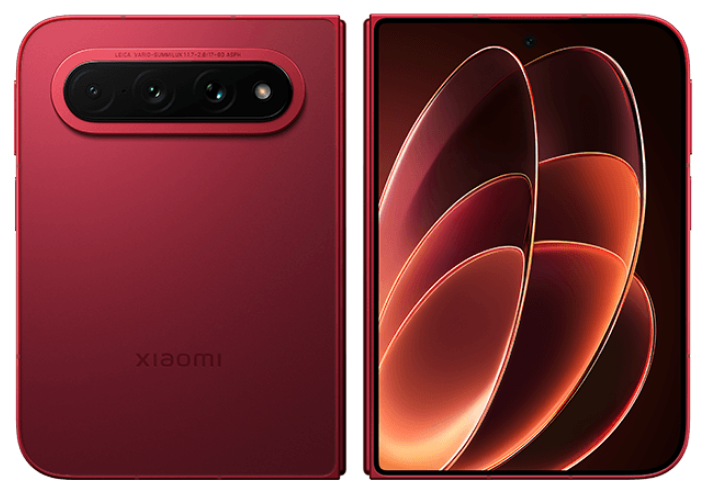
The Xiaomi 18 Fold takes a differentiated mid-fold approach, precisely addressing the bulkiness of large folds and the poor experience of small folds. At just 5.02mm thick and 219g light, its 7.58-inch screen balances vision and portability. Starting at 10,999 yuan, it creates a clear price gap with Apple.
 Source: Xiaohongshu
The new phone debuts with the Xuanjie O3 chip and domestic LPDDR6 memory, upgrading the experience while supporting domestic supply chains. Xiaomi’s ambition is clear: Abandon high premiums, make foldable phones mainstream, and capture the mass high-end market through cost-effectiveness.
3. Apple Plays It Safe, Prioritizing Profits Over Innovation
In contrast, Apple’s strategy is extremely conservative, abandoning new form explorations for the most mature clamshell dual-fold design. Relying on the 2nm A20 Pro chip, titanium body, and iOS ecosystem, it aims to safely “harvest” global high-end profits without any innovative breakthroughs.
Its flaws are also prominent: eSIM incompatibility, no telephoto lens, obvious creases, bulky design, and weak localization—all optimized by following trends, lacking any industry leadership.
4. Industry Truth: Apple Can Surpass in Sales but Not Huawei’s Innovation Moat
Many wonder: Can Apple overtake Huawei? Counterpoint Research provides a clear answer: Apple may surpass in sales share but cannot overcome core barriers.
Globally, Apple’s first-year foldable share is expected to reach 25%, slightly exceeding Huawei’s 22% and ranking second after Samsung. With global brand influence, Apple’s ability to attract overseas high-end users is undeniable.
However, in China’s market, innovation capability, and ecosystem barriers, Apple holds no advantage. Huawei’s years of accumulated self-developed technology, localized features, offline channels, and user reputation form deep moats that no single imitation model from Apple can shake.
In short, Apple can steal sales data but not innovation status or user loyalty.
5. The Future of Foldable Phones: Not About Specs, But Real-World Experience
Industry forecasts predict continued rapid growth in the foldable market by 2027, with Apple’s share likely rising further. However, foldable phones remain niche high-end products with low penetration and high prices, far from mass adoption.
Future competition will move beyond hardware specs. The only decisive factor is whether foldable phones can deliver unique experiences that straight phones cannot.
If they merely enlarge screens, foldable phones will remain niche toys. Only by solidly implementing scenarios like large-screen office work, multi-tasking, entertainment, and smart connectivity can they become essential devices for users.
The current industry landscape is clear: Apple pursues profits, Huawei guards innovation, and Xiaomi scales up. This high-end rivalry has just begun. While Apple gains share through imitation, it still has a long way to go to shed its “copycat” label and secure its industry position. The foldable endgame is not about brand replacement but who first defines the next mainstream phone form.
Interactive Topic
1. Would you buy the 15,999-yuan iPhone Duo?
2. Do you think Apple's foldable phone represents an optimization and upgrade, or is it simply following trends and copying others?
Disclaimer: This article is solely a financial comment on major companies and does not constitute any investment advice. The corporate data and regulatory events mentioned herein are derived from publicly available information and are for reference only. The specifics should be based on official releases. The image is sourced from the internet. If there are any copyright issues, please contact us for removal.
-
Tianlong-3 Yao-1 Mission Update: Insights from the 189.5-Second Flight
-
The Untold Undercurrent of CIFTIS: Chinese Tech Goes Global, Shifting from Quick Profits to Sustainable Value
-
![]()
Confirmed! Apple CEO Cook Admits to ‘Drawing Inspiration’ from Huawei; Luo Yonghao Offers Direct Criticism
-
![]()
Zhang Yiming’s Global Empire Surges: TikTok Achieves Scalable Profitability Across Key Markets!
-
![]()
No AI Until High School! NYC Establishes the Most Stringent Educational Boundary in U.S. History
-
The Dilemma of Expanding Domestic Cars and Shrinking Parking Spaces: A Parking Nightmare
-
Purchasing Power Parity: iPhone18 Pro Affordability Across Nations
-
Over 16% Surge! The 'Home Appliance Giant's' AI Story Pushes Boundaries