Starting from 259,900 yuan, 5,500 orders in one day! Will the XT5 PHEV become Cadillac's Normandy in the new energy sector?
 09/10 2026
 429
429
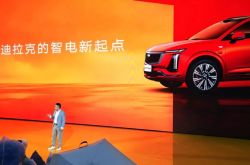
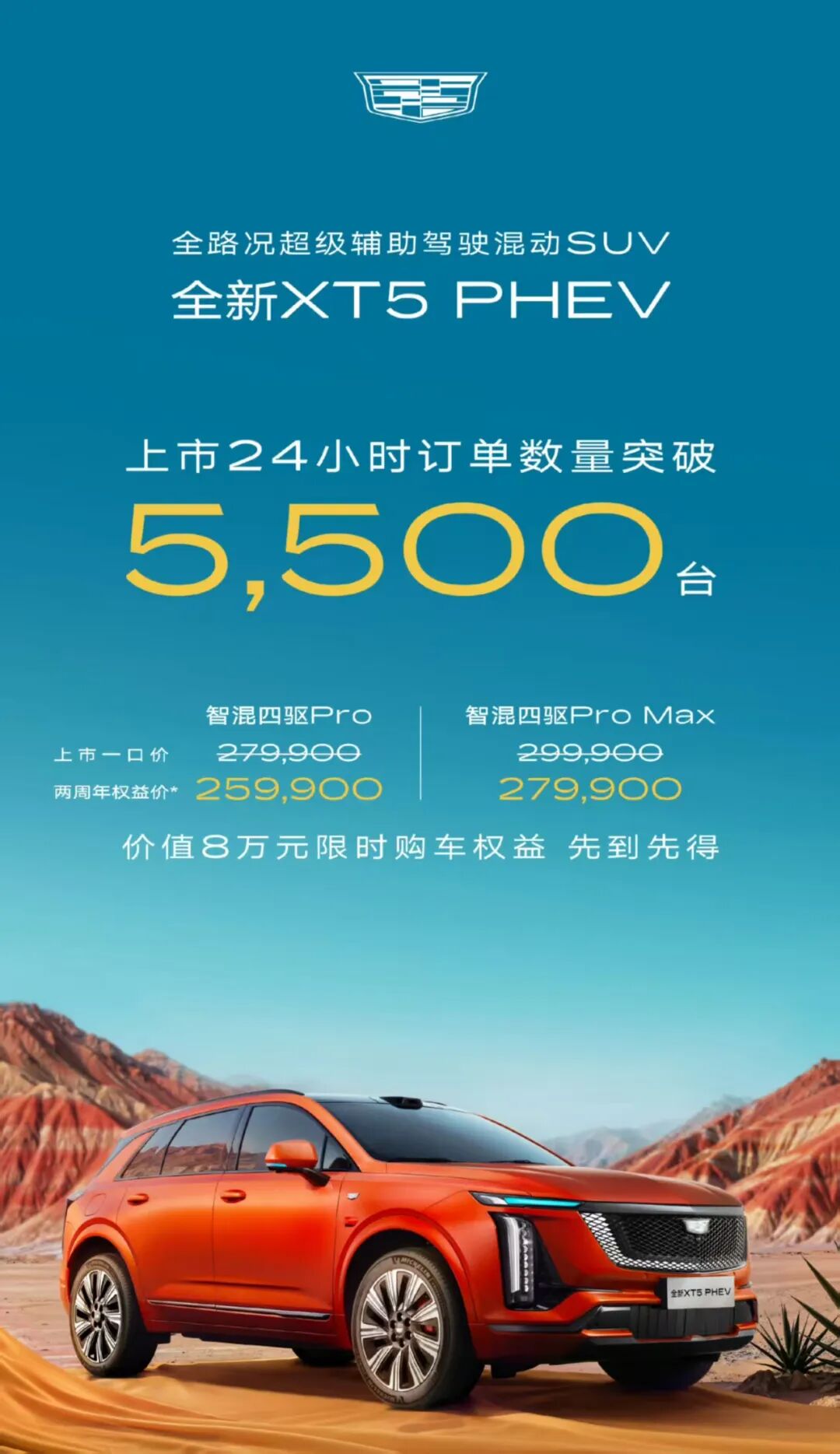
After three failed attempts at electrification in the domestic market, Cadillac is making another push. On the evening of September 7, the Cadillac XT5 PHEV was officially launched, featuring two variants: the Intelligent AWD Pro and the Intelligent AWD Pro Max, with limited-time promotional prices ranging from 259,900 yuan to 279,900 yuan. Compared to the current terminal prices of the fuel-powered AWD models, the XT5 PHEV's price has increased by approximately 15,000 yuan.
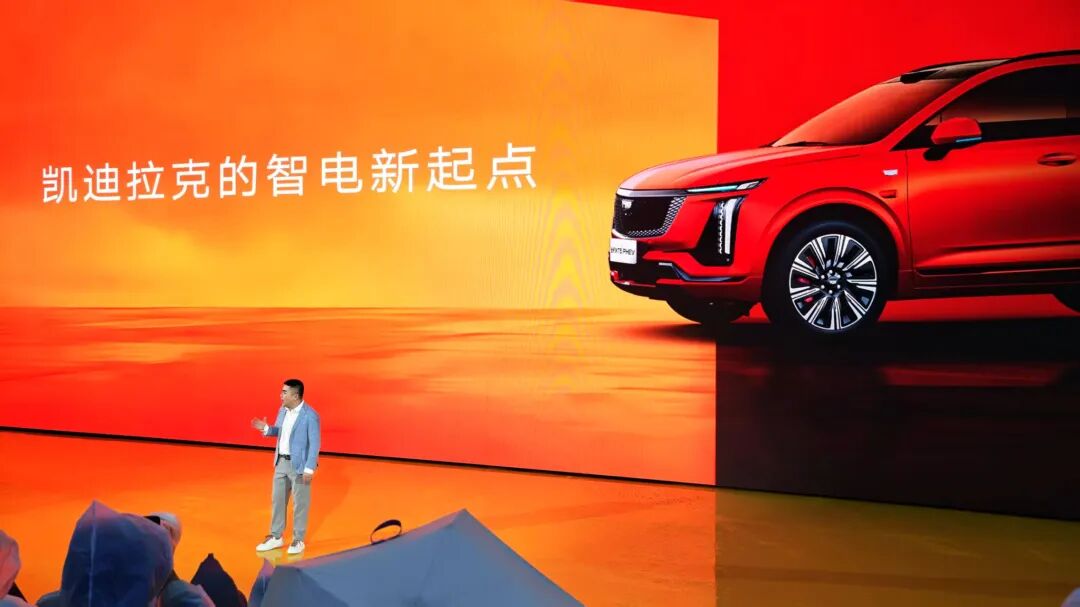
The XT5 PHEV is Cadillac's first plug-in hybrid SUV model. Fu Cheng, the head of Cadillac's marketing division, described it as a new starting point for Cadillac's intelligent electric vehicles, marking the moment when classic American-style SUVs enter the era of intelligent electrification.
Prior to this, Cadillac had already launched three all-electric SUVs. In June 2022, Cadillac launched its first localized electric SUV, the LYRIQ, in China, but the market response fell short of expectations. In April 2024, it introduced its second all-electric SUV, the OPTIQ, which sold just over 2,000 units last year. In April of this year, it launched its third all-electric SUV, the VISTIQ, whose monthly sales had already dropped to double digits just four months after its launch.
This time, Cadillac has shifted its strategy, moving away from a pure electric focus and instead turning to plug-in hybrids. It is embracing local intelligent technologies while choosing its flagship model, the XT5, as the breakthrough point. Compared to the LYRIQ, OPTIQ, and VISTIQ, which require time to build brand recognition, the XT5 has been in the Chinese market for 20 years, with annual sales once exceeding 90,000 units during its peak, making market expansion easier. This model has also been a key contributor to Cadillac's expansion in China.
As a plug-in hybrid version of the XT5, the first question facing the XT5 PHEV is whether it is simply a "fuel-to-electric conversion." Examples include the BMW i3/iX3 (older models), Mercedes-Benz EQA/EQB/EQC, Audi e-tron, and Toyota C-HR EV, all of which failed to successfully penetrate the market and instead eroded market patience for joint-venture electric vehicles.
In response to this question, Xu Ping explicitly denied it during the launch event. "Today, I can clearly tell everyone that the all-new hybrid XT5 has undergone a complete transformation from its native architecture," said Xu Ping, General Manager of SAIC-GM.
Although it is a plug-in hybrid, the XT5 PHEV retains the "luxurious all-terrain full configuration" of its fuel-powered counterpart and introduces multiple upgrades. The "luxurious all-terrain full configuration" refers to the powertrain and chassis. According to reports, the XT5 PHEV is fully self-developed based on a 5C native plug-in hybrid architecture, featuring a P1+P3+P4 three-motor layout, standard all-wheel drive, and a dual-clutch DHT plug-in hybrid transmission. With a full charge, it achieves 0-100 km/h acceleration in 4.8 seconds, and even with a depleted battery, it achieves 0-100 km/h acceleration in just 5.4 seconds, with only a 0.6-second difference in acceleration between full and depleted battery states. During high-altitude testing, some media outlets drove the XT5 PHEV 2,000 kilometers across Tibet, ultimately reaching the Lajiongla Pass at an altitude of 5,830 meters.
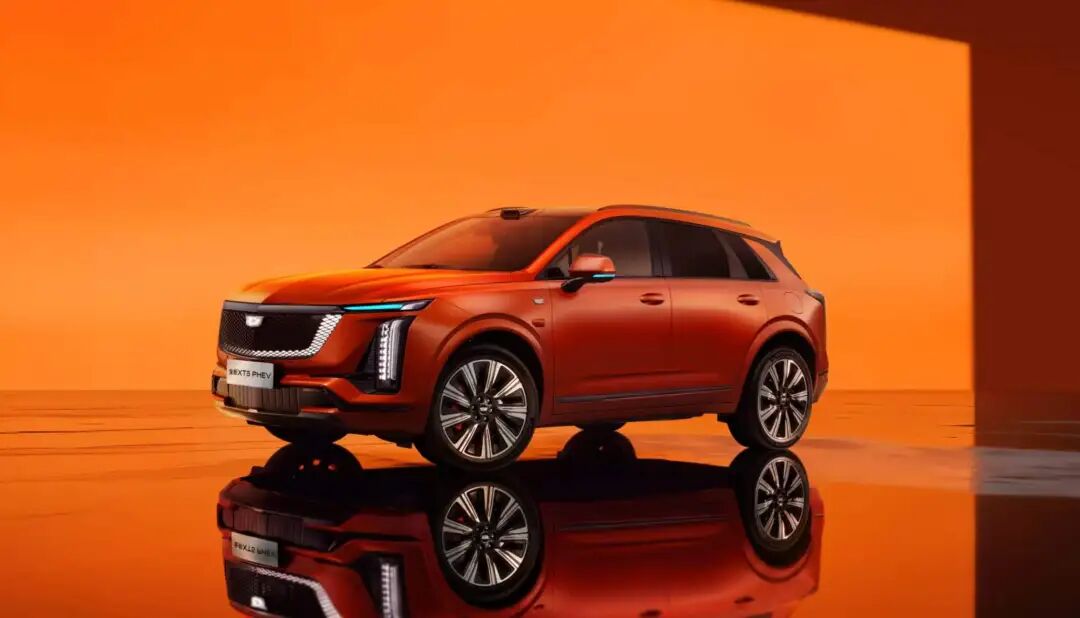
Additionally, building on the fuel-powered XT5's Hummingbird chassis, the XT5 PHEV has upgraded to an electric Hummingbird chassis, which comes standard across all variants. For example, the RTD has been upgraded to a second-generation predictive RTD electronic real-time damping adjustable suspension, capable of identifying speed bumps, manhole covers, and uneven road surfaces 20 meters in advance, scanning at a high frequency of 500 times per second, and adjusting the suspension stiffness in real time to smooth out up to 60% of bumps. It is equipped with the same Brembo six-piston brake system as the Escalade, featuring upgraded comfort braking functionality. All variants come standard with front and rear dual-motor all-wheel drive, with a response speed just one-fourth that of traditional mechanical all-wheel drive, providing stronger traction in wet, snowy, muddy, or gravelly conditions. The XT5 PHEV also offers multiple driving modes, including Comfort, Sport, and Off-Road, to suit different road conditions.
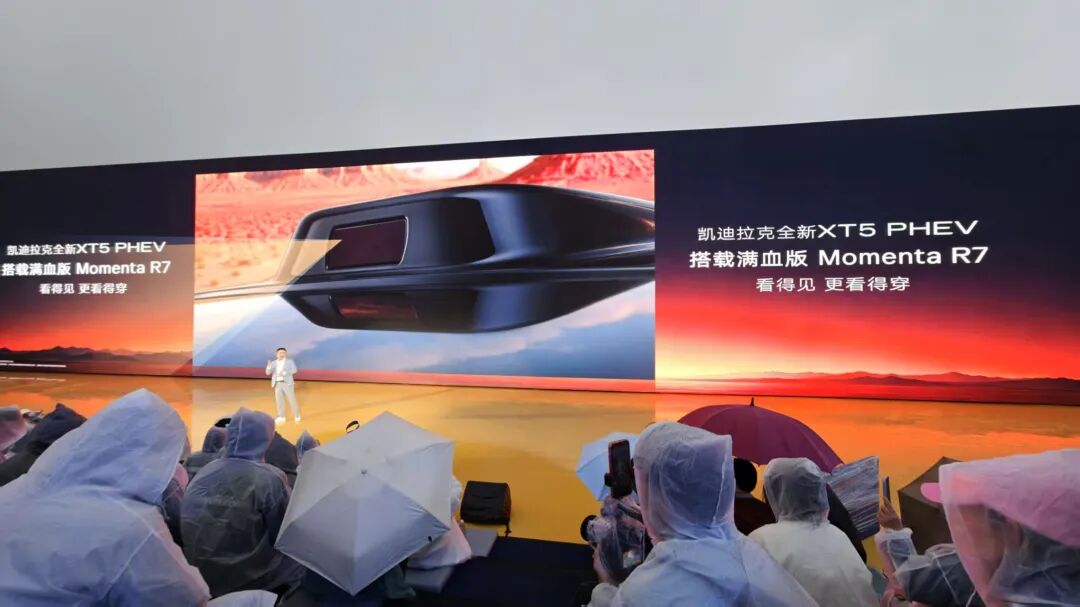
While building on its strengths, the XT5 PHEV has also transformed its intelligentization (intelligent) shortcomings into strengths. The XT5 PHEV is the first luxury plug-in hybrid SUV to feature the Momenta R7 world model in mass production. Fu Chen emphasized that the XT5 PHEV uses the full-spec R7 high-definition assisted driving system, which includes 27 sensors, including one LiDAR, supporting urban and highway piloted assistance, all-scenario parking, reverse tracing for up to 150 meters, navigating extremely narrow roads with as little as 20 centimeters of clearance on one side, cloud-based adaptive cruise control, and memory parking. This intelligent driving system is ready to use upon delivery.
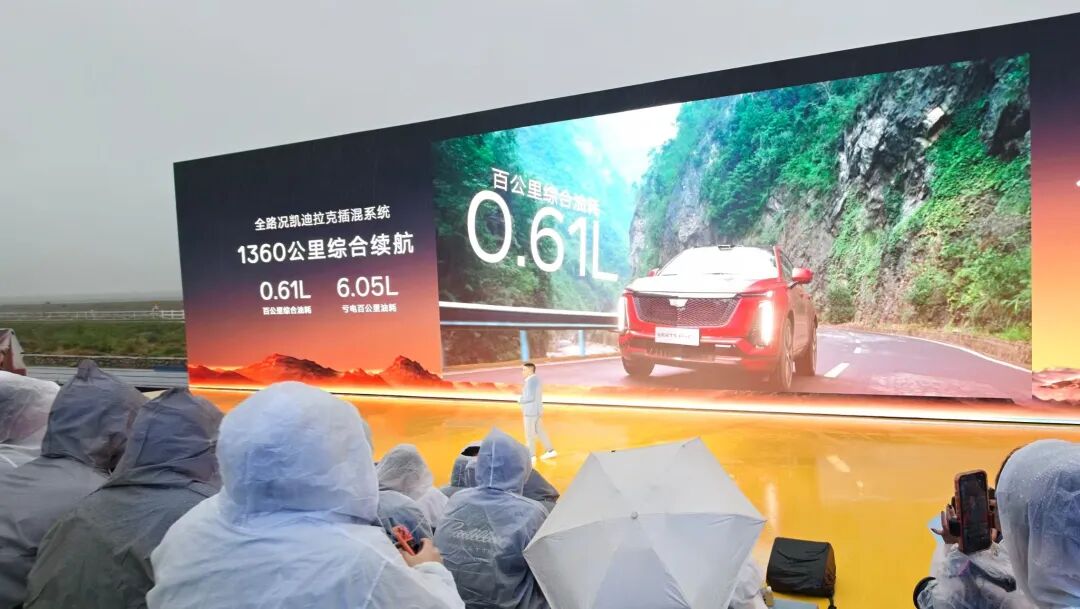
Meanwhile, the XT5 PHEV's cabin retains a 33-inch 9K curved display and is upgraded with a Qualcomm Snapdragon 8775P chip. The ByteDance Doubao large model is integrated into the vehicle, allowing for natural dialogue-based operation. This brings its intelligent driving and cabin capabilities in line with those of leading domestic electric vehicle brands, addressing the traditional luxury brand's lag in intelligentization (intelligent) features. Additionally, in terms of range, the XT5 PHEV is equipped with a 35.5 kWh ternary lithium battery, offering a CLTC pure electric range of 215 km and a combined range exceeding 1,300 km.
Fu Cheng stated that the XT5 PHEV combines Cadillac's core strengths with the empowerment of Chinese intelligent technologies, creating a synergistic effect that delivers results greater than the sum of its parts. "Today, we are bringing this full suite of flagship capabilities directly under the 300,000-yuan mark, reestablishing the value benchmark for luxury new energy vehicles," said Xu Ping. This is the goal Cadillac has set for the XT5 PHEV.
From a pricing perspective, the XT5 PHEV enters one of the most crowded segments of the current automotive market, with its core competitors being domestic brand extended-range/plug-in hybrid models such as the Li Auto L6 and Seres M6. Compared to these competitors, the XT5 PHEV has no significant shortcomings in terms of core intelligence and battery range, while also offering superior handling. Its main challenge lies in Cadillac's lack of brand recognition in the electrified vehicle segment, which is precisely what the XT5 PHEV needs to address—convincing consumers to pay a premium for an American luxury plug-in hybrid.
As a traditional luxury brand, the XT5 PHEV also faces pressure from its longstanding rivals. On one hand, Volvo launched the XC70 plug-in hybrid last September, with a limited-time terminal price starting at 229,900 yuan, but its monthly sales have long hovered around 1,000 units, posing little threat to the XT5 PHEV.
While competing with these new energy rivals for market share, the XT5 PHEV will also work in tandem with its fuel-powered counterpart to capture market share from fuel-powered SUVs such as the Audi Q5L, BMW X3, and Mercedes-Benz GLC. These three models have long been competitors of the fuel-powered XT5, with current terminal sales now in the 250,000-yuan range. Despite significant terminal discounts leading to a decline in sales compared to their peak, these models still maintain stable monthly sales of 6,000-8,000 units. If the XT5 PHEV can capture even a portion of this market, it would represent a significant sales increase for Cadillac, which currently sells just over 5,000 units per month.
According to official Cadillac data, the XT5 PHEV received over 5,500 orders within 24 hours of its launch. While this figure may not be as eye-catching as the tens of thousands of orders seen in the industry, it represents a solid achievement given Cadillac's past performance with electrified products.
-
![]()
Insta360 Revenue Surges, Yet Profits Dive: Stock Price Slashed by Half This Year, Earnings Projections Revised Downward
-
In-depth | OpenAI's First-Generation In-House Chip Shines, Unveiling a New Approach to Computing Power Beyond Expectations
-
![]()
The Imaging Industry is Being Revolutionized! DJI/Insta360/Hohem Steal the Spotlight at IFA, Pushing Canon and Sony to the Periphery?
-
![]()
Starting from 15,999 yuan! Apple's First Foldable iPhone Duo Released: First Under-Display Front Camera on Inner Screen, eSIM Only
-
![]()
Starting from 259,900 yuan, 5,500 orders in one day! Will the XT5 PHEV become Cadillac's Normandy in the new energy sector?
-
Mistral Raises €3 Billion in Series D Funding: European AI Powerhouse Ignites Global Computing Arms Race
-
Li Xiang Bets 2.65 Billion on Sunwoda, Li Auto Fights Back from the Brink
-
250,000 Yuan a Year vs. $1,500 a Month! The AI Budgets of Big Firms Are at Polar Opposites