Ultimate Showdown in Large SUV Sales for August: ES8 Takes the Crown Again, AITO M9 Comes in Second
 09/10 2026
 528
528
The August retail rankings for large SUVs across all energy types have just been released, revealing a fierce competition in the 40.6 million yuan domestic flagship segment with some explosive numbers.
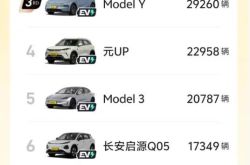
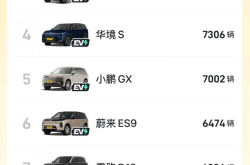
The all-new NIO ES8 claimed the top spot with 10,991 units sold, while the AITO M9 followed closely with 10,098 units. The difference is a mere 893 units—roughly equivalent to a month's orders from a popular dealership. This isn't about one completely outperforming the other; rather, it's a monthly vote cast by countless consumers with their wallets.
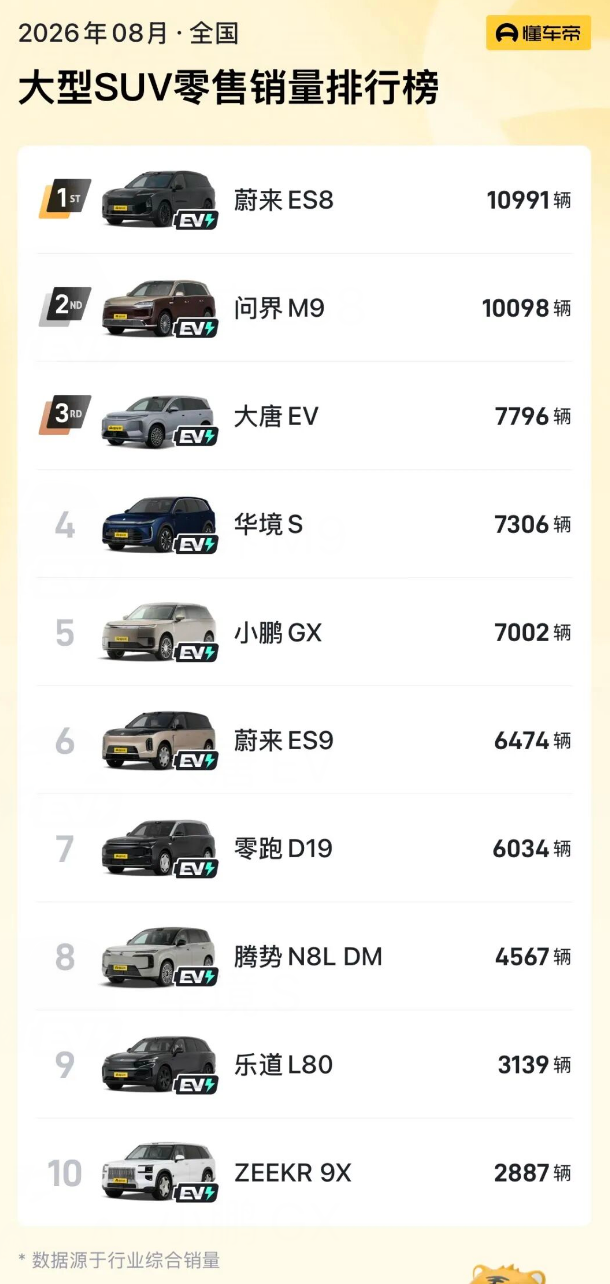
Image Source: DCD Auto
To truly understand this high-stakes competition, we need to look beyond August's results and examine the complete picture over the past three months, from June to August, to uncover the underlying dynamics.
I. Three-Month Data Review: A Brief Surge and Rotating Leadership
The most dramatic moment in this rankings drama was undoubtedly the M9's sole ascent to the top. Since the delivery of the third-generation all-new ES8 in December 2025, it has largely held onto the sales crown. June marked the only time since the M9's launch that it managed to dethrone the ES8.
Retail sales data for the past three months:
June: AITO M9 - 10,070 units (1st place) | NIO ES8 - 8,966 units (2nd place)
July: NIO ES8 - 10,284 units (1st place) | AITO M9 - 9,639 units (3rd place)
August: NIO ES8 - 10,991 units (1st place) | AITO M9 - 10,098 units (2nd place)
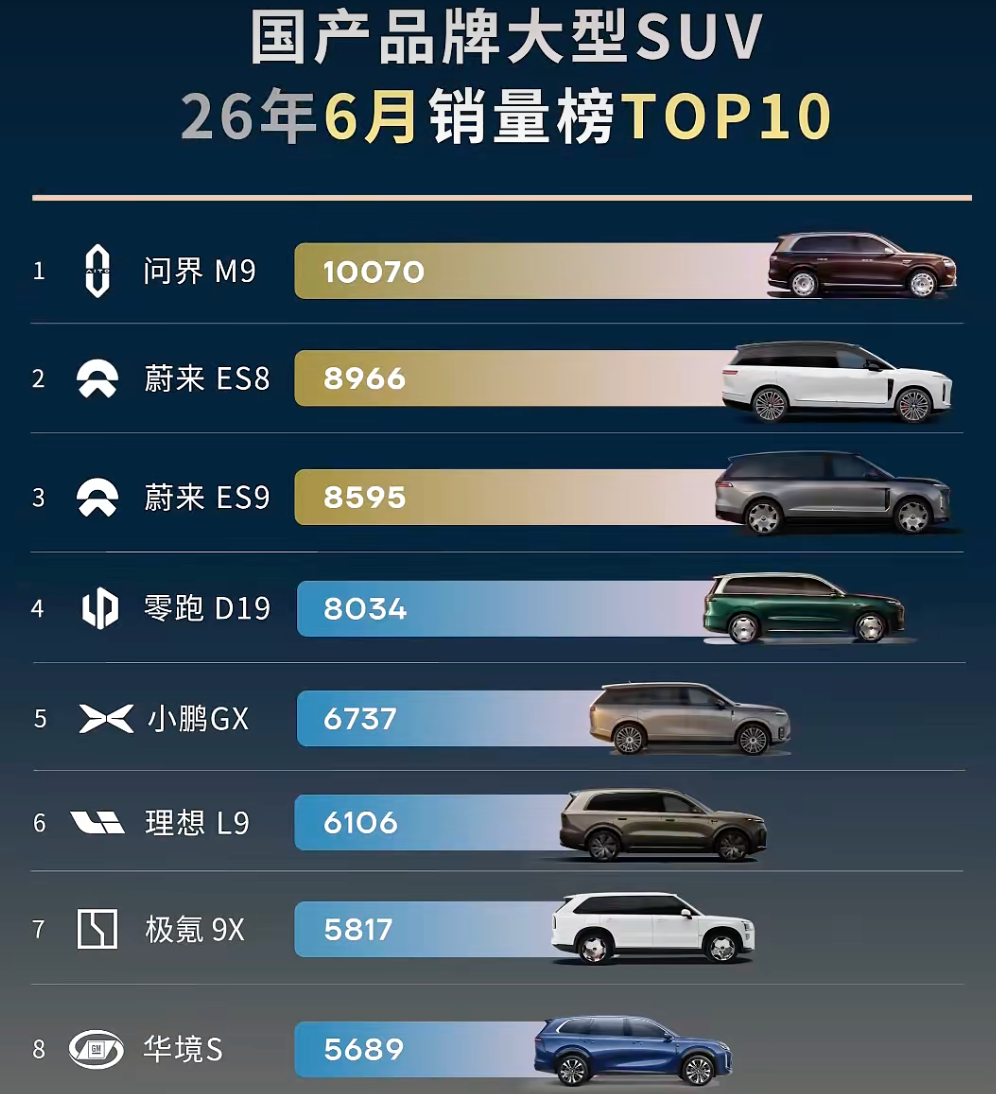
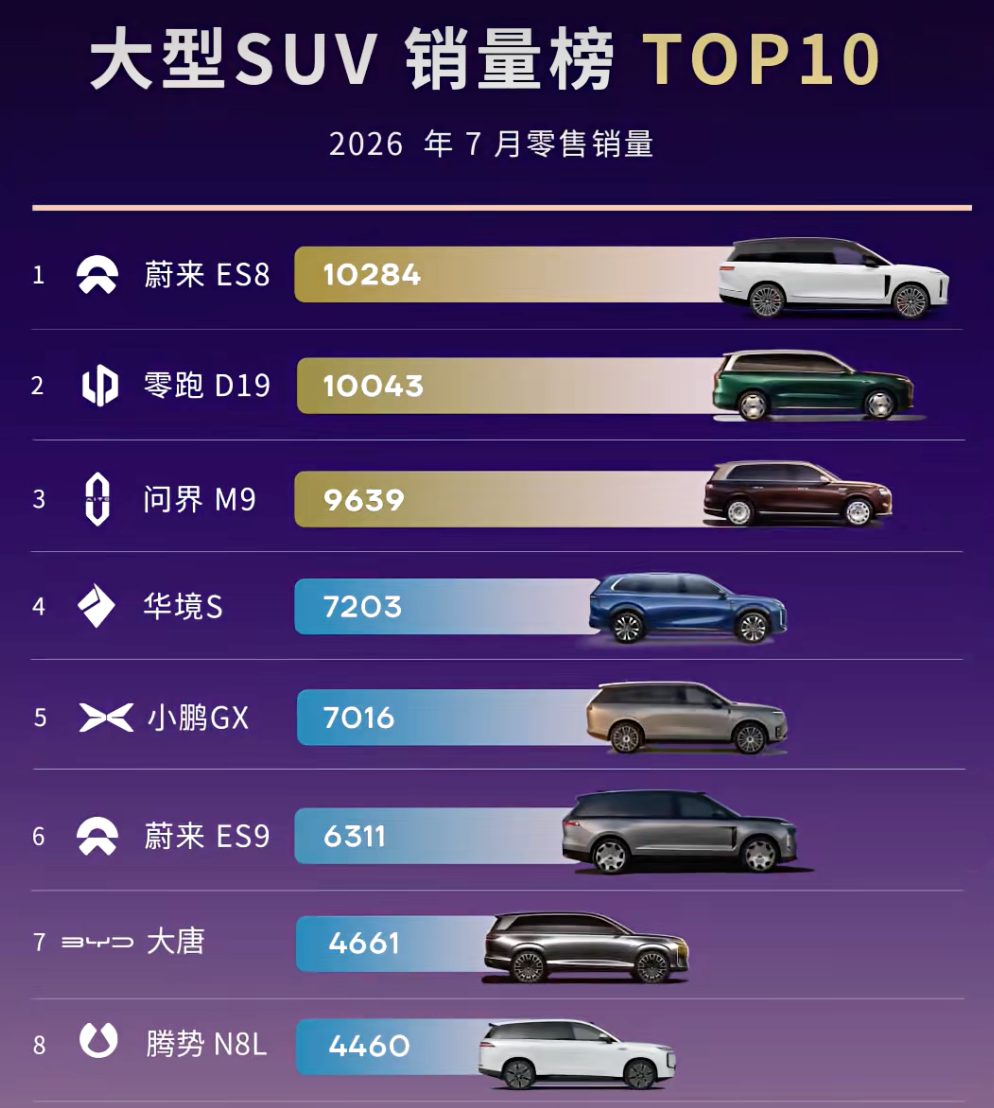
Image Source: WeChat Channels
Including August, the third-generation ES8 has now claimed the monthly sales crown for large SUVs across all energy types eight times. In contrast, the earlier first- and second-generation ES8 models struggled with reputation issues and never came close to the top spot. The third-generation model has achieved a remarkable turnaround, transforming from a target of criticism to a regular on the rankings.
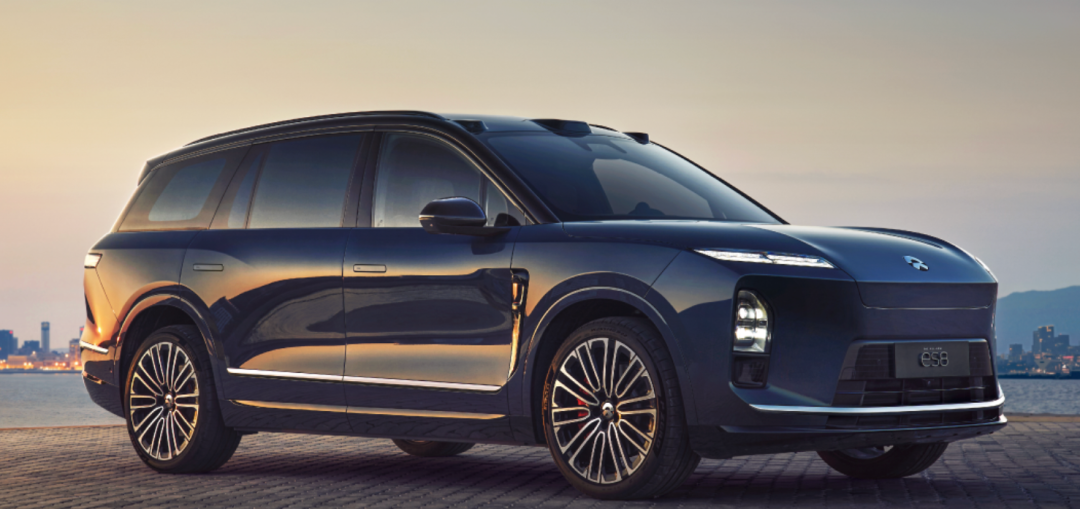
Third-Generation NIO ES8; Image Source: Weibo
From an industry perspective, the M9's surge in June appears to be a short-lived boost from a facelift. The pre-launch period built up a pool of potential buyers, and concentrated sales efforts drove a temporary spike. Once these backlogged orders were fulfilled, sales naturally returned to normal levels.
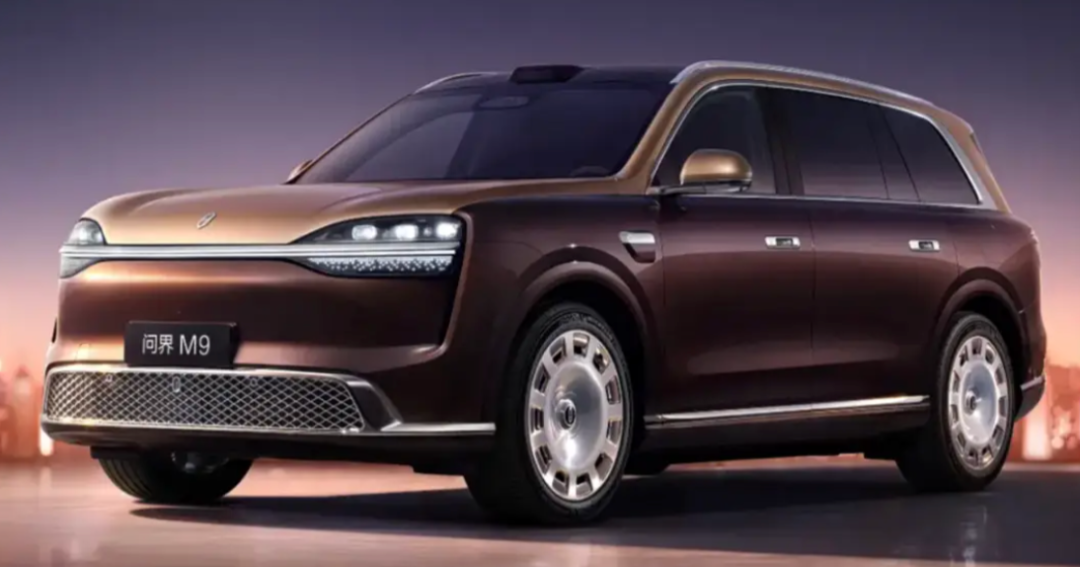
AITO M9; Image Source: Weibo
In contrast, the ES8 has not experienced any dramatic monthly surges but has maintained steady performance, consistently selling around 10,000 units per month, showcasing solid fundamentals.
II. Behind the Sales Gap: Pricing Discrepancies and Diverse Customer Needs
Many online discussions focus solely on comparing sales figures, often overlooking a key reality: the ES8 and M9 are not direct competitors in the same price range, with a significant price gap between them.
The all-new ES8 starts at 406,800 yuan for the whole vehicle, or as low as 308,800 yuan with the BaaS (Battery as a Service) option. However, its high-end versions can also exceed 500,000 yuan.
The AITO M9 starts at 479,800 yuan, with the top variant reaching 659,800 yuan. Its entry-level price is 73,000 yuan higher than the ES8's whole-vehicle version, and its average transaction price is notably higher.
These pricing differences have resulted in two distinct customer bases.
The ES8's growth doesn't solely come from taking customers away from the M9. A significant portion of its orders comes from owners of traditional luxury fuel-powered large SUVs like the BMW X5 and Mercedes-Benz GLE.
Lower purchasing barriers, battery swap services, and upgraded chassis quality have successfully tapped into the existing market for traditional luxury vehicles. The BaaS option further lowers the entry point, attracting families on a limited budget who still desire a large three-row flagship experience.
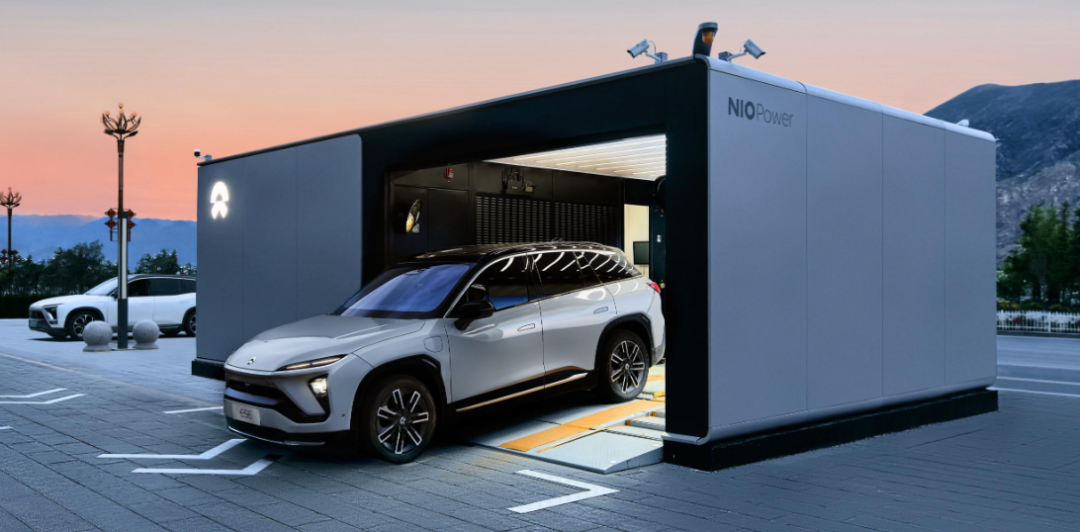
Image Source: Weibo
The M9, on the other hand, targets families with budgets exceeding 480,000 yuan and light business users. While this market segment is smaller, the M9's ability to consistently sell over 10,000 units per month attests to its strong appeal.
III. Clash of Product Strategies: Urban Advantages of Battery Swap EVs vs. All-Terrain Freedom of Extended-Range Intelligent Driving
Beyond sales figures and pricing, what truly influences consumers' purchasing decisions are the fundamentally different solutions offered by these two vehicles. Both are fully equipped in terms of hardware, with no clear winner—only what better suits individual needs.
The all-new NIO ES8 excels in the overall urban commuting experience.
It features a full-series dual-chamber air suspension paired with an external valve CDC, completely resolving the previous model's criticism of excessive body roll. Whether navigating urban potholes or high-speed undulating roads, it offers smooth vibration filtering and quick damping recovery. For a 5.28-meter-long SUV, its chassis performance ranks among the best in its class.
It offers five-, six-, and seven-seat layouts, with standard ventilation, heating, and massage functions for the second row—no extra cost for these features. This makes it suitable for multi-child families and simple business receptions.
Its 900V high-voltage platform, combined with a mature battery swap network, is its biggest strength. A 3-minute battery swap, compared to the long wait at charging stations, provides a significant advantage in first- and second-tier cities and areas with dense highway swap stations. Coupled with NIO's door-to-door vehicle pickup and delivery service and one-click maintenance, it has won over many families who prefer a hassle-free experience.
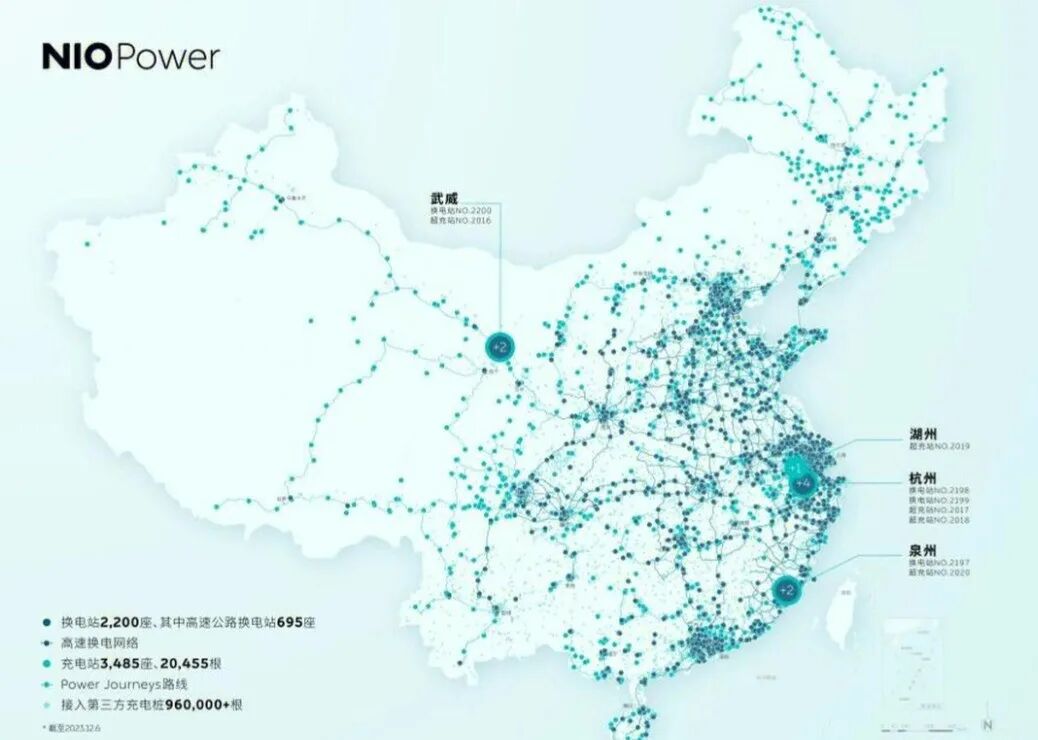
Image Source: Youjia
However, its shortcomings are also evident. With a vehicle weight nearing 2.7 tons and a less aerodynamic design, its CLTC range is 635km, but real-world highway driving typically yields around 380-420km. In northern winters, with full occupancy and heating on, the range decreases further.
Its experience is highly dependent on the availability of battery swap stations. If your hometown or highway routes lack swap facilities, the drawbacks of pure electric vehicles become glaring. Its large size also makes parking in old residential areas or narrow garages challenging, and without factory-installed electric steps, elderly and young passengers may struggle to get in and out—common complaints among owners.
The AITO M9's core selling points are all-scenario peace of mind and top-tier intelligent driving.
The M9's biggest advantage is its extended-range version, which isn't tied to charging stations or swap facilities. It can run on electricity in the city and switch to fuel for long-distance travel, ensuring peace of mind whether driving on mountain roads or visiting county towns.
Huawei's ADS intelligent driving and HarmonyOS cockpit ecosystem remain at the forefront of domestic offerings, with many users citing their city and highway navigation performance as the deciding factor in their purchase. High-end models feature air suspension + CDC and a multi-screen interconnected cockpit, delivering impressive intelligentization (intelligent) experiences.
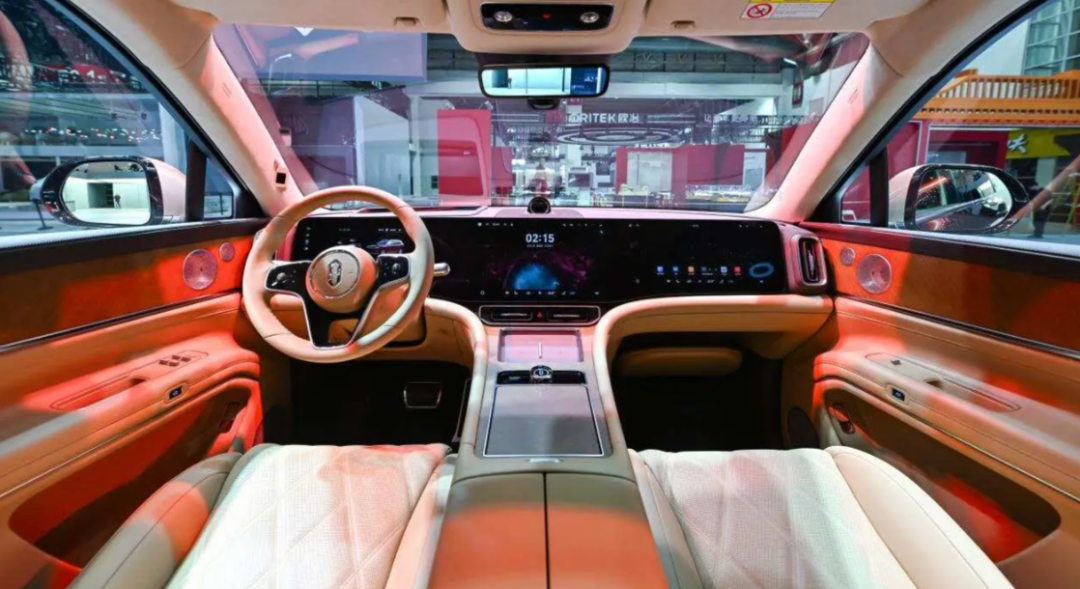
Image Source: Weibo
However, its shortcomings are also practical: a higher purchasing threshold; the pure electric version lacks battery swap support, forcing long-distance travelers to wait in line for charging—a pain point during holidays at highway service stations.
Real-world owner experiences highlight that context matters:
"Driving around Jiangsu, Zhejiang, and Shanghai, the ES8's battery swaps are a breeze, and the chassis is comfortable. But for the Lunar New Year trip back to northwest county towns, where there are no swap stations, I wouldn't dare buy it even if I loved it."
"The M9's intelligent driving is smooth, but during holidays on the highway, waiting in line for charging at service stations cuts the experience in half."
"When frequently driving through mountainous areas with family, chassis quality and battery swap speed take a backseat—no range anxiety is the top priority."
"With a home charging pile and rarely driving long distances, the ES8 is more than sufficient."
In Conclusion
The August sales crown reflects the combined efforts of the ES8's product iteration, pricing strategy, and battery swap ecosystem. Meanwhile, the M9, despite taking second place, maintains its position as a 500,000 yuan-plus domestic flagship with over 10,000 monthly sales.
The consistent thousand-unit gap between the two means monthly rankings could easily flip. The era of extended-range vehicles monopolizing large SUV sales is over, with Zeekr, Xiaomi, Li Auto, and others entering the fray, turning this segment into a highly competitive battleground.
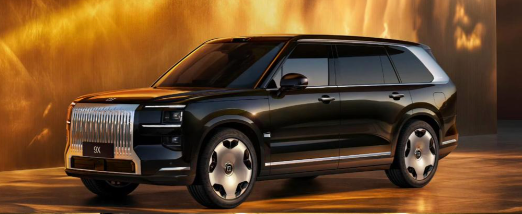
Zeekr 9X; Image Source: Weibo
Sales rankings are merely monthly market votes, not definitive judgments on product quality.
If your daily driving involves cities and highways with ample swap stations, and you value chassis quality and energy replenishment efficiency, the ES8 is worth considering. If you frequently travel to remote areas with unreliable energy replenishment and prioritize intelligent driving and all-scenario mobility, the M9 is the safer choice.
Disclaimer: This article is solely a commentary by Zhi Caijing and does not constitute any investment advice. All enterprise data and regulatory events mentioned are from publicly available information and are for reference only, subject to official releases. Image sources are from the internet; please contact us for copyright removal if needed.
-
![]()
Sales Plummet, Auto Industry Titans Slash Jobs! Are Gasoline Cars Doomed?
-
![]()
DeepSeek Unveils New Model: Outperforming Pro, Priced Like a Flash
-
![]()
Ultimate Showdown in Large SUV Sales for August: ES8 Takes the Crown Again, AITO M9 Comes in Second
-
![]()
August SUV Sales Rankings: Leapmotor A10 Soars to the Top!
-
![]()
Price Slashed by 35,000 Yuan? BYD Unveils New Car: Intensified Competition from September 7
-
![]()
Twists and Turns: Musk Can't Wait Any Longer, Tesla Suddenly Cuts Prices
-
The Market Still Judges Cheetah Mobile Through an Old Lens, But Its Revenue Structure Has Evolved
-
Starting at 9999 yuan! Hu Yifei, the iPhone 18 you've been waiting for is here