August's Top 10 Best-Selling Models: All Pure Electric! Has the Pure Electric Vehicle Era Dawned, Relegating Hybrids to Niche Status?
 09/14 2026
 337
337
Pure electric vehicles represent the future.
Remarkably, all ten best-selling car models in August were pure electric vehicles! Has the era of pure electric vehicles truly arrived?
Recently, major automotive vertical media platforms have released their updated car sales rankings for August. According to the data, the top ten models are:
Geely's Starry Wish, Leapmotor's A10, Tesla's Model Y, BYD's Yuan UP, Tesla's Model 3, Changan's Qiyuan Q05, Li Auto's i6, BYD's Dolphin, Xiaomi's SU7, and Wuling's Bingo Pro.
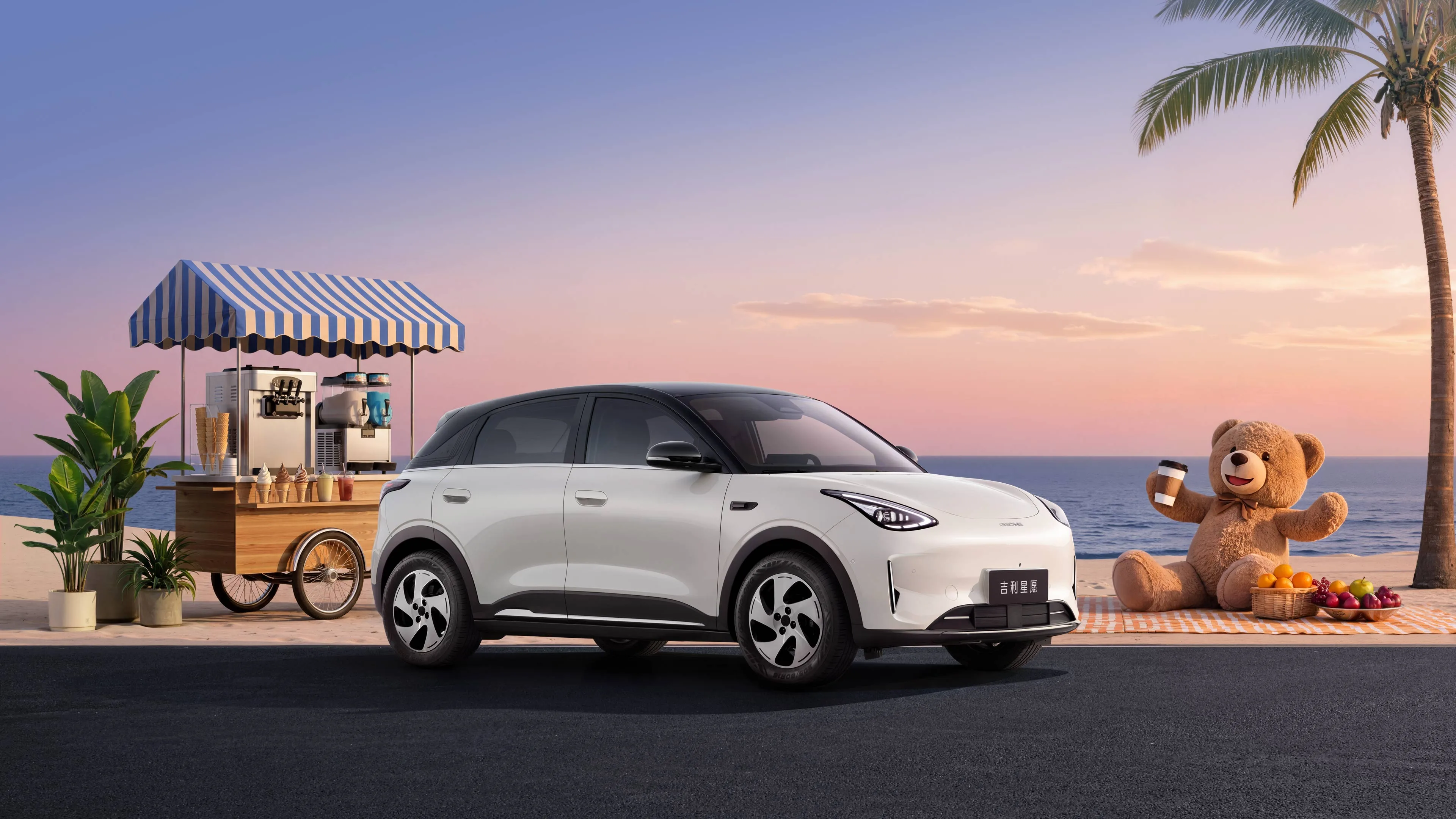
(Image source: Geely)
It's relatively uncommon for all ten models to be pure electric vehicles. In previous months, the top ten sales list often included one or more plug-in hybrid/extended-range, or even traditional fuel-powered models.
This raises the question: What does the dominance of pure electric vehicles in August's top ten sales indicate, and will this trend become the norm in the future? Today, Dianchetong (ID: dianchetong233) will delve into this topic.
An Inevitable Outcome: The Pure Electric Vehicle Era Has Already Arrived
Before we proceed, let's revisit August's sales data.
In August's car sales rankings, the Geely Starry Wish took the lead with 39,651 units sold, while the Wuling Bingo Pro ranked tenth with 14,695 units sold.
This implies that no extended-range or plug-in hybrid models achieved monthly sales exceeding 15,000 units.
According to August's data, the best-selling plug-in hybrid model, the BYD Song Pro DM-i, sold 13,954 units, while the best-selling pure electric + extended-range dual-version model, the Aion i60, sold 11,027 units. The best-selling pure extended-range model, the Li Auto L6, sold only 9,918 units.
Recalling the peak sales data for the Song Pro DM-i and Li Auto L6, the Song Pro DM-i reached a monthly sales peak of 27,812 units in December 2023, while the Li Auto L6 set a record high of 27,769 units in December 2024.
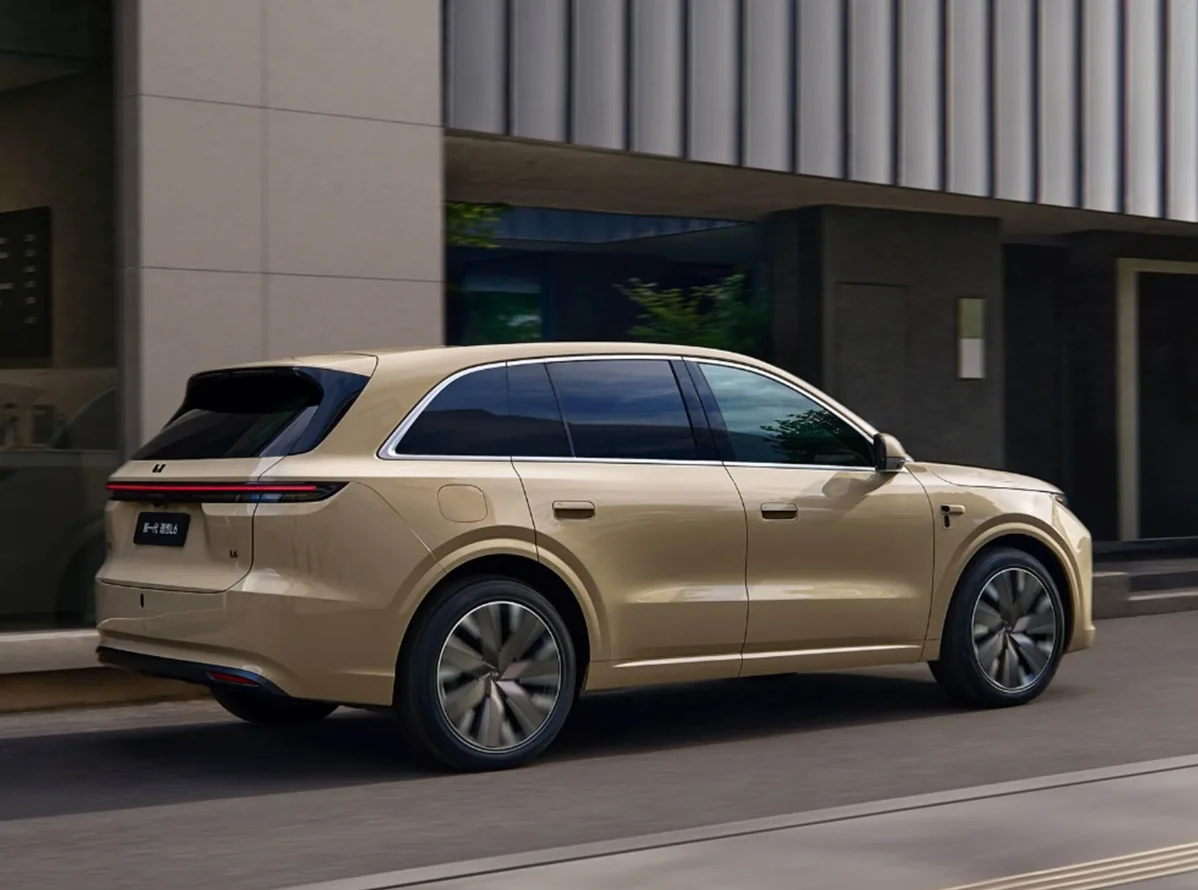
(Image source: Li Auto)
However, such monthly sales performances were not considered exceptional at the time. It's worth noting that the BYD Song PLUS DM-i, which has been discontinued in the domestic market, set a monthly sales record of 56,637 units in November 2022.
After examining the sales data of the top-performing models, let's consider the overall car sales data for August.
According to data from the China Passenger Car Association, total new energy vehicle sales in August reached 1.005 million units, with a penetration rate of 65.2%. Among them, pure electric vehicle sales were 698,000 units, plug-in hybrid sales were 226,000 units, and extended-range sales were 81,000 units.
This indicates that pure electric vehicles now account for nearly 70% of total new energy vehicle sales, becoming the dominant powertrain form in the new energy market.
So, why have plug-in hybrid/extended-range models, which once led monthly sales, now failed to make it into the top ten, and why is their overall market share declining? What changes have occurred in just a few years to bring about this current state of the extended-range and plug-in hybrid markets?
Dianchetong (ID: dianchetong233) has previously discussed this direction multiple times, so we'll summarize two key points here:
On one hand, the charging speed and range of pure electric vehicles have improved, alleviating people's range anxiety. On the other hand, the pure electric range of extended-range and hybrid vehicles is relatively short, necessitating frequent charging, while people's reliance on fuel tanks is also decreasing.
It is foreseeable that the impact of these two changes will continue to grow, and the proportion of pure electric vehicle sales in the entire new energy vehicle market will keep rising.
So, how are mainstream automakers responding to this market trend?
De-emphasizing Hybrids: New Energy Automakers Enter a Transition Period
Such market changes are likely anticipated by many automakers, as evidenced by the new models released by various automakers since the beginning of this year.
Firstly, BYD, a leading new energy brand, has clearly launched fewer plug-in hybrid models this year. Models like the Tang and Fangcheng S have not yet released plug-in hybrid versions, while models like the Titan 7 and Denza N8L, which originally only had plug-in hybrid versions, have now introduced or are about to introduce pure electric versions.
In other words, BYD is focusing on pure electric models as a sales priority this year, using its second-generation blade batteries and flash charging technology to attract users to choose pure electric vehicles.
Li Auto, which started with extended-range models, has also made significant moves in the pure electric field this year. It has completed the facelift of the MEGA and will launch the 9-series pure electric SUV i9 in September, with plans to complete the facelift of the i6 within the year. According to previous online rumors, Li Auto will also launch pure electric versions of the L series next year.
So, while Li Auto is currently balancing extended-range and pure electric models, it has clearly increased its investment in pure electric models this year. Perhaps in the future, Li Auto's pure electric sales will surpass its extended-range sales.
This year's "maverick" is undoubtedly Xiaomi, which has still launched the Pengcheng series with only extended-range versions despite the continuous rise in the proportion of pure electric sales. According to the initial sales data, which saw 10,000 units locked in within 4 minutes of opening sales, Xiaomi Pengcheng may indeed be able to drive the growth of the entire extended-range vehicle market on its own.
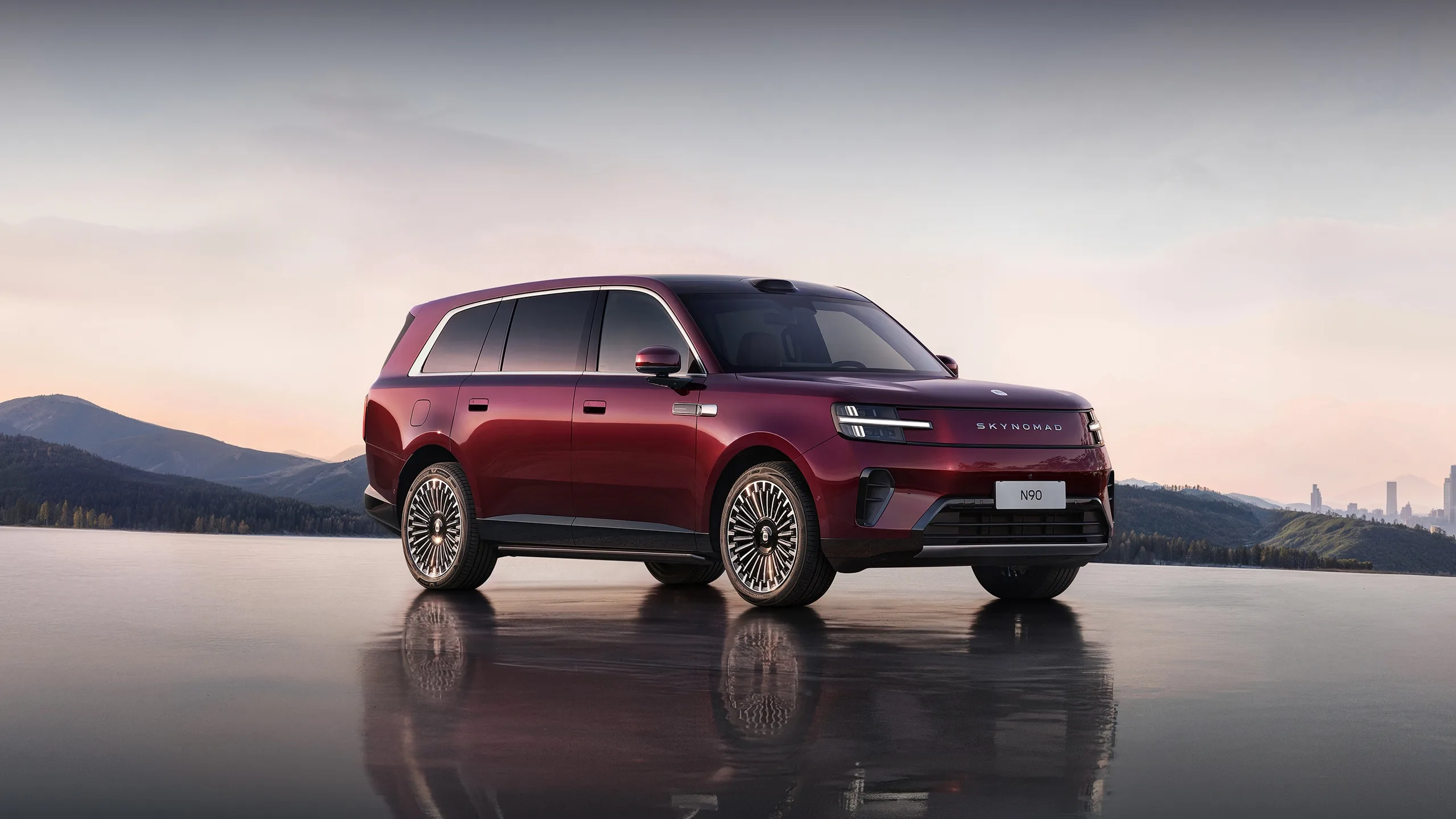
(Image source: Xiaomi)
However, for Xiaomi Pengcheng, its current 400V platform is slightly outdated in the entire industry. It remains to be seen whether Xiaomi will take advantage of future mid-cycle facelifts to upgrade Pengcheng to an 800V platform and simultaneously launch a corresponding pure electric version.
Among the many years of new energy development, NIO is the only company that has consistently adhered to a pure electric route. From its establishment to the present, all NIO models have been pure electric, with no extended-range or plug-in hybrid versions. Even when extended-range and plug-in hybrid sales were soaring, NIO did not choose to add extended-range versions but instead persisted with the pure electric route until reaching its current dawn (a new era).
Overall, automakers have largely recognized the growing acceptance of pure electric models among consumers and the increasing enthusiasm for purchasing them. Therefore, many automakers are actively laying out pure electric models to respond to a new round of competition.
As for existing models equipped with plug-in hybrid and extended-range technologies, automakers may shift their focus to the northern market. Given the current battery technology, pure electric vehicles' winter range performance in northern China, especially in the Northeast, is somewhat lacking. Large-battery extended-range/plug-in hybrid models may be the future favorites of the northern region.
In addition, many automakers are exploring the export of pure electric/extended-range models, targeting markets with relatively weak charging infrastructure to deploy plug-in hybrid/extended-range models. This approach avoids local range anxiety and provides a better driving experience for consumers in these regions.
Furthermore, brands like Geely and Changan are also exploring HEV, or conventional hybrid routes, attempting to attract fuel vehicle audiences with more fuel-efficient conventional hybrid models and accelerate the phase-out of pure fuel vehicles.
Hybrids Become Niche: Pure Electric Dominance May Become the New Norm
Looking back at the sales rankings over the past few months, it's evident that the proportion of pure electric models in the top ten is steadily increasing.
For example, in March this year, only five of the top ten models were pure electric. By May, this number had increased to eight, and in August, all ten models were pure electric.
If this trend continues, could pure electric models completely dominate the top ten monthly sales in the future, becoming the norm?
However, one thing that has been overlooked is that the Pengcheng N90/N70 have not yet been officially launched in August. If one of these models can achieve stable monthly sales of over 15,000 units, there may always be an extended-range model in the top ten sales list.
Therefore, the future norm for the top ten monthly sales list may be a combination of nine pure electric models and one extended-range model.
This trend reflects that the era of pure electric vehicles is getting closer and closer to us.
Source: Leikeji
The images in this article come from the 123RF royalty-free image library. Source: Leikeji
-
![]()
Confirmed! Apple CEO Cook Admits to ‘Drawing Inspiration’ from Huawei; Luo Yonghao Offers Direct Criticism
-
![]()
Zhang Yiming’s Global Empire Surges: TikTok Achieves Scalable Profitability Across Key Markets!
-
The Dilemma of Expanding Domestic Cars and Shrinking Parking Spaces: A Parking Nightmare
-
Purchasing Power Parity: iPhone18 Pro Affordability Across Nations
-
Over 16% Surge! The 'Home Appliance Giant's' AI Story Pushes Boundaries
-
![]()
August's Top 10 Best-Selling Models: All Pure Electric! Has the Pure Electric Vehicle Era Dawned, Relegating Hybrids to Niche Status?
-
![]()
Did Luo Yonghao’s Seven Accusations of ‘Copying’ Against the iPhone Duo Hit Home?
-
Ternus's First Move: The Most Expensive Foldable iPhone in History