"Chinese Version of Cullinan" is Here: A Sneak Peek at New Cars from MIIT
 09/14 2026
 483
483
Recently, the 411th batch of new car filing information from the MIIT was unveiled, coinciding with the crucial "Golden September and Silver October" period for the automotive market, as another batch of highly anticipated new cars made an early appearance. In this filing, brands such as Wey, BMW, Avatr, and SAIC Volkswagen have all introduced new products, featuring both upgraded traditional luxury models and new Chinese-brand models targeting the high-end market.
The five new cars highlighted this time each have their own unique selling points, representing several current trends in the automotive market: some are accelerating intelligence and localization, others continue to Sprint (make a dash for) the high-end market, while still others adhere to their fuel-powered routes amidst the new energy wave.
Next, let's take a look at what makes these new cars stand out.
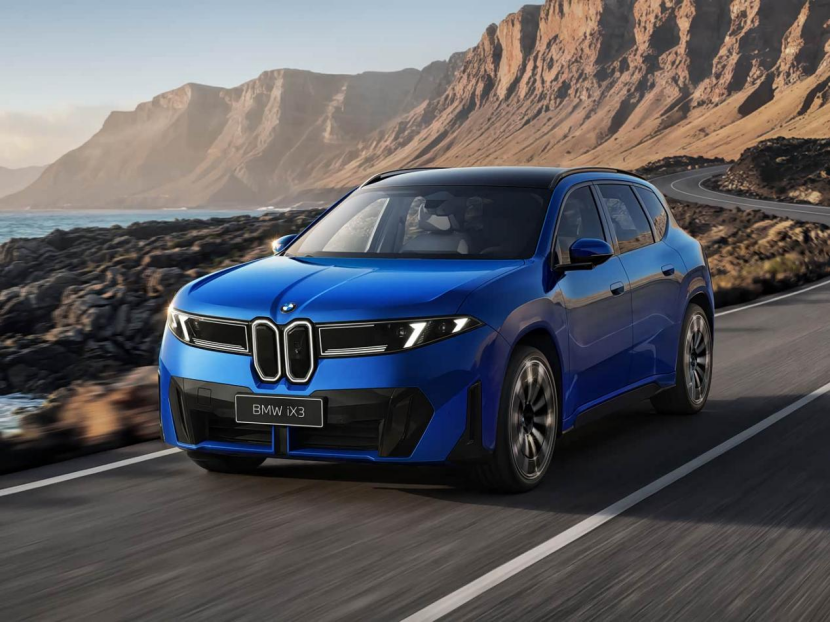
Brilliance BMW New Generation iX3
The Brilliance BMW New Generation iX3 is a pure electric mid-size SUV built on BMW's all-new Neue Klasse (New Generation) pure electric platform, featuring a long-wheelbase design tailored for the Chinese market.
In terms of product performance, the new car clearly adopts mainstream strategies in China's new energy vehicle market. The domestic long-wheelbase version has an axle base of 3005mm, utilizes an 800V high-voltage platform, and the top-tier model boasts a CLTC range of up to 919km. Additionally, with a starting price of 269,900 yuan and high specifications even for the entry-level model, BMW has clearly lowered its traditional luxury brand stance, demonstrating sincerity.
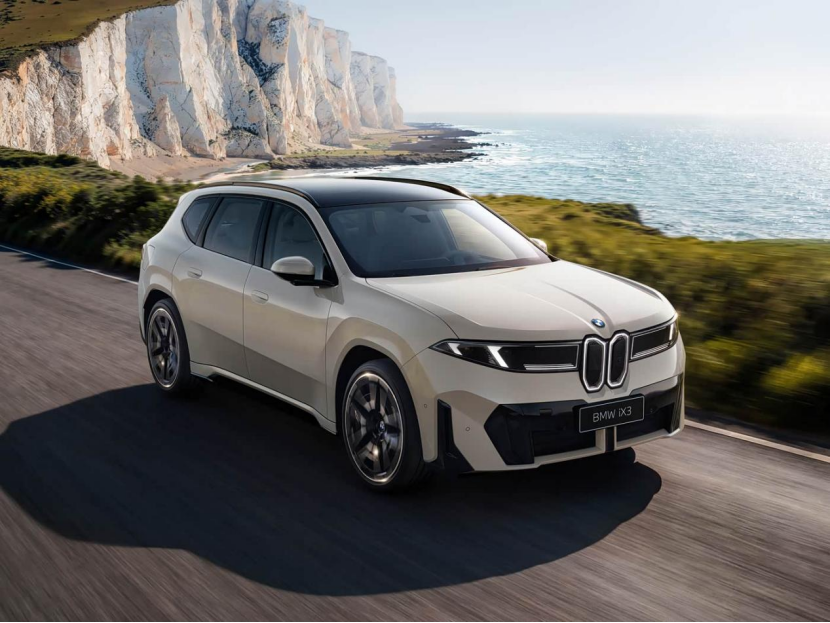
More crucially, the New Generation iX3 has significantly enhanced its intelligence features this time. The new car is equipped with an intelligent driving system jointly developed by BMW and Momenta, and comes standard with BMW's driving assistance system across all models. It's clear that BMW has addressed the intelligence (intelligent) experience that Chinese consumers care most about.
Wey Second-Generation Blue Mountain
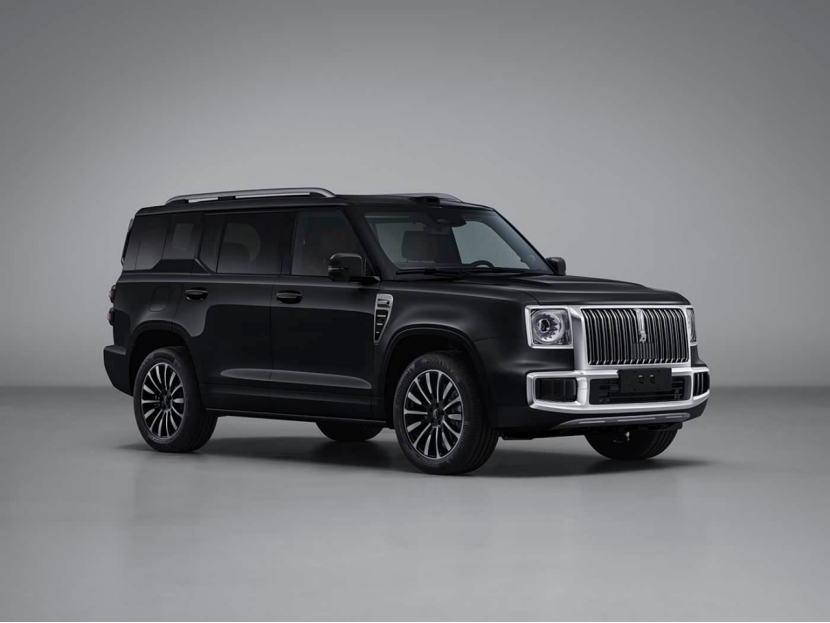
At first glance, the Wey Second-Generation Blue Mountain has completely shed its current rounded "family car" style, opting instead for a more angular, boxy design. With a large-sized waterfall grille, retro round headlights, a side-opening tailgate, and an external "small backpack," it exudes a rugged charm.
The eye-catching boxy design is just the appetizer; the new car's powertrain and chassis have also been upgraded. It features Great Wall's 2.0T Super Hi4 hybrid system, pairing an 182kW engine with front and rear dual motors, offering more power than the current 1.5T model. Additionally, built on a unibody frame, the new car incorporates a rear-axle mechanical differential lock and dual-chamber air suspension, enhancing off-road capability while retaining the comfort of an urban SUV—a rare combination in boxy models at this price point.
In fact, the current Blue Mountain is no slouch in terms of product strength; it just lacks distinctiveness in the increasingly competitive "family car" market. The second-generation Blue Mountain takes a different approach, using a more rugged boxy design to differentiate itself while maintaining the comfort foundation of an urban SUV.
Avatr T09
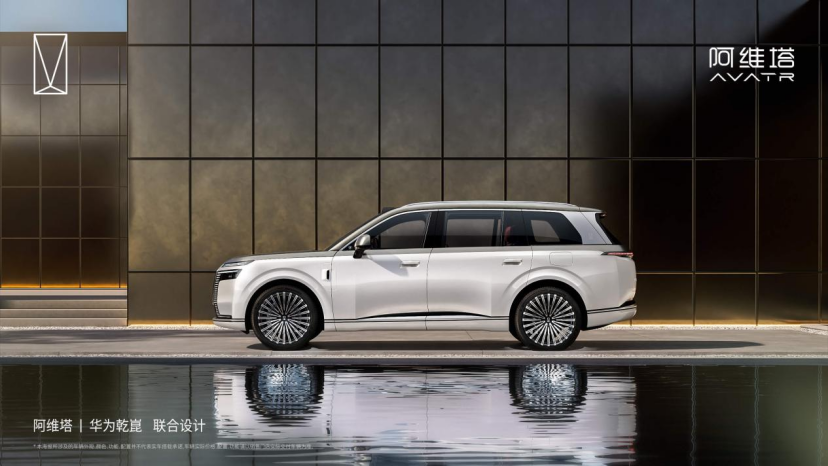
The Avatr T09 is Avatr's first plug-in hybrid model, positioned as a large luxury six-seater SUV with a length of 5285mm and an axle base of 3150mm. In terms of power, the new car offers two plug-in hybrid systems: 1.5T and 2.0T, with the 2.0T version featuring a three-motor layout for even stronger performance. All models come with a 71.24kWh battery, offering a maximum WLTC pure electric range of 330km.
However, the true highlight of the Avatr T09 lies not just in its specifications but in the comprehensive support from Huawei technology. As Avatr's "first full-collaboration model with Huawei in the truest sense," the new car is equipped with Huawei's Qiankun ADS 5, four LiDAR sensors, dual-chamber air suspension, and rear-wheel steering, supporting crab mode.
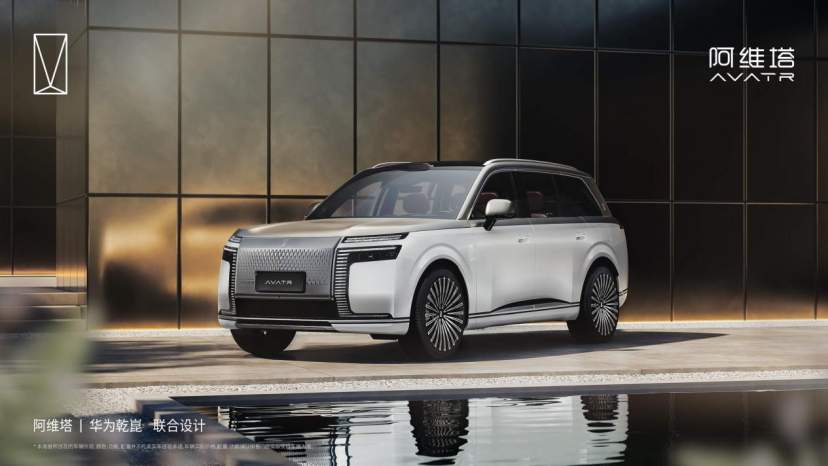
Among these features, the rear-wheel steering paired with crab mode is particularly eye-catching, enabling this over 5-meter-long vehicle to achieve a turning radius comparable to a 4-meter-long car. This not only ensures spaciousness for the large six-seater layout but also reduces the cumbersomeness during urban parking and U-turns. For Avatr, the T09 not only fills the product gap in the plug-in hybrid six-seater segment but also leverages Huawei's technological advantages to further penetrate the high-end family luxury SUV market.
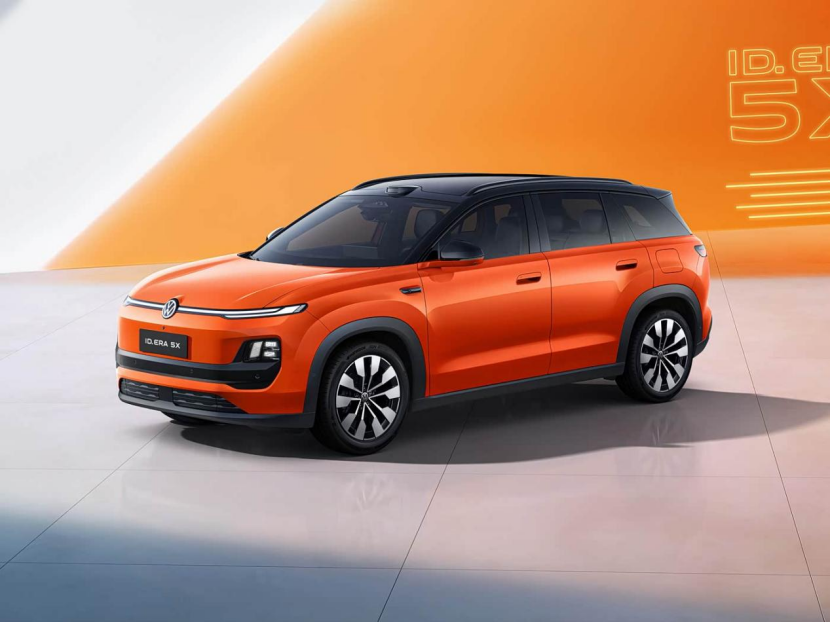
SAIC Volkswagen ID.ERA 5X
The SAIC Volkswagen ID.ERA 5X is the first pure electric model in the ID.ERA family and Volkswagen's first global mass-produced model based on the CMP platform, featuring the CEA electronic and electrical architecture.
Positioned as a pure electric SUV, it adopts a single-motor rear-wheel-drive setup with a body length of 4560mm and an axle base of 2815mm, optimizing urban drivability while providing ample interior space.
Compared to its powertrain, the new car's intelligence features are even more noteworthy. Addressing the needs of the Chinese market, it is equipped with LiDAR and the "Xingyun Zhixing" intelligent driving assistance system, supporting urban NOA, clearly aiming to address the intelligence gaps in the previous ID. family models.
For SAIC Volkswagen, the success of the ID.ERA 5X in combining Volkswagen's manufacturing and chassis strengths with localized intelligent capabilities will be crucial for re-establishing competitiveness in the mainstream pure electric market.
Brilliance BMW New Generation X5
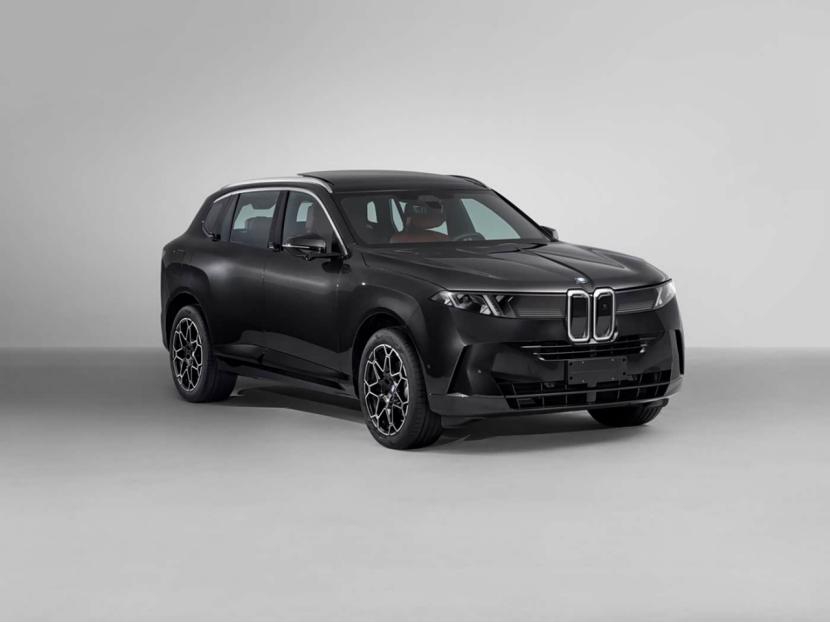
The Brilliance BMW New Generation X5 is a rare "traditionalist" in this filing, positioned as a fuel-powered mid-to-large SUV, set to launch in 2027. The filed X5 30L is equipped with a 2.0T engine, delivering a maximum power of 211kW.
The most significant change in this generation of X5 is its further enlarged body size. The new car measures 5141mm in length and 3165mm in axle base, with the latter increasing by 60mm compared to the current domestic X5L, even surpassing the current X7. The larger body and axle base clearly cater to Chinese consumers' demand for rear-seat space.
Meanwhile, the new car has not neglected intelligence. It is equipped with BMW's intelligent driving assistance system jointly developed with Momenta, optimized for domestic road conditions, further enhancing the intelligent driving experience and localization adaptability.
Amidst the surge of pure electric and plug-in hybrid models, the filed BMW X5 remains committed to the fuel-powered route, optimizing power and configuration based on a mature product, reinforcing the traditional strengths of a luxury fuel-powered SUV. After all, amidst the new energy onslaught, there are still many consumers who are fond of 2.0T/3.0T engines, 8AT transmissions, and BMW's chassis quality.
In Conclusion:
Reviewing the five new cars filed in the 411th batch from the MIIT, it's evident that automakers are seeking new breakthroughs in different ways: BMW is accelerating localization, Wey Blue Mountain differentiates itself with a boxy design, Avatr leverages Huawei to target the high-end six-seater market, and SAIC Volkswagen doubles down on intelligence.
While their strategies vary, the underlying logic is consistent—automakers are no longer satisfied with simply comparing specifications and configurations but are seeking differentiation through intelligence, product positioning, and localization capabilities. Moving forward, those who can truly translate these advantages into product experiences will have a better chance of taking the initiative in market competition.
(Images sourced from the internet, removed if infringing)
-
After GAC Group Propels Toyota’s EVs to Success for 10 Months, FAW Finally Gives In
-
The ‘Six Little Dragons’ Halo Fades Quickly for Qunhe Post-IPO
-
![]()
Zhipu and MiniMax: Cutting Sales Costs While Boosting Performance
-
![]()
Consolidation in China’s Auto Industry Kicks Off with the Integration of North and South Toyota
-
Next-Gen Snapdragon Flagship Platform on the Horizon: Can AI Agent Smartphones Truly Deliver?
-
GAC and FAW 'Marriage': The Era of 'Major Integration' in the Auto Industry Has Just Begun
-
800 Million Yuan Acquisition of Wuluo Intelligence: Can Xiangshan Share Make a Breakthrough?
-
![]()
Is It Harder for Automakers to Profit as Car Sales Increase?