2026 China Automotive Net Promoter Score (NPS) Index Research: Product Experience Fuels Word-of-Mouth, Brand Marketing Holds the Key to Breakthroughs
 09/17 2026
 365
365
Recently, CheZhi.com and CnRRC Consulting jointly released the 2026 China Automotive Net Promoter Score (NPS) Index Research Report. The report reveals that the automotive industry's NPS index for 2026 stands at 32.8, with pure electric models and luxury brands leading the pack. Product experience remains the bedrock of positive word-of-mouth, while brand marketing efforts are in dire need of enhancement. For the first time, the study incorporates a communication influence coefficient and contrasts the profiles of detractors and opinion leaders, providing automakers with a fresh perspective to refine their word-of-mouth strategies.
Launched in 2026, this study integrates NPS with the impact of word-of-mouth communication by introducing a coefficient that factors in 'willingness to share × opinion influence'. This approach assigns weighted values to promoters, neutrals, and detractors, offering a more authentic reflection of users' actual word-of-mouth communication effects within social networks. To enrich the data, the study supplements random sampling with complaint samples sourced from CheZhi.com, enhancing the mining of users' negative experiences. This year's research encompasses 54 mainstream brands and 130 best-selling models, spanning three major power types: fuel, pure electric, and plug-in hybrid/extended range.
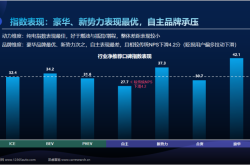
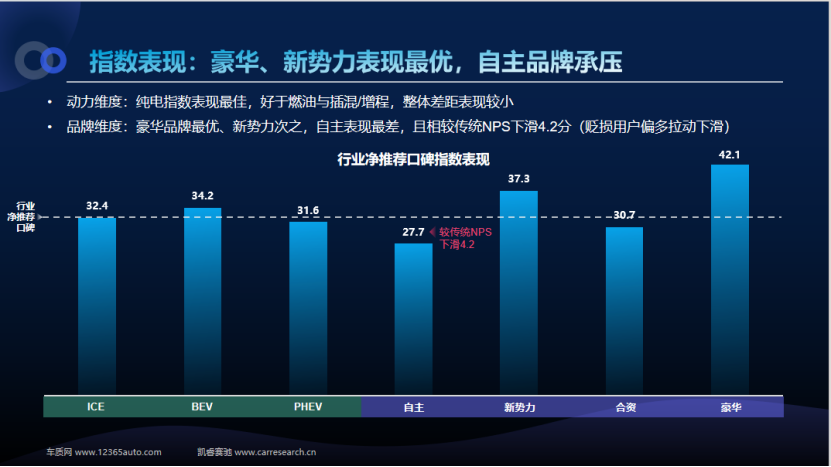
The study uncovers that the industry's NPS index for 2026 is 32.8. Among power types, pure electric models excel, closely followed by fuel and plug-in hybrid/extended range models, with minimal overall disparities. In terms of brand performance, luxury brands lead, trailed by new forces, while domestic brands face significant challenges, primarily due to a high proportion of detractors. Demographically, opinion leaders are more prevalent among plug-in hybrid/extended range, luxury, and new force brands, whereas neutral users dominate joint venture brands, exhibiting low intentions for both promotion and detraction. This 'silent' user state poses difficulties for enterprises in identifying problems and driving experience improvements.
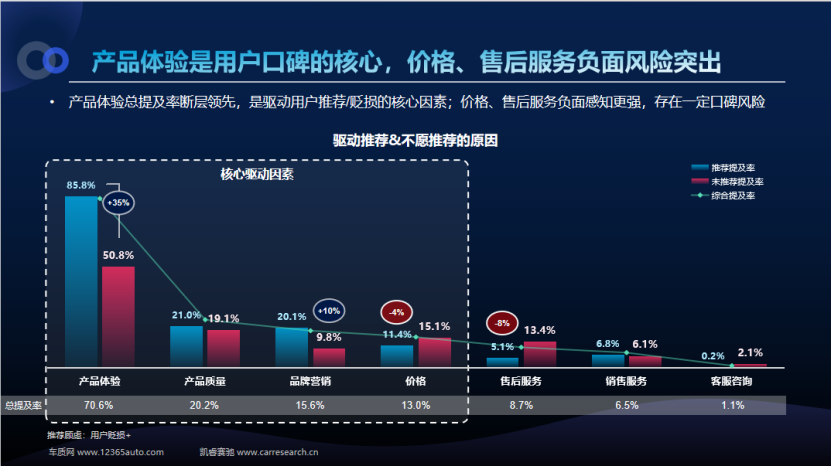
Delving into the driving factors behind users' recommendations or lack thereof, the study finds that product experience remains paramount, with a total mention rate of 70.6%, far surpassing other factors. Price factors evoke a notably negative perception, with a mention rate of 13.0%, while after-sales service garners an 8.7% mention rate, both contributing to word-of-mouth risks.
Within product experience, power/handling emerges as users' top concern for recommendations. As user demands become increasingly discerning, details such as power response, chassis tuning, NVH quietness, and ergonomic design are becoming pivotal differentiators in the user experience.
Regarding product quality, the negative mention rate for comprehensive quality control nears 50%, with frequent minor issues and production consistency problems plaguing the industry. Although issues like 'abnormal noises, uneven gaps, thin paint, and minor electronic failures' do not impede usability, they significantly erode quality perception and brand trust.
In terms of brand marketing, brand/product stability is the primary source of negative word-of-mouth, with users expressing anxieties over model discontinuation, rapid iteration, and difficulties in safeguarding the rights of existing owners. Additionally, there are concerns regarding exaggerated marketing claims, with intelligent driving capabilities and fuel consumption being core criticisms among plug-in hybrid/extended range users.
Regarding price factors, cost-effectiveness emerges as the dominant negative aspect, with a mention rate of nearly 70%. As industry-wide model prices decline and product capabilities improve, owners are reluctant to recommend their vehicles due to a lack of outstanding cost-effectiveness. Fuel car users are particularly pragmatic about prices, while plug-in hybrid users exhibit stronger negative emotions towards price cuts and poor residual value.
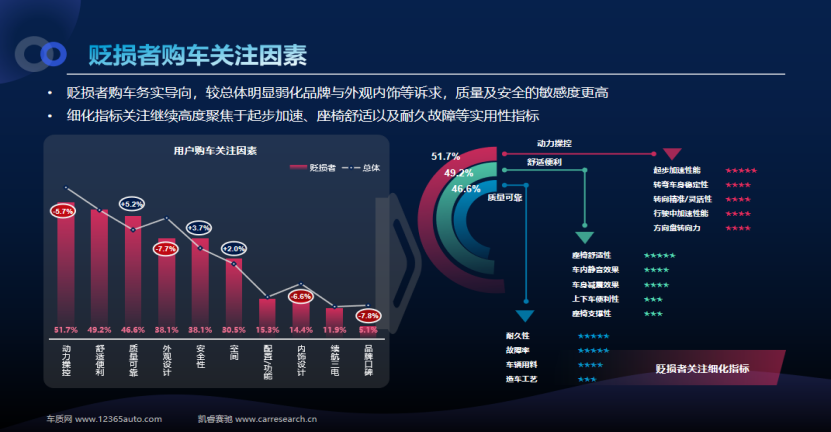
Furthermore, this year's study, for the first time, contrasts the profiles of two key groups: detractors and opinion leaders.
Detractors are typically younger, first-time car buyers, with a high proportion of domestic brand ownership, and exhibit a strong pragmatic orientation in car purchasing.
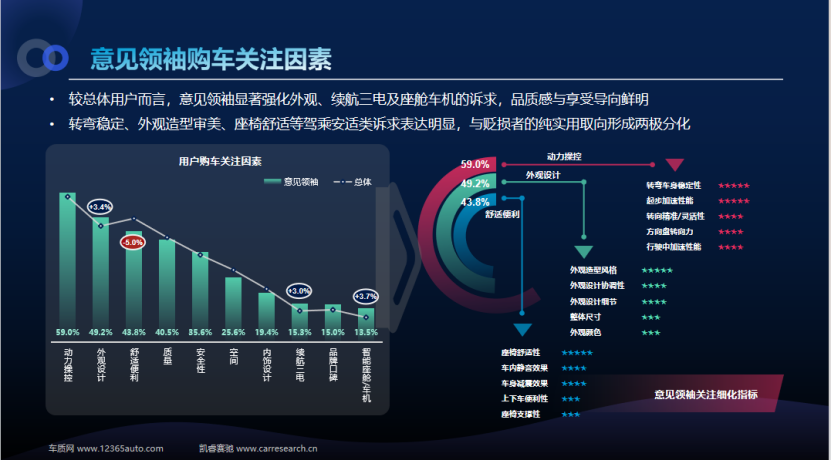
Opinion leaders, on the other hand, are characterized by upgrading or replacing their vehicles, with significantly higher mention rates of product experience, product quality, and brand marketing post-purchase.
Based on these findings, the study suggests that automakers should prioritize improvements across different dimensions through a satisfaction and NPS influence matrix, leveraging product experience and quality as the foundation and brand breakthroughs as the upper limit.
Product experience and quality, as 'advantage consolidation' items, necessitate dual efforts: addressing practical shortcomings such as power response, rear space, and chassis shock absorption at the basic level, while strictly controlling basic quality control issues like abnormal noises, gaps, and paint finish, and tackling plug-in hybrid reliability. At the advanced level, enhancing steering precision, chassis tightness, and NVH quietness, refining interior and exterior design elegance, and leveraging detail consistency to gain opinion leader recognition are crucial.
Brand marketing, as an 'urgently needing improvement' item, represents the key bottleneck for word-of-mouth breakthroughs. The core lies in rebuilding trust, repairing negative word-of-mouth, and establishing brand value ceilings. At the basic level, establishing transparent mechanisms for product iteration and price adjustments, as well as compensation schemes for existing owners' rights, is essential. Adhering to the authenticity bottom line of core marketing claims, such as intelligent driving and energy consumption, with plug-in hybrid/extended range fuel consumption marketing claims requiring labeled operating conditions, is paramount. At the advanced level, strengthening public opinion risk management and communicating technical reliability and brand long-term value to opinion leaders are vital.
-
Huawei Relinquishes AITO, Seres Assumes Control
-
Entering a New Phase of Auto Exports: BYD and Chery Pursue 'Vehicle Parity Growth'
-
Seres’ Ascendancy in AITO: A Journey Built Over Time
-
![]()
An Apple Product Seven Years Late Enters a Market Where It Can't Set Prices
-
![]()
2026 China Automotive Net Promoter Score (NPS) Index Research: Product Experience Fuels Word-of-Mouth, Brand Marketing Holds the Key to Breakthroughs
-
![]()
Beauty Joins In, ByteDance Ramps Up Investment Game
-
![]()
Jensen Huang Hits Back at Ray Dalio: Is AI the Next Big Financial Bubble?
-
![]()
Battle for the Gateway to the World Model: ByteDance Leans Left, JD.com Leans Right