Li Auto i9 Priced at 369,800 Yuan 'Shakes Up the Market': Is NIO ES8's 'Sales Dominance' Under Threat?
 09/18 2026
 356
356
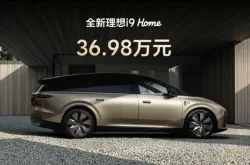
On September 16th, the launch event for the Li Auto i9 concluded, with the vehicle priced at 369,800 yuan, available exclusively in a fully-loaded Home version.
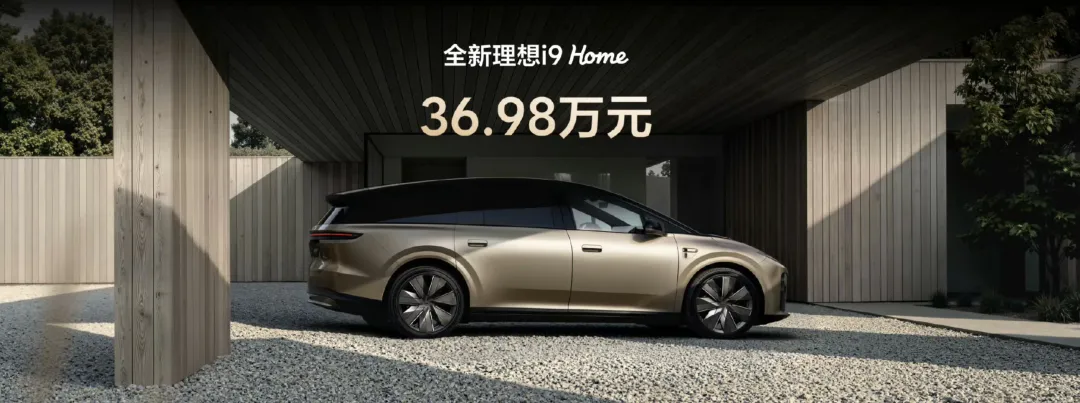 Image source: Weibo
The price announcement immediately sparked excitement within the new energy vehicle community. It was quickly apparent that the i9's primary competitor is the NIO ES8, a model that has consistently topped the large SUV sales charts for several months. A direct confrontation in the 370,000-yuan-range all-electric six-seater large SUV market has officially commenced.
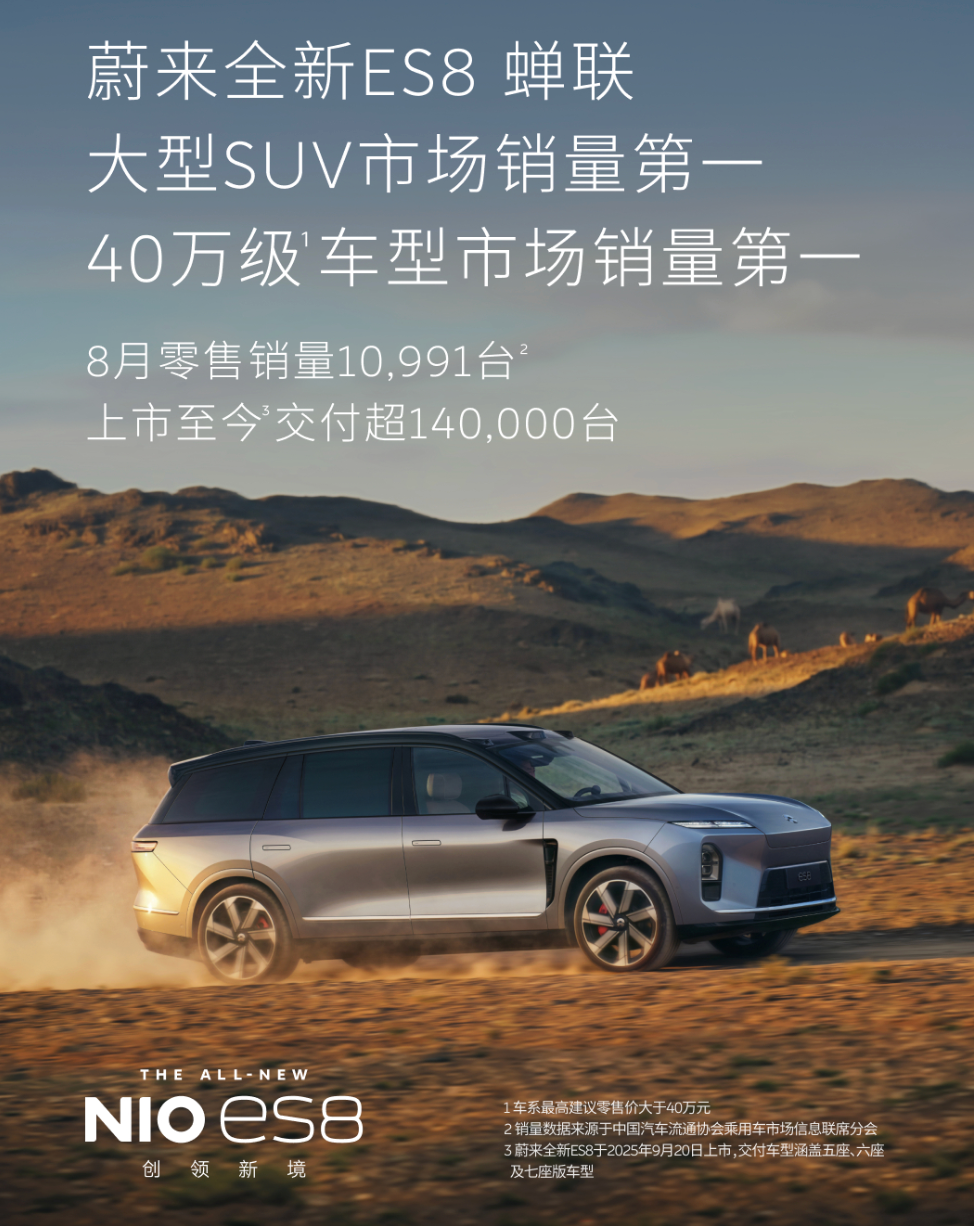
Image source: Weibo
I. What Advantages Does the Li Auto i9 Offer at 369,800 Yuan?
The Li Auto i9 is positioned as a family-centric flagship all-electric SUV, boasting a body length of 5225mm and a wheelbase of 3168mm. It features a 2+2+2 six-seater configuration, targeting multi-child families and those who frequently embark on long-distance family trips.
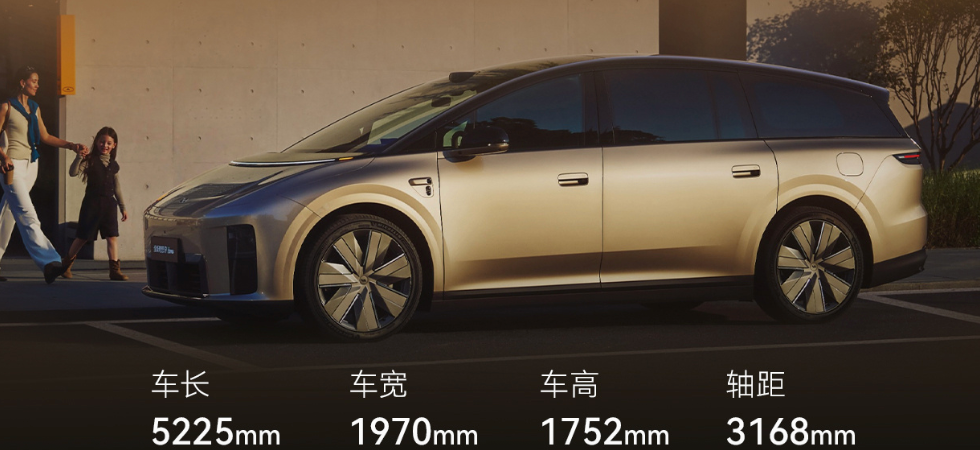
Image source: Weibo
The hardware is top-notch, featuring an 800V high-voltage platform and a 101kWh 5C ternary lithium battery, offering a CLTC range of 705km. Li Auto claims that a 10-minute fast charge can replenish up to 500 kilometers of range. It is equipped with front and rear dual-motor four-wheel drive, delivering a combined power output of 400kW and achieving a 0-100km/h acceleration time of 4.9 seconds.
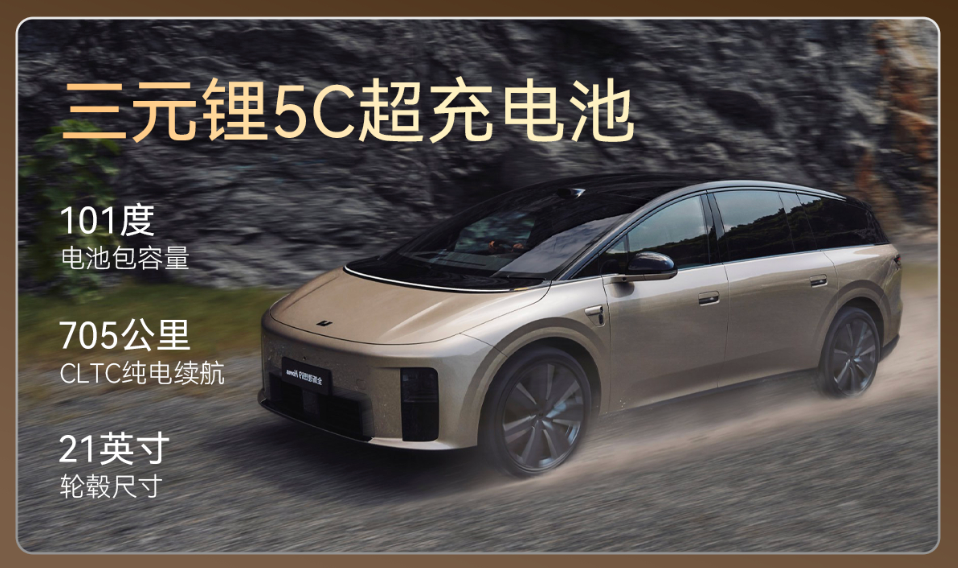
Image source: Weibo
The chassis is outfitted with a dual-chamber dual-valve magic carpet air suspension, CDC damping, steer-by-wire, and rear-wheel steering, achieving a minimum turning radius of 5.3 meters. This makes the large vehicle surprisingly easy to maneuver and park.
What truly captivates family users is the cabin. The i9 features four full-size zero-gravity seats, with the second-row seats capable of rotating bidirectionally and equipped with tables. This allows the interior to transform between living room, cinema, and suite modes at the touch of a button. The third-row seats support electric sliding, with a maximum backrest recline angle of 55°. The vehicle also includes over 40 storage compartments, a 10L in-car refrigerator, a 6K front panoramic screen, and a 4K rear cabin sliding entertainment screen.
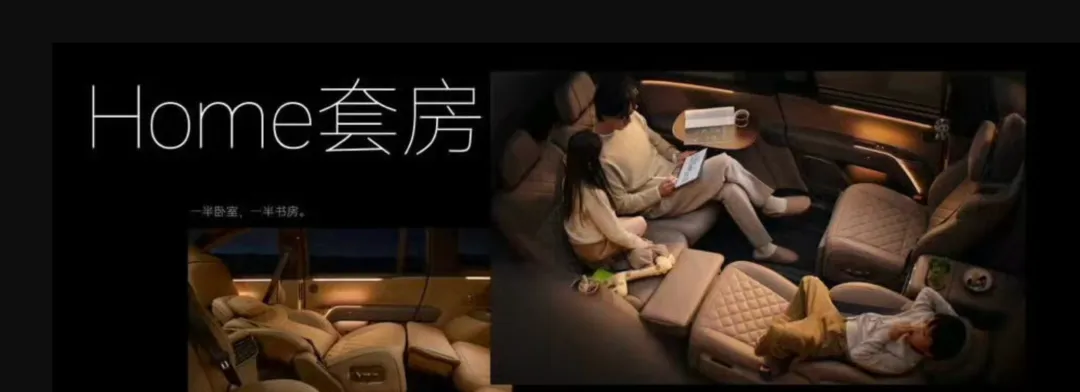
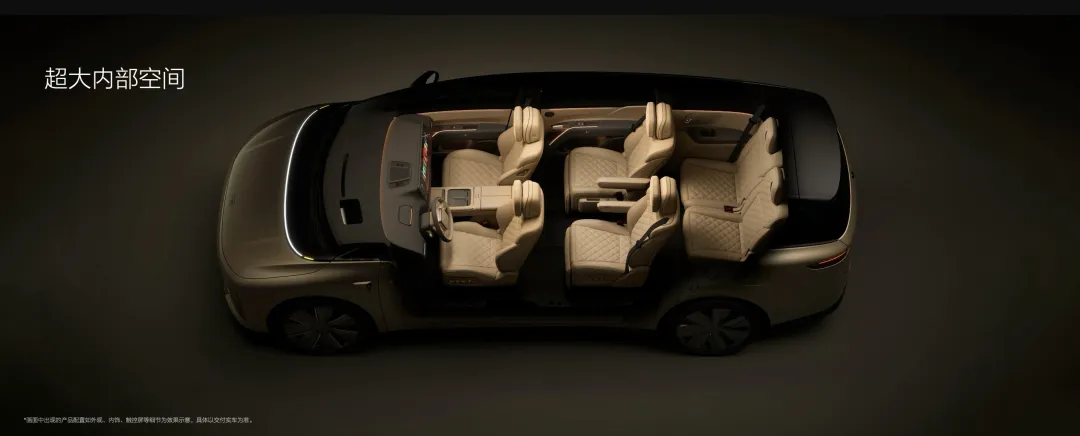
Image source: Weibo
In essence, Li Auto has seamlessly integrated the cabin experience of an MPV into an SUV body, offering all features as standard without tiered configurations, at a fixed price of 369,800 yuan.
In contrast, the new NIO ES8 measures 5280mm in length and 3130mm in wheelbase, with a starting price of 406,800 yuan. It supports multiple seating configurations, including 5, 6, or 7 seats. The BaaS (Battery as a Service) rental scheme can reduce the purchase threshold to 298,800 yuan.
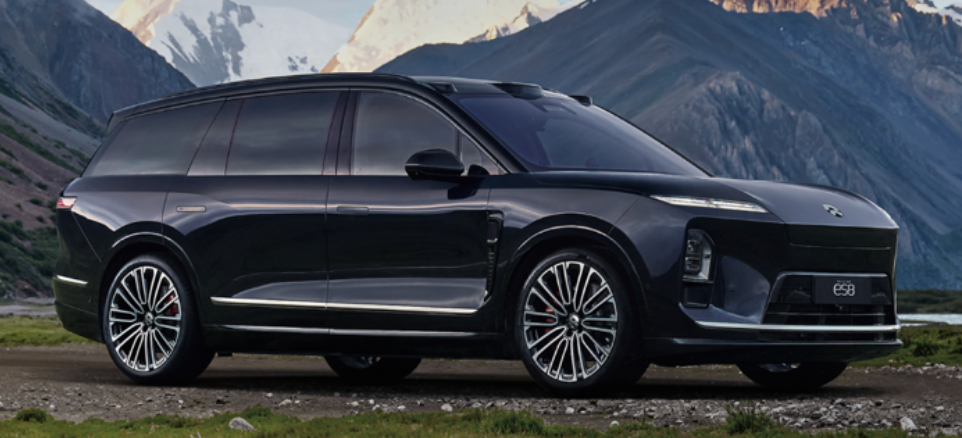
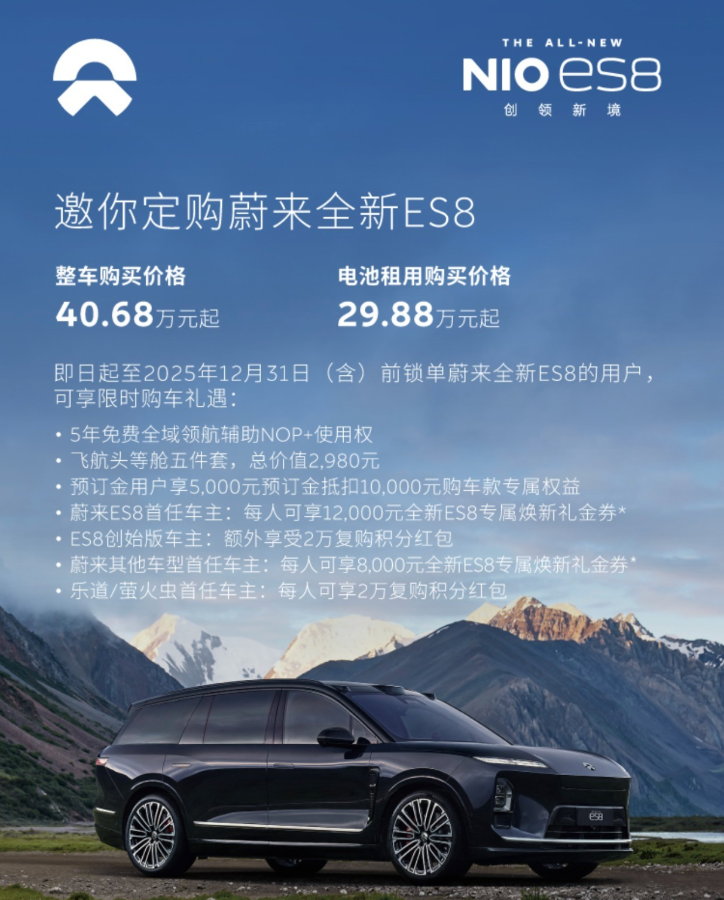
Image source: Weibo
The ES8 boasts superior power, achieving a 0-100km/h acceleration time of 3.97 seconds. Its core strength lies in its nationwide network of thousands of battery swap stations, enabling battery swaps in just three minutes, eliminating the need for lengthy charging waits. NIO's accompanying service system and community ecosystem are also longstanding advantages.
The price difference between the two vehicles is nearly 40,000 yuan. Family customers with a budget around 370,000 yuan who prioritize interior space, seating versatility, 800V fast charging, and have no urgent need for battery swapping are likely to be drawn to the i9.
Beyond core differences in configuration, performance, and charging capabilities, exterior design, interior ambiance, and aesthetic appeal also play crucial roles in differentiating the user bases of the Li Auto i9 and NIO ES8. The two vehicles adhere to distinct design philosophies, catering to two mainstream automotive aesthetic preferences and usage scenarios.
Li Auto i9: Embracing a Warm, Homey Aesthetic for Family Users
The i9 embodies Li Auto's new all-electric family's minimalist design, featuring a clean, soft, understated, and subtly luxurious style. The exterior showcases a closed front fascia and a thin, continuous light strip, with smooth and rounded body lines free of sharp edges. The rear design is simple and pleasing, neither flamboyant nor exaggerated, emphasizing an approachable and steady sense of luxury.
The interior continues this minimalist and homey approach, eschewing complex buttons in favor of a simple central console with a large screen, light-colored soft furnishings, and a refined combination of wood grain and metal. This creates a spacious, transparent, and warm cabin atmosphere, perfectly aligning with its positioning as a 'mobile family living room,' suitable for family travel across all age groups, emphasizing comfort and versatility.
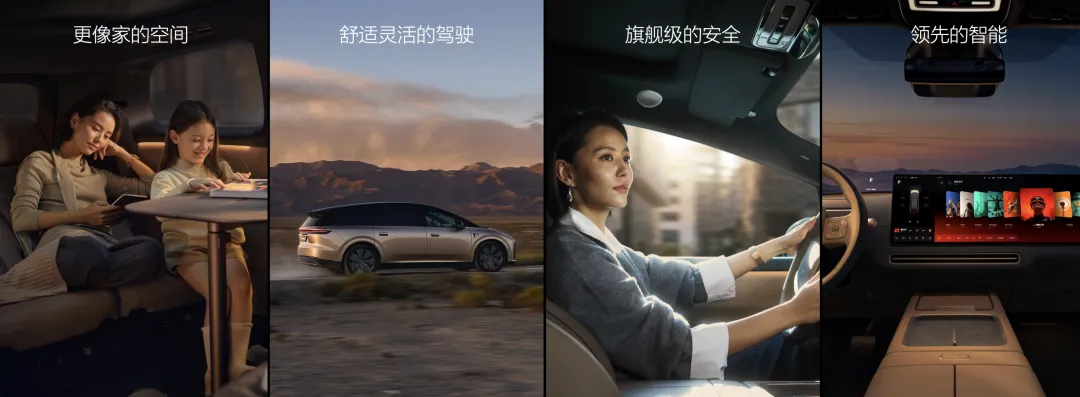
Image source: Weibo
NIO ES8: Emphasizing a Pioneering Business Style with a Premium Aura
The design ethos of the new ES8 starkly contrasts with that of the i9, opting for a robust, pioneering, business-luxury, and sporty-refined route. Its iconic X-shaped front fascia and split headlights offer high recognizability, while its straight and sturdy body lines create a strong sense of power and three-dimensionality. The overall posture is upright and imposing, exuding a strong business aura.
The interior focuses on high-end technological luxury, utilizing top-tier materials and featuring refined metal buttons, exclusive ambient lighting, and a well-organized cabin layout. The atmosphere is calm, advanced, and full of texture, balancing home comfort with business reception dignity, making it more suitable for users who pursue brand appeal and seek a vehicle for both business and family use.
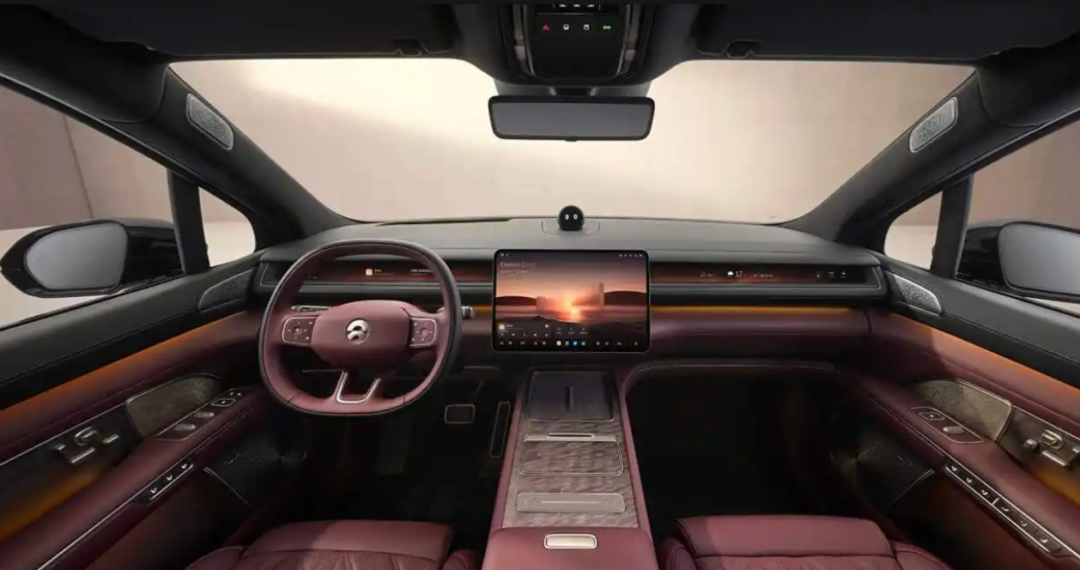
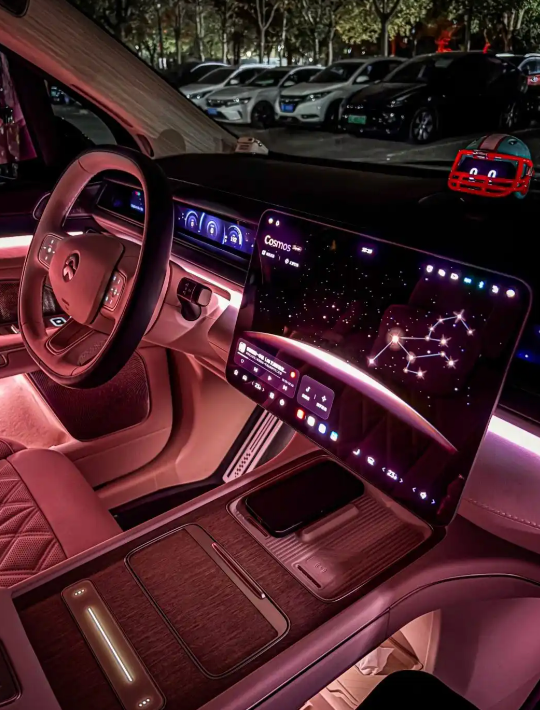
Image source: Weibo
In summary, the design differences between the two vehicles are clear: the i9 is a gentle and versatile family flagship, excelling in homey warmth; the ES8 is an imposing luxury flagship, winning in business sophistication and recognizability. These aesthetic preferences directly filter out two core user groups.
Simply put, the Li Auto i9 is a gentle, homey, and versatile family flagship, while the NIO ES8 is a pioneering, robust, and high-end luxury flagship. Users who prefer a simple, warm, and homey style will lean towards the i9, while those who like a robust, imposing, business-luxury, and highly recognizable design will favor the ES8.
II. Will the ES8's Sales Dominance Come to an End?
According to August data from the China Passenger Car Association, the NIO ES8 sold 10,991 units, retaining its position as the top-selling large SUV, while the ES9 firmly holds its place in the 500,000-yuan-plus flagship segment. Since its launch, the ES8 has consistently dominated the large SUV sales charts, establishing a stable user base.
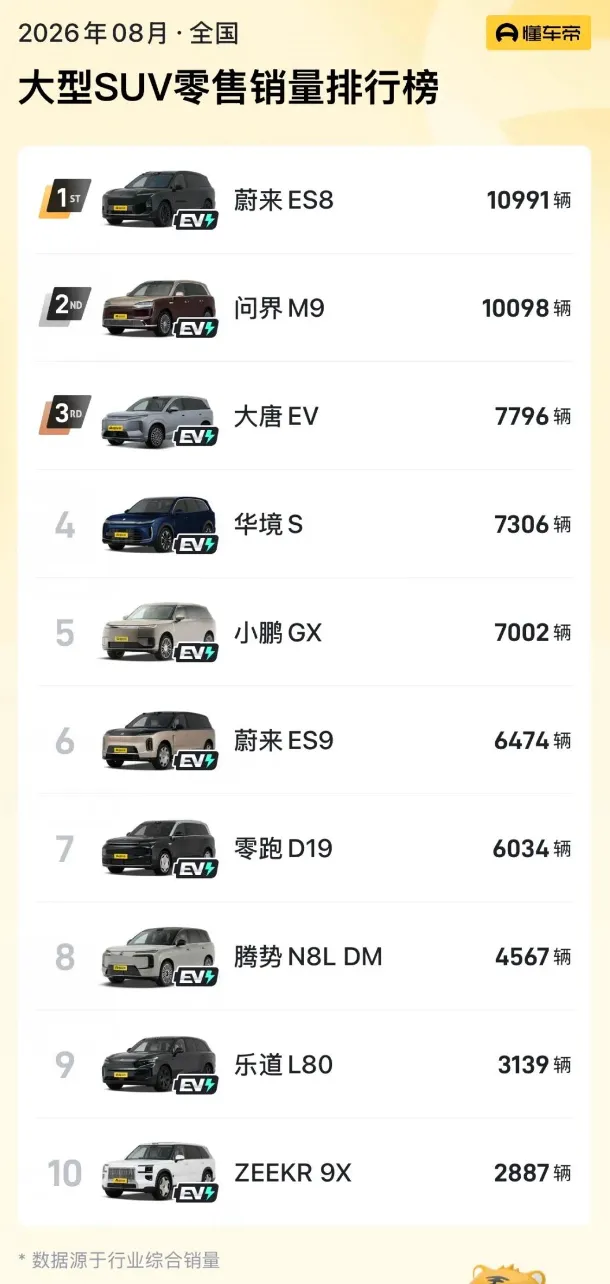
Image source: Dongchedi
Many netizens quickly concluded after watching the launch event: the i9's pricing is here to 'shake up the market,' and the ES8's sales dominance is at risk.
'For a large all-electric six-seater, it's nearly 40,000 yuan cheaper, with four zero-gravity seats and second-row seats that can rotate. The ES8 suddenly doesn't seem as appealing.'
'For families without access to fixed battery swap stations who rely solely on highway fast charging for long trips, the i9's product strength and cost-effectiveness are overwhelming.'
On the other hand, NIO supporters remain optimistic, with equally clear viewpoints.
'The ES8's core strength isn't its seats; it's battery swapping. Users who frequently travel long distances and don't want to wait for charging won't switch vehicles just for a couple of extra zero-gravity seats.'
'The ES8 offers a five-seater version as a fallback, while the i9 only comes in a six-seater configuration. Customers who only need a spacious five-seater won't even consider the i9.'
Objectively speaking, it will be difficult for the i9 to directly interrupt the ES8's consecutive chart-topping streak, but a short-term impact on orders is realistic.
First, the i9 is only available in a single six-seater version, targeting a narrower segment. The ES8 covers five, six, and seven-seater configurations simultaneously, with five-seater customers largely unaffected by the i9. The i9 primarily diverts potential orders for the ES8's six-seater version.
Second, the user bases are naturally diverging.
One group of family users prioritizes interior comfort, seating, large screens, and fast charging when purchasing a vehicle, focusing on the upfront purchase cost. The Li Auto i9 precisely meets these demands.
Another group of users values battery swapping, NIO's services, and stronger acceleration performance, and this demographic is unlikely to waver easily. The BaaS scheme further narrows the price gap between the two, with many users finding that the actual purchase threshold difference is not as significant as the sticker prices suggest.
Third, new vehicle enthusiasm has a lifecycle. The first 1-3 months after the i9's launch will see a surge in orders, putting noticeable pressure on ES8 six-seater orders, with the possibility of the ES8 being surpassed in monthly rankings. However, this is short-lived enthusiasm.
New vehicle delivery, build quality, and long-term reputation all require time to verify. Li Auto's past market performance with all-electric models may also keep some potential buyers on the sidelines.
III. This Battle Ultimately Hinges on More Than Just Specs on Paper
Comparing specifications on paper is just the excitement of the launch event; what truly determines sales rankings are delivery capabilities, build quality, and user reputation.
The next two to three months will be a period of production ramp-up for the i9 and defense for the ES8.
If the i9 delivers smoothly without widespread quality control issues, it will continue to erode the market for 400,000-yuan-plus all-electric six-seater SUVs, making it increasingly difficult for the ES8 to maintain its consecutive sales dominance.
If the i9 experiences delivery delays or faces reputation issues related to its chassis or cabin, this wave of impact will quickly subside, allowing the ES8 to hold its ground.
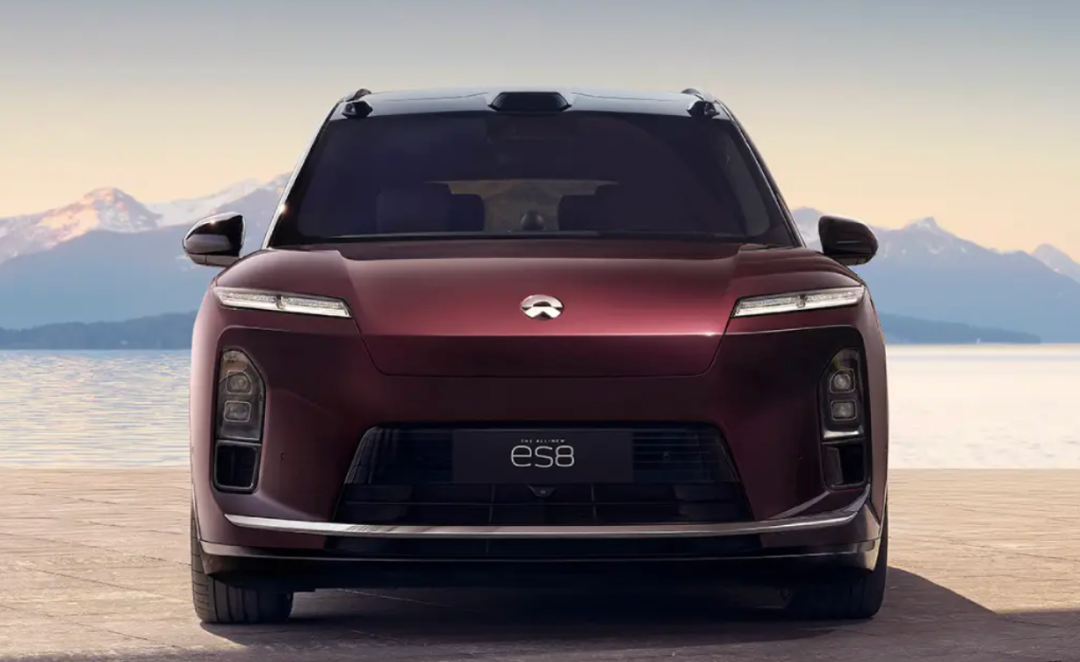
Image source: NIO Official
The large SUV segment is no longer a duel between single products. The two energy replenishment routes of battery swapping and supercharging collide head-on; family-oriented comfortable cabins and luxury-performance orientations compete on the same stage.
Previously, the ES8 stood alone in this segment. From the moment the Li Auto i9 was launched, the 400,000-yuan-plus large all-electric SUV segment has officially entered an era of dual-powerhouse competition.
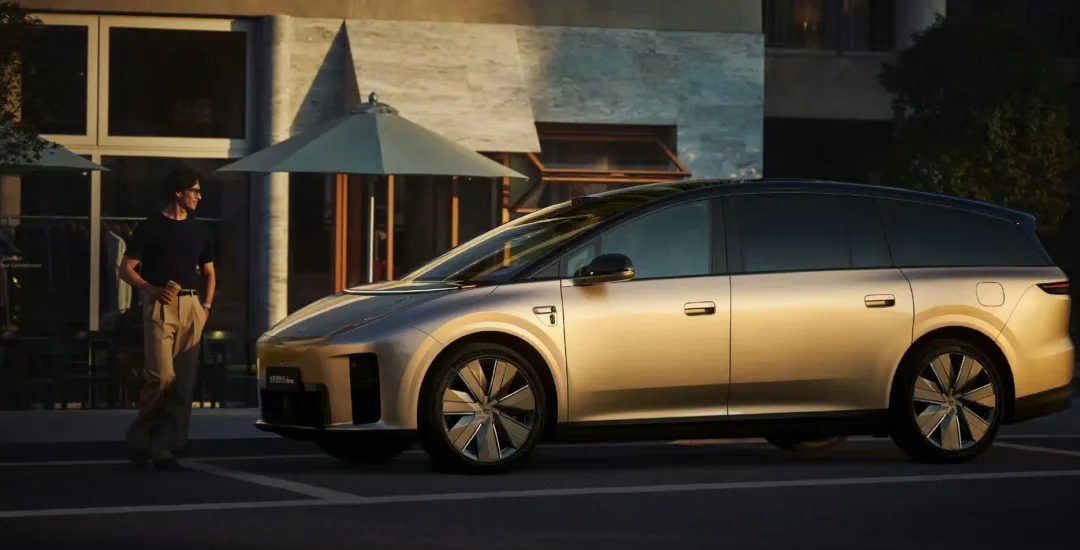
Image source: Weibo
For ordinary consumers, this intense competition benefits family users who are purchasing a vehicle.
At the 360,000-yuan level, you now have two routes to choose from: on one side, there's a fully-loaded cabin, 800V supercharging, and a mobile living room; on the other, there's battery swap freedom, stronger performance, and a mature service network.
There's no absolute right or wrong; it depends on your usage scenario.
Do you think the Li Auto i9 can dethrone the ES8 from its sales dominance in the upcoming monthly rankings? Share your thoughts in the comments section.
-
![]()
Under the Wave of Restructuring, Are the Struggling Neta and Zotye Making a Comeback?
-
![]()
Bumper Bookings! BAIC Unveils New Car, Securing Over 30,000 Reservations in Just One Hour!
-
![]()
Li Auto i9 Priced at 369,800 Yuan 'Shakes Up the Market': Is NIO ES8's 'Sales Dominance' Under Threat?
-
![]()
Net Worth Skyrockets! Liang Wenfeng Might Overtake Zhang Yiming as China’s Wealthiest Individual
-
![]()
Final Decision Unveiled: The Importance of FAW and GAC Signing the Letter of Intent
-
![]()
The Latest Statement from the Godfather of AI: Don't Trust Industry Self-Regulation, It Will Be Too Late When You React
-
![]()
Perfect Model, Zero Business Impact - The Last Mile of AI Commercialization | FDE Industry Research Report
-
![]()
Is Liang Wenfeng Set to Become China’s Wealthiest Individual by Appointing a Post-90s CFO?