Has the Savior of Traditional Fuel Vehicles Finally Made Its Appearance?
 09/18 2026
 537
537
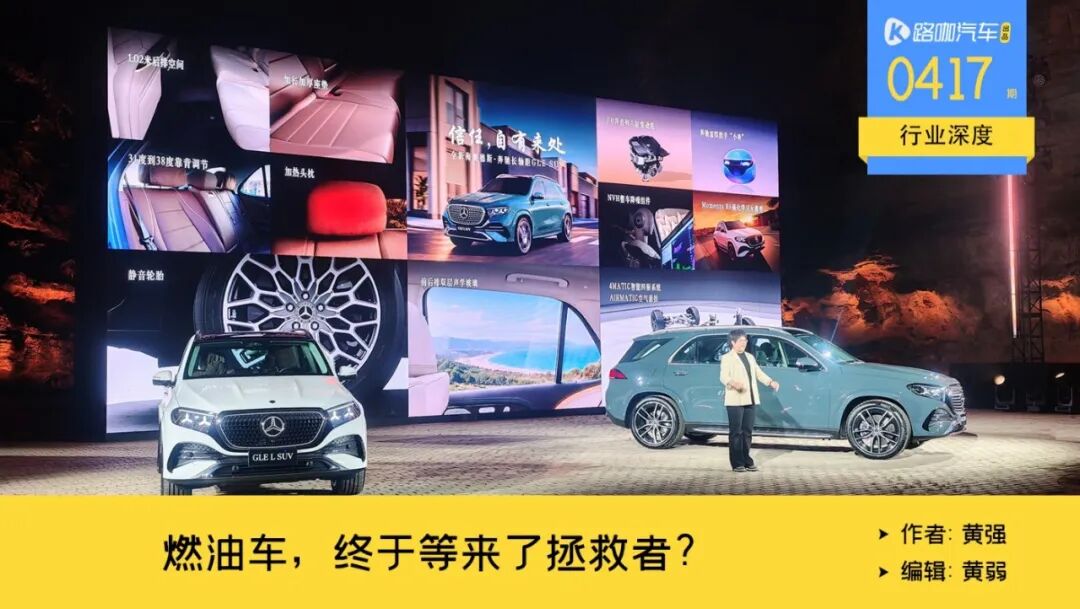
Not only are staunch fuel vehicle enthusiasts finding solace, but a broader audience is as well.
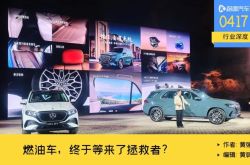
Despite the price still being a mystery, the launch of the domestically-produced Mercedes-Benz GLE long-wheelbase SUV has generated some buzz.
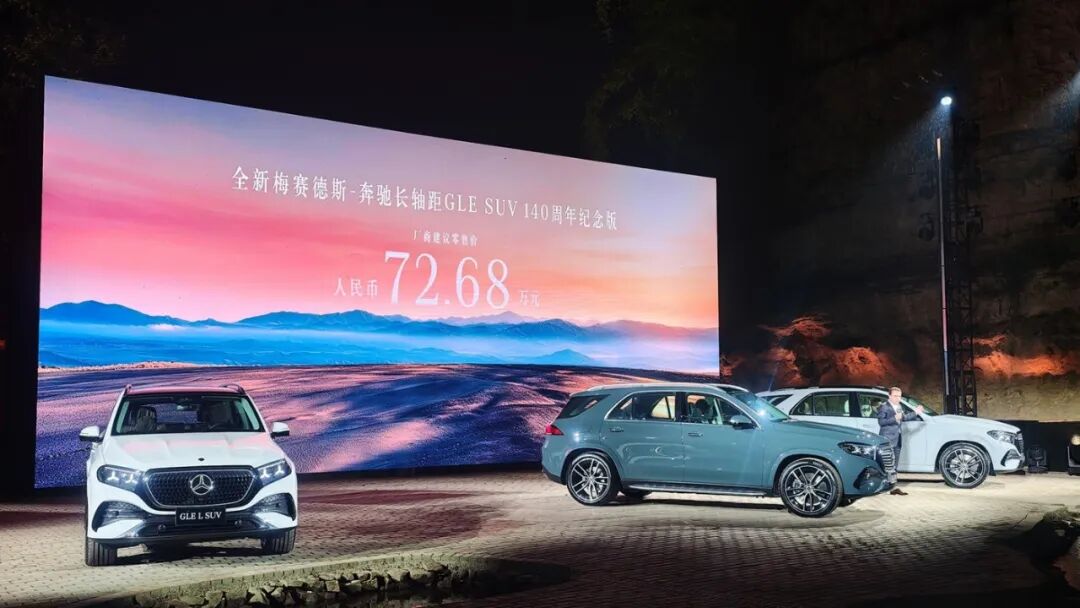
Priced between 599,800 and 767,800 yuan, along with a special 140th Anniversary Edition at 726,800 yuan, a total of five versions have been unveiled. The internet was abuzz on the launch day, not only with the domestically-produced Mercedes-Benz GLE long-wheelbase but also with several other new car releases, including the ARCFOX Alpha T7, Li Auto i9, Geely Xingrui L PLUS, Hongqi H7, and BYD Fangchengbao Fangcheng series. The general trend was highly competitive pricing. The ARCFOX Alpha T7 starts at 132,800 yuan, the Fangcheng S at 189,900 yuan, and the Li Auto i9 at 369,800 yuan.
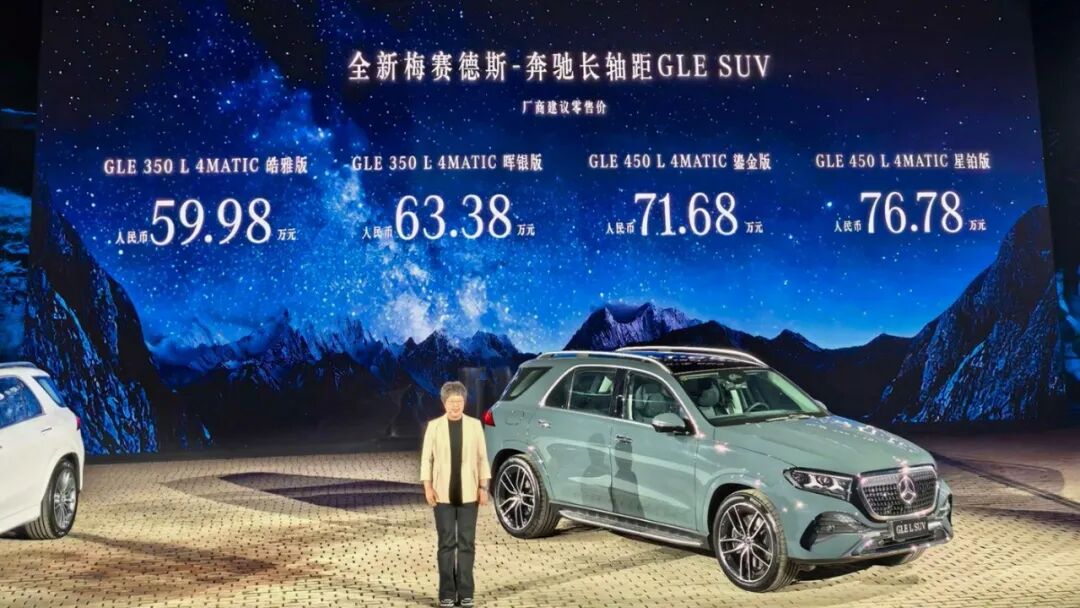
When compared horizontally, the 599,800 yuan price tag of the domestically-produced Mercedes-Benz GLE is nearly enough to purchase two Li Auto i9s, especially considering it's a fuel vehicle. However, even extreme supporters of new energy vehicles on the internet haven't had much to say. After all, they often see the bigger picture.
There are at least two surprising aspects of next year's launch.
Has the Savior of Traditional Fuel Vehicles Finally Made Its Appearance?
The first surprise is the pricing strategy. Mercedes-Benz has broken its long-standing pricing system, which may not be immediately apparent to the average person. For a long time, Mercedes-Benz and BMW have been partners in a love-hate relationship, with the pricing of their similar models being relatively predictable. By examining the latest generation technology models and using the other as a reference, Mercedes-Benz's similar models were often priced at least 10,000 yuan higher than BMW's.
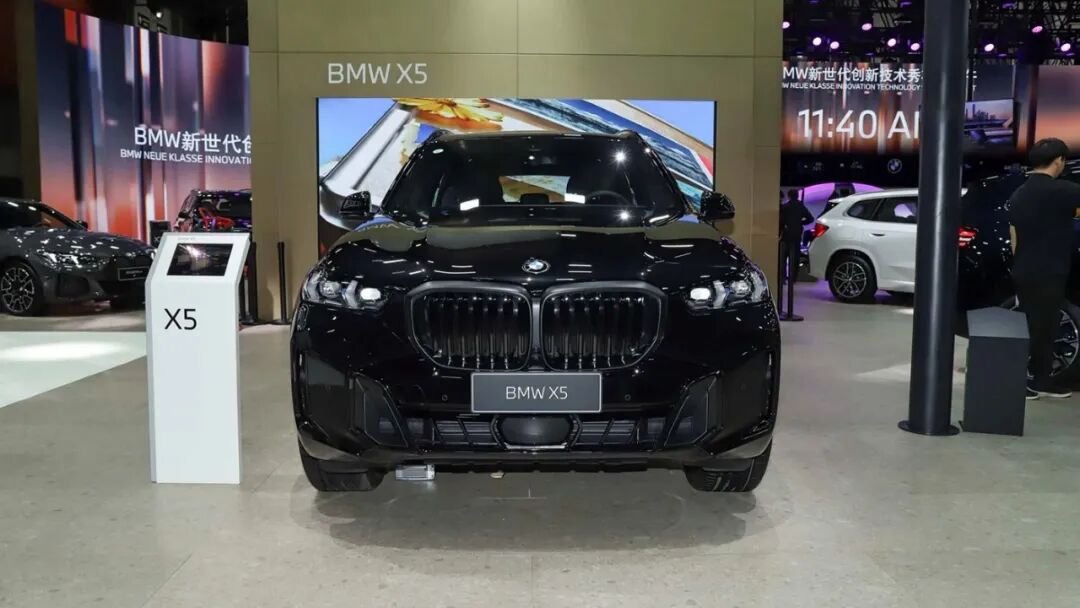
However, with the domestically-produced Mercedes-Benz GLE, this pattern has been disrupted. The starting price of 599,800 yuan is only 1,800 yuan more expensive than the domestically-produced BMW X5's 598,000 yuan. Furthermore, considering Mercedes-Benz's comprehensive sales policies, which offer a maximum value of 82,000 yuan, especially the 20,000 yuan purchase tax subsidy and the 12,000 yuan worth of 5-year high-level driver assistance free usage, the value proposition becomes even more compelling.
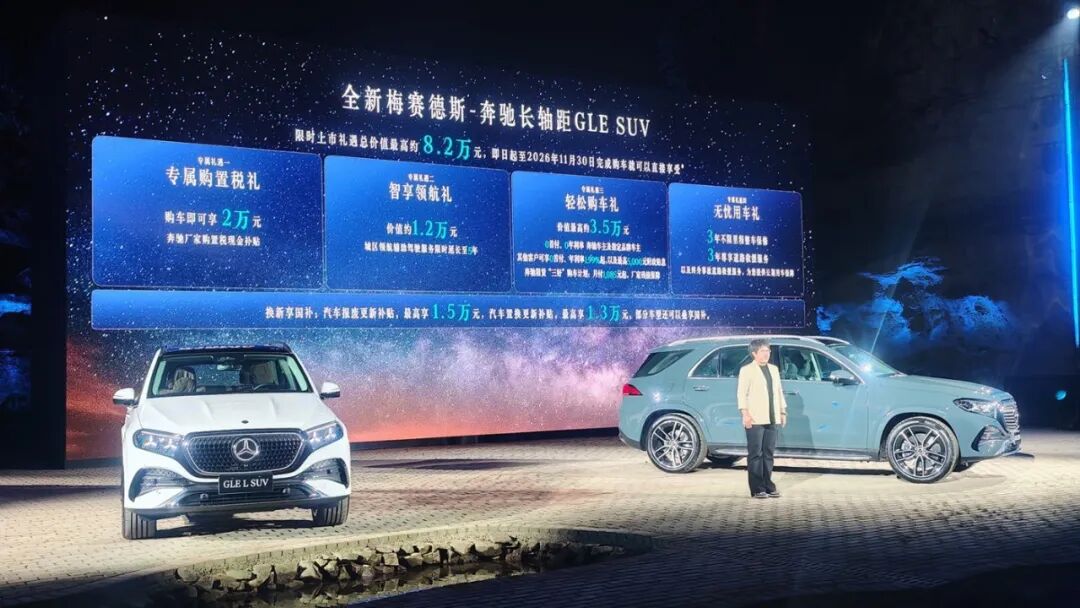
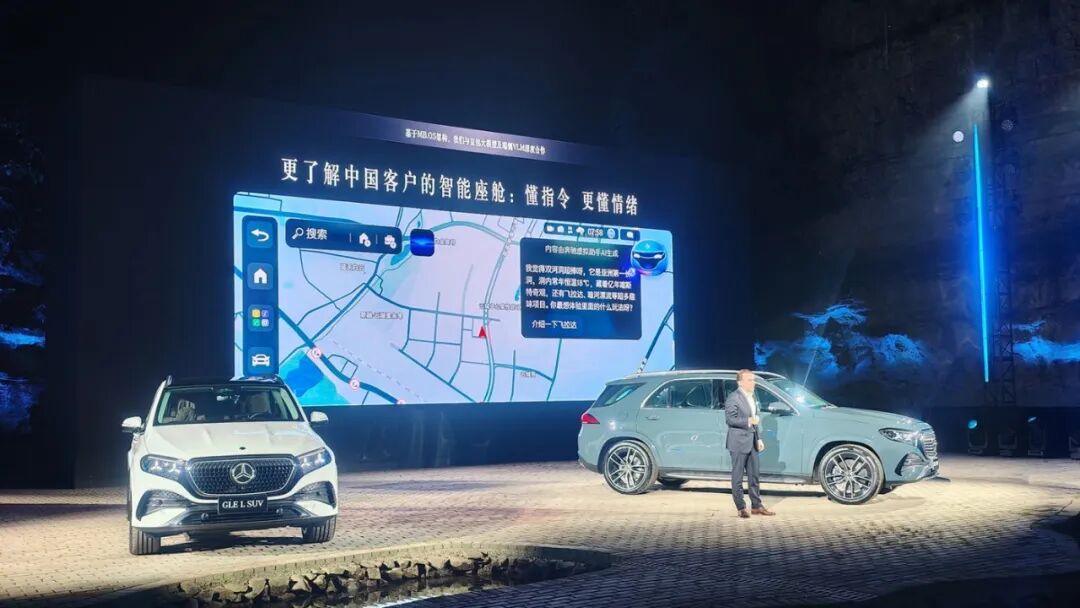
Moreover, it's particularly noteworthy that Mercedes-Benz has also adjusted the GLE's configuration SKUs. For instance, intelligent driver assistance supporting urban and highway navigation, as well as a four-zone intelligent cockpit with Doubao large model AI, are now standard across all models. This would have been unimaginable in previous model configurations.
The signal to engage in close market competition is clear. Since the market has evolved, the approach to launching new models must also adapt. When the domestically-produced BMW X5 was launched, 4S dealerships maintained a price rigidity period of about half a year. Mercedes-Benz is naturally seeking to find a balance in this regard as well.
Furthermore, despite the current trend of new energy vehicles outperforming fuel vehicles, the actual market trends in the 500,000 yuan-plus segment do not align with what most people think. Intelligent new energy vehicles have not completely overwhelmed fuel vehicles in the 200,000 yuan market, leaving fuel vehicles with little resistance. The BMW X5's monthly sales consistently exceed 2,000 units. With its new intelligent cockpit and driver assistance features, the Mercedes-Benz GLE naturally has the opportunity to perform even better.
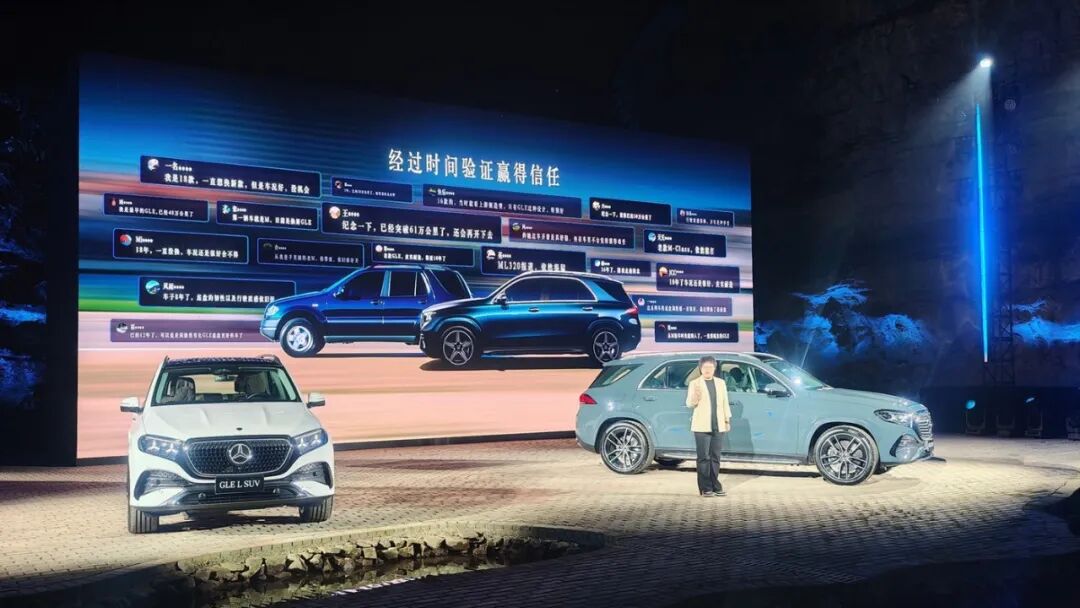
After all, in the 500,000 yuan-plus automotive consumption segment, it's not just about choosing a single car. Multi-car households have varying attitudes towards automotive consumption based on family needs, not just sticking to a certain budget and insisting on a car that can meet all needs in every aspect. They may choose several cars based on different travel scenarios, such as business receptions and daily use, or be swayed by the technologies, features, or marketing points of newly launched models. Most importantly, due to differing experiences, it's difficult to quickly change people's perceptions. The so-called 'old money' on the internet finds the current performance of the Mercedes-Benz GLE attractive.

The second surprise is the try-before-you-buy approach. Upon closer inspection, hundreds of new cars are launched and announced in the Chinese market every year, with the marketing logic almost always being to have automotive media or influencers experience the static aspects of the car after its release, then disseminate the information to match subsequent pre-sale actions. Before the official launch, automotive media or influencers are invited to experience the car's dynamic performance, which is then disseminated to manage expectations and plant Easter eggs before the official launch to build anticipation.

The Mercedes-Benz GLE, however, is different. It offers test drives before and after its launch, with the information being released several days after the launch. This try-before-you-buy approach reflects Mercedes-Benz's confidence in the new model and its adherence to objective laws. This car is not targeted at impulsive young buyers; patience is key.
In summary, Mercedes-Benz's market breakthrough strategy for the GLE is clear: attract those who are knowledgeable and can be mutually attracted, rather than trying to win over customers who may not be the right fit. Of course, the market trend is also towards intelligent electric vehicles being popular, but the recognition of intelligent fuel vehicles as a new category takes time to ferment.
The Savior or Destroyer of Fuel Vehicles?
Again, trying to quickly understand a model priced at over 500,000 yuan goes against objective laws. Even seasoned professionals in the automotive industry cannot discover all the Easter eggs without long-term use.
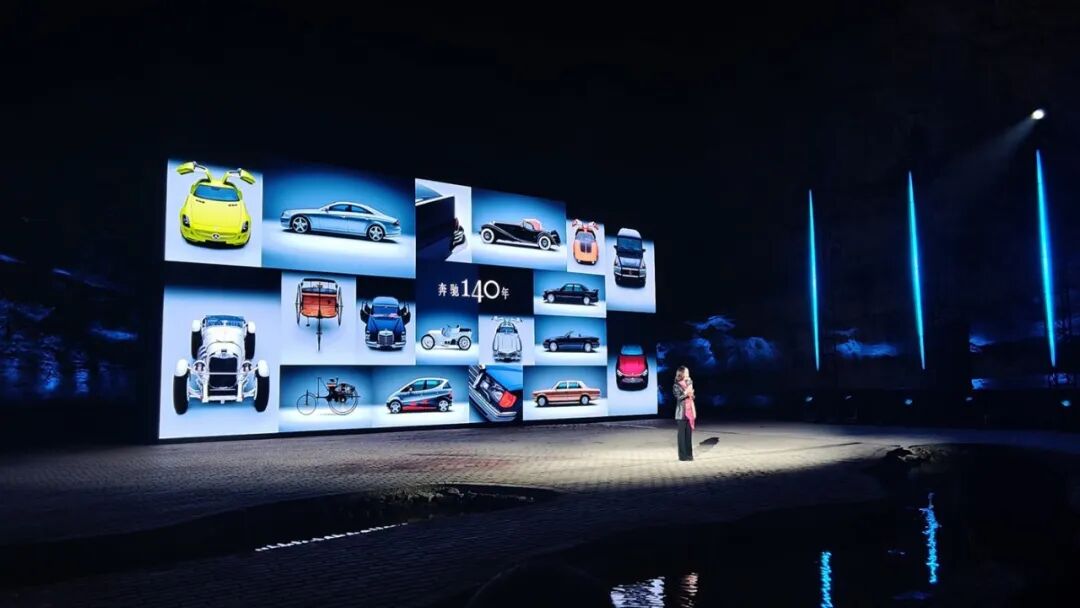
Returning to the domestically-produced Mercedes-Benz GLE, another important highlight worth noting is the configuration differences at various price points, which have reached a new low.
There are two 2.0T models priced at 599,800 and 633,800 yuan, with the main differences being wheel size, AR live navigation, sports packages, the number of voice-controllable cockpit functions, steering wheel and seat functions, and whether the sound system is Burmester.
The 3.0T models jump in price to 716,800, 726,800, and 766,800 yuan, a significant increase attributed to the 7% consumption tax difference, which is an unsolvable issue for large-displacement fuel vehicles compared to new energy vehicles in terms of policy. The consumption tax rate for vehicles with a displacement of 2.0L or below is 5%, while for those between 2.5L and 3.0L, it's 12%.
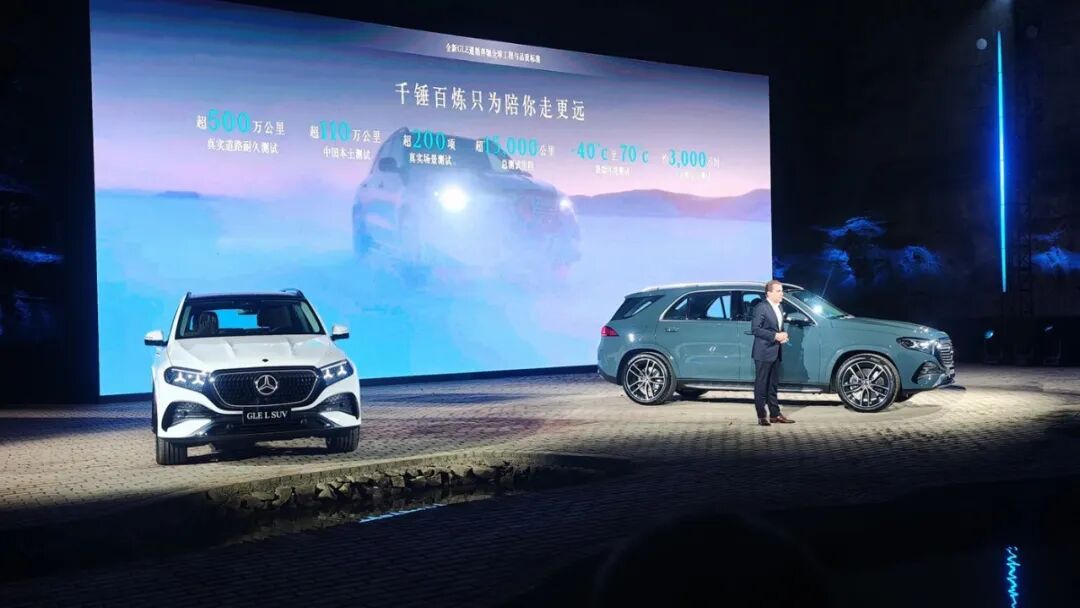
After reviewing these details and sorting out the various aspects of the domestically-produced GLE, we can roughly conclude its position in the segmented market. The vehicle's dimensions have been further enlarged, making it second only to the Mercedes-Benz GLS in Mercedes' current SUV lineup, with a wheelbase of 3115mm. Therefore, in terms of interior space, it competes with models like the AITO M9 and Li Auto L8 Livis, with each having its strengths and weaknesses.
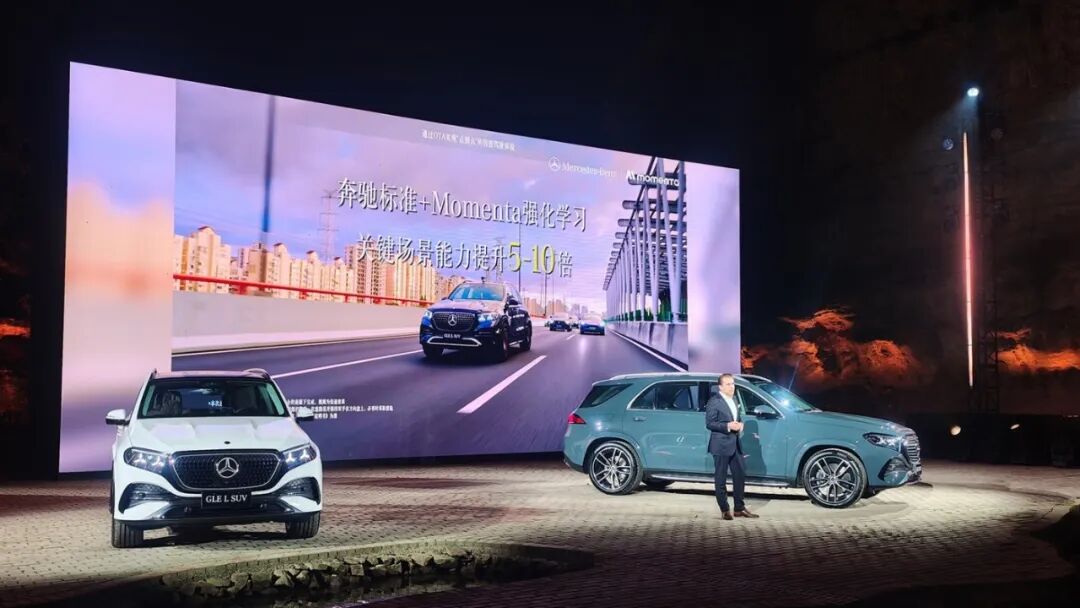
Intelligence has seen a generational improvement, with the intelligent cockpit featuring a triple-screen setup in the front row and incorporating Doubao AI large model, again competing with new forces. In terms of intelligent driving, it uses Momenta's latest R7 world model, currently the only one in luxury fuel vehicles, enabling not only highway driver assistance, overtaking slow vehicles, and automatic ramp entry and exit but also supporting urban driver assistance, avoiding sudden pedestrian appearances, and navigating in and out of underground parking lots. Another intelligent feature is the vehicle's equipped end-side VLM large model, which can recognize passengers' gestures and states to provide proactive cockpit function services.
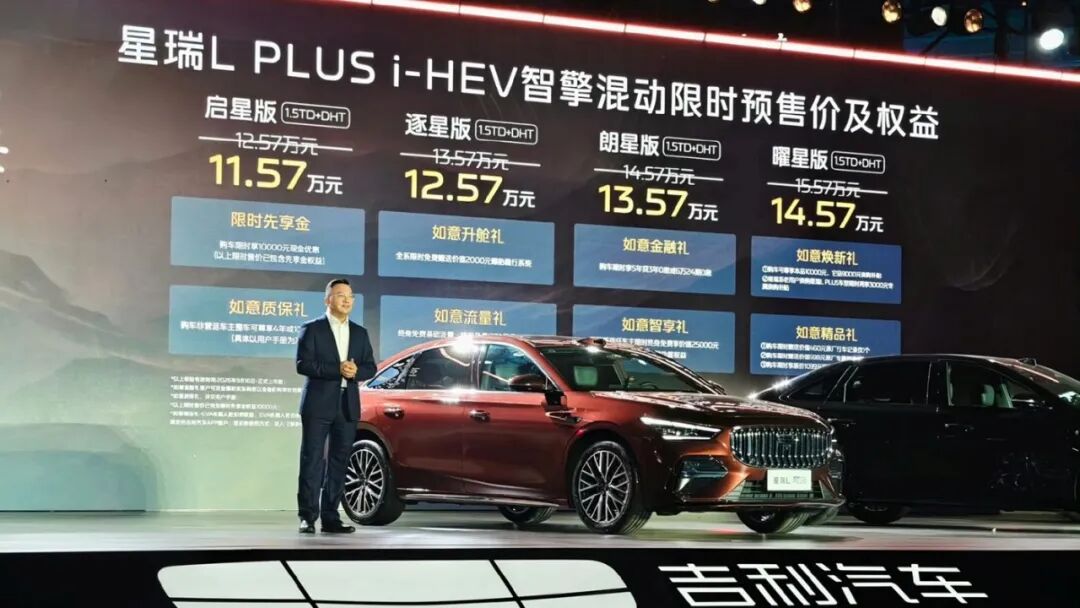
After reviewing these features, you'll find that many aspects of intelligent electric vehicles can be surpassed by luxury fuel vehicles. In fact, in the recent round of model launches, many brands are introducing hybrid+intelligent new logic, such as Geely and Changan, with Great Wall following suit. Geely is currently performing well, equipping the Xingrui L PLUS and Xingyue L PLUS with the Qianli Haohan H5 and new intelligent cockpits, matched with fuel-electric hybrid systems achieving fuel consumption below 4L/100km, allowing them to compete on equal footing with electric/plug-in hybrid models at similar price points. However, in this new round of domestically-produced cars, many models currently only offer hybrid as a strong point, lacking in intelligence.
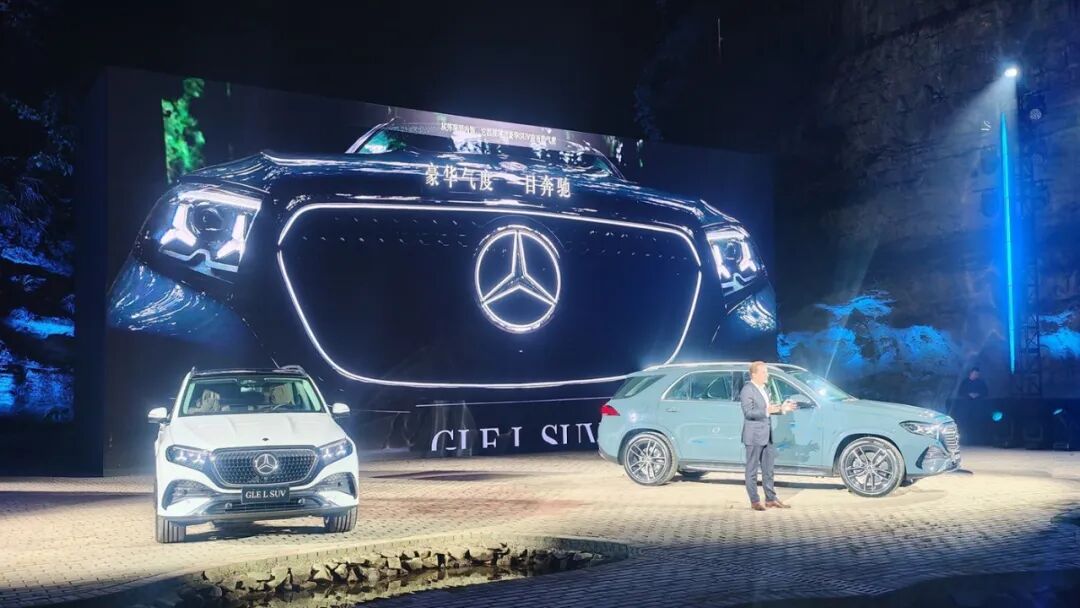
Apart from these, the biggest highlight of the domestically-produced GLE is that it incorporates many technological expressions from the Mercedes-Benz S-Class and G-Class. What S-Class and G-Class bring needs no further explanation—they are simply top-notch in terms of usability.
For instance, it features the same micro-LED headlights as the Mercedes-Benz S-Class, increasing the illumination range by 40% and the maximum irradiate distance to over 600 meters. It also has a six-stage adjustable air suspension, the classic Mercedes AirMatic, along with rear seat angle, thickness, and cushion length adjustments, all based on the S-Class. In terms of off-road capability, it inherits the bloodline of the Mercedes-Benz G-Class. The GLE does not position itself solely as an off-roader or an ultimate comfort vehicle but as an all-scenario vehicle. All-scenario naturally means incorporating Mercedes-Benz's tuning and hardware and software capabilities in both urban and off-road scenarios.
Again, in today's fragmented information era, you may see people saying Mercedes is expensive, but no one says the S-Class and G-Class are bad. This itself is a certification of strength.
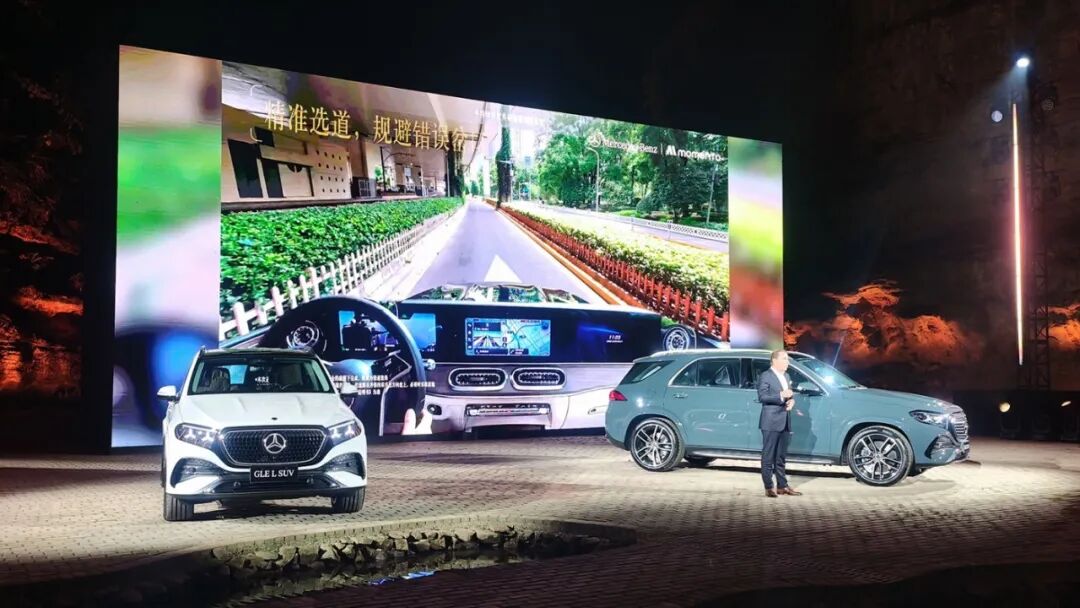
Of course, everything has two sides. The good thing about the domestically-produced Mercedes-Benz GLE is that it provides a foothold for those who want to use luxury fuel vehicles for a long time. However, it can be both a savior and a destroyer. Its latest capabilities show that it has top-tier intelligent application capabilities available in the Chinese market while not letting go of its long-standing technological strengths. This undoubtedly tests the brand's R&D capabilities, verification capabilities, and understanding of users.
Looking at global luxury brands, it seems only BMW can keep up with Mercedes-Benz's performance. The technological characteristics of luxury brands like Audi, Cadillac, Lincoln, and Lexus are either being replaced by electrification, such as Quattro all-wheel drive and lightweighting being easily replaced by active chassis and new materials, or large-displacement V8 engines not keeping up with markets outside North America.
In Conclusion
In any case, with the arrival of the Mercedes-Benz GLE, the torch has been passed.
Let's not worry about whether it can sell well or achieve a counterattack just yet. The market and time will eventually provide the answers. Beyond that, we should pay more attention to Mercedes-Benz's progress, technological expressions, and product definition capabilities.
Since electronic and electrical architecture and intelligent capabilities can evolve so rapidly in fuel-powered vehicles, if there were no restrictions imposed by displacement taxes and a 3.0T engine could be offered at around RMB 600,000, then the competition with new energy vehicles would certainly be an interesting topic. Then there are innovations in pricing strategies and marketing expressions, among others. All these are conveying the same message.
As long as it is willing to continue, it can also excel in the new energy vehicle sector in the future.
-
![]()
Seres Regains Autonomy: AITO's Front-End Operations Shift Back to Automaker, Huawei Returns to Supplier Role
-
![]()
Can the XPENG G9L, Touted as Unrivaled Globally, Become a Blockbuster?
-
![]()
27-Day Price Reduction of 40,000 Yuan: Fangchengbao Skirts Direct Rivalry with Xiaomi
-
![]()
Has the Savior of Traditional Fuel Vehicles Finally Made Its Appearance?
-
![]()
FAW and GAC Restructuring: Forging Ahead with Integration, Enhancing Efficiency through Synergy
-
![]()
Under the Wave of Restructuring, Are the Struggling Neta and Zotye Making a Comeback?
-
![]()
Bumper Bookings! BAIC Unveils New Car, Securing Over 30,000 Reservations in Just One Hour!
-
![]()
Li Auto i9 Priced at 369,800 Yuan 'Shakes Up the Market': Is NIO ES8's 'Sales Dominance' Under Threat?