From Netizens' Perspective, the XPENG G9L Still Seems Pricey
 09/20 2026
 345
345
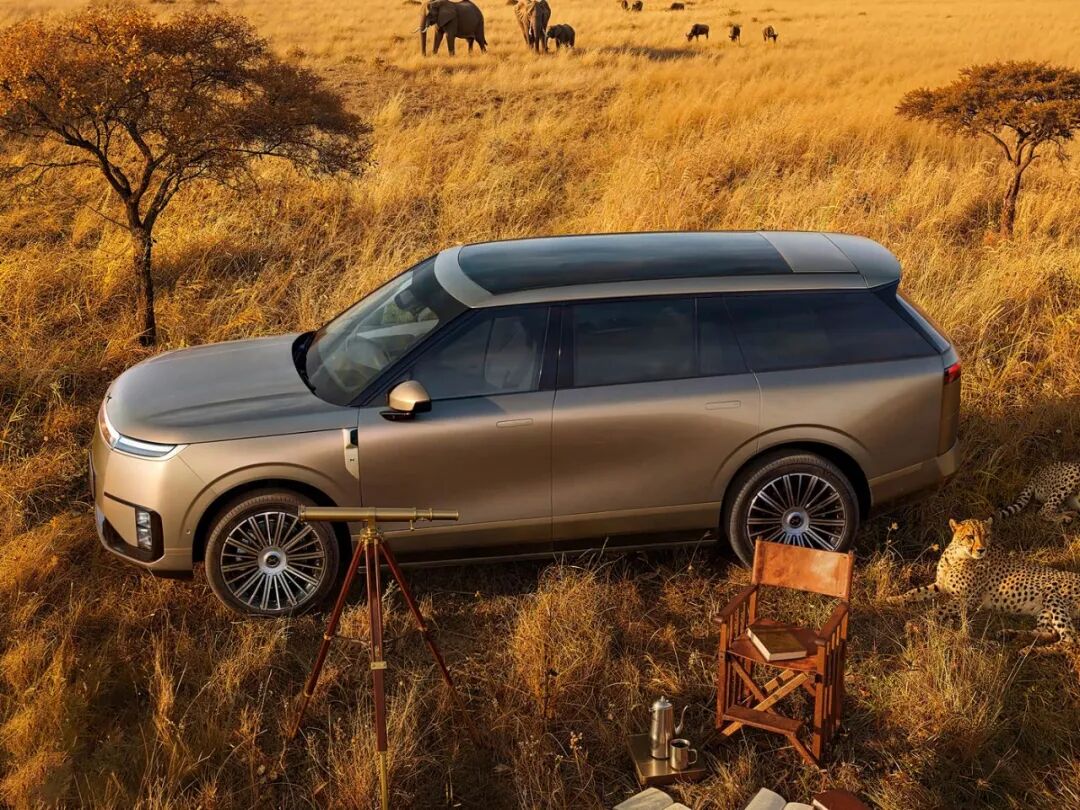
Following the launch of the XPENG GX, it garnered an impressive market response, with its popularity soaring swiftly. Capitalizing on this surge of enthusiasm, XPENG unveiled its second-generation flagship model, the XPENG G9L, on September 17th.
This vehicle holds significant expectations for the brand. At the launch event, XPENG Group CEO He Xiaopeng candidly remarked, "This price is absolutely, incredibly, extremely NB (awesome)." XPENG Motors President Wang Fengying even asserted that the XPENG G9L has no global competitors within the same price bracket.
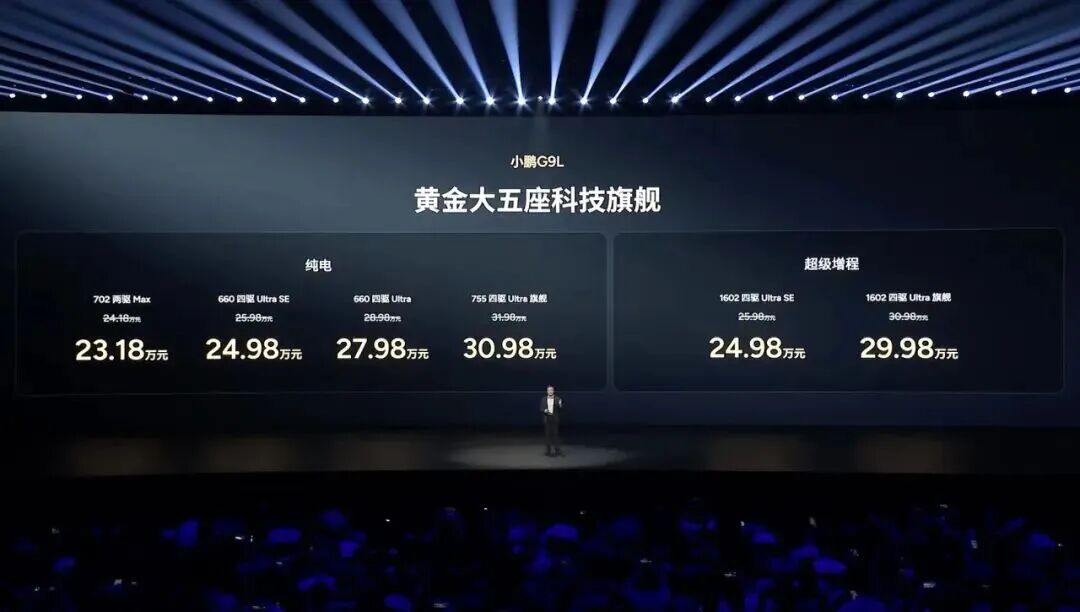
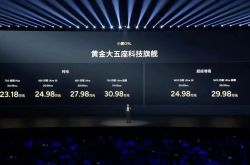
The limited-time price range for the newly introduced G9L is set between RMB 231,800 and RMB 309,800. XPENG aims to solidify its five-seat flagship lineup with this addition. However, in stark contrast to the high-profile promotion at the launch event, the market reception of the new vehicle has been notably mixed, with ongoing debates about its value for money.
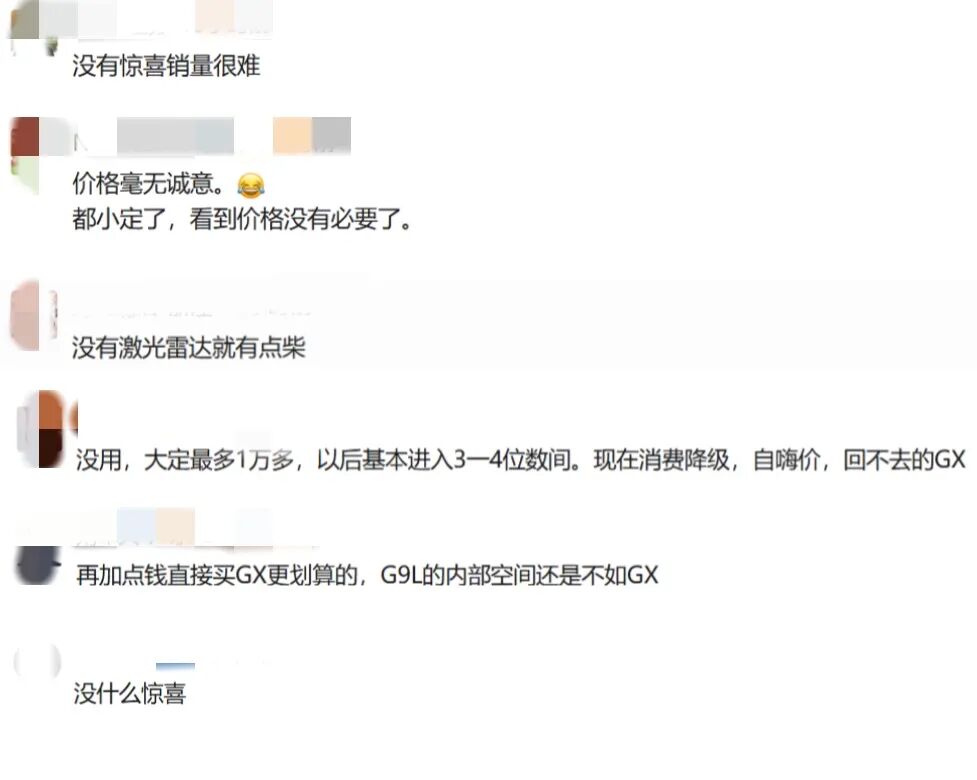
Judging solely by price, this vehicle is competitively priced. Rivals like the IM LS7 start at RMB 299,800, while the Ultra version of the Li Auto L8 reaches RMB 369,800. In comparison, the top-spec price of the G9L merely aligns with the entry-level prices of these two models. Thus, the G9L's price point is indeed considerably lower.
Secondly, in terms of physical dimensions and interior space, the G9L boasts standard flagship-level specifications. It measures 5120mm in length, 1999mm in width, and 1782mm in height, with a wheelbase of 3100mm. These dimensions place it on par with the Li Auto L8 and Seres M8.
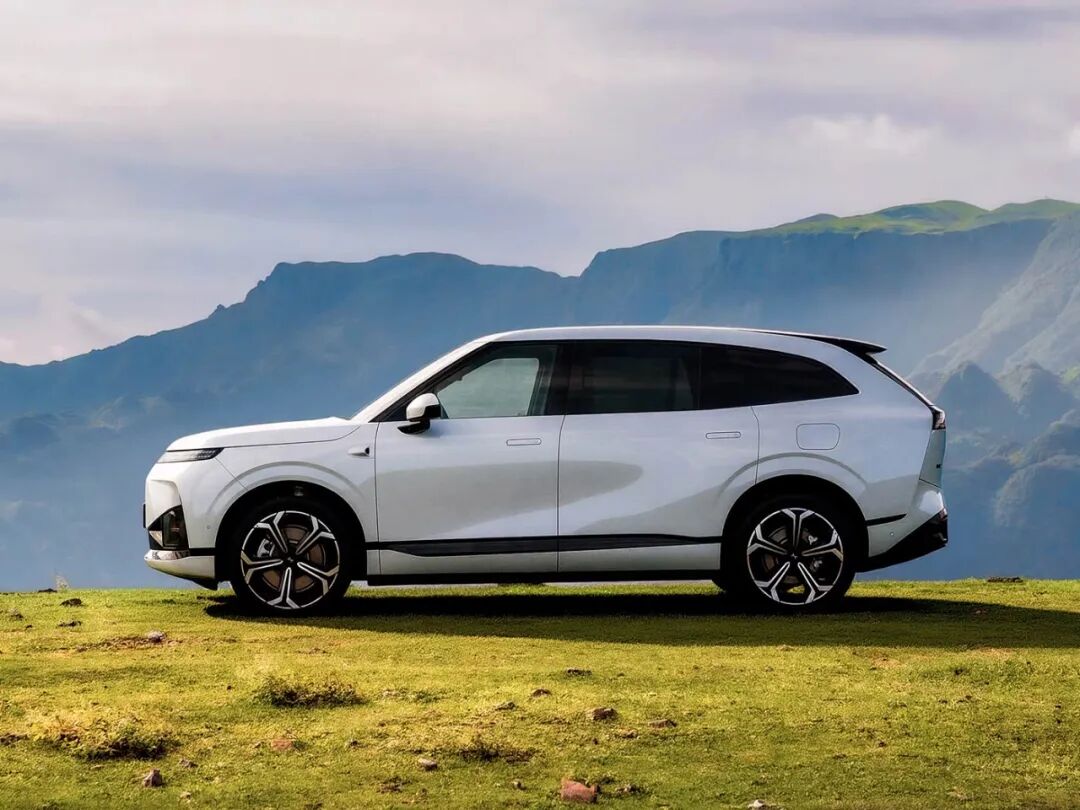
Moreover, the intelligent driving hardware foundation of the new vehicle stands as one of XPENG's key selling points. The G9L is the first to feature the second-generation VLA intelligent driving model, with high-spec versions boasting three Turing AI chips, delivering a total computing power of 2250 TOPS. According to official introductions, this new intelligent driving system enhances scene sequence perception capabilities, enabling long-term memory of road scene information, early prediction of driving risks, and optimized driving decisions. From this vantage point, the G9L's intelligent driving setup is indeed remarkable.
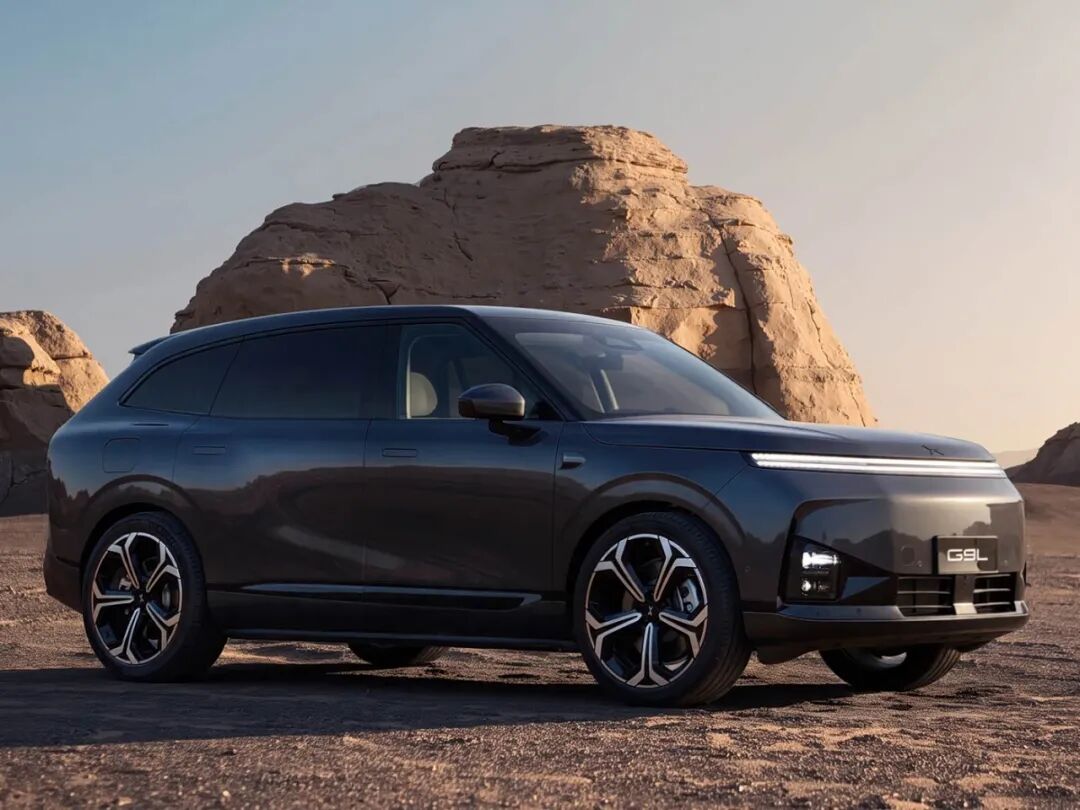
Despite the impressive parameter data of the new vehicle, overall, the XPENG G9L's value proposition has not been widely embraced by market consumers. Many users who were initially attracted by its intelligent driving reputation did not feel compelled to make a purchase after scrutinizing the configuration list.
According to official information, the entry-level version of the new vehicle is equipped with only one Turing intelligent driving chip and does not offer an upgrade option. Furthermore, the new vehicle lacks lidar across all trims, opting for a pure vision approach. In the current market landscape, where multiple lidars are standard in the 250,000-300,000 yuan price range, the G9L's hardware specifications fall short. Users seeking advanced intelligent driving experiences will find that the hardware limitations of the entry-level version struggle to support all intelligent driving functions.
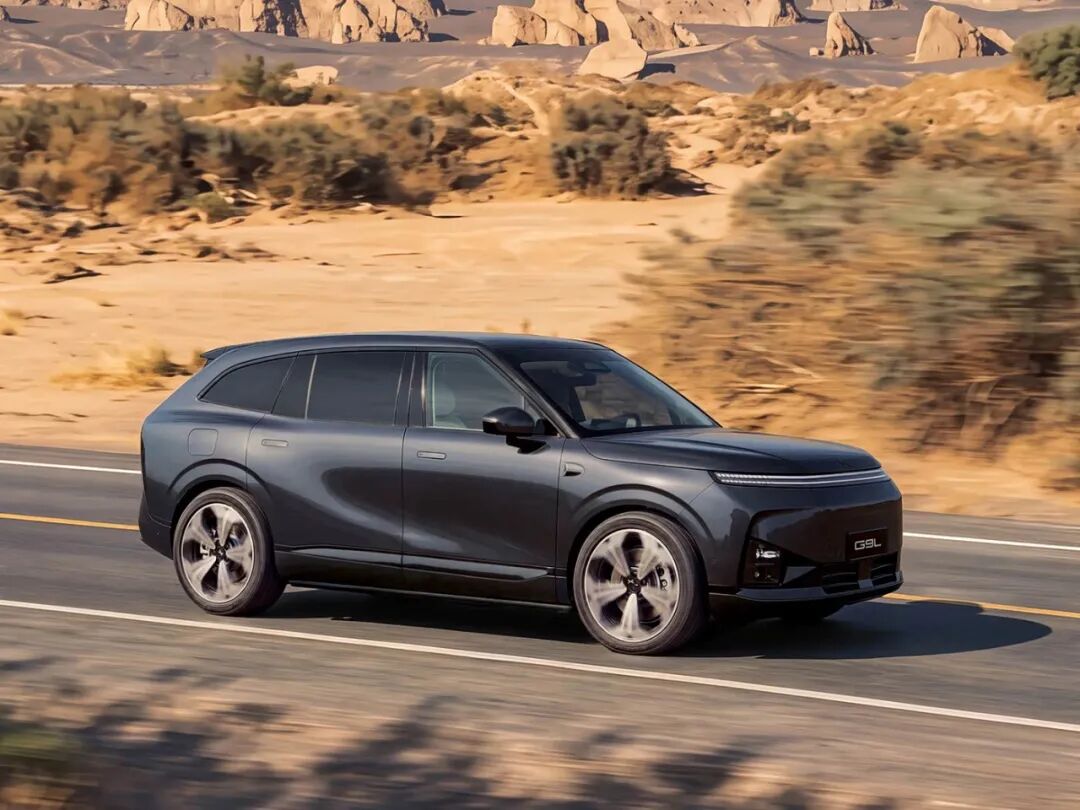
If one wishes to upgrade to the Ultra SE version with two chips, the limited-time price is RMB 249,800, which is very close to the starting price of the XPENG GX. Many users may perceive the low-spec version as lacking sufficient intelligent driving features, while the high-spec version, after adding to the budget, may not seem as compelling as directly opting for the six-seat GX, which offers more space and seating capacity.
Additionally, it's worth noting that many current mid-to-large SUV pure electric models boast a range of 900 kilometers, whereas the XPENG G9L's pure electric range is only 660-755 kilometers, 200 kilometers less than its competitors. For a pure electric vehicle, a shorter range compared to competitors is a significant drawback.
Furthermore, the G9L's "stacked configurations" have not translated into a distinct competitive edge. The G9L generously includes air suspension and rear-wheel steering as standard on the chassis, along with a dense sensor network. The configuration list alone appears quite comprehensive.
However, for target users in the domestic market, the practicality of such advanced chassis configurations is relatively limited. Compared to enhanced driving experiences, users are more concerned about the long-term maintenance costs and potential failure risks associated with these configurations. Such conveniences may not be as tangible as directly opting for more comfortable and practical features. Excessive hardware stacking instead increases users' potential maintenance concerns.
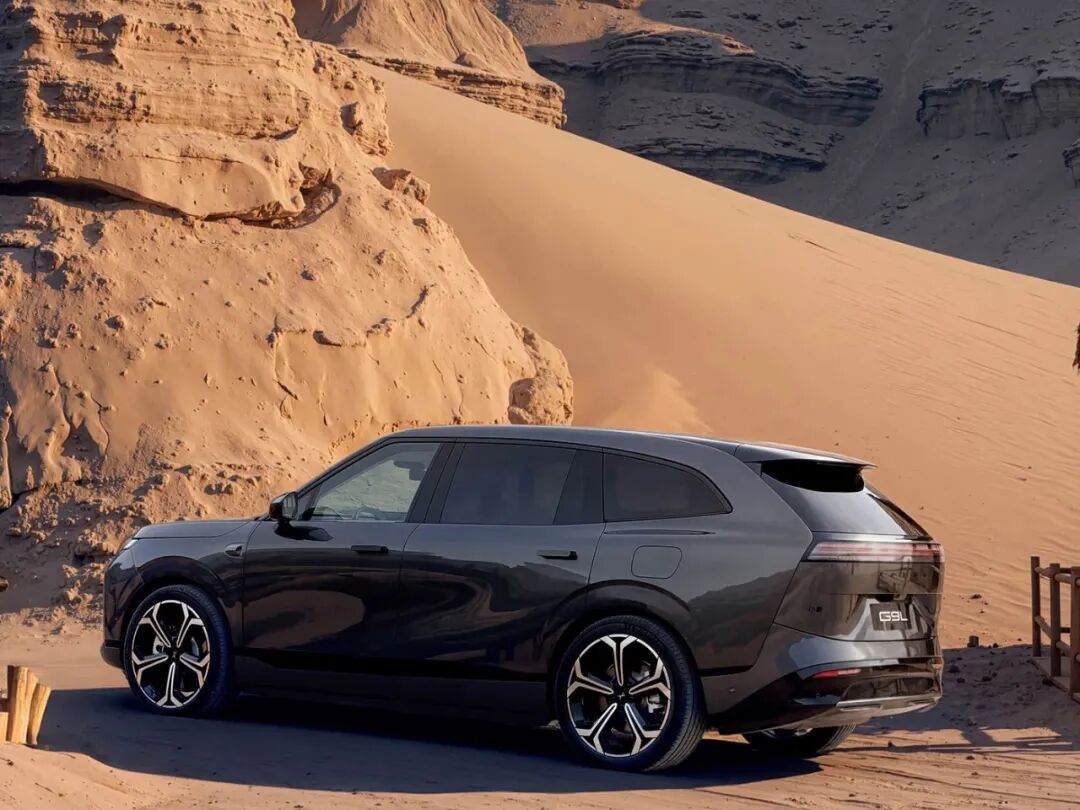
Coupled with configuration shortcomings in product details, consumer controversies surrounding the G9L have been further fueled. Except for the top-spec model, which is equipped with ternary lithium batteries, all other versions of the new vehicle are fitted with lithium iron phosphate batteries, and the battery supplier is not the industry-leading CATL. This setup significantly restricts users' choices.
More critically, the G9L's pricing range may also "inadvertently harm" the GX. The GX's price range is RMB 269,800 to RMB 349,800, while the G9L's limited-time starting price is RMB 231,800 to RMB 309,800, resulting in a significant price overlap between the two models. Admittedly, one model focuses on six seats while the other on five, catering to users with different needs. However, the ambiguous price differentiation has led to internal competition between the two models, potentially diverting some of the momentum accumulated by the GX to the G9L.
In conclusion:
Overall, the G9L's market position is still in a phase of equilibrium that requires fine-tuning. It possesses certain product strengths, but there is a noticeable discrepancy between its product configuration and pricing strategy. Simultaneously, the significant price overlap with the XPENG GX has not resulted in product complementarity but instead internal market cannibalization. In the increasingly mature new energy vehicle market, mere hardware accumulation is insufficient to impress consumers. The imbalance between configuration practicality and pricing reasonableness has significantly undermined the G9L's market competitiveness.
(Images sourced from the internet; removed if infringing)
-
![]()
Weekly Stock Review | Trump’s Concern Over AI Rivalry: The Auto Industry’s ‘Biggest Competitor’
-
![]()
FAW and GAC's Strategic Move: More Than Corporate Collaboration, a Pioneering Case of National Industrial Anti-Involution
-
![]()
Can the Long-Wheelbase Mercedes-Benz GLE SUV Tread in the Footsteps of the BMW X5?
-
![]()
From Netizens' Perspective, the XPENG G9L Still Seems Pricey
-
![]()
10 Questions I Care Most About Regarding Doubao Mobile Phone II
-
![]()
Quality Performance of China’s New Energy Vehicle Tri-Electric Systems in 2026: Experience-Centric Issues Take Center Stage, Range Remains Top Challenge
-
![]()
AIDrive’s Cooperation Model Undergoes Change: Is Xiaomi Pengcheng the Unexpected Winner?
-
![]()
FAW and GAC Make Moves: Will the "Greater Anhui Automobile" Dream Become Reality?