From Didi Shrimp to Doubao Car: Why Are Automakers Obsessed with Integrating AI into Vehicles?
 09/21 2026
 333
333
Amid the global AI wave, the automotive industry wants a piece of the pie too.
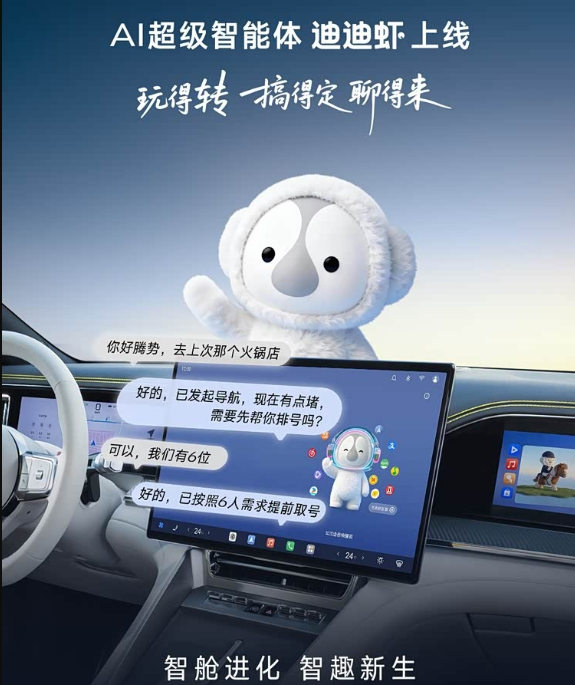
While AI faces development bottlenecks in capital markets, it has become a new highlight in domestic auto launch events. On September 14, at the launch of the Tengshi N8L pure electric version, BYD's self-developed intelligent agent, Didi Shrimp, began to be rolled out across Tengshi models.
The Roewe Joy 07, set for pre-sale on September 21, has introduced the concept of a "Doubao Car," drawing attention as the first model equipped with the Doubao cabin assistant. At the same time, the Joy 07 positions itself as the industry's first AI-native vehicle.
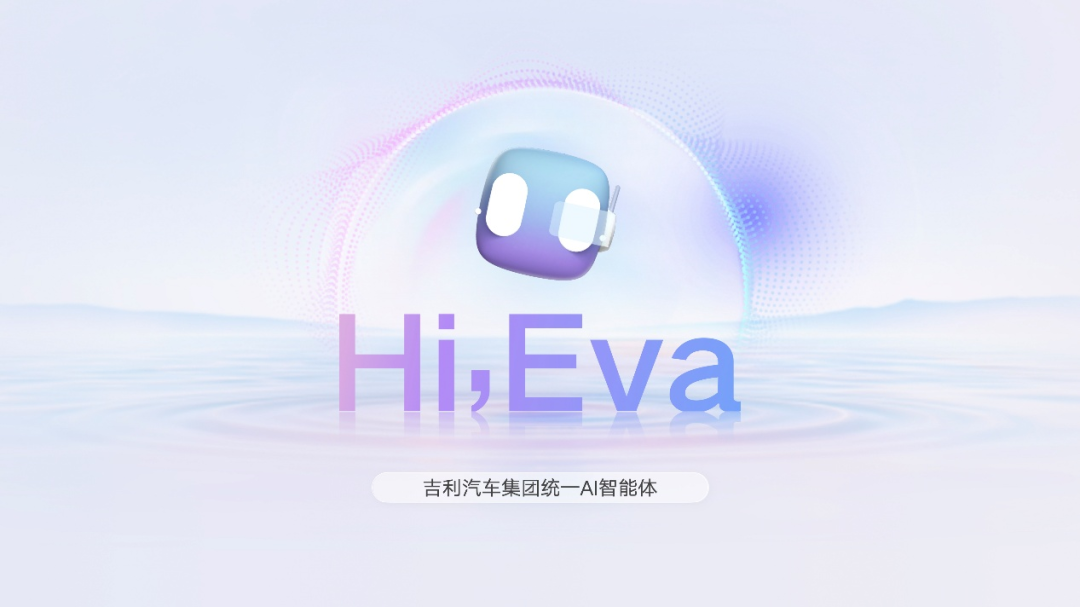
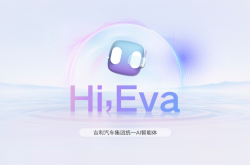
Adding to this trend, Zeekr's Super EVA, launched earlier this year, has been widely implemented across Geely's model lineup. In 2026, traditional brands, like new forces, are embracing the AI+automotive path, with AI capabilities becoming the next big thing in automotive competition.
So, what exactly is an in-vehicle intelligent agent, and how does it differ from current in-car assistants?
In-Vehicle Intelligent Agents
To understand in-vehicle intelligent agents, we must first look at what current intelligent cockpits offer.
With technological advancements, in-car voice assistants have evolved through several stages. Initially, they relied on voice control through fixed keywords, enabling functional control via voice commands—essentially passive tools following a "you say, I do" model.
As AI developed, integrating large models into vehicles became a new option. Especially when DeepSeek gained popularity, various intelligent in-car systems announced their integration with DeepSeek's large models, making once-clumsy voice assistants significantly smarter.
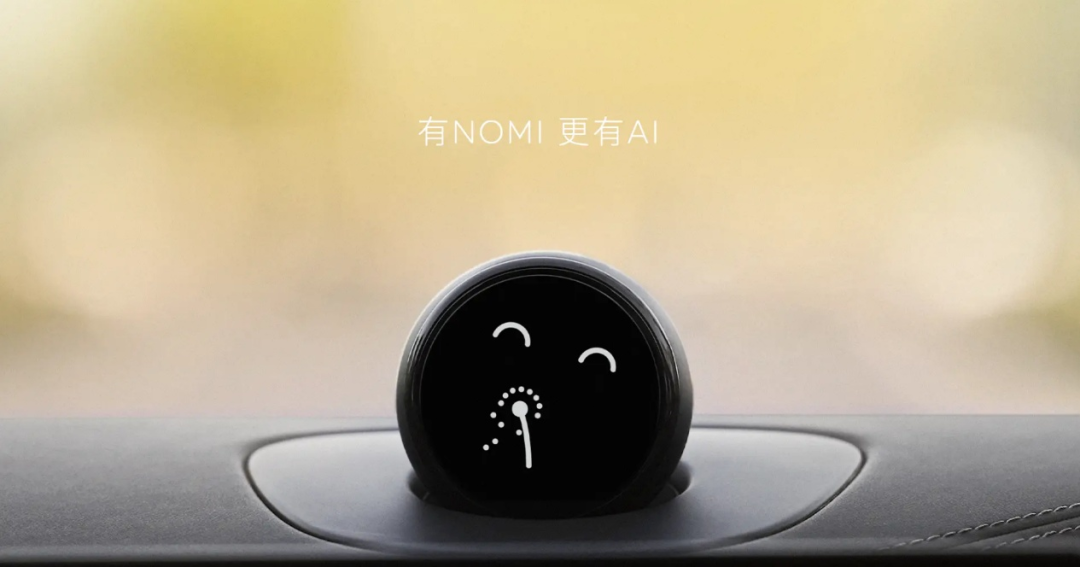
The most direct example is that vehicle control no longer requires 100% accurate voice commands. The in-car system can now execute correct operations from vague instructions, finally acting like a true assistant.
However, at this stage, in-car assistants are still in their infancy, requiring keyword recognition and limited to vehicle control and basic communication. They cannot truly understand user needs like a human assistant.
With the rise of AI applications like "raising lobsters" in early 2026, users discovered that AI could do more than answer questions online—it could act as an assistant, mobilizing more applications to execute commands.
Take BYD's Didi Shrimp as an example; it has integrated multiple third-party intelligent agents, enabling cross-domain task execution. A single command can now handle navigation, place orders, and more, truly making the cabin intelligent.
Although voice-based functionality may seem similar to AI assistants on smartphones, implementing it in vehicles requires automakers to achieve intelligent upgrades across the entire vehicle.
For instance, once a route is set, advanced driving assistance systems can take over, requiring integration between two independent systems—the cabin and the driving assistance—which also involves safety considerations.
Therefore, different automakers have chosen varying solutions. New-force automakers, represented by companies like NIO, XPeng, and Li Auto, insist on full-stack self-research. Li Auto and XPeng have transformed into AI technology companies, with Li Auto even enabling its "Li Auto Assistant" to operate beyond the vehicle through ecological hardware, becoming a true assistant for car owners.
Another mainstream approach, adopted by traditional automakers like BYD and Geely, involves self-developing the core framework while integrating multiple mainstream models and opening Agent interfaces to third parties, achieving a balance between functionality and safety.
Beyond these two mainstream approaches, Doubao, under ByteDance, is exploring a new collaboration model—deep integration with automakers to provide more comprehensive cabin solutions.
This represents a new attempt after Doubao's foray into smartphones, aiming to apply AI capabilities to real-world commercial scenarios. Doubao sees significant potential in the largely untapped intelligent cabin market.
Software Blue Ocean
The current new energy vehicle market has reached a point of intense competition, especially with hardware homogenization pushing automakers to seek new differentiators.
For example, in models priced at 100,000 yuan and above, advanced driving assistance and in-car entertainment features have largely converged, making it difficult for automakers to create differentiation through traditional configurations. As competition over screens, radars, and computing power reaches a bottleneck, AI capabilities naturally become a new competitive dimension. The focus has shifted from "battery capacity" to intelligence.
Additionally, automakers need new revenue growth points. According to industry data, profits in vehicle manufacturing have fallen to historic lows, making the traditional model of selling cars based on hardware premiums unsustainable.
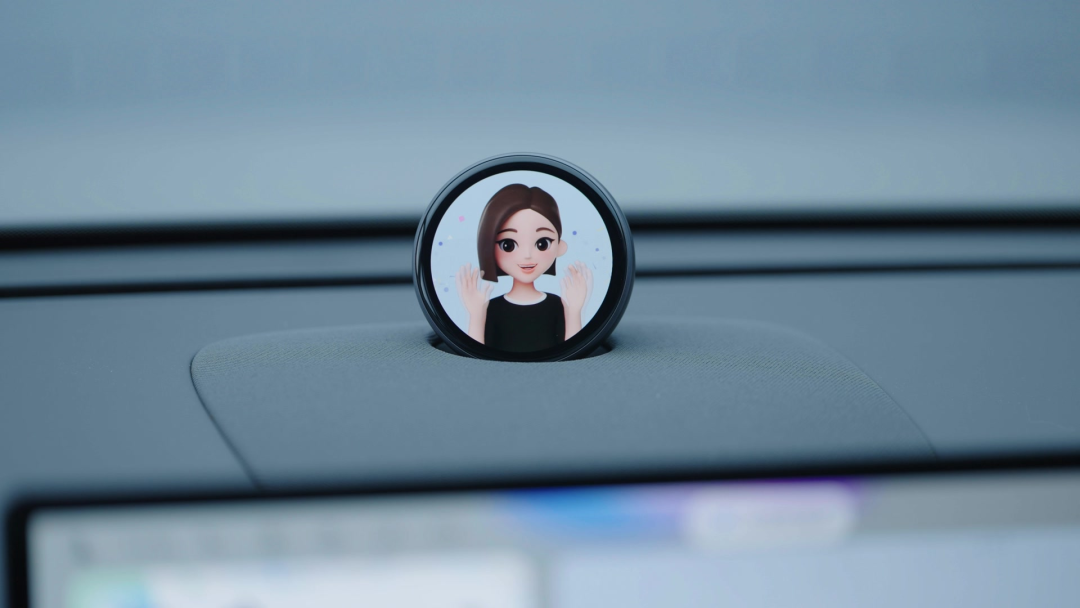
Automakers urgently need a way out of the rut of endless hardware competition, and AI large models offer a path from "hardware-defined" to "software-defined" and finally to "AI-defined" vehicles, hiding immense commercial value.
According to statistics, Doubao's large model completes over 30 million cabin interactions daily; Li Auto Assistant is activated 2.52 billion times annually, with Task Master executing 14.9 billion tasks in total; Huawei's Smart Assistant Xiao Yi was activated 130 million times during the Spring Festival.
Driving itself is a high-frequency, essential, and multi-tasking complex scenario. In-vehicle AI assistants are naturally embedded in driving and travel scenarios, eliminating the need for users to "remember" to use them—AI as a service is a fundamental need in automotive cabins.
For automakers, integrating AI is a business opportunity. Like pre-installed software on new smartphones, a large user base is inherently valuable, serving as leverage in negotiations with AI giants.
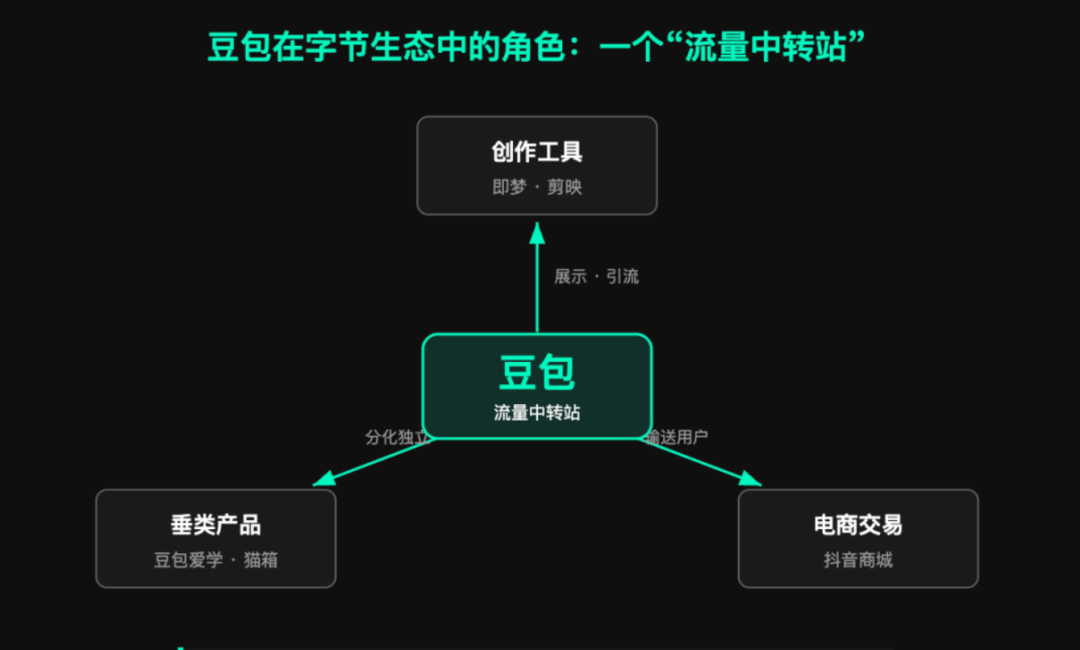
On the other hand, for AI companies, in-car intelligent assistants offer the easiest way to deeply bind users. Unlike AI smartphones, which must consider the ideas of various smartphone manufacturers and software companies (as seen with the first-generation Doubao smartphone, where many features were blocked by software companies in the name of security), in vehicles, automakers hold the final say, making it difficult for third-party software companies to intervene.
ByteDance, behind Doubao, has also recognized this market. From an automotive application perspective, AI capabilities mainly manifest in two ecosystems: intelligent driving and cabins. Intelligent driving is already dominated by self-developed solutions and top suppliers, but in the cabin field, apart from a few new forces developing their own solutions, most automakers still rely on supplier solutions.
From terminal data, Doubao dominates the AI market with a 41% market share, 382 million monthly active users, and an average monthly usage time of 143 minutes per user, making it a truly national-level software.
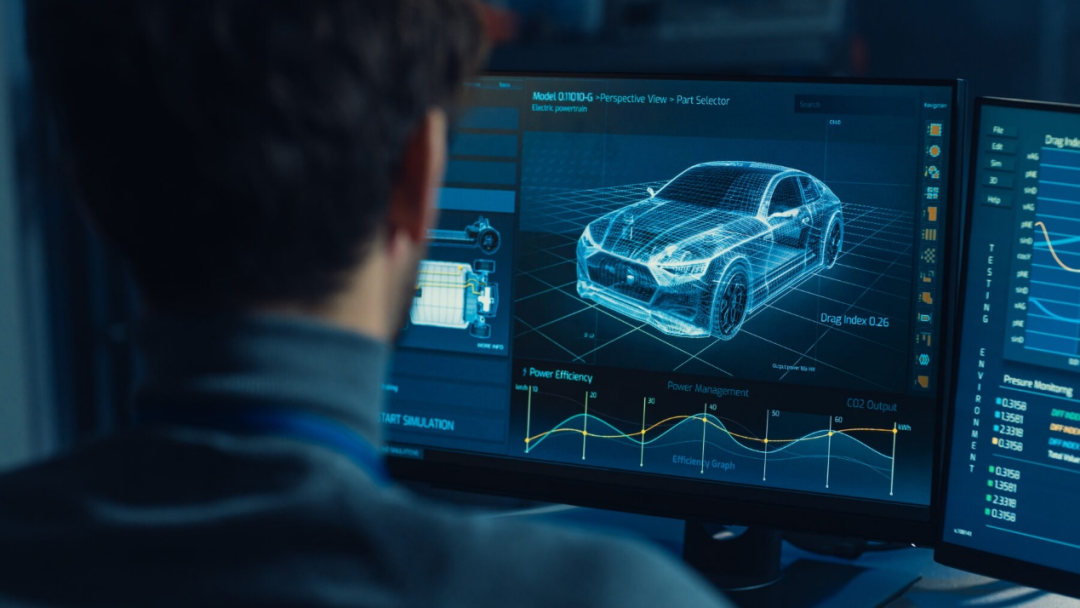
For automakers, integrating any intelligent agent is feasible, but Doubao is a particularly good choice due to its user base and strong AI capabilities, helping automakers bridge the AI gap in their cabins.
Industry estimates suggest that the market size for intelligent cabin solutions in China's passenger vehicle market is expected to reach 182.8 billion yuan in 2026. Apart from hardware, software solutions will continue to grow, with software potentially contributing 25% of total vehicle profits by 2030 and the market size for vehicle operating systems expected to exceed 100 billion yuan.
Faced with such a market size, automakers struggling with meager manufacturing profits naturally want to seize this opportunity to gain an edge.
Automakers' obsession with integrating AI into vehicles is essentially a strategic choice concerning survival. Electrification has brought everyone to the same starting line, but intelligence is creating greater disparities. When hardware parameters no longer differentiate competitors, the "intelligence" of the "brain" becomes the new dividing line.
Note: Some images are sourced from the internet. If there is any infringement, please contact us for removal.
-END-
-
![]()
Chinese Computing Power Expands Its Global Reach in ASEAN
-
![]()
Gross Margin Dips Below 10%, Li Auto Temporarily Sets Aside Its 'Competitive Edge'
-
YC's Latest Insight: Harness Matters More Than the Model
-
A 1000 Yuan Price Gap: Three Key Differences Between iPhone18 Pro and Max
-
![]()
From Didi Shrimp to Doubao Auto: Why Automakers Are Keen on Integrating AI into Their Vehicles
-
![]()
From Didi Shrimp to Doubao Car: Why Are Automakers Obsessed with Integrating AI into Vehicles?
-
![]()
Stellantis, Which Incurred a €223 Million Loss Last Year, Is Pinning Maserati's Future on China
-
![]()
Evergrande Auto, a Company Without Car Production, Posts 500,000 Yuan Gross Profit in Six Months