German Chassis Meets Chinese Smart Driving: ID.AURA T6 Is More Than Just a Pretty Face
 09/21 2026
 430
430
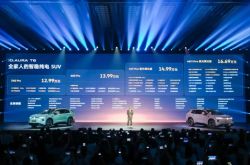
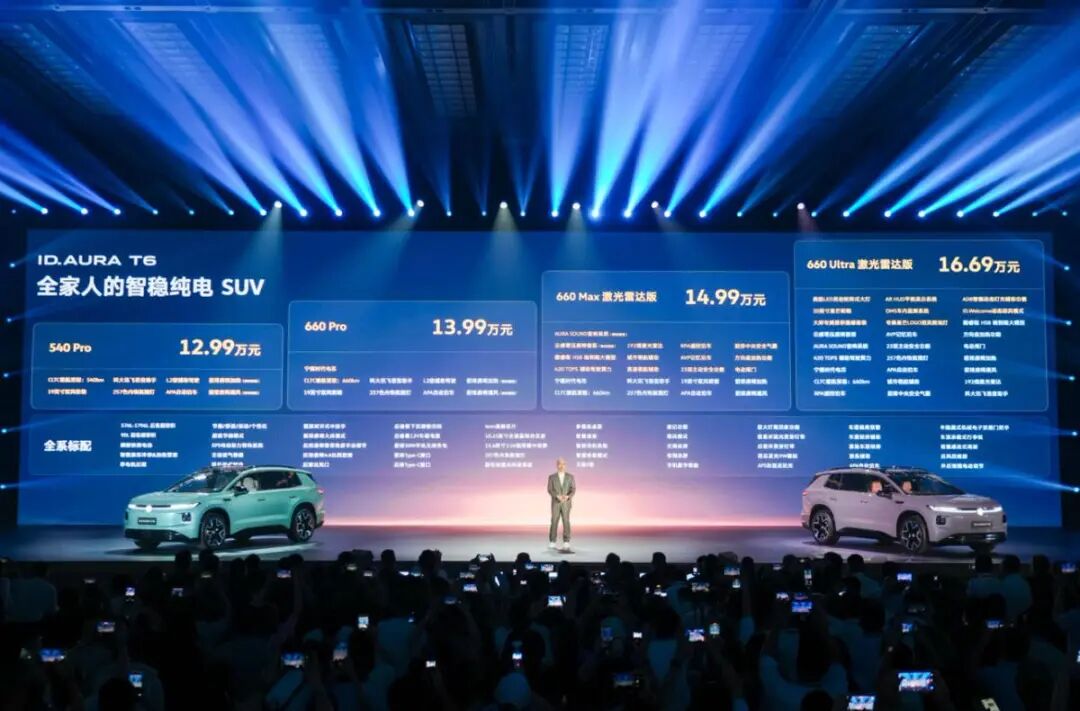
On September 20th, FAW-Volkswagen officially unveiled the ID.AURA T6. As the flagship model in FAW-Volkswagen's new energy vehicle lineup, the ID.AURA, this all-electric SUV boasts a length of 4,811mm and a wheelbase of 2,836mm, with a starting price tag below RMB 130,000. Pre-sale orders have already exceeded 30,000, setting a new benchmark in today's family all-electric SUV market.
Pricing Positions It in the Mainstream All-Electric Market
When compared to its counterparts in the same category, the ID.AURA T6 showcases remarkable product strength. The BYD Song Ultra EV, measuring 4,850mm in length and 2,840mm in wheelbase, is priced just over RMB 140,000 for its 605km range variant. Meanwhile, the Geely Galaxy E5, with a 530km range, costs over RMB 130,000. The ID.AURA T6, however, offers a 660km range for RMB 139,900, making it highly competitive within its size segment. It undercuts BYD's similarly sized model while providing the added assurance of a joint-venture brand's established system, compared to entry-level models from emerging new energy brands.
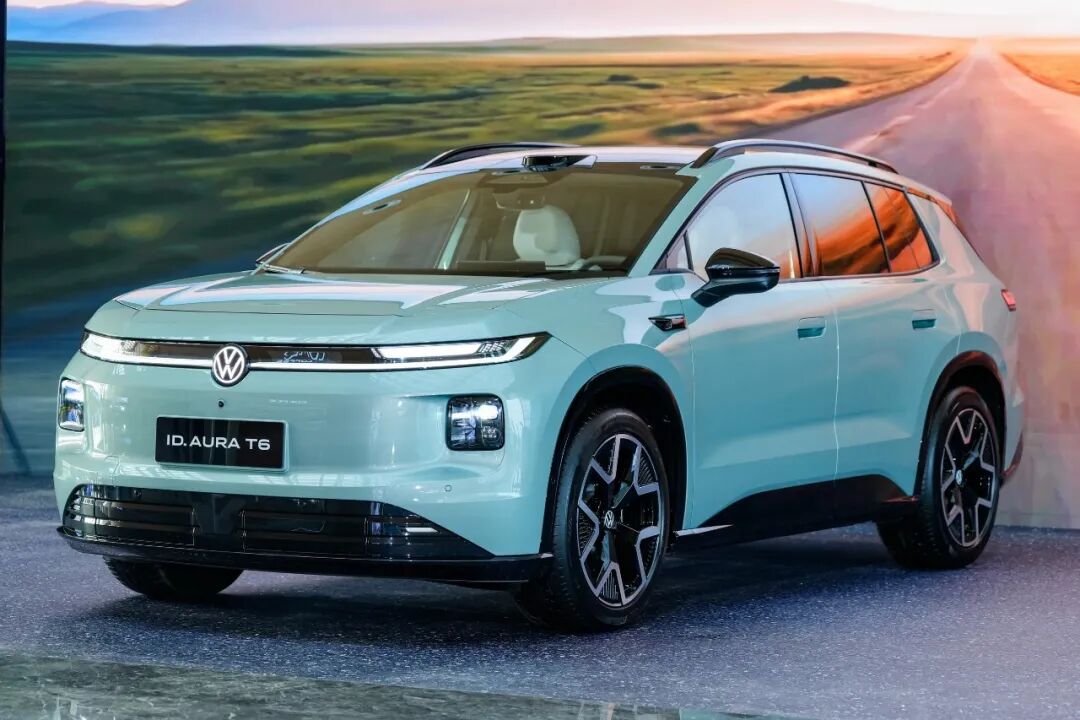
Space is a standout feature of the ID.AURA T6, with an official interior space utilization rate of 85.3%. The trunk offers a standard capacity of 576 liters, expandable to 1,796 liters with the second row folded down. It also includes a 90-liter front trunk—a first for this model—and 38 storage compartments throughout the vehicle. The rear passenger door opening width is 881mm, facilitating easy access for the elderly and children without the need to squeeze sideways.
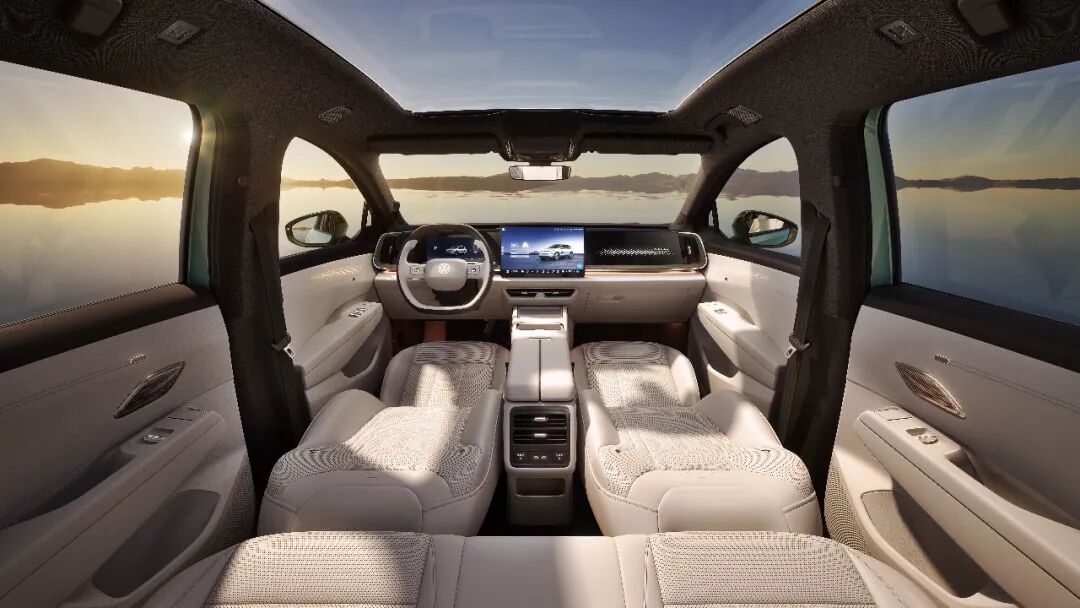
The front seats can be fully reclined with a single touch to align flush with the rear seat cushions, creating a spacious 1.8-meter flat area ideal for napping during lunch breaks or long journeys. The front passenger seat is a "queen's seat" with 12-way electric adjustment, 10-point massage, ventilation, heating, and an electric leg rest. The rear seats offer two-stage backrest angle adjustment and seat heating. The 1.62-square-meter panoramic sunroof comes standard with an electric sunshade.
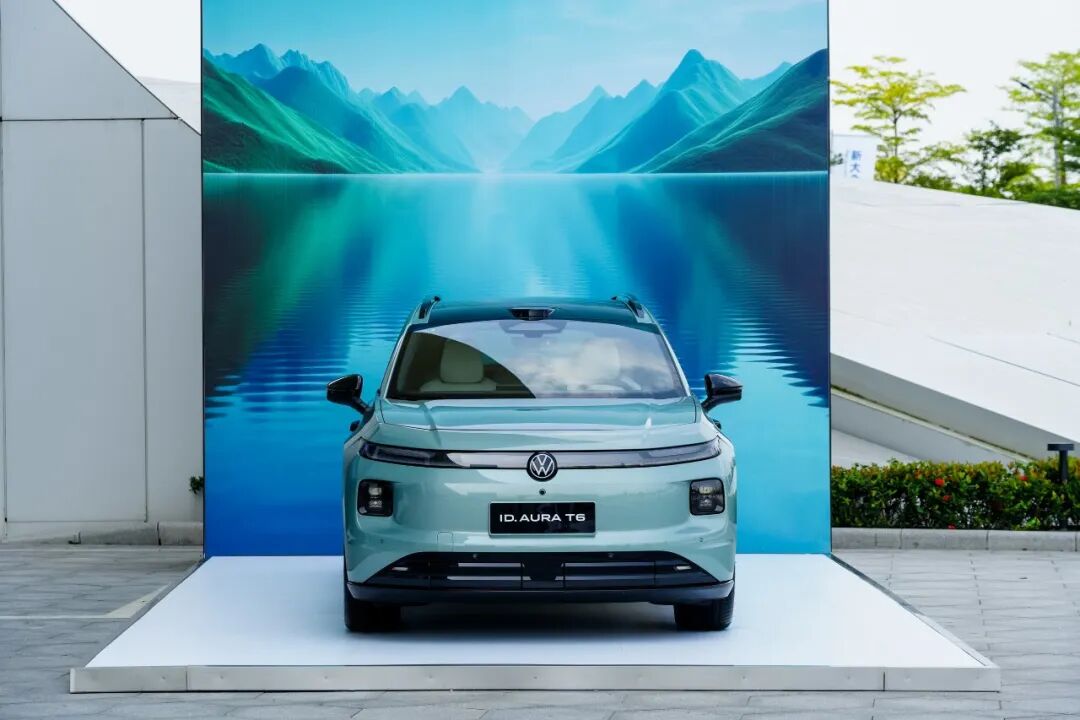
However, one detail is noteworthy: the 540Pro model, priced at RMB 129,900, uses a 59.9kWh lithium iron phosphate battery, while the 660Pro model upgrades to a 77.5kWh battery pack. For households with only one vehicle and no fixed charging station, whether the 540km range is sufficient will hinge on individual charging conditions. In terms of power, the ID.AURA T6 is equipped with a rear-mounted single motor delivering a maximum power of 170kW, achieving a 0-100km/h acceleration time of 7.2 to 7.4 seconds—more than adequate for daily family use.
How Advanced Is Intelligent Driving?
Previously, Volkswagen's intelligent driving assistance was perceived as conservative yet stable. This time, the ID.AURA T6 takes a new approach by entrusting core intelligent driving development to a Chinese team.
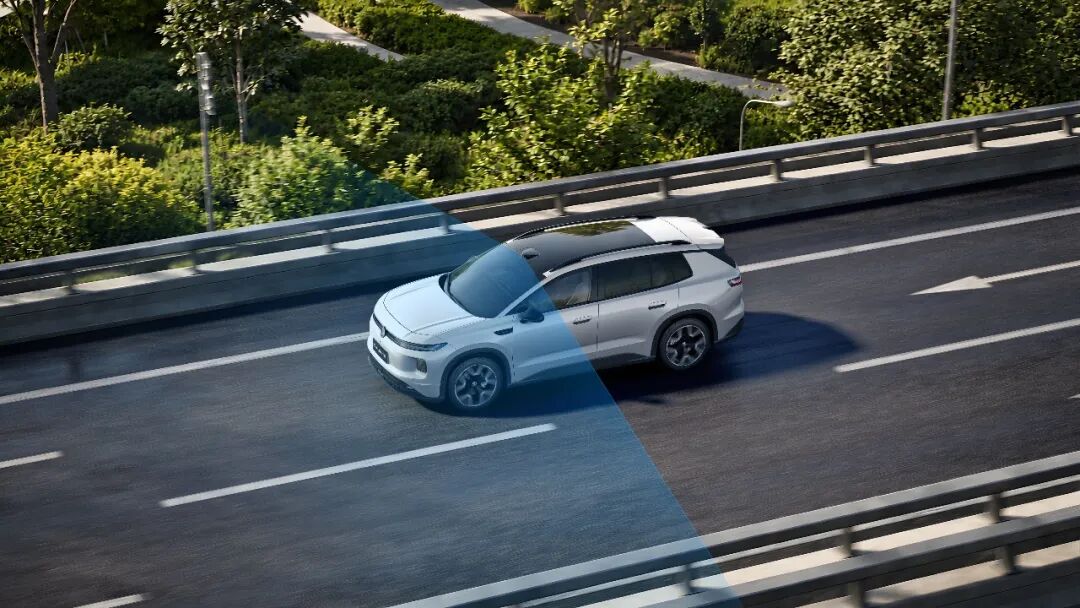
The vehicle is developed on the CEA electronic and electrical architecture, featuring a "central computing plus zonal control" configuration. The driving assistance chip is the Horizon Journey 6H, with a single-chip computing power of 420TOPS. The top-spec version is equipped with a 192-line LiDAR and 11 high-definition cameras, totaling 25 perception sensors, and runs on the Coolridge HS8 end-to-end driving assistance solution. Such hardware specifications are generous for a model in the RMB 150,000 price range.
Functionally, it supports urban NOA, highway NOA, and cross-floor memory parking. The manufacturer also promises "delivery upon launch and lifetime free service." Two parking-related statistics are particularly noteworthy: it can perform cross-floor memory parking over distances up to 3 kilometers and remotely park into extremely narrow spaces with as little as 25 centimeters of clearance on either side. Additionally, it offers up to 200 meters of tracked reversing, eliminating the need to manually turn around in dead-end situations. While lifetime free service is not uncommon among new energy brands, for a traditional joint-venture brand, this attitude represents a positive signal.
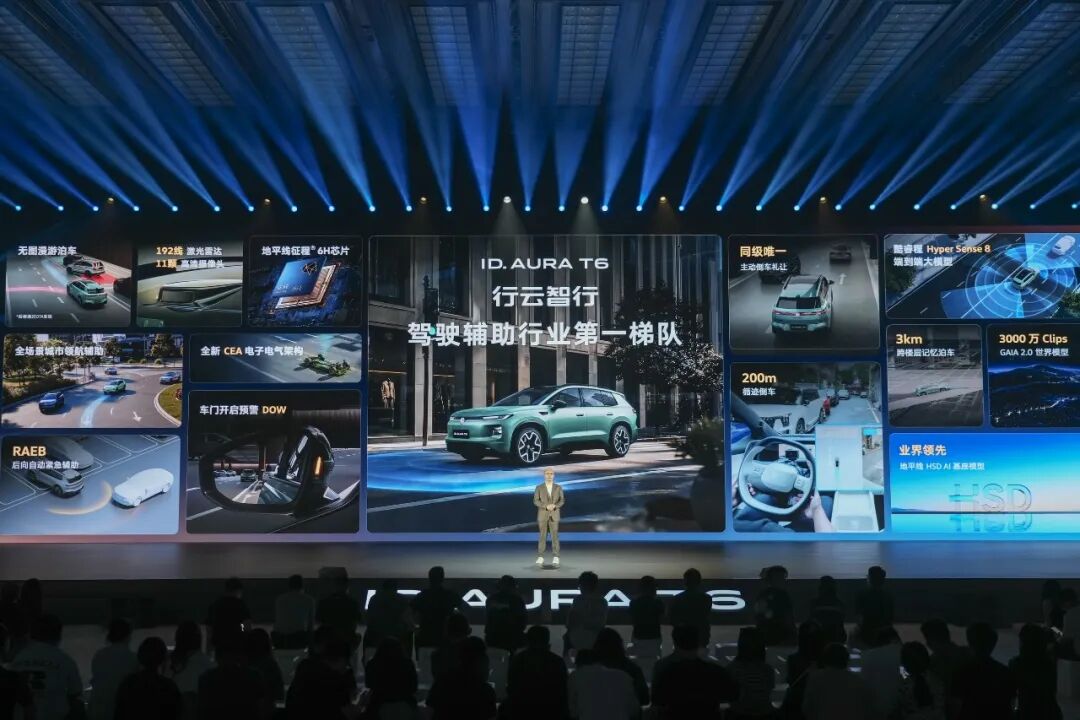
Of course, between hardware specifications and actual user experience lies extensive real-world testing and refinement. Horizon's solutions have already been deployed in numerous Chinese brand models, but the fineness of ID.AURA T6's localization tuning will ultimately be judged by its performance in real-world driving conditions.
In terms of the infotainment system, featuring a 4nm chip, four-zone voice control, and nine dialect recognitions, the manufacturer touts it as "Volkswagen's most powerful infotainment system to date"—though its actual usability will require long-term verification by owners.
Does German Chassis Tuning Remain Effective in the Electric Era?
When it comes to chassis tuning—a strong suit for German brands—the ID.AURA T6 leaves little room for doubt in its specifications. It features a front MacPherson and rear five-link independent suspension, augmented with FSO variable damping shock absorbers, and a turning radius of 4.75 meters. The official moose test result is 80.02km/h, placing it among the top performers in its class.
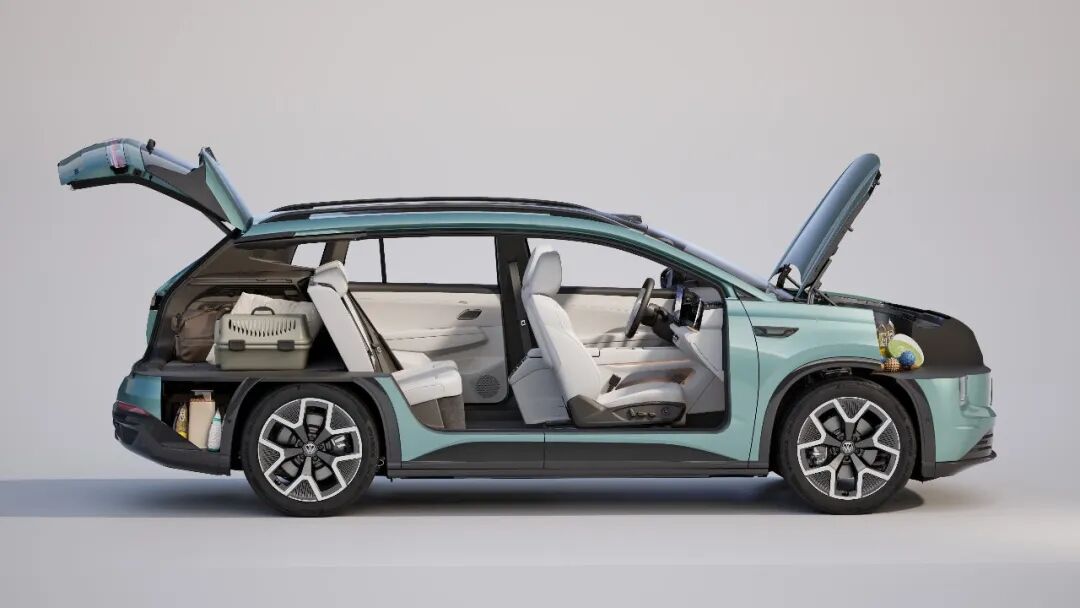
The body structure employs a "nine-horizontal, four-vertical" steel-aluminum hybrid frame, with 2000MPa hot-formed steel used in critical areas. It has undergone collision tests including a 65km/h frontal pole impact and a 45km/h side pole impact. The battery pack has been verified under extreme conditions, including 540 days of exposure in Turpan's intense heat and 240 hours of climate cycling.
In terms of range, the CLTC maximum is 660 kilometers. Paired with a highly integrated nine-in-one electric drive system and a nine-source heat pump air conditioner, it achieves a low energy consumption of 12.5kWh per 100 kilometers. The manufacturer conducted a long-distance test from Shanghai to Beijing, covering over 1,100 kilometers with only one recharging stop, achieving a range completion rate of 92.9%. While the specifications appear solid, chassis tuning parameters only tell part of the story—actual driving experience must be evaluated firsthand.
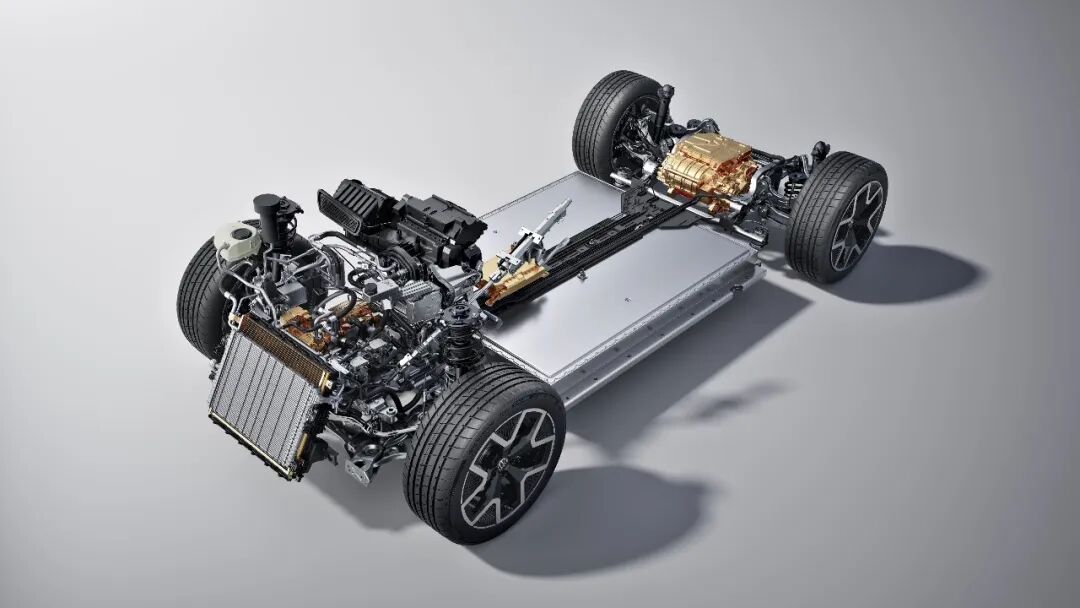
German tuning expertise is well-regarded in gasoline vehicles, but transitioning to electric vehicles requires re-adaptation of factors such as curb weight, weight distribution, suspension stiffness, and regenerative braking logic. The ID.AURA T6 also features an "intelligent anti-nausea mode" specifically designed to optimize the smoothness of regenerative braking—a feature worth watching for its potential to enhance comfort during long journeys.
In terms of the battery, featuring CATL cells, over 400 tests, and a lifetime battery warranty, these configurations represent the mainstream standard for RMB 150,000 all-electric models in 2026, indicating that FAW-Volkswagen has not compromised on safety or quality.
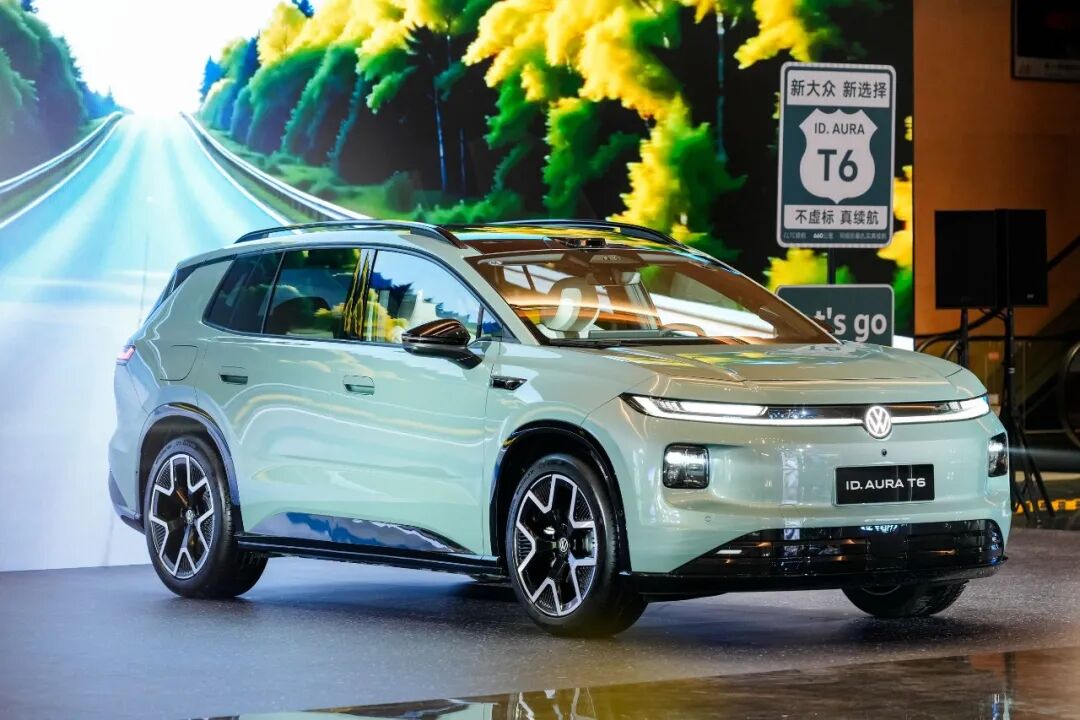
Priced between RMB 129,900 and RMB 166,900, the ID.AURA T6 offers a comprehensive package of core capabilities required for a family all-electric SUV, including space, range, intelligent driving, and chassis performance. In terms of launch benefits, FAW-Volkswagen provides a vehicle usage assurance system comprising "three lifetimes, four responsibilities, and three free services," covering major aspects of daily vehicle use from three-electric system warranty to roadside assistance.
For family users with a budget around RMB 130,000 seeking a spacious all-electric SUV, the market now offers another well-balanced option. The accelerating pace of localization and intelligence among joint-venture brands reflects a broader trend toward maturity in the family all-electric market.
-
![]()
How Much Capital Do Large AI Models Consume? Zhipu Raises 75.6 Billion Yuan in Funding This Year, Faces Valuation Reassessment Amid Market Cap Decline
-
![]()
German Chassis Meets Chinese Smart Driving: ID.AURA T6 Is More Than Just a Pretty Face
-
![]()
OPPO at 31: The Time for 'Integrity' to Deliver is Here
-
![]()
Huawei and Seres: Transforming Partnerships, Redefining Roles
-
![]()
Re-examining the AI Slowdown Debate: Why It’s Easier to Advocate for a Pause Than to Actually Implement One
-
![]()
GAC Secures a 'Powerful Partner' | Auto Circle
-
Apple Finds Itself in a Tight Spot: iPhone18 Pro's Camera Trails Behind Huawei's Year-Old Model
-
![]()
Li Xiang's Investment Ambitions: Becoming Second Largest Shareholder of Sunwoda and 'Sweeping Up' Robot Companies