The Reconstruction of Voice in the Automotive Industry Chain Behind Huawei and Seres' '15-Day Game'
 10/08 2026
 553
553
Lead | Introduction
Huawei and Seres completed the adjustment of their cooperation model and re-signed a five-year agreement within a mere 15 days. This move was not aimed at grabbing attention or generating traffic. Instead, it reflects both parties' exploration during the restructuring of the industrial chain—how to better achieve mutual benefit while seeking greater development space individually.
This article is produced by Heyan Yueche Studio
Written by Zhang Dachuan
Edited by Hezi
Full text: 2,674 characters
Reading time: 4 minutes
New progress has been made in the cooperation between Huawei and Seres regarding the AITO automobile. Recently, the two sides reached a new five-year cooperation agreement to jointly establish a dedicated team for the AITO business, further upgrading the AITO business.
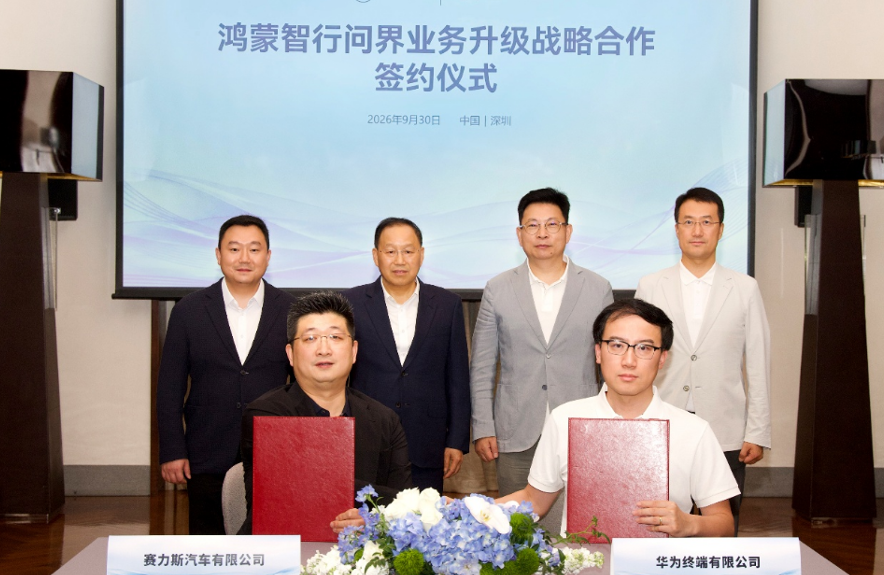
△ Seres and Huawei Sign Another Five-Year Agreement, Further 'Binding' Their Partnership
On September 15, Huawei and Seres announced an adjustment to their cooperation model for AITO. Seres will take the lead in product definition, design, brand marketing, channel retail, and service systems, while Huawei's consumer business group will provide technological and ecological empowerment. This marks Huawei's gradual shift from previous 'full-process deep involvement' to technological and ecological empowerment. This change has drawn significant market attention. After all, Seres' rapid rise in brand influence, from Dongfeng Xiaokang to AITO, owes much to Huawei's brand, technology, channel, and marketing capabilities. The adjustment in their cooperation model has been interpreted by outsiders as a new shift in the boundaries of cooperation and business dominance between the two parties.
However, things took a turn quickly. Just 15 days later, on September 30, the two sides signed a new five-year cooperation agreement and planned to establish a dedicated AITO team. Although they did not revert to Huawei's previously dominant model, the renewed strengthening of cooperation in such a short time underscores the importance of AITO to both parties. Rather than saying Huawei and Seres are 'breaking up,' it is more accurate to say they are seeking a new balance in cooperation: Seres hopes to enhance its independent operational capabilities, while Huawei further clarifies its role as an enabler. AITO's market performance remains the strongest foundation for both parties to continue their deep cooperation.
Huawei and Seres: Inseparable
At this stage, Huawei and Seres still need each other.
For Seres, AITO cannot thrive without Huawei's brand, technology, and ecological endorsement. From the initial AITO M7 to the later M8 and M9, Huawei's capabilities in intelligent driving, HarmonyOS cockpit, product marketing, and channel systems have helped Seres swiftly transform from a traditional automaker to a high-end new energy brand. Today, automotive competition has extended beyond mere manufacturing capabilities to intelligence, branding, and ecosystems. Huawei's consumer recognition in these areas has become a crucial asset for AITO. If Seres were to significantly distance itself from Huawei, AITO would likely face sales and branding pressures in the short term. Especially amid intensifying industry competition and rising risks of brand elimination, Huawei's brand credibility can also enhance consumer confidence in after-sales service and long-term software upgrades.
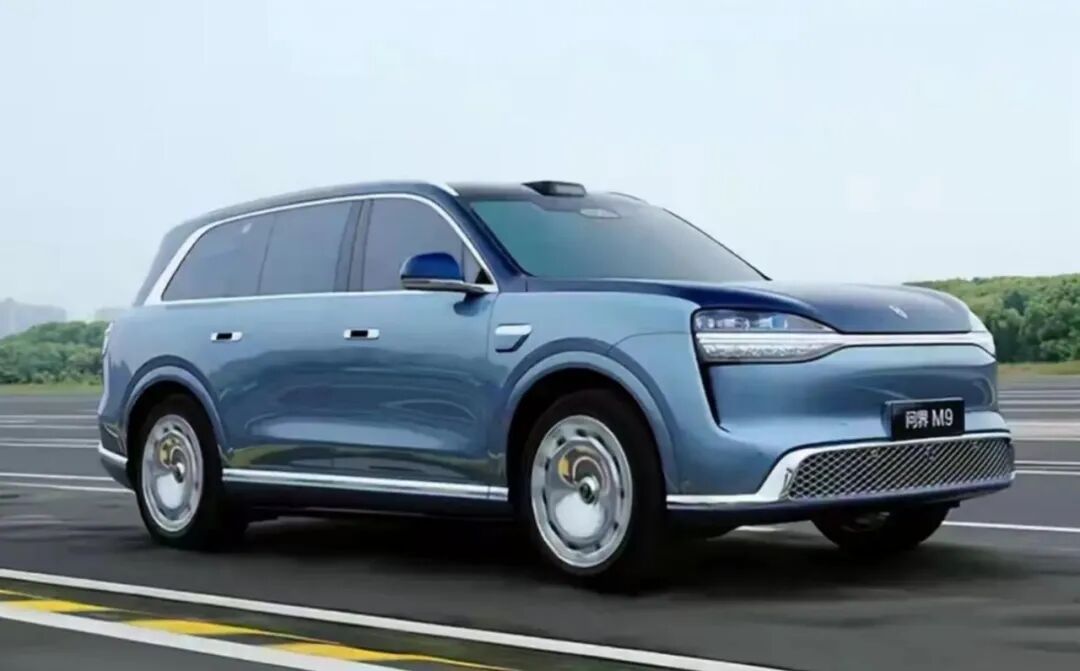
△ The AITO brand cannot survive independently in the domestic market without Huawei in the short term
Conversely, Huawei also needs Seres and AITO.
AITO is one of the earliest brands to deeply cooperate with Huawei and remains one of the most mature and widely recognized brands under Harmony Intelligent Mobility Alliance (HIMA). Both the AITO M7 and M9 have developed strong market appeal. Compared to later-joining brands like Luxeed and Enjoyment, AITO holds a clear first-mover advantage in sales and user base. Therefore, if AITO were to truly leave HIMA, it would be difficult for other brands to fully fill the void left in sales and influence in the short term. Luxeed can expand its market reach through extended-range models, and Enjoyment can tap into larger markets through product diversification, but these efforts take time. Thus, the re-signing of the five-year agreement between the two parties is less about contend for (vying for) greater dominance and more about finding a long-term cooperation balance. Seres needs Huawei, and Huawei equally needs AITO. At least at this stage, it is difficult for either to truly part ways with the other.
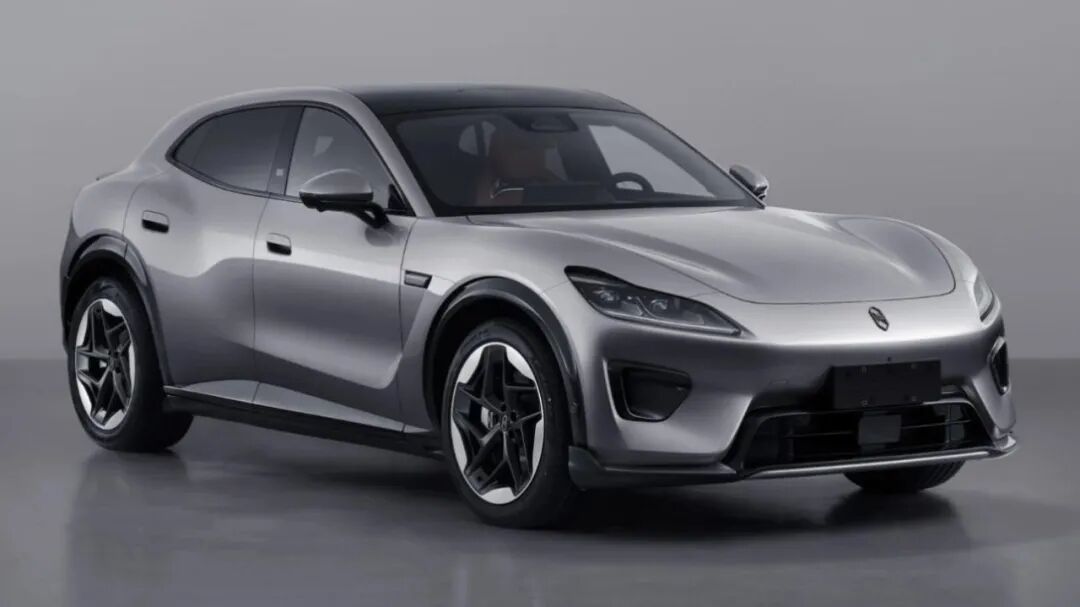
△ If AITO were to truly leave HIMA, other brands would struggle to fill the void in the short term
Should 'Huawei's Fees' Be Adjusted Downward?
The starting point of this dispute lies in Seres' desire to regain dominance over AITO.
On the surface, Seres aims to break free from the product boundaries of mid-to-high-end SUVs and further enter segments such as sedans and MPVs. After all, Huawei needs to consider the development of multiple brands simultaneously, including AITO, Luxeed, and Enjoyment, which naturally limits Seres' product space. However, from a commercial perspective, we are more inclined to believe that the core of this cooperation model adjustment lies in balancing cooperation benefits and costs. If automakers bear most of the manufacturing and operational risks but cannot secure sufficient profits, the cooperation model is unlikely to be sustainable in the long run. Therefore, whether 'Huawei's fees' need to be adjusted downward may be one of the keys to the future sustainable expansion of HIMA.
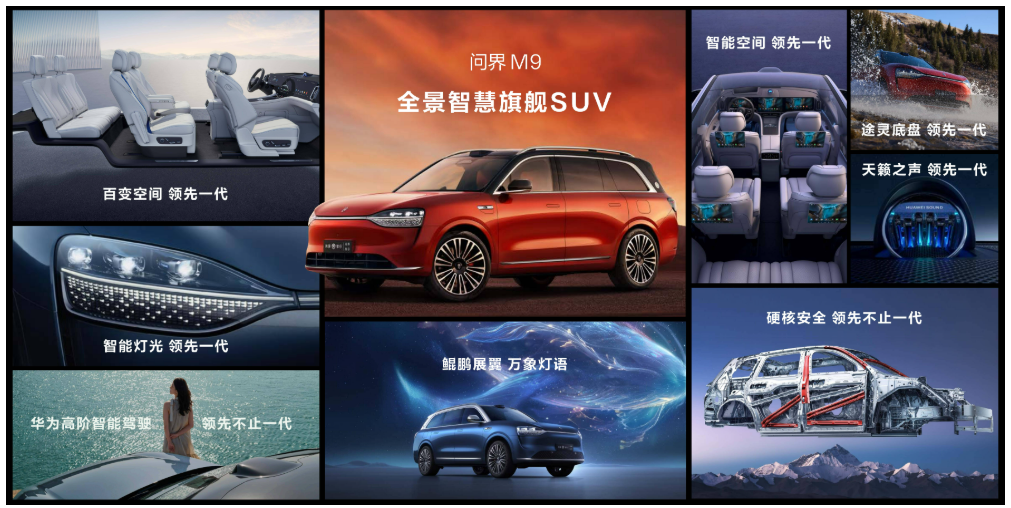
△ Whether 'Huawei's fees' should be adjusted downward may be one of the keys to the future sustainable expansion of HIMA
Huawei's automotive business has expanded from its initial cooperation with Seres to include AITO, Luxeed, Enjoyment, and more partner brands. As the number of cooperative models and sales volumes increases, Huawei's technologies, such as intelligent driving and HarmonyOS cockpit, have entered a stage of scaling deployment. In the past, developing a set of intelligent driving and smart cockpit systems required substantial resource investment. However, as more automakers adopt these technologies, Huawei has the opportunity to dilute costs through economies of scale and appropriately reduce per-vehicle licensing and service fees.
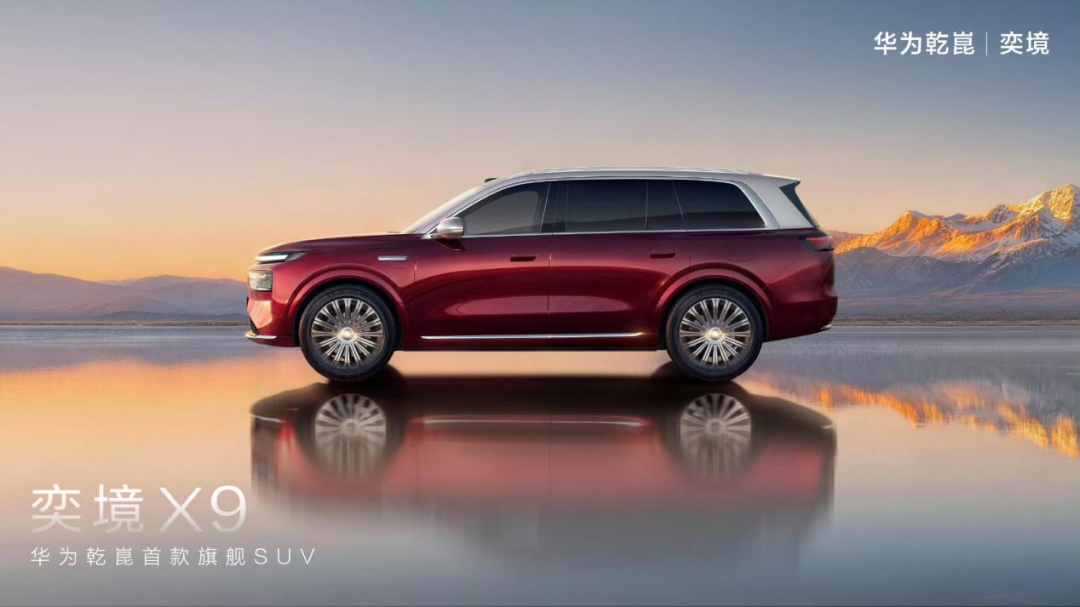
△ Many domestic automakers have chosen Huawei's solutions, laying the foundation for Huawei's subsequent price reductions
This is crucial for Seres and other automakers. After all, in China's fiercely competitive automotive market, automakers face immense pressure on pricing, R&D, and marketing. If profit margins continue to shrink despite sales growth, no automaker can sustain such a cooperation model in the long run. Especially for private enterprises, once they detect changes in the business model, they tend to adjust their direction swiftly. Therefore, the value of Huawei's cooperation with automakers should not merely lie in collecting technological fees but in jointly expanding the entire automotive ecosystem. If Huawei hopes HIMA to continue growing and even go global in the future, appropriately reducing 'Huawei's fees' to allow partner automakers to secure reasonable profits may be more important than pursuing short-term technological licensing revenue. After all, only when all partners in the industrial chain can profit can the ecosystem truly sustain itself in the long run.
What Lies Ahead for Seres?
The domestic automotive market is no longer an era where automakers hold absolute voice in the industrial chain. Core technologies such as intelligent driving, batteries, and smart cockpits are becoming increasingly important. Whoever masters these capabilities will possess greater voice.
For Seres, without Huawei's endorsement, AITO would struggle to maintain its current brand influence. However, over-reliance on Huawei may lead to issues regarding profits and product autonomy. The real challenge may not be whether to 'leave Huawei' but how to gradually establish its core capabilities while continuing cooperation.
Similar cases already exist in the market. Leapmotor has not fully relied on Huawei but has continuously advanced its in-house R&D in areas such as electric drives, smart cockpits, and intelligent driving, enhancing its cost control and product definition capabilities by increasing the self-developed rate of components. NIO, on the other hand, has chosen a different path by continuously investing in areas such as battery swapping, battery management, and intelligent driving while collaborating with Geely on energy to reduce the cost pressures of asset-heavy businesses.
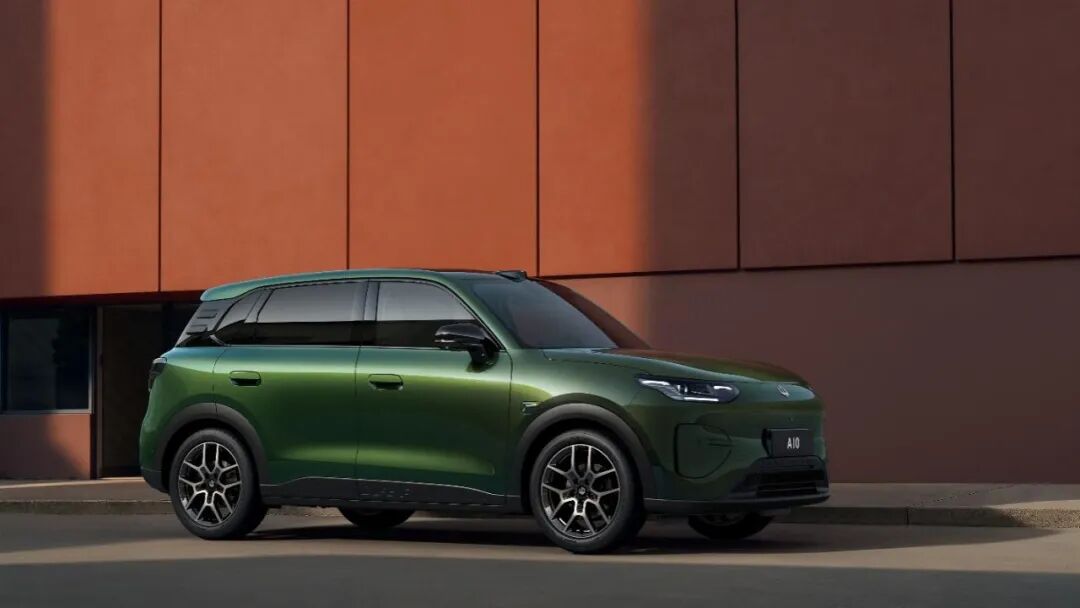
△ Leapmotor has forged a path of rapid development without relying on Huawei
These cases demonstrate that automakers are not limited to relying on a single technology supplier. For Seres, the ideal state is not to 'break up' with Huawei but to avoid entrusting all core capabilities to Huawei. Huawei can continue to provide intelligent driving, cockpit, and ecological capabilities, while Seres needs to gradually strengthen its product definition, engineering development, supply chain, and brand operations. Only in this way can both parties transition from a relationship of 'who depends on whom' to true partnership. From this perspective, Seres' true future does not lie in leaving Huawei or remaining perpetually dependent on Huawei but in gradually developing its 'second leg' with Huawei's assistance.
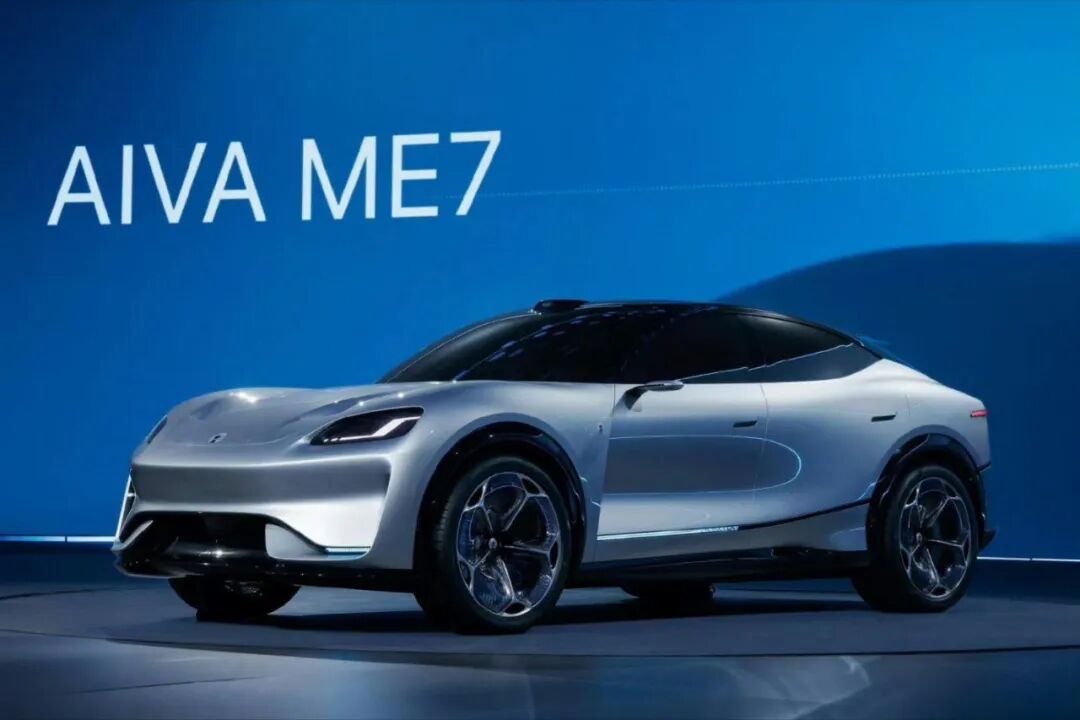
△ Besides the AITO brand, Seres has positioned 'Saido Auto' as its 'second leg'
Commentary
The cooperation between Huawei and Seres reflects a microcosm of the industry. In the future, automakers will need to leverage the technologies and ecosystems of leading tech companies while preserving their core capabilities and profit margins. For Huawei, enabling partners to sustain profitability, and for automakers, reducing reliance on a single supplier will be key factors determining the long-term sustainability of this cooperation model.
(This article is original to Heyan Yueche and may not be reproduced without authorization.)
-
Moonshot AI Launches Pre-IPO Funding Round, Eyes HKEX Listing in Q1 2027
-
Leapmotor's World Model Hasn't Yet Broken Free from Dahua's Shadow
-
![]()
Data Centers Can No Longer Keep Up with AI’s Ambitions
-
Vanishing 340 Billion! MiniMax’s Market Value Plummets by 80%, Signaling End of Capital Splurge in Large Model Sector
-
What Exactly is Holding Back the 'Last Mile' of Enterprise AI Implementation?
-
![]()
When World Models Become the 'Intermediary'
-
![]()
Is Apple Exerting Ecological Dominance? Forcing Developers to Comply with iPhone Duo Standards
-
![]()
Which Competitor's Market Share Does the Yijing X9 Target with Its Full-Huawei-Tech Stack at the 300,000 Yuan Price Point?