Luxeed V9 Monthly Sales Plummet in September: Is the Premium MPV Market Hitting a Wall?
 10/21 2026
 530
The signals from September's MPV sales charts are more nuanced than a simple 'across-the-board slump.' Data from the China Passenger Car Association reveals that MPV retail sales for the month stood at just 66,000 units, marking a 31.1% year-on-year drop and a 12.3% month-on-month decline.
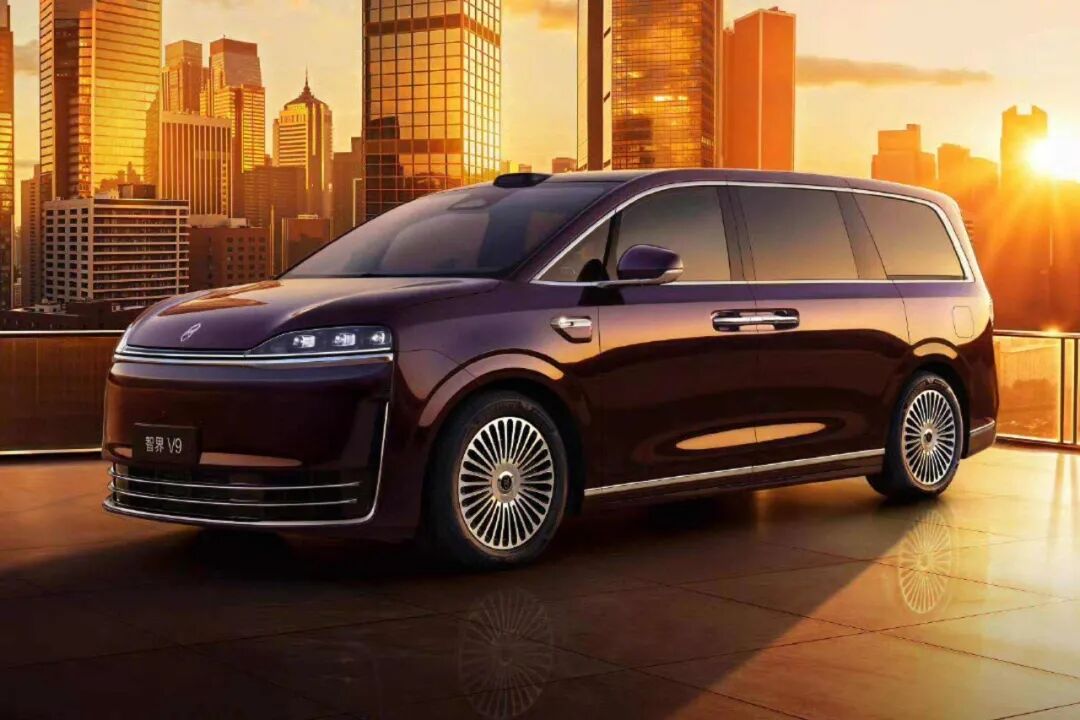
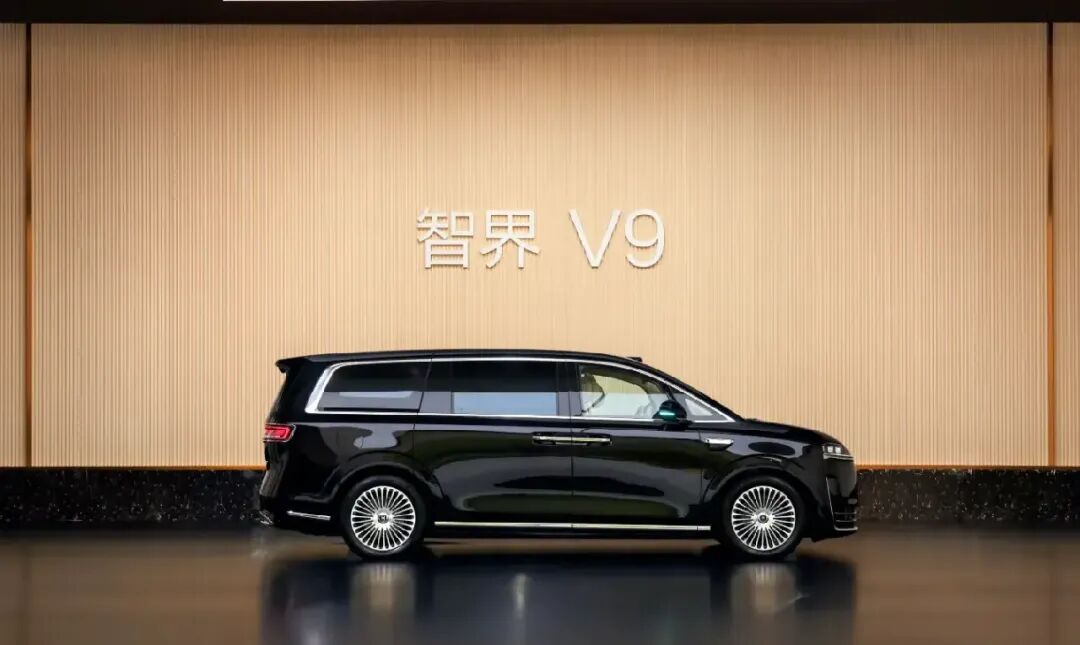
Notably, the Luxeed V9, a model introduced less than six months ago, witnessed its sales plummet from 8,312 units in August to 4,223 units in September, a staggering 49.19% month-on-month decrease. The Sienna's sales dipped from 6,581 to 5,849 units, a 11.12% drop, while the Denza D9's sales decreased from 5,532 to 5,056 units, an 8.6% decline.
Meanwhile, the Buick GL8 PHEV soared to a new year-to-date high with 4,951 units sold, marking a 24.18% month-on-month increase. The newly launched Li Auto MEGA also saw its sales surge from 757 units in August to 2,373 units in September.
On one hand, several high-end new energy MPVs are experiencing a downturn. On the other, some models are defying the trend and surging. Does this signal saturation in the premium MPV market, or is there a shift in user demand dynamics?

A blanket decline does not necessarily indicate market saturation in the premium MPV segment.
From the September MPV model rankings, there is indeed a trend of diminishing purchase interest. However, for a new model like the Luxeed V9, such a rapid decline essentially signifies the end of an 'initial order rush.'
This vehicle garnered concentrated attention during its launch, with pre-sale orders being fulfilled en masse once production capacity was ramped up. The high sales figure of 8,312 units in August was heavily influenced by this concentrated delivery. The 4,223 units sold in September are more indicative of the vehicle's true steady-state demand in the niche price bracket above 400,000 yuan.
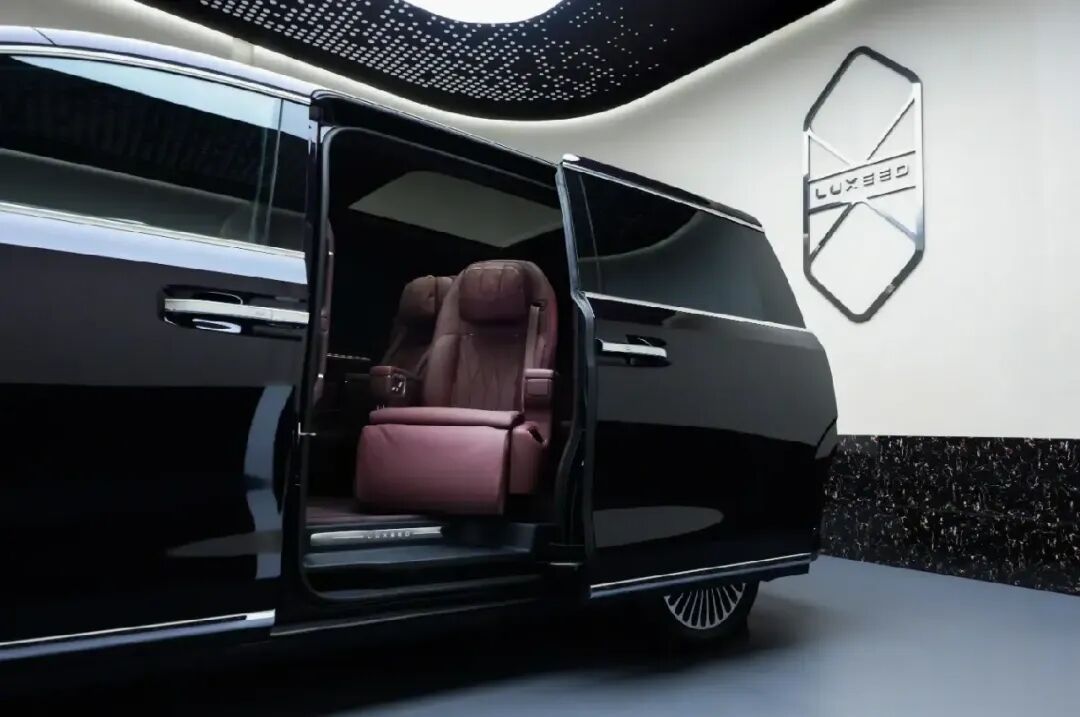
It's worth noting that the Luxeed V9's price advantage is not solid: the VOYAH Dreamer starts at 329,900 yuan, some Denza D9 and WEY High Mountain dealerships have prices nearing 300,000 yuan for base models, and the Buick GL8 new energy model has dropped to just over 200,000 yuan. The V9, starting at 389,800 yuan, faces sustained pressure in terms of value for money.
The V9 has demonstrated that Huawei's technological allure can swiftly propel a premium MPV to nearly 10,000 monthly sales. However, it has also shown that in the MPV market above 400,000 yuan, no vehicle can sustain long-term success on an 'initial rush' alone.
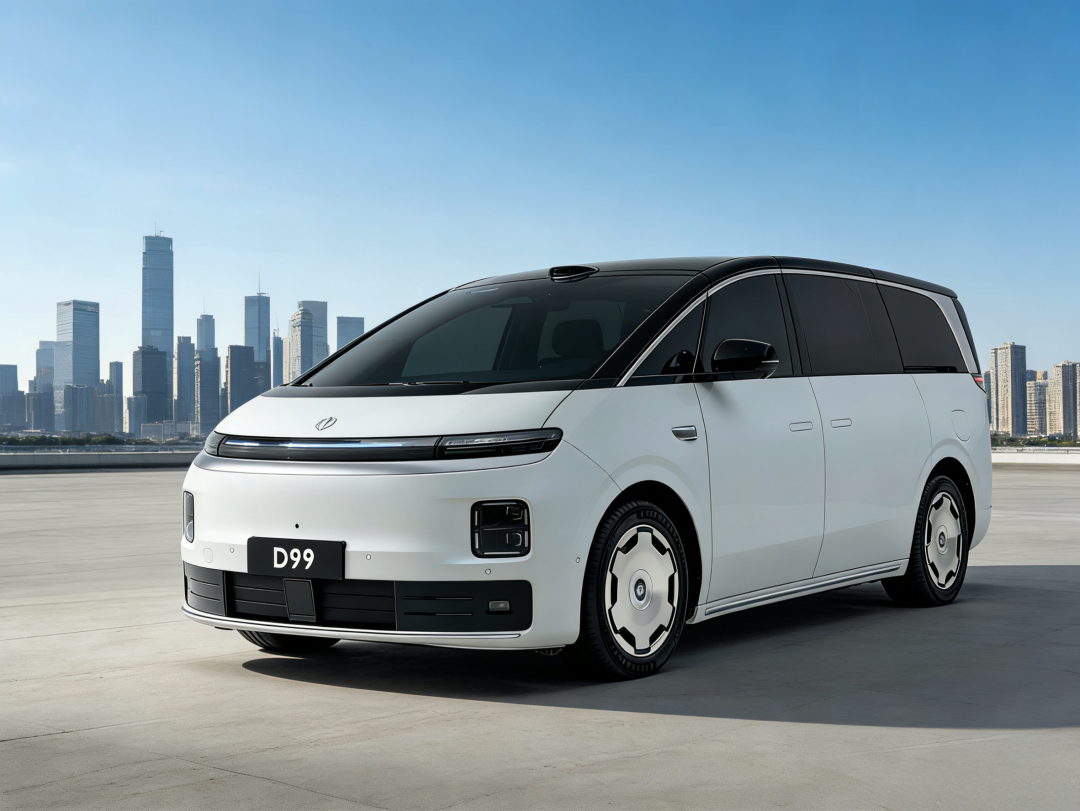
The underwhelming performance of the Leapmotor D99 points to a deeper structural issue. The mismatch between brand prestige and pricing is particularly pronounced in the MPV category. Leapmotor has carved out a niche in the 100,000-150,000 yuan market through value for money, but its mid-to-high-end MPV jumps straight into the 250,000-340,000 yuan range, presenting consumers with the cognitive dissonance of 'spending 300,000 yuan on a Leapmotor.'
Industry analysts note that the decision-making process for MPV buyers differs fundamentally from that of sedan and SUV buyers: they are far more attuned to brand heritage, residual value, and the density of after-sales networks than to 'feature stacking.'
The reason the GL8 and Sienna have weathered market cycles lies in their systemic strengths, which include nationwide repair availability, affordable parts, and predictable residual values for used cars. These are precisely the areas where Leapmotor falls short in the high-end market segment. Leapmotor's MPV terminal sales in September were less than 1,000 units, not because its value-for-money strategy has failed, but because value for money is not the primary currency in the 300,000 yuan MPV market.
The ascent of the GL8 PHEV and Li Auto MEGA confirms from two angles the same judgment: the premium MPV market is not saturated, but the criteria for 'market entry' have evolved.
The GL8 PHEV's surge represents a triumph of 'established trust.' In September, the GL8 plug-in hybrid sold 4,951 units, while the fuel-powered version sold another 2,442 units, bringing the GL8 family's total to over 7,300 units. Some consumers opted for stability over novelty, reinvigorating the vehicle's decades-long accumulated business reputation, chassis tuning, and channel network after the plug-in hybrid system addressed the new energy gap.
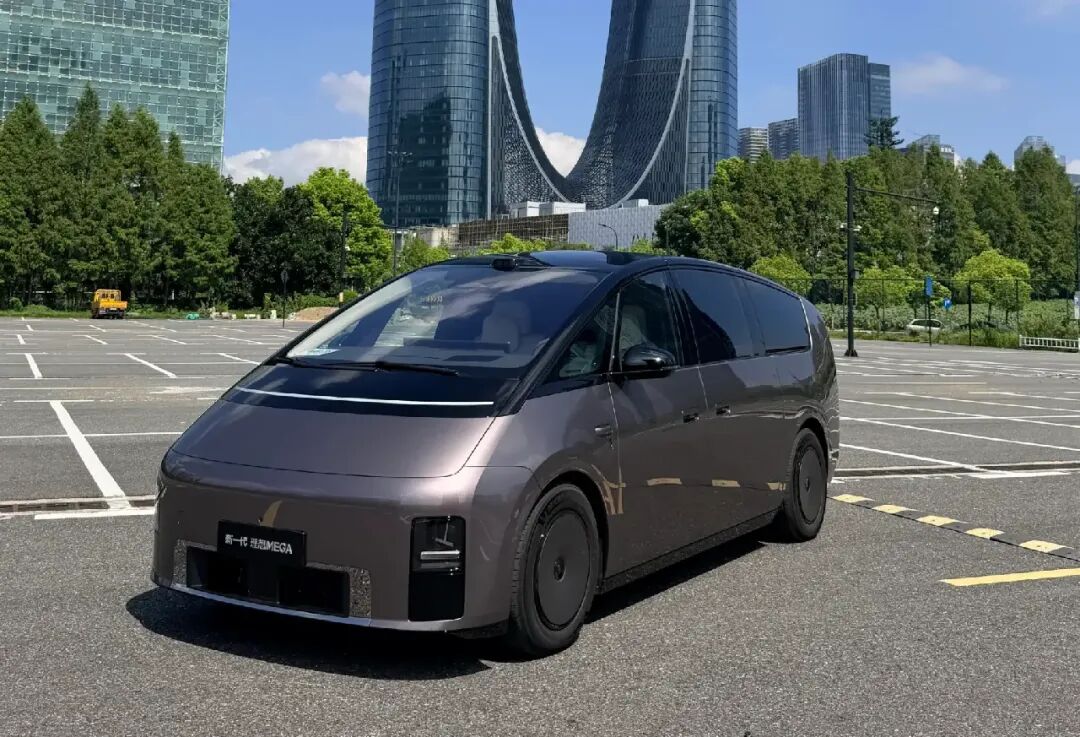
The Li Auto MEGA's recovery follows a different trajectory: the new model launched on September 2 reduced the price by 50,000 yuan to 509,800 yuan, while enhancing the chassis, interior, and intelligent configurations. Orders surged, with the lock-in period once extending to 11-13 weeks. The true mettle of the Li Auto MEGA will still be tested by its performance after the 'initial order rush.'
Returning to the core question: Is the premium MPV market saturated? The answer is that it was never as expansive as imagined. MPVs account for less than 5% of the passenger vehicle market, and high-end MPVs above 400,000 yuan are a niche within a niche.
In 2026, there will be over seven new mid-to-high-end MPV models, a more than 40% increase from the previous year. However, overall MPV sales in the first five months of the same period declined by 15.6% year-on-year. The congestion on the supply side, coupled with the continued shift of family and business scenarios to large SUVs, has subjected this already narrow market segment to competition intensity far exceeding its capacity.
The so-called 'across-the-board decline' does not indicate vanishing demand but rather the market shedding the 'false prosperity' created by the initial buzz around new models and concentrated deliveries.
Why is the fluctuation of the Luxeed V9 greater than that of the Denza D9?
Both are high-end MPVs, but the Luxeed V9 saw a month-on-month decline of 49.19%, while the Denza D9 only dropped by 8.6%, and the WEY High Mountain declined by 19.6% due to the upcoming launch of a new model. The V9's volatility is significantly higher, with the core reasons lying not in a single product's strength but in the interplay of four factors: 'order structure, brand system, price bandwidth, and user decision-making logic.'
First, the order structures differ: the V9 is 'surge-type,' while the D9 and High Mountain are 'base-type.' As a new model from a new brand, the Luxeed V9 relied on pre-sale incentives, Huawei's ecological influence, and the concentrated conversion of early adopters during its initial launch. The high sales figure of 8,312 units in August included a large number of concentrated deliveries of early orders. Once these orders were fulfilled, the 4,223 units sold in September more closely reflected the true steady-state demand, naturally amplifying the decline due to the high base.
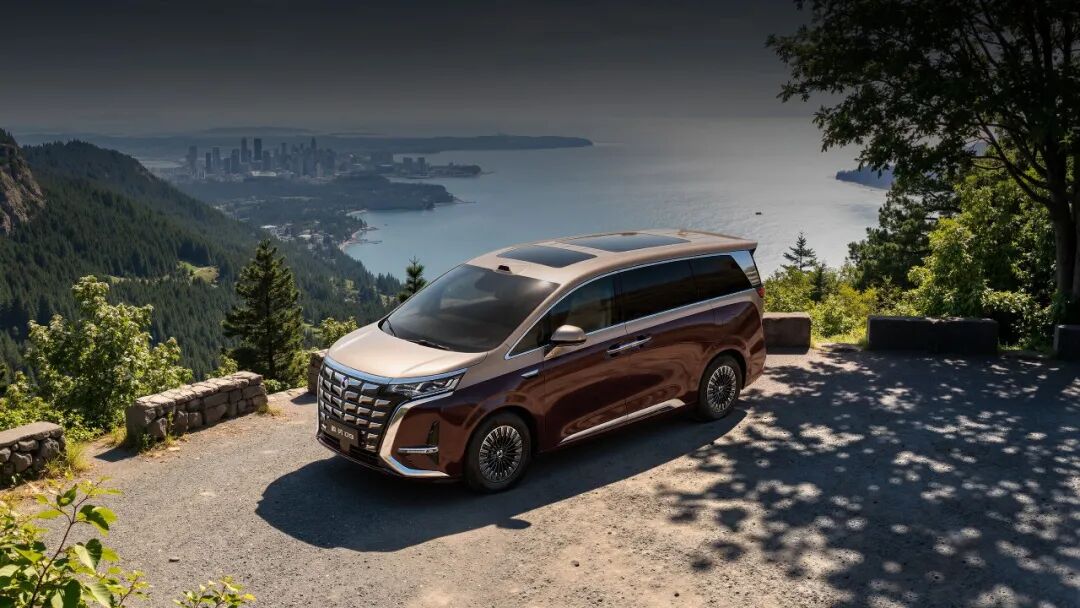
The Denza D9 has undergone years of market verification, possessing a stable customer base, repeat purchases, and a foundation for business receptions, resulting in a smoother order flow. The WEY High Mountain, backed by the Great Wall system, also has relatively stable channel orders and terminal price flexibility. This means that the V9's fluctuations are primarily due to the 'new vehicle delivery rhythm' rather than a sudden disappearance of demand.
Second, the brand and channel systems differ: the V9 is still in the system verification phase, while the D9 and High Mountain have mature networks. High-end MPV users place extreme importance on repair convenience, residual value, and the stability of business receptions. Denza, backed by BYD, has formed scale effects in channel coverage and reputation for batteries, electric motors, and electronics. The WEY High Mountain relies on Great Wall's dealer network and flexibility in terminal incentives.
Although the Luxeed V9 benefits from Huawei's strong technological appeal, as the first high-end MPV from a new brand, its channels are primarily Huawei stores. Its delivery, test drive, and after-sales systems are still ramping up, and long-term reputation and residual value verification have yet to be completed. After the initial wave of tech-savvy early adopters, a wait-and-see sentiment quickly rises. This is a 'trust catch-up' phase that new brands must undergo in the high-end MPV market.
More critically, the price bandwidth and product matrices differ. The V9 has a narrower price band and weaker resistance to fluctuations. The Luxeed V9 starts at 389,800 yuan, with its main sales concentrated around 400,000 yuan. A single model and price band make it more sensitive to price reductions by competitors in the terminal market.
The Denza D9 covers plug-in hybrid and pure electric models, with a broader price band and applications in both business and family scenarios. The WEY High Mountain offers different configurations and room for terminal incentives, allowing it to smooth sales through price and configuration adjustments. When the VOYAH Dreamer, Denza D9, WEY High Mountain, and GL8 PHEV continue to divert demand in the 300,000-350,000 yuan range, the V9's narrow price band is amplified into sales volatility.
Therefore, the V9's significant fluctuations are not due to a collapse in product strength but rather the interplay of 'new vehicle surge + narrow price band + system verification phase.' The September MPV rankings essentially convey a simple truth: in this market, peaks rely on product strength, while platforms rely on systemic strength. The Luxeed V9 has a sufficiently impressive product definition, but it needs to address how it will maintain scale after the initial order surge.
-
New Chips Frequently Emerge, RISC-V Fuels the AI Era
-
Raccoon Carries SenseTime to the Top of the AI Wave
-
Huaqiangbei-Based Company Replicates Huawei’s Popular Wide Straight Slab Phone
-
![]()
Optical Manufacturing Drives Life and Health Forward! Goertek Optics and Nearview Technology Forge Strategic Alliance
-
RMB 37.49 Billion Long-Term Contract: What Is Xiechuang Data Wagering On?
-
![]()
Why, After 34 Years, Has the Former Color TV Leader Reached the Point of Delisting? "Konka, Delisting, Color TV, Price War, China Resources"
-
![]()
Xiaomi Restructures Business, Eyes AI as Next Growth Engine
-
![]()
Amid Business Reorganization, Xiaomi Sets Sights on AI for Future Growth