AI-Generated Fake Ads: Stealing Faces, Exploiting Influencers, and Undermining Credibility
 09/15 2026
 515
515
To the average person, AI-generated photos and videos are virtually indistinguishable from the real thing.
The level of competition among influencers has reached unprecedented heights.
In the past, influencers primarily competed with their peers for brand collaborations and content traffic. Now, they must also grapple with AI-generated doppelgängers of themselves.
Their faces are being misappropriated in random advertisements, and they are left to clean up the reputational damage when things go awry.
Earlier this year, lifestyle blogger Emily Schuman—known for her Instagram blog Cupcakes and Cashmere, which boasts over 500,000 followers—was scrolling through her feed when she stumbled upon an ad featuring her own likeness. She was taken aback: in the ad, she was depicted holding a bottle of GLP-1 medication, endorsing an online healthcare company named Gala.
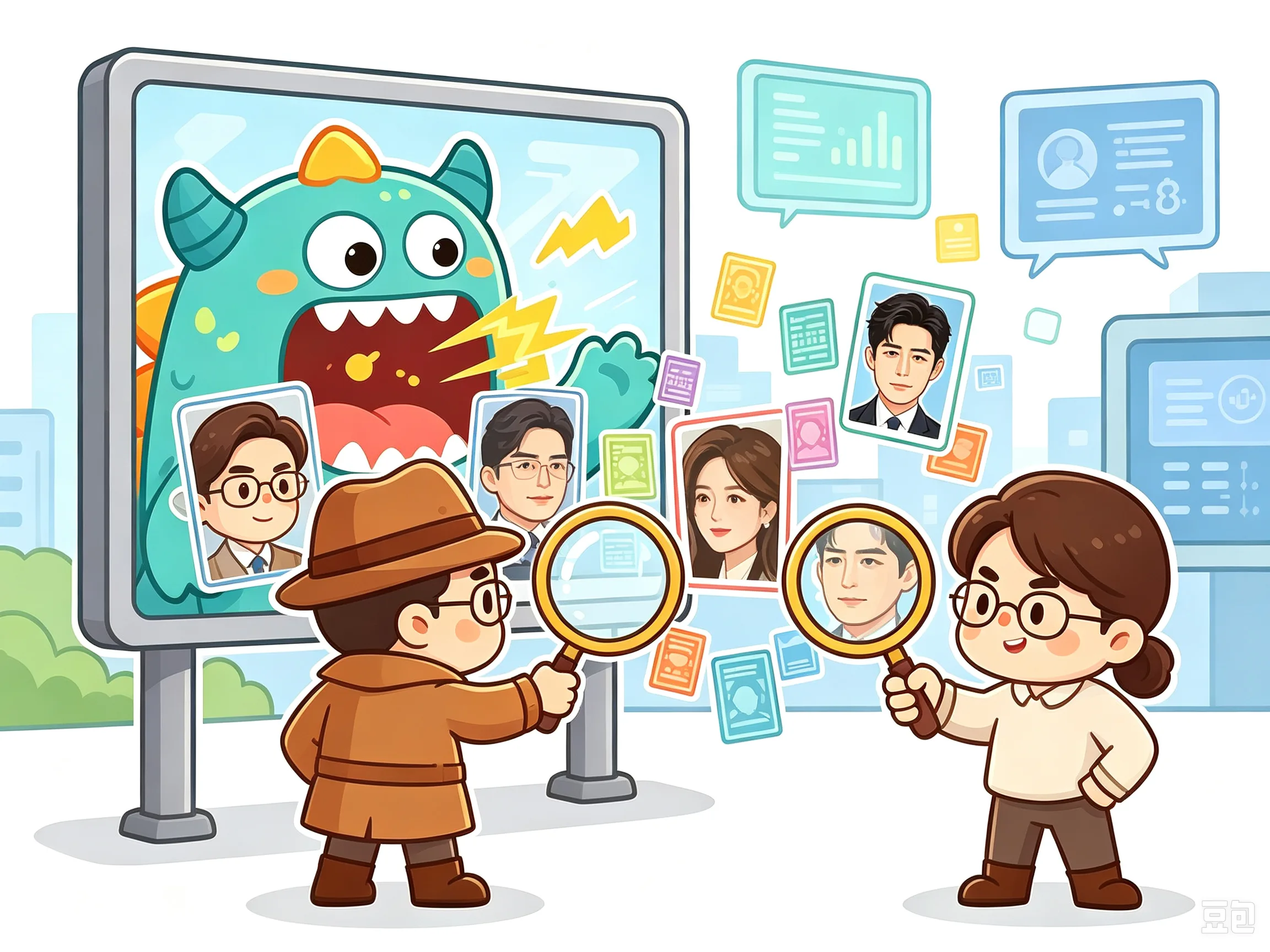
Image source: Generated by Doubao AI
The issue was, she had never even heard of Gala and had no connection to the ad whatsoever.
Later, she discovered that the image was an AI-manipulated version of an old selfie she had taken in her car and posted on social media years prior.
This was just the tip of the iceberg.
Shortly after, she encountered another beauty ad on social media where her hair had been digitally altered to a darker shade, falsely portraying her as applying foundation for a beauty brand called Meroda Cosmetics. Several TikTok videos even used her AI-generated face to promote a blood-testing company named Superpower.
"This is so invasive," Schuman remarked. "These videos and photos look exactly like me, but they're not me at all. It's like a twisted form of counterfeiting."
When journalists reached out to Gala and Meroda for comment, neither company responded.
Superpower's CEO, Max Macchione, clarified that the TikTok video was not an official ad but had been created by scammers without their authorization, and the company had since reported it.
Fraud is not a new phenomenon, but AI has lowered the barriers and amplified the scale of operations.
Since the advent of generative AI, creating text, code, audio, and video has become increasingly straightforward, leading to a proliferation of deepfakes.
These AI-generated photos and videos are nearly impossible for the average person to discern from the real thing.
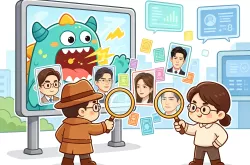
Why are influencers and celebrities the most susceptible? The answer is pragmatic: there is a wealth of their publicly available material online—hundreds of hours of video and thousands of photos—which AI can easily scrape and utilize to create realistic face-swapping content.
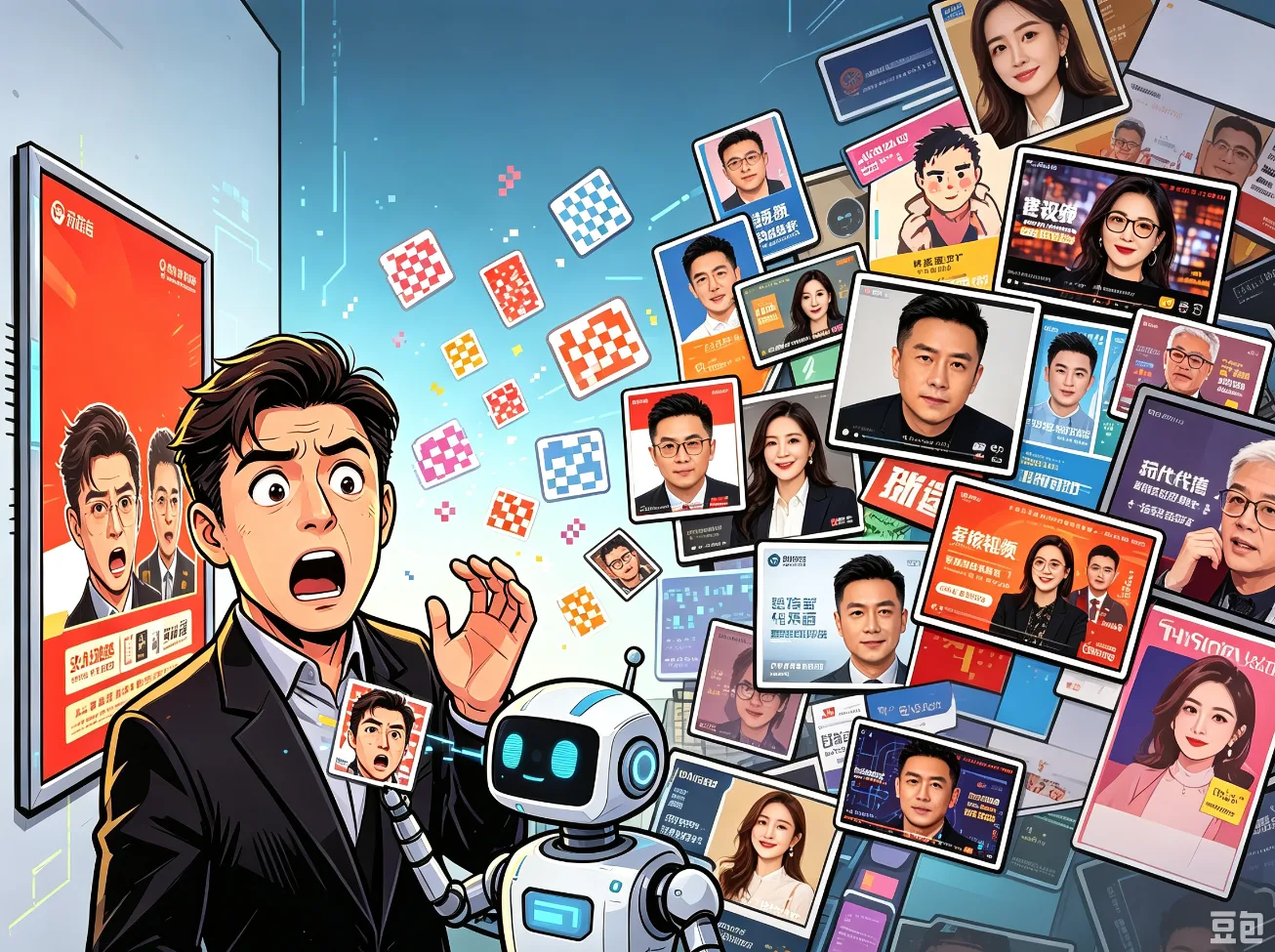
Image source: Generated by Doubao AI
This has emerged as a new career crisis for influencers. In the past, they competed based on content, followers, and pricing. Now, they must also safeguard the credibility of their own faces.
After all, for influencers who rely on their personal brand, their face and reputation are their livelihood.
Alice Marwick, research director at the Data & Society Research Institute, recently published a paper on AI impersonation fraud. She put it bluntly: "An influencer's personal brand is their business. If it's tarnished, their entire career could collapse."
Taylor Swift, Oprah Winfrey, the Kardashians, Gwyneth Paltrow, Tom Hanks—these major celebrities have all had their faces swapped in AI-generated ads promoting random products online.
Don't assume that only top-tier celebrities are targeted; small and medium-sized influencers are equally vulnerable.
It's challenging to quantify the exact economic losses caused by these scams, but the impact on influencers is undeniable: deepfakes not only dilute their commercial value and erode the trust fans have built over years but also make rights protection an endless and futile endeavor.
The crux of the issue is that as AI models improve, the fakes become even more convincing, making them nearly impossible to prevent.
The proliferation of deepfake ads is further fueled by another factor: the marketing industry's wild enthusiasm for AI-generated content.
According to data from marketing consultancy Digital Applied, the market size for AI-created "virtual influencers" reached $1.37 billion in 2026, accounting for approximately 4% of brands' total marketing budgets.
While virtual influencers lack the authenticity and trust of real human influencers, they are cost-effective, available 24/7, and can be styled in any way brands desire—making them an attractive option for many brands.
Although platform rules on Meta and TikTok explicitly prohibit using AI or digital manipulation to impersonate others,
in reality, platforms' personalized recommendation algorithms indirectly pave the way for these scams.
Take Meta as an example: it allows advertisers to target extremely specific audiences, which scammers exploit by quietly running fraudulent ads. If one account gets banned, they immediately register a new one to continue spreading the scam at a rapid pace.
Meta has faced persistent criticism for the rampant fraud on its platform. This year, it symbolically introduced new measures, such as strengthening advertiser identity verification and launching an AI detection tool to combat celebrity impersonation scams. However, these efforts are largely superficial and lack real enforcement.
Simply put, platforms have little incentive to genuinely clean up their ad ecosystems, as advertising is their core revenue source.
Platforms profit handsomely from these fraudulent ads.
Ultimately, influencers can only report scams and send cease-and-desist letters, with few other effective options. But if left unchecked, their hard-earned reputations will be ruined.
No matter how you look at it, it's a lose-lose situation.
Compiled by Leikeji from The Guardian
Original article link: Deepfakes Are Destroying Influencers' Credibility
Source: Leikeji
Images in this article are from 123RF licensed stock photos. Source: Leikeji
-
![]()
Domestic Computing Power Reaches a Turning Point: Hardware is No Longer a Bottleneck, Software Ecosystem is the Real Challenge
-
AI Enters the Second Half: Anthropic, DeepSeek, and Zhipu Stockpile Resources for Battle
-
![]()
Graduating Means Unemployment? AI Disrupts Job Market, Driving College Students to Switch Majors, Career Paths, and Industries
-
![]()
AI-Generated Fake Ads: Stealing Faces, Exploiting Influencers, and Undermining Credibility
-
Exploring Cross-Border E-Commerce: How Xiaohongshu's Redshop Thrives in a Specialized Market
-
![]()
AI Data 'Refinery' | Research on China's Data Annotation Industry
-
![]()
Rescuing Neta Auto: Even Taiyi Zhenren Steps In, and Associated Company’s Value Soars by 2.5 Billion Yuan
-
Why Does 'Taiyi Shenglian' Step In to Save Neta?