Wuyuan, Sequoia, and Legend Star Back Wuya Zhiyuan's RSI Model as It Closes Hundreds of Millions in Financing
 11/23 2026
 482
Chao Yong AI Editorial Department
On November 19, AI company Wuya Zhiyuan announced that it had completed hundreds of millions of yuan in angel and angel-plus financing, with participation from a syndicate of well-known investment institutions including Wuyuan Capital, Sequoia China, Legend Star, the Zhongguancun Science City Fund, and Gobi Partners.
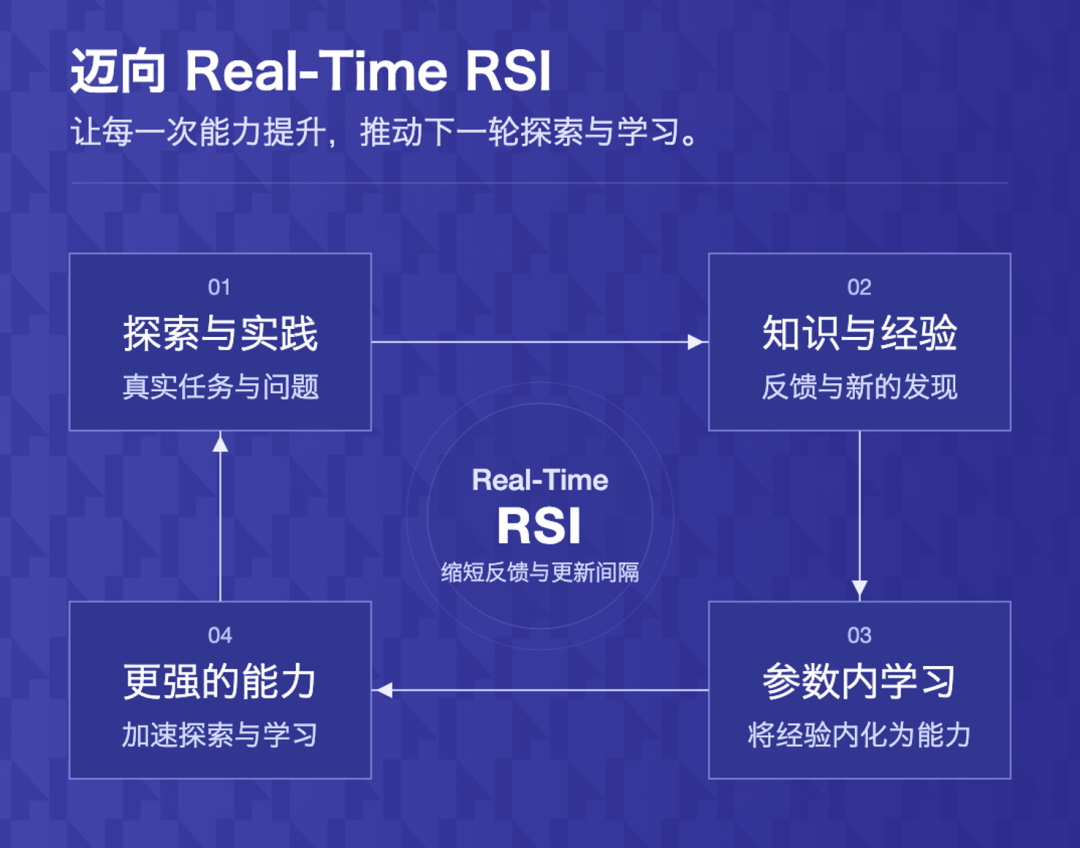
FlowCapital served as financial advisor for the transaction. As an early-stage AI startup, Wuya Zhiyuan is staking its future on a self-developed RSI model technology roadmap, aiming to achieve breakthroughs in underlying large-model technologies and bring commercialized products to market.
At a time when valuations of early-stage projects in the large-model space are returning to rationality and financing has become more disciplined, Wuya Zhiyuan's ability to close two sizable angel-stage rounds while drawing multiple first-tier institutions is a rarity in today's AI startup market.
Proceeds from the financing will be used primarily to drive technological breakthroughs in Wuya Zhiyuan's self-developed RSI model and to accelerate the rollout of related products.
For teams building underlying models, model capabilities cannot remain mere paper metrics; ultimately, they must be proven in real products and real business scenarios.
Judging from the investor lineup, the institutions involved include top market-oriented VCs, industrial investment institutions, and local technology-industry funds.
The group brings together market-oriented capital firms that have long bet on AI, such as Sequoia China and Wuyuan Capital; Legend Star, which offers industrial resource support; and the Zhongguancun Science City Fund, which contributes local industrial ecosystem empowerment. This diverse shareholder base is expected to support Wuya Zhiyuan in subsequent technology iteration, scenario matching, and industrial resource connections.
The large-model industry has moved past the era of merely talking about concepts, and capital increasingly values a team's genuine in-house R&D capabilities rather than surface-level applications built through encapsulation and API calls. Many early-stage AI projects struggle to secure continued institutional backing because they lack a core self-developed foundation.
Wuya Zhiyuan's decision to double down on a self-developed RSI model roadmap is aimed squarely at the heart of competition: underlying models. This round of funding is focused on technological breakthroughs and product implementation, meaning the company's focus will quickly shift from technology R&D to product refinement and scenario validation.
Technological breakthroughs in underlying models are certainly important, but practical challenges remain ahead—model performance tuning, engineering implementation, and building a closed loop for commercialization.
Wuya Zhiyuan secured large angel-series financing amid the AI industry's rational cycle on the strength of investors' optimism about its RSI model technology roadmap and team capabilities. But securing financing is only the starting point; the real test for underlying-model startups has just begun.
Technical parameters are only reference indicators. How mature the RSI model becomes through iteration, how quickly products reach the market, and whether reproducible commercialization cases can be achieved will determine whether Wuya Zhiyuan can establish a firm foothold in the fierce large-model competition.
-
![]()
What Is Leapmotor Really After? Q3 Revenue of 31.7 Billion Yuan, Yet Only 40 Million Yuan in Profit!
-
![]()
Himile Technology: Tire Mold Leader with Steady Revenue Growth and Over 2 Billion Yuan in Cumulative R&D Investment Over Five Years
-
![]()
WeRide's Q3 2026: Revenue up nearly 90%, gross margin 43%—Is Spring Finally Coming for L4 Companies?
-
![]()
From 89.6% Digitalization to AI Empowerment: Unveiling the "Nerve Center" of the Modern Industrial System
-
The AI Hardware Bull Market Is Over
-
![]()
Guangdong Leads by a Landslide, Shanghai Dominates Finance, Beijing's Giants Set the Pace
-
![]()
Breaking: Huawei Unveils First HarmonyOS AI Phone — Netizens Say They Guessed Wrong as Price Exceeds Expectations
-
![]()
Anthropic Prospectus Insights: How Compute Power, Jobs, and Organizations Will Change