Can Landspace Be China's SpaceX in Commercial Spaceflight?
 10/19 2026
 538
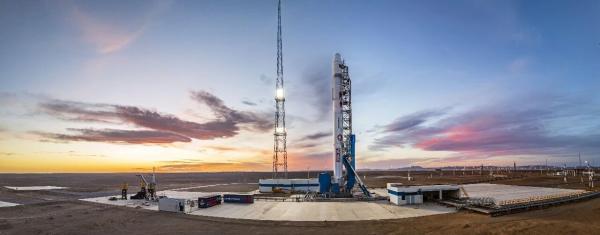
A successful vertical recovery has placed Landspace in the spotlight of China's commercial spaceflight sector. However, becoming "China's SpaceX" requires more than just 600 launches.
On August 19, 2026, a ZQ-3 Y2 carrier rocket lifted off from a launch site in northwest China. Minutes later, its first stage—instead of burning up in the atmosphere like traditional rockets—reignited, adjusted its attitude, and landed steadily on the designated landing zone using four landing legs.
This marked China's first controlled land-based recovery of a carrier rocket's first stage via landing legs.
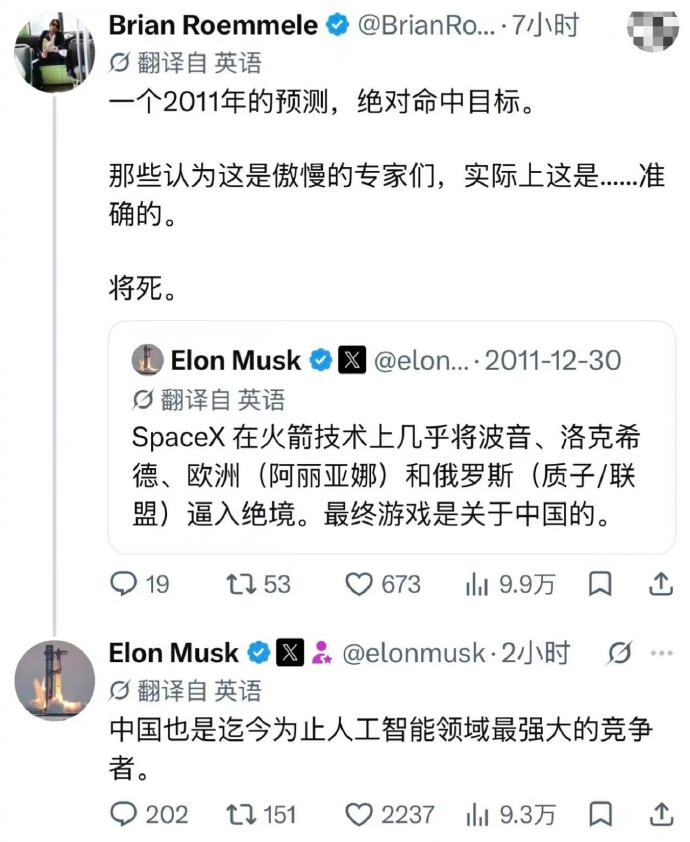
On the same day, on social media platform X, someone dug up a December 30, 2011, post by Elon Musk. Musk wrote: "SpaceX has nearly defeated Boeing, Lockheed, Europe, and Russia in rocket technology. The final act is in China."
The poster argued that many dismissed this as arrogance at the time, but 15 years of facts have proven Musk's prediction remarkably accurate. Musk himself even replied under the post: "China is also by far the strongest competitor in AI."
Notably, like SpaceX's Falcon 9, the ZQ-3 also employs a vertical landing recovery approach with built-in landing legs. Given the highly similar recovery methods, industry observers naturally compare the two and even raise a thought-provoking question: Could Landspace become China's version of SpaceX?
Same Technical Path, but Landspace Holds Late-Mover Advantages
Judging by rocket specifications alone, the ZQ-3 and Falcon 9 resemble mirror images.
Both the ZQ-3 and Falcon 9 are medium-to-heavy-lift rockets adopting first-stage vertical recovery to achieve reusability, low cost, and high-frequency launches as core objectives.
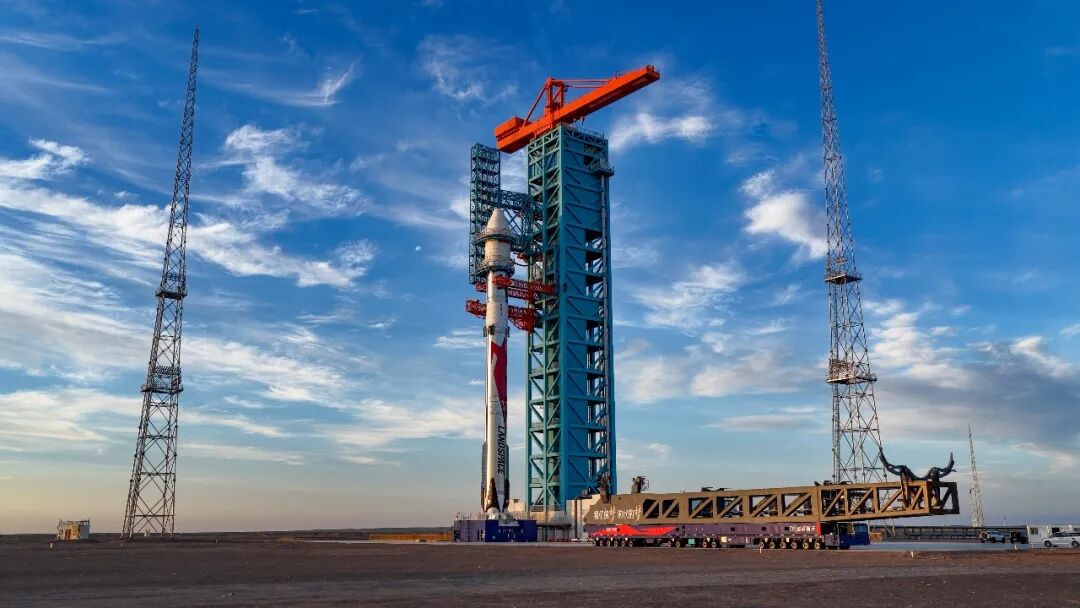
Image Source: Landspace Official Website
According to Landspace, the ZQ-3 has a diameter of 4.5 meters, total length of 76.6 meters, takeoff mass of ~660 tons, and low-Earth orbit (LEO) capacity of 21.3 tons. SpaceX lists the Falcon 9 at 3.7 meters in diameter, ~549-ton takeoff mass, and ~22.8-ton LEO capacity (expendable). Their capabilities are nearly identical.
More critically, the ZQ-3 and Falcon 9 share the same core recovery technical path—vertical landing with built-in landing legs. However, technical similarity does not equate to simple replication. In fuel choice, airframe materials, and other key areas, Landspace leverages its late-mover advantage to make distinct choices from the Falcon 9.
First, the most fundamental difference lies in propellant selection.
Landspace opted for liquid oxygen (LOX)-methane, while the Falcon 9 uses LOX-kerosene. Kerosene combustion tends to produce carbon deposits and coking. After each flight, stubborn residues accumulate inside the engine, requiring disassembly, cleaning, and deep maintenance—essentially an overhaul with high time and cost. Methane produces virtually no coking residues, drastically reducing maintenance workload after reuse and naturally suiting high-frequency, low-cost operations.
Meanwhile, methane's higher density than liquid hydrogen allows for more compact tank designs. Its raw material preparation and storage are also simpler than refined kerosene or cryogenic liquid hydrogen.
Landspace has committed to the LOX-methane path since the ZQ-2, with the ZQ-2 Y2 becoming the world's first orbital LOX-methane rocket after its successful July 2023 launch.
In fact, SpaceX's own next-gen super-heavy Starship system has also shifted to LOX-methane, indirectly validating the long-term value of this approach.
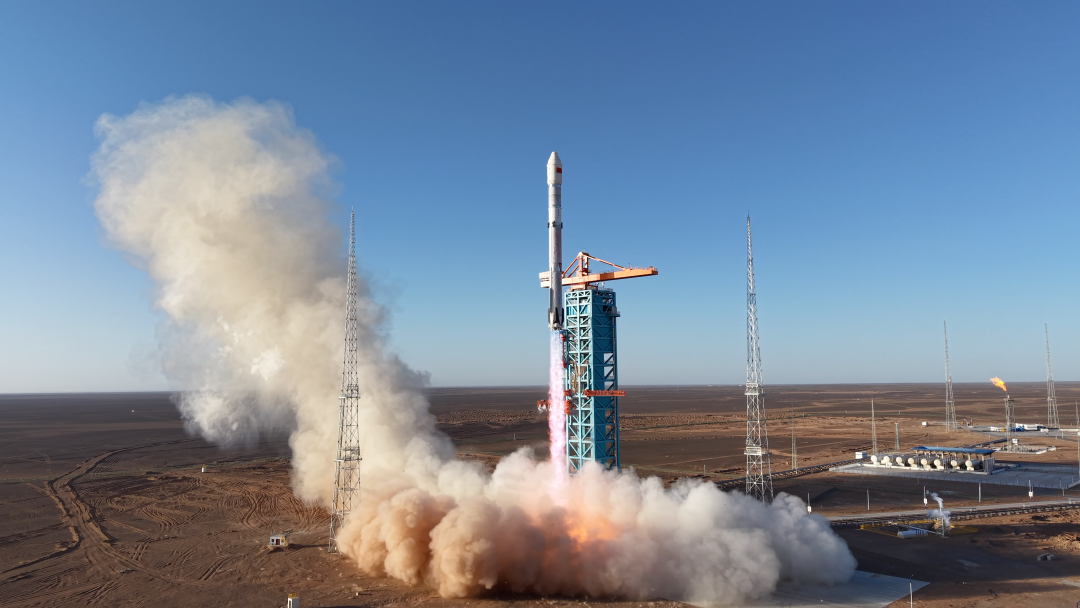
Image Source: Landspace Official Website
The airframe structural materials also diverge.
The ZQ-3 uses stainless steel as its primary structural material—cost-effective and highly heat-resistant, enabling the rocket to withstand re-entry heat more effectively and reducing thermal protection system demands. The Falcon 9 employs traditional aluminum alloy, offering lighter structural weight but higher material costs, stricter thermal protection requirements during re-entry, and more complex overall manufacturing.
From fuel to airframe materials, the ZQ-3 does not simply replicate the Falcon 9's proven solutions. Instead, it selects LOX-methane, stainless steel, and other paths with potential reuse advantages to align with reusability goals.
However, commercial spaceflight is an industry where "engineering execution trumps theoretical advantages." Technical sophistication never equals engineering maturity—this remains the most fundamental, visible gap between Landspace and SpaceX.
Recovery Success Is Just the Entry Ticket; Engineering Systems Define the Divide
Through continuous iteration, the Falcon 9 now supports dual land-and-sea recovery modes and fairing reuse, underpinning NASA cargo and crewed missions as the global backbone of commercial human spaceflight.
In contrast, the ZQ-3 remains in early recovery verification stages. Landspace has yet to establish a routine commercial satellite launch system, let alone gain crewed spaceflight or multi-scenario engineering experience—a generational gap compared to the Falcon 9's all-scenario capabilities.
This systemic gap manifests even more starkly in supply chains, mass production, and iteration efficiency.
In supply chains and manufacturing, SpaceX has built a highly vertically integrated industrial system, self-developing and producing core components like engines, airframes, avionics, and fairings, alongside self-built launch pads and testing infrastructure. Its cost control and technological iteration capabilities set industry benchmarks.
While Landspace has achieved independent R&D of the Tianque LOX-methane engine series and core airframe structures, its mass production capacity, supply chain maturity, and high-frequency testing iteration rhythms remain in the refinement phase, untested in large-scale operations.
The flight data gap is even more intuitive (zhíguān, "visual/obvious").
As of January 16 this year, the Falcon rocket family had completed 600 missions.
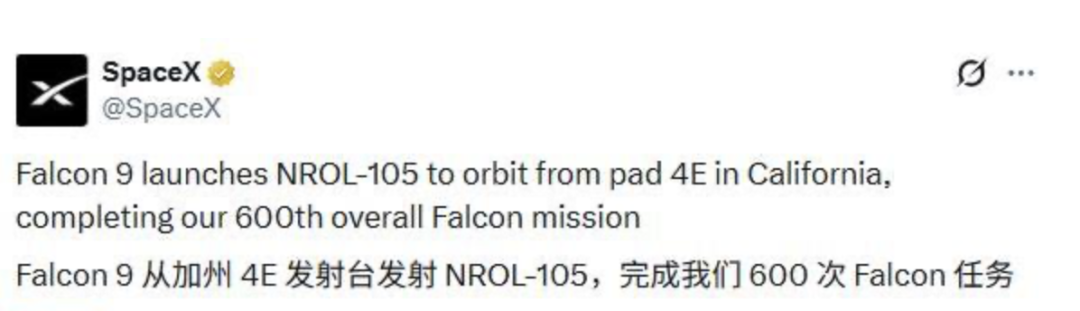
According to *The Paper*, SpaceX's recovery, refurbishment, and reuse processes are highly industrialized, with the same first stage capable of relaunch within less than a month of recovery.
In contrast, Landspace has conducted only a handful of orbital launches with the ZQ-2 series, while the ZQ-3 has just completed its first orbital-level recovery verification. Core processes like rocket refurbishment, secondary reuse, and multi-round iteration remain unverified in actual operations, requiring long-term accumulation of flight data, reliability validation, and cost optimization.
SpaceX Is an Ecosystem; Landspace Remains a Rocket Company
If technical and engineering gaps can potentially be closed through sustained investment and time, strategic positioning and commercial ecosystem tiers represent Invisible Barrier (yǐnxíng bìlěi, "invisible barriers") that Landspace cannot easily surmount in the short term.
Reviewing SpaceX's trajectory reveals an extremely ambitious strategic vision. All technical iterations and product development consistently align with the ultimate goal of "enabling humanity to become a multi-planetary species and achieve Mars colonization," forming a clear, coherent strategic logic:
Reusable rockets solve launch cost issues; Starlink provides sustained cash flow and internal launch demand; Starship enables deep-space exploration and interplanetary colonization. Within this ecosystem, rocket launches serve merely as the foundational link, not the entire business core.
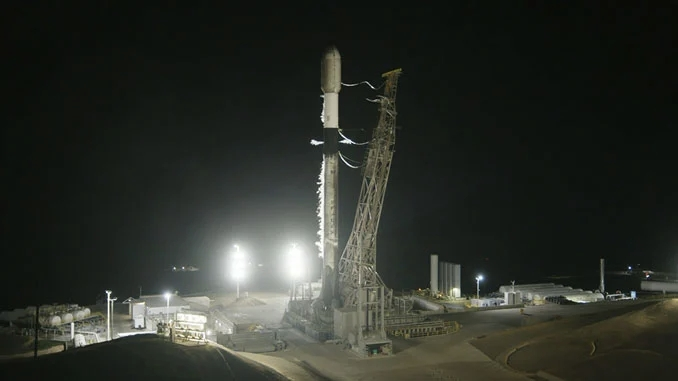
Image Source: SpaceX
This layout's greatest value lies in breaking commercial space firms' complete reliance on external orders, freeing them from passive alignment with market cycles. Notably, SpaceX can continuously absorb rocket production capacity through its self-built satellite constellation, providing a commercial basis for high-frequency reuse and low-cost iteration.
2025 financial disclosures show Starlink generated $11.4 billion in revenue in 2025, up 50% YoY. Under consolidated reporting, SpaceX's total 2025 revenue exceeded $18.5 billion. Satellite internet has become the primary growth driver, contributing most cash flow. This stable self-financing capability allows SpaceX to sustain investment in Starship R&D, rocket iteration, and technical trial-and-error, forming a virtuous cycle of "revenue feeding R&D, technology driving business."
In contrast, Landspace's business layout remains in its infancy.
Currently, Landspace positions itself as a track-focused firm in rocket R&D and launch services, without extending into satellite manufacturing, constellation networking, or space applications—failing to establish an autonomous, closed-loop internal demand system. This leaves Landspace dependent on external market orders, with enterprise development directly tied to industry cycles, making it difficult to replicate SpaceX's growth logic of using proprietary constellations to drive high-frequency launches.
Essentially, Landspace is a space manufacturer with reusable rocket capabilities; SpaceX has constructed a complete space commercial ecosystem spanning Earth-space transportation and spatial applications.
Landspace Stands at a Historical Window but Faces Practical Constraints
Despite comprehensive gaps with SpaceX, positioned within China's commercial spaceflight boom, Landspace enjoys unique local opportunities as a latecomer—its greatest source of confidence for catching up.
According to the China National Space Administration's public plans and constellation project disclosures, national-level satellite projects like Qianfan, GW, and Hongqing constellations alone plan over 30,000 satellites. Over the next three to five years, China's low-Earth orbit mega-constellation construction will enter a dense networking phase, likely reshaping domestic commercial spaceflight's supply-demand landscape.
Massive constellation networking creates enormous demand for low-cost, high-frequency launches, heavily relying on medium-to-heavy reusable rockets with >18-ton near-Earth orbit capacity—precisely matching the ZQ-3's product positioning and representing an irreplaceable industrial window for Landspace.
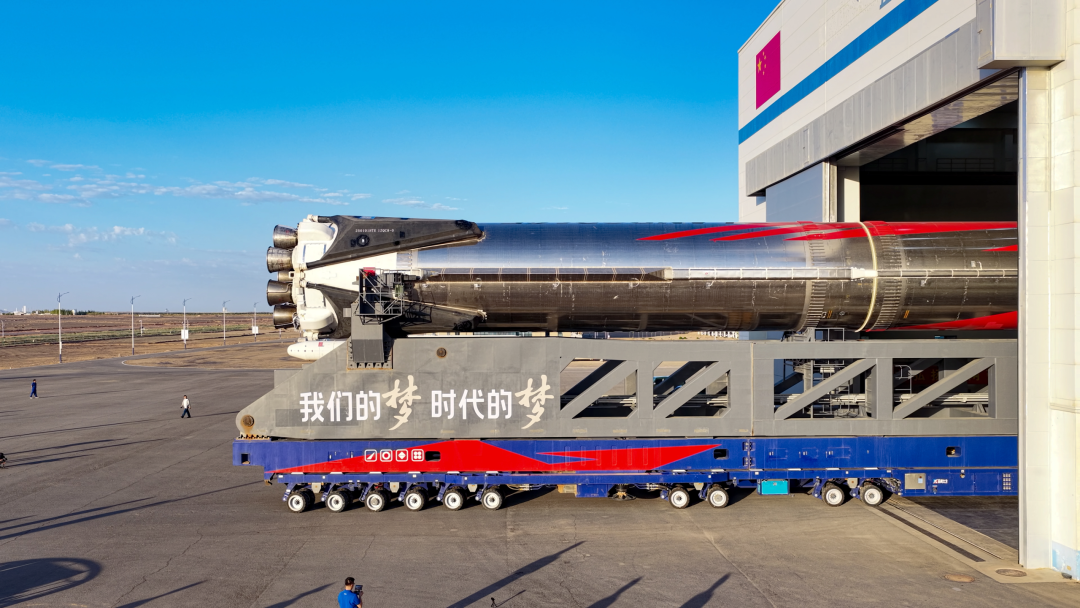
Image Source: Landspace Official Website
Yet opportunities coexist with practical constraints. China's commercial spaceflight industry environment—including industrial foundations, competitive dynamics, and regulatory frameworks—differs sharply from the U.S. market.
In the U.S., SpaceX dominates commercial spaceflight through technological first-mover advantages, exclusive NASA policy support, and scarce launch resources, facing virtually no peers and enjoying market dividends, policy resources, and capital backing alone.
Domestically, commercial spaceflight features Diversified competition (duōyuánhuà jìngzhēng, "diversified competition") involving both state-owned teams and private leaders like Galactic Energy, i-Space, and Space Pioneer. This hyper-competitive market means Landspace cannot replicate SpaceX's near-monopolistic growth path in the U.S.
Thus, despite clear industry growth dividends, competition thresholds remain stringent. Future industry differentiation will intensify, with only firms that first achieve a closed loop of "high reliability, low cost, rapid response, and reusability" capable of seizing the initial wave of industrial dividends and establishing differentiated competitive edges.
Epilogue
Roughly benchmarking against industry development cycles, Landspace's current position resembles SpaceX around 2015.
Back then, the Falcon 9 had just completed its first land-based recovery, with its technical path validated but reuse systems immature, production capacity insufficient, data accumulation limited, and commercialization models unproven. SpaceX then spent two years iterating core technologies and another seven years closing the loop on technology, cost, and profitability.
For Landspace, a single successful recovery marks merely the starting point. The journey from "capable of recovery" to "stable reuse, low-cost commercialization, and mass production" entails a lengthy industrialization process.
-
![]()
Q3 Report | Hengtong Optoelectronic’s Performance Soars, Achieving Up to 61% Quarter-over-Quarter Net Profit Growth in a Single Quarter
-
![]()
Manus Restarts Independent Operations, Yet Avoids Starting Anew
-
One Photo Suffices for Celebrity Endorsements: Merchants Offer Custom AI Videos from 150 to 1000 Yuan per Minute
-
![]()
Total Investment Reaches 450 Million Yuan! Luke Optical Launches Its First Pilot Production Line for an Annual Output of 20 Million Pairs of Glasses
-
Chery Leads in Auto Exports, But When Will It Dominate the Domestic Market?
-
![]()
7 Billion Yuan in Orders Secured Until 2032! What Sets This Optical Company Apart?
-
Just a moment ago, Mark Wahlberg made a daring declaration: “I’m not scared of AI cloning me; what truly worries me is its misuse.”
-
![]()
Qianwen Office Merges with WeCom: New Dynamics Unfold in the AI Office Ecosystem