Guangzhou Auto Show: Are Joint Ventures Poised for a Sure Win?
 11/23 2026
 459
For well-known domestic brands, there may be fewer than 10 major models on display.
Since 2021, the character of the Guangzhou Auto Show has shifted abruptly, and it often changes from year to year. From the public's perspective, the venue area keeps expanding and the number of car brands keeps growing. From consumers' perspective, its appeal is weakening. Although the cars are getting better looking, the room for bargaining is getting smaller and smaller. Go back six years, and most people who came to the Guangzhou Auto Show were in the posture of finally negotiating the price down at the end of the year and then driving a new car home for the Chinese New Year.
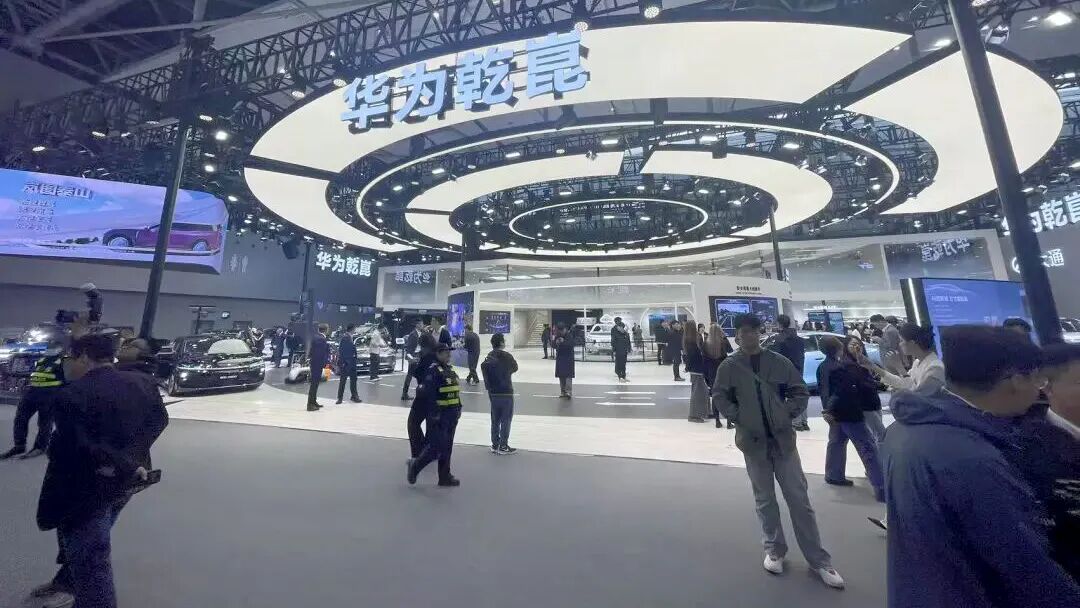
But in fact, the deepest change at the Guangzhou Auto Show is that it has evolved from that year-end auto show for "announcing next year's plans" and "pushing hard to hit this year's sales targets"—a preview-plus-relaxation kind of show—first into an auto show for grabbing orders for the following year in advance, then into one where new energy vehicles defeated fuel vehicles and smart cars defeated mainly basic commuter cars. And by the current 2026, the situation has changed again: multinational automakers, after deeply embracing Chinese technology, have begun to enter a product explosion period, and this year's situation is turning into a look of "overtaking Chinese brands."
11 Models vs 10 Models: Domestic Cars Avoid Joint Ventures
As early as a week before the auto show opened, observant people had already noticed that the focus and rhythm of automakers at this Guangzhou Auto Show were not right.
First, in terms of highly anticipated major new cars, global automakers' joint ventures in China suddenly released 12 prominent models. Apart from the question mark over whether the Crown Road would appear, the other 11 were basically confirmed. By comparison, Chinese brands had a lower data density this time, releasing 10 models.
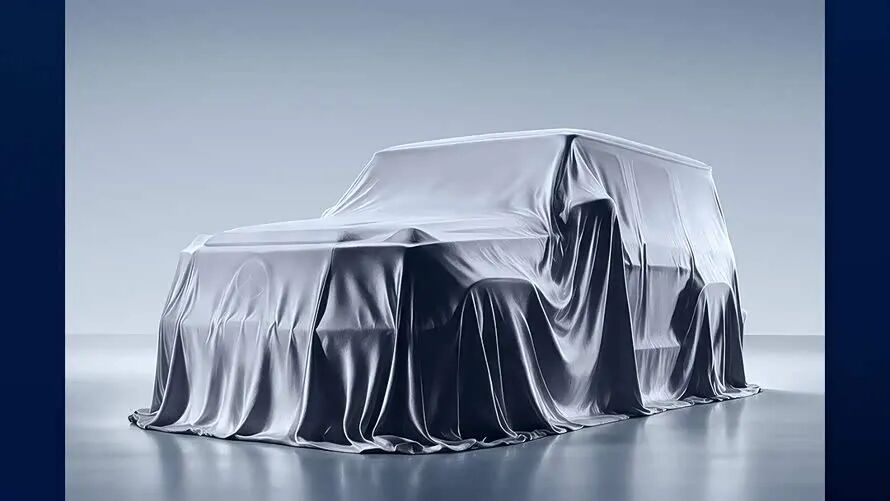
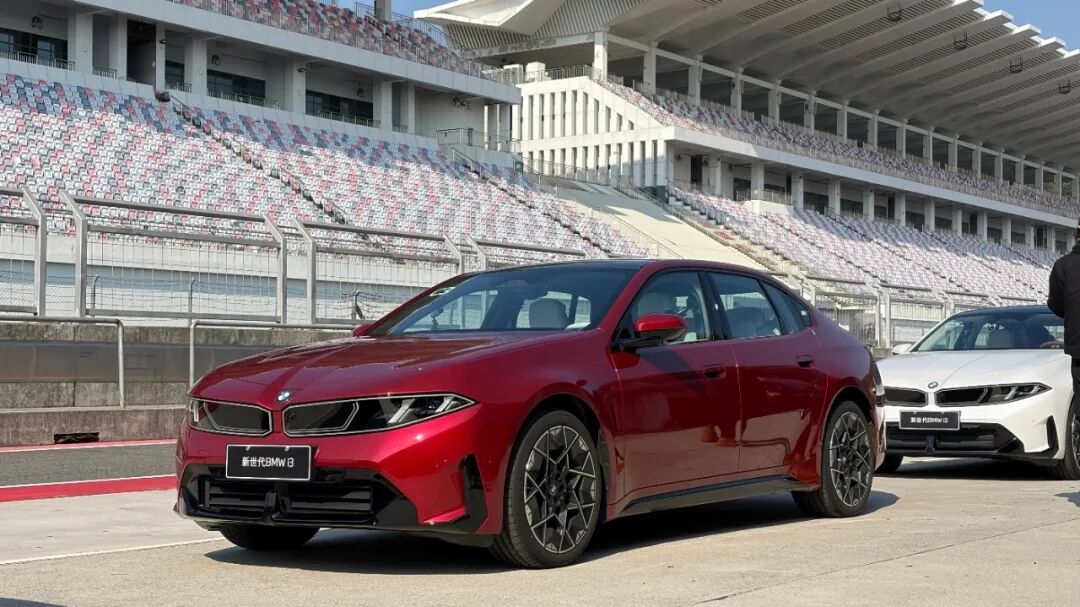
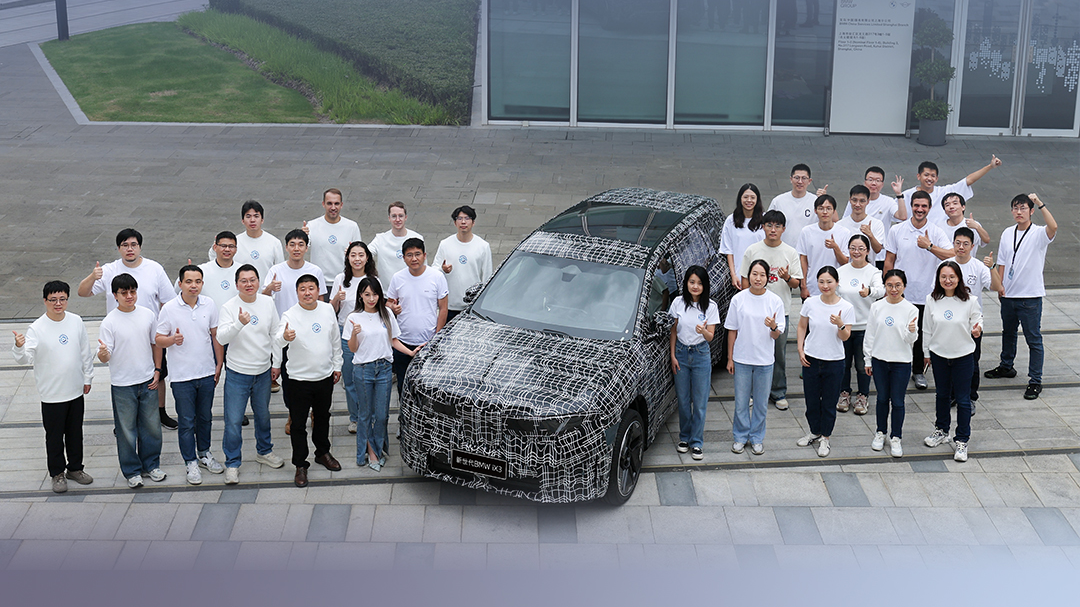
The former include the all-new Mercedes-Benz G400, Mercedes-Benz VLE, Mercedes-Benz CLA using a plug-in hybrid system, BMW's new-generation iX3 and i3 as well as the 7 Series and the new MINI Countryman, Audi's latest flagship SUV Audi Q9, and also the new-energy Lexus TZ and the Lincoln Aviator EX8 based on Changan's technology platform.
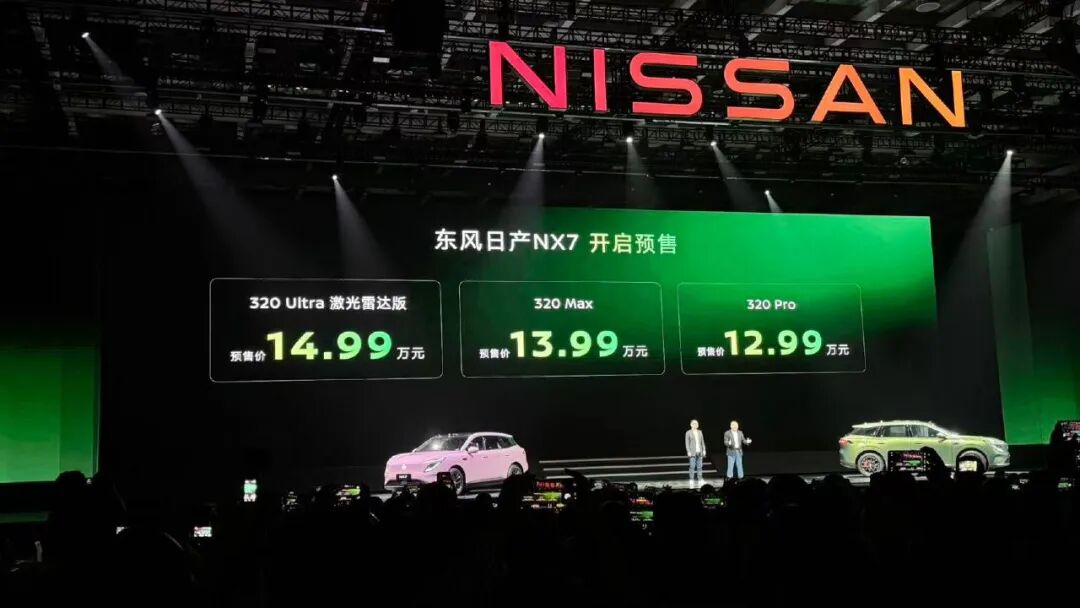
In addition to luxury brands, there are also more affordable joint venture brands. The most important is expected to be the prototype of the all-new Honda Crown Road, about which information had already begun to be released before the auto show. The plug-in hybrid SUV Dongfeng Nissan NX7, which opened pre-sales not long ago and was officially acknowledged to have received explosive orders, is expected to be launched.
Looking at the Chinese brands, Yangwang Dingyao will make its China debut after its global premiere in Dubai. There will also be the new BYD Han, Hongqi will launch the all-new H9, Chery will have the Zongheng R700, and there will also be the pure electric version of Roewe Jiayue 07, the pure electric version of Yijing X9, the Leapmotor lafa5, the 2027 Zeekr 7X, and rumors that Exeed will bring the EX6.
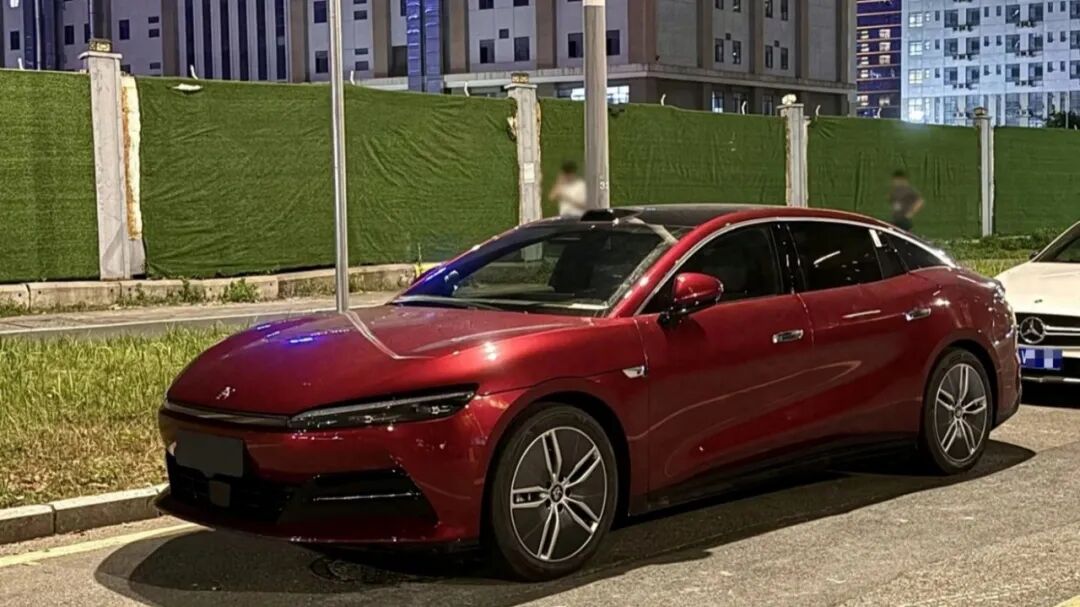
So, judging only from the intensity and frequency during the auto show, multinational brands are indeed pressing down on Chinese brands. But it would be unfair to put it that way, because the latest state should be described more as having reached a new balance.
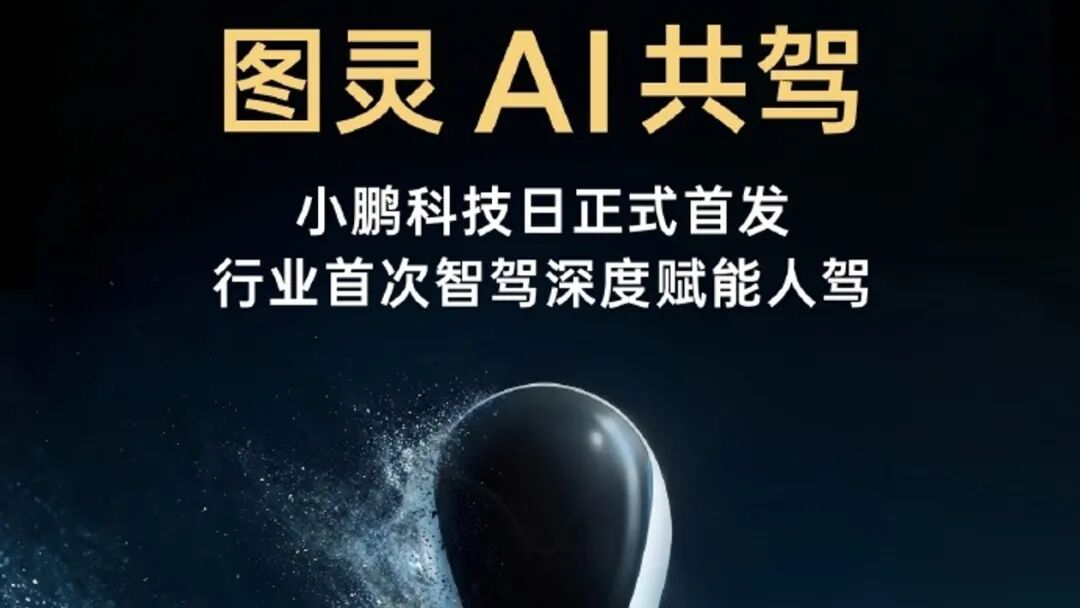
Considering that before the auto show, Jetour, NIO, XPeng, Huawei Qiankun and others all held a series of technology or new car launch events, this Guangzhou Auto Show actually had more pleasant highlights than in previous years. After all, it is unrealistic to have all four: more, faster, better, and cheaper.
When paying attention to new cars, naturally what matters is what new changes the cars can bring, including price, technology, scenarios, design, and so on.
First, on the price level. After applying new R&D systems, embracing local Chinese technology, and adopting new corporate models, luxury brands can now go head-to-head with new forces, and joint venture brands can even partially overtake China's own brands.
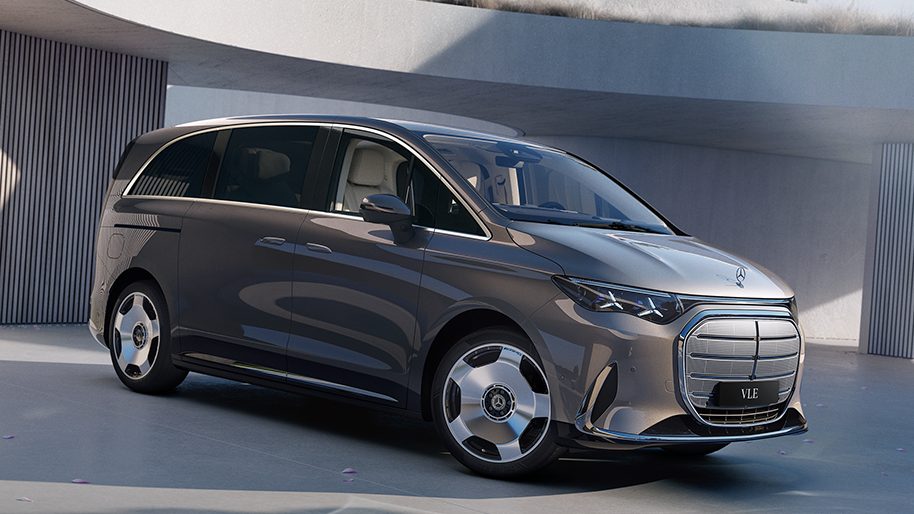
For Mercedes-Benz, the G400 will certainly remain an expensive presence, but it is doubling down on meeting the needs of Chinese users. Mercedes-Benz VLE will probably not announce its price, but it will carry a very strong gene: all MPVs on the market so far are products optimized after learning from Mercedes-Benz and Japanese brands. So what underlying innovation will Mercedes-Benz bring this time? That may affect technological development for decades to come.
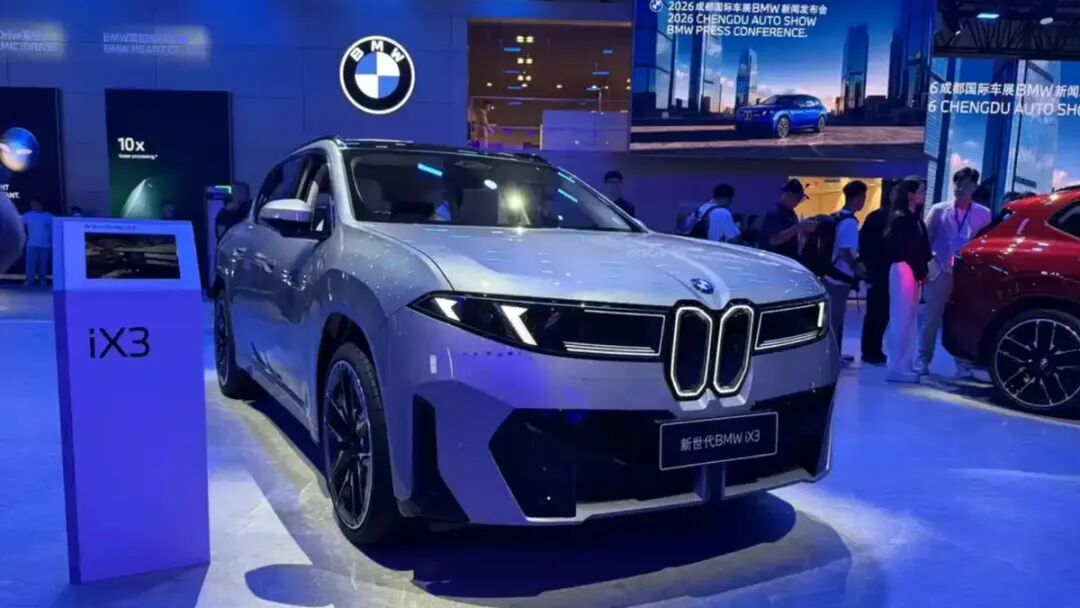
The price currently given for the BMW iX3 is 269,900 to 339,900 yuan. At official launch, this price is expected to go further down with a surprise, and it is very likely to land between 250,000 and 300,000 yuan. If it reaches that level, it will not be expensive at all. The Li Auto i6 currently offers 249,800 yuan for the rear-wheel-drive version and 269,800 yuan for the four-wheel-drive version. The NIO ES6 is guided at 338,000 to 350,000 yuan before Baas, and the non-Ultra version of the Xiaomi YU7 is priced at 233,500 to 329,900 yuan. And what can BMW bring? It has Momenta's latest advanced driver assistance, the best electric drive and range performance currently on the market, a smart cockpit with a large model, and the credibility of the company.
In addition to these, the mass-market joint venture brands are now also bringing enormous competitive force. For example, among this year's Volkswagen series new cars, SAIC Volkswagen ID.ERA 5S has already overtaken BYD in plug-in hybrid sales in October, and FAW-Volkswagen ID. AURA T6 has already overtaken BYD, Changan Qiyuan, and Leapmotor in the pure electric segment. At the Guangzhou Auto Show, the Dongfeng Nissan NX7 will also be officially launched. Its current pre-sale prices are 129,900, 139,900, and 149,900 yuan, and the official even directly claimed it is the best plug-in hybrid SUV under 200,000 yuan.
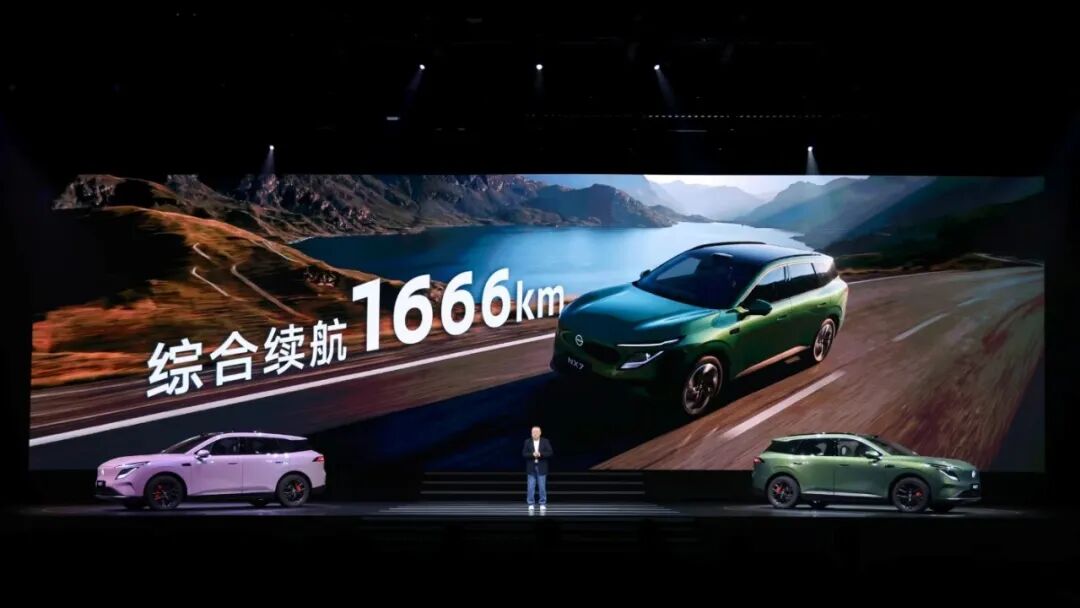
A 320-kilometer pure electric range and 3.75L/100km CLTC fuel consumption with depleted battery. This indeed means that in electric drive capability it has already surpassed same-class bestsellers such as the BYD Sea Lion 06, and even at a lower price.
Praise the Strengths, Confront the Weaknesses
Among the other series of models, there is not much to discuss about the Audi Q9 and Lincoln Aviator EX8. Audi has always underperformed in flagship products and has simply benefited from the dividends of the times, while for the Lincoln Aviator EX8 there is only one thing: it has officially announced that it is targeting a niche market, so is it realistic to try to maintain a relatively high price?
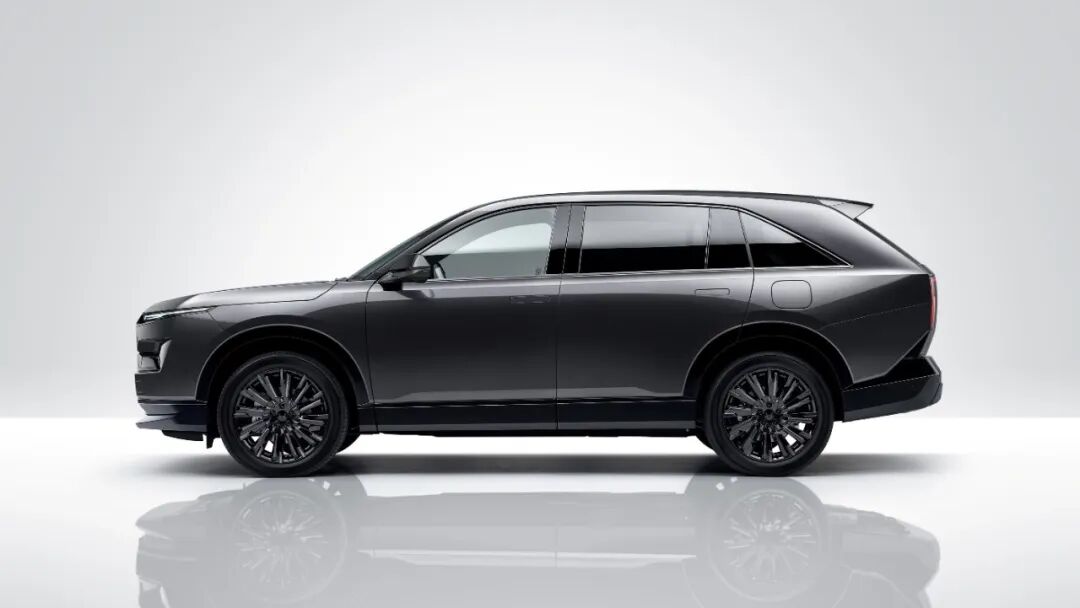
As for models like the all-new Honda Crown Road, there is actually not much to discuss. Fuel vehicles have always been an absolute advantage of multinational brands. This time, after bringing a new hybrid system, combined with the large space and 7-seat layout that Chinese families now like, as well as a series of smart configurations, its only challenge is how to adjust pricing.
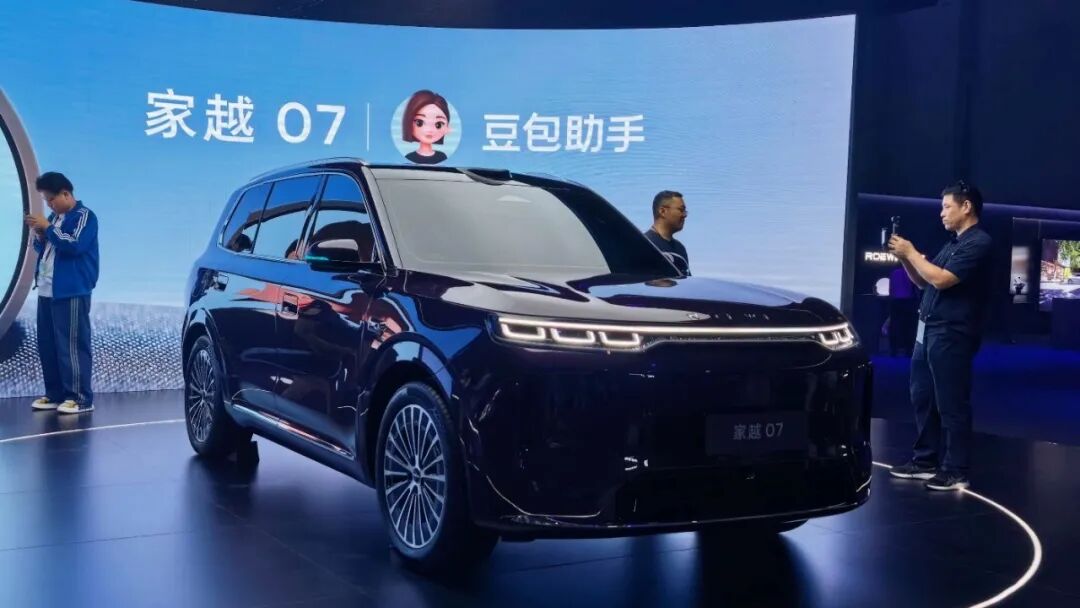
In the performance of Chinese brands, apart from the Yangwang Dingyao being an absolute highlight, the main focus of other models is how much they will be priced at and how much configuration they can offer. After all, there are not many secrets in today's auto industry. For example, the BYD Han will certainly not lack the second-generation blade battery, megawatt flash charging, and God's Eye, so what can be done? Obviously, it is product definition and chassis handling, among other things. For the Hongqi H9, the highlight is intelligence. For the pure electric version of Jiayue 07, it is the further application of native AI and whether the price can set a new low for pure electric vehicles. The same goes for the Yijing X9, where the highlights lie in the pricing of the pure electric version and what new breakthroughs can be brought in extended-range technology.
In short, this is broadly the situation.
Some people say that this round of multinational brand joint ventures is more about catching up than overtaking. Whether they have overtaken is hard to say, but who now defines technological advancement has become doubtful.
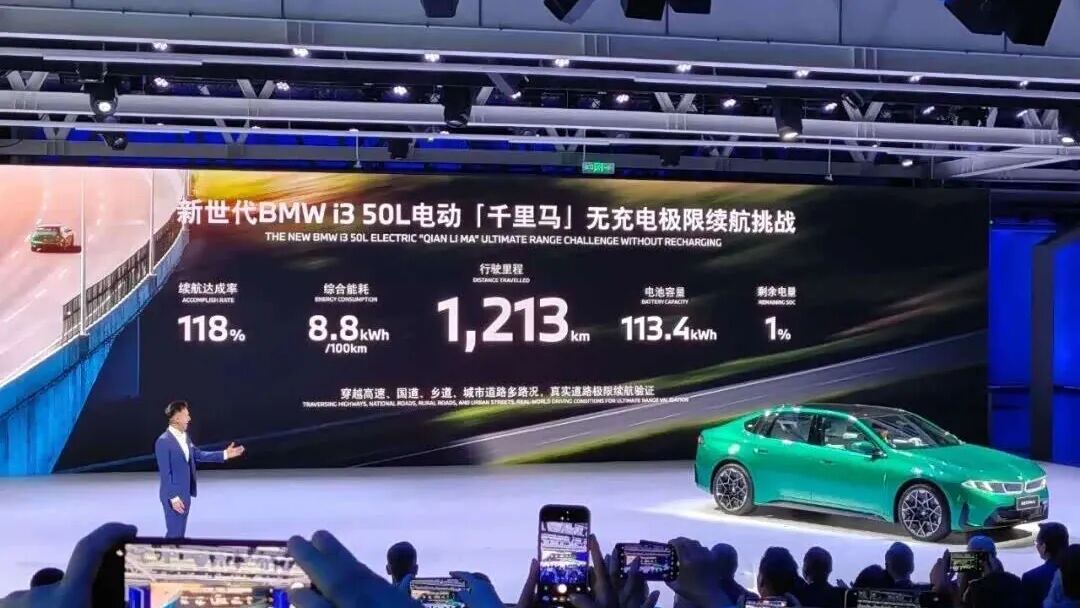
For example, in electric drive capability, regarding whose range is longer, whose performance is better and more stable, and whose power consumption is lower, the current say actually lies with BMW. This is not surprising. In recent years, Chinese brands have indeed been rapidly advancing technological progress, with breakthroughs in permanent magnet synchronous batteries, high-speed motors, asynchronous motors, and so on. But BMW chose the excited motor, which has a higher ceiling but is more difficult. It is normal for technology to show contrasts now.
What differences does this bring? First, there are the actual test results already released officially. The iX3 50L completed a challenge of 1,030.2 kilometers on a single charge, while the i3 50L achieved 1,213 kilometers. On the market, this is the first time an official has dared to give a real-world test result exceeding 1,000 kilometers.
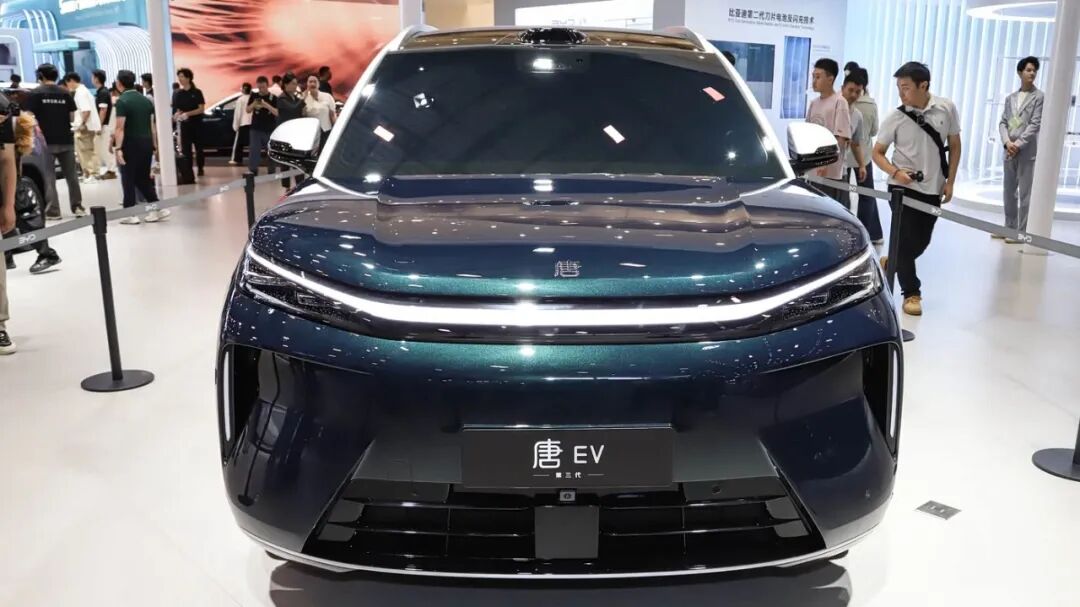
And clues had long been hidden in the Ministry of Industry and Information Technology filing information. A 113.4kWh power battery pack can be fitted into a vehicle 4,885mm long with a 3,005mm wheelbase without encroaching on passenger space. Moreover, at the energy consumption level, what is currently visible is that a new round of products is giving large cars the energy consumption performance of small cars, that is, within 10kWh/100 kilometers.
Broadly speaking, this is the current situation at this Guangzhou Auto Show. Because smart cockpits have long hit a ceiling, and before autonomous driving arrives, hands cannot be taken off the wheel, the actual difference in experience is very small. The same is true for advanced driver assistance. With its increasing popularity, and because autonomous driving has likewise not yet arrived, the gap is also getting smaller and smaller.
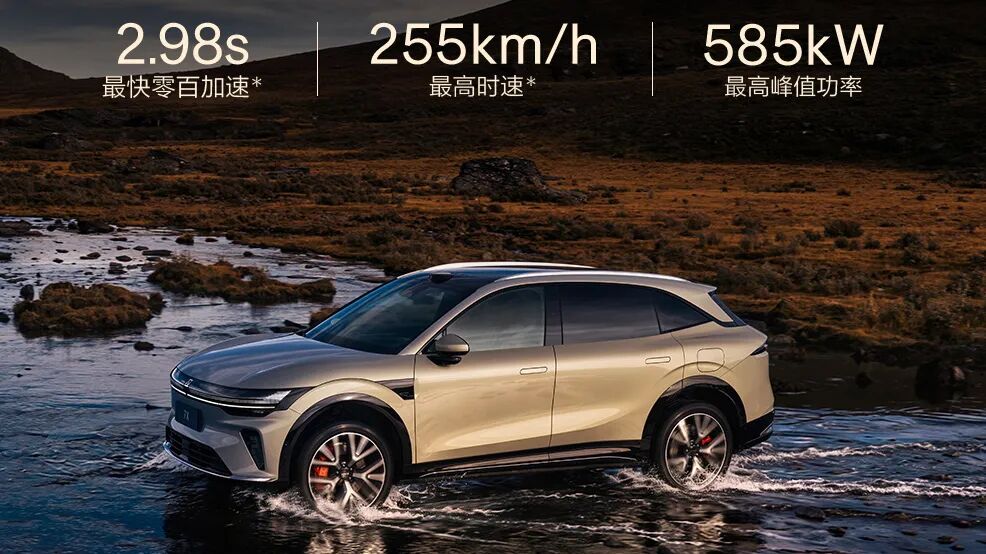
Of course, this is only a description of the Guangzhou Auto Show period. Although Chinese brands have been caught up with or even overtaken in many aspects, there is still one obvious point where they lead, and that is energy replenishment. BYD has megawatt flash charging, Zeekr's new cars also have ultra-fast charging, and more and more models are promoting battery swapping.
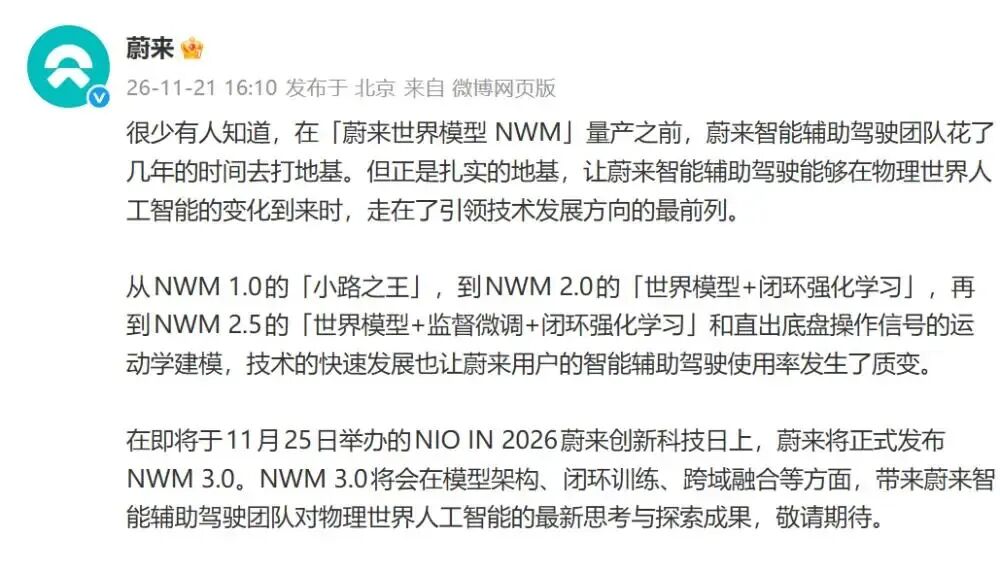
As for before the Guangzhou Auto Show, it was actually still the world of Chinese brands. NIO will release its all-new technology, the evolution of the smart cockpit, the evolution of NOMI, and the evolution of advanced driver assistance. What has been announced so far is NWM3.0. As one of the earliest automakers to apply world models, the highlight this time is actually the evolution toward physical AI, where vehicles can understand the external world. Whether understanding the external world depends on converting it into text and then feeding it into an LLM large language model will be the key point that distinguishes real progress.
Final Thoughts
In fact, it is not hard to see that in the current market competition, intelligence is increasingly a battle of pre-embedded capabilities.
Just have to wait. Only when L3 autonomous driving is officially released can new disparities emerge. For example, once hands-off driving is possible, smart cockpits will no longer compete on whose voice recognition is faster and more accurate, or who can better serve as a dictionary, but will truly need proactive service capabilities. For example, after autonomous driving, the competition will be about whose speed upper limit is closer to that of a real human, and who has genuine safety, etc.
As for right now, we are in a transitional period. From actual performance, multinational brands have indeed caught up, and are even dominating the competition.
-
![]()
Second-Hand Domestic Phones: African Buyers' Alternative to Transsion
-
![]()
Why Are Smart Glasses Bucking the Trend and Growing Exponentially in a Cold Winter?
-
Used Chinese Phones: Africa's Enthusiasts Embrace a Transsion Alternative
-
![]()
The Largest IPO in History: 14 Young Chinese Professionals Strike It Rich
-
![]()
AI Can't Understand Emotions, but It Has Spawned Seven New Businesses
-
![]()
Long Lead Times for Imported Rubidium Clocks? The SRS Stanford Research Systems FS725 Benchtop Rubidium Atomic Frequency Standard Is in Stock and Shipping Directly!
-
![]()
The 12th Munich Shanghai Analytica China Exhibition Concludes: Zolix Showcases Cutting-Edge Spectroscopy Solutions
-
![]()
Tengjing Technology Sets 2027 Revenue Target of at Least 1.8 Billion Yuan