Great Wall Defends, BYD Charges, Huawei Captures – The Surge in Demand for Off-Road Vehicles
 04/08 2026
 386
386
Perhaps You Too Need a 'Boxy' Vehicle.
In just a single month, automotive giants Chery, Geely, and Great Wall have made significant moves: the competitive arena for new energy off-road vehicles has exploded with activity!
On March 13, Chery introduced its first extended-range off-road vehicle under the iCAR brand, addressing a gap in the brand's lineup of rugged off-roaders. On March 20, Geely unveiled its inaugural AI-powered all-terrain SUV, the 'Galaxy Warship 700.' On April 6, Great Wall Motors launched a public naming campaign for its latest flagship off-road vehicle, reinforcing its dominance in the off-road sector.

(Image Source: Weibo Screenshot)
But the action doesn't end there. The Xiangjie brand, a collaboration between Huawei and BAIC, has repeatedly teased its rugged off-road vehicle, signaling Hongmeng Zhixing's (HarmonyOS Intelligent Mobility) entry into the off-road market. Even Land Rover, the pioneer of luxury off-roading, is reviving its classic 'Discovery Sport' model and developing a new energy off-road vehicle based on Chery's electrification platform.
Domestic, joint-venture, luxury, tech-driven – nearly every major player across segments is targeting the new energy off-road market. A full-fledged 'off-road war' has officially begun across the industry.
Why Automakers Are Flocking to New Energy Off-Roading: The Allure of a Lucrative Market
In recent years, China's domestic rugged off-road market has maintained steady growth, standing out as a bright spot amid sluggish overall auto sales. This explains why automakers are flocking to this segment.
Data from the China Association of Automobile Manufacturers (CAAM) shows that domestic rugged off-road vehicle sales reached just 423,000 units in 2020, with a market size of approximately RMB 105.8 billion. By 2025, sales surged to 894,000 units, up 11.75% year-on-year, with the market size exceeding RMB 223.5 billion. In just five years, domestic rugged off-road vehicle sales doubled, and the market size grew by over 110%.
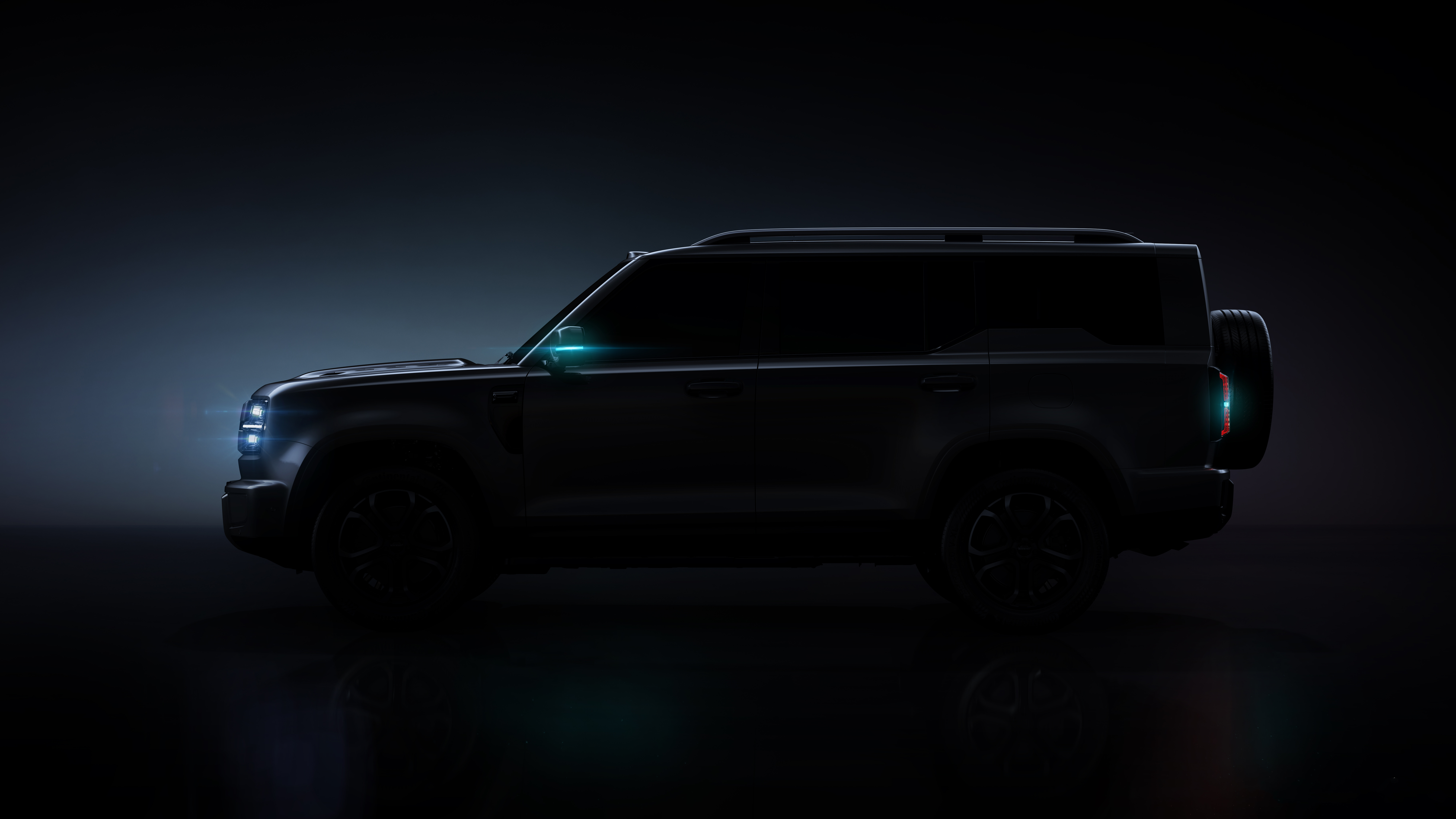
(Image Source: Haval Auto)
Breaking it down by market segment, domestic brands have been the primary drivers of this growth. CAAM data reveals that in 2025, domestic brands sold 626,000 rugged off-road vehicles, accounting for 70% of the market, with a 15.3% year-on-year increase. In contrast, joint-venture and imported brands combined sold only 268,000 units, representing 30% of the market, with a mere 4.2% year-on-year growth.
Among these, Great Wall's Tank brand stands out, selling 421,000 units in 2025 and capturing a 47% market share, firmly securing its position as the industry leader. BYD's Fangchengbao (Equation Leopard) also emerged as a dark horse, peaking at 32,000 monthly sales in 2025 and surpassing 280,000 annual sales, soaring by 247% year-on-year – the fastest growth in the rugged off-road segment.
Now, let's delve into the technology.
Traditional fuel-powered rugged off-road vehicles suffer from three major drawbacks: high energy consumption, sluggish torque response, and poor comfort. The advent of new energy technology has resolved these issues, paving the way for the popularization of rugged off-roading and serving as the core impetus for automakers to pivot toward new energy off-road vehicles.
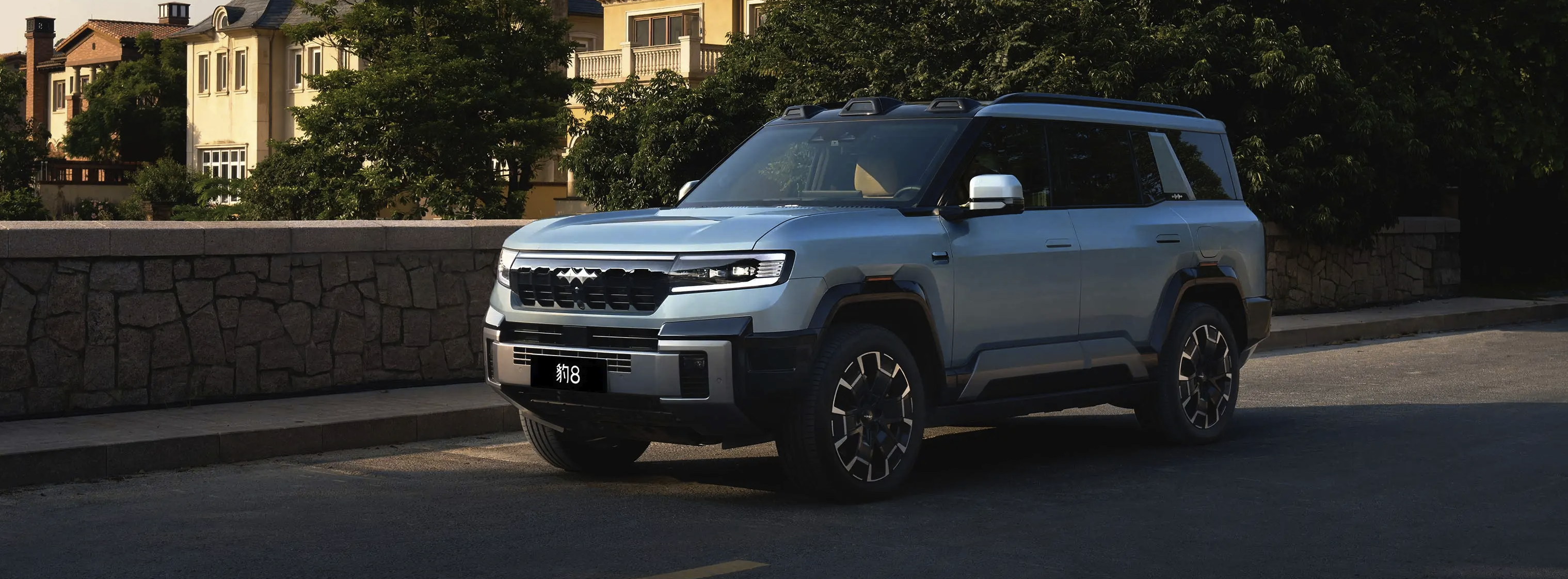
(Image Source: Fangchengbao)
Fuel-powered off-road vehicles are notorious gas guzzlers in urban driving, with large displacements and heavy weights easily pushing fuel consumption beyond 15L per 100km. New energy off-road vehicles, like Chery's iCAR V27, offer a pure electric range of 200km/210km, sufficient for a week of daily commutes on a single charge. Even when the battery is depleted, the 1.5T extended-range engine maintains optimal efficiency, preventing fuel consumption spikes during city driving.
Moreover, fuel-powered off-road vehicles require high RPMs to deliver maximum torque, resulting in sluggish response times. This can lead to insufficient power in extreme scenarios like climbing steep slopes or escaping tricky terrain. Electric motors, however, provide instantaneous maximum torque without needing RPM buildup, significantly enhancing off-road performance.
For example, the Fangchengbao Leopard 5 delivers a peak torque of 760 Nm, while the high-end fuel-powered Land Rover Defender 3.0T manages just 550 Nm. The Leopard 5 costs less than half of the Defender's price yet offers nearly 50% more torque.
In terms of intelligence, new energy off-road vehicles generally outperform traditional off-road models from overseas brands, extending beyond superior infotainment systems. Fuel vehicles face challenges in implementing advanced intelligent driving due to slow engine response. New energy off-road vehicles, with their rapid motor response, make high-level intelligent driving features a standard offering.
Additionally, China's passenger vehicle market has entered an era of intense competition, with conventional sedans and SUVs crowded and engaged in fierce price wars, squeezing profit margins.
The rugged off-road segment, characterized by high technical barriers, strong brand premium potential, high user loyalty, and relatively mild competition, presents an ideal arena for automakers to differentiate themselves, elevate their brand image, and generate profits.
For domestic brands, leveraging local supply chain advantages, hybrid technology prowess, and intelligence capabilities, Chinese new energy off-road vehicles outperform similarly priced joint-venture/imported models in performance, configuration, and price, rapidly capturing market share.
For luxury brands and tech giants, new energy off-roading serves as a crucial vector for achieving high-end and diversified development. The 'premium, rugged, outdoor' image of rugged off-roading aids brand elevation and premium pricing.
Why New Energy Off-Road Vehicles Win: Fuel Efficiency and Safety
What drives automakers to flood into this segment and users to open their wallets? Simply put, new energy off-road vehicles offer irreplaceable advantages over both fuel-powered rugged off-roaders and conventional new energy SUVs. These benefits extend beyond performance and energy efficiency to scenario adaptability and daily usability.
While retaining the core strengths of fuel-powered rugged off-roaders (body-on-frame construction, four-wheel drive, differential locks), new energy off-road vehicles achieve comprehensive upgrades in intelligence, comfort, and energy efficiency, addressing most of the drawbacks of fuel-powered models.
Take the 2025 Great Wall Tank 300 Hi4-T as an example. It offers a 105km pure electric range in urban areas and a fuel consumption of just 8.4L/100km when the battery is depleted, 1.46L/100km lower than its fuel-powered counterpart.

(Image Source: Great Wall Tank)
Compared to fuel-powered off-road vehicles from foreign brands, the Tank 300 Hi4-T boasts superior comfort and intelligence with its intelligent driving assistance system, 14.6-inch large screen, and heated/ventilated/massaging seats.
What about conventional new energy SUVs? Most new energy SUVs feature unibody construction, prioritizing urban commuting and handling mild off-roading but struggling in extreme conditions. Premium new energy rugged off-road vehicles retain body-on-frame construction and core off-road hardware, offering far better traction and safety.
Even mid-to-low-end off-road vehicles without body-on-frame construction, like the Chery iCAR V27, feature enhanced body strength for off-road durability. The iCAR V27's 11-horizontal and 11-vertical body structure, 76.53% high-strength steel, and 32,000 Nm/degree body torsional rigidity provide a solid safety foundation.
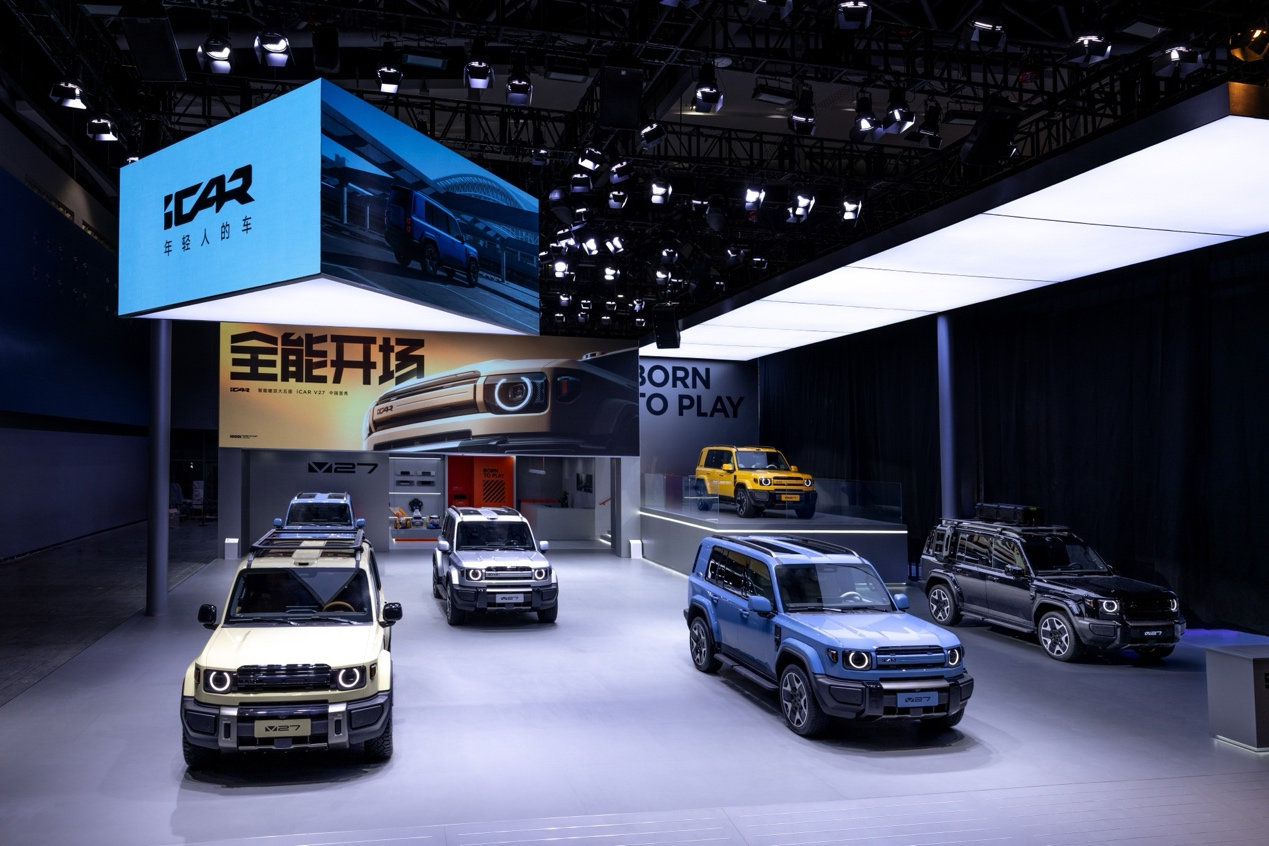
(Image Source: Chery)
Considering these advantages, Dianchetong (ID: dianchetong233) identifies three primary target groups for new energy off-road vehicles:
1. **Outdoor Enthusiasts and Camping Families**: They enjoy weekend mountain trips, lakeside camping, and long-distance expeditions, demanding high vehicle traction, external power discharge capabilities, and spacious interiors. New energy off-road vehicles meet these needs with their robust power, large cargo capacity, and high-power external discharge.
2. **Multi-Purpose Family Users**: With limited budgets, these users seek a single vehicle capable of handling urban commuting, family travel, and occasional off-roading, rejecting the need for a second car. New energy off-road vehicles, with their low energy consumption, high intelligence, comfort, and traction, are tailor-made for this group.
3. **Premium and Individualistic Users**: With ample budgets, these users seek unique designs, strong performance, high intelligence, and brand prestige, valuing brand image and user experience over ordinary SUV homogeneity.
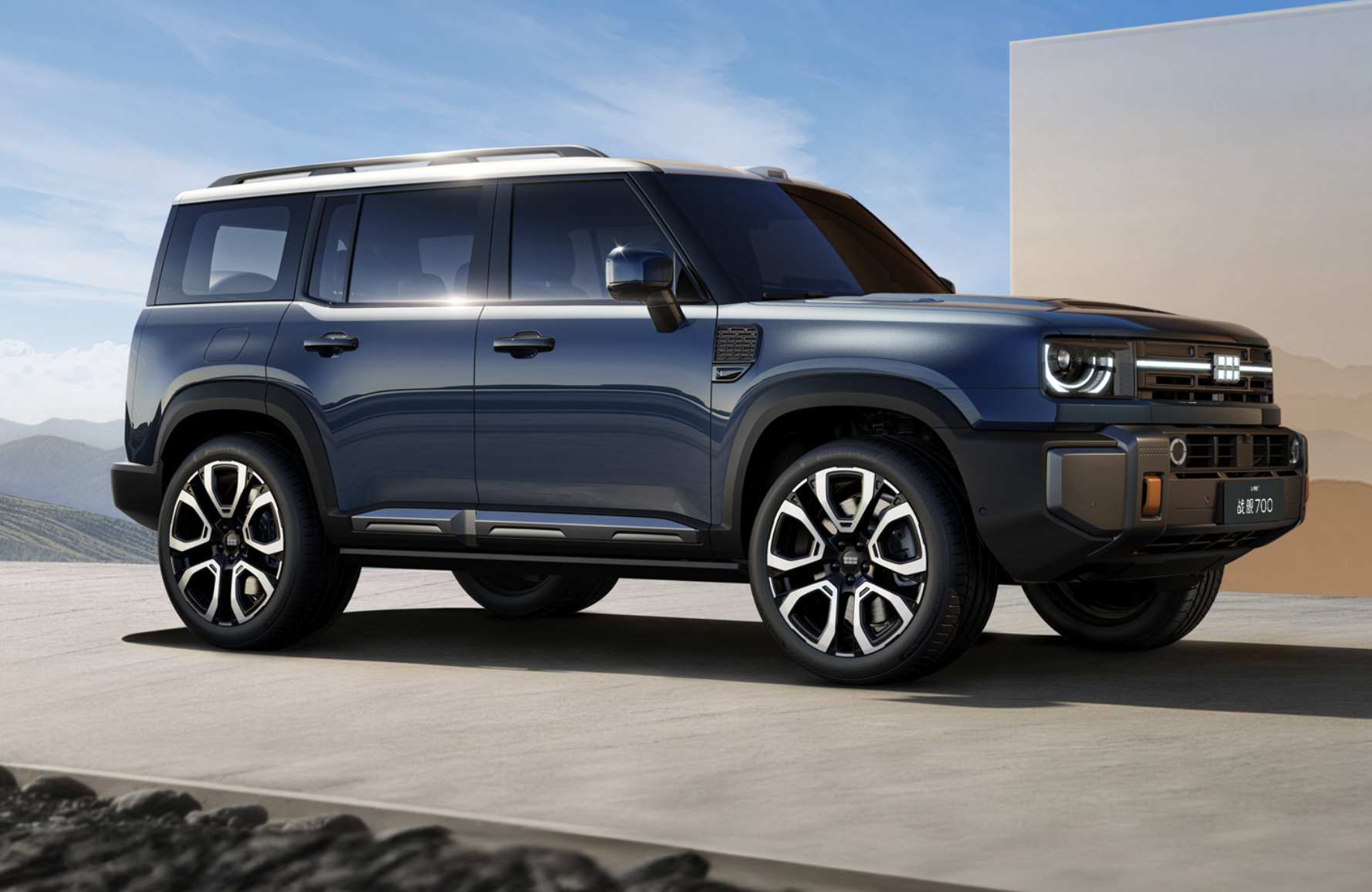
(Image Source: Geely Galaxy)
The appeal of new energy off-road vehicles to automakers and users stems from their fusion of rugged off-road performance with new energy advantages, while addressing the shortcomings of fuel-powered off-roaders and conventional new energy SUVs.
They retain body-on-frame construction and four-wheel drive systems while upgrading intelligence, comfort, and energy efficiency. For instance, the Tank 300 Hi4-T offers low fuel consumption and rich intelligent features, outperforming its fuel-powered counterpart. Compared to conventional new energy SUVs, new energy off-road vehicles provide higher body strength and traction for extreme off-roading.
New energy off-road vehicles cater to outdoor enthusiasts' expedition and camping needs, offer multi-purpose solutions for budget-conscious families, and provide premium styling and experiences for affluent users, comprehensively addressing diverse user demands.
Sustained Growth in New Energy Off-Roading: Differentiation is Key
The new energy era has revitalized the rugged off-road segment, with automakers flocking in due to market demand, technological breakthroughs, and industry competition.
Rapid advancements in new energy technology have resolved the high energy consumption, low comfort, and outdated intelligence of fuel-powered off-road vehicles. The high-torque nature of electric motors ensures robust power is no longer exclusive to large-displacement, premium off-roaders.
From Dianchetong's (ID: dianchetong233) perspective, these changes have transformed off-road vehicles from 'toys for the few' into 'affordable lifestyle choices for the masses,' making the rugged off-road segment the most promising growth area in the auto market.
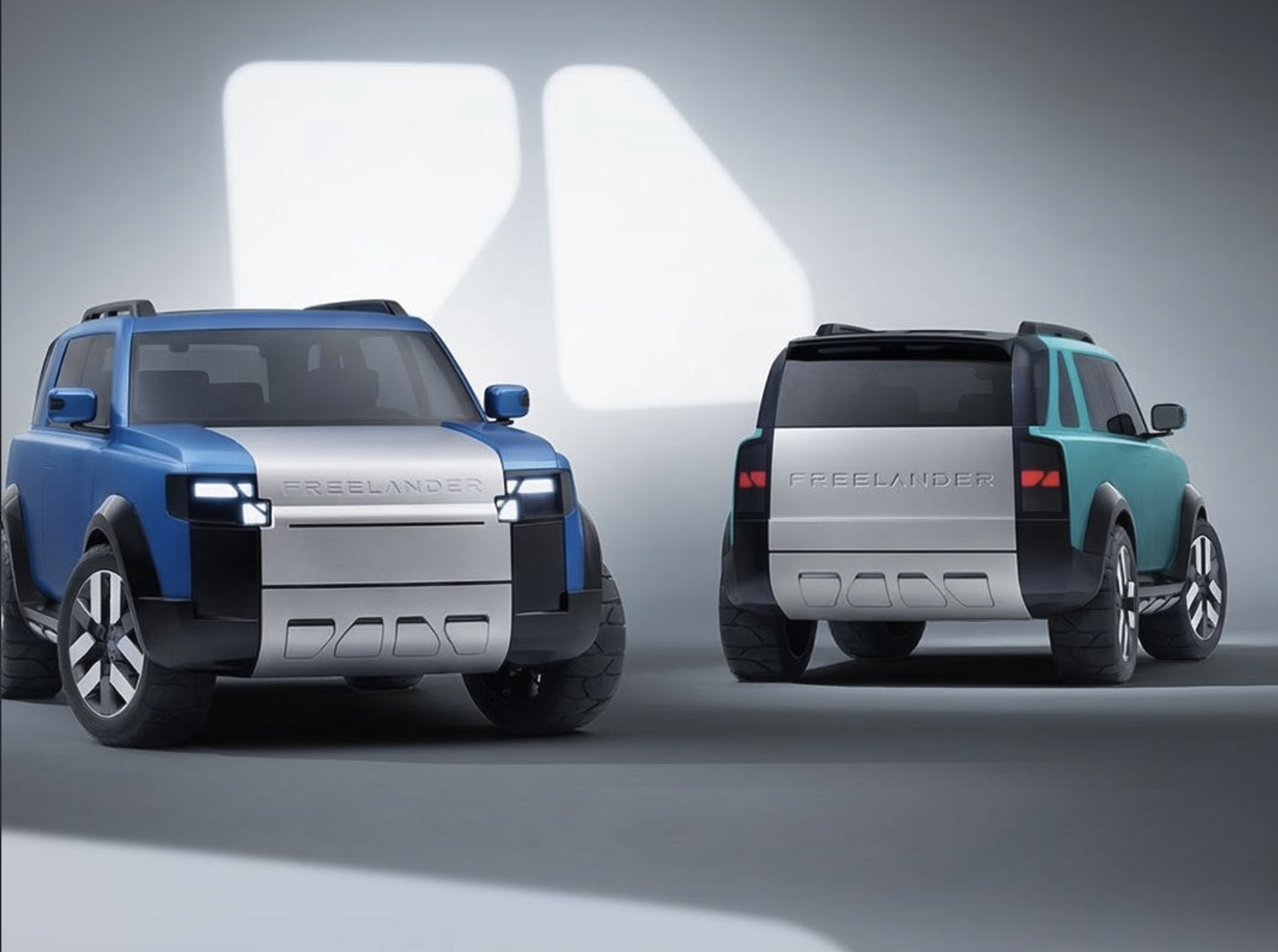
(Image Source: FREELANDER Discovery Sport)
In terms of market dynamics, early entrants like Great Wall and BYD have gained a head start, forming a 'leading pack.' Brands like Chery, Geely, Huawei, and Land Rover are carving out their niches through differentiation and capturing market share.
Dianchetong (ID: dianchetong233) predicts 2026 will be the optimal year to purchase a new energy off-road vehicle. With more new models launching, prices declining further, and a wider range of options – from RMB 150,000 entry-level to RMB 600,000 premium, from extended-range to pure electric, from family-oriented to extreme off-roading – there will be a perfect fit for every buyer.
For automakers, competition in the new energy off-road segment will intensify. Mere feature stacking will no longer suffice; success will hinge on technology, scenarios, branding, and service.
The rise of new energy off-roading transcends mere industry shifting; it's democratizing off-road culture.
As technology evolves and products improve, public perception is shifting. By 2026, the market will be even more vibrant, enabling more ordinary people to drive domestic new energy off-road vehicles to mountains, lakes, and beyond, fulfilling their off-road dreams.
(Cover Image Source: Geely Galaxy)
Off-Road Vehicles, Great Wall Motors, Huawei, Chery, Geely
Source: Leikeji (Lei Technology)
Images sourced from 123RF Royalty-Free Library
-
![]()
AIS-3700 Integrated Module | Synchronous Monitoring of PM2.5 and CO₂ for a High-Quality, Healthy Cabin
-
![]()
Alibaba and Google March Together in the Agent Era
-
![]()
"National Shrimp Farming": 50 Days of AI Arbitrage Frenzy and Its Sudden End
-
![]()
NetEase’s Timeless Classics Shine in Q1, Reinforcing Global Expansion
-
From 'Construction' to 'Effective Management': Shenzhen's Innovative Approach Tackles the 'Last Mile' Challenge in Telecom Governance
-
![]()
A New Yardstick in the AI Era Measures the Path of Tech Giants
-
![]()
Daily Earnings of $650 Million Fall Short: What’s Next for NVIDIA’s Growth Trajectory?
-
![]()
Industrial Integration: Kepler Chooses a Smarter Path