30,000 Units: A Critical Benchmark; 50,000 Units: A Sign of Market Dominance
 04/08 2026
 455
455
Editor|Chen Bailing
In March 2026, the competitive landscape among new automotive forces underwent a complete transformation.
Leapmotor topped the sales charts for three consecutive months, Li Auto regained its 40,000-unit monthly delivery milestone, and NIO experienced a 136% year-on-year surge. However, XPeng saw a year-on-year decline for the third consecutive month, falling out of the mainstream safety zone. An elimination race based on "systemic strength" is truly underway.

Let's delve into the data.
In March, Leapmotor delivered 50,029 units across its lineup, marking a 35% year-on-year increase and securing the top spot among new forces for the third consecutive month. Even Zhu Jiangming, the company's founder, acknowledged that this performance exceeded expectations. Last year, Leapmotor was still struggling to reach 30,000 monthly sales; this year, it has firmly established itself in the 50,000-unit club. These sales are supported by steady contributions from the C-series and B-series, along with the A10's strong breakthrough in the 100,000-yuan market, thanks to its "high-spec, low-price" strategy.
Li Auto delivered 41,053 units in March, showing a 12% year-on-year increase and a 55% month-on-month surge, fully recovering from the production fluctuations during the Lunar New Year. The Li i6 alone delivered approximately 24,000 units, becoming a key growth driver in the 200,000–300,000-yuan pure electric SUV market.
NIO's rebound was particularly remarkable. It delivered 35,486 units in March, surging 136% year-on-year and 70.6% month-on-month. The new ES8 claimed the top spot in the large luxury SUV market for three consecutive months, while the ONVO brand's deliveries grew 130% month-on-month, and the Firefly series exceeded 6,000 units for the first time, signaling a comprehensive push from the group's multi-brand strategy.

While some companies surged ahead, others struggled.
XPeng delivered 27,415 units in March, down 17.4% year-on-year—its third consecutive month of decline. The MONA M03 neared the end of its product lifecycle, and its replacement model had yet to be launched, leaving a noticeable gap in the product lineup.
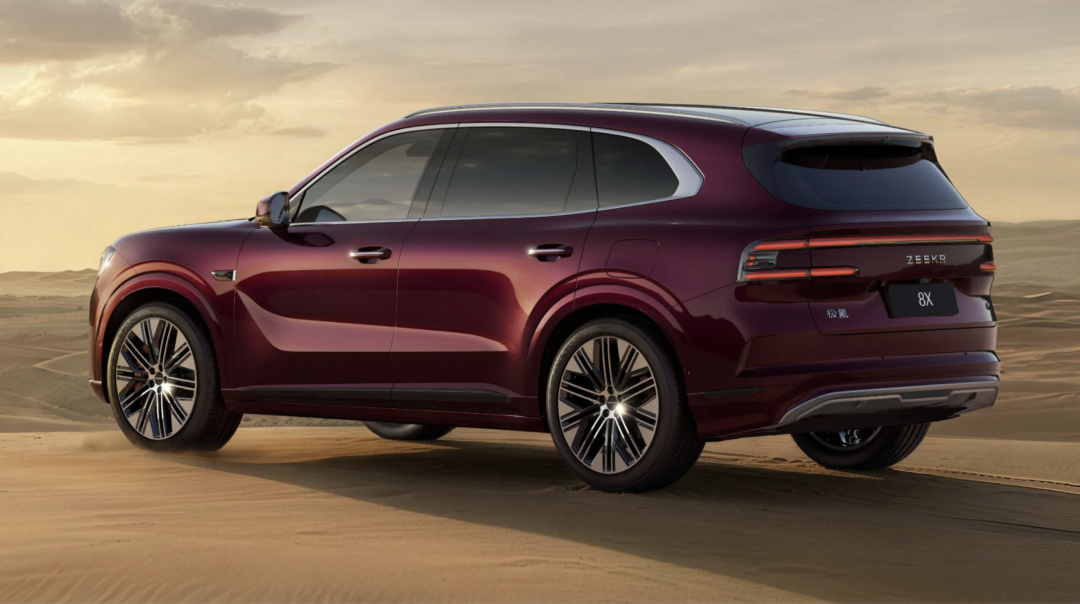
Zeekr delivered 29,318 units in March, up 90% year-on-year, falling just 682 units short of the 30,000-unit threshold—a near miss that kept it outside the scale safety zone.
Xiaomi delivered approximately 28,000 units, roughly flat year-on-year, failing to achieve a breakthrough in volume. Long wait times for certain configurations continued to constrain growth.
Deepal delivered 31,742 units in March, maintaining steady year-on-year growth and firmly establishing itself above the 30,000-unit mark. IM Motors delivered 7,187 units, and VOYAH delivered 15,019 units, both still in the climbing phase.

Three distinct tiers have emerged.
By 2026, new forces in the automotive industry had solidified into three strict tiers based on the 30,000-unit threshold, creating a highly rigid competitive landscape.
First tier (30,000+ scale safety zone): Leapmotor, Li Auto, NIO, and Deepal. Common traits include extremely clear strategies, self-reinforcing growth loops, and stable scale effects.
Leapmotor: Focuses on the 100,000–200,000-yuan segment, trading affordability for scale, then using scale to reduce costs—a virtuous cycle.
Li Auto: Dominates the family user mindset with a dual strategy of extended-range and pure electric models.
NIO: Builds a competitive moat with its battery-swapping network, continuously releasing brand momentum.
Deepal: Leverages the Changan system, precisely positions itself in the 150,000–250,000-yuan family market, and consistently breaks 30,000 units in sales.
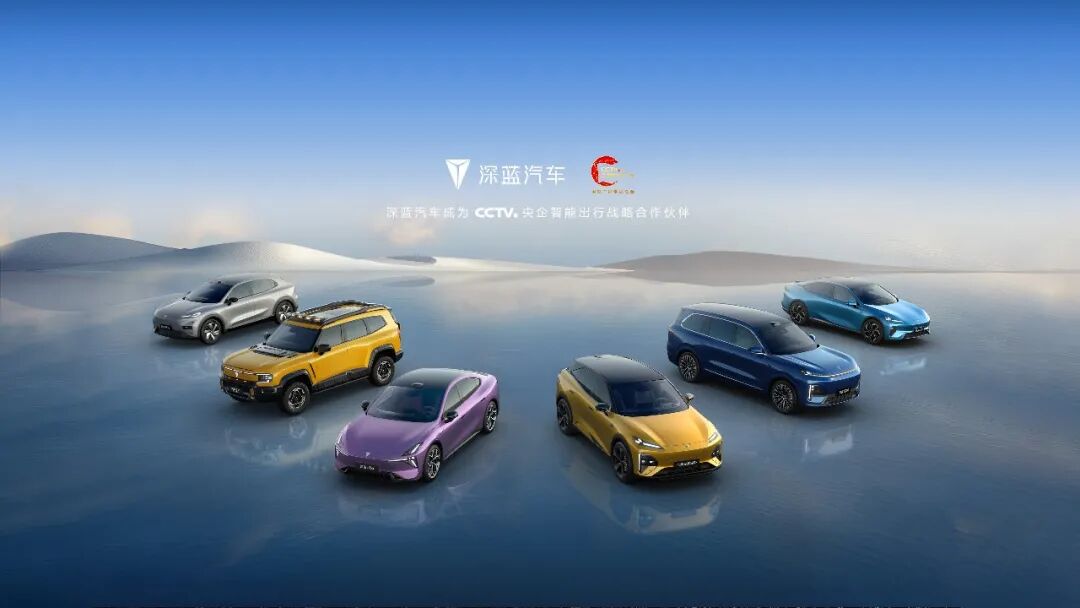
Second tier (20,000–30,000 breakthrough survival zone): Zeekr, XPeng, and Xiaomi. This tier is the most intense: crossing the threshold means mainstream status; failing to do so risks marginalization.
Zeekr: Boasts strong product strength and stable pricing but lacks a true volume blockbuster capable of exceeding 20,000 monthly sales.
XPeng: Technologically top-tier but consistently lags in product rhythm, pricing positioning, and iteration speed.
Xiaomi: Enjoys a strong reputation and buzz but remains constrained by production capacity and delivery cycles.
Third tier (below 20,000 niche struggle zone): IM Motors, VOYAH, and others survive in niche markets but have yet to build national-scale or brand barriers, facing immense climbing pressure.

The true survival threshold: 30,000 units.
Monthly deliveries of 30,000 units have become a hard survival threshold for new forces in 2026. This figure corresponds to the supply chain dilution critical point, procurement bargaining power, manufacturing cost amortization, and the ability to achieve positive gross margins. Below 30,000 units, maintaining a healthy profit model amid sustained price wars becomes difficult.
Zeekr's predicament is particularly telling: 29,318 units, just one step short of the scale threshold, yet unable to cross it.
However, XPeng warrants even greater caution. XPeng has never lacked technology—its XNGP remains in the industry's first tier. However, technological leadership has not translated into sales leadership due to a single core issue: insufficient focus on product definition and commercialization.
XPeng's product lineup is overly fragmented, attempting to cover every segment without creating a single blockbuster model exceeding 20,000 monthly sales. Without sufficient scale per model, supply chain costs, marketing efficiency, and brand visibility all suffer.
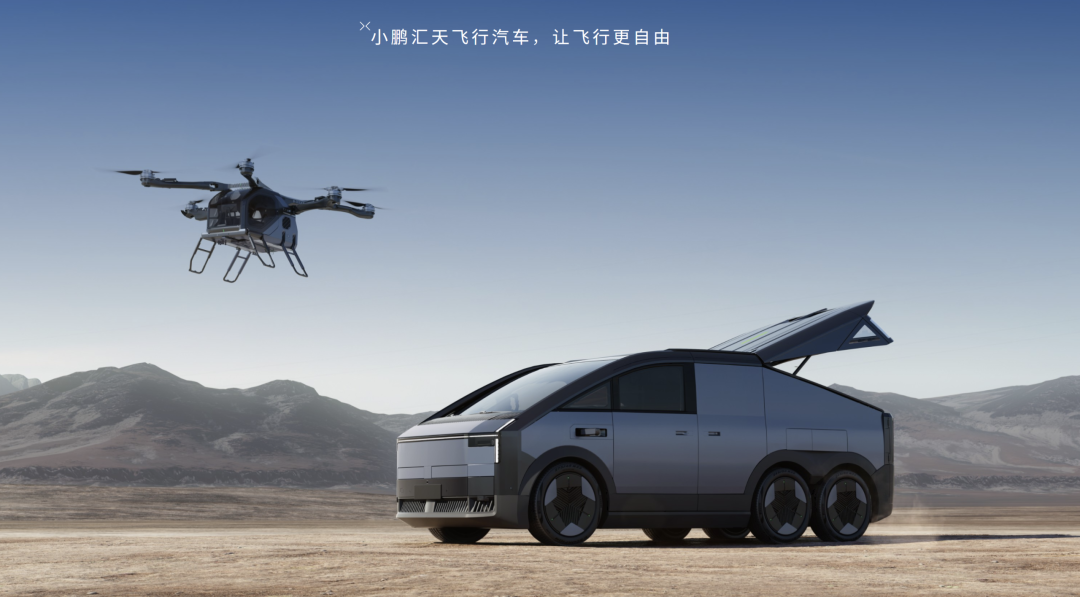
Meanwhile, XPeng has overextended into frontier businesses like flying cars and robots. While these represent long-term technological directions, they offer limited synergy with the core automotive business in the short term, diverting management attention and resource allocation.
In contrast, Leapmotor, despite a diverse model lineup, concentrates all models on the 100,000–200,000-yuan core price band, avoiding blind high-end pushes and resource dispersion. This extreme focus is key to its explosive scale growth.

Conclusion.
The 2026 competition among new forces has officially escalated from product battles to systemic strength. Product strength determines whether you can enter the market; systemic strength determines whether you can survive.
Leapmotor tore open the market with affordability, Li Auto defended its base with family positioning, NIO built a competitive moat with battery swapping, and Deepal scaled steadily with systemic robustness—each found its own "growth flywheel."
What XPeng truly needs to reflect on is not technological prowess but: What should I do, and what should I not do?
In the second half of the competition, spreading thin is no match for digging deep. This major shakeout has only just entered its most brutal phase.
Welcome to share, like, and leave comments.
The copyright of this work belongs to Xin Zuojia or related copyright holders. No third party may reprint it without authorization; otherwise, it constitutes infringement.
"Respect originality, respect attitude."
-
![]()
AIS-3700 Integrated Module | Synchronous Monitoring of PM2.5 and CO₂ for a High-Quality, Healthy Cabin
-
![]()
Alibaba and Google March Together in the Agent Era
-
![]()
"National Shrimp Farming": 50 Days of AI Arbitrage Frenzy and Its Sudden End
-
![]()
NetEase’s Timeless Classics Shine in Q1, Reinforcing Global Expansion
-
From 'Construction' to 'Effective Management': Shenzhen's Innovative Approach Tackles the 'Last Mile' Challenge in Telecom Governance
-
![]()
A New Yardstick in the AI Era Measures the Path of Tech Giants
-
![]()
Daily Earnings of $650 Million Fall Short: What’s Next for NVIDIA’s Growth Trajectory?
-
![]()
Industrial Integration: Kepler Chooses a Smarter Path