The United States Will Surrender to Electric Vehicles
 04/08 2026
 419
419
Lead
Introduction
When annual car ownership costs can be reduced by $20,000, even many oil-powered car enthusiasts who love the roar of internal combustion engines will "betray their camp."
A covert undercurrent in the Persian Gulf is quietly reshaping the future trajectory of the US auto market.
While Washington remains embroiled in debates over import tariffs and emissions standards, every oil tanker attack in the Strait of Hormuz is pushing US gasoline prices to new heights.
On April 7, the average gasoline price across the United States surged past $4.14 per gallon (approximately RMB 28.38, or about RMB 7.49 per liter), marking the highest level since 2022. Since late February, oil prices have skyrocketed by over 30%.
For American consumers accustomed to "large displacements and low oil prices," these figures serve as a wake-up call. A question once dismissed by many now demands serious consideration: Is driving a gasoline-powered car still cost-effective?
Originally, in the first quarter of 2026, the penetration rate of electric vehicles in the US auto market was halved. However, with soaring oil prices, the prevailing sentiment that "EVs save money" has begun to stir waves across the United States.
The clash between the pragmatism of "saving $20,000 a year" and the idealism of "loving the roar of internal combustion engines and the driving feel of gasoline cars" will once again collide violently.
From the American perspective, it seems that the unfolding events further confirm the correctness of the steadfast push for automotive electrification on the other side of the ocean.
01 Halved EV Market Now Being "Bullishly" Touted
When sorting through US market data and comparing it with evaluations from local institutions, the Automotive Press found striking contradictions.
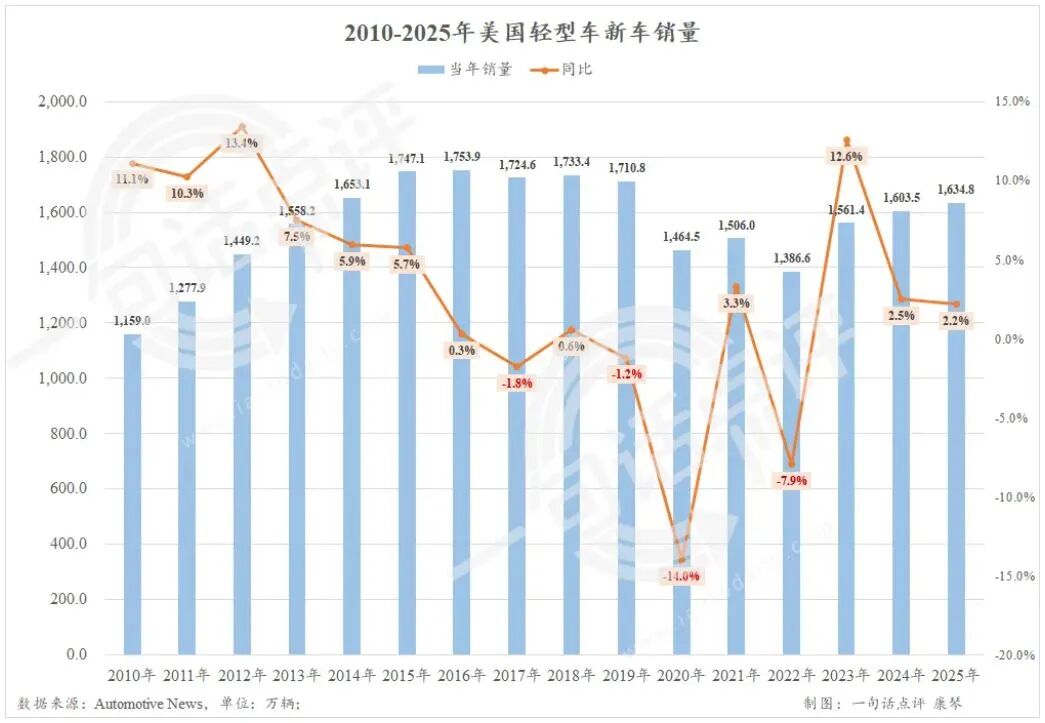
2026 has not been kind to the US auto market. In March, new light-duty vehicle sales plummeted by 14% year-on-year to 1.39 million units, halting three consecutive years of growth. The start of 2026 has been particularly unfavorable for electric vehicles in the United States; Cox Automotive predicts that EV sales in the first quarter will reach approximately 214,000 units, a 28% year-on-year decline.
In terms of EV penetration rate, the peak was reached at 10.5% before the end of the federal tax credit policy in the third quarter of 2025, but it fell to around 5% in the first quarter of 2026—more than halved.
High upfront purchase costs, uneven charging infrastructure, and the long-held belief that "oil prices aren't that expensive" have collectively formed three major barriers to EV adoption in the United States.
The reversal came swiftly. Conflicts between the United States, Israel, and Iran have not only driven up global oil prices but may also rewrite the structure of the US auto market.
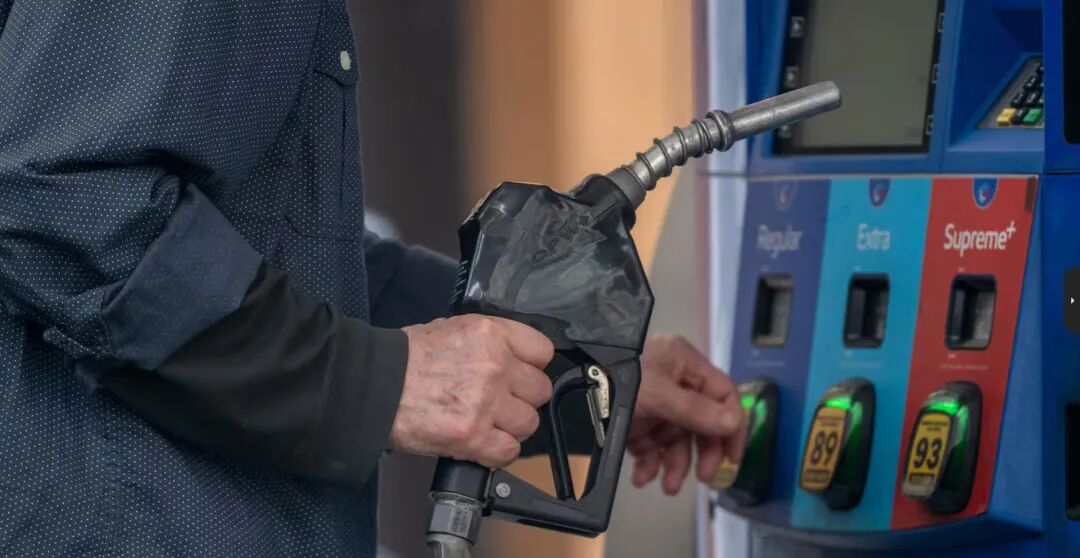
The ongoing conflict in Iran continues to escalate, with the Strait of Hormuz—the "throat" of global oil transportation—facing constant threats. Rob Sargent, Policy Director at Coltura, stated bluntly that as long as shipping disruptions in the strait continue, oil prices will remain high. AAA data shows that on April 7, the average gasoline price across the United States reached $4.14 per gallon, up from just $3.41 a month earlier.
What does this mean for the average American driver?
A recent analysis by Coltura provides a staggering figure: An average driver traveling approximately 15,000 miles (about 24,000 kilometers) annually can save $1,805 per year on fuel and maintenance by switching from a gasoline-powered car to an electric vehicle. At the current exchange rate, this equates to roughly RMB 13,000.
For drivers covering 25,000 miles annually (about 40,000 kilometers, such as Midwestern residents with longer commutes), annual savings soar to $3,008, or approximately RMB 22,000.
In other words, the money saved by driving an EV for a year is enough to buy the latest iPhone and fund a family trip to Disneyland.
Americans can do the math.
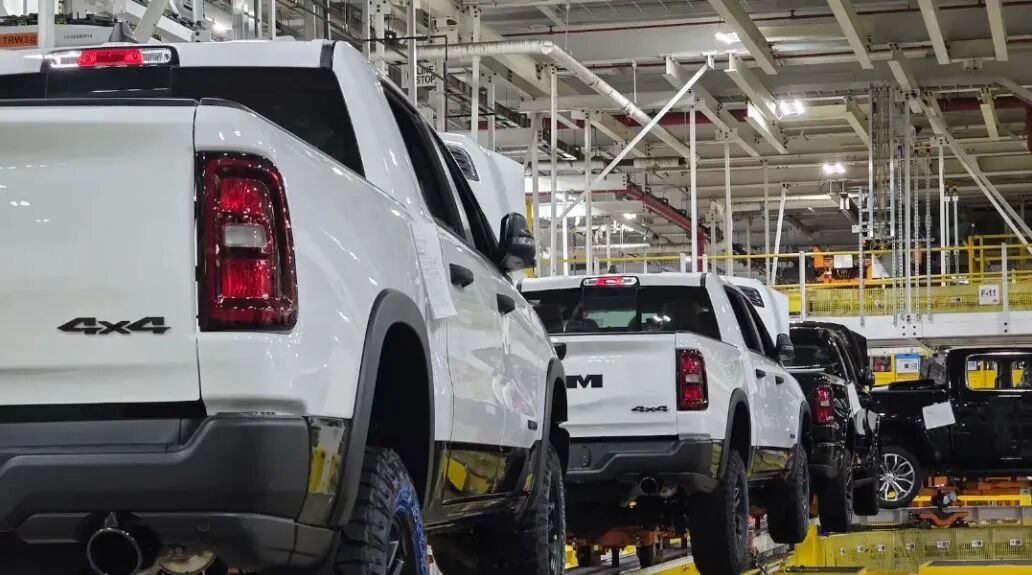
For a long time, the mainstream view in the US auto market has been that America enjoys some of the lowest oil prices globally, and with its vast land and well-developed highway system, large-displacement pickup trucks and SUVs truly embody the "American spirit."
Even as China and Europe vigorously shift toward electrification, the United States could have taken a divergent path—continuing to embrace internal combustion engines and the roar of V8s.
But the Iranian conflict is shattering this dream. With gasoline prices exceeding $4 per gallon, a fuel-powered pickup truck consuming 12 liters per 100 kilometers burns nearly $0.50 worth of fuel per mile.
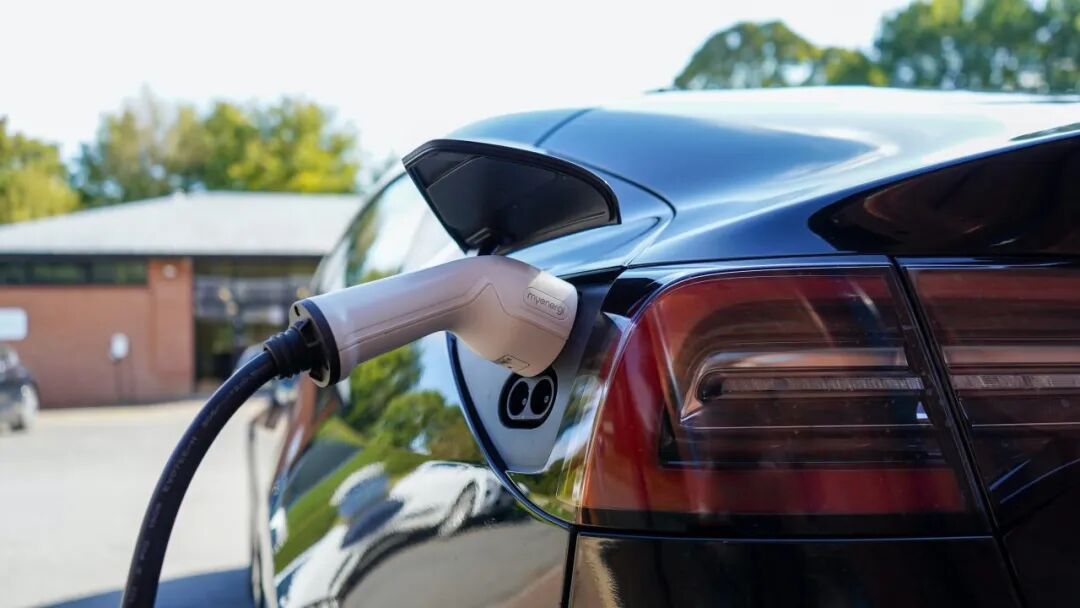
In contrast, even if an EV relies entirely on external charging, its "electricity cost" per mile is just one-third to one-fourth that of a gasoline-powered car. If charging primarily occurs at home (Coltura's model assumes 80% home charging), the gap widens further.
02 Automaker Discounts and the Allure of Used EVs
Two additional factors are fueling optimism and investment in electric vehicles: automakers' long-term development plans and the impact of the used EV market.
The market is always the first to sense changes in temperature. Faced with sluggish EV demand, US automakers and dealers have launched aggressive price wars.
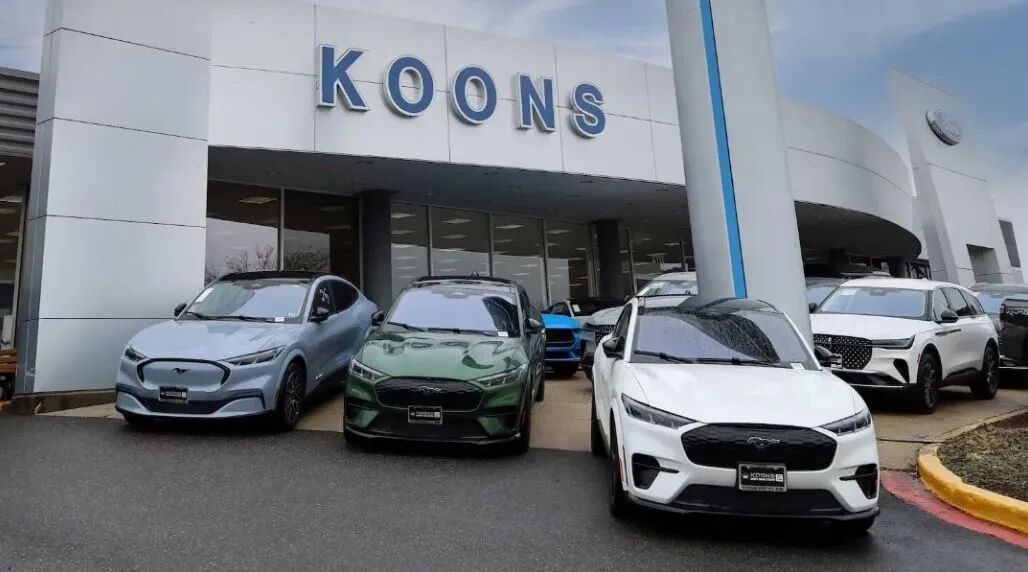
Data from J.D. Power and GlobalData shows that in March, the average discount on EVs in the United States reached $11,258 (approximately RMB 77,000), while the average discount for other vehicle types was just $3,030 (approximately RMB 21,000)—nearly four times less.
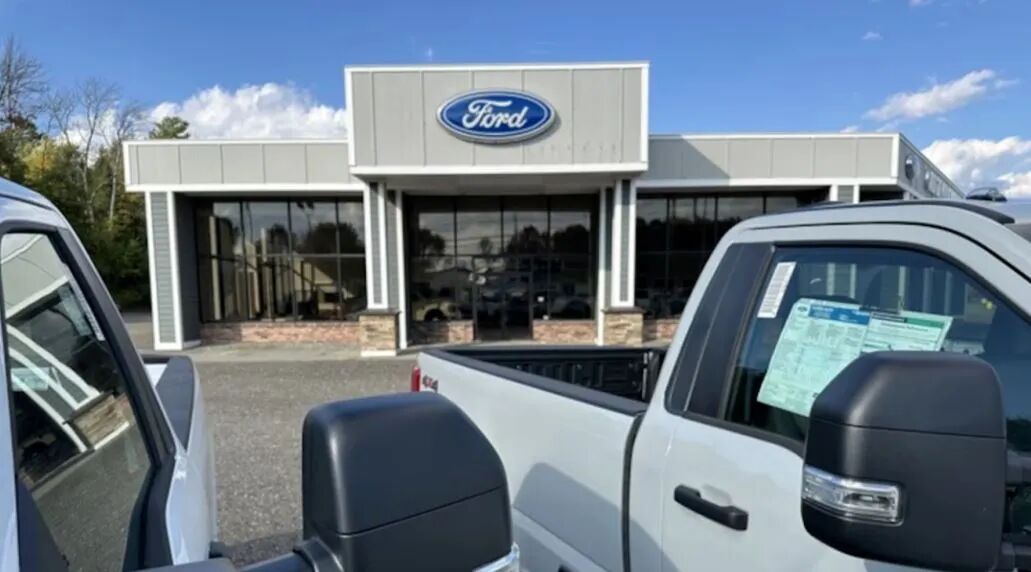
The Ford Mustang Mach-E electric SUV offers a $10,000 discount, with the F-150 Lightning eligible for up to $16,000 in combined discounts; Honda provides a $10,000 discount on the 2025 Prologue EV; the Chevrolet Equinox EV RS offers at least $8,750 in cash discounts; the Hyundai Ioniq 5 and Ioniq 9 are eligible for up to $6,000 and $10,000 in discounts, respectively.
Even Toyota, traditionally "aloof," offers up to $5,000 in cash discounts or $7,000 in leasing incentives for its newly launched bZ Woodland and C-HR electric models.
Dave Christy, Vice President of Toyota North America Group, stated representatively: "Offering larger discounts on EVs now is to prepare for future growth in this market segment."
In plain terms: Selling EVs at a loss now is to avoid being left behind in the future.
This is a high-stakes gamble. The bet is that oil prices won't quickly decline, that American consumers will ultimately calculate the annual savings of RMB 10,000–20,000, and that the long-term trend toward electrification is irreversible.
Echoing automakers' efforts to drive EV growth through discounts, used EVs represent an overlooked "grassroots" approach.
This is because, even with discounts, the starting price of a new EV remains above $40,000, still a significant sum for many American households. However, Coltura Policy Director Sargent points out a fact overlooked by mainstream discourse: The used EV market is making EVs "extremely affordable."
"In reality, many people now genuinely cannot afford not to buy an EV," Sargent said.
With advancements in battery technology and home charging becoming mainstream, while used EVs may not retain their value as well as gasoline-powered cars, for budget-conscious consumers, this means they can purchase a decent used EV at a very low price.
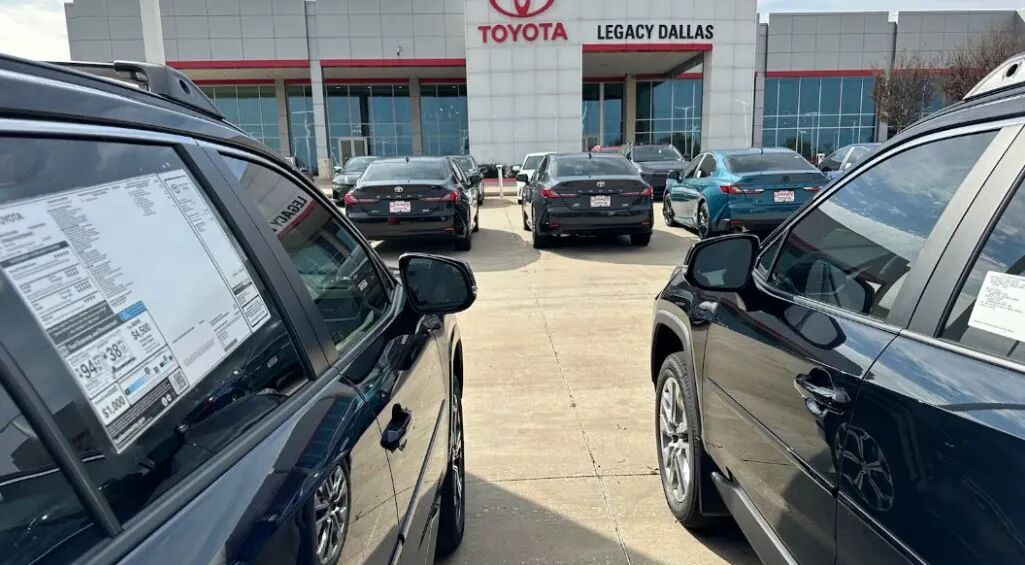
In the United States, a three-year-old used Tesla Model 3 can now be purchased for under $25,000, while a similarly aged used Toyota Camry is more expensive. When factoring in annual savings of $1,800 on fuel and maintenance, the total cost gap over five years becomes even more striking.
03 "Surrender" Is Only a Matter of Time
The transition to electric vehicles will not be smooth sailing in either China or the United States.
In the comment sections of the Automotive Press's graphic and video platforms, there are always voices proclaiming, "Electric vehicles are just toys—low-tech golf carts for the elderly," or "Why buy an EV when you can have a gasoline car?"
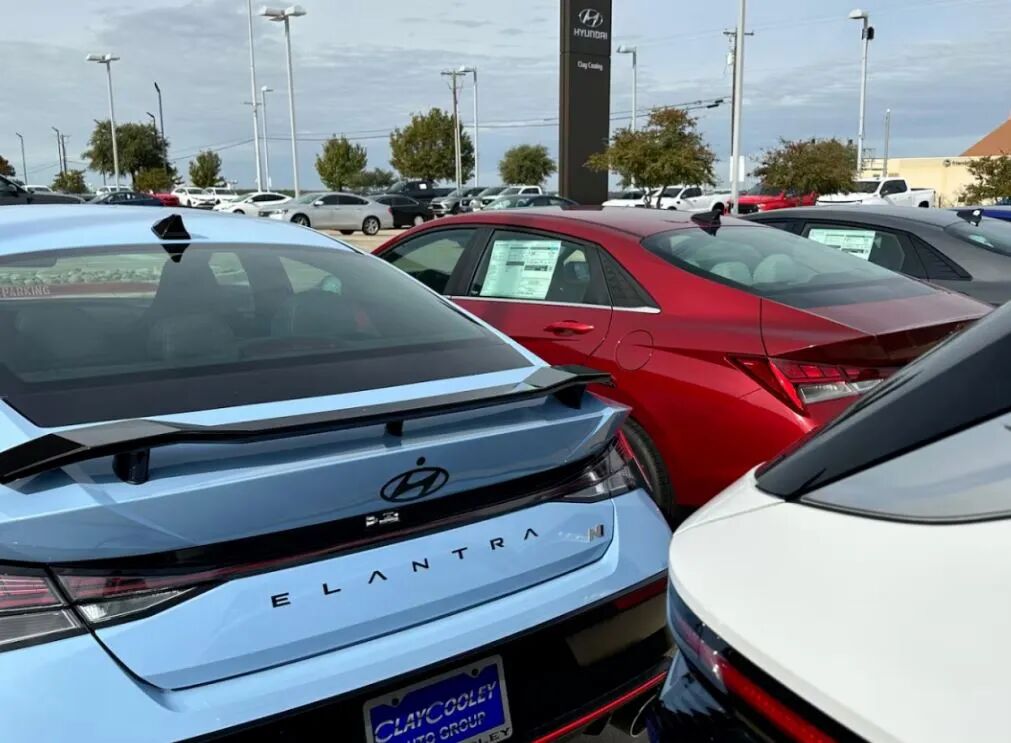
What about the United States? A year ago, countless analysts proclaimed that "the inflection point for EVs in the US has arrived," believing that with the delivery of the Tesla Cybertruck and accelerated electrification efforts by traditional automakers, the United States would swiftly follow China's lead. When EV penetration rates collapsed in the first quarter, many gasoline car enthusiasts gleefully left comments to "prove them wrong."
The Trump administration is actively slowing down the electrification transition—abolishing the $7,500 EV tax credit, challenging California's 2035 zero-emission mandate, and promoting regulations favorable to fossil fuels—pushing pro-gasoline sentiment to its peak.
Yet it was Trump who, with a "Middle East haymaker," completely reversed the momentum of gasoline-powered vehicles.
As Jürgen Reers, Global Head of Automotive and Mobility at Accenture, stated: "Completely abandoning electric mobility is unwise because the fundamental trend toward electrification remains."
The Iranian conflict will eventually subside, and oil prices may retreat. However, American consumers have already experienced the "pain of high oil prices," and this pain will not disappear easily. Once they begin seriously calculating the ownership costs of EVs, once charging infrastructure improves further, and once more affordable EVs hit the market—the "surrender" of the US market to electric vehicles will become only a matter of time.
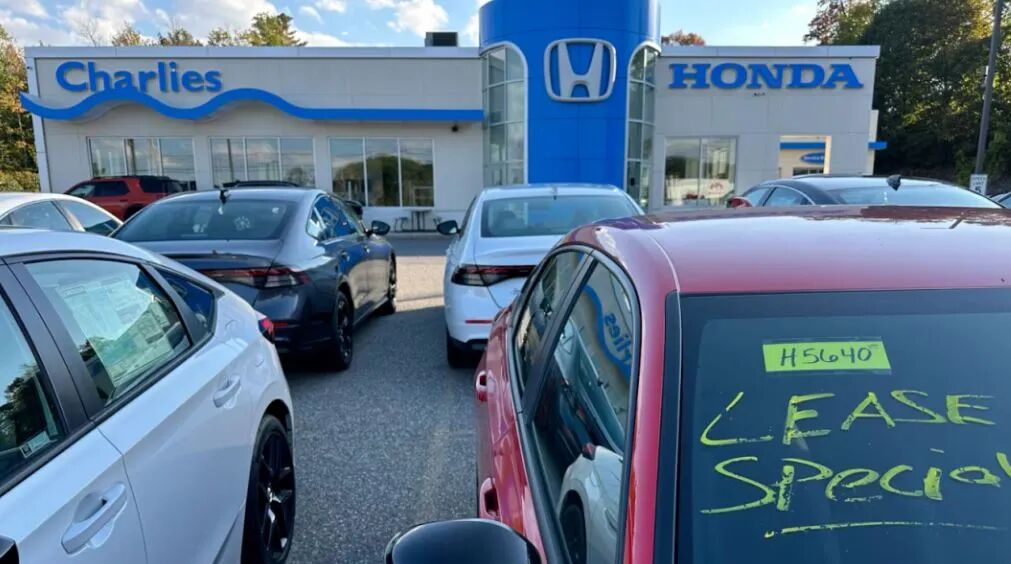
Coltura's warning merits deep reflection from every American: "We will cede leadership, and the result will be millions of Americans paying excessively high costs for fuel."
The halving of EV penetration rates, from 10.5% to 5%, is merely a temporary setback. The breakthrough of oil prices past $4 per gallon is the alarm clock that truly jolts American consumers from their "V8 nostalgia."
When saving RMB 20,000 annually becomes a tangible reality, when used EVs are cheaper than used gasoline vehicles, and when every trip to the gas station becomes a painful experience—Americans will vote with their wallets.
History does not repeat itself exactly, but it often rhymes. Once, two oil crises allowed fuel-efficient Japanese cars to conquer the US market; today, the Iranian conflict may prove to be the true inflection point for EV adoption in the United States.
Only this time, the "surrender" is not to vehicles from the Land of the Rising Sun but to those from Silicon Valley, Detroit, and even Beijing and Shanghai—a new race belonging to the electric era.
Editor-in-Chief: Shi Jie Editor: He Zhengrong
THE END
-
![]()
AIS-3700 Integrated Module | Synchronous Monitoring of PM2.5 and CO₂ for a High-Quality, Healthy Cabin
-
![]()
Alibaba and Google March Together in the Agent Era
-
![]()
"National Shrimp Farming": 50 Days of AI Arbitrage Frenzy and Its Sudden End
-
![]()
NetEase’s Timeless Classics Shine in Q1, Reinforcing Global Expansion
-
From 'Construction' to 'Effective Management': Shenzhen's Innovative Approach Tackles the 'Last Mile' Challenge in Telecom Governance
-
![]()
A New Yardstick in the AI Era Measures the Path of Tech Giants
-
![]()
Daily Earnings of $650 Million Fall Short: What’s Next for NVIDIA’s Growth Trajectory?
-
![]()
Industrial Integration: Kepler Chooses a Smarter Path