How Do You Perceive the Ideal AI Glasses, Livis?
 12/04 2025
 629
629
Manufactured by Zhineng Technology
Yesterday, Li Auto unveiled its cutting-edge AI glasses, Livis. This innovative product seamlessly integrates glasses with speakers, cameras, Bluetooth connectivity, and a sophisticated large model interface. Li Auto envisions its car owners donning this product effortlessly at all times, thereby transforming it into a personal smart terminal.
Glasses, as the most intuitive form of wearable technology, hold the potential to become the next breakthrough in AI interaction hardware. Features such as photography, audio, interaction, AI, and vehicle control can all be consolidated into a single device.
Livis is designed with three core objectives in mind: naturalness, lightness, and seamless integration.
Note: At present, this product seems to primarily enhance convenience for Li Auto owners, somewhat akin to NIO's development of a smartphone.
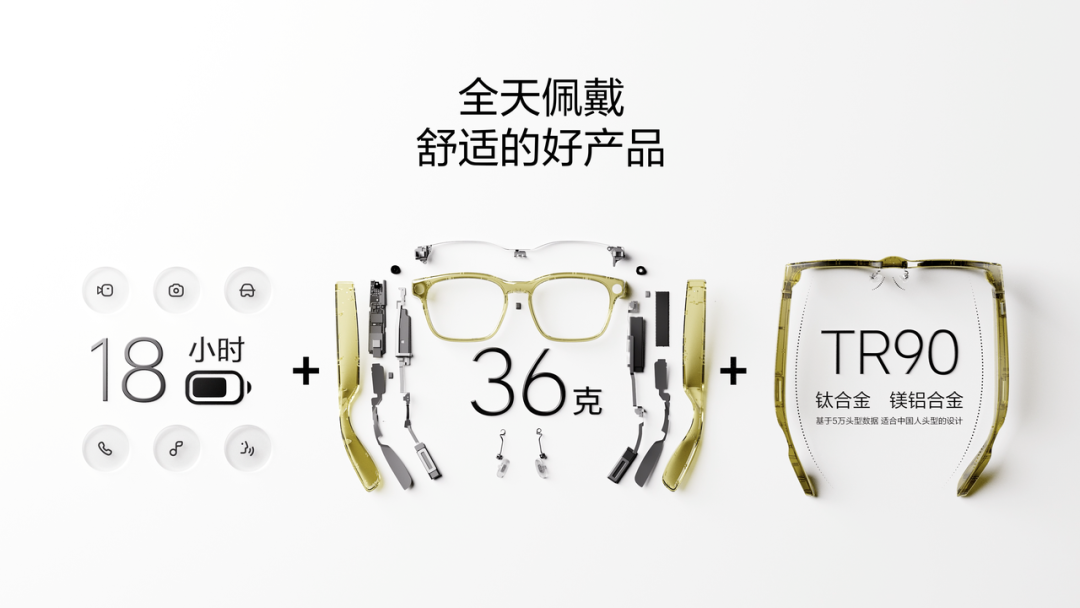
From the launch event, Li Auto selected the glasses form factor because it is more personal than smartphones, offers richer multimodal capabilities than earphones, and provides stronger sensing and longer wearability than watches. They are ready to use immediately upon wearing, requiring no learning curve and not disrupting users' natural habits.
Livis aims to be an 'always-online AI assistant.' MindGPT-4o can respond within milliseconds, a crucial prerequisite for the product's success.
Of course, the most compelling selling point is that glasses are closest to the user and to the driving scenario, making them an ideal vehicle control entry point. Li Auto aims to further streamline the interaction chain between smartphones and vehicle infotainment systems, enabling users to simply 'use their voice' and 'eyes'.
The weight of Livis is a notable feature, at just 36g. If they cannot be worn all day like regular glasses, they cannot truly become smart terminals.
However, the weight constraint also presents a challenge: the absence of a screen, which one might expect from an 'ideal' AI glasses.
Therefore, Li Auto's glasses are more akin to optional accessories for Li Auto vehicles:
◎ First-person video recorder with 0.7-second flash shooting, Live Photo, and video recording capabilities, enabling life to be recorded without relying on smartphones, thereby increasing recording frequency and naturalness.
◎ Earphones: Open spatial audio, simulating the 'headrest speaker' experience, essentially functioning like Apple's wireless earphones, offering enhanced safety for walking and driving.
◎ Native AI interaction carrier with 300ms wake-up and 800ms interaction completion. The Li Auto Companion App is deeply integrated with vehicle control, which is the essence of Livis, directly determining its 'usage frequency' and 'stickiness'.
◎ Vehicle control + driving scenario adaptation: Designed for use while driving, with clear HUD visibility. Vehicle control functions include air conditioning, tailgate, seats, refrigerator, and navigation. Livis must be worn while driving.

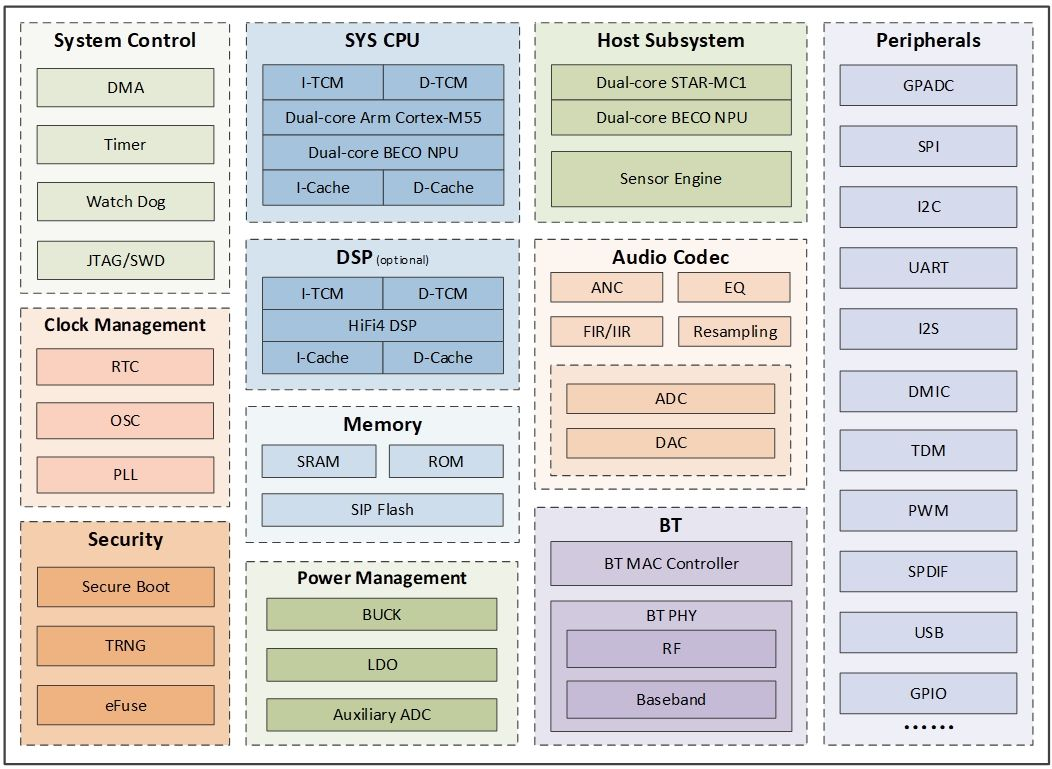
The BES2800 chip from Bestechnic is an advanced 6nm smart wearable SoC launched in 2024, integrating CPU, GPU, NPU, storage, Wi-Fi, and Bluetooth functionalities.
Compared to its predecessor, this chip offers significant enhancements in performance, power consumption, and technological innovation. It has been applied in smart earphones like the Samsung Galaxy Buds3 Pro and AR smart glasses, primarily for controlling the entire product and connecting with smartphones and vehicles.
Summary
Overall, this design appears to be more of an experimental venture. We can observe its progression and see how it unfolds.
-
On the Eve of Its IPO, Avatr Finds Itself Embroiled in a 'Farce of Controversy and Belittlement'
-
![]()
Yutong Optics' Japanese Subsidiary Unveiled in Tokyo, Shifting Strategic Focus to Technology-Driven Growth
-
![]()
Half-Year Revenue Outstrips Last Year’s Total! Zhongrun Optics Forecasts 80.2% H1 Revenue Growth
-
![]()
Why Does AI Competition Start with Computing Power?
-
![]()
Apple AI Finally Makes Its Debut in China, Yet iPhone's 'AI Autonomy' Faces Uncertainty
-
![]()
Apple AI and QianWen Make Up Lessons: Alibaba Has Its Own 'Doubao Phone'
-
![]()
QianWen Joins Apple, Signal for Large Models to ‘Fade into the Background’
-
![]()
The ‘Anchor’ Strategy of Google Hidden Behind the Bleeding Financial Report