OPPO Find X9 Ultra Review: Portraits No Longer 'Hard-Edged,' Light and Shadow Understanding Reaches New Heights
 04/22 2026
 718
718
Finally, the last 'Ultra' model has been released.
Finally, the last 'Ultra' model from a domestic smartphone brand has been released.
Last year, when reviewing the OPPO Find X8 Ultra, I said, 'It is the only 'Ultra' model on the market that excels in every aspect.'
From a positive perspective, this proves that the OPPO Find X8 Ultra is far more practical than its competitors. However, from a negative standpoint, it suggests that it is not quite 'Ultra' enough and lacks distinctiveness.
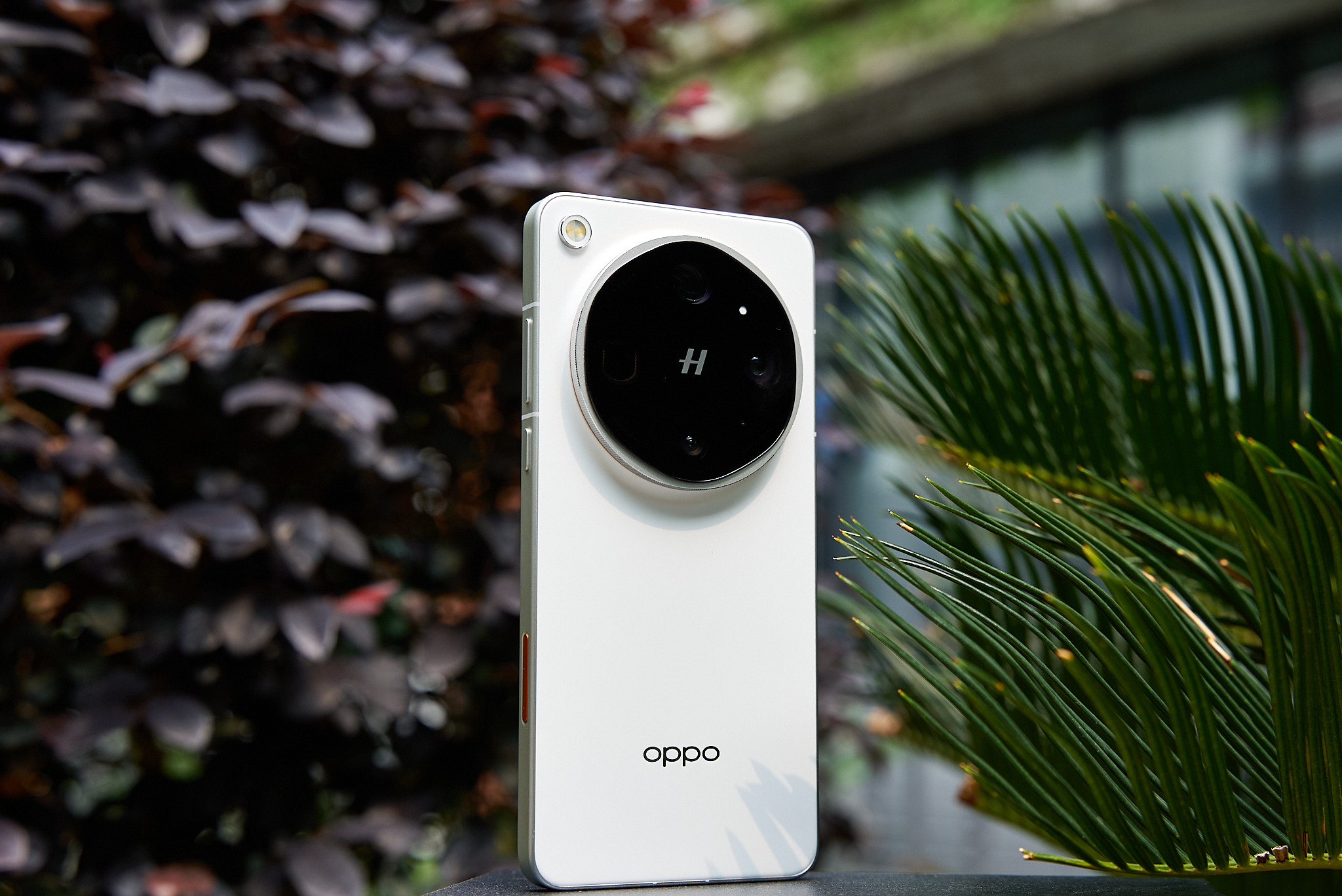
(Image Source: Leitech Photography)
So, as OPPO's fourth-generation Ultra model, does the OPPO Find X9 Ultra truly understand the definition of 'Ultra'? Here is my review report for you.
In terms of pricing, the OPPO Find X9 Ultra is available at the following prices:
12+256GB: 7,499 yuan;
12+512GB: 7,999 yuan;
16+512GB: 8,499 yuan;
16+1TB version: 9,299 yuan;
16+1TB satellite communication version: 9,499 yuan;
16+1TB Hasselblad Land Explorer Set: 11,999 yuan.
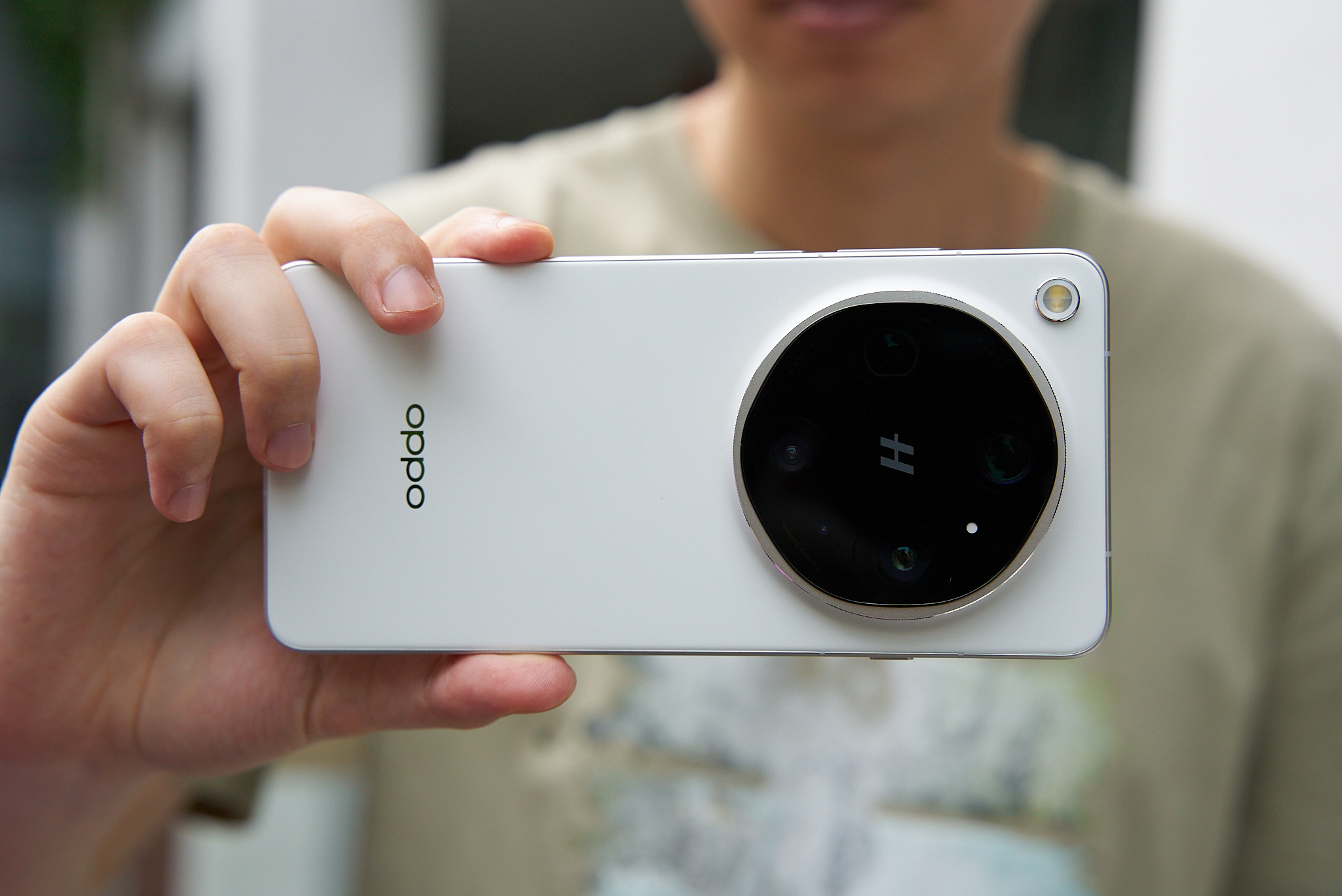
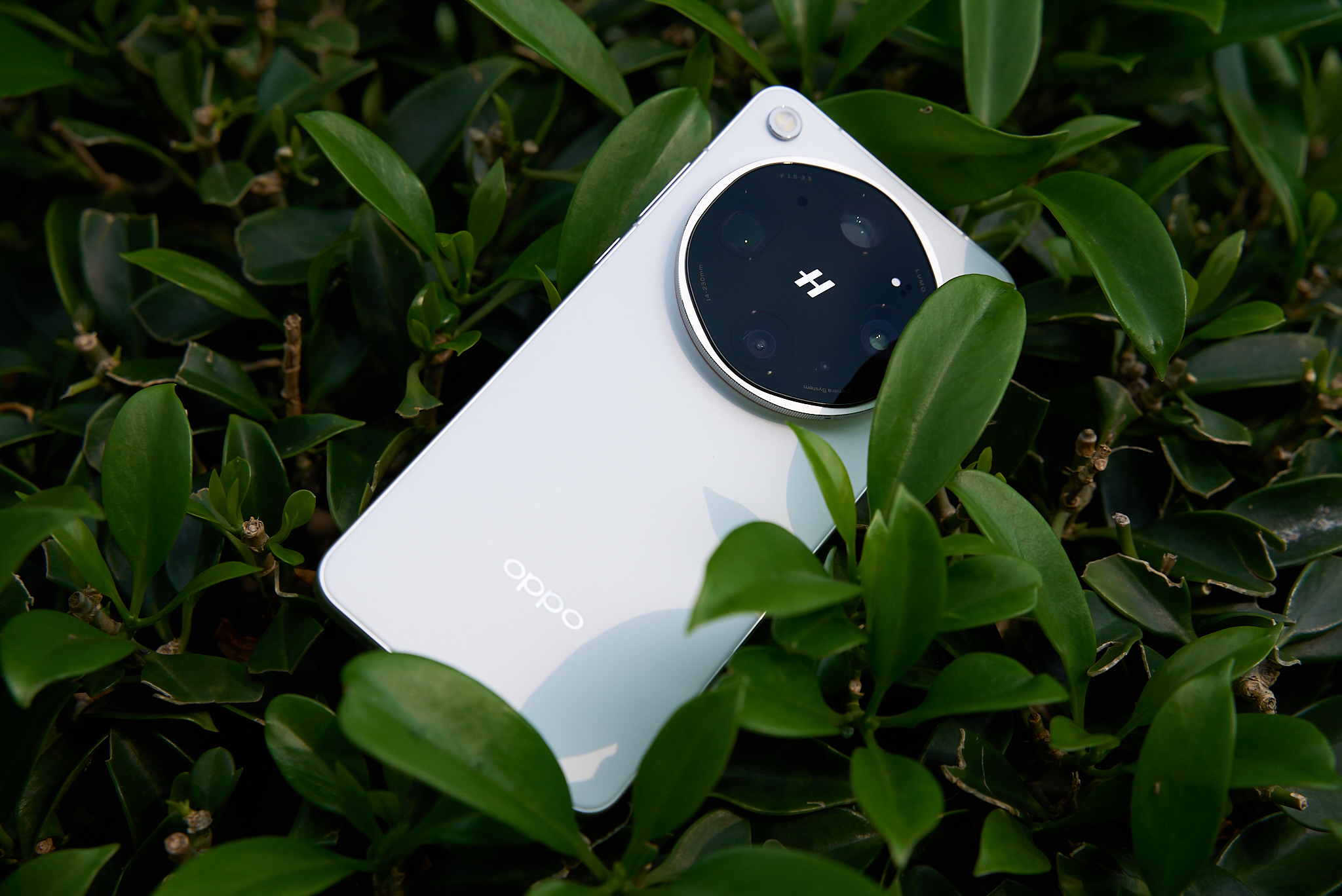
Last year's OPPO Find X8 Ultra was the only model on the market equipped with a five-camera setup on the rear (although one of them was an auxiliary imaging Danxia Original Color lens), but that did not detract from its status as the most heavily stacked imaging flagship at the time. The current OPPO Find X9 Ultra continues this advantage, not only featuring five rear cameras but also significantly improving their specifications and quality compared to the previous generation.
(Image Source: Leitech Photography)
The most noteworthy feature is the 200-megapixel large-sensor primary camera, which boasts impressive specifications: LYT-901 sensor, 1/1.12-inch size, F1.5 ultra-large aperture, 7P lens, OIS optical image stabilization, and an 84.4° FOV. Interestingly, last year OPPO claimed during the promotion of the Find X8 Ultra that 'No 1-inch sensor, no flagship status.' This year, OPPO has followed the trend by choosing a more advanced manufacturing process, but the sensor size has been reduced from 1.02 inches to 1/1.12 inches. I wonder how OPPO will promote it this time?
Nevertheless, this sensor represents a significant upgrade over the previous generation. OPPO officially states that the light intake of this sensor has increased by 10%. We will discuss its specific performance in detail during our hands-on experience later.
For reference, here are the specifications of the other lenses: a 14mm focal length 50-megapixel LYT-600 ultra-wide-angle lens, a 70mm focal length 200-megapixel OV52A ultra-large-sensor ultra-clear telephoto lens, a 230mm focal length 50-megapixel JNL 10x optical zoom telephoto lens, and a second-generation Danxia color reproduction lens.
Despite its feature-packed configuration, the OPPO Find X9 Ultra surprisingly offers a decent hand feel. Compared to its competitors, it is neither the heaviest nor the one with the most protruding camera module. It even avoids the feeling of being top-heavy when held in hand.
If I have to nitpick, the screen's rounded corners are excessively large, making the overall grip feel particularly wide. Unless you have large hands like mine, holding it with one hand can be challenging.
(Image Source: Leitech Photography)
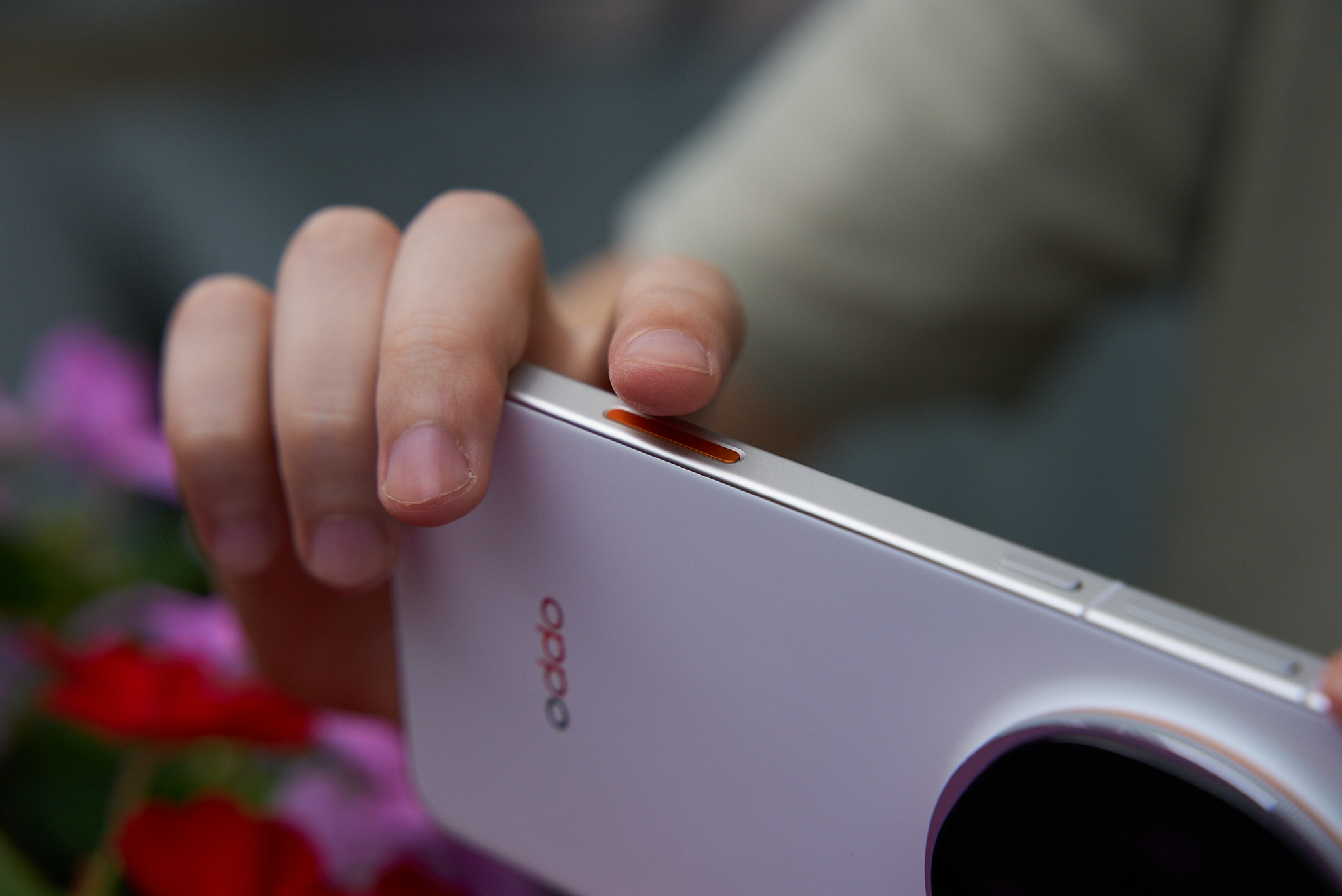
In terms of other design aspects, there are no significant differences or changes between the OPPO Find X9 Ultra and the Find X8 Ultra, which is somewhat disappointing to me. The only visually distinguishable features are the internal shape of the camera module's Deco and the orange button located at the bottom right of the device. The overall recognition (distinctiveness) is not particularly high.
When purchasing an imaging flagship, what you are essentially buying is focal length freedom. Often, people fail to take good photos because they are greedy and try to fit everything into the frame, resulting in a cluttered and unfocused 'mishmash.'
This is why I have always believed that the telephoto lens is the soul of an imaging flagship, as it allows users to capture a good photo at the lowest cost. In the past, telephoto lenses in smartphone photography played an awkward role. Limited by internal space and the thickness constraints of periscope lenses, the sensor sizes of telephoto lenses in most smartphones were pitifully small.
Once the sun sets or you enter an indoor environment with complex lighting, the image quality of these telephoto lenses would plummet, resulting in dim and noisy photos.
The core upgrade of the Find X9 Ultra is the inclusion of two high-quality periscope telephoto lenses: a 200-megapixel ultra-large-sensor lens for medium focal lengths and a 50-megapixel telephoto lens for ultra-long-range photography.
By the way, these are not just digital zooms that rely on cropping to deceive users; they offer genuine physical optical resolution.
For example, when you are strolling in a park on the weekend, using the primary camera would capture children running around in an open space, chatting aunties, and passersby busy taking selfies. However, once you switch to the telephoto lens, the entire scene becomes instantly cleaner.

(Image Source: Leitech Photography)
The spatial compression effect of the telephoto lens directly eliminates those cluttered backgrounds, leaving only the subject you want to photograph.
Thanks to its large sensor and 200-megapixel resolution, even when you zoom in significantly, the details of the subject remain intact. You do not need to walk a hundred meters to get closer or even stand up; just sit on a chair, raise your phone, and press the shutter button.
This is why I believe imaging flagships are actually more suitable for 'novices.' Their powerful hardware filters out the clutter of the real world, making photography as simple as aiming at the target and pressing the shutter.
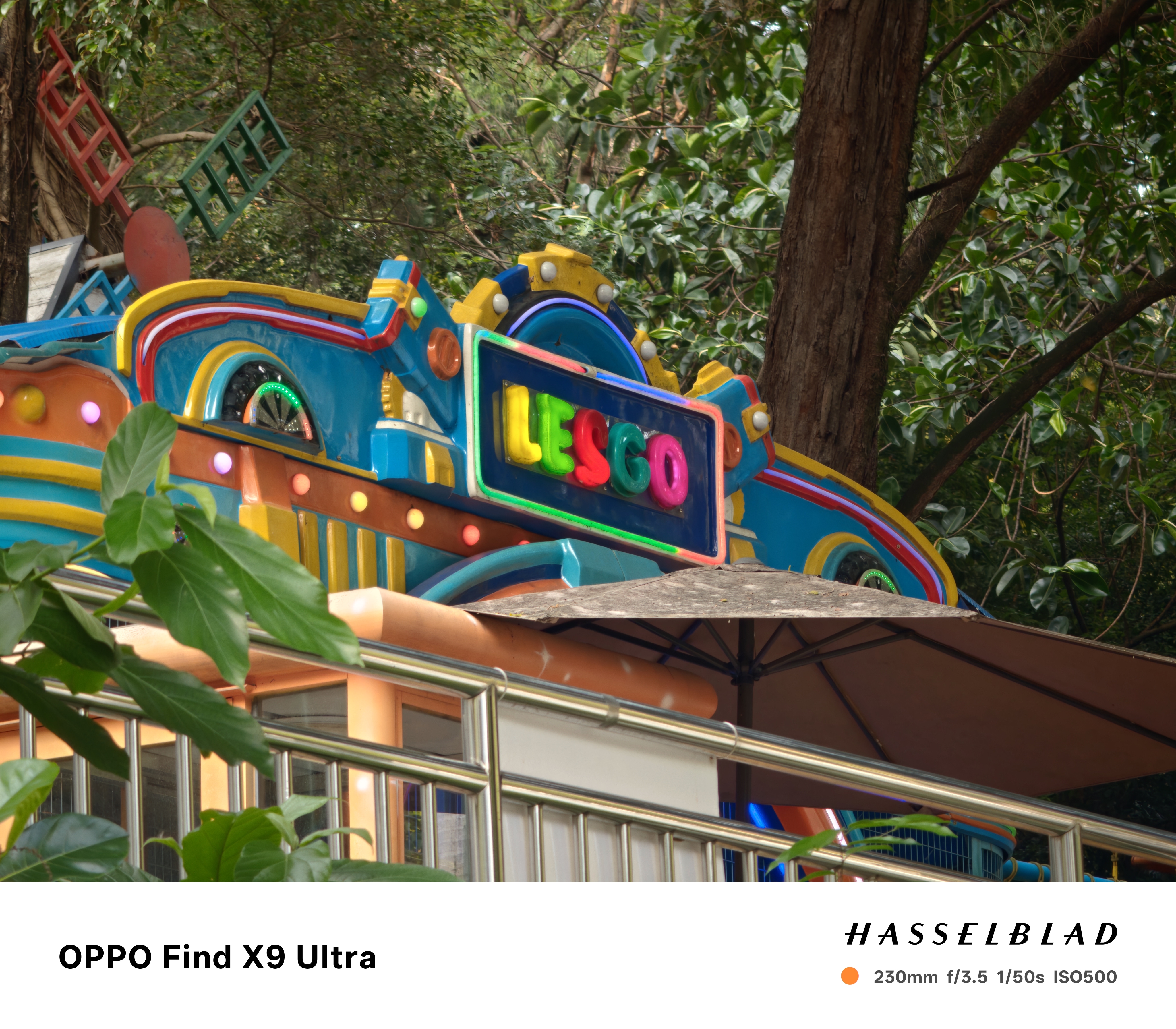
When you need to capture a view in the distance, the 50-megapixel 10x optical ultra-long-range telephoto lens comes into play.
(Image Source: Leitech Photography)
The combination of these two telephoto lenses transforms the Find X9 Ultra into an all-weather, all-scenario composition tool. This is the ultimate charm of the telephoto system as a 'subtractive filter,' forcing you to focus your visual attention on the most worthy local details to be recorded. With a casual press of the shutter, you can create a well-structured, high-level work of art.
Of course, I also acknowledge that 10x zoom is not frequently used by most users, as daily focal lengths typically range between 23-120mm. However, for a true imaging flagship, it is better to have it and not need it than to need it and not have it.
In addition to its absolute dominance in landscape photography, this dual-periscope telephoto combination also boasts considerable confidence in portrait photography.
Currently, most smartphones rely heavily on algorithms when capturing portraits with bokeh effects. They use extremely crude edge recognition algorithms and AI cutout techniques to forcibly separate the subject from the background.
This results in photos that always have an indescribable cheapness: the edges of the subject's hair appear as if they have been harshly cut with scissors, and the background blur resembles a rigid Gaussian blur filter applied across the entire image.
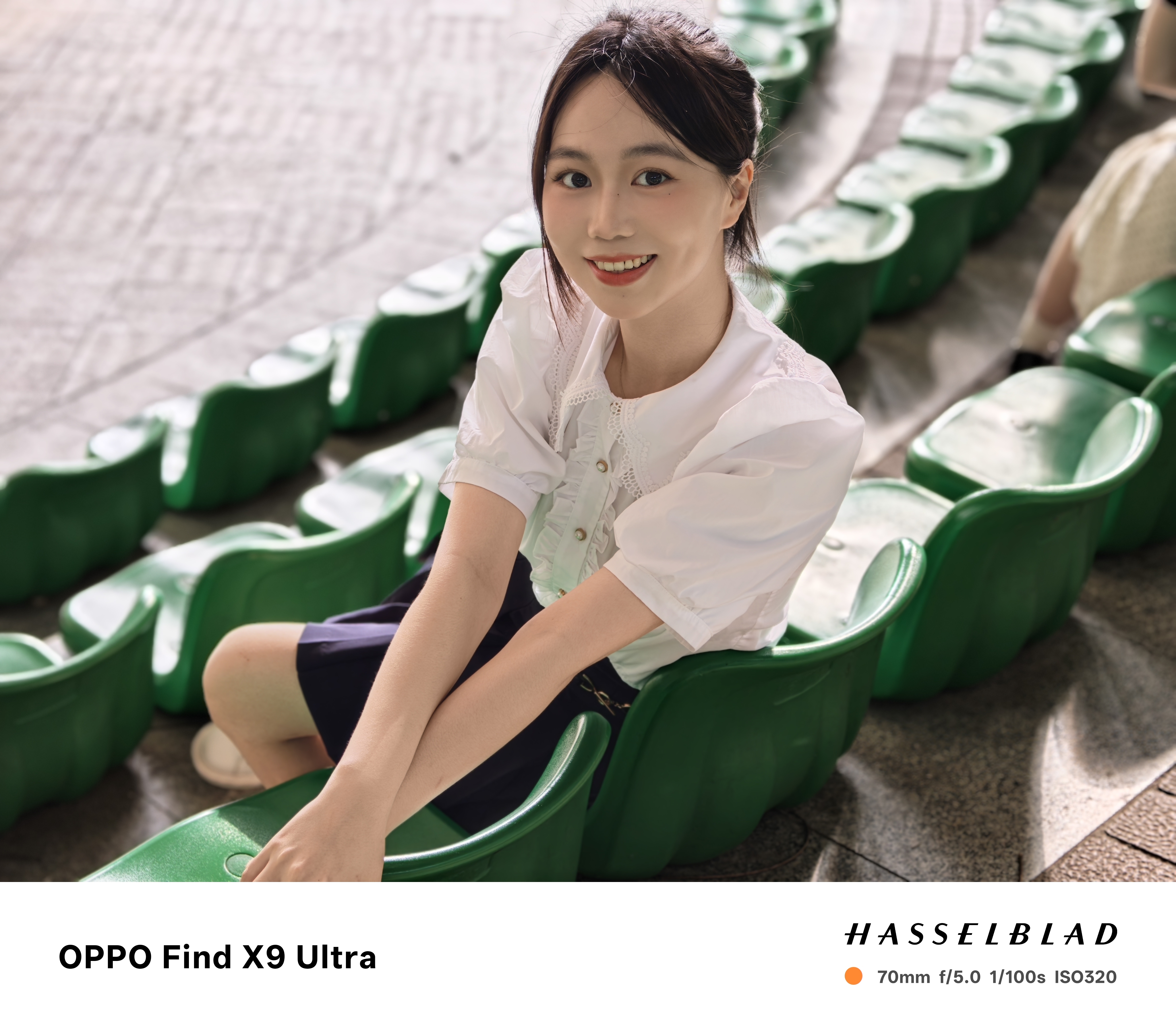
(Image Source: Leitech Photography)
With the Find X9 Ultra, you will not experience this 'low-quality' feeling. Thanks to its high-quality lenses and algorithms, the photos exhibit an optical bokeh effect similar to that of a professional camera lens.
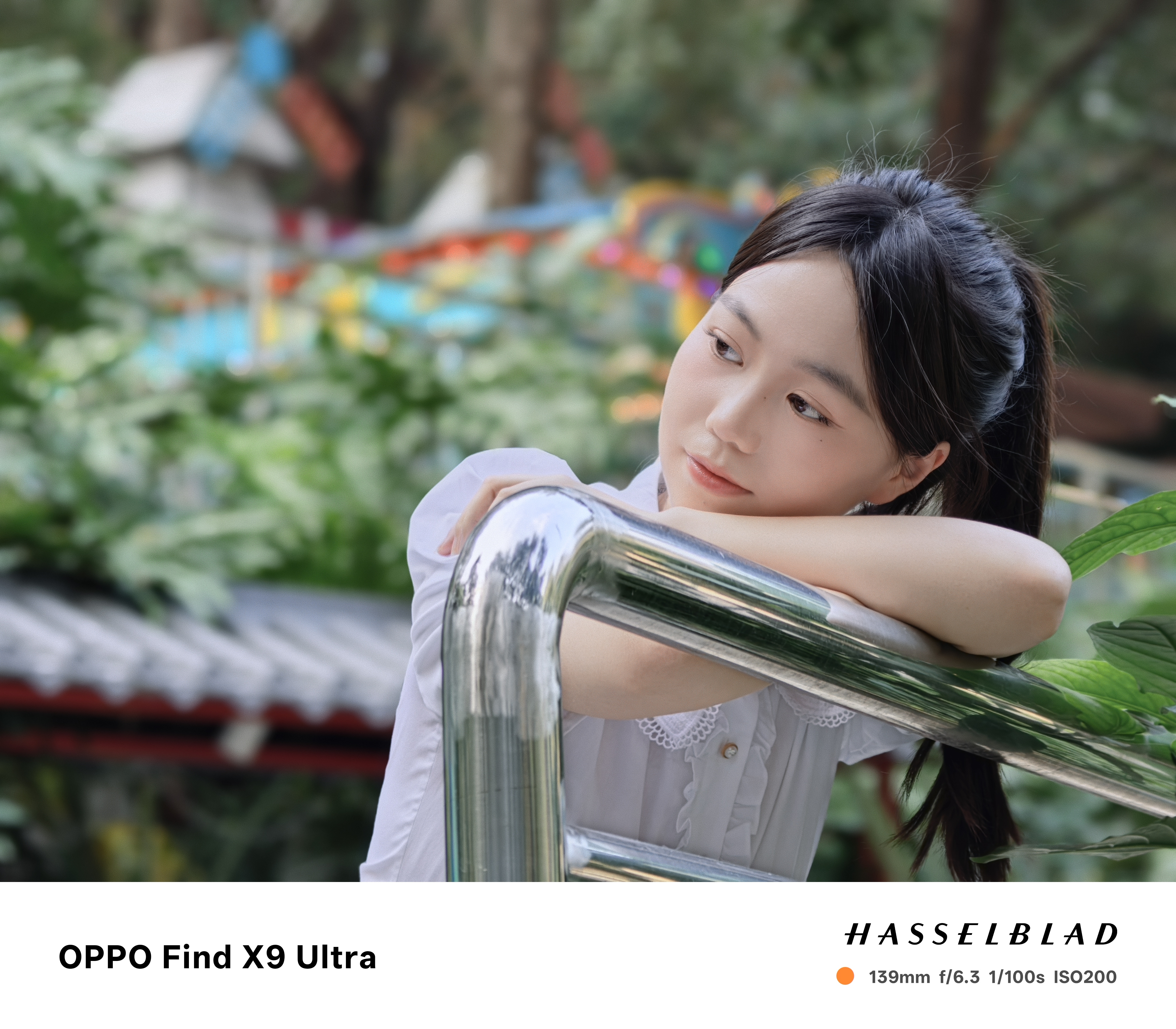
(Image Source: Leitech Photography)
As seen in the sample photos, in addition to the clear depth-of-field range, the transition between the model and the background is extremely smooth and gentle. This spatial depth and bokeh quality, derived from the characteristics of a real physical lens, cannot be faked by any top-tier AI algorithm.
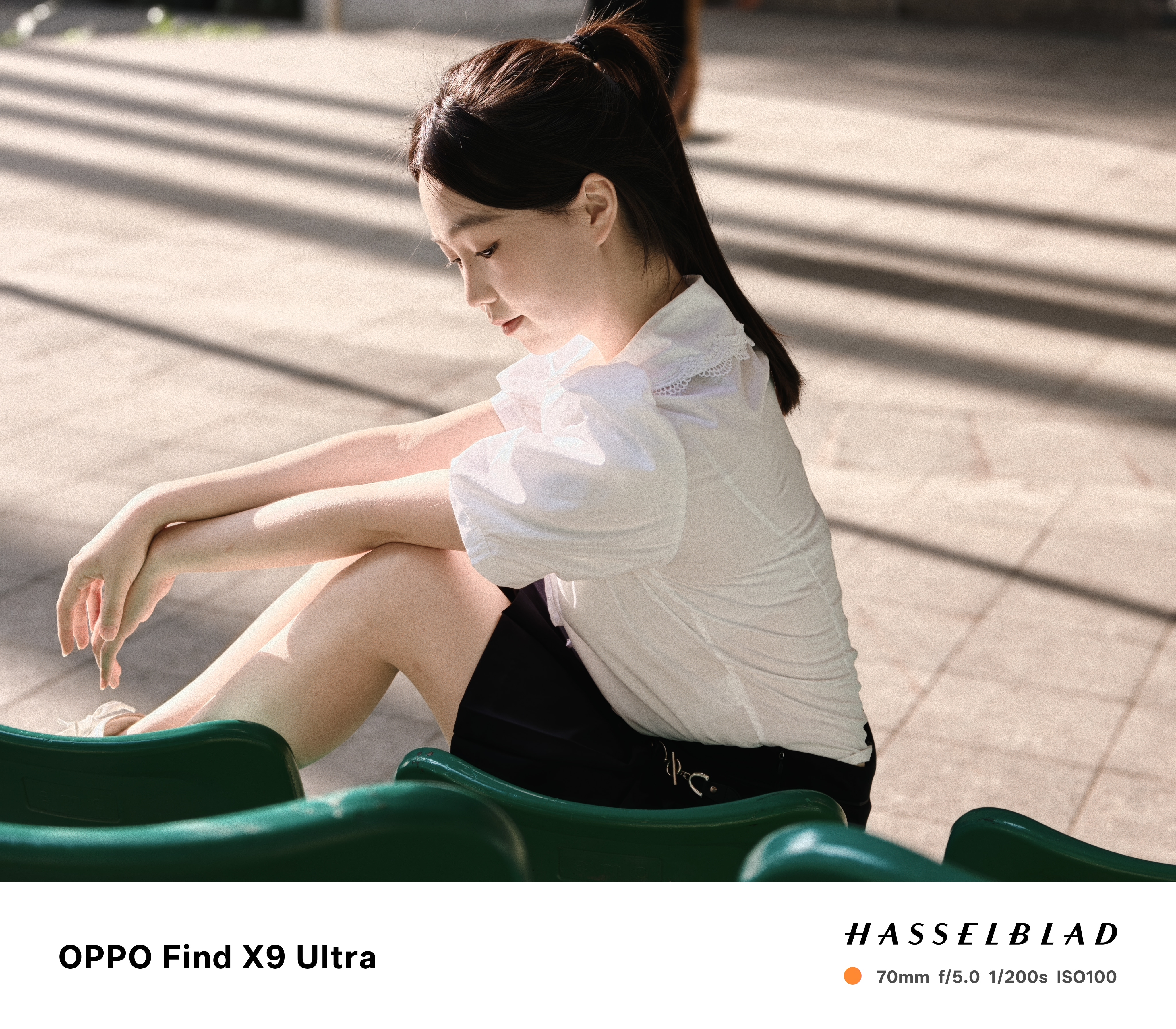
(Image Source: Leitech Photography)
Additionally, I must mention that many so-called portrait modes on the market currently rely solely on algorithms due to the insufficient optical quality of their lenses. The resulting cutouts have hair edges that resemble stickers, and the background blur is a uniformly applied mass, appearing particularly rigid. In contrast, when using the Find X9 Ultra's telephoto lens for portraits, you can clearly sense the genuine depth-of-field effect brought by its large physical aperture.
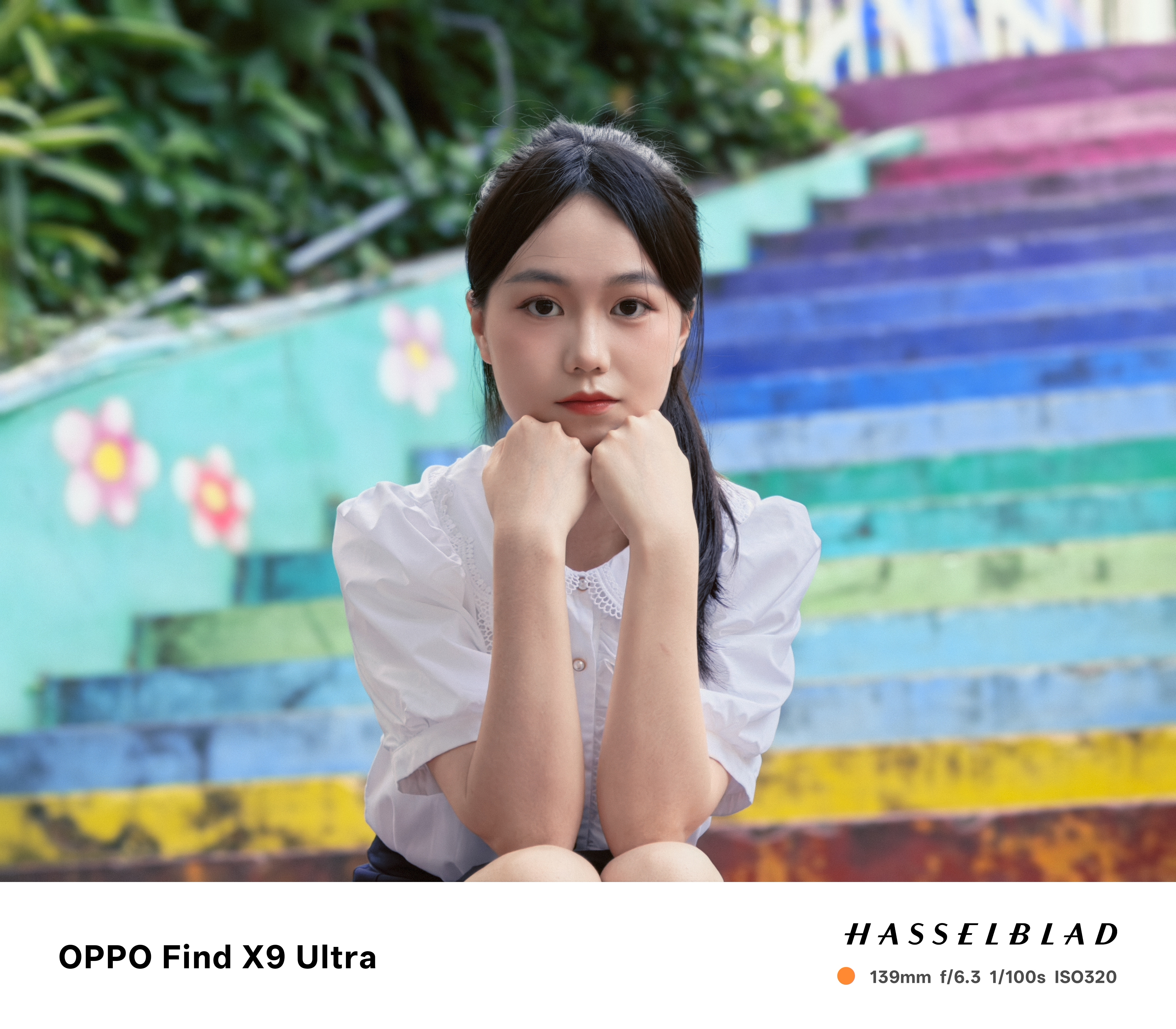
Nowadays, OPPO no longer limits itself to simply making people appear white in photos. Instead, it enhances the overall texture (texture) and vitality of the image through its understanding of tonalities. This is truly commendable. While others are still stuck in the era of 'sugary snapshots,' OPPO has already entered the next phase, elevating the overall market's aesthetic standards through texture.
If you have been following OPPO, you should know that earlier OPPO Ultra models lacked a distinct Hasselblad vibe. Hasselblad's presence on OPPO devices was limited to a mere logo. This was primarily because the HNCS Hasselblad Color Science had extremely high requirements for equipment and was difficult to replicate through algorithms. However, with the OPPO Find X8 Ultra, OPPO finally had a device capable of carrying HNCS, and many Hasselblad users I know are highly satisfied with OPPO's performance.
So, how does the new OPPO Find X9 Ultra fare in terms of the Hasselblad vibe?
Firstly, the 'Hasselblad Master Mode' on the Find X9 Ultra has received another upgrade. The most noteworthy addition is the ability to import Master Presets. As the name suggests, users can now download corresponding master preset photos online or create their own and import them as shooting templates with a single click.

(Image Source: Leitech Graphics)
Unfortunately, since I received an early version of the device and no presets were available online, I will not showcase this feature further here.
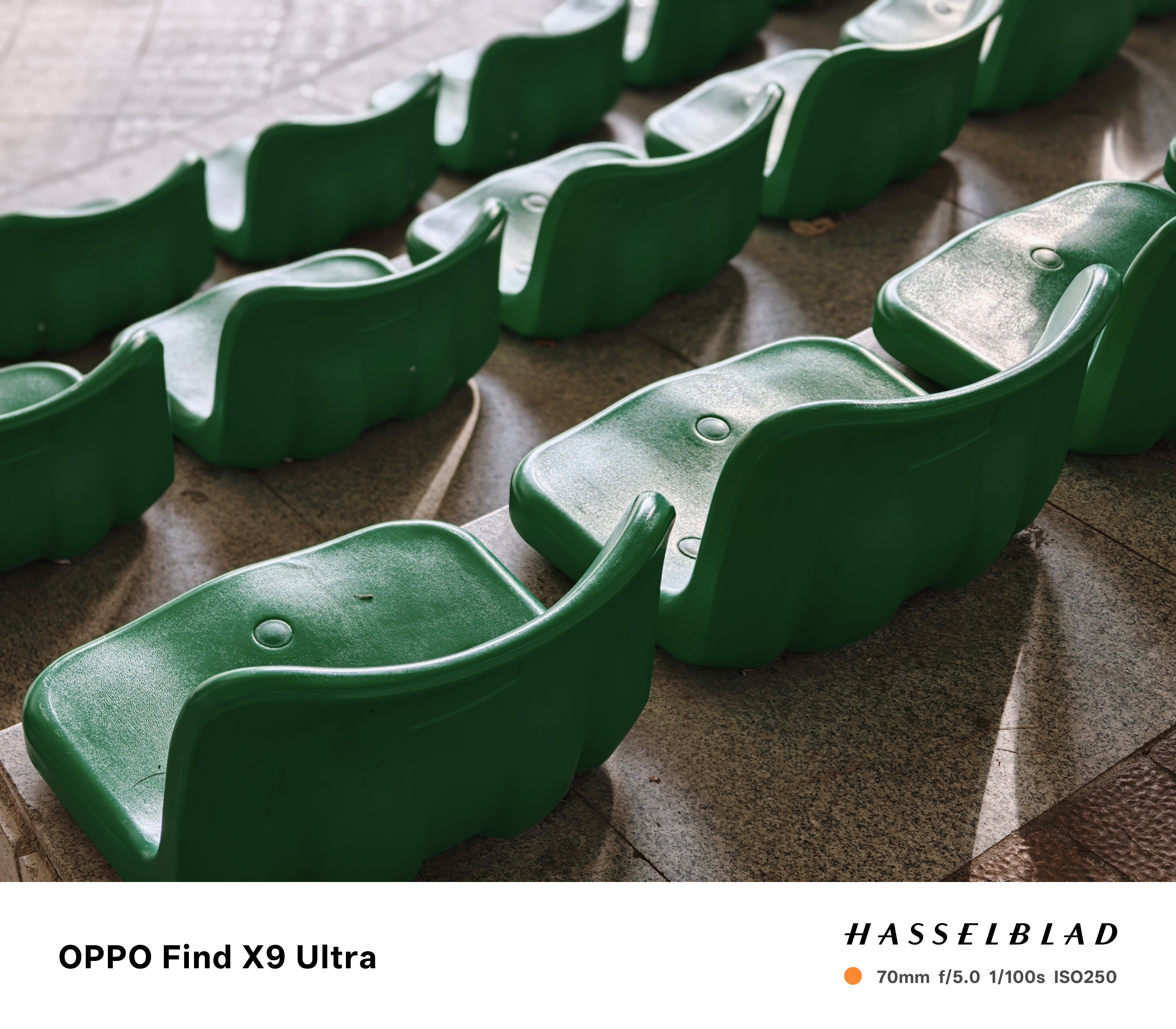
Returning to the Master Mode itself, this generation's Master Mode has significantly improved its understanding of the art of light and shadow. Paired with the newly upgraded LUMO Light Condensation Imaging Engine, the OPPO Find X9 Ultra has mastered one of the most challenging aspects of photography: 'negative space.' It does not obsessively eliminate shadows in the frame.
(Image Source: Leitech Photography)
For example, in this photo of a plastic chair taken in a small theater, it extremely restrainedly preserves the deep blacks in the shadows while illuminating the highlights. The transition between light and dark is extremely delicate. This tonal approach, which respects the physical attenuation of real light, instantly gives the photo a film still-like texture (texture), making the image three-dimensional rather than flat.
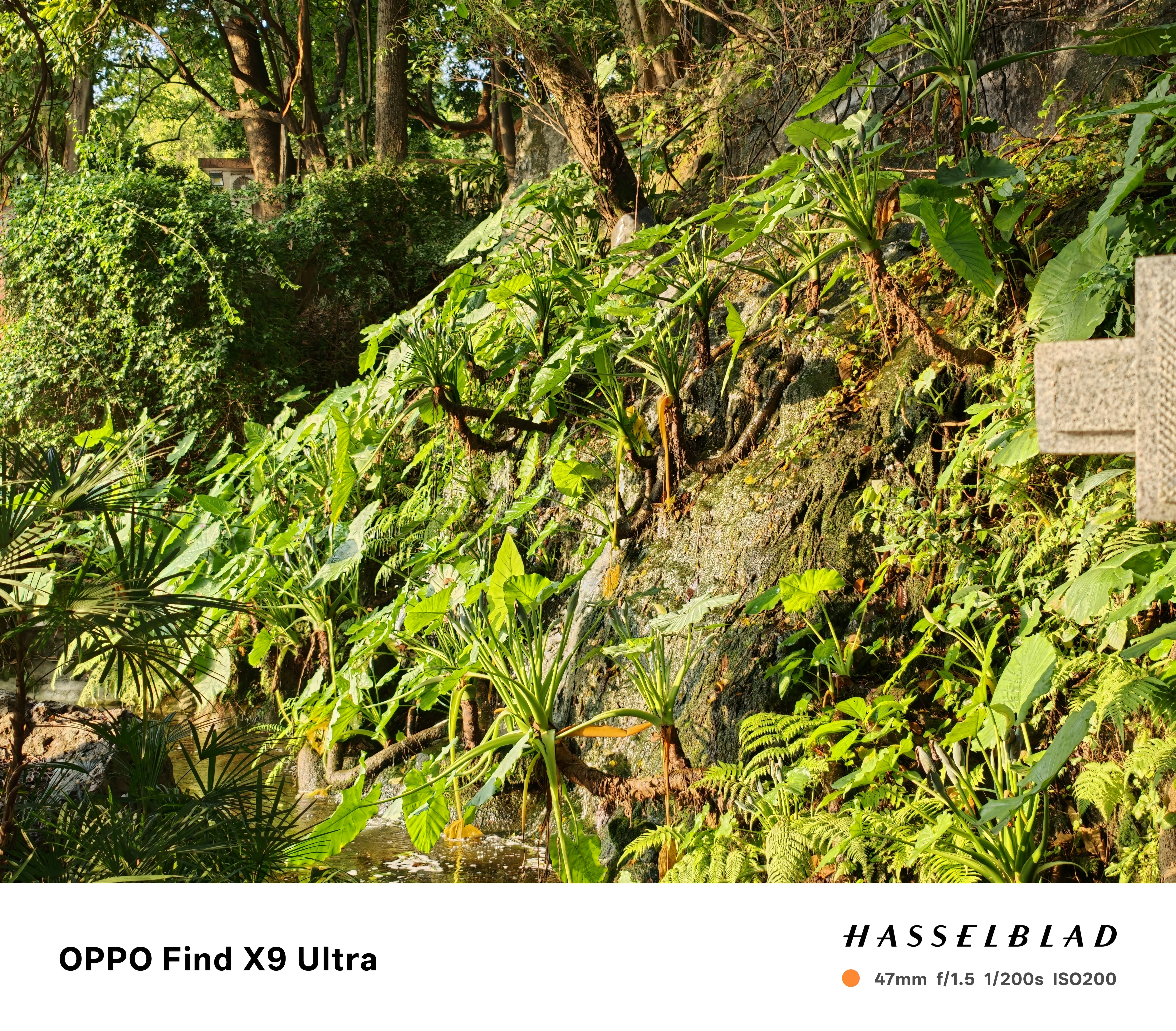
To ensure absolute color accuracy, the Find X9 Ultra incorporates a very special 'second-generation Danxia multispectral color reproduction lens' within its module. This lens acts as an extremely sensitive ambient light detection radar, instantly calculating the most accurate color temperature of the scene regardless of how chaotic the surrounding lighting may be.

(Image Source: Leitech Photography)
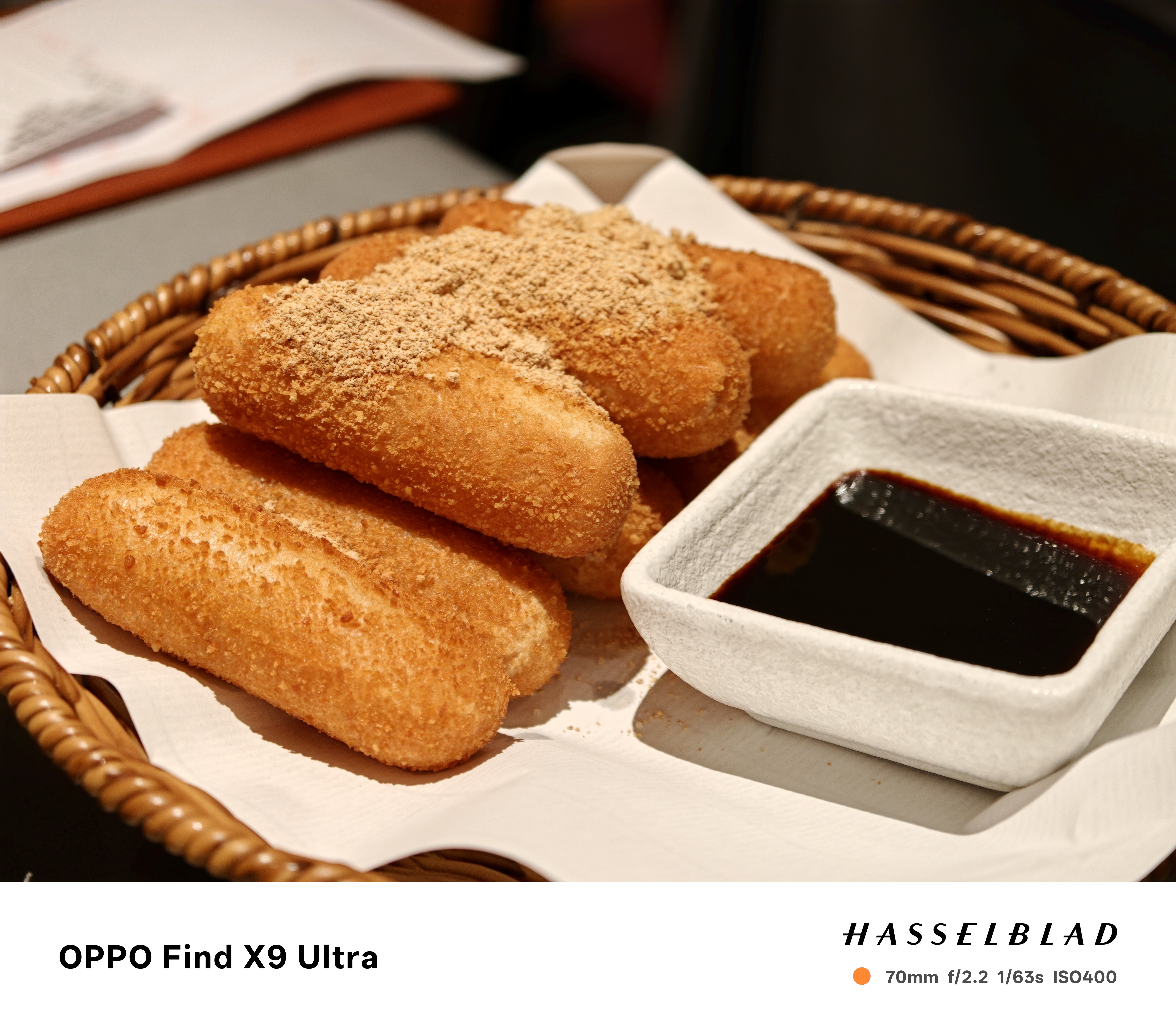
Guided by the precise calculations of the Danxia multispectral engine, Hasselblad's highly recognizable natural color tuning scheme has reached its full potential. This is a Advanced color tones (advanced color tone) that allows you to directly share your photos without the need for any post-processing software.
(Image source: Photographed by Leitech)
Beyond street and portrait photography, the OPPO Find X9 Ultra still delivers an exceptional "telephoto macro" experience, thanks to its two high-quality periscope lenses. In the past, mobile phone macro photography often required you to press the phone's lens almost tightly against the subject. This near "face-to-face" shooting method not only completely blocked the light but also easily startled insects when photographing them.
However, the Find X9 Ultra's telephoto macro capability allows you to shoot from an extremely comfortable physical distance. Thanks to the natural optical advantages of the telephoto lens, the background blur in macro mode is equally impressive. Whether used to photograph exquisitely crafted car models or capture butterflies resting on leaves, it offers a visually striking and novel perspective.
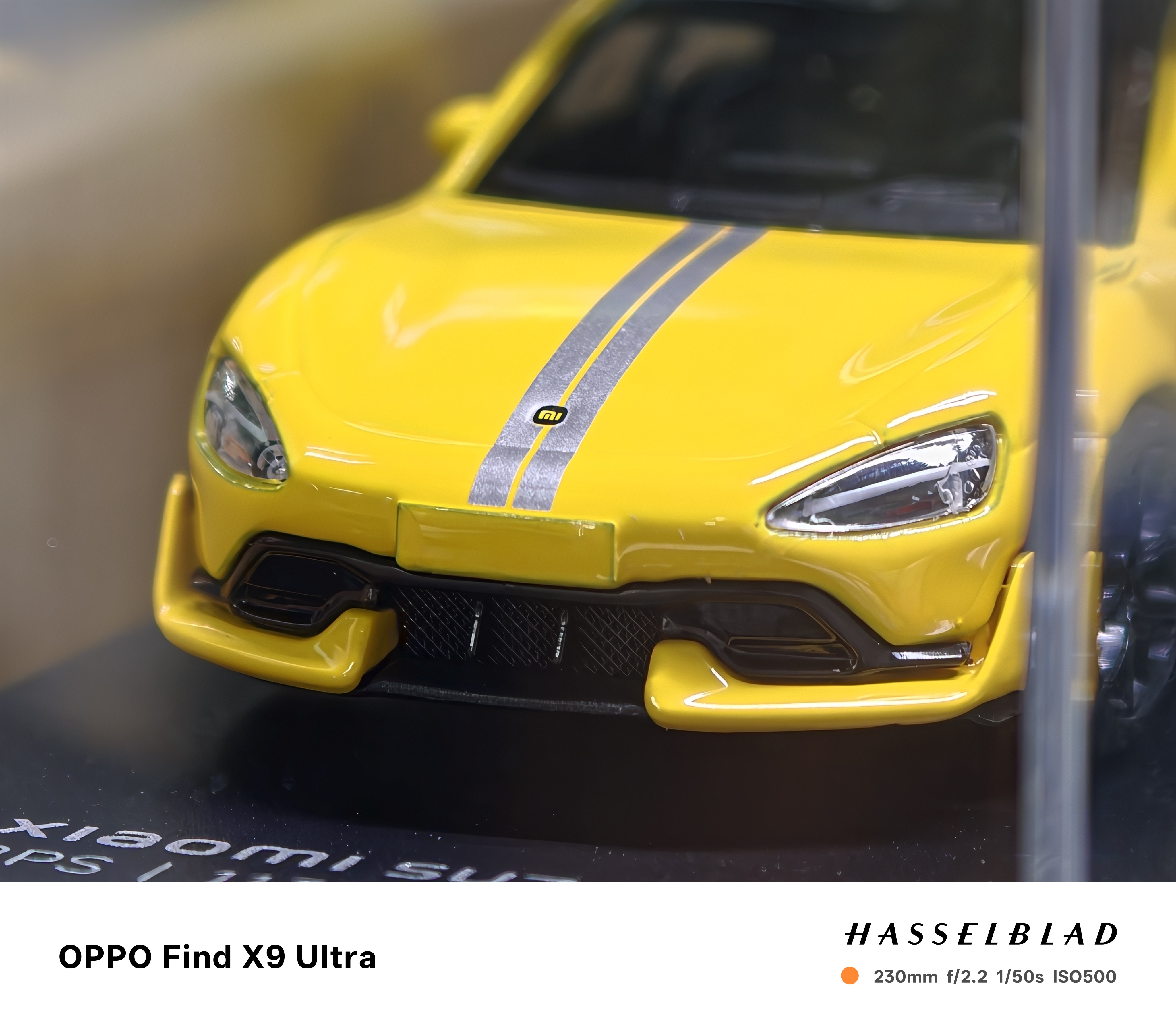
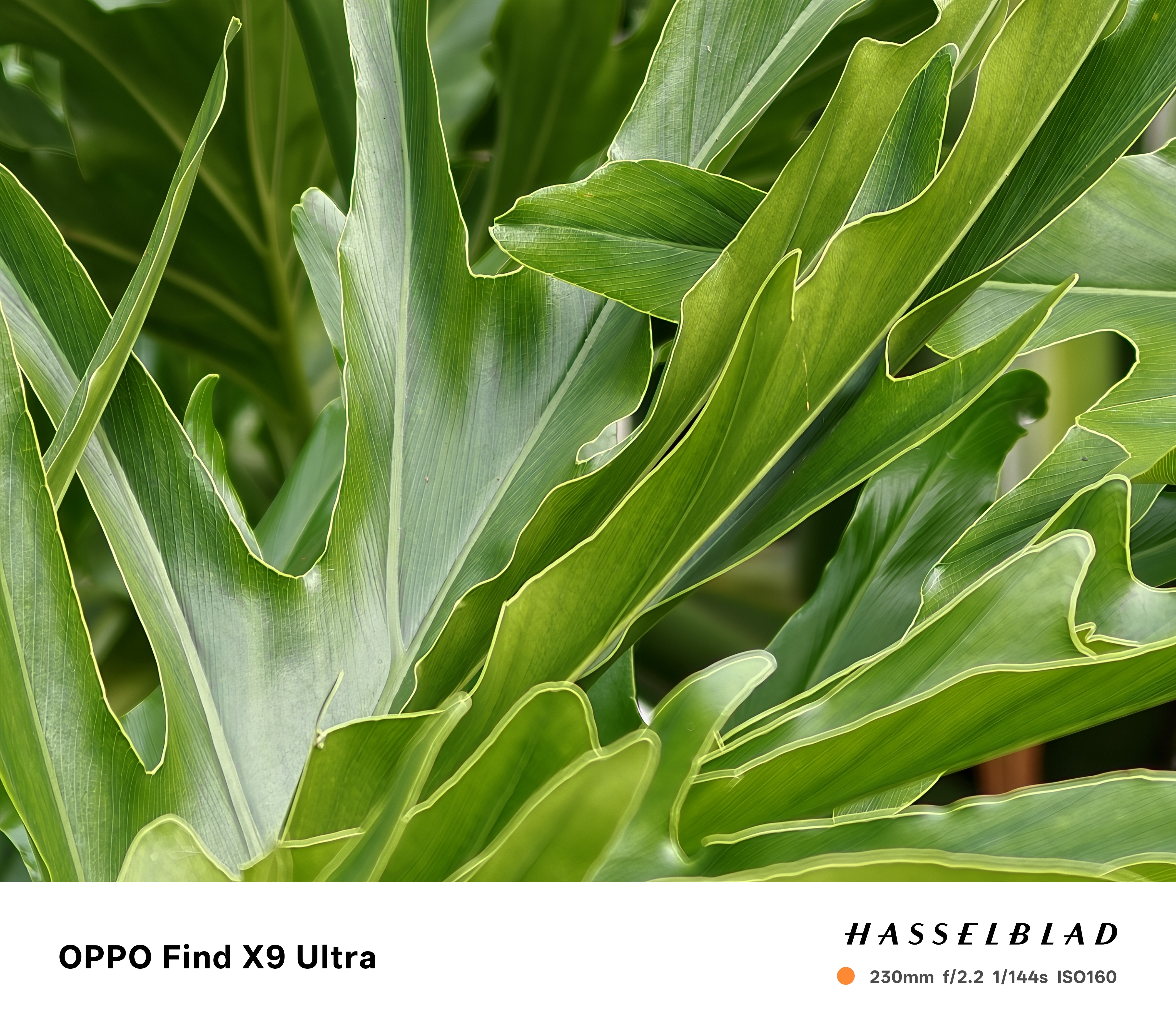
Finally, it's worth mentioning its battery performance. Thanks to industry-leading high-density battery technology, it incorporates a 7050mAh battery while maintaining a comfortable hand feel. During Leitech's three-day intensive street photography tests, whether using the high-brightness screen outdoors for extended periods or frequently invoking the periscope telephoto for continuous snapshots, it consistently lasted a full day. This foundational sense of security, which completely eliminates battery anxiety, is the most solid backing for this "pocket Hasselblad."
Finally, following Leitech's review tradition, here's a brief summary of the pros and cons of the OPPO Find X9 Ultra:
Pros:
1. Further improved hardware while maintaining a good hand feel;
2. Exceptional performance of the two telephoto lenses, practical for both street and portrait photography;
3. Master mode offers a deeper understanding of light and shadow;
4. Battery performance has seen a qualitative leap compared to the previous generation.
Cons:
1. The practicality of the camera button remains low;
2. Integration with Hasselblad cameras is still insufficient, and photos from Hasselblad cameras cannot be imported.
At a time when major smartphone manufacturers are fiercely competing in automated image generation, attempting to cover up (yǐn cáng, meaning "conceal") physical hardware deficiencies with false computational power, the Find X9 Ultra has firmly chosen the most difficult yet absolutely purest and most time-tested path—it has chosen to return to the essence of optics.
(Image source: Photographed by Leitech)
It does not follow the trend of catering to fast-food-style "sugary snapshot" aesthetics, nor does it overbearing (bà dào, meaning "overbearingly") deprive (bō duó, meaning "deprive") users' perception of the true texture of light and shadow through excessive computational photography intervention.
Instead, it has built an impregnable optical fortress with its dual-periscope telephoto system and Danxia multispectral lens. By employing the most complex and cutting-edge underlying optical technologies in smartphone history, it delivers the simplest and most intuitive joy to ordinary users in front of the viewfinder.
It proves to us that true sophistication can never come from false pixels fabricated by algorithms but rather from genuine optical quality. For everyone with extremely high demands on imaging aesthetics, the OPPO Find X9 Ultra is undoubtedly the most suitable "pocket camera" for you right now.
The 19th Beijing International Automotive Exhibition 2026 will be held from April 24 to May 3 at the China International Exhibition Center (Shunyi Pavilion) and the Capital International Convention and Exhibition Center (New China International Exhibition Center Phase II) in Beijing. With the theme "Leading the Era · Intelligent Future," the exhibition will showcase more cutting-edge technologies in the automotive industry.
Leading brands such as BYD, Xiaomi, Harmony Intelligent Mobility (AITO, etc.), XPENG, NIO, and VOYAH will gather, with several major new models making their debuts. Suppliers like Horizon Robotics, Momenta, and ZHIYU will collectively showcase their strengths, with AI large models providing deep empowerment. Frontier technologies such as advanced intelligent driving, power batteries, and ultra-fast charging technologies will be on full display, offering plenty of highlights!
Leitech's "Dianche Tong" will dispatch a reporting team to the scene, providing exclusive firsthand coverage from a professional perspective of "focusing on electric vehicles and understanding intelligence better." Stay tuned!
OPPO Imaging Flagship Find Series
Source: Leitech
Images in this article are from the 123RF royalty-free image library. Source: Leitech
-
On the Eve of Its IPO, Avatr Finds Itself Embroiled in a 'Farce of Controversy and Belittlement'
-
![]()
Yutong Optics' Japanese Subsidiary Unveiled in Tokyo, Shifting Strategic Focus to Technology-Driven Growth
-
![]()
Half-Year Revenue Outstrips Last Year’s Total! Zhongrun Optics Forecasts 80.2% H1 Revenue Growth
-
![]()
Why Does AI Competition Start with Computing Power?
-
![]()
Apple AI Finally Makes Its Debut in China, Yet iPhone's 'AI Autonomy' Faces Uncertainty
-
![]()
Apple AI and QianWen Make Up Lessons: Alibaba Has Its Own 'Doubao Phone'
-
![]()
QianWen Joins Apple, Signal for Large Models to ‘Fade into the Background’
-
![]()
The ‘Anchor’ Strategy of Google Hidden Behind the Bleeding Financial Report