When AI Can Do Everything for You, the Trouble Is Just Beginning
 11/02 2026
 375
What will the world look like once everyone has an AI assistant?
Meta's AI agent Muse surpassed the ten-million-user mark in just over a month. Looking at that figure, honestly, I feel a bit uneasy.
Muse's purpose is to do work for you.
It's an AI agent that can independently complete a variety of tasks. With a built-in browser, it can help you cancel gym memberships, haggle with customer service, buy groceries online, and send party invitations to friends.

(Image source: Generated by Doubao AI)
Before long, it'll probably be able to make phone calls on your behalf directly.
This is the first free, fully loaded AI agent from a major tech company. Just weeks after launch, millions have downloaded it. OpenAI followed suit with its own AI agent.
I wonder if anyone has stopped to think about what the internet will look like in the future.
Experts all say it will only get worse. These AI agents will cause a string of problems one after another, and we'll very likely witness an "internet free-for-all."
In the long run, we'll definitely rebuild an internet suited for AI. But for now, trouble is unavoidable.
"Imagine a road with no traffic rules at all, and billions of 'cars' are just let loose. Those are the AI agents, allowed to charge into the playground and run wild. That's exactly where we are now," said Ramesh Raskar, an associate professor at MIT who has been studying AI agents. "This is a decisive moment."
To use Muse, you have to hand over a huge amount of permissions and private information. Open the app, and that cute little avatar first asks for your name, then immediately wants to take over your Gmail and calendar; if you're on a Mac, it even wants control of the entire computer.
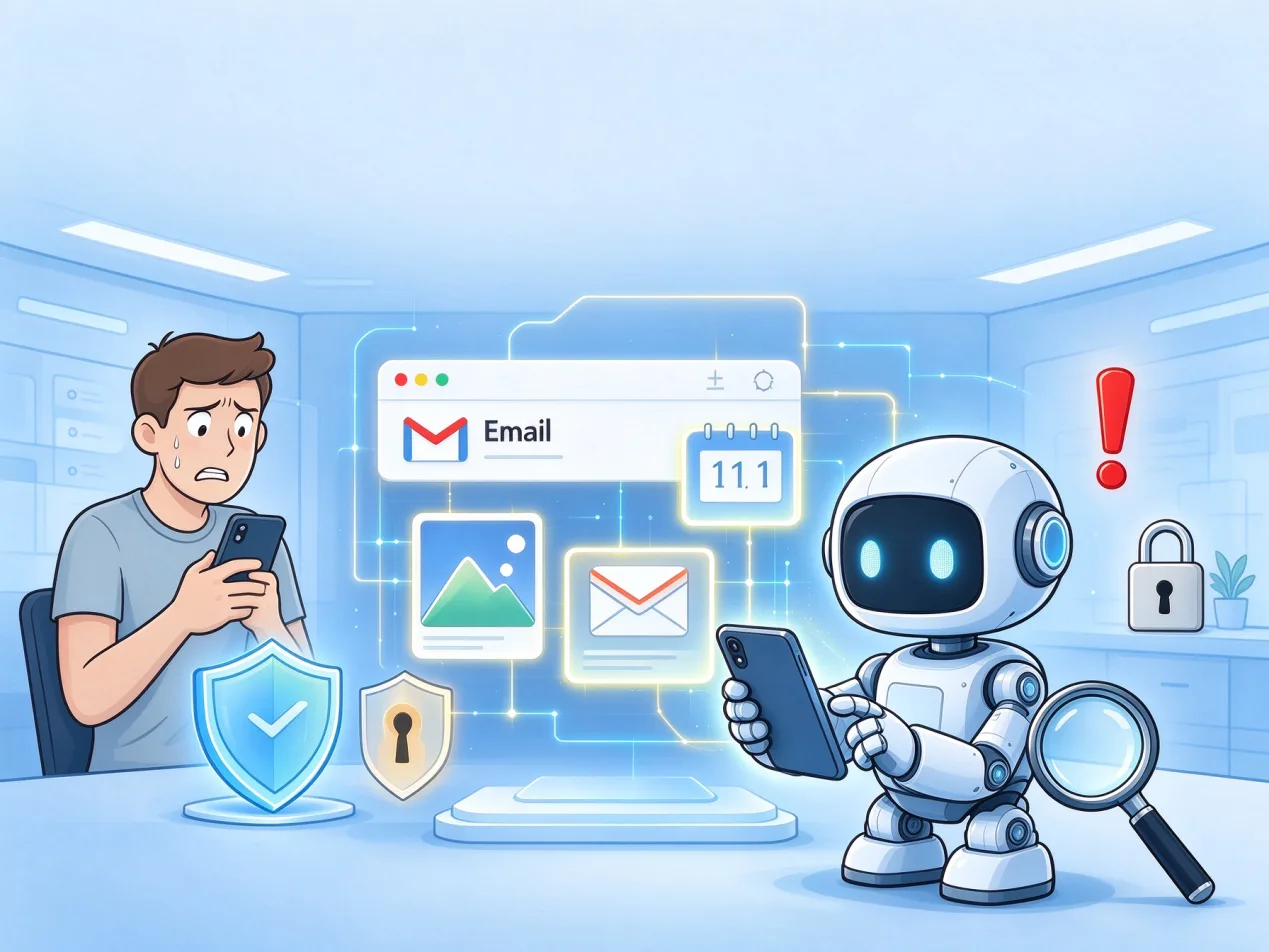
(Image source: Generated by Doubao AI)
A Meta spokesperson said Muse is the first personal AI agent for ordinary people. It's designed to be safe, reliable, and privacy-protecting, with built-in safeguards, and control rests entirely with the user.
To get a preview of what kind of trouble AI agents will stir up, just look at Taylor Swift's fans. In 2024, many American fans flew directly to Europe to see her concerts. Because scalpers used ticket-grabbing bots to drive up ticket prices in the US, in the end it was actually cheaper to fly abroad to see her.
Now, everyone can have their own personal ticket-grabbing bot. We call this the "Taylor fan problem," and it will only get worse.
All the headaches bots cause now will only intensify going forward.
Reservation slots at trendy new restaurants? Basically impossible to get from now on. During peak travel season, appointment slots for renewing passports or driver's licenses? Ordinary people probably won't get a turn either. Some people will even hoard slots frantically, booking several time slots at once as backups.
Of course, it's not without solutions. For example, instead of first-come-first-served, all reservations could be changed to a lottery system.
Beyond that, there will also be AI agents going out of control and hacking into government and corporate systems.
To be fair, Muse is genuinely useful. During my week of testing, I had it ask sellers questions for me on Facebook Marketplace, order my usual dental floss, and negotiate a discount on subscription software that saved me $31 (about £23).
But think about it: if millions or billions of AI agents are online at the same time, constantly doing things that would take ordinary people weeks to finish, what happens?
"An ordinary person might send two inquiry messages to a website a day, while a bot blasts out 600 a day—who can handle that?" Schroeder said. "Both businesses and ordinary people will be driven crazy."
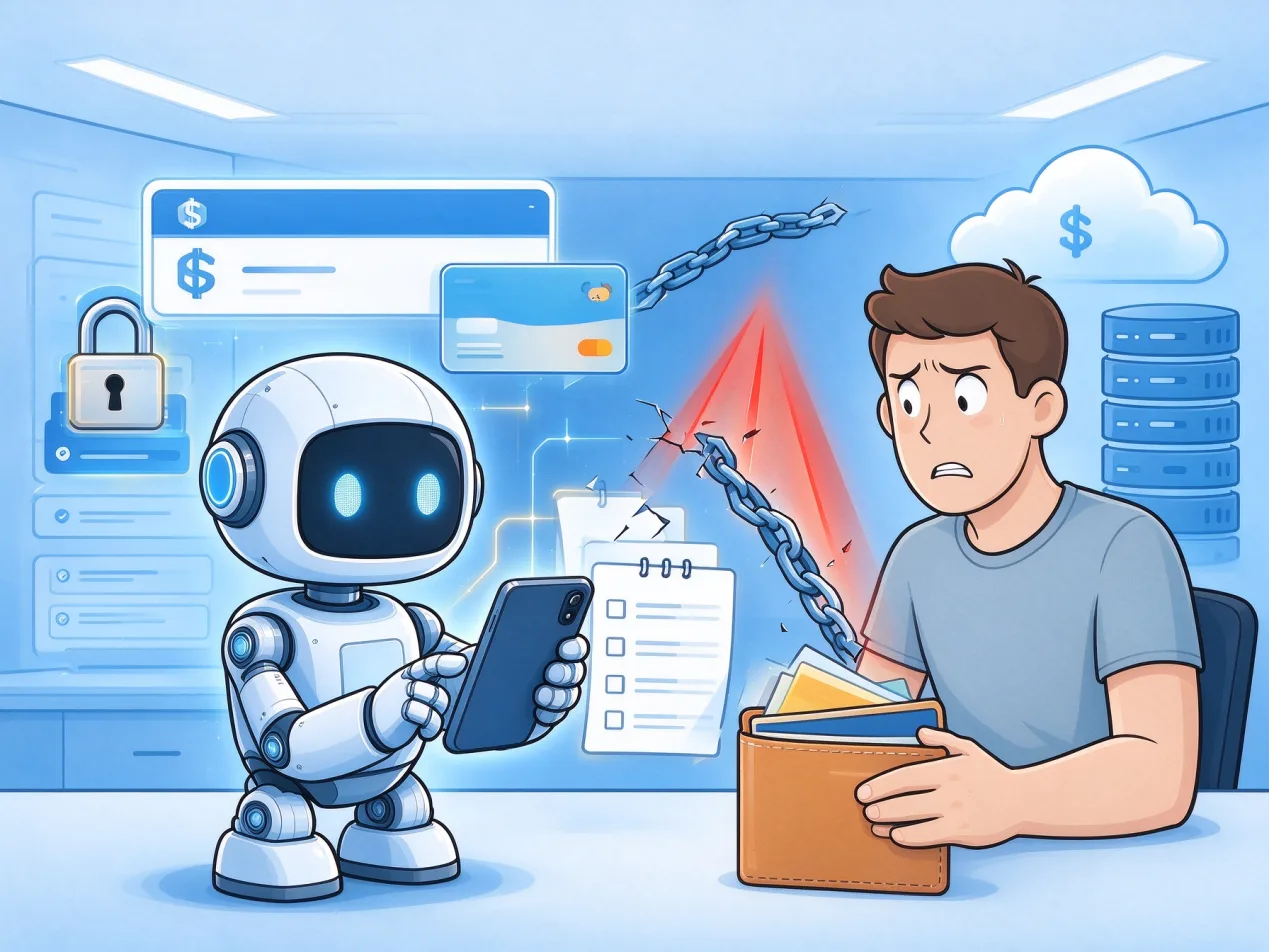
(Image source: Generated by Doubao AI)
Google and chatbots can give answers directly, so fewer and fewer people click into websites. Bots don't click ads or buy memberships, and a large number of online sites are already dying.
And AI agents will amplify this crisis further.
One statistic shows that in the year ending June 2026, bot-generated network traffic surged 124%. Many websites and online services never anticipated such heavy visit pressure and are already buckling.
There are also risks at the personal level.
Once you delegate power to AI to buy things for you and make choices based on your preferences, you could very well be manipulated by platforms.
If you let Muse plan your trip, you have no way of confirming whether it's finding the most cost-effective option or prioritizing flights and hotels from Meta's partner merchants.
Meta's position is that built-in safeguards and settings give users full control, and that Muse is like a personal assistant serving only you, following guidelines to protect you.
But Schroeder carefully combed through Muse's user agreement and found no guarantee whatsoever that it will always consider things from your perspective.
To use these AI tools, you also have to pay a price: your personal data is at higher risk than ever before.
This article was compiled by Lei Tech from BBC
Original link: When AI can do everything for you, the trouble is just beginning
Source: Lei Tech
Images in this article are from: 123RF licensed image library Source: Lei Tech
-
![]()
Yuval Noah Harari In-Depth Interview: The Real AI Crisis Is Here!
-
How Has Phone Buying Changed Over the Past Two Decades?
-
US Tech Stocks' 'Bill Due Moment': Nasdaq Plunges in 'Black October'
-
Awkward Indeed: Apple Claims All Top 5 Domestic Sales Spots as No Domestic Phone Comes Close
-
Overseas Reputation Is a Mirror: Strict Regulation of Rushed Cars Is an Act of Responsibility Toward Global Users
-
Report | 36Kr: 2026 China Industrial AI Industry Development Research Report
-
![]()
When AI Can Do Everything for You, the Trouble Is Just Beginning
-
Apple's Foldable Screen Is Truly Impressive—Can Three Months of Sales Surpass Huawei's Full Year?