AI Copyright Showdown! Australia Takes the Lead on Reform, Sparking Controversy—Musicians Left in Complete Panic
 11/20 2026
 514
If one country weakens copyright protection, music content worldwide becomes vulnerable.
Recently, the head of the International Federation of the Phonographic Industry (IFPI) issued a warning to Australia's Albanese government: if Australia lowers the bar for AI copyright, the entire industry could suffer.
She argues that opening the door and allowing AI companies to freely scrape music material online to train their models would be a disastrous move—one that would also tarnish Australia's international reputation.
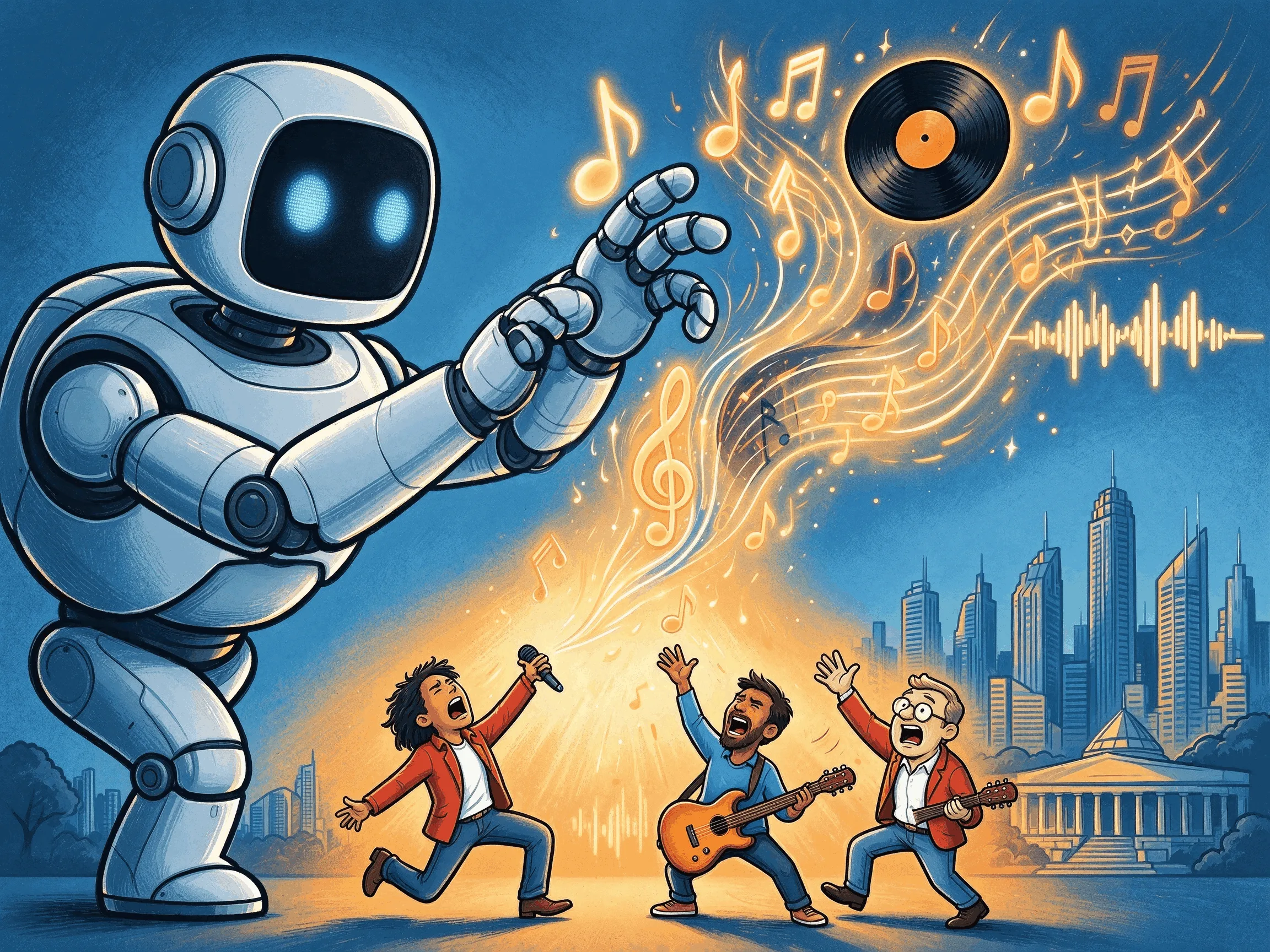
Image source: Generated by Doubao AI
Relaxing copyright protection to suit the wishes of major AI companies would be an extremely dangerous path for Australia to take.
The whole world is now watching the Albanese government to see how it responds to the demands of these tech giants.
Australian creators have long made it clear publicly that such changes could cross legal red lines.
The IFPI, which represents numerous record companies worldwide, is deeply anxious internally, fearing that Australia will agree to conditions that other countries have already rejected.
IFPI CEO Victoria Oakley asked in an interview: What is Australia trying to do? It has no shortage of cultural strength and is a mature nation—so why would it listen to the promises drawn up by a handful of major AI companies and abandon its own cultural and creative foundations?
She does not want to see Australia become a pushover. After all, once it gives in, all creators will be sacrificed, and it will set a damaging precedent for the entire world.
Once this door is opened, AI companies will be able to freely scrape music from around the globe to train their models. This would not only affect local Australian musicians but also harm creators worldwide.
Australia is currently overhauling a wide range of AI-related policies in clusters, and copyright is only one piece of the puzzle, alongside data centers, cybersecurity, employment, energy, and the economy.
Albanese previously stated that he would definitely protect creators and that using their works without paying a cent amounts to plagiarism.
Who could have predicted that as soon as major AI companies came forward demanding relaxed copyright rules to facilitate scraping materials for training, things would immediately fall apart?
Many AI companies find the normal copyright licensing process cumbersome and do not want to go through proper channels. Anthropic, for example, proposed a scheme: content is freely usable by default, and copyright holders must actively come forward and opt out before the practice stops.
These major companies argue that if copyright rules remain vague, they will not dare to invest in Australia or train models locally.
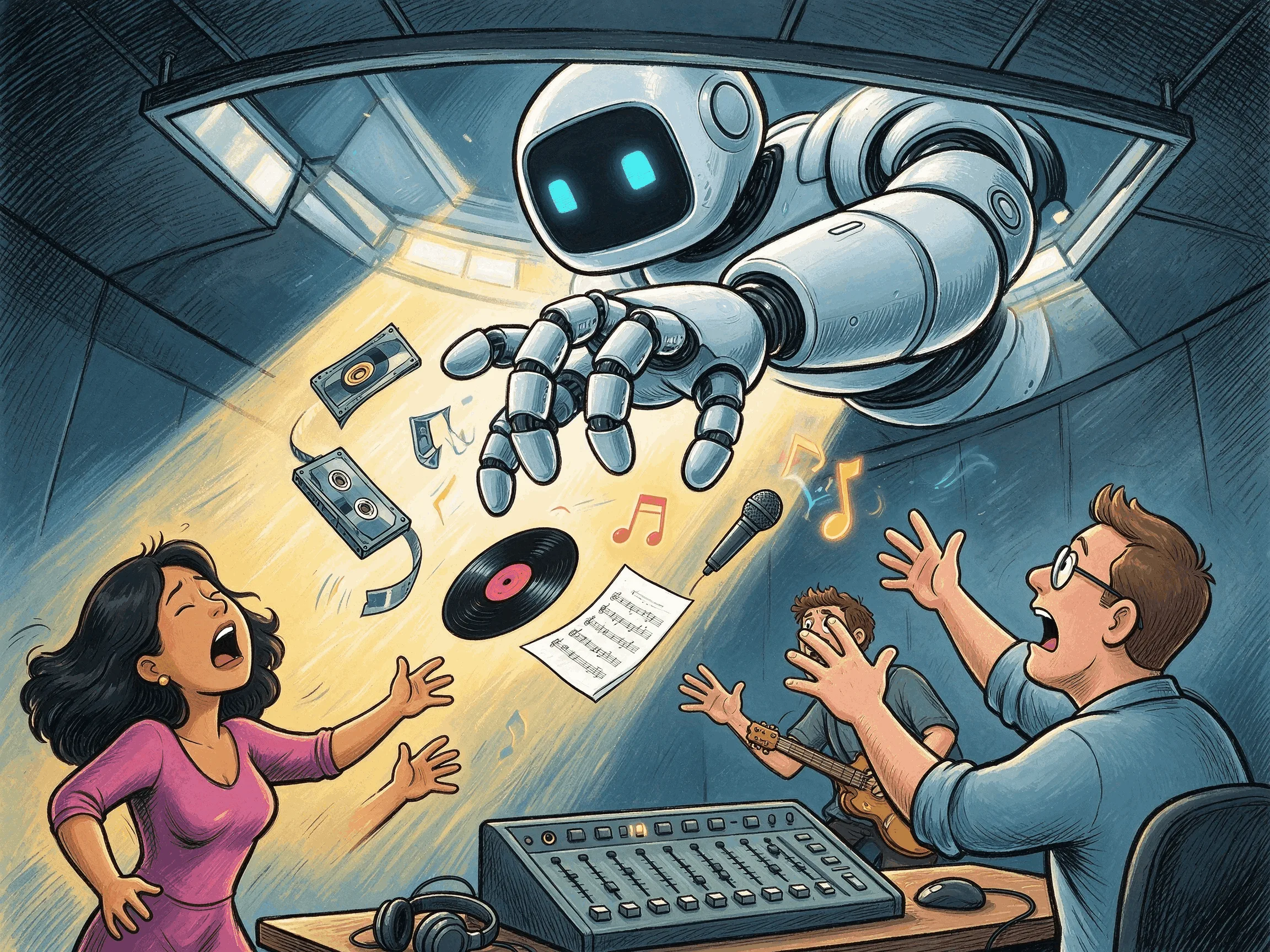
Image source: Generated by Doubao AI
Oakley reminded that the United States and the United Kingdom have both heard this rhetoric, and Australia must not be fooled. It is simply not true that only by accommodating AI companies without limits can investment be attracted and innovation promoted.
"We have been keeping governments around the world informed, and everyone is clear about Australia's current plans. In our view, for the creative industry, this is a disaster."
A spokesperson for Australia's Attorney-General responded last week: the government will stand on the side of creators, and when copyright law is subsequently amended, it will ensure that creators can control their works and receive the compensation they deserve.
The conflict between AI and copyright exists everywhere, but Australia's current moves are the most worrying—it feels like they are about to do something absurd with endless consequences.
What everyone fears most is that once Australia gives in, other countries will follow suit and relax copyright rules, and from then on all copyrighted content will no longer be safe.
The Australian Recording Industry Association predicts that this matter may later end up in court and also involve constitutional disputes. Oakley did not say much about litigation, but she admitted that if the policy really takes effect, Australia's reputation in the global creative community will be ruined.
If this step is taken wrongly, the small gains obtained will not be enough to make up for the losses.
Previously, at an Australian parliamentary AI hearing, independent Senator David Pocock asked OpenAI: why not learn from Spotify and negotiate copyright cooperation honestly?
OpenAI's explanation was that Spotify only plays music as-is and therefore must obtain authorization.
But Oakley said that major record companies have long reached dozens of licensing cooperation agreements with many small and medium-sized AI companies. The licensing path is entirely feasible.
Hearing leading AI companies say this path does not work, everyone found it very surprising. Streaming already has a proven model, and Spotify, Amazon Music, Apple Music, and Tidal all cooperate this way.
In the end, copyright holders are not unwilling to cooperate. After all, during the streaming era they accumulated a lot of experience in licensing negotiations, and there are now successful cases of licensing to AI companies.
Everyone can simply sit down and talk; the business can absolutely be negotiated, and it can be left to market consultation.
This article was compiled by Leitech from The Guardian
Original link: Global music body warns Albanese that weakening AI copyright laws will bring a "creative catastrophe"
Source: Leitech
Images in this article are from: 123RF licensed image library Source: Leitech
-
![]()
Apple's Unreleased AI Glasses: Chinese Manufacturers Have Already Broken into the Overseas Top 3
-
![]()
Why Are Smart Glasses Offline Experience Stores Struggling to Take Off?
-
![]()
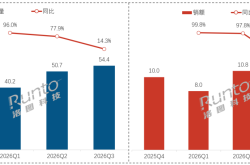
Quarterly Report | 2026 Q3 China Smart Glasses Market Misses Expectations: Sales Growth Slows to 14.3%, Revenue Falls 4.3%; Full-Year Sales Growth Forecast Cut to Below 50%
-
[Focus] Demand for Deep-Ultraviolet Fluoride Optical Crystals Continues to Rise, with Broad Space for Domestic Substitution in China
-
![]()
AI Has Its Sights on Your Wallet | Juchao
-
![]()
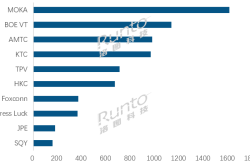
LOTU Ranking | October 2026 Global TOP TV ODM Factory Shipments
-
![]()
Between Trade-offs: XPeng's High-Stakes Gamble
-
![]()
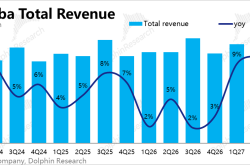
Alibaba: A Chinese Version of the "Google" Dream Shattered by the Chip Crisis?