Why Did the iPhone Duo's 'Electronic Moutai' Hype Fizzle Out in Just Three Days?
 10/20 2026
 384
At 8 PM on October 16, the iPhone Duo officially opened for pre-orders. Within a mere minute, it was completely sold out across all platforms. JD.com alone recorded pre-order volumes exceeding 3 million units, while industry estimates indicated that the initial batch available across all channels likely did not surpass 200,000 units.
A month prior to the pre-order launch, the 1TB version of the iPhone Duo was already listed for as much as 79,999 yuan on the Dewu platform, a staggering 58,000 yuan premium over its official price.
When pre-orders commenced, the actual transaction premium had decreased somewhat but still allowed for a markup of over 7,000 yuan. However, this seemingly robust premium rapidly collapsed within a mere three days.
Several scalpers listed the product on second-hand platforms with a markup of only 3,000 yuan, promising delivery on the very first sales day.
Zhengzhou dealer Xu Shan pre-ordered 50 units from the initial batch, with a total payment nearing one million yuan. He had anticipated earning a profit of 2,000 yuan per unit, amounting to a net profit of 100,000 yuan for the 50 units. However, the buyer lowered the offer twice overnight before shipment, with the latest offer falling below Xu Shan's purchase cost. Consequently, selling all units resulted in a direct loss of 25,000 yuan.
The narrative surrounding the iPhone Duo as the 'electronic Moutai' (a term referring to its scarcity and high value, akin to the prestigious Chinese liquor) went from euphoria to collapse in just 72 hours.
01 It's Not Demand, But Production Capacity That's Constraining Apple
The foundation of the premium pricing myth is the assumption that supply will always fall short of demand. However, this premise is now being challenged.
The production capacity bottleneck for the iPhone Duo is indeed real.
The hinge mechanism incorporates 80 to over a hundred precision components, with some tolerances controlled at the 0.01-millimeter level. It takes several hours for a single machine to process just one hinge component.
The overall yield rate was once just over 60%, with daily production in late August reaching only a few hundred units.
Apple once considered delaying the launch to November but ultimately managed to amass enough inventory for the scheduled October 23 release. Nevertheless, the initial supply remained extremely limited.
However, the pace of production capacity improvement surpassed market expectations.
During the interval between pre-sale and delivery, continuous signals of supply improvement were released, significantly narrowing the window for premium pricing.
Hoarders had bet on persistent shortages, but production lines were ramping up, and supply was on the rise. Once the scarcity narrative was debunked, the price support vanished.
02 The Product's Inherent Strengths Can't Sustain Premium Pricing
Had the product been unique enough, the premium might have persisted for longer. However, the iPhone Duo made compromises in several core user experiences.
It lacks Face ID, opting instead for side-mounted Touch ID; it has no telephoto lens, featuring only a 48-megapixel main camera and an ultra-wide lens on the rear; and the global version supports only eSIM, eliminating the physical SIM card slot.
Meanwhile, the cost of repairing the inner screen is as high as 7,998 yuan, equivalent to paying half the price of a new device for a single screen replacement.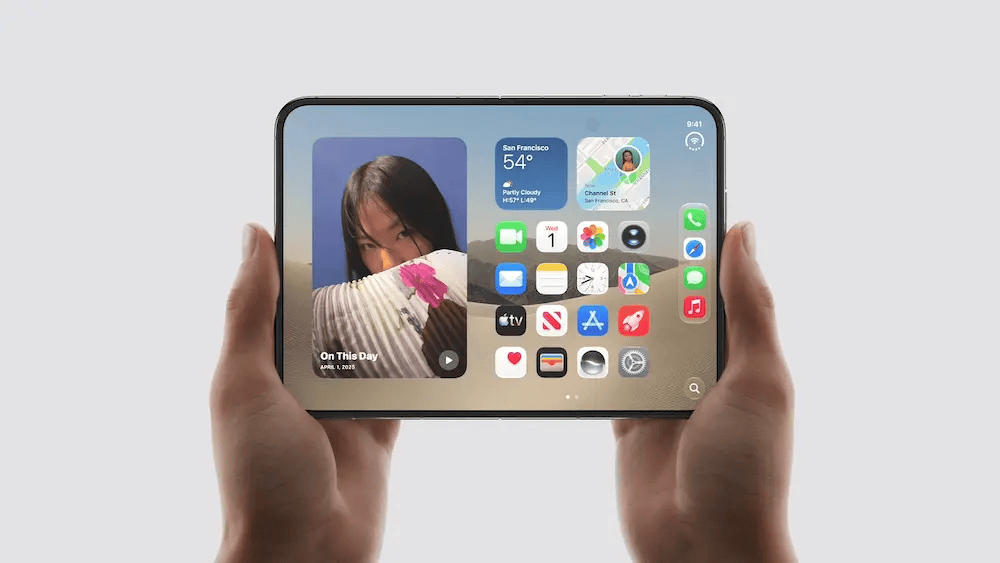
Image Source: Internet
Users willing to spend 15,999 yuan for the initial release are primarily buying into the novelty and social status associated with owning a foldable iPhone.
But once the novelty wears off, the trade-offs in configuration and repair costs become more apparent.
Nearly 70% of netizens surveyed believed the premium was exorbitant, preferring foldable screens from other brands. Those willing to pay a premium for the initial release are not necessarily the same as those willing to pay a high price for daily use.
03 Who Bears the Cost of Initial Scarcity?
In this collapse of premium pricing, the biggest losers are not Apple but middlemen and speculators.
A consumer who secured the initial batch and planned to resell it for a 6,000-yuan markup approached three buyers but received a highest offer of only 3,000 yuan.
Offline buyers ceased acquiring the product because they, more than ordinary consumers, were aware that supply was increasing and prices would only continue to drop.
The initial premium pricing was based on a temporal discrepancy, not the product's long-term value.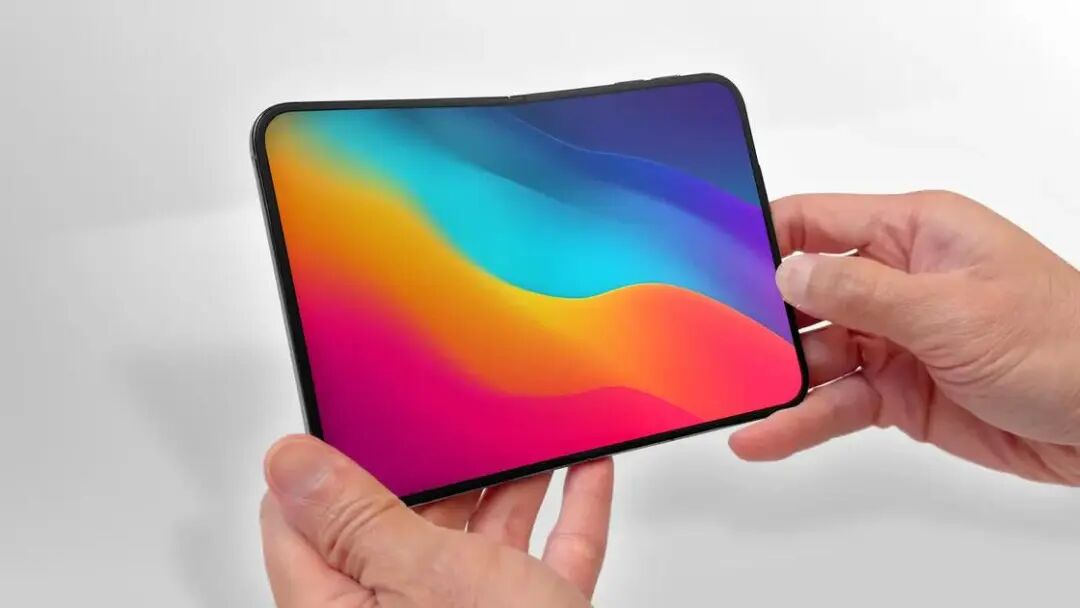
Image Source: Internet
If you're not in a rush to acquire the device on October 23 to flaunt it on social media, waiting a few weeks for production capacity to ramp up will likely bring the price back to near the official pricing.
Apple's customer service itself advises consumers against purchasing through markup or second-hand channels, noting that devices from resale channels generally do not come with AppleCare, and the repair costs for foldable screens can negate any perceived prestige from the premium pricing.
The iPhone Duo is a controversial product, but it is not a guaranteed money-maker.
Those who hoarded units at a 58,000-yuan premium three days ago and those who couldn't sell them even with a 3,000-yuan markup three days later are dealing with the same phone.
What changed is not the phone itself but the market's perception and pricing of scarcity.
Next time someone tells you that the initial release will surely rise in price, ask first: with production lines ramping up, how many days can your premium realistically hold? #iPhoneDuo #ApplePhone
-
Huawei Reclaims Leadership, ZTE Secures Third Place in Global Mobile Core Network Market Share Rankings
-
![]()
Why Did the iPhone Duo's 'Electronic Moutai' Hype Fizzle Out in Just Three Days?
-
![]()
Why Did the “Electronic Moutai” Bubble Surrounding the iPhone Duo Burst in Just Three Days?
-
![]()
Double 11 Unfolds: JD.com and Douyin Compete for the Authority to Define Compliance
-
![]()
Liang Wenfeng's Embodied Strategy | iResearch Insights
-
![]()
Young Spenders Embrace 'DIY' AI Personas
-
![]()
Li Bin Proves Prescient Again: Huawei Qiankun Dives into Battery Swapping
-
When Will iFLYTEK's AI Investments Turn into Profits?