Over 30 Car Brands Cut Prices in September, Yet Consumers Remain Unconvinced
 09/15 2026
 418
418
Lead
Introduction
The dividends from the peak sales season have significantly diminished.
In the domestic automotive market, "Golden September and Silver October" are not merely seasonal phrases. They signify the critical battleground for automakers' year-end sales push and a vital window to boost sales and narrow performance gaps.
For years, automakers have concentrated their promotional efforts in September, capitalizing on peak-season consumer enthusiasm to drive sales at dealerships—a strategy that has proven highly effective in the past.
For instance, the "Golden September" of 2025 showcased the explosive potential of the traditional peak season. According to data from the Ministry of Industry and Information Technology, domestic auto sales soared to 3.226 million units in September 2025, marking a 14.9% year-on-year increase, with both production and sales reaching new interim highs.
Breaking it down by brand, several automakers achieved sales turnarounds through peak-season promotions: SAIC Motor's sales in September 2025 surged 40% year-on-year, marking nine consecutive months of growth and reclaiming the top spot in automaker sales rankings; Geely Auto's sales rose 35% year-on-year, setting a new monthly sales record for the brand; XPENG experienced a 95% year-on-year increase, underscoring the significant impact of peak-season promotions.
These tangible sales gains reinforced automakers' belief that "Golden September promotions lead to sales recovery."
Having reaped the benefits of past peak-season promotions, domestic automakers once again collectively adopted this proven strategy in September 2026.
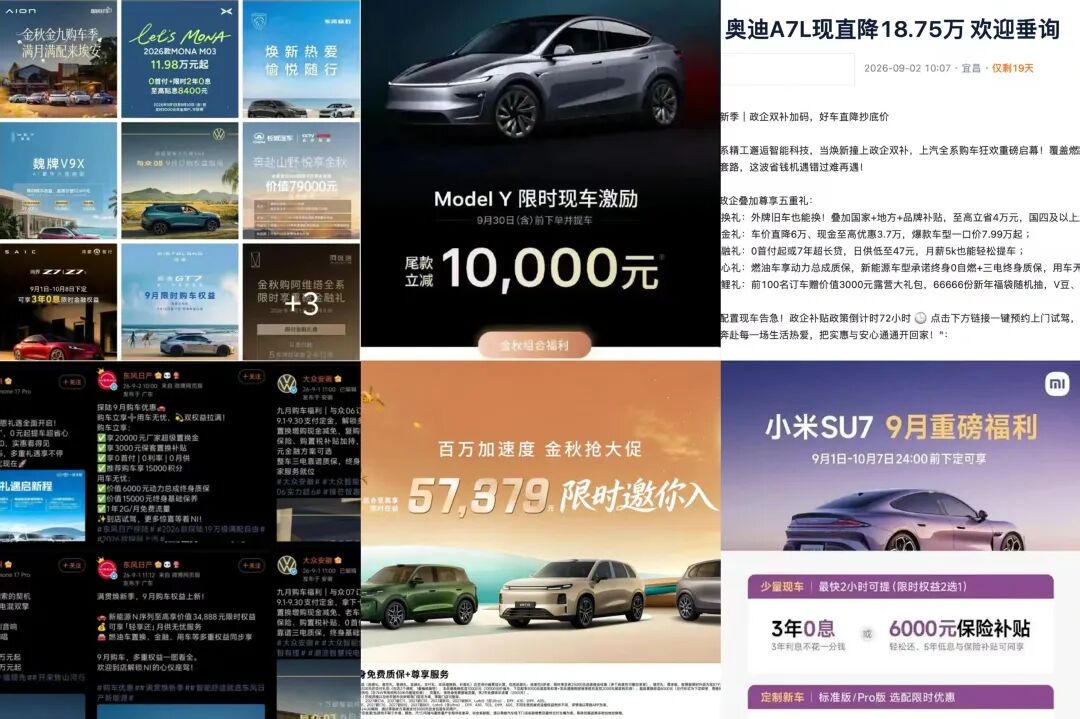
As of September 13, 2026, preliminary statistics indicate that over 30 automotive brands have announced limited-time autumn promotions, encompassing more than 100 models across all categories—new energy startups, mainstream domestic brands, joint ventures, and luxury brands—marking the year's largest-scale promotional campaign.
This year's September promotions are no longer small-scale concessions within a single category but a comprehensive, all-encompassing effort that surpasses previous years in scope.
In the new energy sector, leading brands took the lead. Tesla announced all-time low prices across its lineup, leveraging price advantages to capture peak-season traffic and further squeeze the survival space of competing new energy vehicles. New energy startups followed suit, with Leapmotor launching a "Million Acceleration" promotion, combining cash discounts, purchase incentives, and ultra-low monthly payments to target the entry-level new energy market.
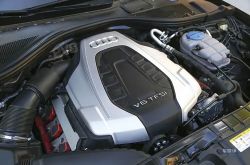
Luxury brands also lowered their prices, joining the price war with concessions that reshaped industry perceptions. SAIC-Audi's A7L offered heavy discounts, with a single model seeing a price drop of RMB 180,000, breaking the price floor for luxury mid-to-large sedans and aiming to revive sluggish terminal sales.
Beyond automaker-led concessions, multiple regions increased subsidies. Qingdao, Chengdu, Fuzhou, and other cities introduced purchase subsidies, creating a dual-concession model of "official price cuts + local subsidies" that amplified the peak-season promotional momentum.
Behind this collective promotional push lies the industry's overall pressure in the 2026 automotive market.
Since the start of the year, competition in the domestic automotive market has intensified, with price wars persisting throughout the year. Most automakers have abandoned the steady growth trajectories of previous years. Many joint ventures and second-tier luxury brands saw year-on-year sales declines, while most domestic and new energy startups struggled with growth fatigue, with performance gaps widening in the first half of the year.
For these automakers, "Golden September and Silver October" represent the last major opportunity of the year to drive volume and reverse declines.
Missing this peak-season window would make achieving annual sales targets virtually impossible. Thus, despite knowing that price concessions would compress profit margins, brands doubled down on promotions, attempting to replicate past peak-season successes and achieve sales turnarounds through concentrated concessions.
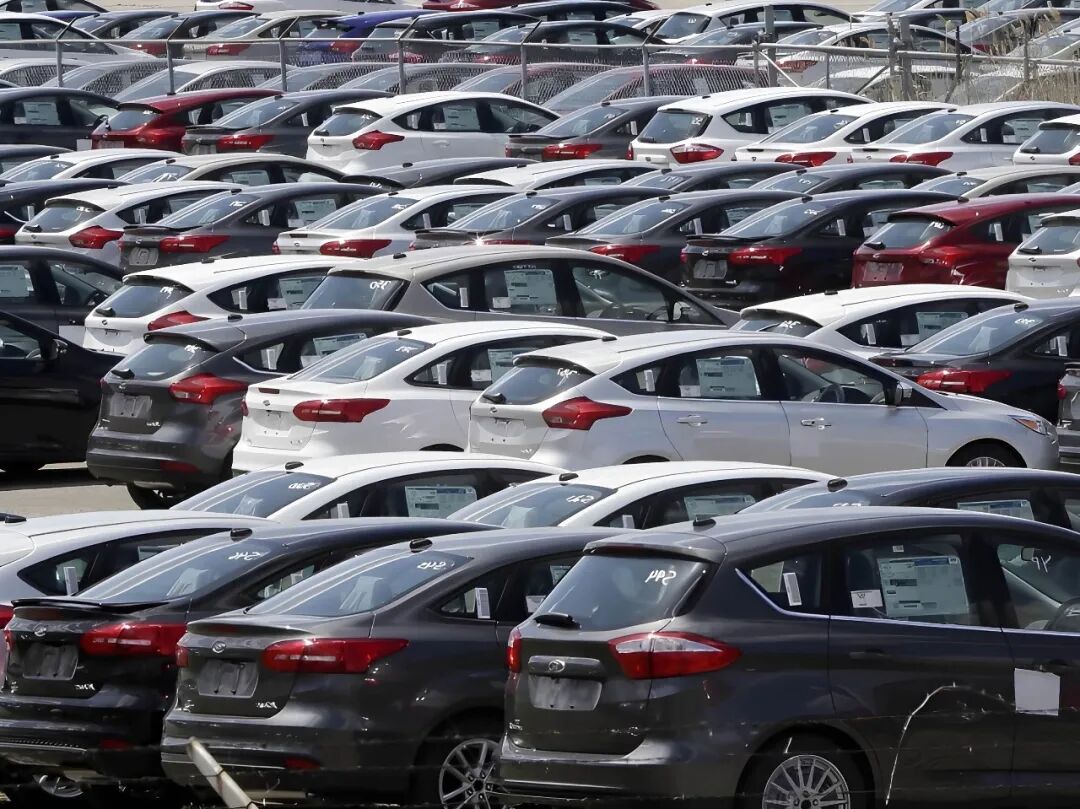
However, terminal feedback suggests that the "Golden September promotions" of 2026 are unlikely to replicate last year's success. Strategies that worked in the past may now, or in the future, lose their effectiveness. In other words, the dividends of traditional automotive peak seasons are fading.
First, promotional gimmicks are intensifying, with a mix of genuine and fake concessions eroding consumer trust.
Not all discounts in this September's wave of promotions are substantial. Some automakers, under the guise of "autumn sales" or "limited-time price cuts," are merely using marketing hype.
Certain models saw price hikes before discounts, leaving terminal prices unchanged. Others offered only minor purchase incentives or short-term interest-free policies, lacking real cash discounts. This mix of genuine and fake concessions has left consumers struggling to discern true value, leading to more cautious purchasing decisions.
Second, normalized price wars have desensitized consumers to promotions.
In today's automotive market, price wars are no longer confined to Golden September and Silver October. Early-year New Year promotions, mid-year 618 sales, and summer off-season discounts have made price cuts a year-round phenomenon.
For consumers, the exclusivity of "Golden September discounts" has vanished. Many models now have daily terminal prices lower than their so-called peak-season limited-time offers. Consumers have grown accustomed to automakers' concession rhythms and are no longer swayed by peak-season promotions alone.
Meanwhile, rapid model iterations in the automotive market have fueled wait-and-see sentiment.
The new energy vehicle sector now iterates at breakneck speed, with some brands launching "three new models in a year." Frequent new and facelifted models have accelerated depreciation of older versions. Consumers widely believe that "buying early means losing out, while waiting yields better deals." Even with significant September discounts, many choose to hold off, anticipating deeper cuts or new model releases, preventing a concentrated release of peak-season demand.
Additionally, this year's conservative macro-consumption environment has made car purchase decisions more rational.
As a major purchase, car buying now involves much longer decision cycles, free from seasonal marketing pressures. Simultaneously, intensified market competition and near-saturated new car penetration have narrowed growth opportunities. The marginal effect of relying solely on price cuts to drive sales continues to decline.
Thus, from an industry perspective, the high-profile Golden September promotions of 2026 are likely to be a costly, low-return effort. In terms of sales logic, the automotive market has long moved beyond the era of "price cuts equal volume gains." Pure price concessions now struggle to unlock large-scale incremental demand.
However, from a competitive standpoint, these promotions hold inevitable significance.
Today's automotive market competition has entered an all-encompassing phase. All automakers understand that promotions may not significantly boost sales or profits, but failing to participate means losing peak-season traffic and market share, falling behind right at the starting line of Golden September and Silver October.
This also implies that the traditional "Golden September" may lose its luster. It is no longer a guaranteed peak season for automakers but a survival game they must engage in. Future automotive market competition will not rely on replicating past peak-season strategies; instead, a new competitive logic will emerge from extreme intensity.
Editor-in-Charge: Li Sijia Editor: He Zengrong

THE END
-
![]()
Trading Suspended! GAC Group Launches Significant Restructuring
-
Cloud Computing in the Sky: Satellites Evolve from Eyes to Brains
-
Cloud Computing in the Sky: When Satellites Evolve from Observers to Processors
-
![]()
Is There a Future for Fuel Vehicles?
-
![]()
What is Insta360 Betting on with One-Fifth of Revenue Invested in R&D?
-
![]()
Find Ways to Make Agents Spend Money
-
![]()
Explosion in AI Inference: Can 'Unfortunate' SanDisk Achieve a Phoenix-like Rebirth?
-
![]()
Over 30 Car Brands Cut Prices in September, Yet Consumers Remain Unconvinced