Is There a Future for Fuel Vehicles?
 09/15 2026
 433
433
Initially, it was believed that with the introduction of a purchase tax on new energy vehicles this year, the traditional fuel vehicle market would experience a resurgence. After all, the sales growth of new energy vehicles in recent years has been heavily reliant on policy support. The mere policy of purchase tax exemption has driven many to switch from fuel vehicles to new energy alternatives.
However, the situation took an unexpected turn. In tandem with the halving of the purchase tax on new energy vehicles in 2026, global fuel prices soared. A review of the data reveals that domestic refined oil prices have undergone 18 adjustments so far this year, with 12 being hikes. There's no denying that the continuous rise in fuel prices poses a significant challenge to the sales of fuel vehicles.
Consequently, one can observe that despite new energy vehicles starting to incur purchase tax in 2026 and experiencing price increases due to rising raw material costs compared to 2025, the sales of fuel vehicles remain sluggish. It's worth noting that, in contrast to the price hikes of new energy vehicles, fuel vehicle prices have continued to decline this year. Nevertheless, despite these price reductions, consumers are still hesitant to purchase fuel vehicles. Let's delve into the sales figures.
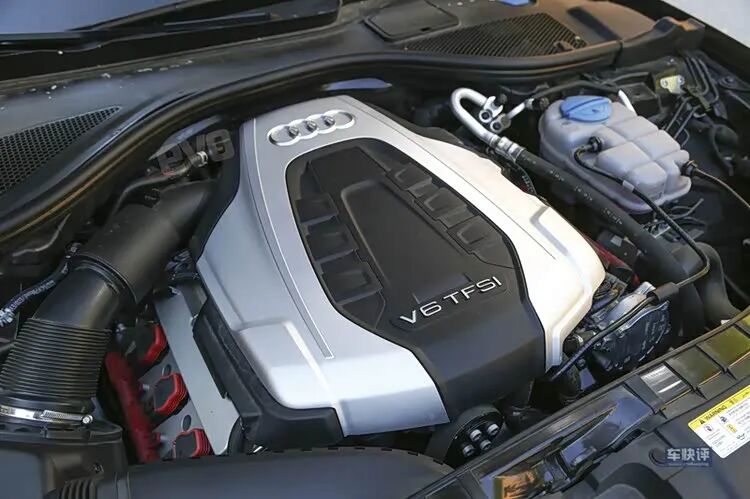
From January to August this year, the cumulative sales of domestic passenger vehicles reached 11.799 million units. Among these, sales of new energy passenger vehicles amounted to 6.737 million units, while fuel passenger vehicles accounted for 5.062 million units. This indicates that in the first eight months of the year, new energy vehicles captured over 57% of the domestic passenger vehicle market, with fuel vehicles holding less than 43%.
From a sales trend perspective, the decline in fuel vehicle sales has accelerated in the latter half of the year. Taking July and August as examples, the year-on-year sales decline of fuel vehicles exceeded 40%, significantly higher than the 19% decline at the beginning of the year.
While fuel vehicle sales continue to plummet, new energy vehicles are surging ahead. In August, their market penetration rate reached a record high of 65.2%. In the domestic vehicle sales rankings for August, none of the top ten selling models were fuel vehicles.

The current predicament of fuel vehicles is grim, and a recent statement by Li Ke, the Executive Vice President of BYD, has further spotlighted the declining fuel vehicle industry. When discussing BYD's flash charging technology, the host inquired about the prospects of fuel vehicles and their specific situations in the Chinese and European markets.
Li Ke's response was unequivocal. She stated that in China, with the widespread adoption of BYD's flash charging technology, it is evident that fuel vehicles have no future.
She also mentioned that while the global transition to electrification may take several years, the ultimate outcome will be the same. Finally, she cited an example, stating that in overseas markets, ride-hailing and taxi drivers who operate the Dolphin Surf (the European version of the BYD Seagull) earn significantly more than their counterparts because the charging cost is only 20% of the fuel cost. The more they drive, the more they save.
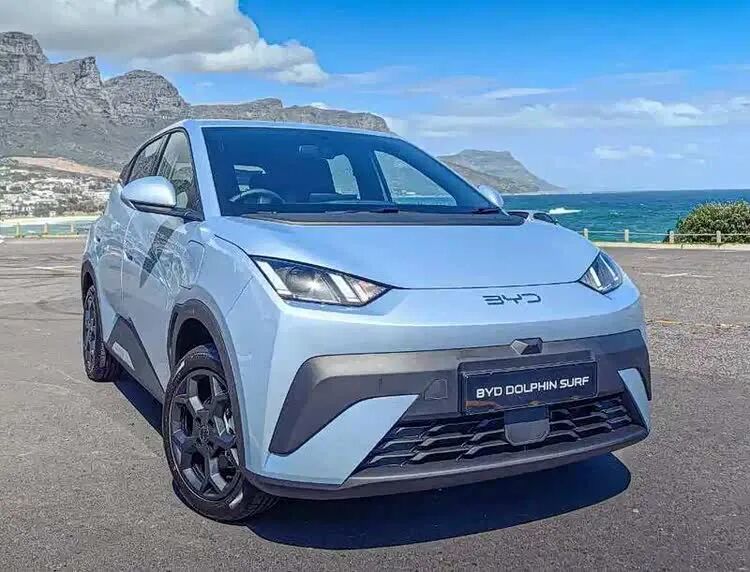
On the surface, Li Ke's statement may seem overly absolute, but upon closer examination, it holds merit. Taking the domestic market as an example, with the continuous improvement of charging infrastructure, even if home charging is not feasible, the daily operating cost of a new energy vehicle is still significantly lower than that of a traditional fuel vehicle. As Li Ke pointed out, the more you drive, the more you save.
In March of this year, BYD also unveiled the second-generation Blade Battery and flash charging technology. By the end of this year, 20,000 flash charging stations will be established nationwide. These stations can charge a vehicle to 90% in just 5 minutes and fully charge it in 9 minutes, with the network of flash charging stations becoming increasingly dense. Among BYD's pure electric vehicles priced over 200,000 yuan, many models boast a pure electric range exceeding 900 kilometers. With long range and rapid charging capabilities, there truly is no range or charging anxiety.
So, what's your take? Does the fuel vehicle industry still have a future? Feel free to leave a comment and engage in a discussion with us.
Copyright Notice: This article is original content from Che Kuaiping. Reproduction requires authorization. Any unauthorized reproduction or plagiarism of images and text is strictly prohibited and will result in legal action. Some images in the article are sourced from the internet, and the copyright belongs to the original authors. If your work has been used, please contact us for royalties or deletion.
-
![]()
The City in Goldman Sachs’s Spotlight: Ulanqab!
-
How Should Gas Stations Adapt Amid Declining Fuel-Powered Vehicle Sales?
-
![]()
Should GAC Shareholders Be Concerned: FAW Opts Not to Invest Cash but Lightens Its Joint Venture Load to Become Second-Largest Shareholder!
-
![]()
Wuling, a Two-Decade Overseas Market Pioneer, Appoints Han Dehong as Party Secretary
-
![]()
Trading Suspended! GAC Group Launches Significant Restructuring
-
Cloud Computing in the Sky: Satellites Evolve from Eyes to Brains
-
Cloud Computing in the Sky: When Satellites Evolve from Observers to Processors
-
![]()
Is There a Future for Fuel Vehicles?