Starting from 100,000? Honda's new car suddenly revealed: Launching on October 6
 09/22 2026
 415
415
Spy shots are already on the road—Honda's compact SUV undergoes a major refresh.
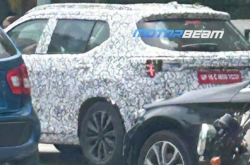
Recently, a set of road test spy shots emerged in the overseas automotive community, showing Honda's compact SUV test vehicle frequently appearing on the streets of India, attracting significant attention and photography from foreign media.

Image source: Baijiahao
India's Autocar was the first to release the spy shots, followed by several Japanese automotive media outlets reporting and sharing the news. This model, codenamed WRV and locally named Elevate in India, is expected to officially launch in October 2026, with rumors pointing to October 6 as the launch date. It represents Honda's most important refreshed model for emerging markets.
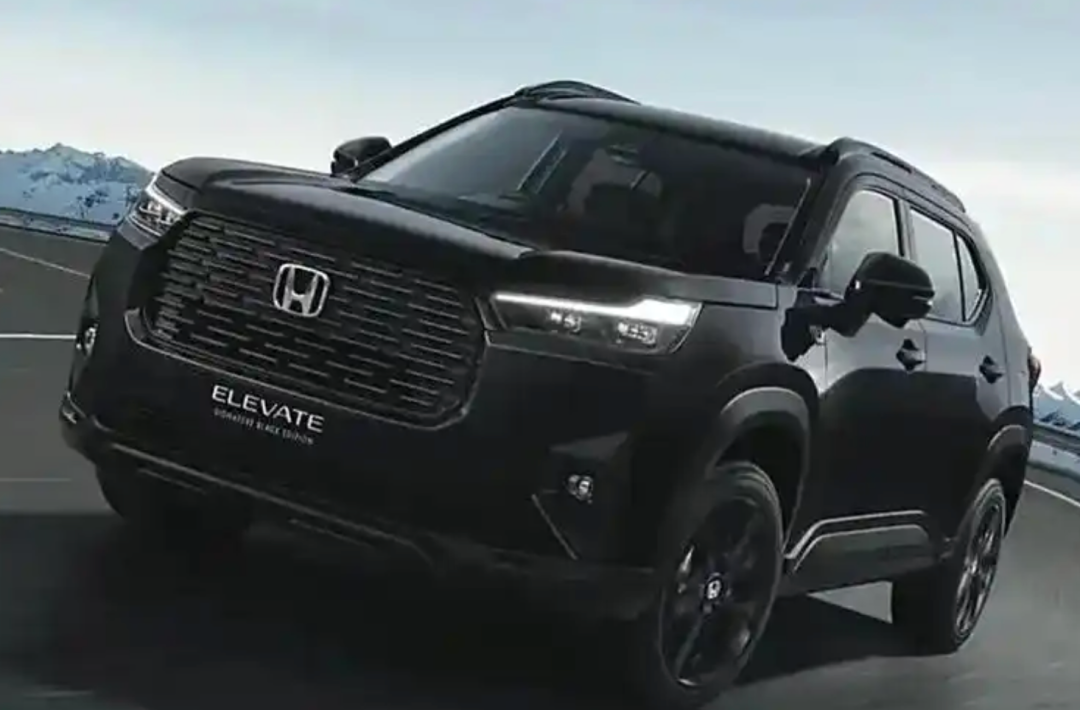
Image source: Autohome
Many people's first reaction upon seeing the camouflaged spy shots was to assume it was just a minor annual refresh involving a bumper change and slight adjustments to the lighting.
However, based on current reports from multiple sources, the scope of these changes is far greater than a typical minor refresh.
1. Not just minor tweaks—comprehensive upgrades to the cabin, safety, and powertrain
This refresh is a high-specification mid-cycle update. While the basic body and chassis architecture remain unchanged, the exterior, interior, comfort features, smart infotainment system, and active safety have all been reoptimized. The biggest highlight is the introduction of the first HEV hybrid variant, addressing the biggest shortcoming of the previous model.
Clear changes can be observed from the camouflaged test vehicle's exterior.
The front fascia features a larger polygonal grille, with restructured lighting elements. The height of the front end has been further elevated, and the vehicle retains thick black protective cladding around the body, avoiding a refined coupe-SUV route and instead adopting a durable, practical style typical of Honda's family-oriented SUVs.
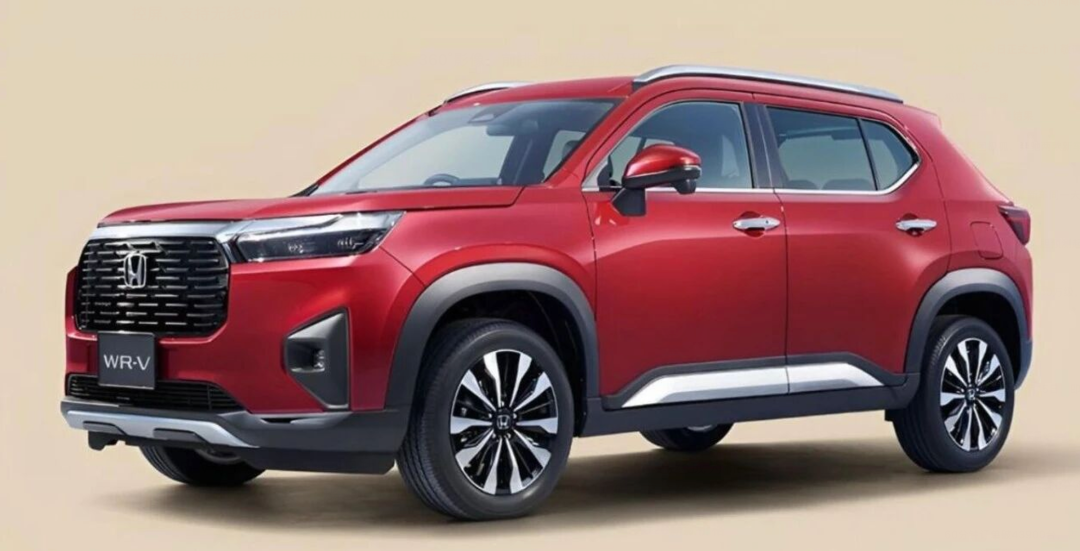
Image source: Autohome
Interior spy shots have not been fully revealed yet, but overseas media have obtained the refreshed configuration plans.
The main complaint about the previous WRV's interior was the extensive use of hard plastics, with a significant quality gap between high and low trims. After the refresh, the center console and door armrest areas will feature more soft-touch materials, and the dual-tone interior color scheme will be updated, elevating the overall sense of luxury.
The infotainment system is a key upgrade. High-end versions will feature a 10.25-inch floating center display supporting wireless CarPlay and wireless Android Auto, moving away from the previous model's wired connectivity. The instrument cluster will be upgraded to a 7-inch TFT LCD display, providing more complete driving information.
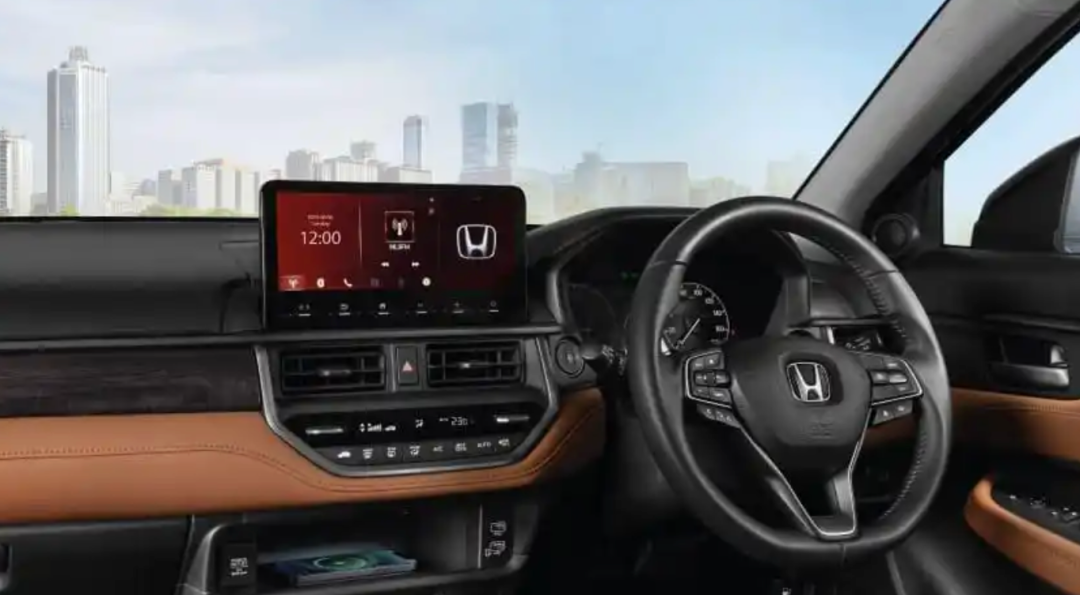
Image source: Autohome
In terms of comfort features, high-end models will be equipped with automatic climate control with PM2.5 air filtration. Some versions will offer a panoramic sunroof, 360-degree surround-view camera, keyless entry, push-button start, and remote start functionality.
Thanks to Honda's MM (Man Maximum, Machine Minimum) space design philosophy, this compact vehicle boasts a significant advantage in wheelbase, providing ample rear legroom. It retains Honda's classic Magic Seats, with a conventional trunk capacity of 363L, expandable to 881L when the seats are folded down, placing it among the top performers in the compact SUV segment for cargo capacity.
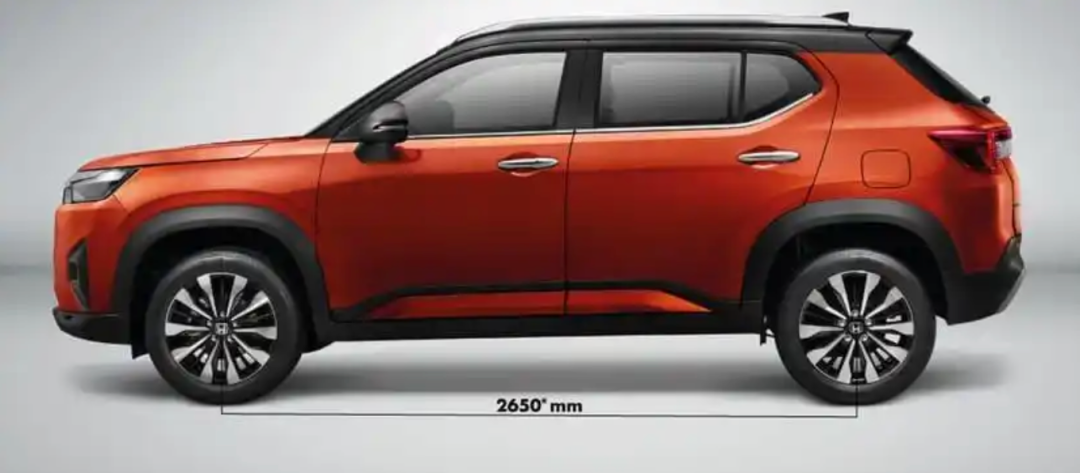
Image source: Autohome
Enhanced safety features are a major highlight of this refresh. In the previous model, many versions only offered Honda Sensing advanced driver-assistance systems on the top trim, with relatively basic safety features on lower trims.
After the refresh, the Honda Sensing suite will be made available across more trims, including pre-collision braking, lane-keeping assist, road departure mitigation, adaptive cruise control, and hill start assist. High-end models will feature six airbags, with Vehicle Stability Assist (VSA) standard across all trims, significantly raising the safety baseline for entry-level versions.
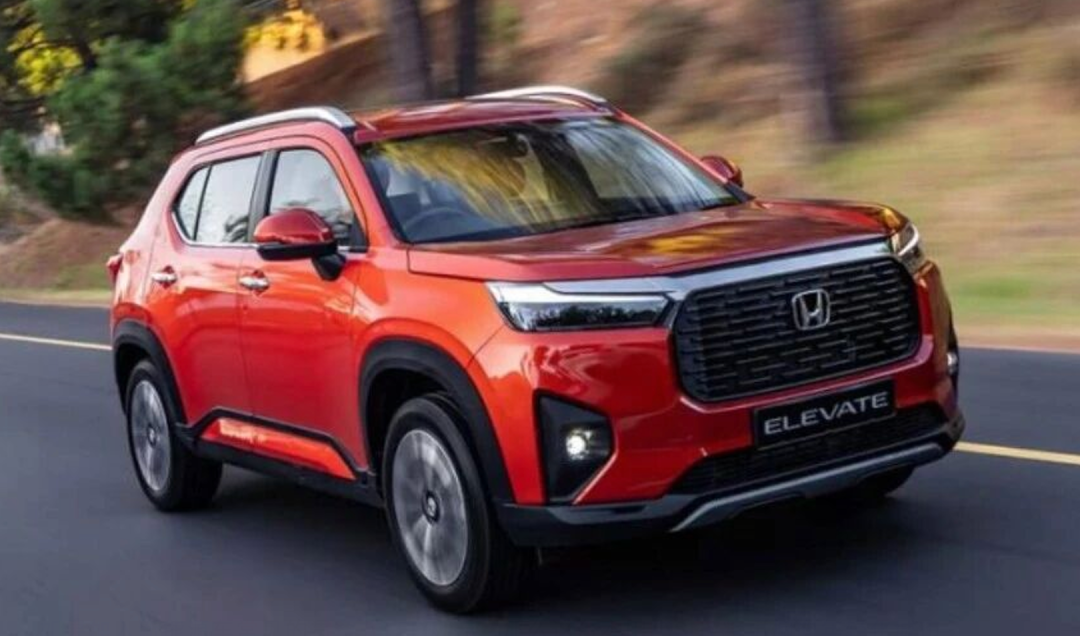
Image source: Autohome
The powertrain will be available in two configurations.
The main attraction is the newly added 1.5L iMMD hybrid powertrain, which shares its origins with the overseas City model, focusing on fuel efficiency and smooth operation. It has been retuned for India's high-temperature road conditions to compete with local hybrid rivals.
The gasoline version will continue to use the 1.5L iVTEC naturally aspirated engine, producing 121 horsepower, available with a 6-speed manual and CVT transmission. The manual version primarily caters to the low-cost demands of emerging markets, while the CVT version targets urban family users, balancing reliability and fuel efficiency.
2. Market price forecast
The current Elevate (Indian version of the WRV) starts at approximately ₹11.81 lakh locally, with the top gasoline variant reaching ₹16.78 lakh (ex-showroom price).
Given the significant increase in interior materials, smart features, and the addition of the new hybrid powertrain, overseas industry media have provided price predictions.
After the refresh, the entry-level gasoline variant is expected to see a slight price increase, with the starting price approaching ₹12 lakh. The mid-to-high-end gasoline CVT variants are expected to fall within the ₹14-17 lakh range.
The newly added 1.5L iMMD hybrid variant, positioned as the premium version of the lineup, is estimated to start at around ₹17-19 lakh, competing with local hybrid compact SUVs from Hyundai and Tata, thereby filling Honda's product gap in India's hybrid SUV segment.
Converted to RMB for reference, the gasoline variants are expected to range from approximately ¥100,000 to ¥140,000, while the hybrid variant is estimated to be around ¥140,000 to ¥160,000.
It is important to note that these are only predictions for the Indian market. Pricing logic for Southeast Asian and Japanese import versions will differ significantly, with Japanese import versions commanding higher prices due to tariffs. Additionally, this pricing system cannot be directly applied to the domestic Chinese market.
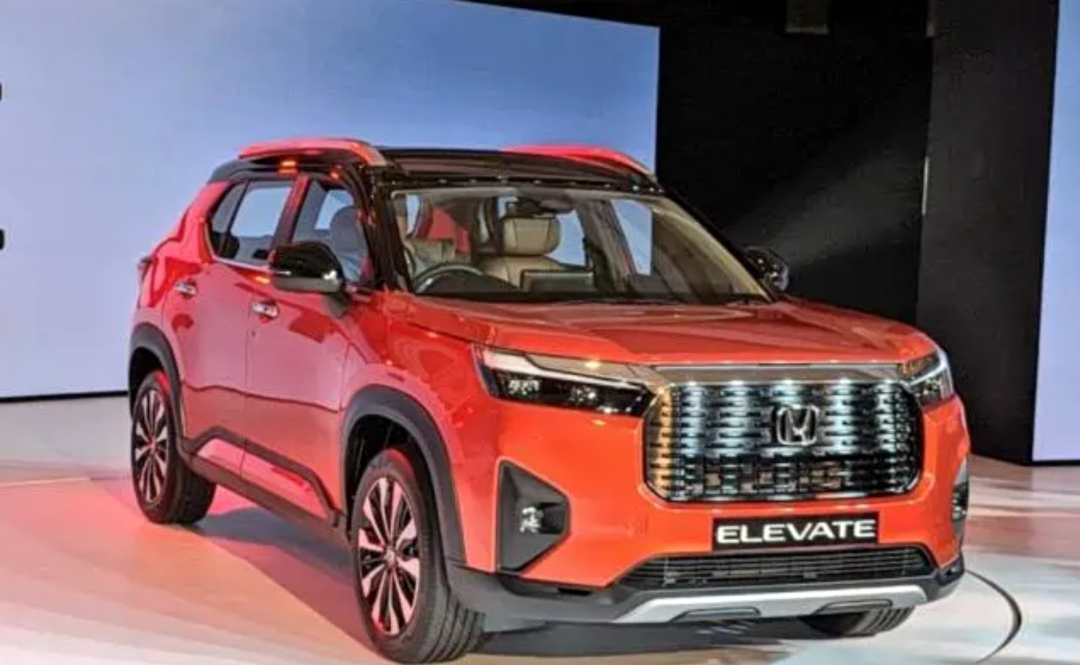
Image source: Autohome
Many netizens are also discussing how a vehicle priced at this level would fare if introduced domestically.
"A Honda compact hybrid SUV for around ¥100,000-¥150,000 seems appealing, but domestic competitors in the same price range offer overwhelmingly better configurations."
"Pricing based on the Indian market would lack a competitive edge domestically and would struggle to compete."
3. A popular regional model, but largely irrelevant to the domestic market
It is crucial to clarify a key point: The WRV is not truly a global model.
Development and production efforts for this vehicle are focused entirely on emerging markets like India, Southeast Asia, and South America. The entire vehicle is manufactured in Indian factories, and even the WRV models sold in Japan are imported from India.
Many automotive enthusiasts in China are intrigued by the specifications: compact size, entry-level positioning, and the addition of a hybrid powertrain. If introduced, pricing would likely be lower than the Vezel (HR-V in some markets).
However, the reality is clear: This vehicle is almost certainly not coming to the Chinese market.
In Honda's domestic Chinese lineup, the Vezel, XR-V, and HR-V already firmly occupy the compact SUV segment. Introducing the WRV would lead to direct internal competition with Honda's own models, and there is no reason for Honda to introduce another region-specific SUV.
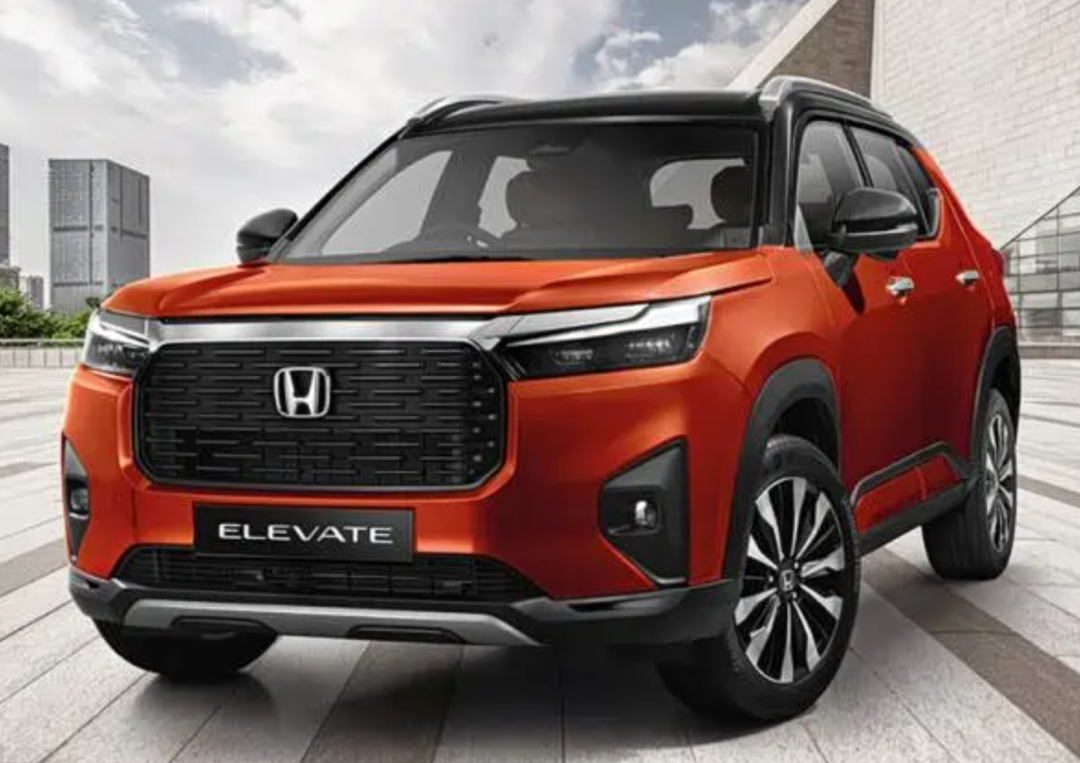
Image source: Autohome
4. Significant configuration variations across regions reveal Honda's product strategy
Noticeable configuration differences will exist across market versions. The fully equipped Indian version will not be replicated in Southeast Asian or Japanese markets, with some regional markets seeing reductions in core features like airbags and driver-assistance systems. Pricing and configuration references cannot be based solely on Indian spy shot configurations.
For ordinary domestic consumers, this refreshed WRV is more of a "spectator model."
It clearly reflects Honda's strategy in the overseas entry-level SUV segment: prioritizing space, reliability, and hybrid powertrains to improve fuel efficiency, using balanced product strength to capture market share in emerging markets.
In contrast, the domestic compact SUV segment is far more competitive. Domestic models are aggressively advancing in terms of smart cockpits, chassis technology, and cost-effectiveness, leaving increasingly narrow room for joint-venture entry-level SUVs.
For Honda to maintain its position in China's compact SUV market, the product strength of subsequent localized refreshes will be the true focal point.
Disclaimer: This article is solely for commentary by Zhicaijing and does not constitute any investment advice. The corporate data and regulatory events mentioned herein are derived from publicly available information and are for reference only, with official announcements taking precedence. Images sourced from the internet; if copyright issues exist, please contact for removal.
-
Re-evaluating AI Penetration Rates Among Three Internet Veterans
-
![]()
Decoding Tesla FSD's EU Certification: Two Pathways for China's L2++ Intelligent Driving to Go Global
-
![]()
Unistrong Sheds Overseas Assets After 7.5 Years of Losses Totaling Nearly RMB 3.7 Billion, Operating Cash Flow Plunges by 4532%
-
![]()
Profits and Stock Prices Plunge in Unison! Volkswagen Ousted from Europe's Elite Stock Index
-
![]()
Don't Just Fixate on RMB 59.88! The True Catalyst for Sanhua Intelligent Lies in Its 'Third Growth Curve'
-
![]()
Starting from 100,000? Honda's new car suddenly revealed: Launching on October 6
-
![]()
Mobile Phone Prices Soar: Can Changxin Offer a Cost-Effective Solution?
-
![]()
The “De-CATL-ization” Trend: Can CATL Weather the Storm?