Is the XPENG GX, a 'Greater Bay Area Range Rover' Priced at 300,000 Yuan, Worth Buying? | Test Drive Report
 09/22 2026
 381
381
Written by / Yang Xuejian Source / Jiedian Auto
When evaluating a large six-seater SUV, the focus should not solely be on the number of screens or seats, nor just on the length of the vehicle.
The real questions related to daily life are: Will driving into a residential area during rush hour be stressful? Can the vehicle navigate a U-turn in a mall parking garage in one go? When taking the family out for the weekend, is there still space for luggage after the third row is occupied? If there's a sudden need to meet a client, does the vehicle exude an air of sophistication?
The XPENG GX aims to address these very questions.
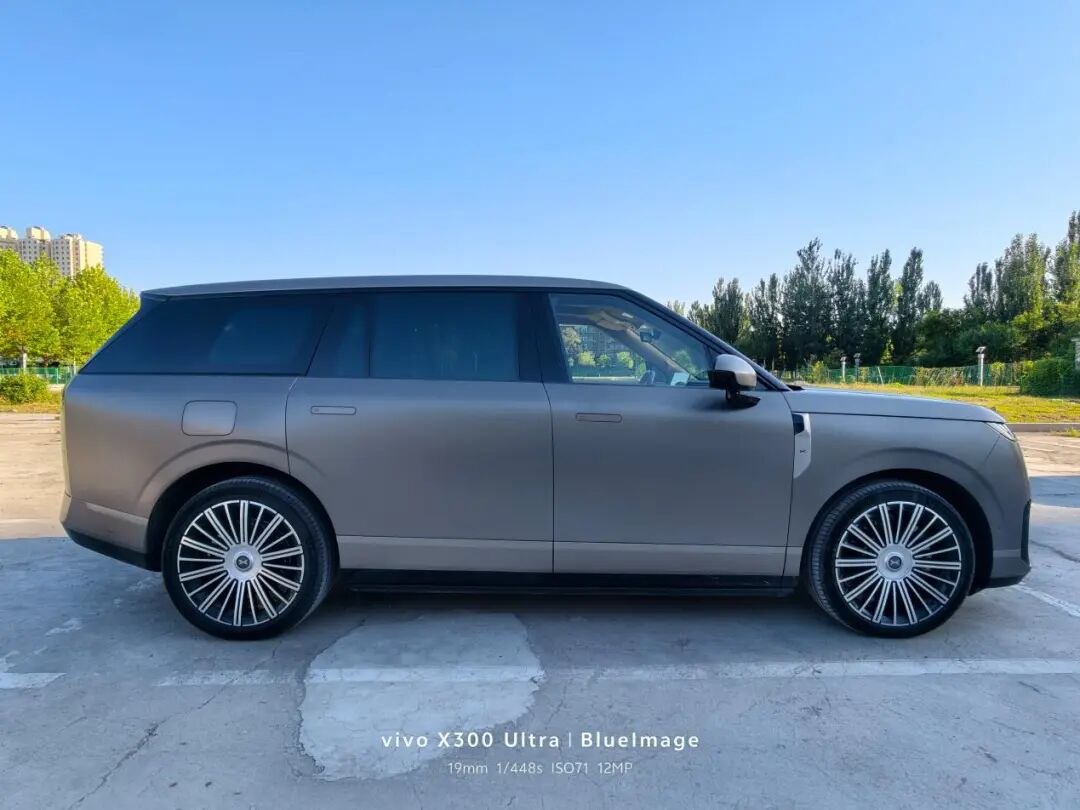
With a length of 5,265 millimeters and a wheelbase of 3,115 millimeters, it is a standard full-size, large six-seater SUV. However, from Jiedian's test drive experience, the most noteworthy aspect of this vehicle is not its size, but rather its effort to make the driver forget they are driving a large vehicle.
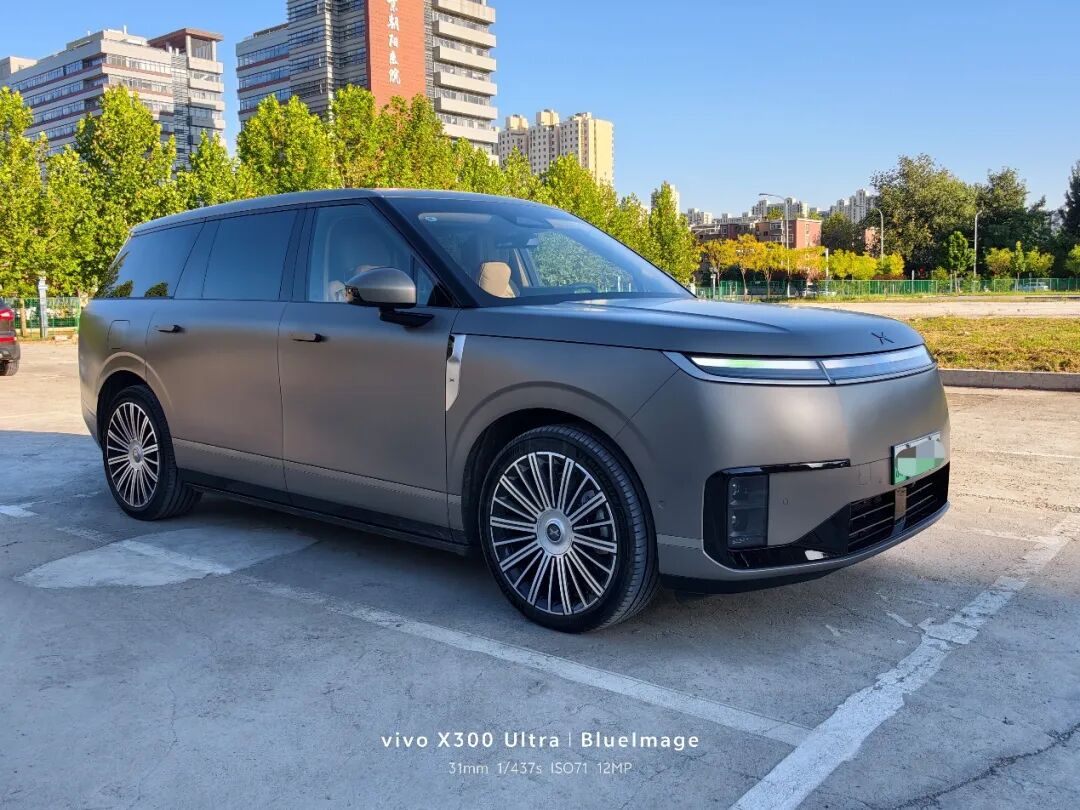
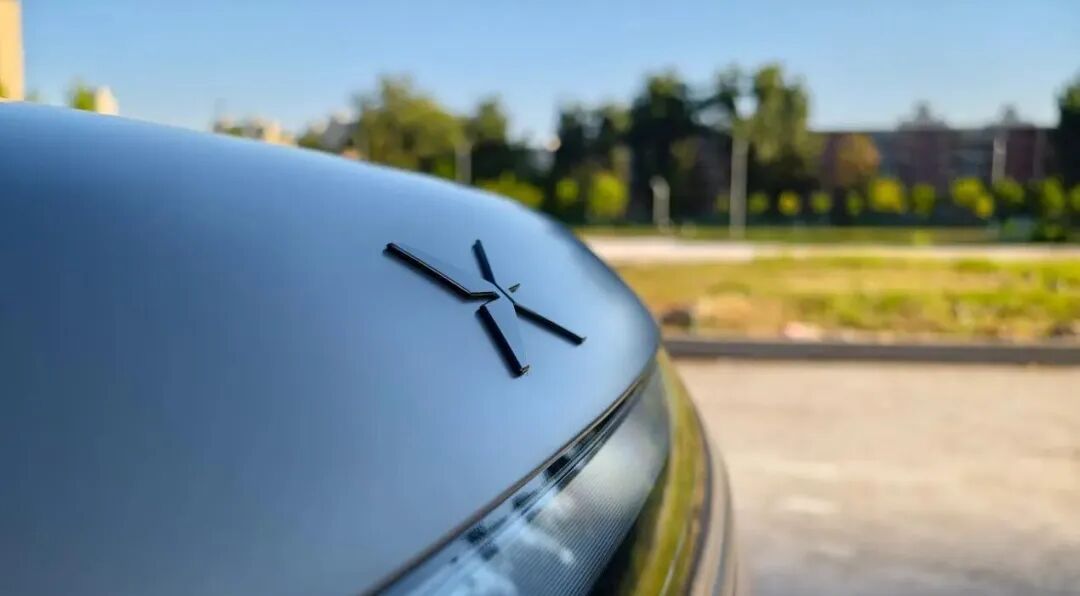
Some refer to it as the 'Greater Bay Area Range Rover,' and this is partly due to its imposing appearance: boxy, tall, and with a wide front, it truly exudes a commanding presence in parking lots, attracting onlookers. However, after driving it for several laps, Jiedian can confidently say that the XPENG GX does not equate to 'difficult to drive for a large vehicle.'

It looks like a vehicle meant for business negotiations, but what about when you sit inside?
The XPENG GX's bold exterior makes it hard to associate with a 'warm family SUV,' but the feeling becomes more apparent once seated inside.
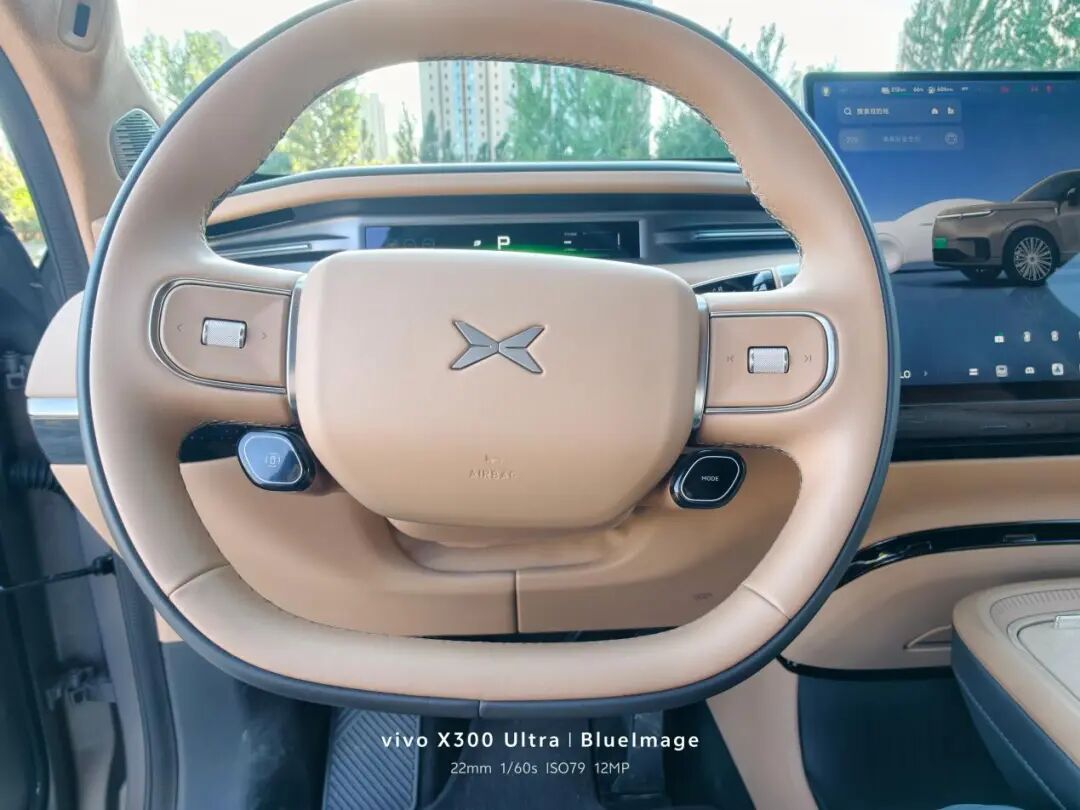
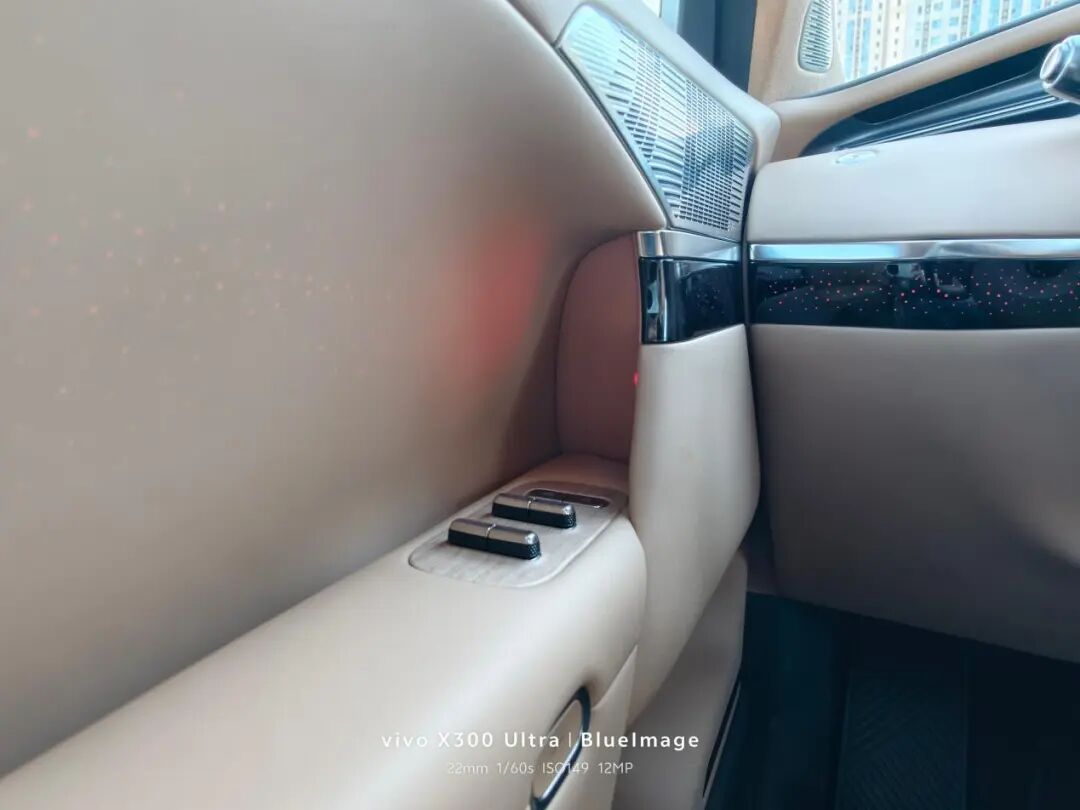
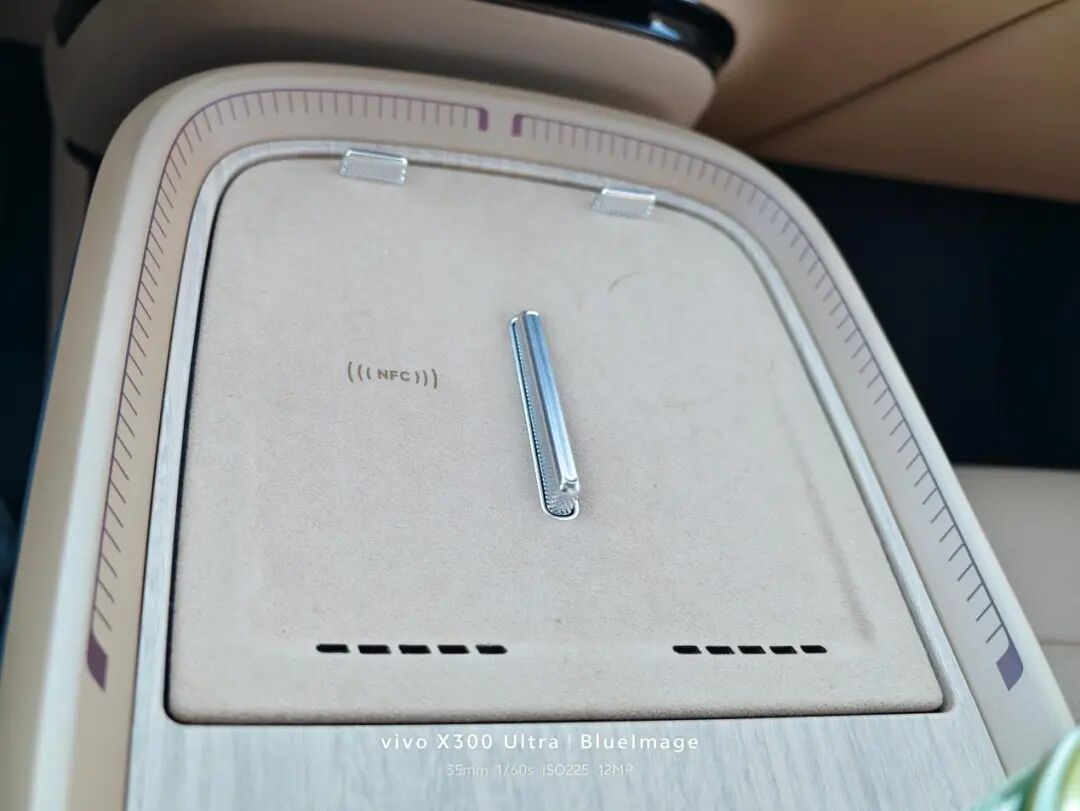
The cabin design maintains a minimalist approach, avoiding unnecessary complexity. The center console features a 17.3-inch screen, complemented by an 88-inch AR-HUD and an 8.8-inch instrument panel. High-end models are equipped with a 21.4-inch 3K rear entertainment screen and an 8-inch rear intelligent control screen. The overall materials, screens, and ambiance reflect the quality expected of a flagship model. Especially in easily accessible areas, such as the steering wheel, door handles, and center console brackets, the vehicle conveys a sense of luxury and attention to detail. 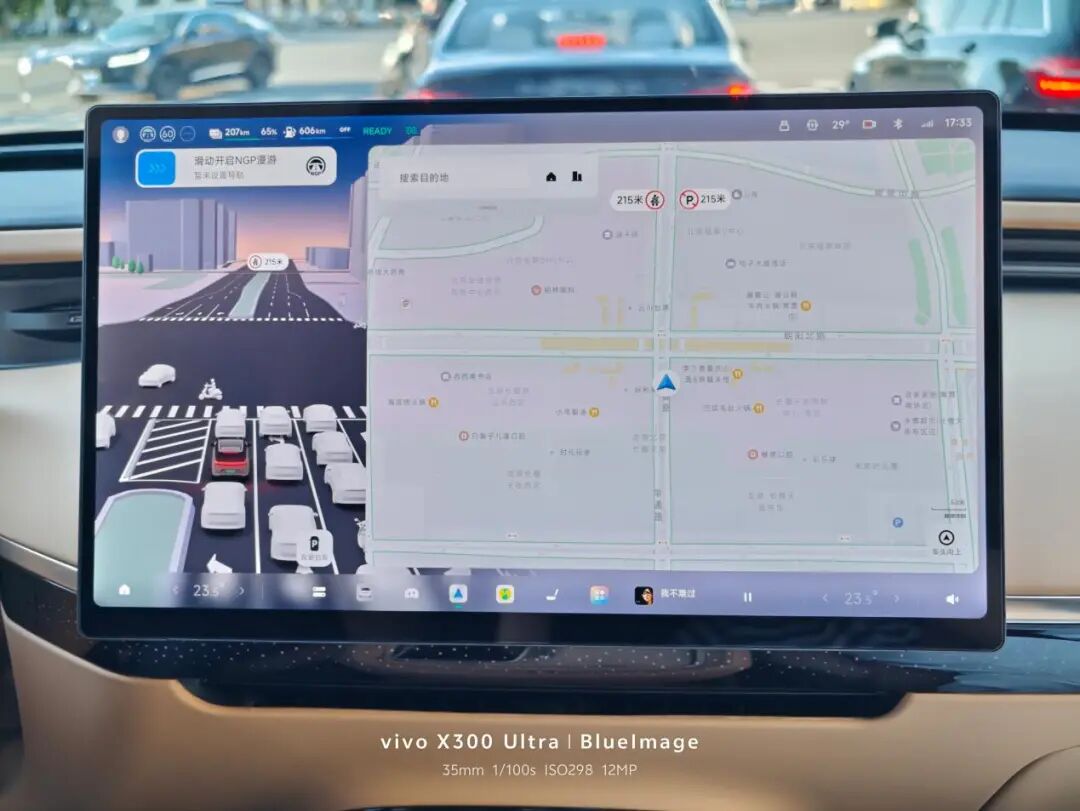
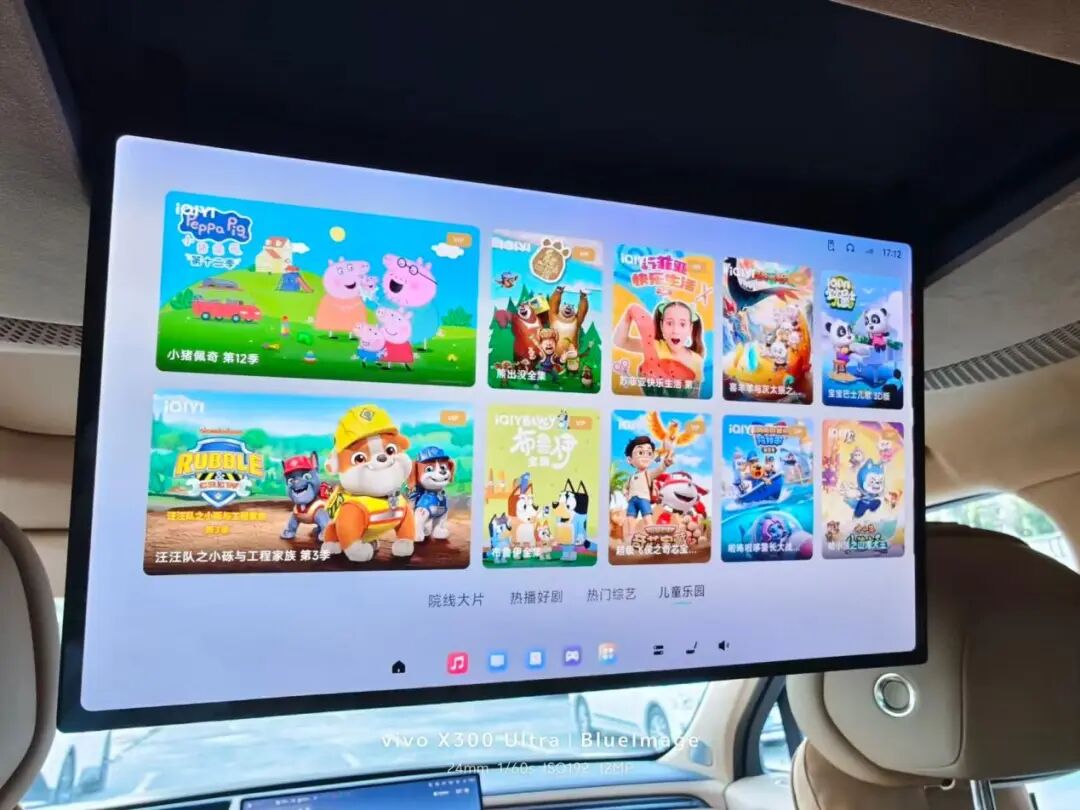
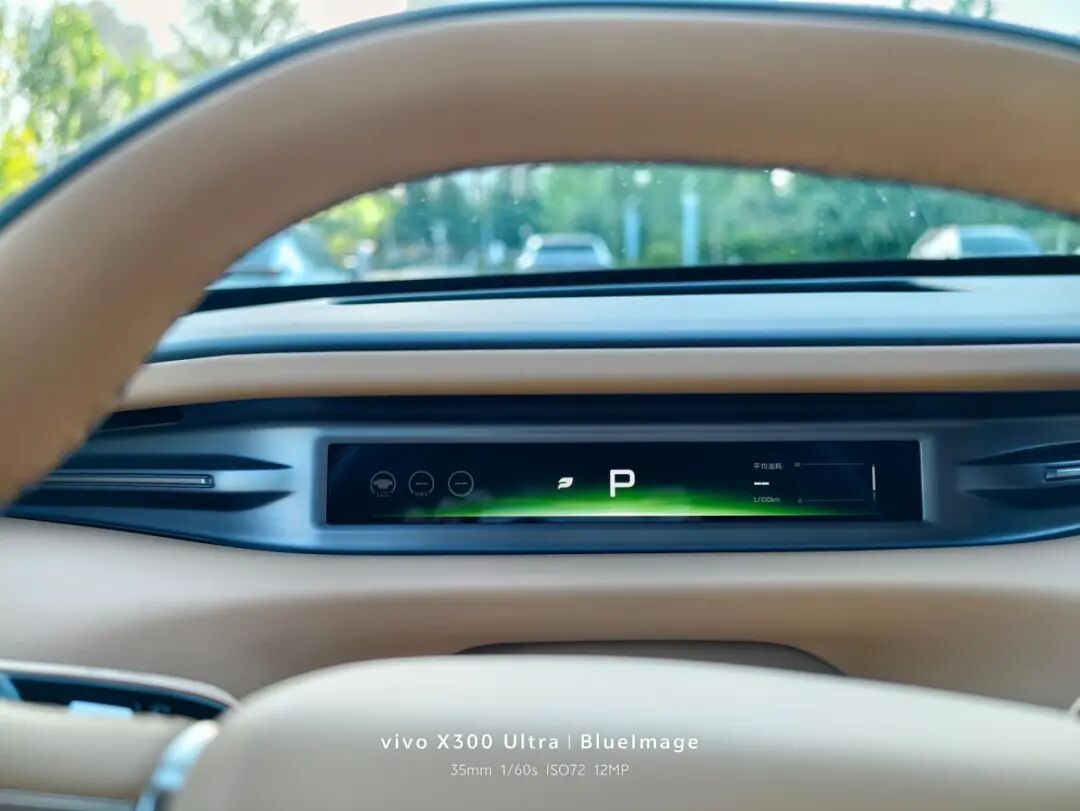
In terms of details, this vehicle showcases XPENG's new level of refinement, considering the overall experience of both the driver and passengers. For example, the driver does not need to frequently look down to view the HUD and instrument panel while driving; the front passenger can independently manage navigation, music, and vehicle controls; and when occupants in the second and third rows need to adjust the air conditioning, watch a movie, or control the seats, the voice assistant, Xiao P, responds accurately—a performance that stands out among vehicles in this price range.
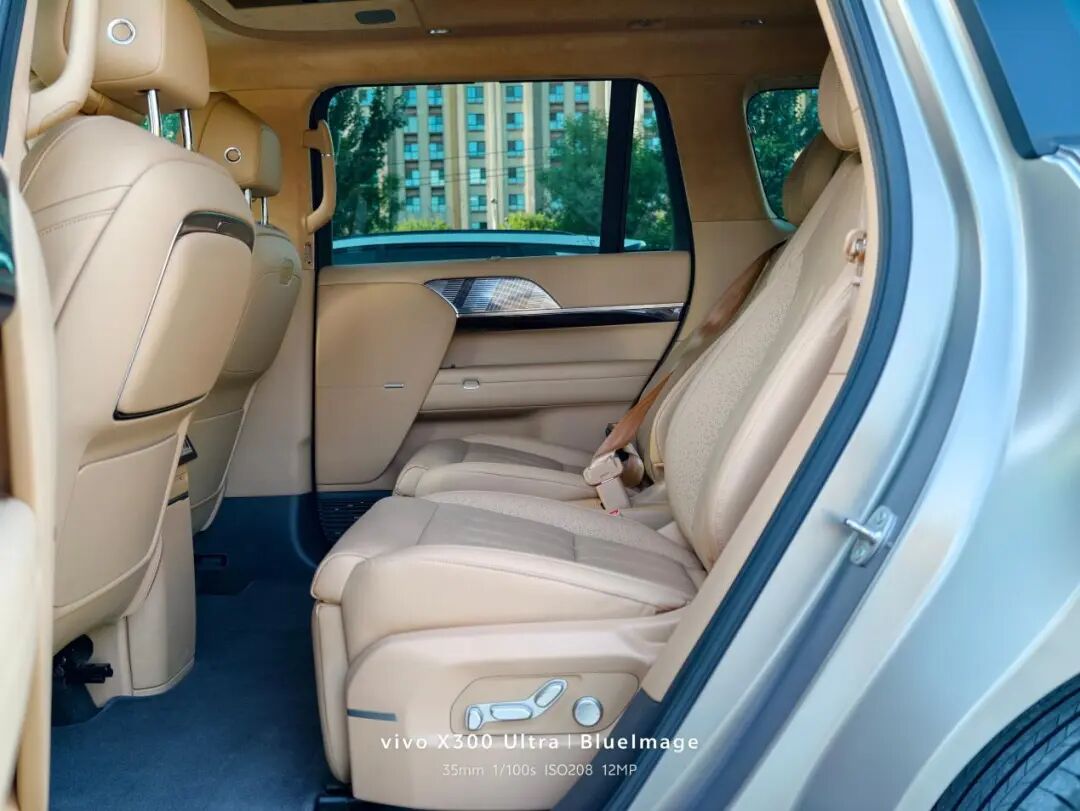
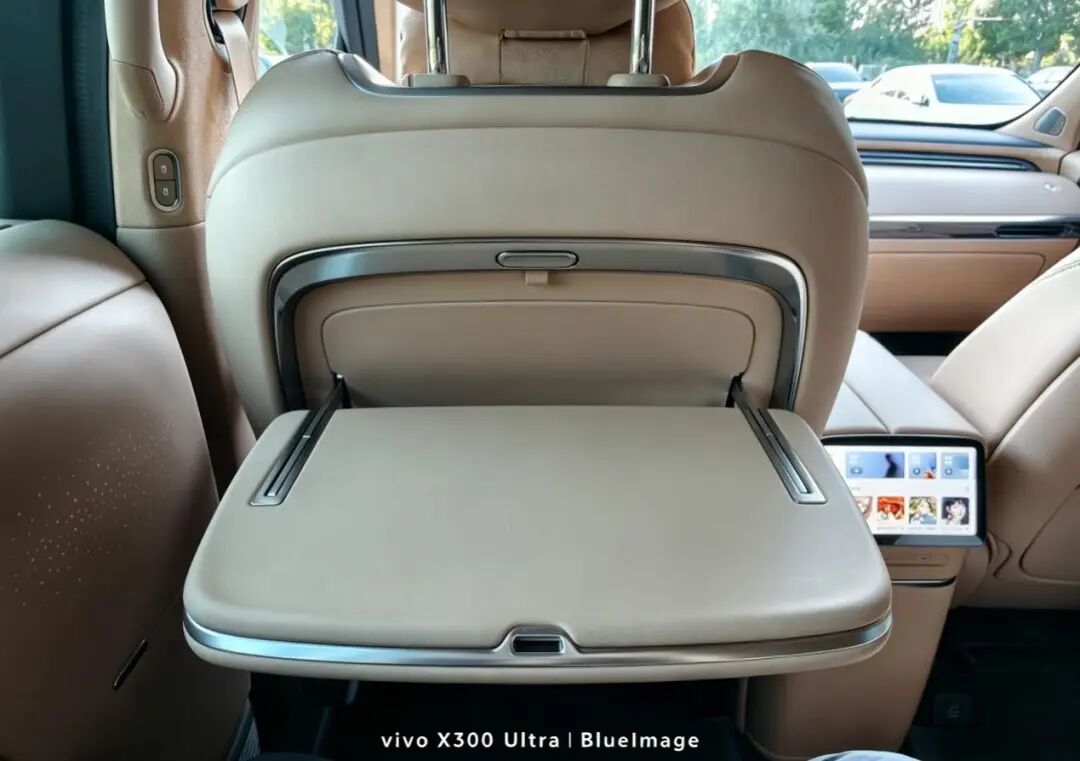
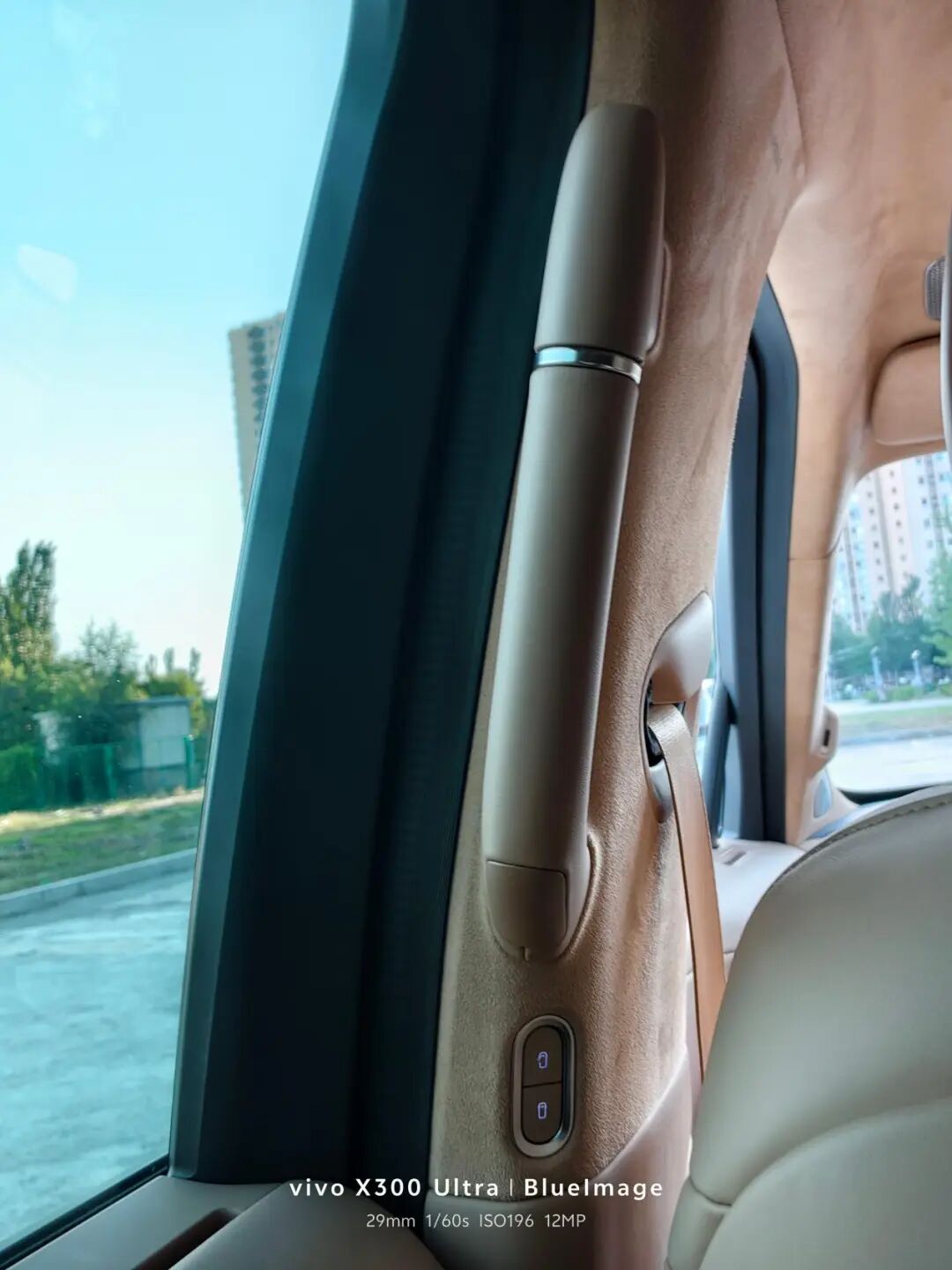
Particularly noteworthy is the second row, which appears to be where XPENG has invested the most. High-end models offer zero-gravity seats with complete features, including adjustable backrests, leg rests, ventilation, heating, and massage functions. During long trips, second-row passengers can truly relax and lie down. Children can also complete their homework on the fold-out tray tables or enjoy simple meals in the vehicle, with these configurations providing added convenience.
Even among full-size SUVs, many vehicles still offer insufficient space in the third row. The XPENG GX's solution is to maintain a 180-millimeter central aisle between the second and third rows, with the third row supporting electric backrest adjustment and seat heating. The third-row backrest can even be adjusted to a nearly flat position.
Objectively speaking, given the inherent size limitations of SUV models, it is unrealistic to expect the third row to offer the same experience as the second row. If there is a strong need for third-row usage in family vehicles, new energy MPVs, such as the XPENG X9, would be a better choice. However, new models like the XPENG GX and Li Auto L9 are striving to ensure that when the third row is occasionally needed, all occupants can at least be comfortable and dignified—an effort that Jiedian finds meaningful.
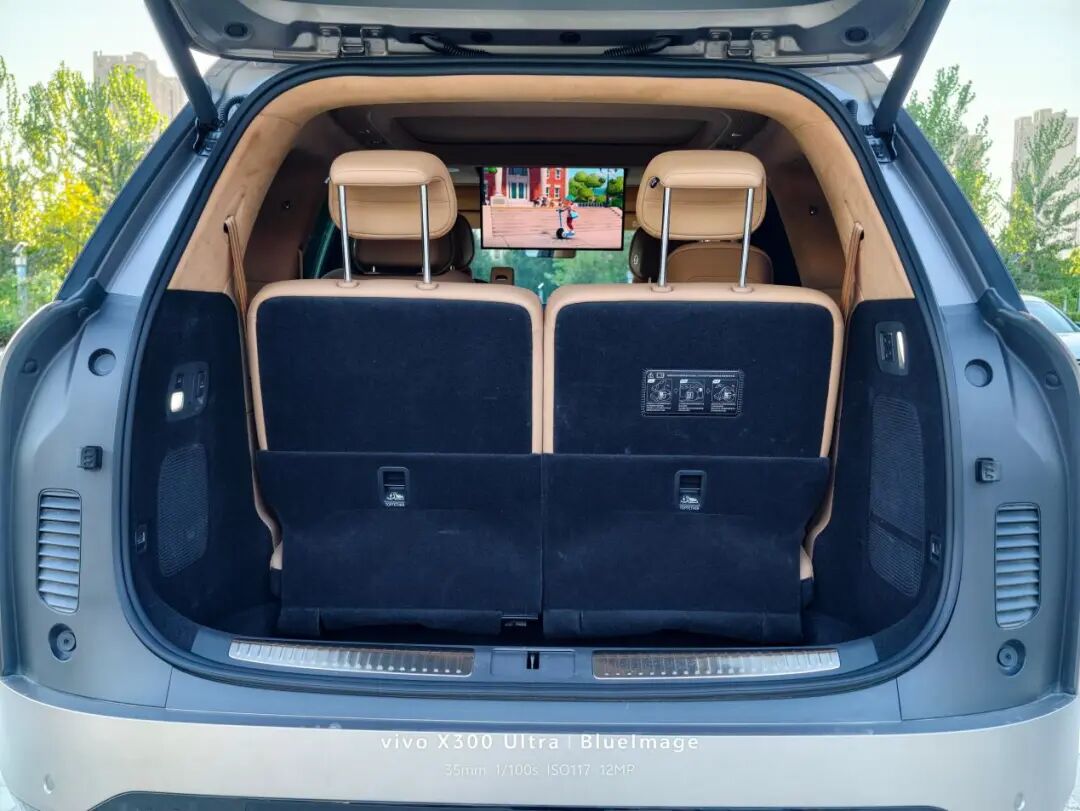
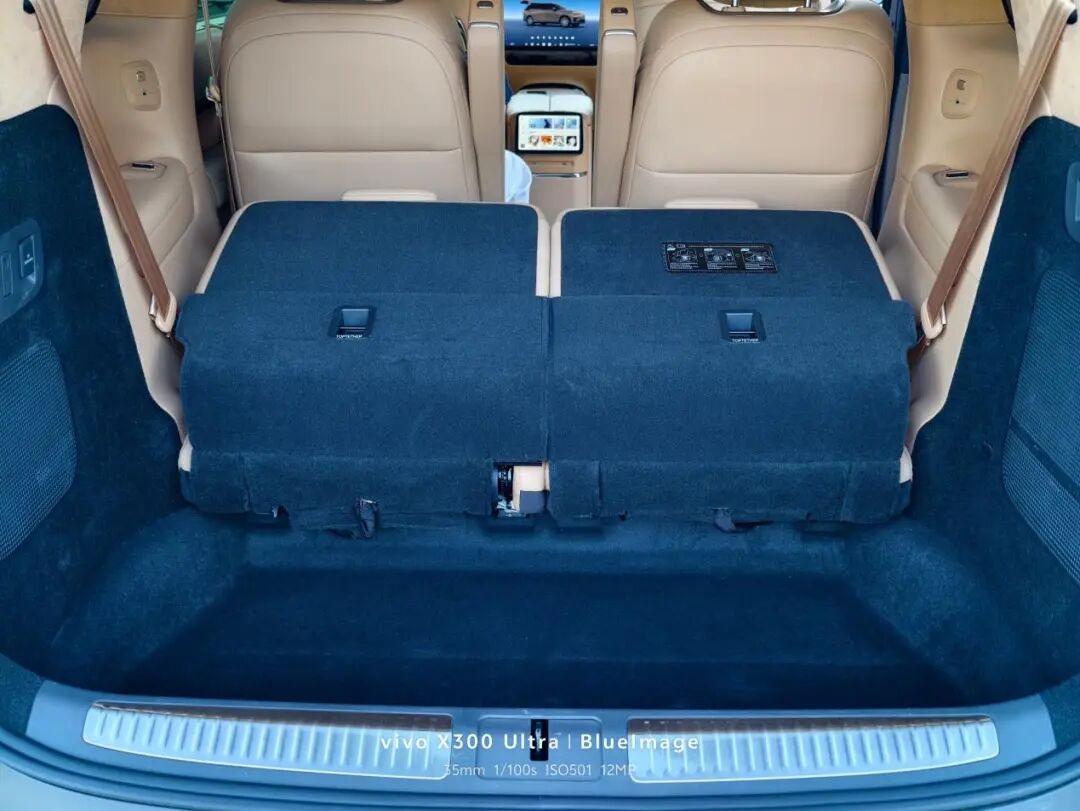
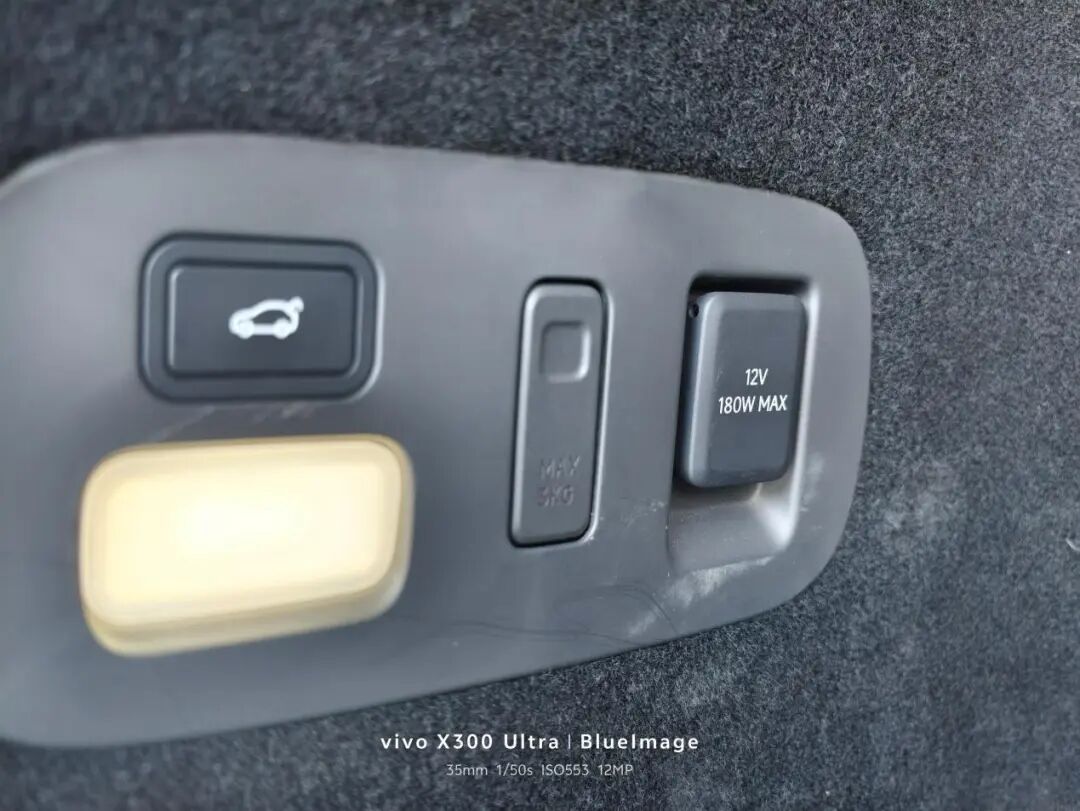
In terms of space, when fully loaded with six occupants, the XPENG GX offers a trunk capacity of 673 liters, which the manufacturer claims can accommodate six 24-inch suitcases. After the third row is electrically stowed, the trunk can expand to 1,748 liters. For users who need to transport children, parents, luggage, and occasionally camping gear and strollers, this offers greater practicality than just the concept of 'six seats'—something that buyers of large vehicles understand well.

Driving a vehicle over 5.2 meters long is not intimidating
After discussing the static aspects, let's examine the dynamic driving experience. In fact, what surprised Jiedian the most about the XPENG GX was its driving feel.
Before the test drive, seeing a vehicle over 5.2 meters long and nearly 2 meters wide inevitably led to the assumption that it would require careful parking and ample space for U-turns. However, once on the road, it did not create the expected sense of constant vigilance.
The XPENG GX performs adroitly in turns, U-turns, and narrow roads with heavy pedestrian and vehicle traffic.
This agility partly comes from its rear-wheel steering. The manufacturer claims a minimum turning radius of 5.4 meters, which is quite impressive for a full-size SUV. In actual driving, low-speed turns do not require frequent steering adjustments, and in residential areas, mall parking garages, and narrow intersections, both the front and rear of the vehicle respond more obediently than anticipated.
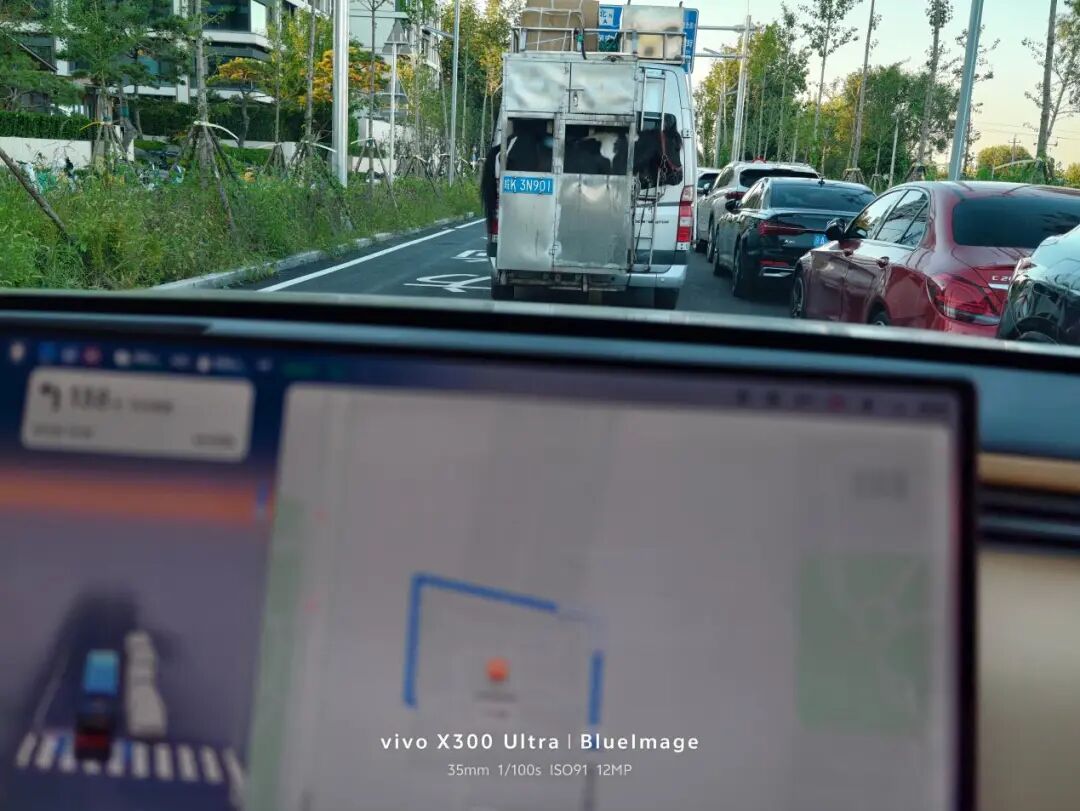
On the other hand, the steer-by-wire system and integrated chassis control provide more direct feedback. The most noticeable aspect is the XPENG GX's light steering wheel and precise handling, ensuring that the vehicle's front end responds accurately without the delayed reaction common in many large vehicles. After driving the all-new Li Auto L9 and then the GX, it becomes evident that both vehicles share a similar pursuit of making large vehicles easier to drive.
Jiedian boldly predicts that among new energy flagship large SUVs, such agile driving experiences will become the norm, as steer-by-wire chassis and rear-wheel steering are likely to become standard features in the future.
Intelligent driving capability has always been a top priority for XPENG, and one of the abilities that XPENG's Chairman and CEO, He Xiaopeng, values the most.
During this test drive, Jiedian did not deliberately seek out open highways but instead chose late-rush-hour urban roads combining residential areas and shopping malls. While such road conditions may not seem complex, they actually test the system's capabilities, with frequent Roadside temporary stop (on-street parking), unpredictable pedestrians and electric scooters, dense vehicle entrances and exits, and sometimes unclear road markings.
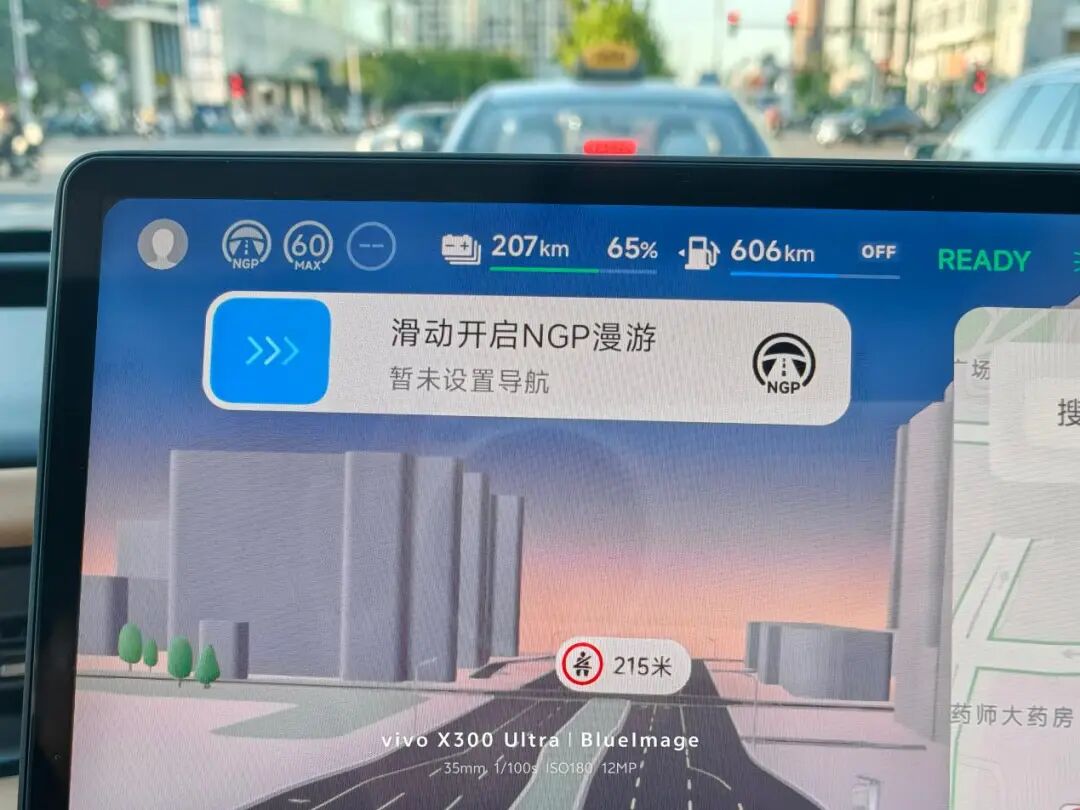
After setting the destination, the NGP roaming assist feature can be activated by swiping on the central console screen, and the vehicle will take over. The interaction is not overly complex but still retains a clear manual confirmation step, which Jiedian believes is not superfluous—at least it provides an additional layer of information for the human driver, reinforcing the need to stay focused while driving.
On most road segments, the XPENG GX's assisted driving performance is smooth and aligns with its 'persona.'
For example, it maintains a safe following distance without tailgating, and when facing decelerate (deceleration) from vehicles ahead, its braking is not abrupt. When passing through residential area exits, merging traffic from malls, or on-street parked vehicles, the system's responses are relatively restrained.
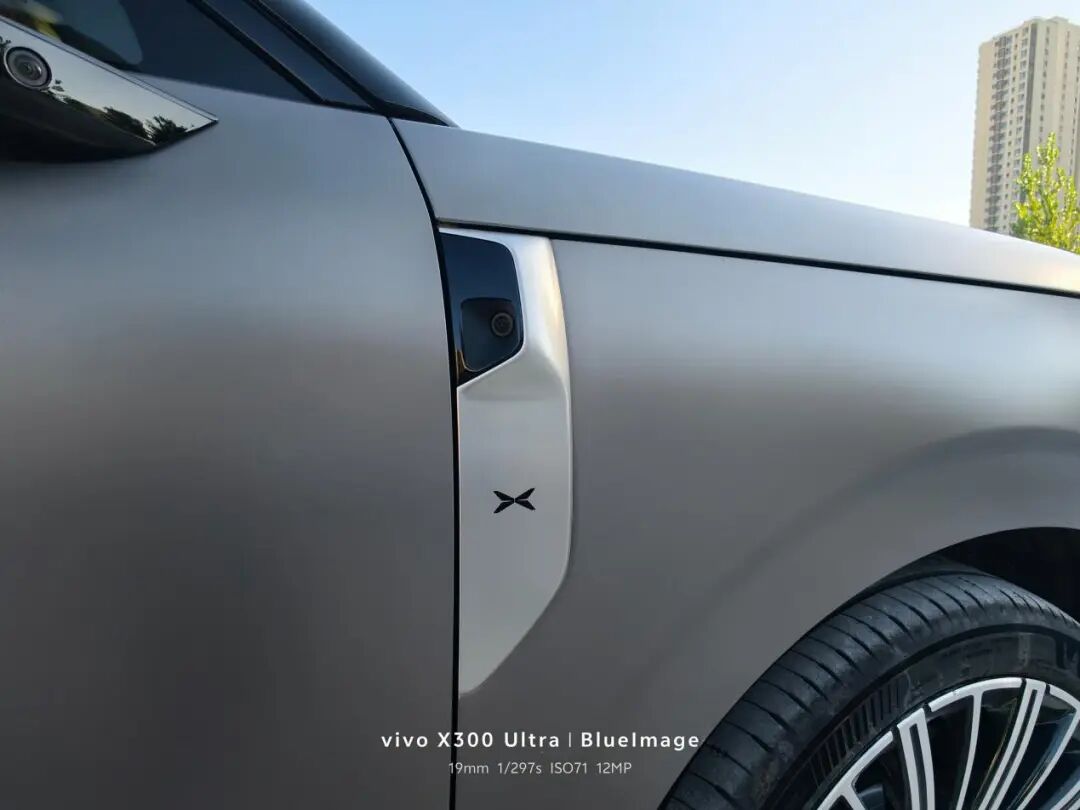
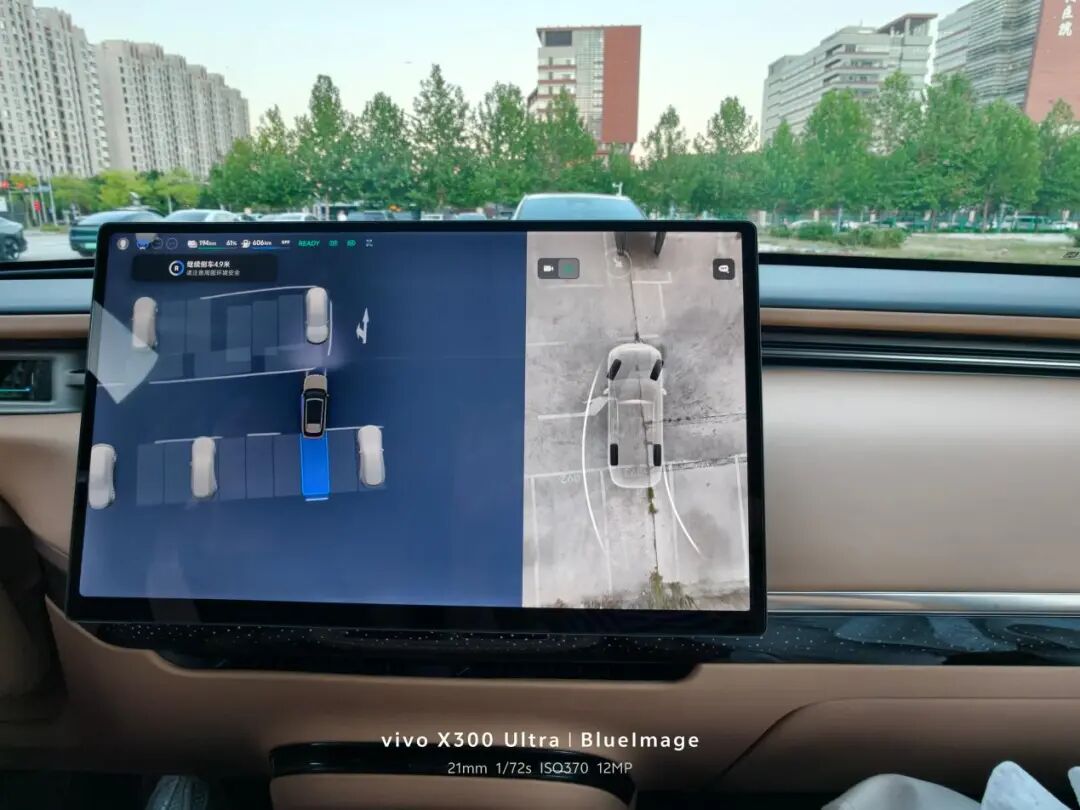
The XPENG GX is equipped with the Turing AI Intelligent Driving Solution, which relies on visual perception and provides perception hardware such as cameras, surround-view cameras, millimeter-wave radar, and ultrasonic radar. The Ultra model uses the second-generation VLA model and can be equipped with up to three Turing AI chips, delivering a computing power of 2,250 TOPS. Its technical logic is to enable the system to understand dynamic relationships on the road as much as possible, rather than merely making judgments based on fixed rules.
These are capabilities we believe XPENG should possess in terms of intelligent driving, and Jiedian had similar experiences when testing models like the XPENG P7 previously.
However, during this test drive, Jiedian encountered two minor incidents.
The first involved a U-turn.
In assisted driving mode, if it encounters an intersection where a U-turn cannot be completed in one go, the vehicle may halt in the middle of the road. The system might be preparing to adjust, but considering the flow of other vehicles, Jiedian did not wait longer and immediately took over to complete the U-turn.
This situation is somewhat similar to what was encountered during the previous test drive of the Li Auto L8. It also illustrates that when a large-sized SUV is making a U-turn on a narrow road, if it cannot complete the maneuver in one go, the auxiliary driving system may respond somewhat sluggishly when faced with oncoming traffic, roadside obstacles, and an insufficient turning radius. This could perhaps be interpreted as caution, and caution is not necessarily a bad thing. However, if the vehicle is already straddling the middle of the road, the system must provide clear and swift actions instead of leaving the driver to guess what it will do next amidst the honking of the vehicle behind.
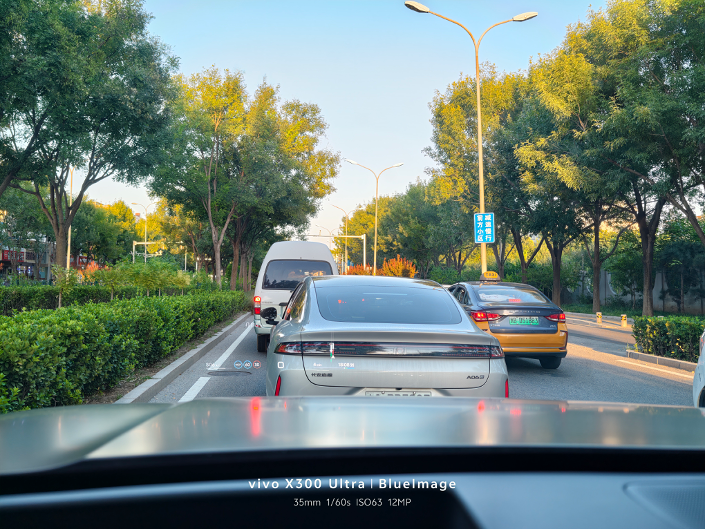
The second incident occurred in front of a decommissioned traffic light.
This is indeed not a common scenario, and the Node team has never encountered it in previous test drives. On that road, the old traffic light had not yet been removed, and the original stop line on the ground was still preserved. The XPENG GX, in auxiliary driving mode, was normally following the vehicle ahead. The Node team originally thought it had judged this to be a defunct light set, but just as it was about to pass the old stop line, the vehicle suddenly slammed on the brakes.
Fortunately, the vehicle behind was following at a reasonable distance, and the Node team, being attentive, quickly took over, allowing the vehicle to continue its normal passage.
From a perceptual logic standpoint, this scenario is not difficult to explain: the abandoned light set, the old stop line, the normally moving vehicle ahead, and the surrounding road environment all form contradictory information. For a system that prioritizes safety and relies on vision as its core, treating the "suspected still-effective stop line and traffic light" as a risk point that needs confirmation might be safer than just driving through.
However, from a practical experience perspective, such conservatism, when manifested in the form of sudden braking, can still affect comfort and even cause unnecessary rear-end collisions.
This is precisely the most worthy aspect of auxiliary driving to be seriously discussed. When a vehicle's auxiliary driving system is already good enough in most scenarios, it is still a different matter from being "completely reliable for use."

What does the XPENG GX bring to the market of large six-seater SUVs priced around 300,000 yuan?
The price range of the XPENG GX is from 279,800 yuan to 359,800 yuan. Strictly speaking, the high-end version has already surpassed the 300,000 yuan mark, but its entry-level price still places it in the main battleground of full-size SUVs priced around 300,000 yuan.
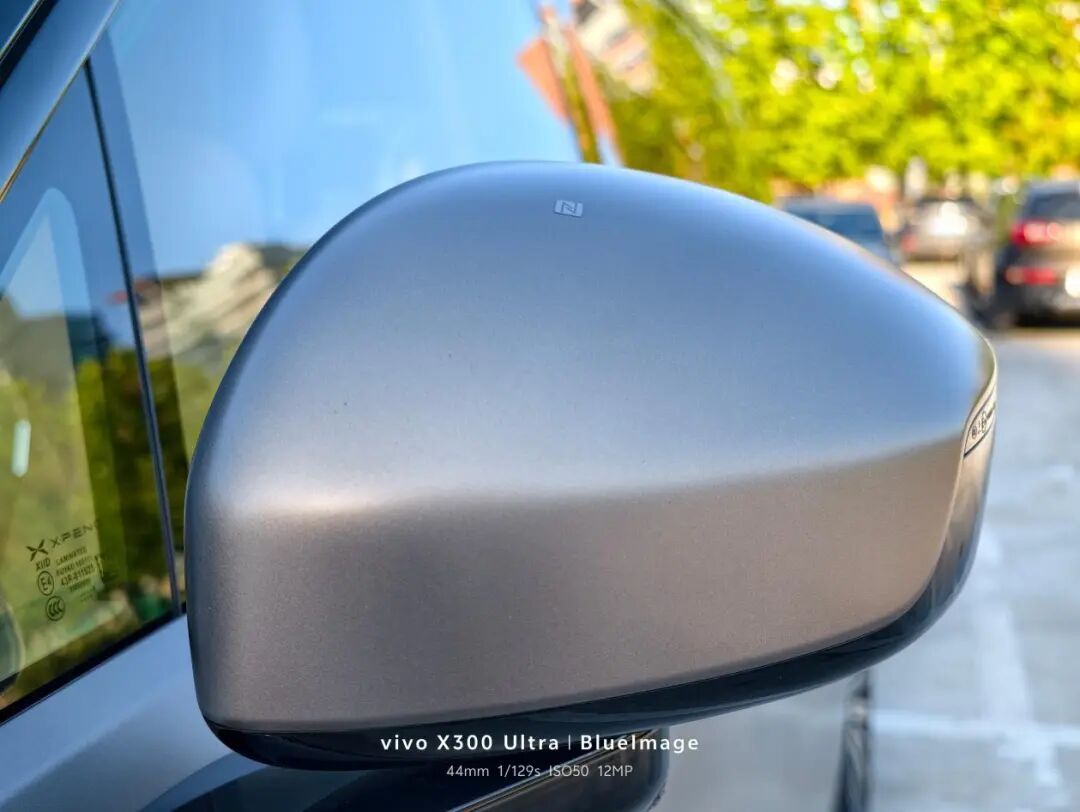
In this market, it faces strong competitors, mainly including the BYD Tang, Leapmotor D19, and SAIC Volkswagen ID.ERA 9X.
In terms of body size, the wheelbase of vehicles in this class is generally around 3.1 meters, and the exterior design is a matter of personal preference, each with its own strengths. From a comprehensive strength perspective, the BYD Tang's advantage lies in its lower starting price, larger brand base, and more extensive channel capabilities; the Leapmotor D19's most prominent label is cost-effectiveness, with a more entry-level price attracting the attention of many potential users; the SAIC Volkswagen ID.ERA 9X offers a new choice for a traditional joint-venture brand in terms of extended-range capabilities, intelligent cockpit, and auxiliary driving.
The Node team has previously expressed that automotive products have always been about getting what you pay for. It's not difficult to build an expensive car packed with features; the challenge lies in integrating a more complete product strength within the target class. From this perspective, the competitiveness of the XPENG GX lies in the fact that it has not just made itself a "cheap large SUV" in the 300,000 yuan class.
Taking a comprehensive look at the XPENG GX, it has sufficient business presence; adequate family comfort configurations; a good balance between three-row seating and trunk space; its chassis and rear-wheel steering make the large vehicle easy to drive; and its auxiliary driving capabilities are also adequate.
Focusing on XPENG's product lineup, the XPENG GX was entrusted with the mission of shouldering part of the sales volume in the high-end market for XPENG from the outset of its launch. After experiencing production ramp-up following the new car's launch, the latest delivery figures for July and August have gradually stabilized at over 7,000 units per month, providing reassurance for XPENG.
It is believed that as the sales sprint season enters the fourth quarter, this vehicle, following the launch of the XPENG G9L, will be able to form a new scenario of two models advancing together, bringing more surprises to XPENG in the high-end market.
-
![]()
Chery’s Overseas Brands Set to Make a Comeback in the Domestic Market
-
AI Computing Power Surges, Colliding with the Most Vulnerable Metal Supply Chain
-
![]()
All Models to Feature Self-Developed Batteries: Will Others Follow Li Auto's Lead?
-
5G Private Networks and Physical AI: A Mutually Reinforcing Development Process
-
![]()
Why Do AI Glasses No Longer Need Cameras?
-
![]()
The Battle Among Tech Giants for AI Dominance: ByteDance Earns $20 Billion but Takes Out a $29.6 Billion Loan?", "ByteDance, Syndicated Loan, AI, Computing Power, Infrastructure
-
![]()
Is the XPENG GX, a 'Greater Bay Area Range Rover' Priced at 300,000 Yuan, Worth Buying? | Test Drive Report
-
![]()
The AI Price War is Undergoing Changes