Wang Chuanfu Plays His 'Ace': Weekly Orders Skyrocket—Is the Xiaomi SU7 'Rival' Truly Here?
 09/24 2026
 516
516
 Image Source: Weibo
The 200,000-yuan all-electric coupe market in 2026 is experiencing its most significant shakeup of the year.
The latest order data for new energy vehicles in Week 38 has been released, dramatically altering the industry landscape: BYD's Dynasty + Ocean series maintained their robust position with 55,500 weekly orders, while its Fangcheng Leopard brand witnessed an astonishing 209% week-over-week increase, surpassing 17,600 weekly orders.
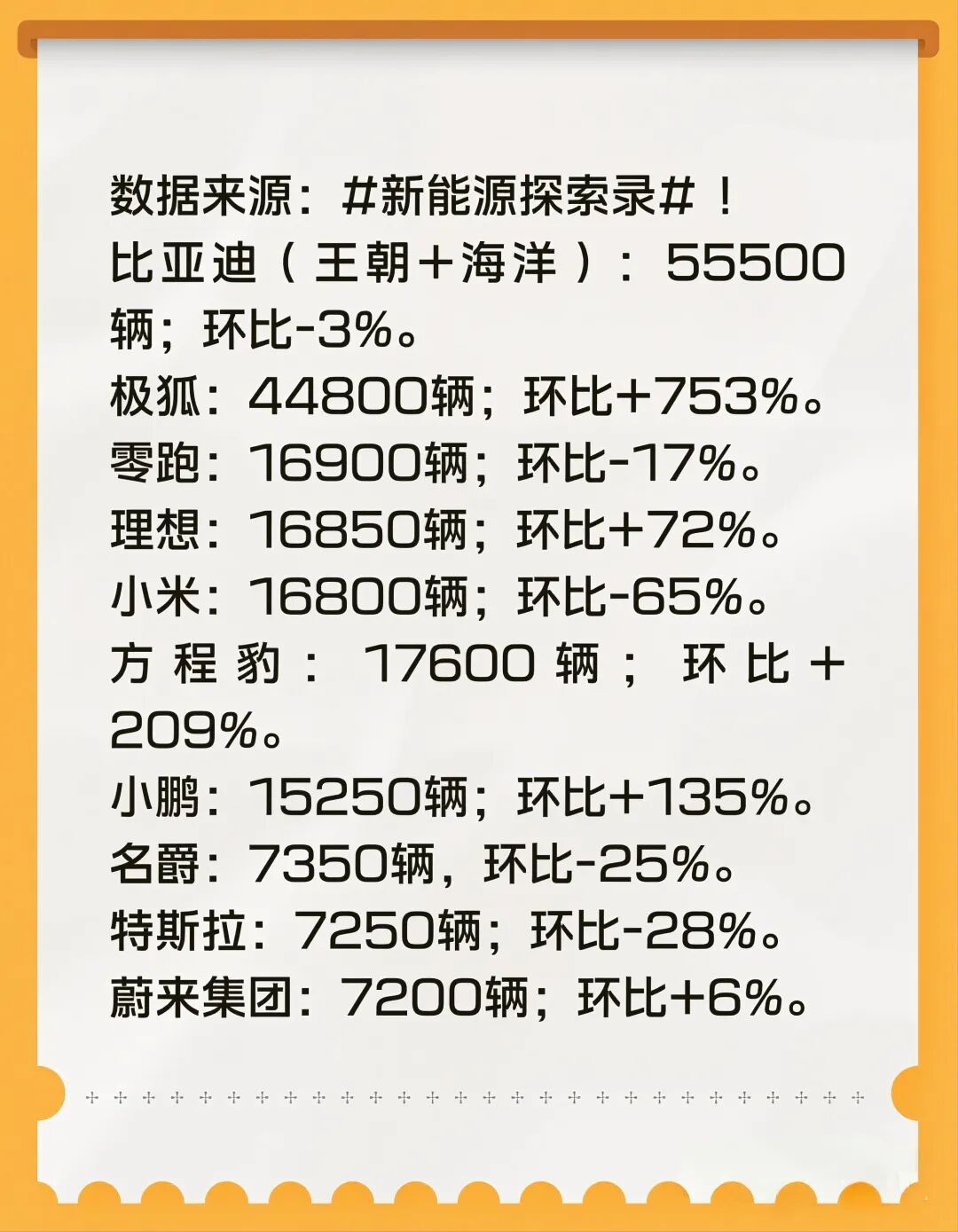
Image Source: Jisu Cheqing @ Weibo Image Source: Fangcheng Leopard sales feedback
This explosive growth is entirely attributable to the surge in orders during the debut week of the new Fangcheng S model. More critically, the profile of initial owners reveals a direct hit on key demographics: Fangcheng S's primary customer base overlaps precisely with Xiaomi SU7's target audience.
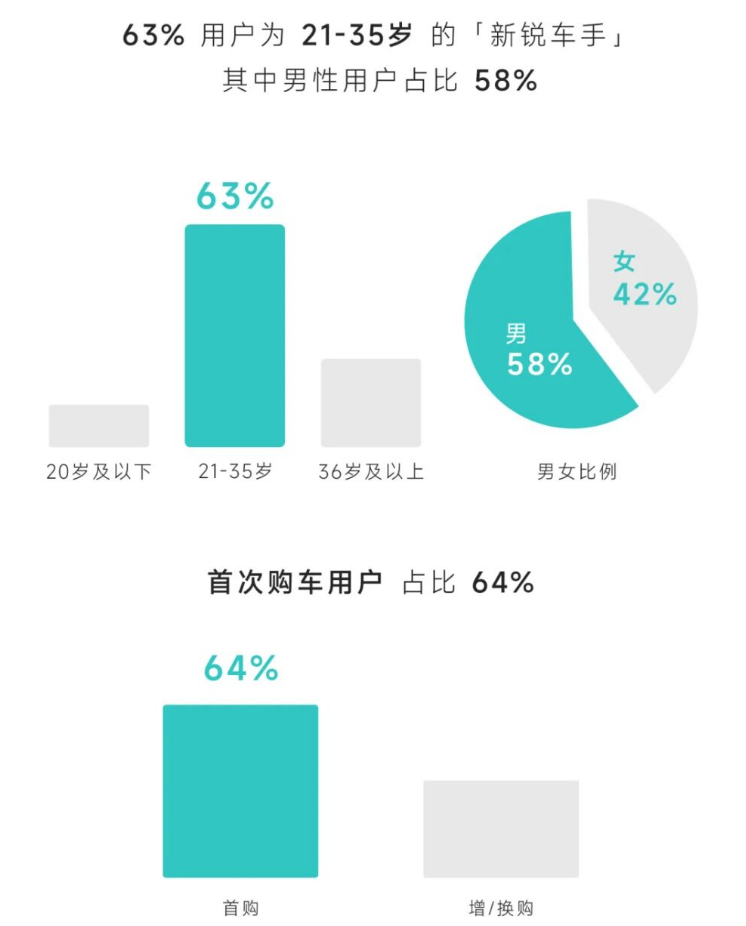
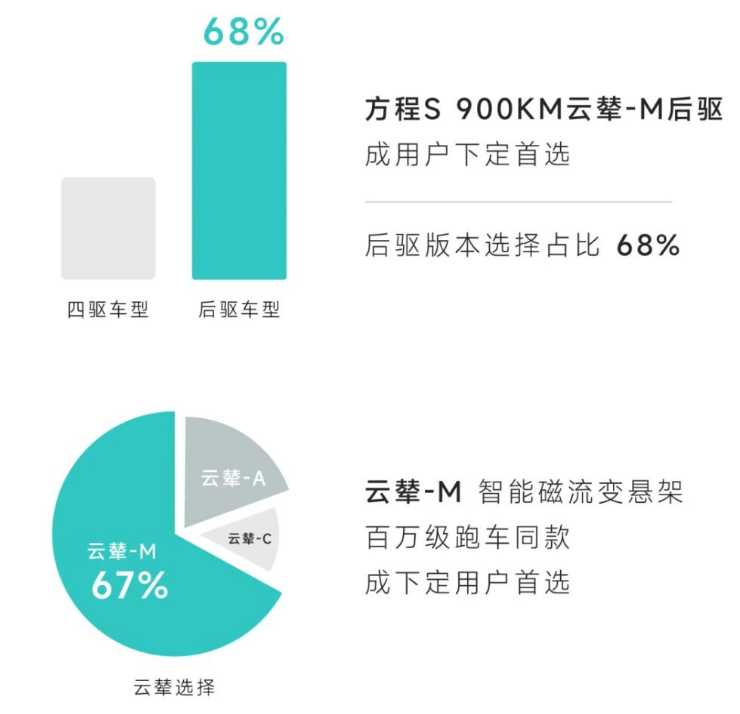 Image Source: Fangcheng Leopard
Frontline sales teams are overwhelmed with celebratory posts as online pre-orders flood in, with many customers opting for mid-to-high-tier configurations. Numerous sales personnel have broken their personal order records. With a starting price of just 189,900 yuan, the internet is abuzz with speculation: Can this long-anticipated 'SU7 Rival' dethrone Xiaomi's reigning champion?
01 Instant Market Sensation: Fangcheng S Precisely Targets the 200,000-Yuan Coupe Benchmark
Even before the launch of the Fangcheng S, industry analysts predicted BYD's intention to end its underperformance in the premium coupe segment by directly challenging the Xiaomi SU7. The 200,000-yuan all-electric coupe market has historically been a challenging arena for newcomers—though numerous models debut annually, few sustain momentum. Fangcheng S has broken this trend.
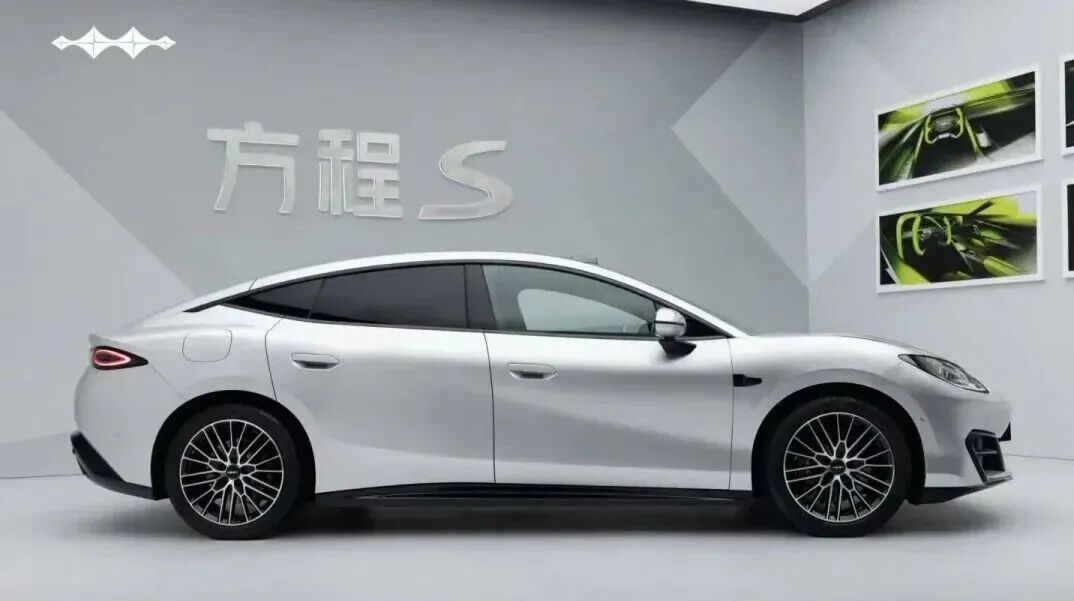
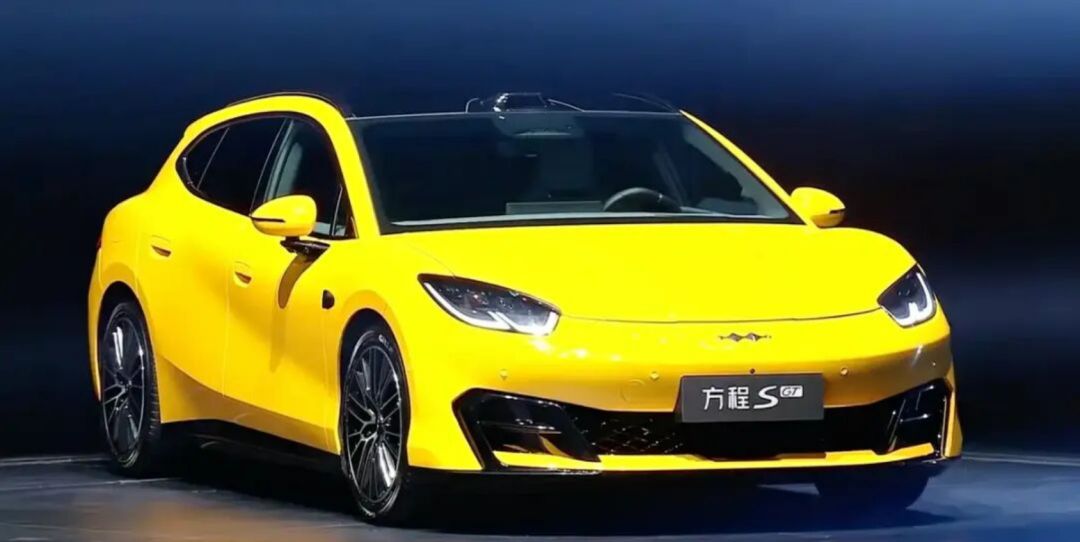
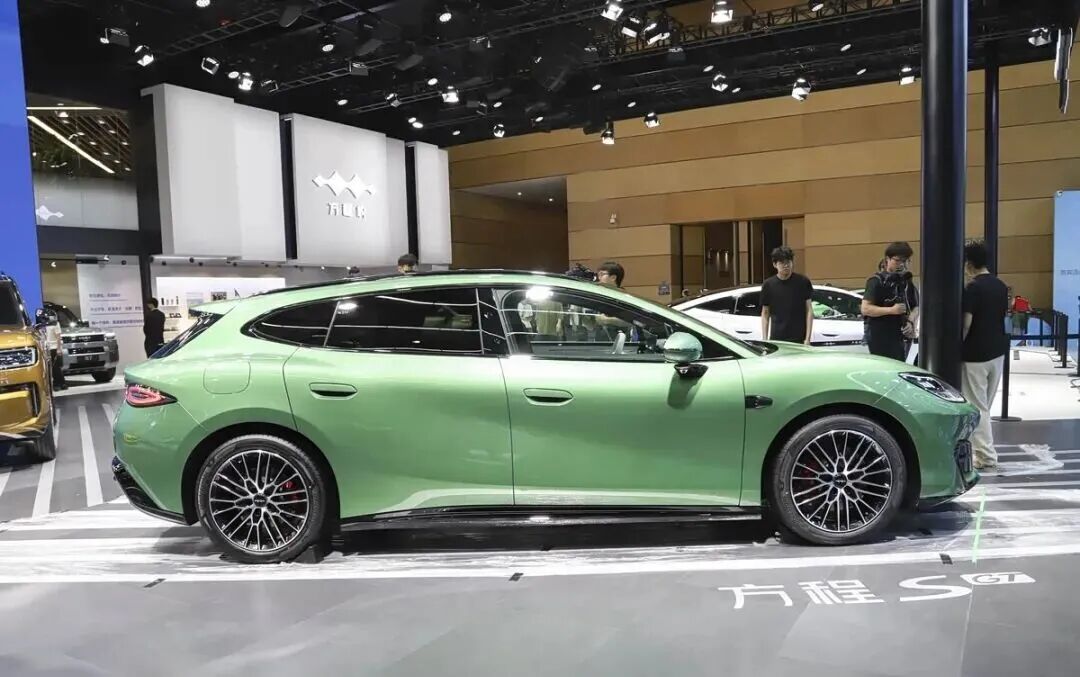
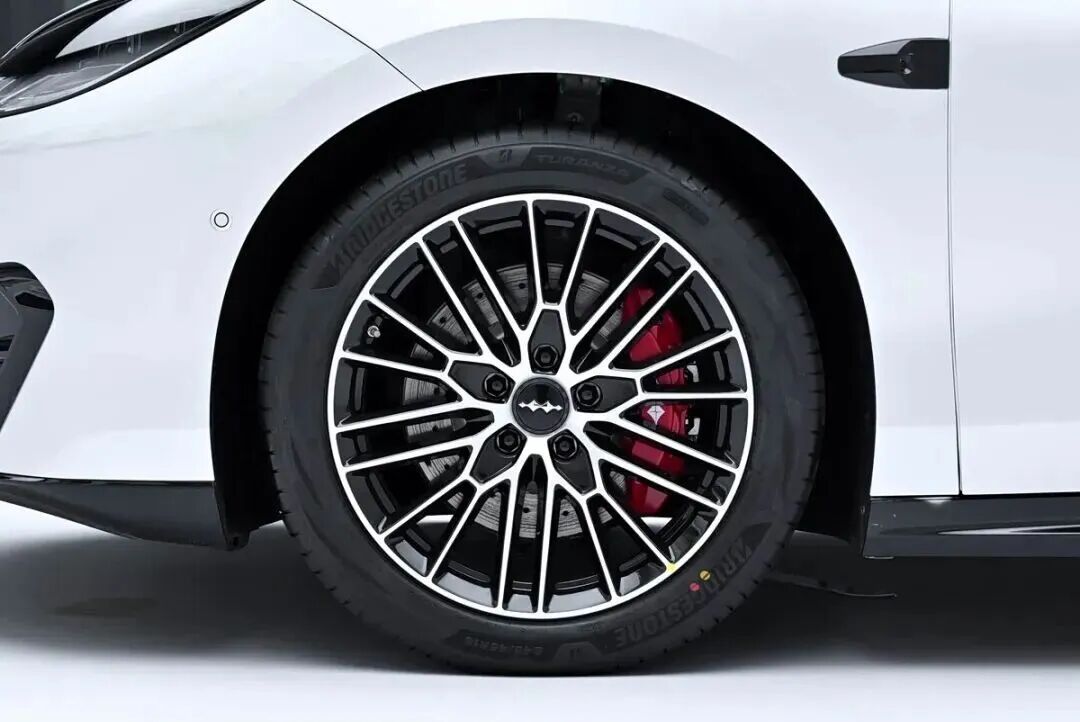
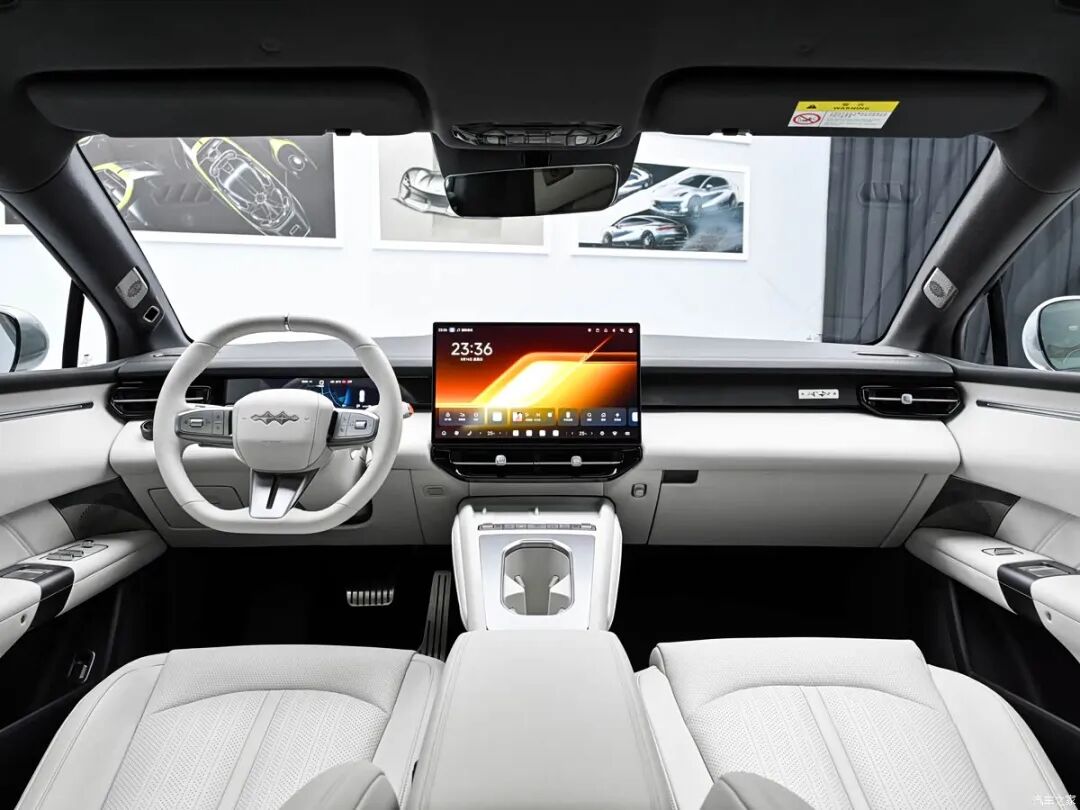
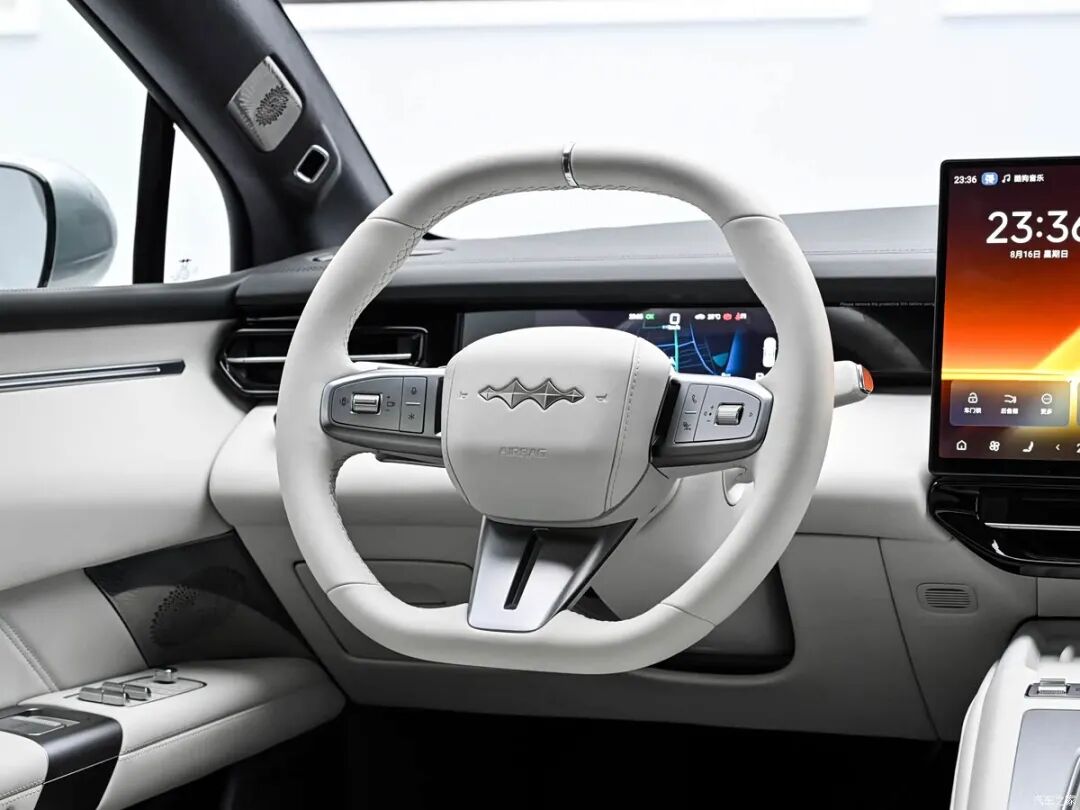
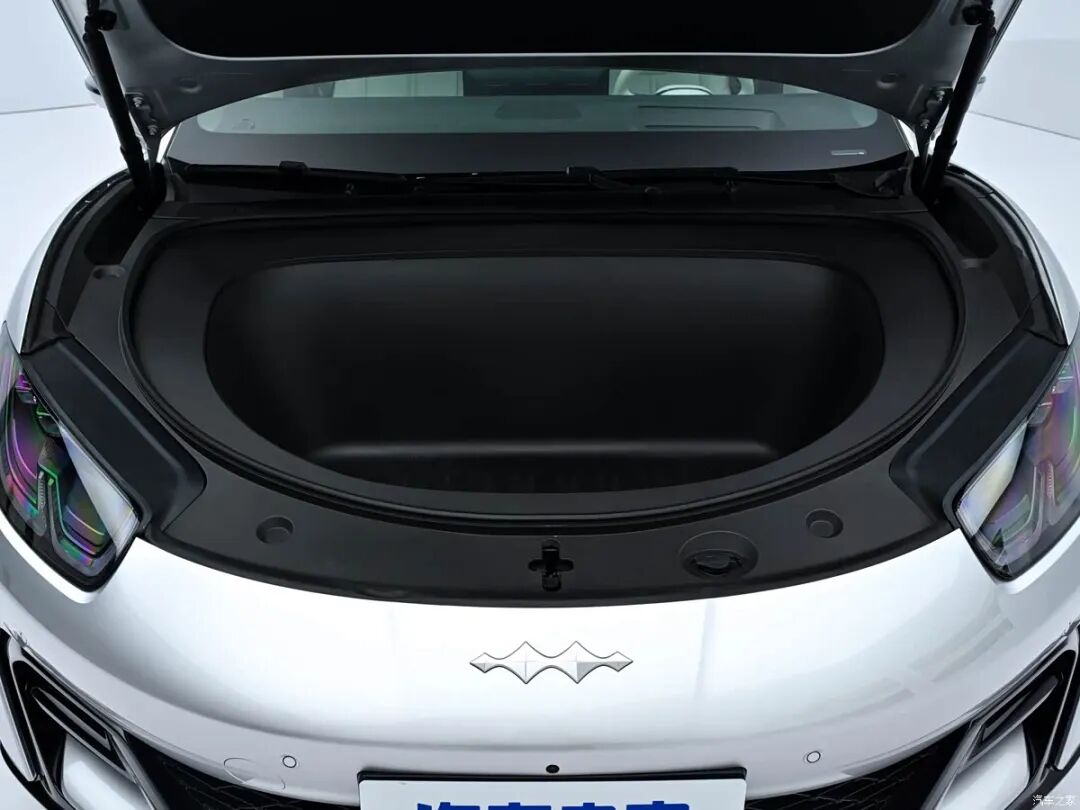
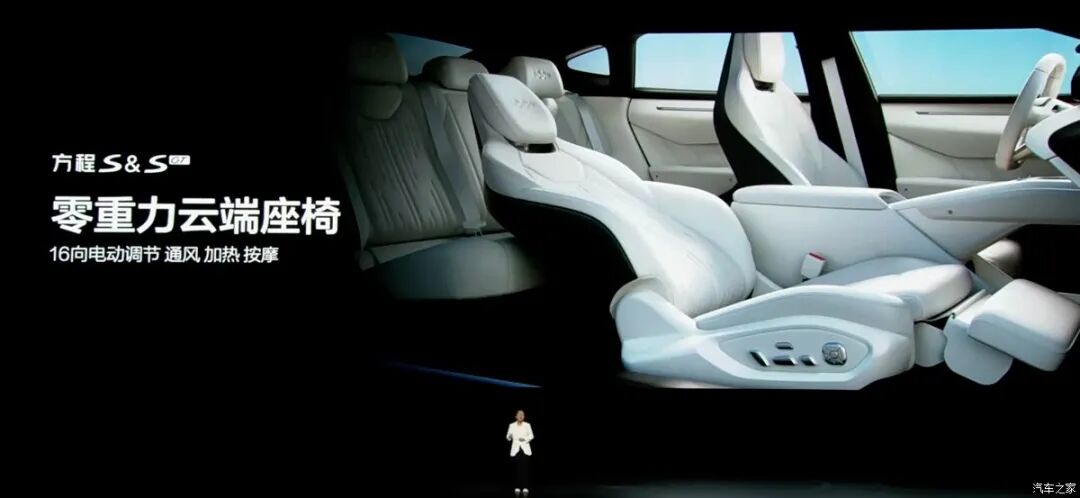
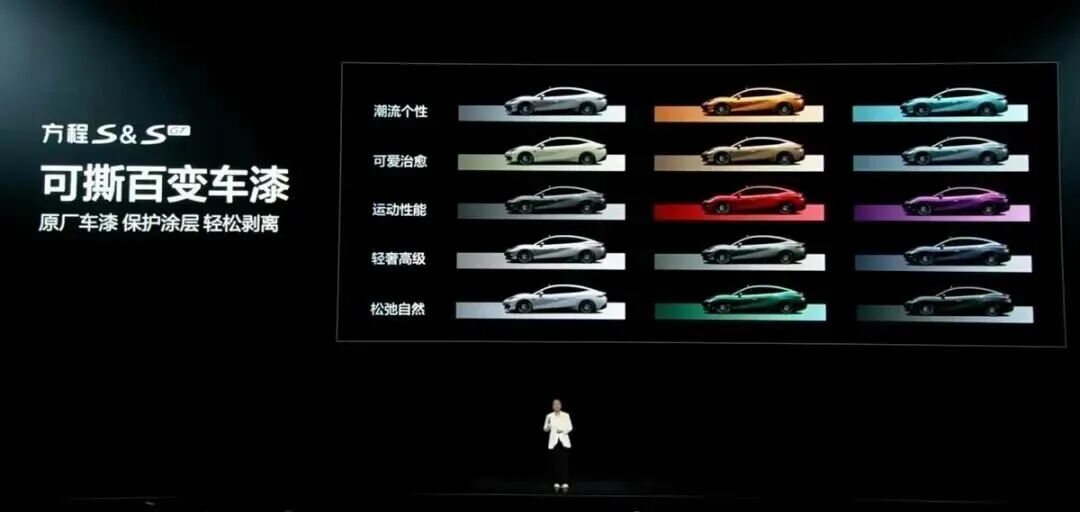 Image Source: Autohome
With a starting price of 189,900 yuan, no-compromise entry-level specifications, and dual coupe/shooting brake configurations, the Fangcheng S immediately topped trending charts, with netizens overwhelmingly dubbing it the 'SU7 Rival.'
For the past two years, the 200,000-yuan all-electric coupe market has essentially been dominated by the Xiaomi SU7. Since its debut, the SU7 has consistently challenged the Tesla Model 3: narrowly trailing by approximately 40,000 units in 2024, then surging ahead by 50,000 units in 2025—marking Tesla's first defeat by a domestic competitor in China—and maintaining a slim lead in 2026, showcasing its dominance.
In contrast, BYD's previous sedan efforts failed to produce a premium hit comparable to the SU7 or Model 3. The Fangcheng S changes this narrative by abandoning BYD's traditional family-oriented design in favor of youthful personalization, extreme cost-effectiveness, and all-around practicality—precisely meeting the core demands of young consumers.
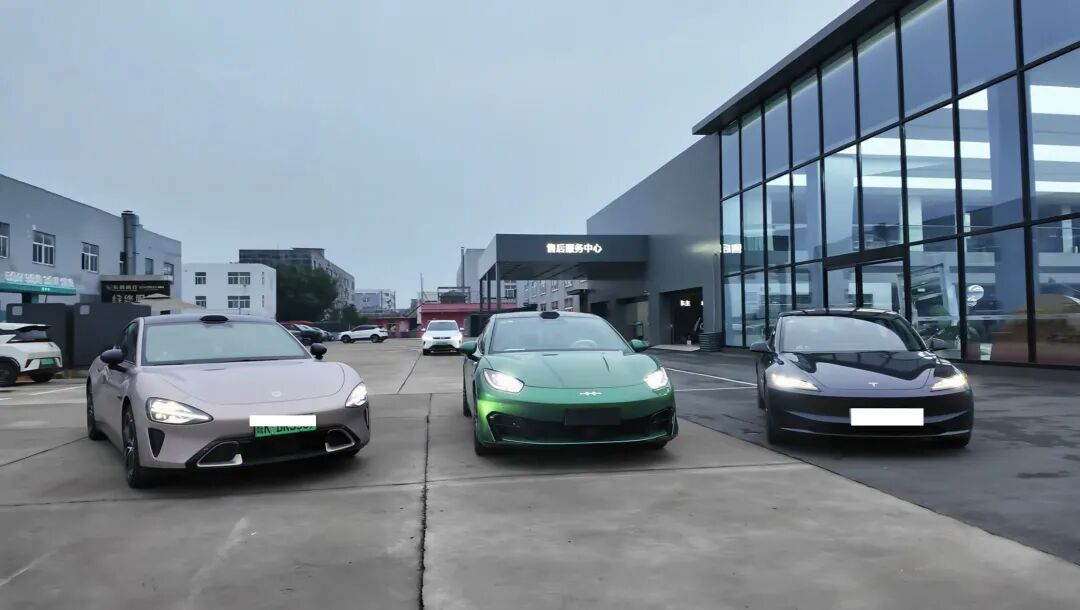
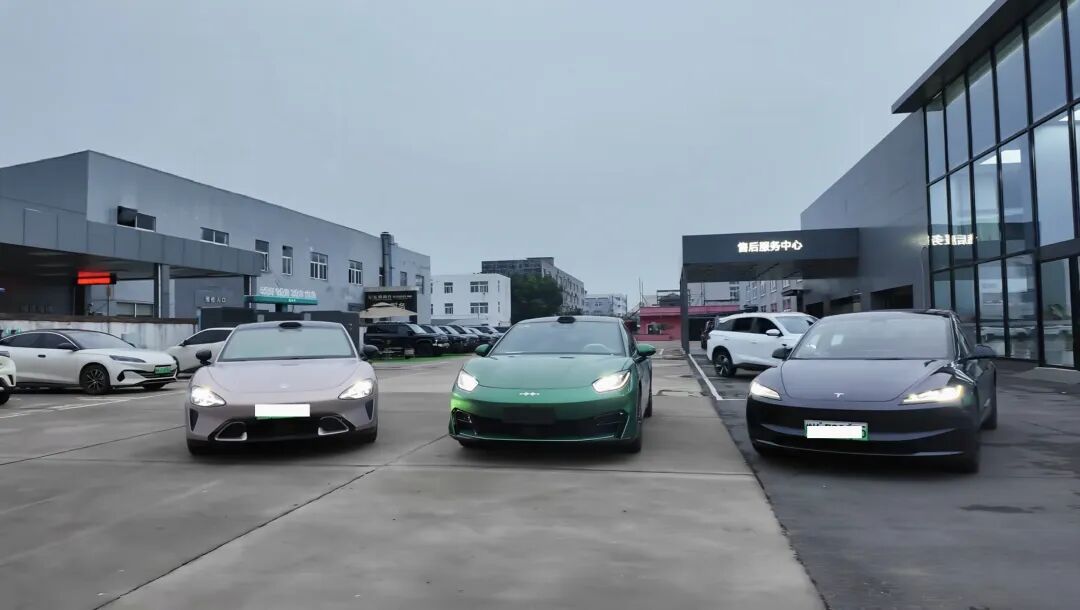
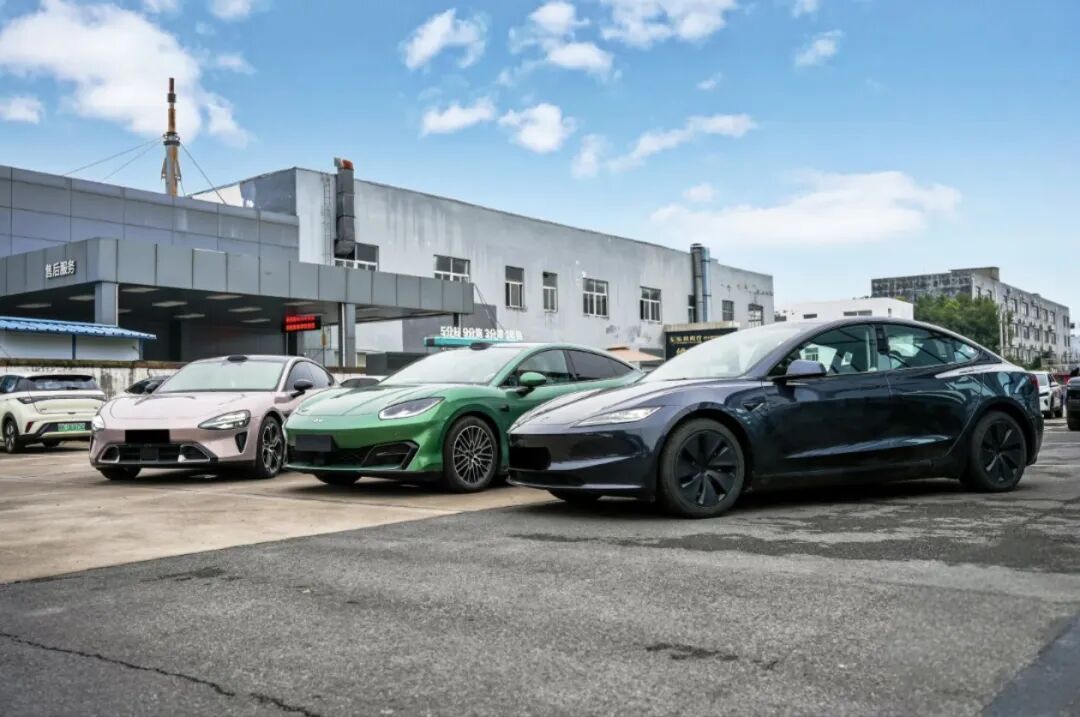
Comparison of Xiaomi SU7, Fangcheng S, and Model 3 Image Source: Gaoche Xuetang
Fangcheng Leopard dealerships nationwide remain packed with test-drive and browsing customers, with terminal enthusiasm clearly visible. Industry forecasts predict Fangcheng S deliveries could surpass 10,000 units in September and likely overtake Xiaomi SU7 in October, reshaping the 200,000-yuan all-electric coupe sales hierarchy.
02 All-Around Hardcore Competition: Mass Defection of SU7 Owners
Post-launch, the group most affected by the Fangcheng S is not competitors but existing Xiaomi SU7 owners. The SU7, once the undisputed benchmark, now exposes cost-performance flaws against the Fangcheng S's superior hardware and pricing, leaving many owners feeling 'overcharged and betrayed.' The core disparities cluster in four areas:
1. Power and Charging: Negligible Daily Differences, Infrastructure Dominance
In daily driving, performance gaps are minimal. Rear-wheel-drive versions share similar power specifications with indistinguishable acceleration, while the SU7 Max's 2.78-second 0-100km/h time outpaces the Fangcheng S's 3.6 seconds—though such extreme acceleration remains irrelevant for most family car buyers.
The true differentiator lies in charging capabilities and infrastructure. The Fangcheng S features a standard 800V high-voltage flash-charging platform, enabling 10%-97% charge in 9 minutes even in base trims. The Xiaomi SU7 only offers this on its Max variant, with standard versions lagging significantly.
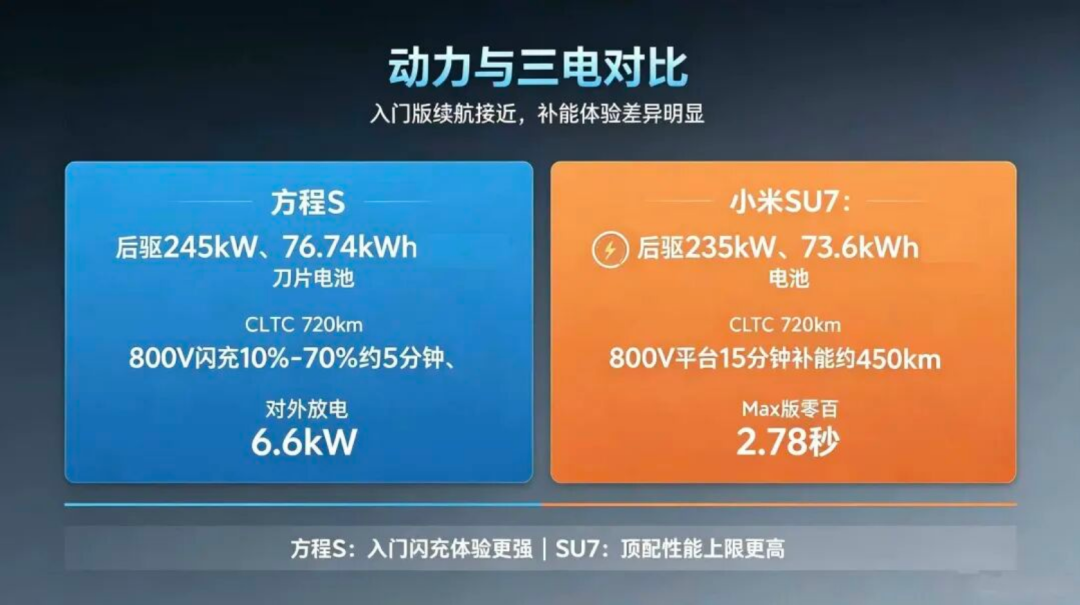 Image Source: Weibo
BYD's infrastructure advantage proves decisive: Over 10,000 flash-charging stations nationwide (doubling to 20,000 by year-end) create unmatched charging density and coverage, granting the Fangcheng S clear superiority in long-distance travel and emergency charging convenience.
2. Chassis and Suspension: Top-Tier Specs Across All Trims, SU7 Standard Edition Falls Short
This represents the most painful realization for SU7 owners. The Fangcheng S avoids configuration gimmicks, standardizing front double-wishbone + rear five-link suspensions across all trims. Even the base model includes Yunlian-C CDC continuously variable damping suspension, with mid-to-high trims offering optional Yunlian-M magnetorheological shocks and Yunlian-A air suspension featuring road preview functionality—enabling 'ultra-soft deceleration strip' and 'ultra-stiff high-speed cornering' performance. Paired with four-piston sport calipers, it redefines 200,000-yuan segment chassis standards.
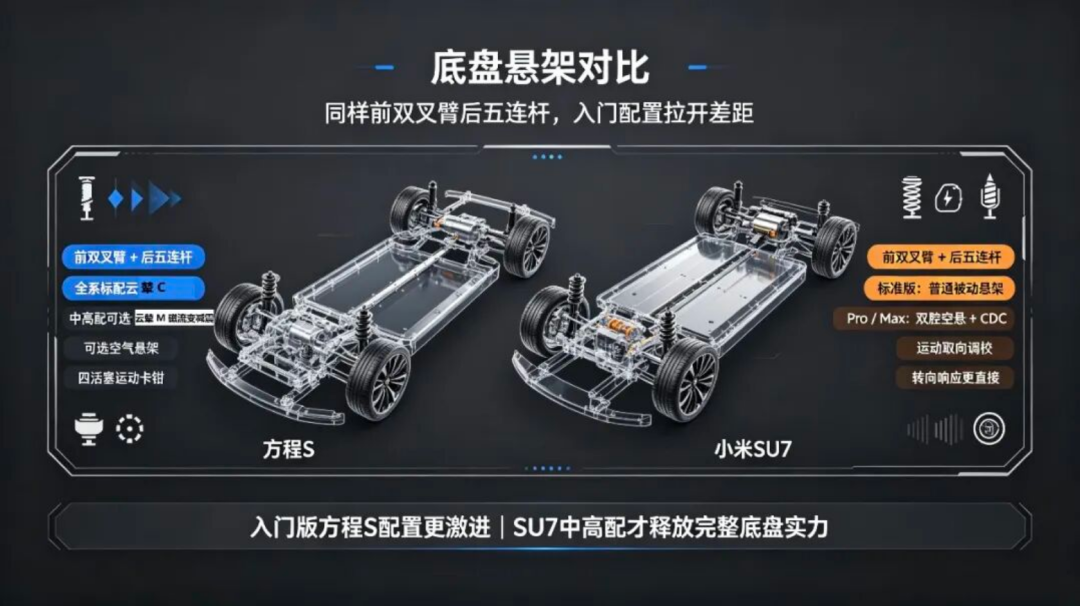 Image Source: Weibo
The Xiaomi SU7 employs a differentiated cost-cutting strategy, equipping only Pro/Max trims with Jiaolong dual-chamber air suspension + CDC, while the 219,900-yuan standard edition uses basic passive suspension without variable damping. At similar budgets, the Fangcheng S's chassis specs completely outclass the SU7's base model, making the cost-performance gap glaring.
3. Cabin Space: Driver-Focused vs. Family-Oriented, Practicality Disparity
The two models' cabin philosophies diverge completely: The Xiaomi SU7 prioritizes the driver with a cockpit-oriented layout, firm seating, and sporty aesthetics—though this causes fatigue on long drives, with short rear cushions and cramped headroom limiting it to two-person daily commuting.
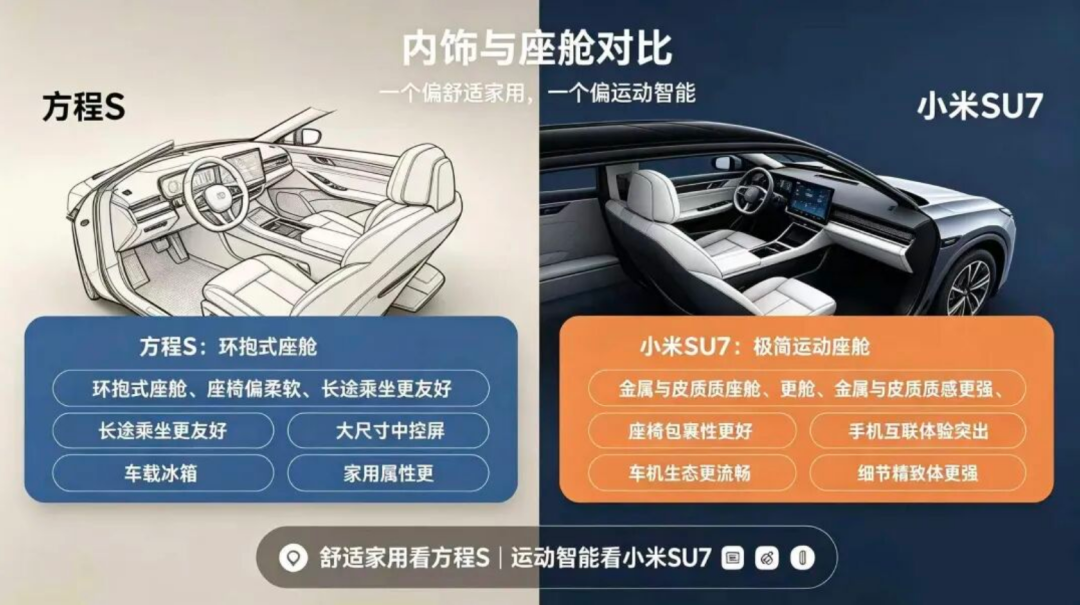 Image Source: Weibo
The Fangcheng S balances sportiness and family use, featuring zero-gravity seats with standard heating/ventilation/massage for both front rows, rear ventilation/heating, Devialet audio, AR-HUD, and built-in fridge even in base trims. Physical buttons enhance driving safety and convenience.
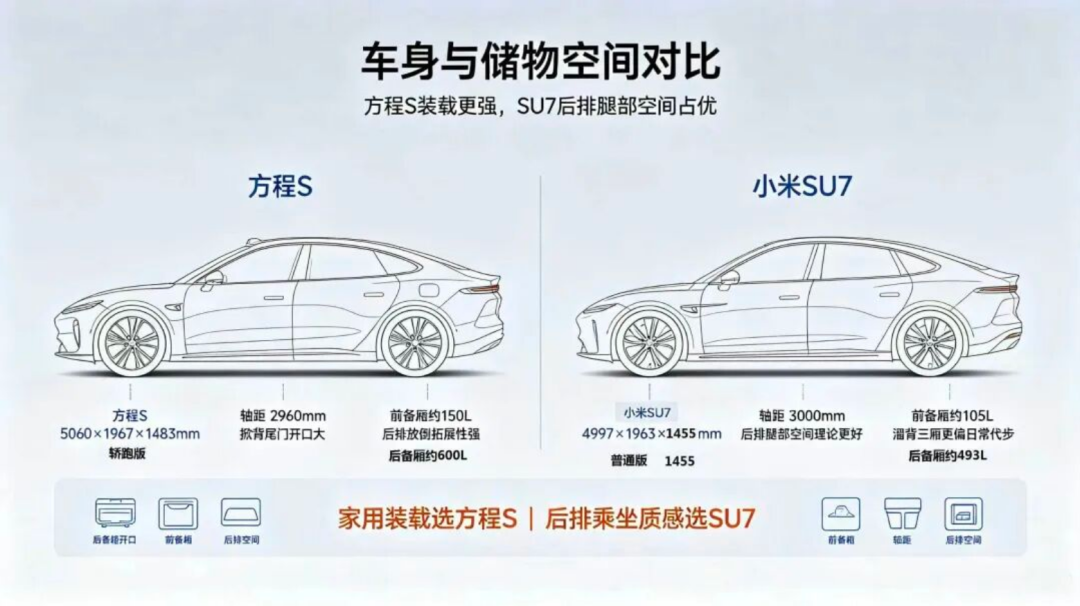 Image Source: Weibo
The space advantage is overwhelming: The Fangcheng S's large hatchback design offers 600L standard trunk space (expanding to 1,683L with rear seats folded) plus a 151L front trunk, easily accommodating bulky items. The shooting brake variant even supports 500kg towing capacity for RVs/camping. In contrast, the SU7's traditional sedan structure and sloping roofline compromise rear space and storage, severely limiting family practicality.
4. Pricing and Value: Up to 70,000-Yuan Difference with Superior Specs
What truly excites consumers—and devastates existing owners—is the Fangcheng S's aggressive pricing. Its top-spec all-wheel-drive version costs just 229,900 yuan, while the Xiaomi SU7 starts at 219,900 yuan and exceeds 300,000 yuan for its Max trim—creating a massive price mismatch.
Direct comparisons reveal stark contrasts: The Fangcheng S's rear-wheel-drive variant with 900km range costs 209,900 yuan—40,000 yuan cheaper than the similarly ranged SU7 Pro—while offering 800V charging and superior chassis. The all-wheel-drive price gap exceeds 70,000 yuan. Even at entry-level, the Fangcheng S undercuts the SU7 by 30,000 yuan while leading in range and chassis specs, delivering more configurations at lower prices.
03 Surge in Orders ≠ Market Domination: SU7's Moat Remains Unbreachable
Despite the Fangcheng S's advantages in hardware, pricing, and practicality, industry consensus holds firm: While it will become a bestseller, fully replacing the Xiaomi SU7 remains unlikely due to two critical gaps.
The first is aesthetic appeal and design philosophy. Coupe buyers prioritize looks above all, and while the Fangcheng S stands out individually, it pales against the SU7 and Model 3: Its taller stance, heavier front end, and bulkier rear compromise sporty silhouette for space. The Xiaomi SU7's low-slung, sleek profile perfectly captures youthful aesthetic preferences, creating an irreplaceable first-impression advantage.
Secondly, Xiaomi's unique ecological barriers and emotional value. When Lei Jun sells cars, he's not just selling transportation; he's selling a digital ecosystem and a trendy lifestyle. While other automakers focus solely on hardware specifications, Xiaomi achieves seamless integration across smartphones, home appliances, and in-car systems, offering an unparalleled smart experience. At the same time, Xiaomi boasts a strong user community and brand loyalty. When users choose the SU7, they're not just selecting a product; they're choosing an ecosystem, a social circle, and a trendy label. This level of user stickiness cannot be broken by simply relying on hardware cost-effectiveness.
Ultimately, the user bases of the two cars are completely distinct: those pursuing ultimate driving quality, digital intelligence, and compact two-seater transportation opt for the SU7; those prioritizing cost-effectiveness, practicality for family use, and convenient charging choose the Fangcheng S. While they may seem to be in direct competition, they actually occupy separate market segments.
-
![]()
The Arrival of the 'New King of Boxy Cars': Trumpchi Emko 7 Marks a Crucial Leap Forward for the Brand
-
Observations from the 2026 Yuelu Conference: The prophecy that 'self-driving vehicles will arrive much earlier than most people imagine in the next 20 years' has become a daily reality on the streets
-
![]()
Geely Takes the Lead, Tesla Slows Its Pace, Xiaomi Cools Down! Comprehensive Review of Pure Electric Vehicle Sales Rankings from January to August
-
![]()
Why is interaction, rather than intelligence, the core of Physical AI?
-
![]()
Honda’s New Avancier Unveiled: Anticipated Official Launch in January 2027
-
![]()
Chery Unveils New Car: Launching September 29 with Huawei Qiankun ADS 5
-
![]()
Starting at 147,900 Yuan! Buick Unveils New ZHIJING E7 Model: Launching Renewed Version on September 23rd
-
![]()
Starting from 279,800 Yuan? BYD’s New SUV Officially Unveiled: Major Launch Set for October