Geely Takes the Lead, Tesla Slows Its Pace, Xiaomi Cools Down! Comprehensive Review of Pure Electric Vehicle Sales Rankings from January to August
 09/24 2026
 512
512
Authored by | Guanchejun
The pure electric vehicle market is currently witnessing a dramatic divergence in performance.
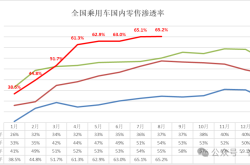
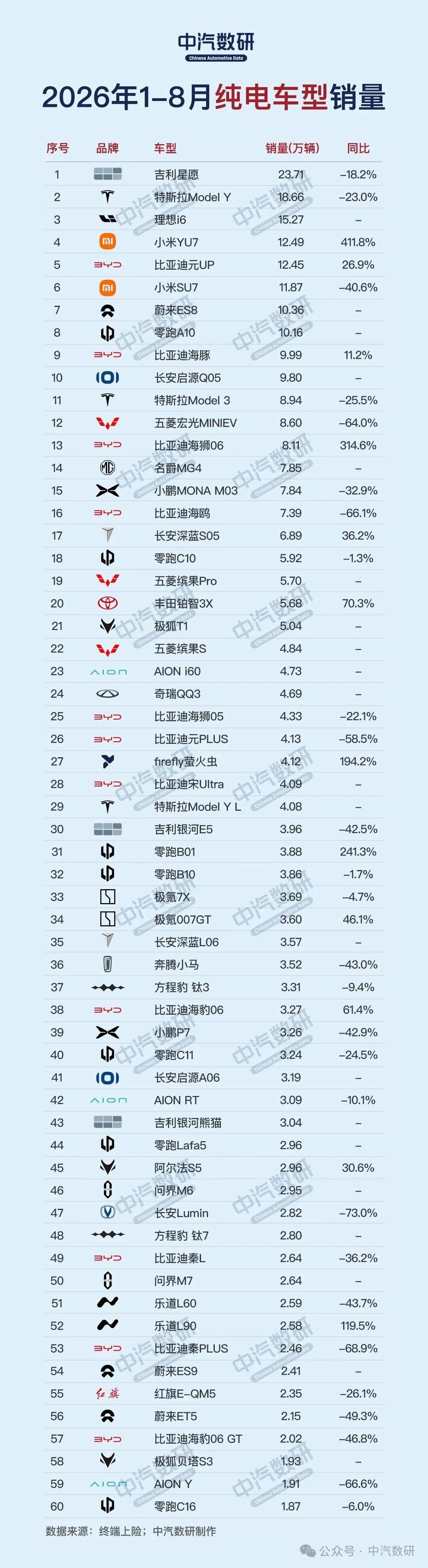
On September 23, the China Automotive Data Research Institute unveiled the sales rankings of pure electric vehicle models from January to August 2026 (refer to the end of the article for the complete rankings). On one side, the overall new energy market is experiencing a downturn: retail sales of new energy passenger vehicles dropped by 12% year-on-year from January to August, despite the new energy penetration rate soaring to 65.2% in August.
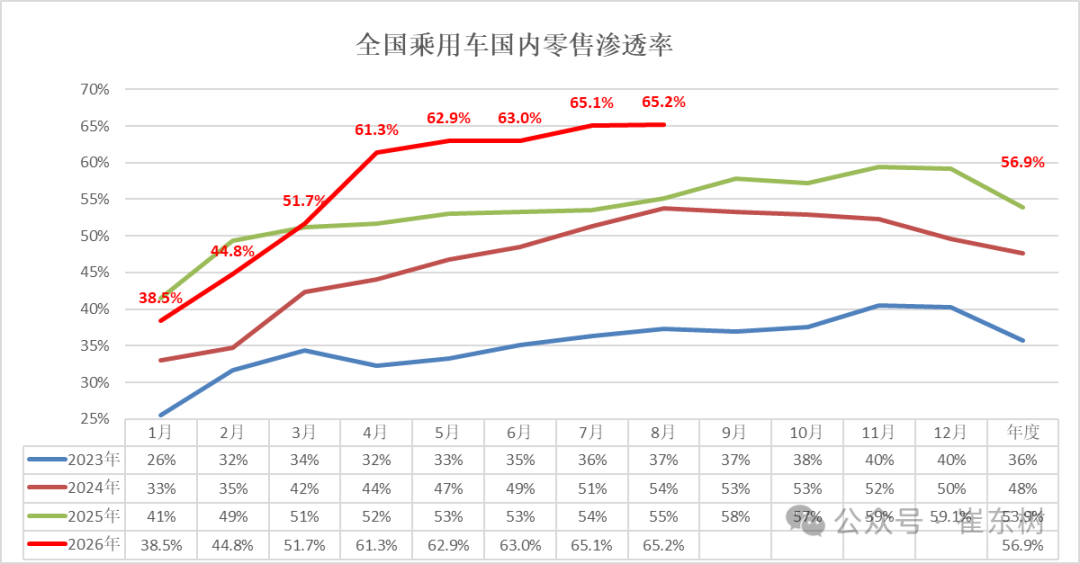
Conversely, the sales ceiling for leading pure electric vehicle models continues to ascend. Geely Xingyuan alone sold 39,651 units in August, while Leapmotor A10 exceeded 30,000 units for the first time.
Meanwhile, numerous established players that once dominated the pure electric market have seen their sales halve year-on-year, while a cohort of new models launched in 2025-2026 have surged into the top 10.
Let's delve deeper into the details with Guanchejun.
01
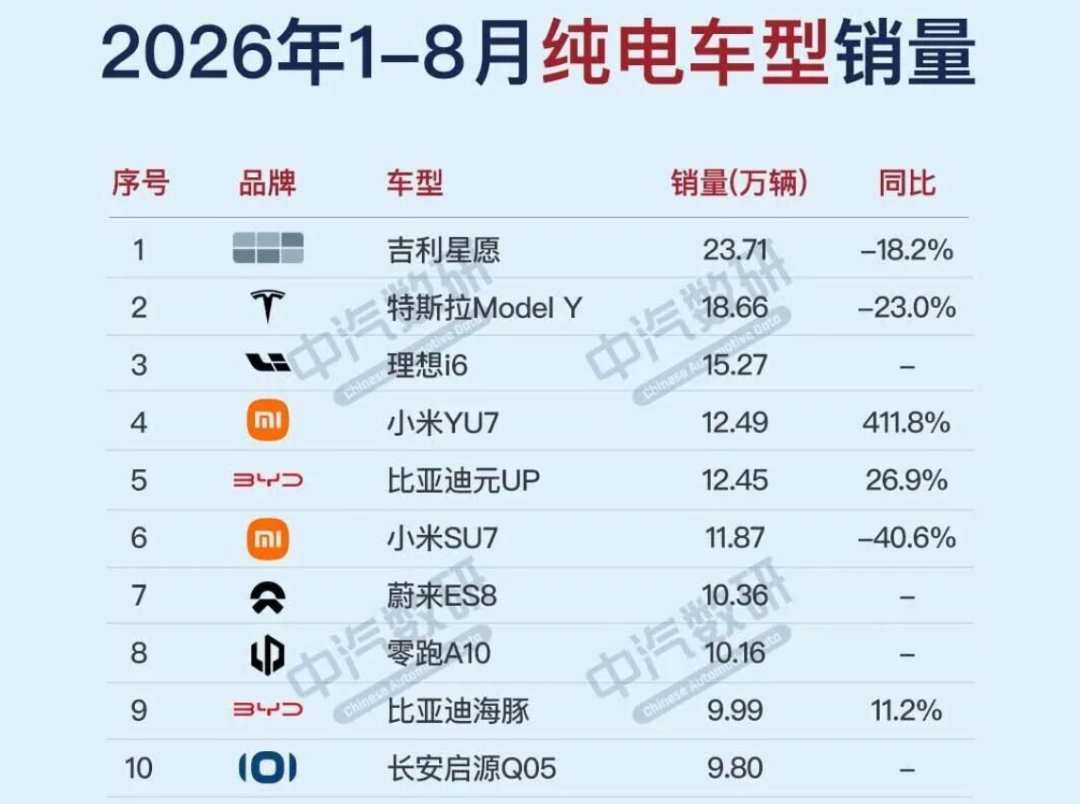
Geely Xingyuan tops the rankings, with cumulative sales of 237,100 units from January to August, outpacing the second-place Tesla Model Y by a significant margin of 50,000 units. Despite an 18.2% year-on-year decline, it has solidified its position as the best-seller in the pure electric market through its precise positioning as a family vehicle.
Some attribute its success to its affordability, with a starting price of 68,800 yuan. However, Guanchejun argues that if affordability were its sole advantage, it couldn't have amassed sales of 780,000 units in less than two years since its launch.
The Xingyuan's true strength lies in offering the space and configuration of an A-class car at an A0-class price, perfectly meeting the needs of families seeking a practical commuter vehicle: no need for extravagant intelligent driving features, no need for 0-100 km/h acceleration in 3 seconds, just reliability, spaciousness, ease of parking, and low charging costs.
In contrast, the Wuling Hongguang MINIEV sold 86,000 units from January to August, marking a staggering 64% year-on-year decline. The market for micro-vehicles priced below 50,000 yuan is rapidly dwindling.
Amid the dual pressures of consumer upgrades and subsidy reductions, the era of "just being able to drive" has come to an end. Consumers are no longer seeking the cheapest option but the best value for money.
02
Tesla's Model Y ranks second with 186,600 units sold, a 23% year-on-year decline, while the Model 3 also experienced a 25.5% drop.
The significant decline of Tesla's twin models signals the end of its era of dominance.
In the same price range, a host of new models such as the Xiaomi YU7, Zeekr 7X, XPENG G9, and Avatr 07 are vying for market share. Additionally, Guanchejun notes that the Model 3 sold only 2,091 units in China in July, a 78.8% year-on-year decline, and has completely exited the mainstream sedan sales rankings.
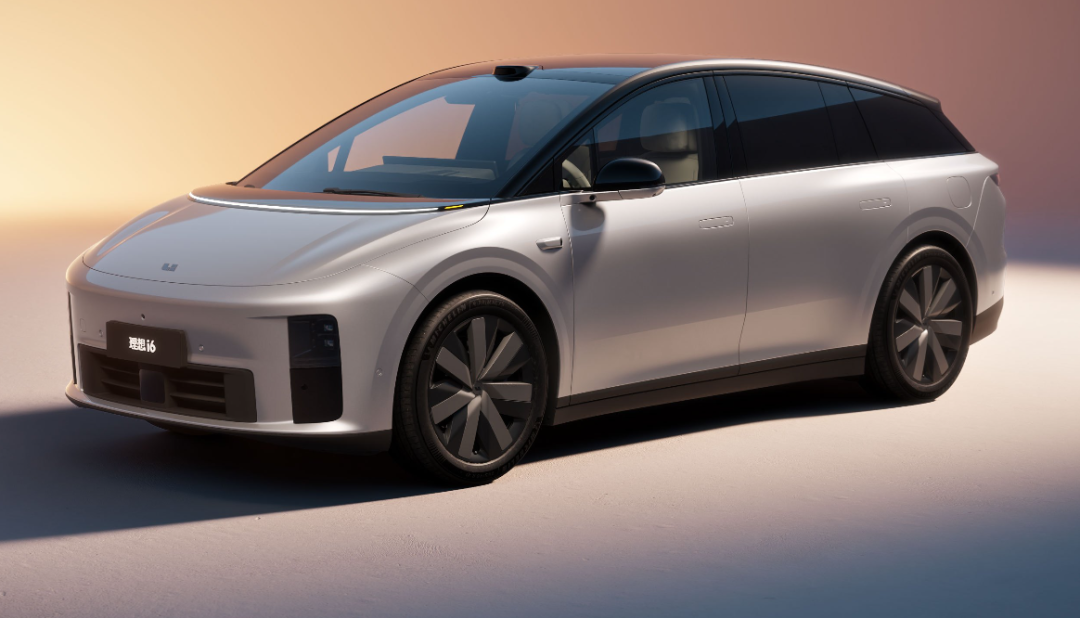
The biggest surprise comes from newcomers: the Li Auto i6 and Xiaomi YU7 have broken into the third and fourth positions.
Li Auto, renowned for its extended-range vehicles, was initially not considered a strong contender in the pure electric race. However, the i6's current data is promising, marking a positive sign for Li Auto's challenging transition.
Of course, the i6's failure to break through 20,000 units in sales for two consecutive months also underscores the intensifying competition in this segment.
Xiaomi is a unique presence on this list: both the YU7 (124,900 units) and SU7 (118,700 units) have entered the top 10, with a combined total exceeding 240,000 units.
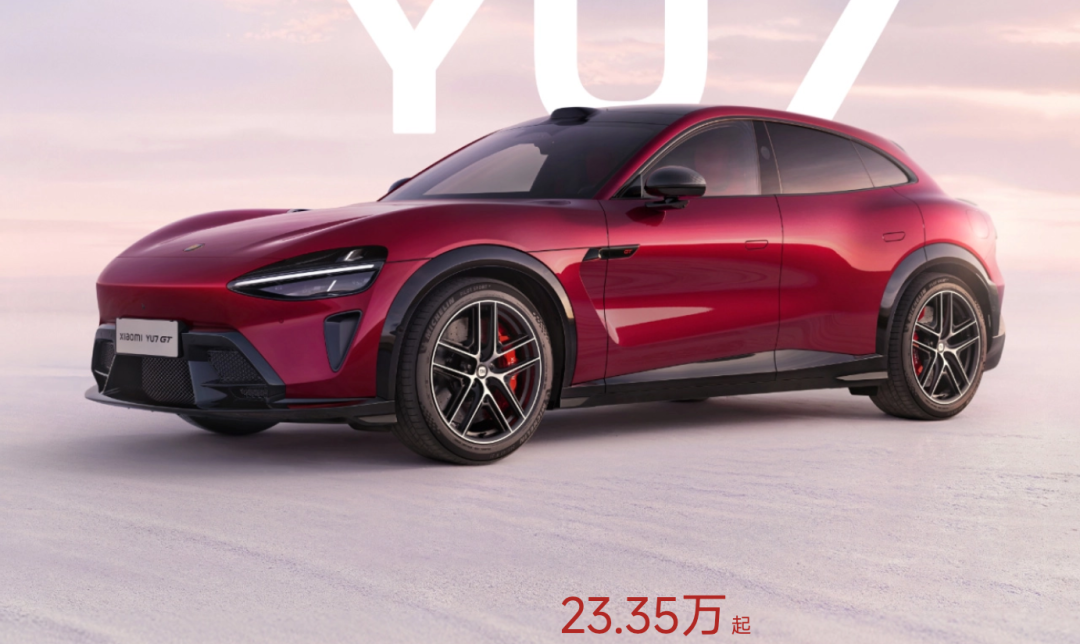
However, Guanchejun must inject a note of caution. The sales curve of the Xiaomi YU7 has actually been declining, peaking at 39,089 units in December 2025 before falling below 10,000 units in April this year, with only 9,876 units sold.
Although sales have since recovered, the gap compared to the peak period is substantial. Of course, the SU7 has consistently topped the rankings for pure electric sedans priced above 200,000 yuan, providing a stable foundation. However, relying solely on one sedan model cannot support Lei Jun's ambitious annual target of 550,000 units.
03
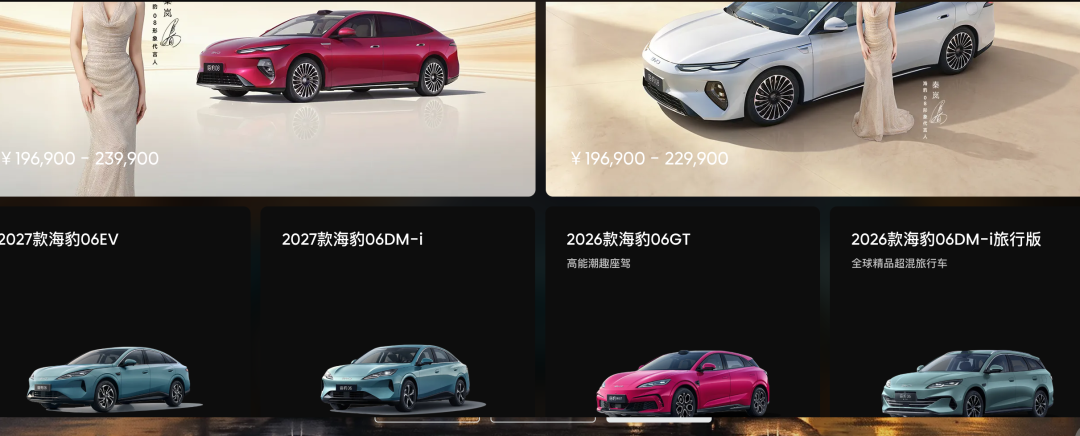
Another noteworthy aspect is BYD's performance. BYD dominates the TOP 60 rankings in terms of the number of models: Yuan UP, Dolphin, Haishi 06, Seagull, Haishi 05, Yuan PLUS... a dense array.
The Yuan UP sold 124,500 units, a 27% year-on-year increase, while the Haishi 06 surged by 314.6%. However, the once-mainstay Seagull saw a 66.1% year-on-year decline, the Yuan PLUS fell by 58.5%, and the Song Ultra also experienced a decline.
This indicates that BYD's "model flood" strategy is encountering diminishing marginal returns. With too many models and overlapping price ranges, internal competition is leading to sales cannibalization. In Guanchejun's view, transitioning from a strategy of "quantity over quality" to a leaner approach may be a choice BYD must confront next.
In summary, the rankings reveal that the top players in China's pure electric market are formidable, but the gaps between them are widening.
While the Xingyuan approaches 40,000 units in sales, the Hongguang MINIEV, Model 3, and Qin PLUS are all experiencing declines. This is not coincidental but an inevitable result of the market transitioning from rapid growth to refined competition.
The price war is abating. Guanchejun predicts that from the second half of this year to next year, the focus of competition in the pure electric market will shift from who is cheaper to who offers better value.
Consumers are willing to pay for a superior intelligent driving experience, more robust chassis tuning, and more reliable range performance.
In this context, models that rely solely on low prices to maintain sales will face increasing challenges.
Unless otherwise stated, the charts in this article are sourced from publicly disclosed information from various channels. We hereby acknowledge and express our gratitude! The views expressed in this article are for reference only and do not constitute investment advice.
This article is original content from Guanchejun and is prohibited from being reproduced without authorization. To reproduce, please obtain authorization. Additionally, when reproducing with authorization, please indicate the source and author at the beginning of the article. Thank you!
-
![]()
Leapmotor's Dual 'Time Advantages': Technological Leadership, Capital Support
-
![]()
Does Audi Headquarters Disown AUDI? Unveiling the Real Story
-
![]()
The Arrival of the 'New King of Boxy Cars': Trumpchi Emko 7 Marks a Crucial Leap Forward for the Brand
-
Observations from the 2026 Yuelu Conference: The prophecy that 'self-driving vehicles will arrive much earlier than most people imagine in the next 20 years' has become a daily reality on the streets
-
![]()
Geely Takes the Lead, Tesla Slows Its Pace, Xiaomi Cools Down! Comprehensive Review of Pure Electric Vehicle Sales Rankings from January to August
-
![]()
Why is interaction, rather than intelligence, the core of Physical AI?
-
![]()
Honda’s New Avancier Unveiled: Anticipated Official Launch in January 2027
-
![]()
Chery Unveils New Car: Launching September 29 with Huawei Qiankun ADS 5