Leapmotor Cuts Ties with Kevin Tsai Amid Controversy: Upholding Unwavering Principles
 10/08 2026
 360
360
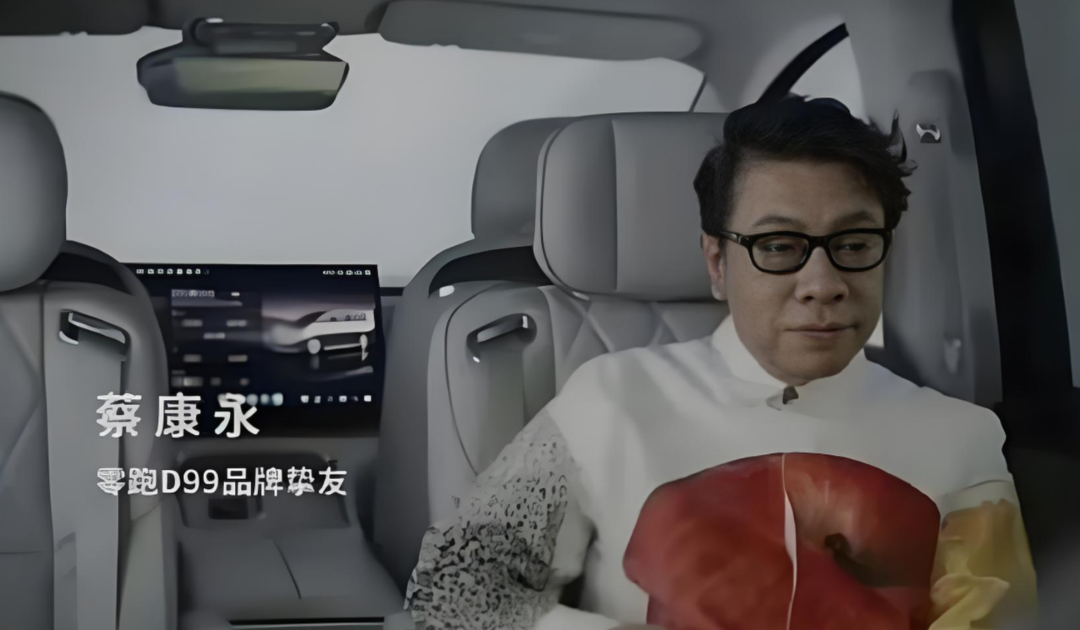
Leapmotor found itself unexpectedly in the limelight due to a controversy involving a celebrity collaborator.
In September, Kevin Tsai was still serving as a brand ambassador for Leapmotor's D99 model. However, less than a month later, Leapmotor issued a late-night statement, removing all related content.
This controversy has suddenly posed a question to this rapidly growing automaker, one that has nothing to do with driving range or vehicle features: Where, exactly, should the boundaries of business partnerships be drawn?
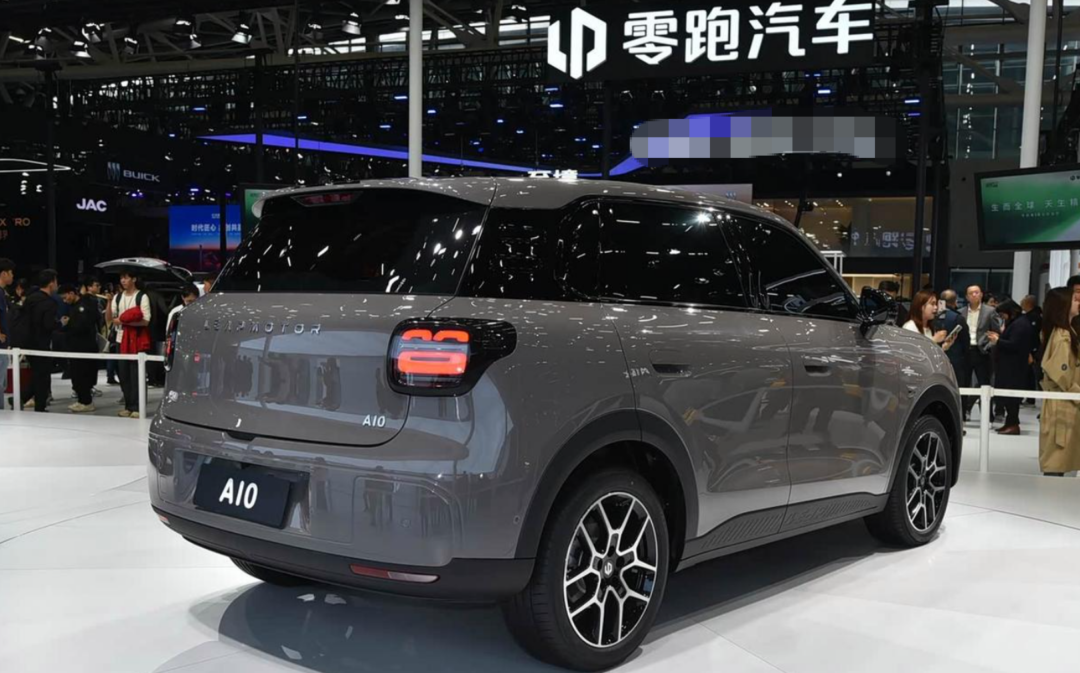

A partnership abruptly comes to an end!
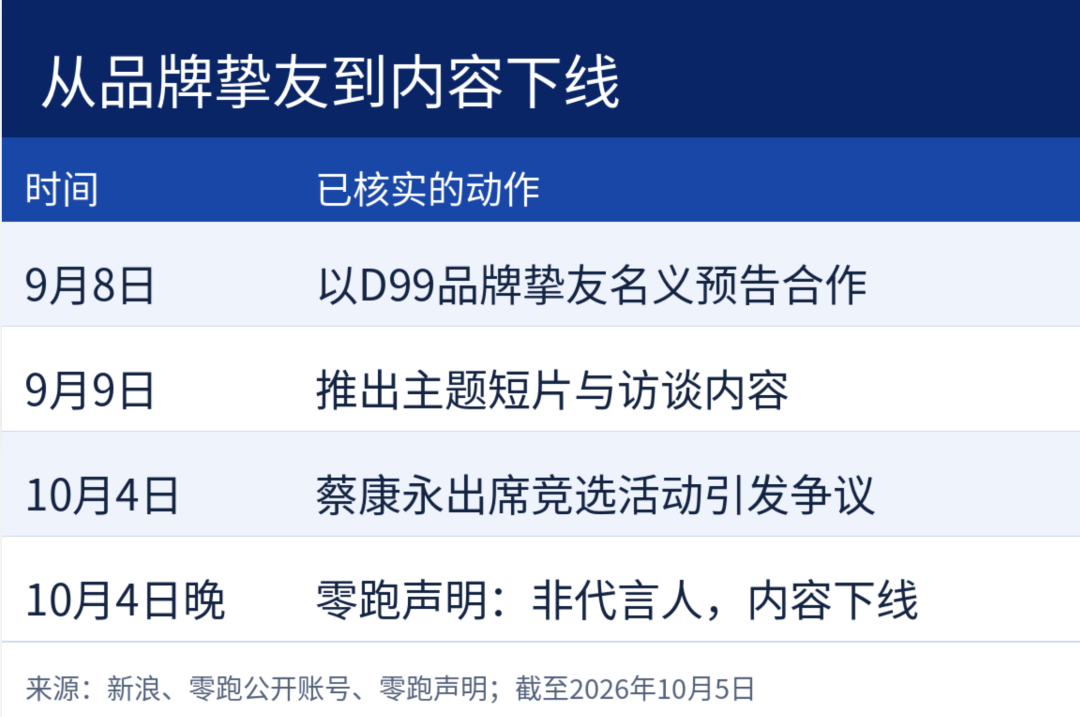
According to media reports, on October 4, Kevin Tsai unexpectedly showed up at the founding rally of Shen Boyang's campaign headquarters in Taiwan, China, sparking widespread controversy.
That evening, Leapmotor issued a statement reaffirming its adherence to the One-China principle and its opposition to any form of "Taiwan independence" separatist activities or words and deeds that harm national sentiment.
Subsequently, the company clarified that Kevin Tsai had merely been a participating artist in past collaborations, not a brand spokesperson for Leapmotor. All related content had been removed, and the company reserved the right to take legal action against relevant parties while strengthening the vetting of partners' backgrounds and stances.
Two distinct issues should not be mixed up here.
The term "not a spokesperson" clarifies the nature of the collaboration. However, the public's concern centers around why he was chosen and how the brand handled the controversy.
Contractual titles may define the scope of cooperation, but they cannot erase the brand associations that consumers have already formed. Whether a brand ambassador or a content guest, as long as the brand actively invites and promotes the individual, it must take responsibility for that choice.
Leapmotor's swift removal of content helped prevent the controversy from escalating further.
However, as of October 5, based on verified public information, details regarding contract termination, fee recovery, or legal action remain unclear. Reserving the right to take legal action does not equate to filing a lawsuit, nor should unverified claims about compensation be circulated.
Judging issues related to principles requires a clear stance, while assessing specific facts demands evidence. Unverified screenshots of past remarks or contractual rumors should not be accepted without careful scrutiny.
Why Kevin Tsai? Why the D99?
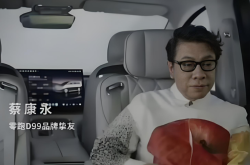
Leapmotor's official accounts and media reports indicate that on September 8, both parties announced their collaboration, with Kevin Tsai named as a "brand ambassador for the Leapmotor D99." On September 9, a themed short film was released, featuring Kevin Tsai in a dialogue with "another version of himself" about growth, choices, and life.
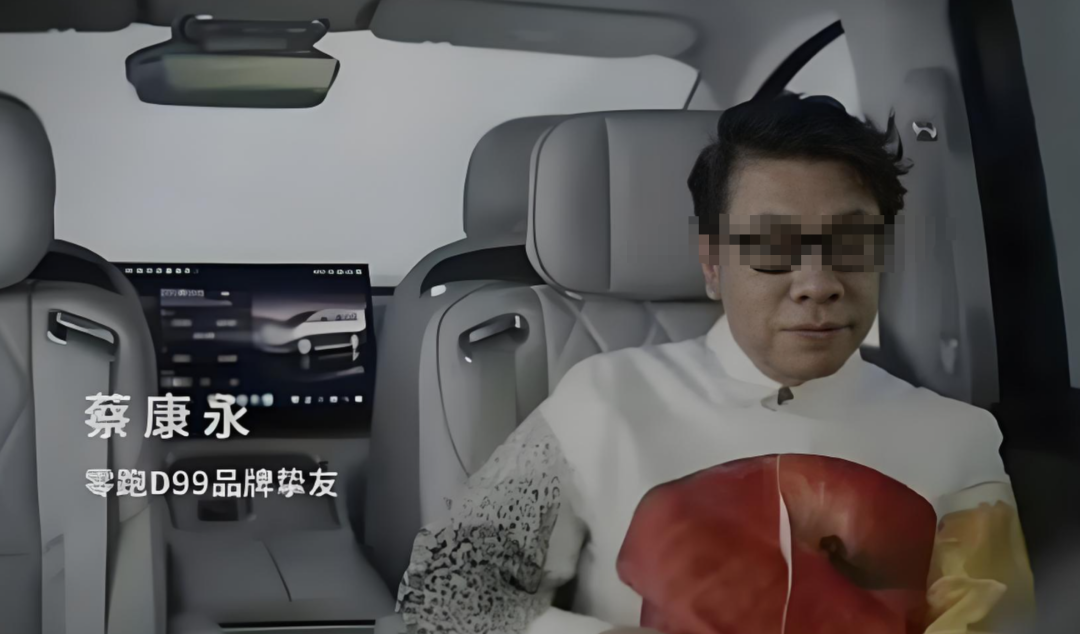
From a content design perspective, this campaign aimed to imbue the D99 with a more humanistic appeal. Instead of focusing on technical specifications, it leveraged a public figure's expressive abilities to foster emotional connections between users and the vehicle.
This aligns with Leapmotor's ongoing product upgrades.
According to the company's interim report, the D99 was launched on June 25 as a flagship MPV. Leapmotor had previously introduced the flagship SUV D19 and was now expanding into higher price segments with these two flagship models.
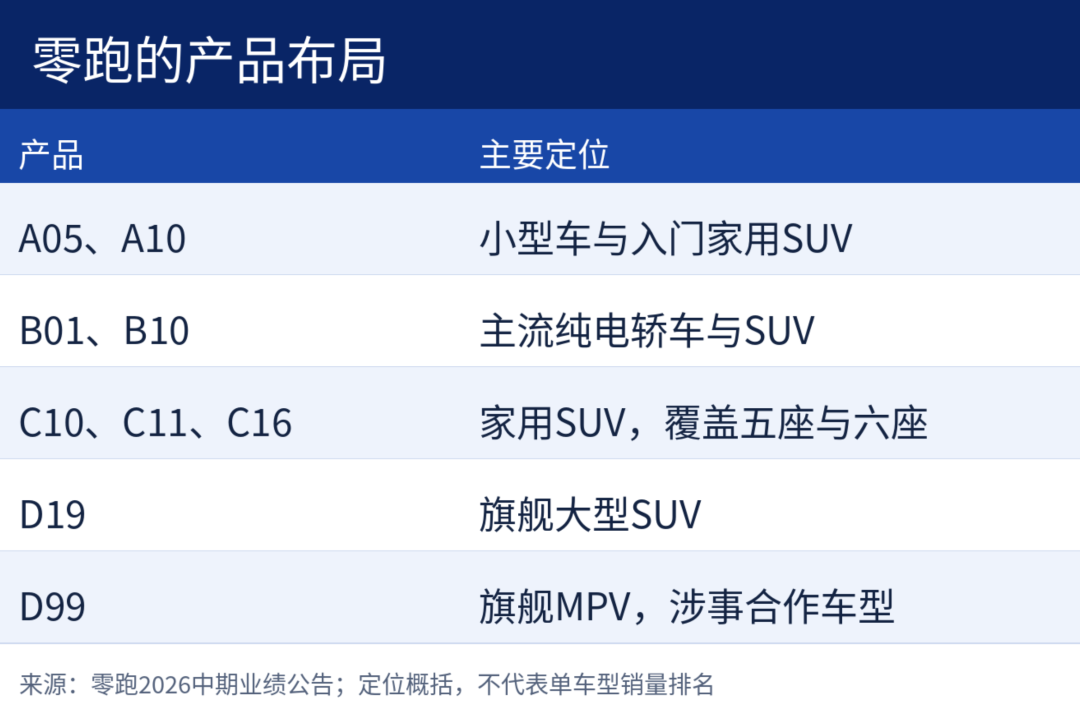
Shifting from offering "more features at affordable prices" to targeting consumers willing to pay a premium for the brand, automakers must enhance design, service, and brand identity. Seeking collaborators with humanistic appeal is a commercially logical strategy.
The issue lies in the fact that a celebrity's image is never marketed in isolation.
While a brand may borrow their fame, it also inherits the risks associated with their public actions. Marketing plans may focus on growth and lifestyle, but audiences do not compartmentalize a person's commercial activities from their other public engagements.
This incident does not invalidate all celebrity collaborations but serves as a reminder to automakers: partnership vetting must precede creativity. Establish basic stances and risk boundaries before discussing whether a personality aligns with a vehicle's image.
Leapmotor's Rapid Growth Outpaces Profitability
Behind this marketing controversy lies a company expanding rapidly in scale.
On October 1, Leapmotor announced global deliveries of 105,656 units in September, up 59% year-on-year, marking the third consecutive month of over 100,000 monthly deliveries.
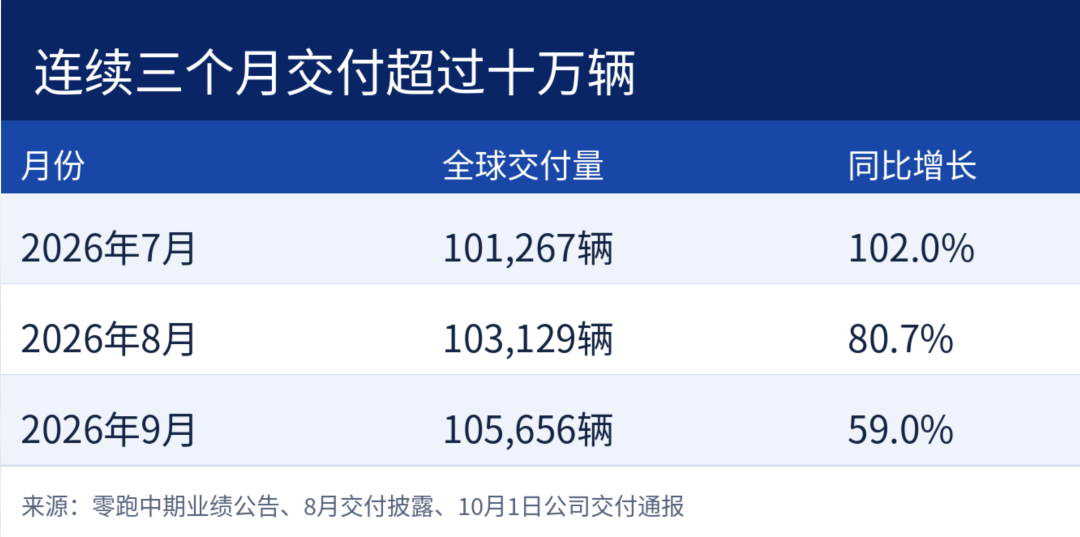
These sales achievements are commendable. However, financial reports remind us that revenue and profit do not always accelerate in tandem.
In the first half of 2026, Leapmotor's global deliveries reached 356,487 units, up 60.8% year-on-year. Revenue grew 57.2% to RMB 38.107 billion, while net profit attributable to equity holders was RMB 208 million, compared to RMB 33 million in the same period last year.
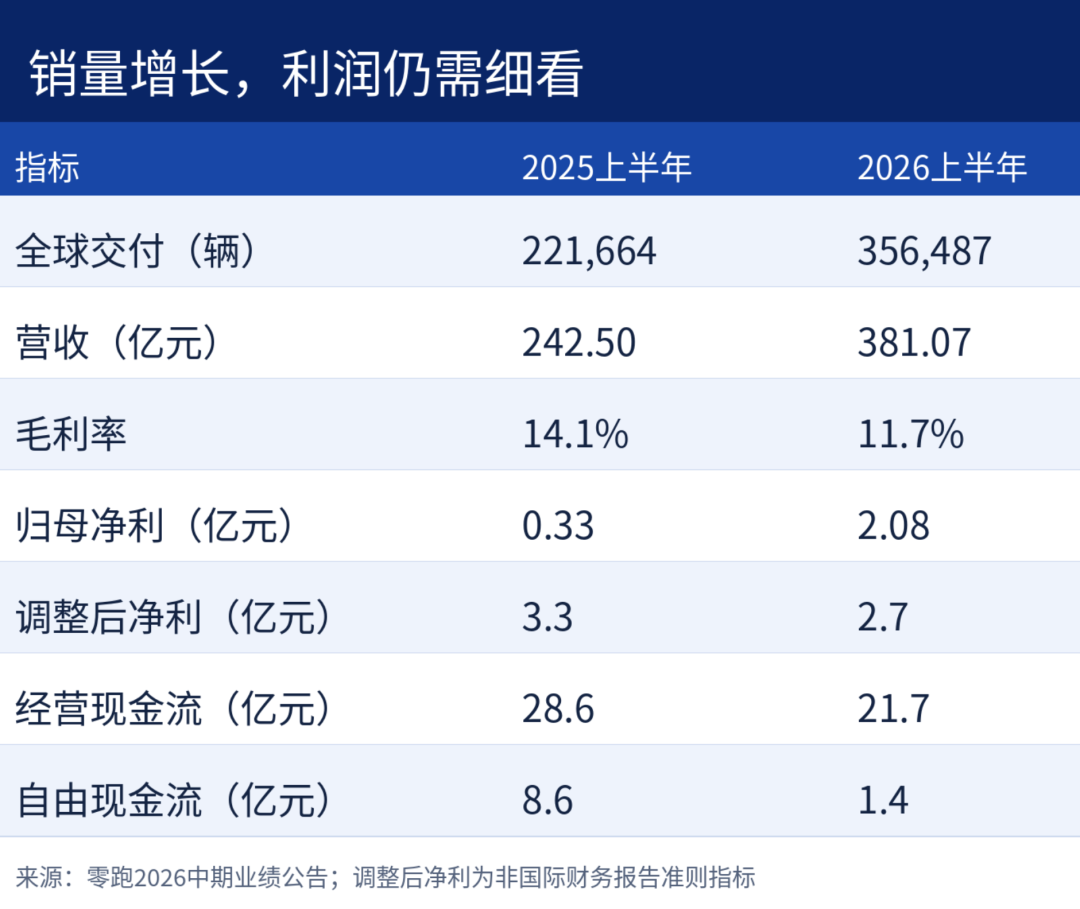
However, the overall gross margin declined from 14.1% to 11.7%. The company attributed this primarily to rising raw material costs and changes in its product mix. The gross margin rebounded to 12.6% in the second quarter, indicating improvement, but its sustainability throughout the year remains to be seen.
Calculated as net profit divided by revenue, the first-half net profit margin was approximately 0.55%. This indicates that despite significant revenue growth, profitability remains limited. This figure reflects the group's overall profitability and should not be directly equated with the profit margin of individual vehicles.
Another noteworthy metric is adjusted net profit.
After excluding share-based payment expenses, this indicator fell from RMB 330 million in the same period last year to RMB 270 million. As a non-IFRS metric, it differs in trend from net profit attributable to shareholders and must be considered alongside other financial data.
Net cash from operating activities declined from RMB 2.86 billion to RMB 2.17 billion, while free cash flow dropped from RMB 860 million to RMB 140 million. The announcement attributed the decline in operating cash flow primarily to increased procurement spending due to advance stockpiling.
Expansion requires capital, and these changes should be evaluated in conjunction with inventory levels, production capacity, and subsequent cash recovery, rather than interpreted as a slowdown in operations.
Leapmotor's growth increasingly relies on overseas markets. Exports reached 96,294 units in the first half, accounting for 27% of total deliveries. Expanding business scope brings opportunities but also demands greater investment in product, service, and brand management.
Industry competition remains fierce. Data from the China Association of Automobile Manufacturers shows that domestic new energy vehicle sales reached 10.65 million units in the first eight months of 2026, up 10.7% year-on-year. While the market continues to expand, automakers must safeguard profits beyond merely increasing sales volume.
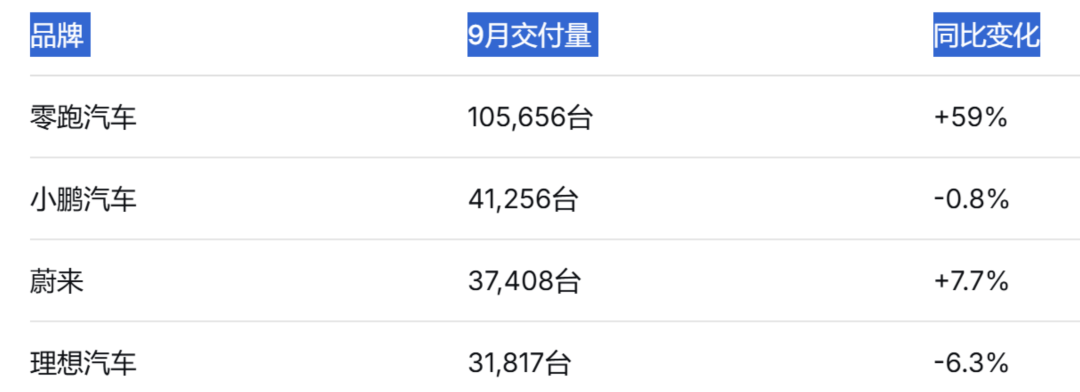
Thus, Leapmotor's investment in brand resources for high-end models reflects a practical need.
However, the more a brand seeks to establish premium pricing, the less it can afford damaged trust. When consumers purchase a vehicle priced around RMB 300,000, their decision encompasses far more than just a battery and seats.
Principles Must Be Established Before Partnerships Begin
Leapmotor's prompt response to this controversy deserves recognition. The more valuable next step is to translate the stated commitment to "strengthened vetting" into concrete processes.
This includes reviewing public behavior and major controversies before partnerships, explicitly outlining basic stances, content removal protocols, and breach handling in contracts, and continuously monitoring risks during collaborations. While less glamorous than product launches, these steps determine whether a company can minimize costly mistakes.
Current public data does not sufficiently prove that this incident has caused order declines or significant financial losses. September sales occurred before the controversy and cannot be used to demonstrate its lack of impact; online criticism cannot be directly equated with canceled orders.
Leapmotor should be evaluated based on actions already taken, with continued observation of subsequent improvements. Regarding Kevin Tsai's controversy, assessments should rely on verifiable public actions and responses, not speculation.
While commercial partnerships must calculate returns, certain principles are non-negotiable. The bottom line concerning national sovereignty and unity should not be compromised for fame, partnership fees, or promotional impact.
As brands ascend, vetting standards must rise accordingly. Otherwise, attention gained through spending may quickly transform into trust that takes far longer to rebuild.
Automaking is a marathon.
Vehicle sales depend on products; sustained brand growth requires knowing which paths to avoid.
For any automaker, no matter how exceptional their products, certain principles must remain non-negotiable.
-
![]()
Micron: Without the Frenzied Surge, Can Long-Term Agreements Really Sustain the Storage Resurgence?
-
![]()
Leapmotor Cuts Ties with Kevin Tsai Amid Controversy: Upholding Unwavering Principles
-
![]()
From Green Leaves to Flowers: How AI Inference Transforms NAND's Destiny?
-
![]()
Paris Auto Show Transforms into a Chinese Auto Extravaganza: AITO Showcases Full Lineup, Geely Occupies 5 Halls
-
![]()
Will Chinese Cars Secure 20% of the European Market This Year?
-
![]()
Is the auto industry too depressing? Feedback from the front lines is a bit heart-wrenching
-
![]()
Qualcomm Pays Huawei, Yet Chip Sales Remain Restricted
-
![]()
The Android Moment of Embodied AI Lies in the Cost of Switching Bodies