Laying Off 30% of Staff and Reverting to Fuel-Powered Vehicles: Decoding Porsche's '2035 Mid-term Strategy'
 10/09 2026
 435
435
Turning the Tide: Porsche's Strategic Shift
Porsche, renowned for its stellar sales and profitability in the luxury car market, has now shifted gears towards cost reduction and efficiency enhancement. What's behind this move?
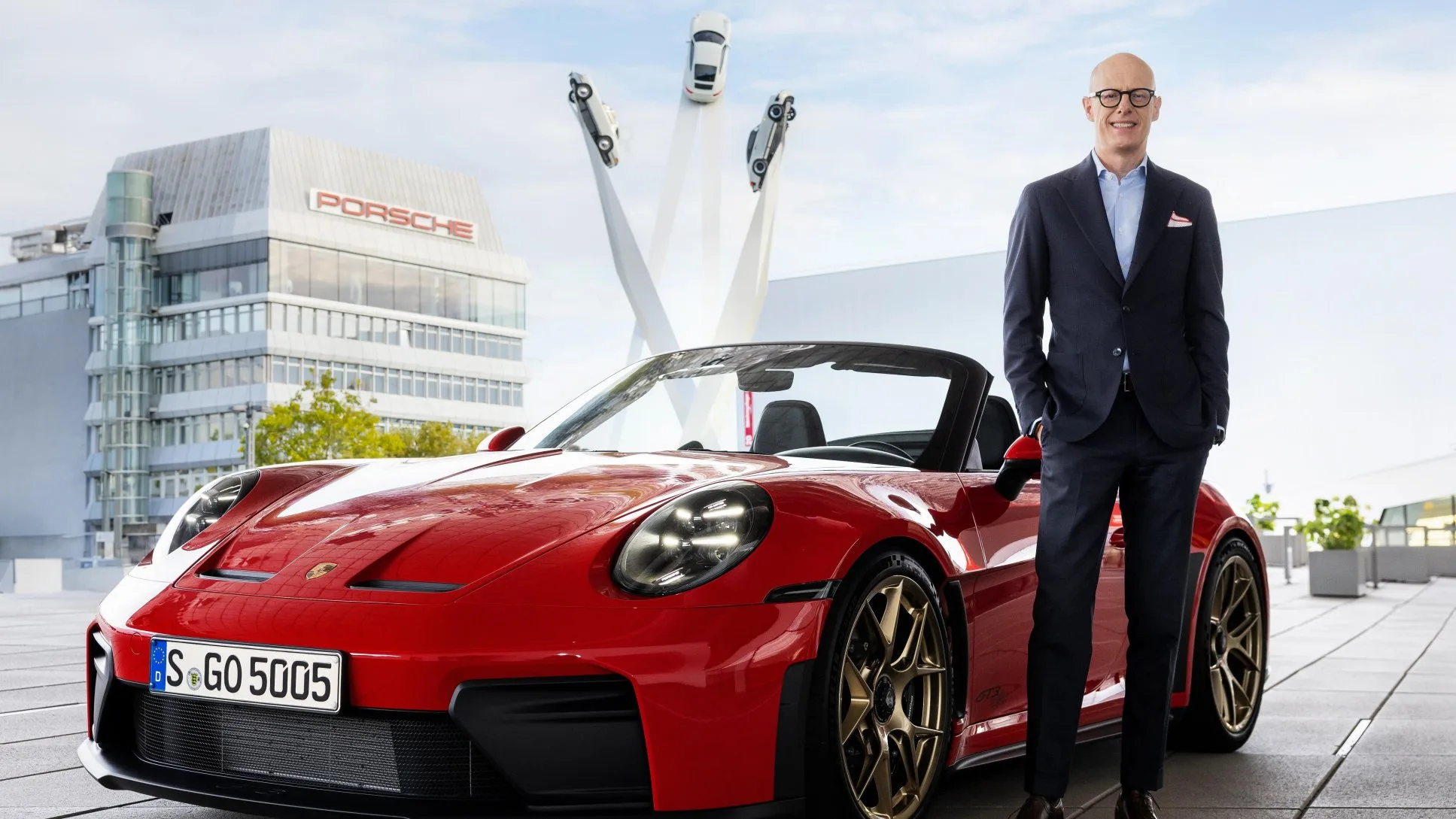
On October 7, Porsche unveiled its 2035 mid-term strategy, dubbed 'Sportwagenschmiede '35' (literally, 'Sports Car Foundry 35'), at its Capital Markets Day event.
According to official sources, the overarching goal of this strategy is to solidify Porsche's position as the world's most desirable sports car manufacturer, guided by the core principle of 'value over volume'.
(Image source: Porsche)
To implement this strategy, Porsche will concentrate on three key areas: product upgrades, cost reduction and efficiency enhancement, and organizational streamlining. By enhancing the value of individual vehicles and reducing reliance on sales volume, Porsche aims to achieve sustainable growth in profitability and cash flow.
So, what does this strategy entail? Why has Porsche rolled it out now? And can Porsche achieve its ambitious goals amid the automotive industry's gradual shift towards new energy?
Let's delve deeper.
Focusing on Fuel-Powered Supercars and Workforce Reduction: Porsche's 2035 Vision
The most striking aspect of Porsche's 2035 Mid-term Strategy is its product lineup.
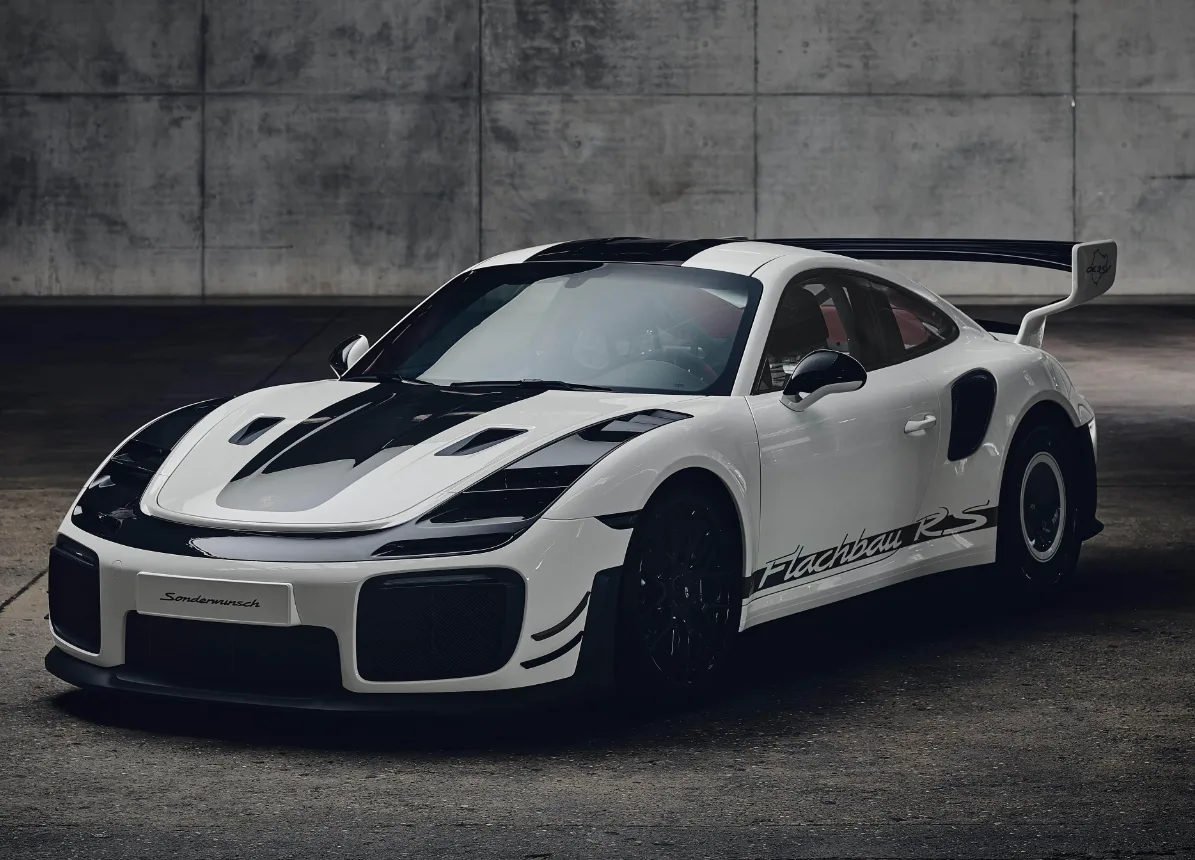
Porsche announced plans to develop a supercar platform featuring a mid-engine layout, with model series positioned above the iconic 911. Additionally, Porsche will introduce derivative models of the 911 and a D-segment SUV, positioned higher than the Cayenne.
Furthermore, Porsche will launch the 718 all-electric version and a fuel-powered + plug-in hybrid SUV in 2028, with the latter sold alongside the all-electric Macan.
Porsche's development of new fuel-powered supercars and subsequent plans to introduce fuel-powered models indicate a strategic retreat from its electrification transition.
As early as March 2022, Porsche had set ambitious electrification goals, aiming for electrified models (all-electric + plug-in hybrid) to account for over 50% of global new vehicle deliveries by 2025, and all-electric models to surpass 80% by 2030.
However, in 2025, electrified models only accounted for 34.4% of Porsche's sales, falling short of the initial target. That same year, Porsche adjusted its product strategy, slowing down the launch of all-electric models while extending the production cycle of fuel vehicles.
Now, with Porsche officially announcing the development of new fuel-powered supercars, it's clear that the company has abandoned its aggressive electrification goals, opting instead for a model led by high-performance fuel vehicles, alongside fuel, plug-in hybrid, and all-electric powertrains.
Dianchetong (ID: dianchetong233) believes that Porsche's decision to abandon its original electrification goals and re-embrace fuel vehicles is both a pragmatic response to its current development status and a strategic alignment with its operational conditions.
Currently, Porsche's R&D progress in electrification and the market performance of its new energy models are lagging far behind its operational and development needs.
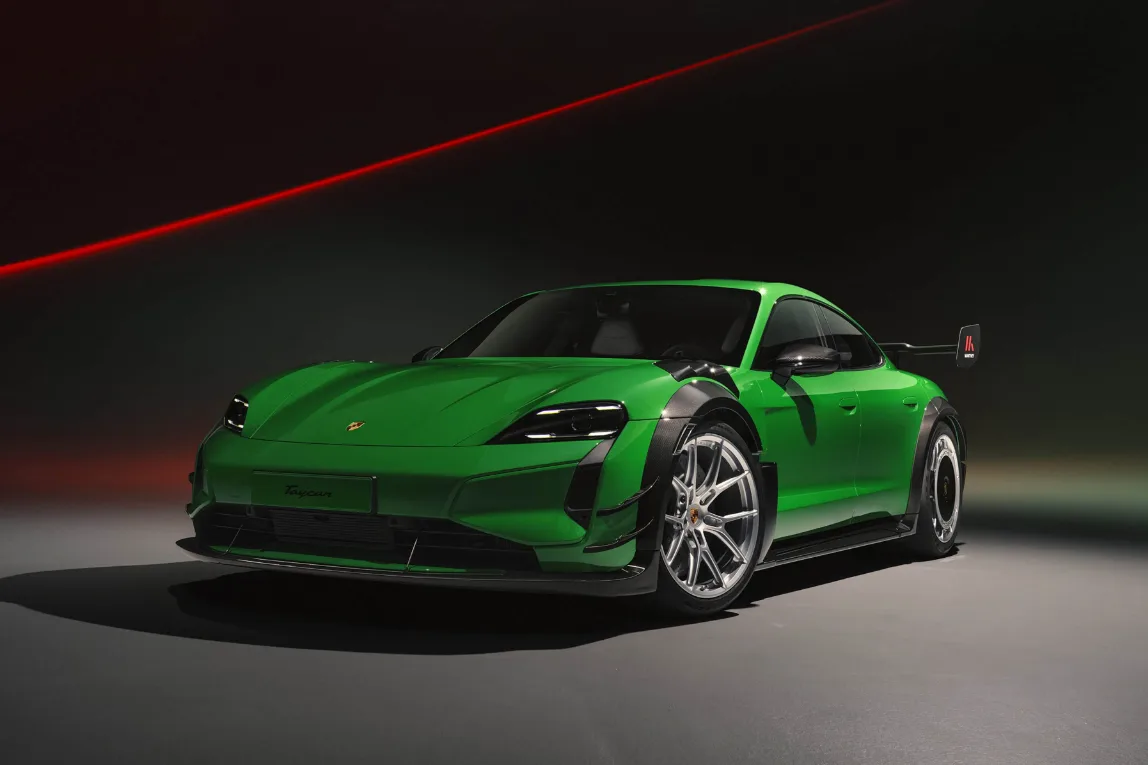
Since the global launch of the Taycan in 2019, Porsche has introduced only five new energy models in seven years: the Taycan, all-electric Macan, plug-in hybrid Cayenne, all-electric Cayenne, and plug-in hybrid Panamera. Moreover, the Taycan has not had a clear replacement plan since its launch.
(Image source: Porsche)
In other words, Porsche's R&D progress in new energy models is not only sluggish, but the existing models also fail to fully cover the brand's main sales markets.
From a sales perspective, Porsche's two all-electric models, the Taycan and all-electric Macan, sold 6,219 and 15,620 units respectively in the first half of 2026 (data for the all-electric Cayenne was not disclosed). In comparison, Porsche's 911 sold 30,534 units in the same period, more than 8,000 units more than the combined sales of the Taycan and all-electric Macan.
For Porsche, persisting with new energy models that show no promising future, given the slow pace of electrification R&D and underwhelming market performance, would undoubtedly be counterproductive. Instead, returning to the high-performance fuel vehicle segment and competing with supercar brands like Ferrari and Lamborghini through a new platform is Porsche's comfort zone.
In addition to refocusing on fuel vehicles, Porsche also announced a series of cost reduction and efficiency enhancement measures and organizational adjustments.
In terms of cost reduction and efficiency enhancement, Porsche announced a 25% reduction in its overall workforce in the medium term, with a long-term strategic target of 30%, and a 10% reduction in overall labor costs. Additionally, Porsche plans to reduce R&D costs by up to 20% in the future, production-end labor costs by up to 30%, sales and distribution costs by 20%, and the material cost per unit of new models by about 10%.
In terms of organizational adjustments, Porsche Engineering and Porsche Digital will be merged into Porsche Technology. Previously, Porsche had already sold its stakes in Rimac and Bugatti Rimac, shut down non-core businesses such as the R&D and production operations of the Cellforce Group, and the Porsche e-bike performance division.
From refocusing on fuel vehicles to implementing cost reduction and efficiency enhancement measures across multiple fronts, Porsche's 2035 Mid-term Strategy reflects a state of trying to turn the tide despite its diminished glory.
How did Porsche, once a dominant force in the luxury fuel vehicle segment, end up in this situation?
Operating Profit Plummets by 90%: Is Porsche on the Decline?
Signs of Porsche's decline had already emerged before the release of this mid-term plan.
The most intuitive indicator of this decline is Porsche's financial report data. The 2025 financial report shows that Porsche's total revenue decreased by 9.5%, operating profit decreased by 92.7%, and the return on sales plummeted from 14.1% to 1.1%.
Although the reasons for Porsche's profit decline in 2025 include the shutdown of the Cellforce battery business and the divestiture of non-core assets, the decline in global deliveries remains a key factor pressuring Porsche's performance.
In 2025, Porsche's annual deliveries were 279,449 units, down 10% from 2024, with the largest decline in the Chinese market at 26%. Moreover, the proportion of Porsche's sales in the Chinese market to its global sales also declined. In North America, the world's largest market, Porsche also saw an 11.5% decline in sales.
The reasons for the decline are multifaceted, but in short, the U.S. market faced rising import clearance costs and reduced electric vehicle subsidies, while the Chinese market saw decreased demand for luxury cars and intense competition from local brands.
This raises the question: Can Porsche, which is temporarily on a downward trajectory, halt its decline and rebound in the future?
In Dianchetong's (ID: dianchetong233) view, Porsche's newly released mid-term strategy is essentially applying the brakes to Porsche's current decline.
From Porsche's core principle of 'value over volume,' it is clear that Porsche is not pursuing sales expansion at this stage but rather aiming to stabilize its current revenue performance and profit margins, avoiding the impact on brand profit and brand image that could result from pursuing sales volume.
(Image source: Porsche)
This is precisely how Porsche is handling competitive pressure, differing from other German brands.
Taking the Chinese market as an example, whether it's Mercedes-Benz, BMW, or Audi, when facing insufficient competitiveness and declining sales due to the trend of increased configuration and reduced prices brought about by electrification transformation in the Chinese market, most of these brands have chosen to respond with price reductions to better maintain sales volume.
For instance, a few years ago, the terminal prices of models like the Mercedes-Benz EQS, EQE, and BMW i3 were significantly reduced, with the BMW i3's price even dropping to below 200,000 yuan at one point. Nowadays, the prices of new models like the Mercedes-Benz CLA all-electric and GLC all-electric are also adjusted downward compared to their fuel-powered counterparts, and Audi has even created the AUDI brand in collaboration with SAIC Motor to lower prices and boost sales.
However, Porsche's terminal prices in China have remained relatively stable. Although there are certain discounts at the terminal level, its prices have not experienced significant drops like those of Mercedes-Benz and BMW, which break through their own brand tiers.
Such measures are clearly feasible for Porsche to stabilize its global revenue and profit, especially if Porsche's mid-engine layout supercar series is successfully launched, it will make a stable contribution to its future revenue and profit.
However, in the Chinese market, Porsche faces a different competitive landscape. Under the influence of the horsepower parity trend brought about by electrification development, a significant portion of consumers' interest in high-performance fuel vehicles has weakened. Porsche's high-performance fuel vehicles in China face competition from models like the Xiaomi SU7 Ultra and Tengshi Z, which offer lower prices and higher horsepower.
In other words, Porsche's approach in its 2035 Mid-term Plan of relying on higher product competitiveness to achieve higher premiums and reduce reliance on sales volume is somewhat unfeasible in the Chinese market.
So, what should Porsche do?
Has the Chinese Market Become Porsche's Toughest Challenge?
For Porsche, China is undoubtedly the most challenging market because since the rapid development of electrification and intelligence in the Chinese market, both market performance and consumer mindset have undergone significant changes.
At present, luxury brands represented by NIO, AITO, and Li Auto, as well as high-performance brands represented by Xiaomi, focus on offering 'more for less' in their products, meaning they strive to provide comprehensive configuration and experience within their respective price ranges.
However, Porsche still adheres to the traditional luxury automaker's rigid pricing rules, with significant price differences for different performance configurations and even more pronounced price disparities in the selection of comfort and luxury features.
Moreover, Porsche's 2035 mid-term plan runs counter to the development trends of the Chinese automotive market. The Chinese market emphasizes further technological innovation in electrification and intelligence, with electric high-performance vehicles also being an important development direction. Porsche, on the other hand, has chosen to focus on high-performance fuel vehicles.
Therefore, there are clear differences and conflicts between Porsche and the overall environment and future development trends of the Chinese market.
In the short term, Porsche may need to reduce its reliance on the Chinese market and find new business growth points in markets like Europe and the United States to compensate for the decline in Chinese market sales. In the long run, Porsche also needs to overcome the conflicts with the development trends of the Chinese automotive market and adapt to the purchasing needs of Chinese consumers to achieve a sales rebound.
This tough battle will be difficult to fight, and it remains to be seen whether Porsche is willing to take on the challenge.
Source: Leikeji
Images in this article are from: 123RF Royalty-Free Image Library Source: Leikeji
-
![]()
Holiday Sales of Communication Devices Soar by 119.8%: Is It Volume or Pricing Driving Growth?
-
![]()
OpenAI Annual Revenue Disappoints, AI Sector Tumbles, Nvidia’s Market Value Plunges $168.4 Billion Overnight
-
Can an AI Smartphone That 'Automates Tasks' Go Too Far?
-
![]()
4G Intelligent Lighting Module Selection, Deployment, and Common Issues
-
![]()
Must Adapt to iPhone Duo! Apple’s Mandate Puts Pressure on Small and Medium-Sized Developers
-
![]()
Laying Off 30% of Staff and Reverting to Fuel-Powered Vehicles: Decoding Porsche's '2035 Mid-term Strategy'
-
![]()
Why Do Flagship Smartphones Exhibit Reduced Stability Despite Achieving Higher Benchmark Scores?
-
![]()
Despite Rising Benchmark Scores, Why Are Flagship Smartphones Becoming Less Stable?