BYD's Seagull Upgrades, Han Repositions, and the Grand Han Arrives: 'Size Inflation' Redraws Product Lines
 10/22 2026
 443
Editor|He Weiran
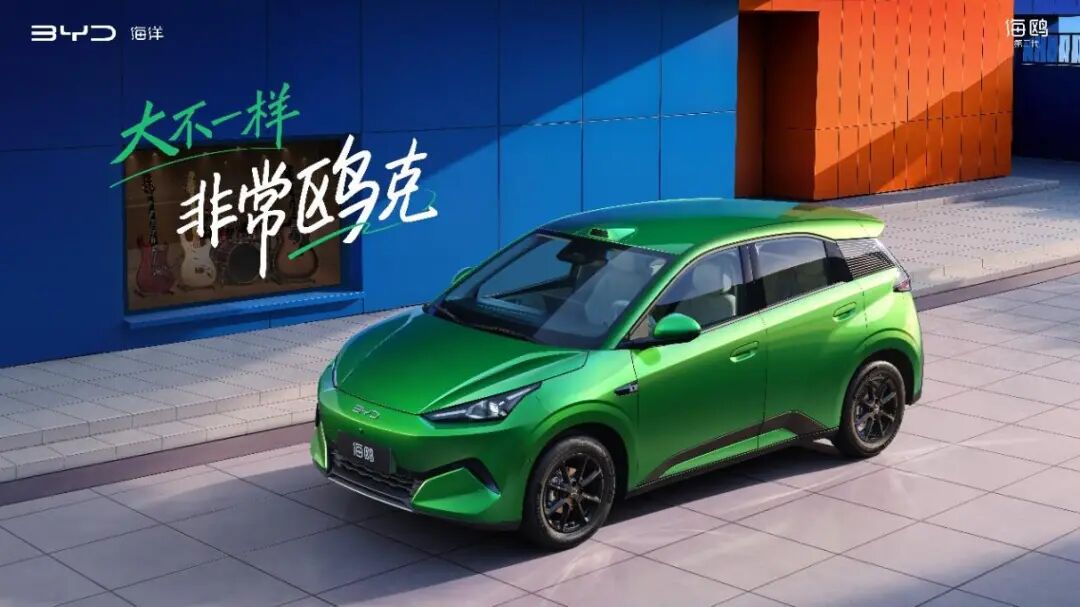
Did you catch the launch of the second-generation Seagull last night? The changes are substantial: length extended from 3,780mm to 4,205mm, wheelbase from 2,500mm to 2,650mm, stepping up from A00 to A0 class, shifting from four to five seats, rear-wheel drive with multi-link independent rear suspension, motor power increased from 55kW to 95kW, high-spec models offer fast charging and optional LiDAR. The super trade-in price ranges from 62,900 to 96,900 yuan, maintaining strong value.
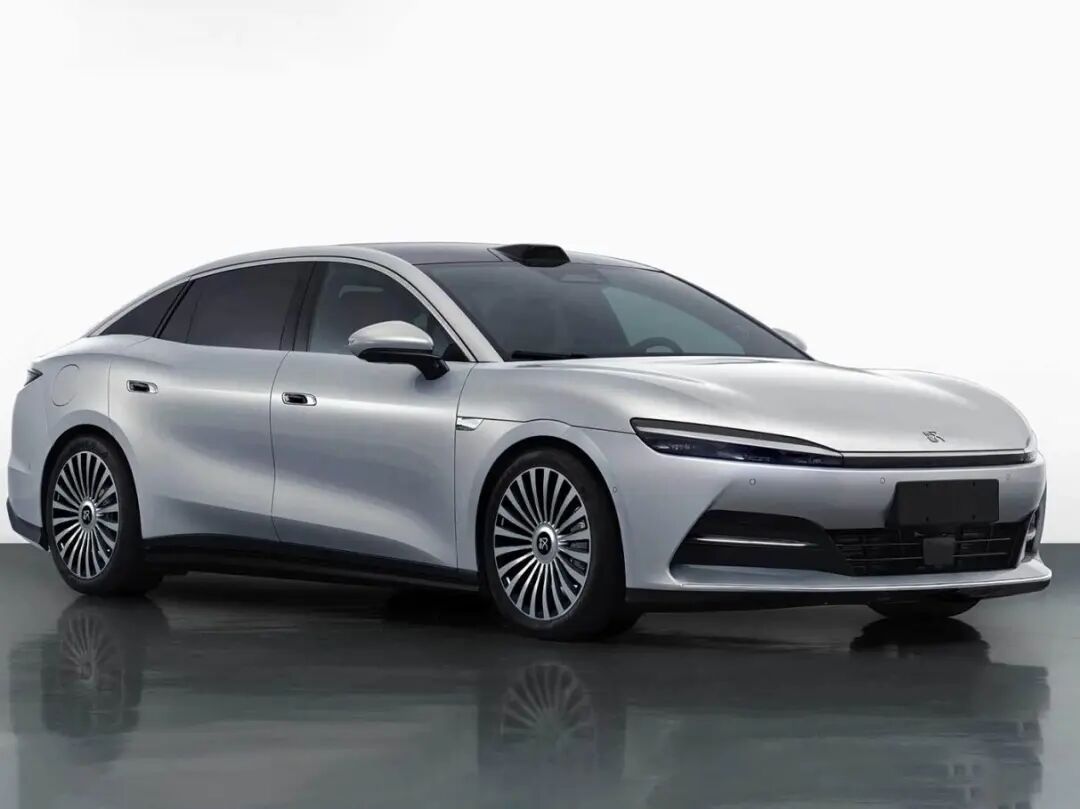
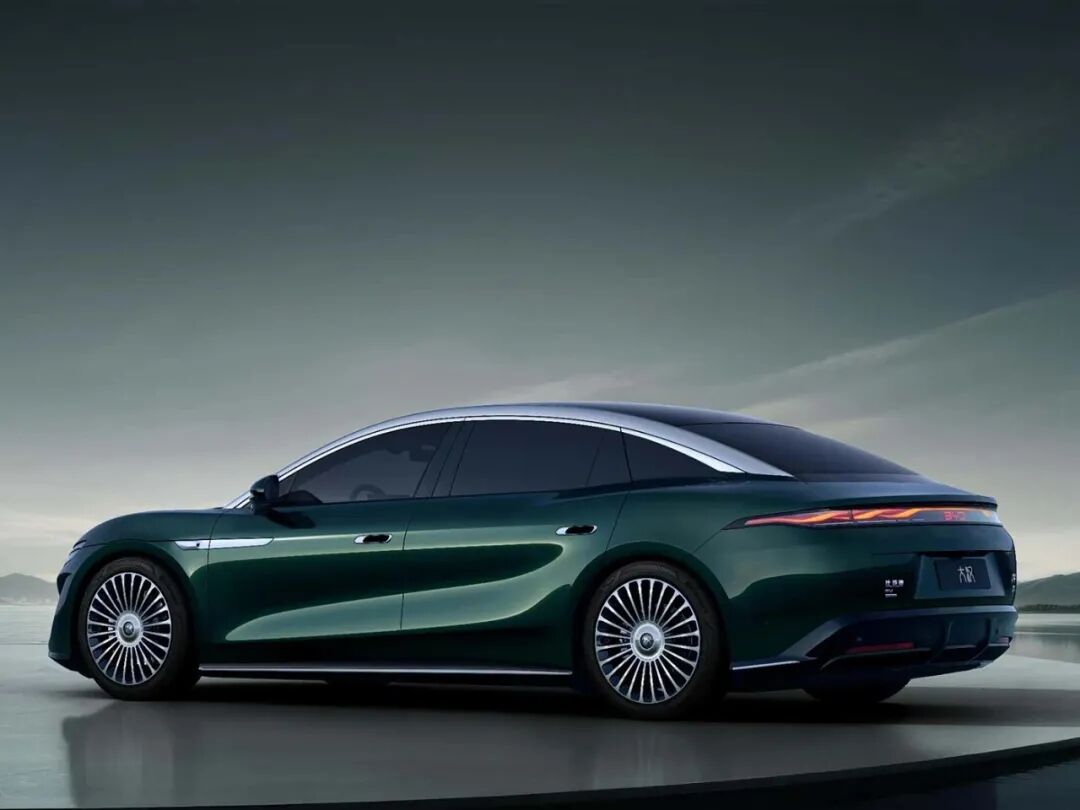
But BYD's new model moves don't stop there. The recently MIIT-approved third-generation BYD Han measures 5,156mm in length and 3,030mm in wheelbase—larger than its predecessor but about 100mm shorter than the newly launched Grand Han, precisely filling the gap between them. Interestingly, one is Ocean Network's entry-level commuter car while the other is Wangchao Network's sales mainstay; both 'go larger' after redesigns, a logic worth examining.

Second-gen Seagull: From 'Can Seat People' to 'Family Car'
The previous Seagull's mission was to create a four-door, four-seat micro-EV with truly usable rear seats within A00 dimensions using the e-Platform 3.0. It succeeded, but limitations were clear: 3,780mm length and 2,500mm wheelbase made four seats a compromise for family use.
The second-gen Seagull's 425mm growth directly addresses this ceiling. With a 2,650mm wheelbase, rear legroom improves substantially; the five-seat layout makes it viable as a family's sole vehicle, not just a secondary car.

More critically, size and chassis upgrades are two sides of the same engineering coin: rear-wheel drive requires sufficient longitudinal space for the rear subframe; multi-link independent suspension occupies more vertical space than torsion beams; the 95kW rear motor and front trunk necessitate reconfigured front bodywork. Size is an engineering prerequisite for these upgrades, not a marketing gimmick.

However, a tension arises: the 4,205mm Seagull now closely matches the Dolphin's size. With a 2,700mm wheelbase, the new Seagull is just 50mm shorter. BYD may need to differentiate via configuration and body style: Seagull as a practical five-seater, Dolphin as a premium hatchback, rather than relying solely on size for segmentation. This is an internal cost of size inflation.

Third-gen Han Doesn't 'Go Upmarket'—It Fills Han L's Void
Understanding the third-gen Han's size requires seeing its position in the sedan lineup, not just its growth over the current model.
The current second-gen Han measures 4,995mm long with a 2,920mm wheelbase; Han L is 5,050mm long with a 2,970mm wheelbase; Grand Han is 5,256mm long with a 3,130mm wheelbase. The third-gen Han, at 5,156mm long and 3,030mm wheelbase, is larger than Han L but smaller than Grand Han, precisely filling the gap. This positioning is no accident.
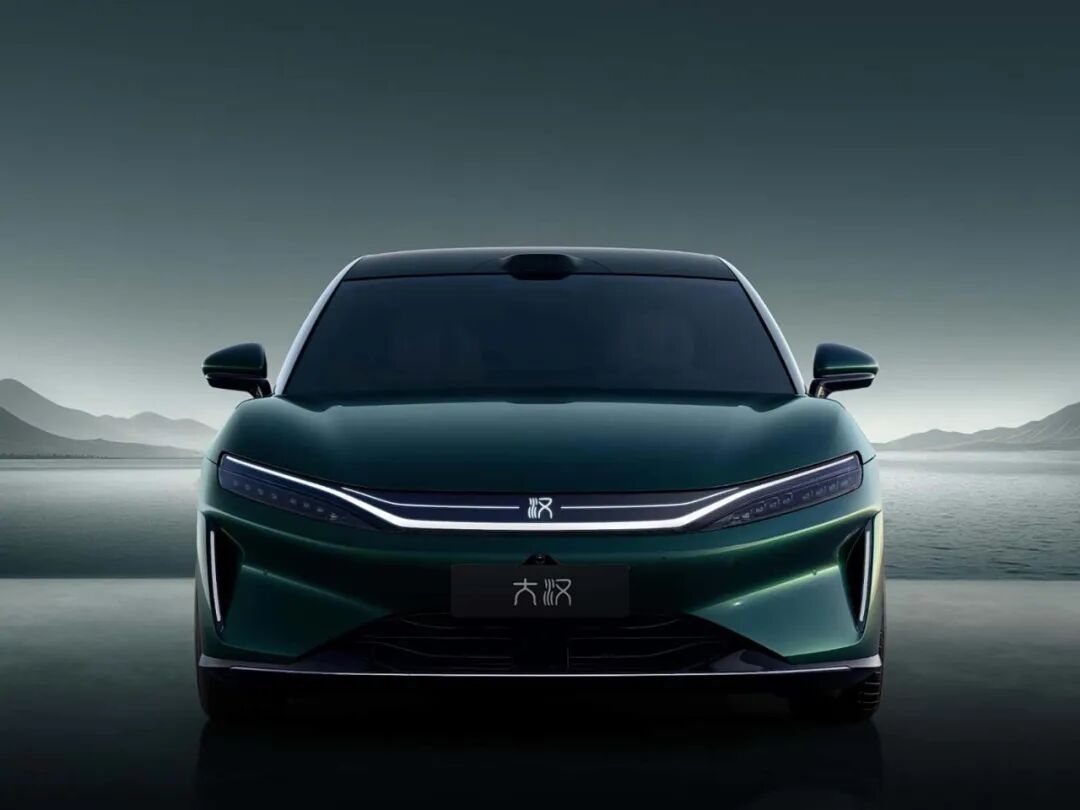
The Grand Han launched on October 13 at 235,900 yuan, tasked with brand elevation. Han L targets the 200,000–250,000 yuan segment, but its size and product positioning are now overshadowed by the new Han. Multiple sources suggest the new Han will likely succeed Han L, filling the 200,000 yuan mid-large sedan gap rather than pushing further upmarket against the Grand Han.
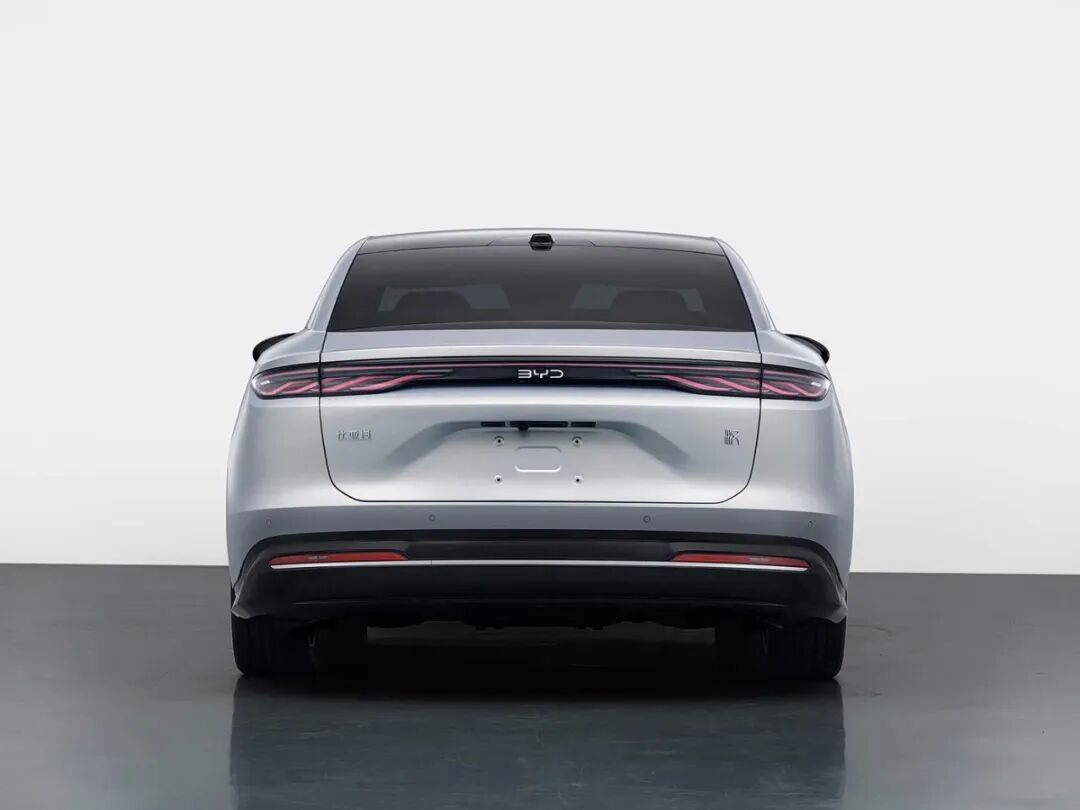
Thus, the new Han's 'larger size' aims not to be 'bigger and stronger' but to redefine price bands via dimensions. The 3,030mm wheelbase and 1,969mm width provide mid-large sedan dignity for rear and lateral space, while keeping length 100mm below Grand Han to prevent internal cannibalization. This is a more refined approach than mere size inflation: growth is precisely allocated where needed, not uniformly applied.

Why 'Go Larger'? Four Factors, Varying Weights
Platform integration is foundational but insufficient. The e-Platform 3.0 and DM-i do reduce mechanical space and improve cabin efficiency, but platform efficiency is shared across BYD's lineup. It explains 'potential for growth' but not why the Seagull must upsize or the new Han must precisely reposition. The platform enables 'can grow larger'; product line and market logic dictate 'must grow larger.'
Product line density forces size repositioning—the most direct driver currently. BYD's model density has reached a tipping point: Seagull sits below Dolphin; Han sits below Han L and Grand Han. At this density, size becomes a positioning tool for product managers rather than a natural class attribute. Seagull grows to enter the family car price band; new Han grows to fill an irreplaceable niche between Han L and Grand Han. Size changes reflect product sequence realignment.
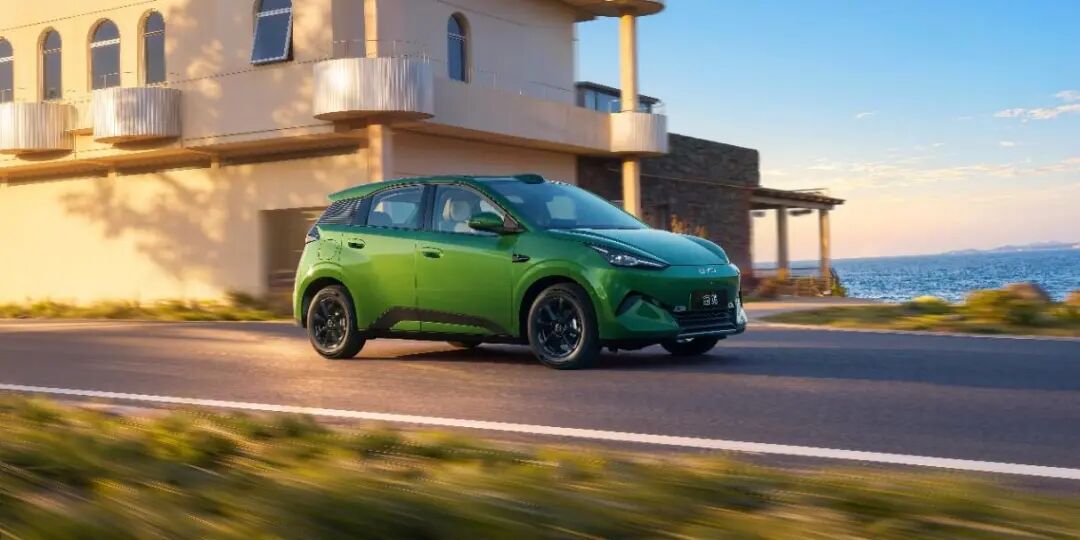
Competitive pressure also pushes size upward. In the small BEV segment, rivals like Geely Starry Wishes have raised size and space standards; Seagull at 3,780mm would look cramped in showrooms. The same holds for mid-size and large sedans, where size signals value. BYD isn't alone in 'going larger,' but it executes most systematically: nearly every price band gets an oversized product.
Brand upscaling needs physical carriers, but this layer is overrated. The Grand Han, at 5,256mm, 3,130mm, and starting at 235,900 yuan, is the flagship for brand elevation. The new Han's growth serves competitiveness in the 200,000 yuan volume segment, not brand upscaling. What makes the Grand Han stand firm isn't its 5,256mm length but rear-wheel steering, Yunzhan-A suspension, and 1,008km range—experiential differentiators.

The Costs and Benefits of Size Inflation
Seagull's jump from A00 to A0 raises parking difficulty and energy management complexity; new Han nearing 5.16m suffers reduced maneuverability in narrow city roads and parking garages. BYD offsets these with rear-wheel drive, multi-link suspension, fast charging, and higher-integrated powertrains, but physical limits remain.
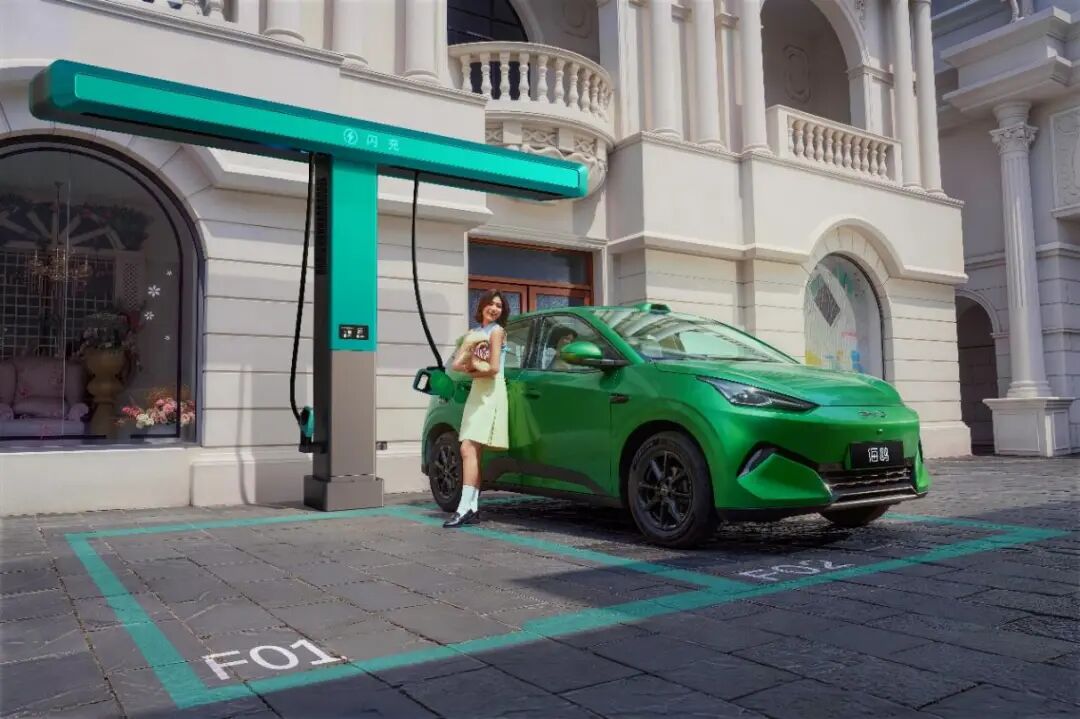
More notable are internal segmentation costs. Seagull's growth narrows its gap with Dolphin; new Han's growth deepens overlap with Han L—raising questions about Han L's future. At a certain size threshold, product lines lose 'breathing room,' forcing BYD to use configurations, powertrains, and body styles to differentiate where size once did. This is far harder than mere size inflation.

Epilogue
The second-gen Seagull's 425mm growth lets a micro-car truly enter family scenarios; the new Han's 161mm growth secures an irreplaceable price position between Han L and Grand Han. Both are proactive product decisions, not passive 'bigger is better' moves.
But the true value of size growth lies not in declaration data (registration data) but in answering two questions: How will the Dolphin remain relevant after Seagull's growth? How will Han L sustain its positioning after the new Han fills its niche? BYD has proven it can enlarge cars; next, it must prove it can manage an ever-growing product matrix with clarity.

Welcome to Share, Like, and Comment
This work's copyright belongs to Xinzuojia or related copyright holders. No third party may reproduce it without authorization; otherwise, it constitutes infringement.
"Respect Originality, Respect Attitude"
-
![]()
China's Commercial Remote Sensing: A New Chapter in Sky Allocation
-
![]()
Blockbuster! SERES AITO Suspected of Segmenting Domestic and International Markets: Domestically Closely Tied to Huawei, Internationally Partnering with 'Bosch'
-
![]()
Breaking News! Li Auto Officially Unveils Full Integration with Huawei
-
Deep Scenarios Across Industries: AI's New Future
-
![]()
Why Do Intelligent Driving Models Keep Expanding in Size, Yet Their Driving Abilities Don't Necessarily Rise Proportionally?
-
![]()
BYD's Seagull Upgrades, Han Repositions, and the Grand Han Arrives: 'Size Inflation' Redraws Product Lines
-
Engineering Secrets and Design Considerations Behind the Tesla ROADSTER That Can Fly
-
Changan Mazda Quietly Strikes Gold