Blockbuster! SERES AITO Suspected of Segmenting Domestic and International Markets: Domestically Closely Tied to Huawei, Internationally Partnering with 'Bosch'
 10/22 2026
 411
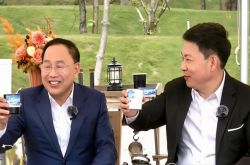
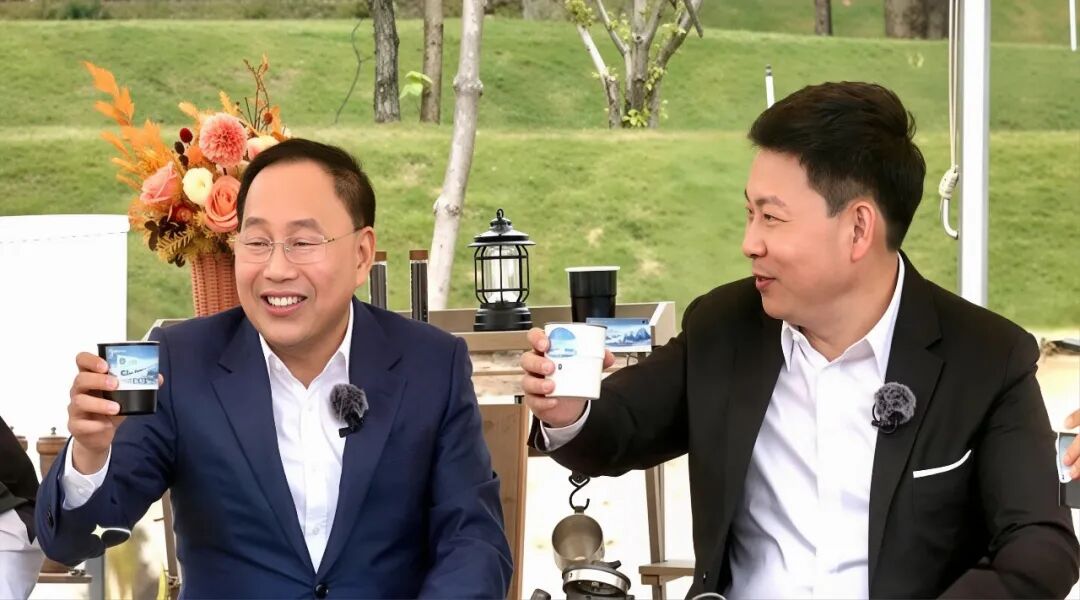 Zhang Xinghai (SERES), Yu Chengdong (Huawei), CCTV News. Image source: Weibo
The most suspenseful drama in the automotive circle recently has fallen on AITO.
Industry news suggests that SERES AITO is pursuing a dual-track product strategy for domestic and overseas markets: domestically, it will continue to deeply bind with Huawei, retaining HarmonyOS cockpit and Qiankun Intelligent Driving; for versions targeting overseas markets like Europe, it will partner with Bosch, adopting the BOSCH Inside solution. One poster, two logics, fully laying out the cooperation dynamics and global expansion choices of China's premium electric vehicles.
One teaser poster stabilizes domestic user confidence
The new AITO M8 is set to officially launch at the end of October. This flagship SUV, priced in the 400,000-plus range, has already generated significant market buzz. Netizens report that pre-sales orders surpassed 10,000 shortly after opening in September. In the fiercely competitive 400,000 premium SUV segment, this pre-sale performance carries significant weight, confirming a consensus: AITO remains one of the most influential benchmarks in China's premium intelligent vehicle sector. A substantial portion of this order confidence stems from a teaser poster. AITO released promotional copy stating, "Inherit the essence, rise from the East," which was quickly dissected by netizens: "Inherit" and "rise from the East" conceal the characters "Chengdong," interpreted as a shout-out to Yu Chengdong, hinting that he will personally host the new M8 launch event. Netizens quipped: "AITO's new M8 sales are secured."
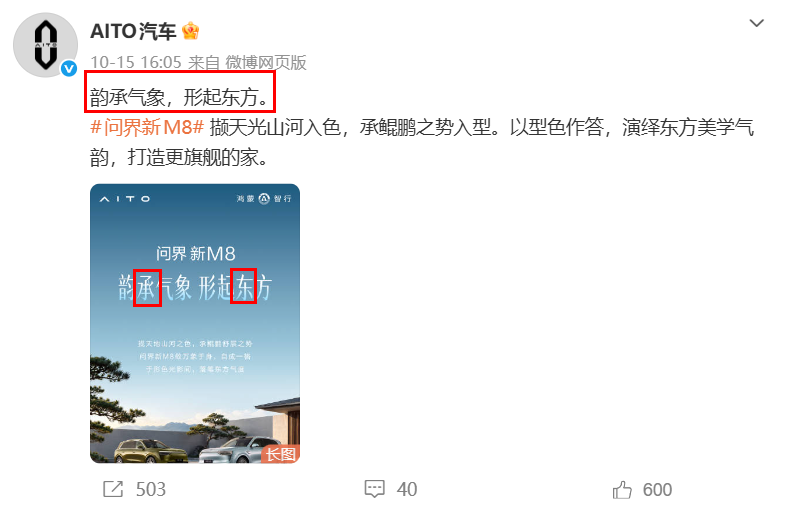 Image source: Weibo
Of course, this is just netizens' playful interpretation and shouldn't be taken as official confirmation, but the emotional value has been fully leveraged. Recently, rumors of "Huawei and SERES parting ways" have been swirling online, leaving many potential buyers anxious. Many choose AITO not just for an SUV but for Huawei's HarmonyOS cockpit, Qiankun Intelligent Driving, and Yu Chengdong's oversight of product standards and experience. The primary concern is that a change in cooperation model or Huawei's withdrawal could lead to loosened intelligent driving iterations and vehicle quality control, significantly diminishing the premium experience.
Addressing these anxieties, Yu Chengdong previously stated clearly that AITO models launching this year will still be designed under Huawei's leadership. However, verbal assurances alone cannot fully allay user concerns. Thus, whether he appears at the launch event has become a reassurance from SERES and Huawei to the market and existing owners. The new M8 is a high-profile model following the strategic adjustment. Huawei's deep involvement in product definition, coupled with Yu Chengdong's presence, would send the clearest signal: Huawei is not withdrawing, and the core intelligent capabilities and product standards of the domestic version will remain intact.
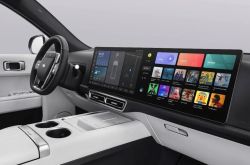
At the product level, the new M8 continues the flagship design of the family, emphasizing Oriental luxury with Huawei ADS high-level intelligent driving, HarmonyOS cockpit, and flagship hardware like 800V high-voltage platform, air suspension, and rear-wheel steering.
AITO has always been the cornerstone of Huawei's Harmony Intelligent Mobility Alliance, contributing significantly to sales. The 10,000 pre-sale orders represent a vote of confidence from users with real money. A persistent challenge in the domestic premium market is that pricing high often leads to sluggish sales, while volume-focused strategies struggle to maintain brand premium. AITO's ability to sustain a 400,000 price point indicates that the core of the premium market lies not in mere configuration stacking but in stable, predictable intelligent experiences and long-term brand trust. A vivid metaphor circulates online: buying AITO used to feel like buying an iPhone; if Huawei withdraws, it becomes a Foxconn-assembled device—same hardware but lacking that intangible value. The discussion sparked by this poster essentially confirms the market's query: Is the domestic AITO still the Huawei-branded AITO?
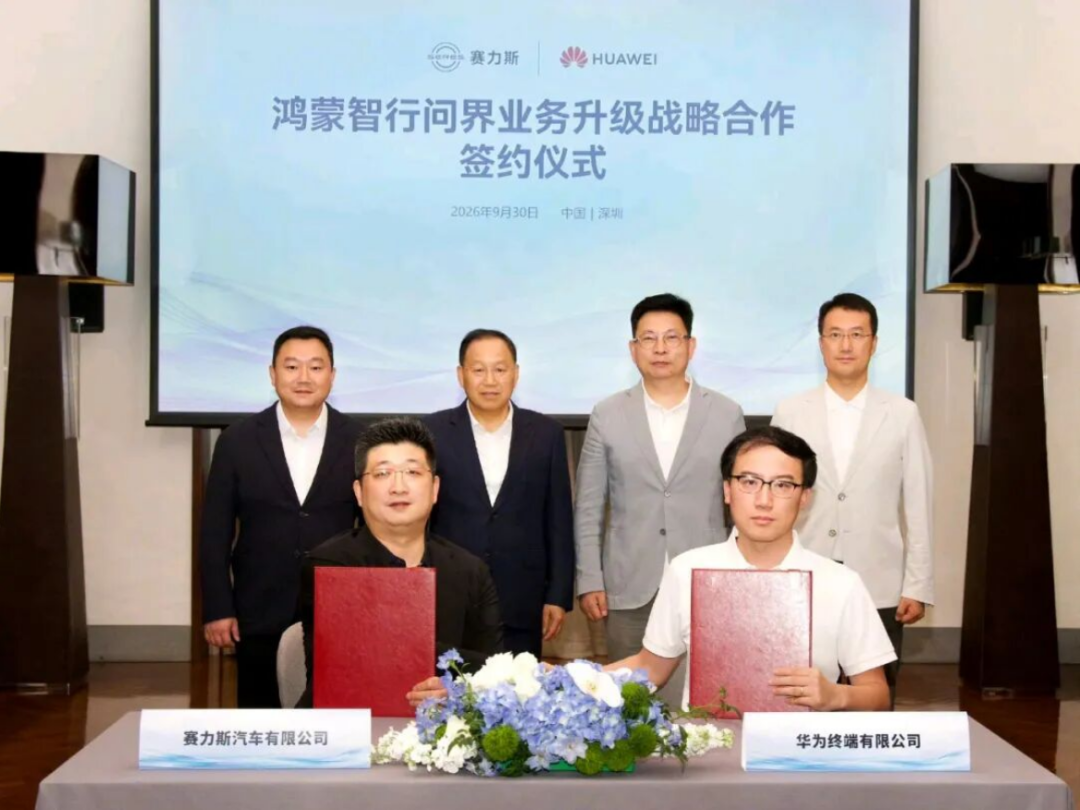 Image source: Weibo
This poster campaign is also seen as a textbook example of traffic generation, on the surface (superficially) narrating Oriental aesthetics while inherently sparking debate. The comment section split into two factions: one firmly believe (firmly believes) Yu will appear, heralding a "king's return"; the other questions why Yu would still host if roles have been adjusted. A blogger pointed out: Whether Yu appears or not, the buzz has been achieved. This riddle-like poster, without spending on trending topics, has sufficiently saturated automotive review accounts and communities.
Shifting to Bosch, AITO adopts a new strategy for global expansion
If the domestic focus is on stabilizing the Huawei base, AITO's global expansion plan opens another narrative. At the Paris Motor Show, Kang Bo, Vice President of SERES, officially announced that AITO plans to enter the European market in autumn 2027, while also expanding into the Middle East. On the announcement day, SERES's A-shares directly hit the daily limit. Around the same time, Xiaomi also announced plans to enter Europe around the same timeframe, officially kicking off the frontline battle for Chinese premium brands going global.
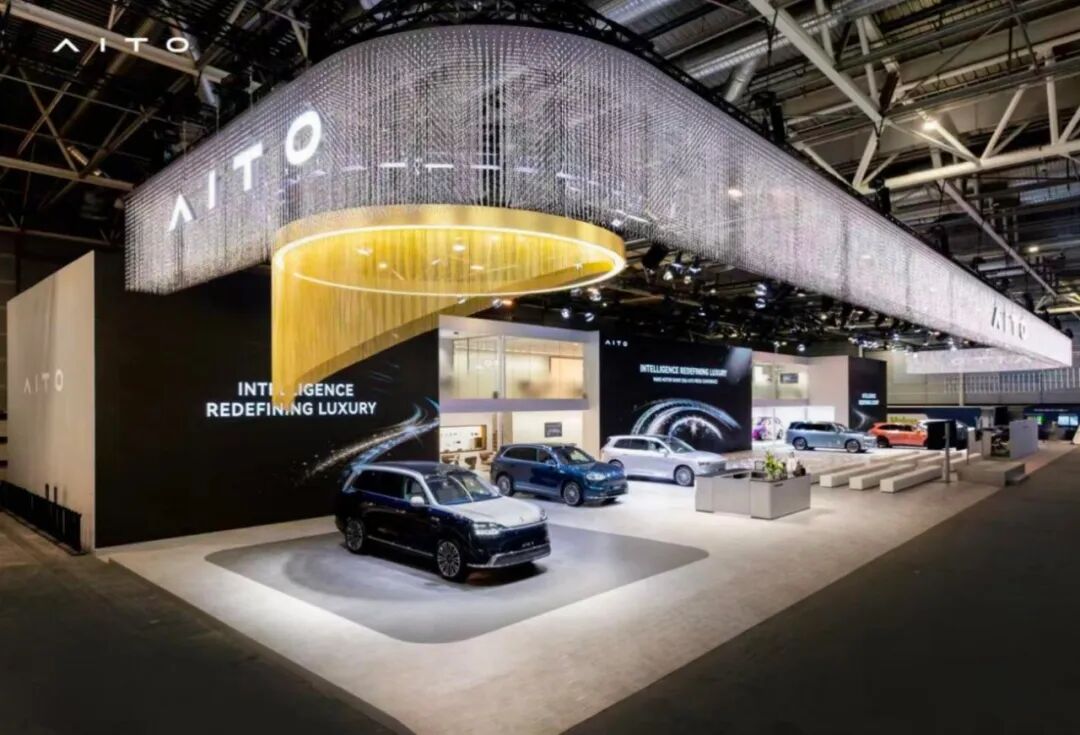 Image source: Weibo
Industry information reveals that overseas versions of the M6, M7, M8, and M9 will adopt the BOSCH Inside model, with Bosch providing a full suite of intelligent solutions covering high-level assisted driving, intelligent cockpit, and chassis systems. Bosch has initiated development for these models, planning mass production of highway NOA by September next year. This model is compared to Huawei's early HI (HUAWEI Inside) approach. Huawei has handed over the lead for AITO's overseas models to SERES, creating a clear dual-supply system: Huawei domestically, Bosch internationally. In response to these rumors, SERES stated that the relevant information (relevant information) is untrue.
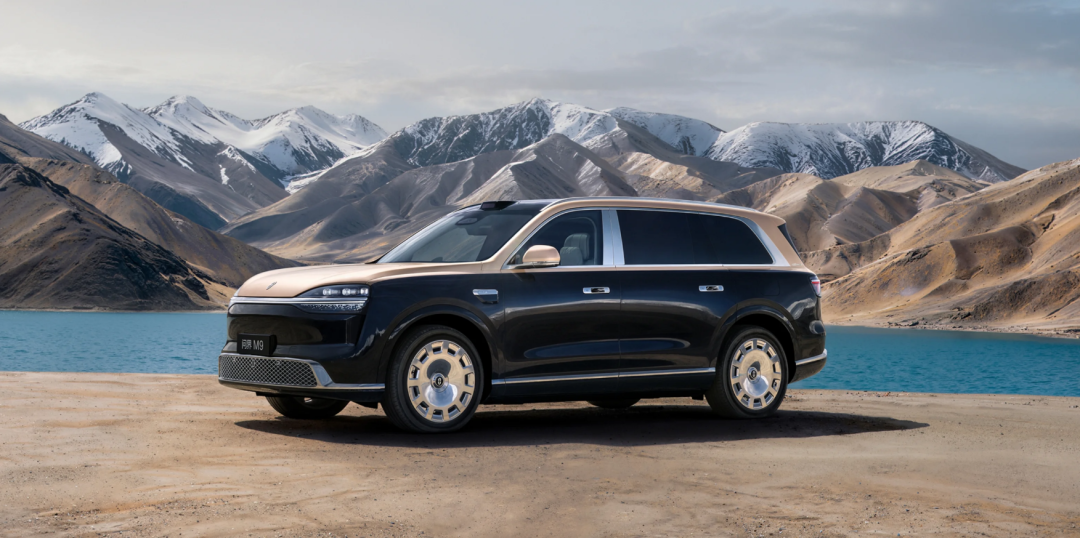 Image source: Autohome
Why choose Bosch instead of continuing with Huawei for global expansion? The core lies in Europe's regulatory thresholds and user perception differences. As a Tier 1 giant rooted in Europe for a century, Bosch is familiar with local regulations and certification processes, enjoying strong supply chain brand trust among European consumers, significantly reducing barriers for intelligent system certification and compliance. Over the years, Bosch has served nearly 300 Chinese models going overseas, accumulating extensive localization experience. For Bosch, this is also a milestone project: its full suite of intelligent solutions will be integrated into vehicles for the first time. Organizationally, SERES will merge its overseas BU into the AITO BG, making overseas operations a subsidiary of the AITO brand, resolving previous issues of poor coordination between independent departments and hindered R&D and market progress.
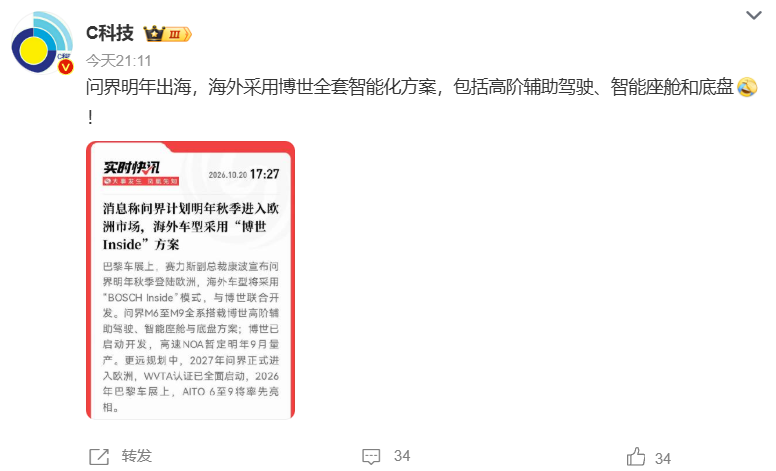 Image source: Weibo
Not just AITO, but also Luxeed within Huawei's Harmony Intelligent Mobility Alliance has launched the "Blue Ocean Project Team" for global expansion, planning to enter the Middle East first, then Southeast Asia, and finally Europe. The Luxeed V9 will prioritize overseas markets, while the R7 is delayed due to parts (component) regulatory restrictions; initial overseas versions will rely on Chery's electronic architecture, featuring Chery's Falcon Intelligent Driving and Lingxi Intelligent Cockpit, with potential future integration of local suppliers. Luxeed is also pre-researching a global coupe model targeting the Nürburgring track, though the project hasn't been officially approved.
Premium global expansion: Opportunities and challenges coexist
The collective push of Chinese premium brands into Europe reflects real pressures in the domestic market. CPCA data shows sustained pressure on domestic passenger vehicle retail sales, with month-on-month declines widening. Shrinking market volume, fragmented share, and fluctuating supply chain costs have pushed even profitable brands like Li Auto, AITO, and Xiaomi into losses in the first half of this year. Expanding overseas to create a second growth engine is no longer a choice but a survival imperative.
In the first eight months, Chinese brand passenger vehicles sold 913,700 units in Europe, with market share rising from 5.2% last year to 9.9%; in August alone, Chinese automakers sold 97,639 units in Europe, surging 111% year-on-year, 24 times the overall market growth rate, capturing 11.7% share. In just three years, Chinese vehicles have gained a foothold in Europe. BYD, XPENG, Leapmotor, Li Auto, and Avatr are all ramping up efforts in Europe, building factories, design centers, and local channels. However, premium brands face steeper challenges than cost-effective models.
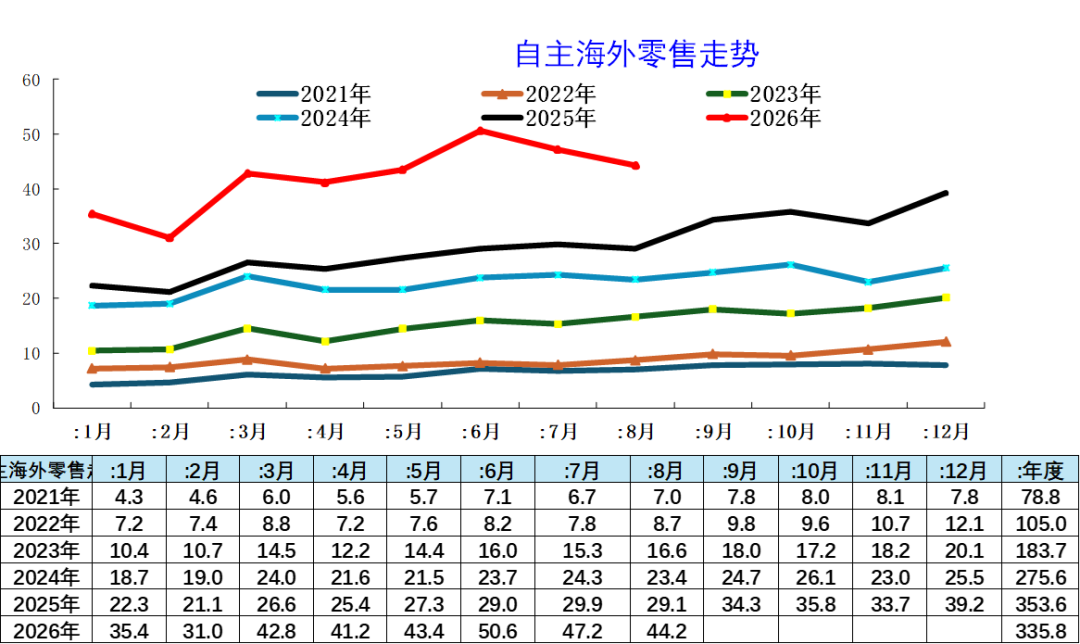 Image source: CPCA data
Early on, NIO pioneered entry into Europe with a direct sales + battery swap model but ultimately slowed down due to insufficient brand recognition and imbalanced ROI. Li Bin admitted this was a "misjudgment." Building sales networks, service systems, and user trust overseas is far harder than manufacturing. However, AITO is catching the wave of collective Chinese brand expansion. Leading brands like BYD continue to educate the market, loosening Europe's stereotypes about Chinese EVs. China and Europe have also reached consensus on EV trade issues, potentially lowering tariff barriers further.
Yet challenges remain clear. Domestic users choose AITO for Huawei's intelligent driving and HarmonyOS ecosystem—a perception hard to transfer to European consumers. To Europeans, Huawei lacks brand mindshare, while Bosch is a more familiar intelligent automotive technology label. This underpins AITO's dual-track logic: leveraging Huawei's domestic dividends while using Bosch's global passport.
From another perspective, this isn't simply "abandoning Huawei" but a pragmatic division of labor. Huawei continues to safeguard the domestic intelligent base, ensuring experience continuity for existing and new users; SERES takes the lead overseas, leveraging Bosch's compliance capabilities to quickly access Europe, with both lines operating independently. Of course, most of this remains industry speculation, with SERES not officially confirming the "Huawei domestically, Bosch overseas" segmentation plan.
China's new energy vehicles have now established a path for low-end volume-driven overseas expansion, but truly premium Chinese models remain scarce in Europe. AITO's move offers a new industry sample: Can a premium brand use two intelligent solutions to conquer both domestic and vastly different overseas markets? Relying on Huawei for domestic reputation and Bosch to overcome European regulatory hurdles. This segmentation isn't a rupture but a strategy for longer-term growth.
Interactive Topic: What do you think of AITO's dual-track strategy of binding with Huawei domestically and partnering with Bosch overseas? Do you believe this approach can replicate AITO's domestic premium success in Europe? Welcome to share your thoughts in the comments.",
-
![]()
Max Compensation Reaches 4.87 Million Yuan! BMW’s Mass Layoff of 8,000 Sparks Online Frenzy, Luxury Auto Titan Invests Heavily to Preserve Reputation
-
![]()
Why Can't Large Model Companies Decide Their Position in Embodied AI?
-
![]()
The Story Behind One Grasp: Understanding 'Measurement' in Intelligence and How Token Economics Aggregates 'Computing Power, Models, and Corpora'
-
![]()
China's Commercial Remote Sensing: A New Chapter in Sky Allocation
-
![]()
Blockbuster! SERES AITO Suspected of Segmenting Domestic and International Markets: Domestically Closely Tied to Huawei, Internationally Partnering with 'Bosch'
-
![]()
Breaking News! Li Auto Officially Unveils Full Integration with Huawei
-
Deep Scenarios Across Industries: AI's New Future
-
![]()
Why Do Intelligent Driving Models Keep Expanding in Size, Yet Their Driving Abilities Don't Necessarily Rise Proportionally?