Seagull vs. Starwish: A Clash of Titans in the Electric Compact Car Market
 10/27 2026
 512
Lead
Introduction
The pure electric compact car market is poised for a genuine clash of values.
Fuel-powered compact cars such as the Polo and Fit have been overshadowed by the new energy wave in the Chinese market, allowing Chinese pure electric compact cars to take the lead in this segment.
By around 2025, propelled by robust national incentives for vehicle scrapping and replacement subsidies, the market capacity for pure electric compact cars saw significant expansion once again. In the previous year alone, 1.323 million A0-class pure electric vehicles and 1.036 million A00-class vehicles were sold, totaling over 2.35 million units. This surge has made them an indispensable growth engine for the entire new energy market.
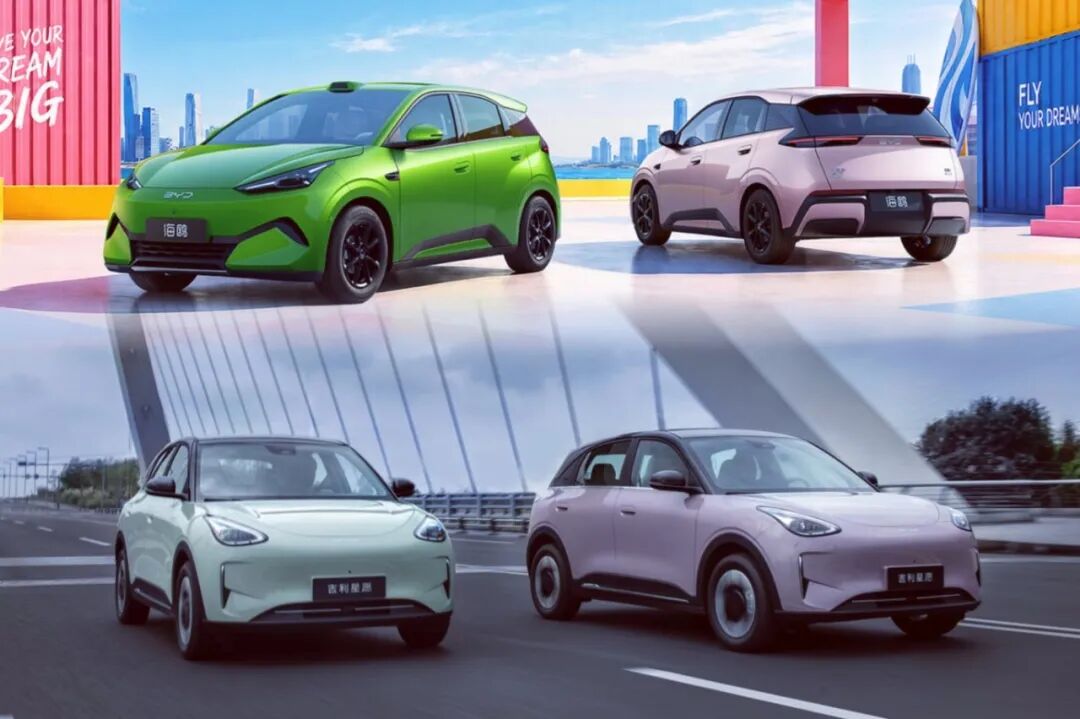
In terms of market success, the Wuling Hongguang MINIEV, which entered the market early, emerged as the clear winner. Its demand far outstripped supply, almost single-handedly inspiring all Chinese automakers. Subsequently, the launch of four-door compact cars like the BYD Dolphin, Seagull, and Geely Starwish further revolutionized the market for pure electric commuter vehicles.
However, due to subsidy reductions, demand saturation, and price declines in A-class vehicles, the growth rate of the pure electric compact car market was significantly impacted this year. Nevertheless, new models like the Geely Starwish, MG4, and ARCFOX T1 have still managed to seize opportunities and hold their ground in the market.
Observing this situation, BYD, as the top-selling new energy vehicle brand, recognizes the need to reevaluate its product strategy, regardless of the shrinking consumer demand or the market share taken by leading brands. Releasing a new model to regain market momentum is a product planning imperative it must undertake.
In the past six months, fellow new energy compact cars like the Dolphin DM-i and Otter have made waves overseas. How could BYD possibly cede the domestic compact car market? Despite slim profit margins from vehicle sales, with the launch of the second-generation Seagull last week, it is clear that an evenly matched battle is about to unfold.
The advent of a quality era for pure electric compact cars is a testament to the evolution of the new energy market. For all existing players, the ability to deliver quality product iterations will determine the market's direction.
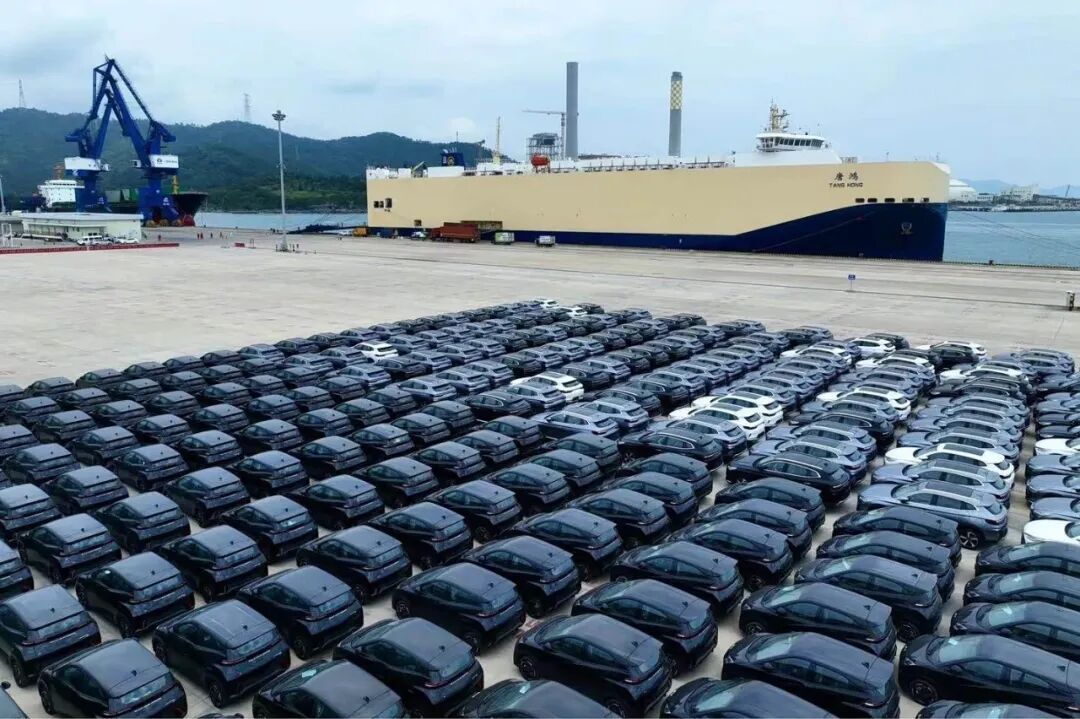
The clash between BYD's second-generation Seagull and the Starwish may signal a new direction for the entire industry: it is not that consumer demand has truly declined, but rather that pure commuter-oriented compact cars require a thorough evolution.
01 Pure Electric Compact Cars Need a Structural Adjustment
So, what changes have occurred in the A0-class compact car market in recent years? From a rapid rise in market share to swift compression, followed by a gradual revival driven by new entrants, this journey has indeed been eye-opening.
Compared to the plethora of new energy vehicles designed for all-scenario use, the significance of pure electric compact cars has always been rooted in their role as commuter tools. Even in lower-tier markets, they are often grouped with low-speed electric vehicles. Known as "spicy fish head" (a nickname for their unique appeal), these cars are highly attractive to the broadest consumer base due to their low cost of entry into proper car ownership.
July 2020 marked the entry of the Wuling Hongguang MINIEV into the market, a moment naturally regarded as the starting point for the springtime development of pure electric compact cars.
A year later, sales of A00-class pure electric compact cars reached approximately 898,500 units, directly accounting for 30.1% of new energy passenger vehicle sales, making it the largest single segment category. Wuling deserved much of the credit. However, soon after sales surpassed one million units in 2022 and market share dropped to 25%, a new chapter unfolded.
Numerous compact car brands that rose on the tide of era-specific benefits, such as Leading, were quickly eliminated from the market. Two-door A0-class compact cars gradually retreated to certain regions. Even when phenomenal new models like the Besturn Pony emerged later, their fleeting presence remained their most prominent feature.
Some attribute this to reduced subsidies and oversaturated demand in lower-tier markets. With potential customers dwindling, the vast array of compact cars on the market could no longer be sustained.
But as the most entry-level segment of the automotive market, are pure electric compact cars truly unwanted? I believe that, given the current economic climate, the notion of consumption upgrading is highly misleading. Instead of consumers choosing to spend more on better cars, a more realistic scenario is that they opt for larger, more feature-rich vehicles at the same price point.
Since last year, price wars have intensified, with the underlying logic being to have B-class vehicles encroach on the A-class market and A-class vehicles squeeze the A0-class market. In this interconnected chain, for A0-class compact cars at the bottom of the market to break through, there must be room for them to do so.
Entering 2026, sluggish domestic sales are a harsh reality faced by all, and pure electric compact cars are the first to feel the impact—a premonition that was evident. No matter how poor market conditions become, everyone may feel lost, but one must never doubt BYD's and Geely's insight into consumer trends.
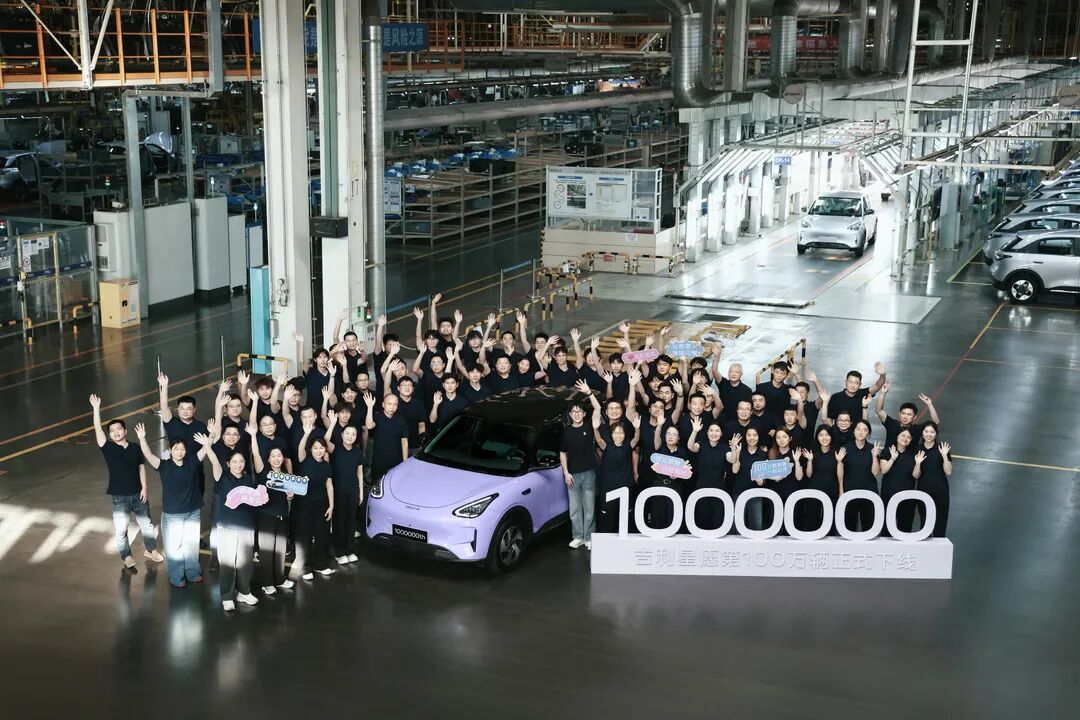
Photo: On October 20, the 1 millionth Geely Starwish rolled off the production line at Geely's Xiangtan manufacturing base.
Why aren't pure electric compact cars selling well? Aside from downward pressure from higher-segment models, how many compact cars on the market, besides being cheap, carry other labels that warrant a premium?
Was the Starwish's success a fluke? Of course not. Facing the same user base, the Starwish alone managed to convey its product strength and establish recognition with the lowest explanatory cost.
In layman's terms, when people commonly believe that rear-wheel drive is superior to front-wheel drive, that independent suspension is a hallmark of a good car, and that CATL batteries guarantee quality, the Starwish simply needed to embody these features to achieve its desired sales breakthrough.
In contrast, previous offerings like the Aion UT and Wuling Bingguo, regardless of cost, were unable to fully deliver on these fronts. Therefore, as the user base for pure electric vehicles grows, the Starwish has become the biggest beneficiary—why should this be surprising?
The 1 millionth Geely Starwish rolled off the production line at Geely's Xiangtan manufacturing base on October 20, taking just 24 months from its October 2024 launch to reach this milestone, setting a new record for the fastest global production of one million units for a single model. Meanwhile, since its 2023 launch, the BYD Seagull has surpassed 1.55 million global sales.
This is precisely why the updated Seagull is widely regarded as the Starwish's greatest competitor—its ability to evolve from a commuter tool into a premium compact car lies at the heart of the matter.
02 Evenly Matched, No One Stands Tall
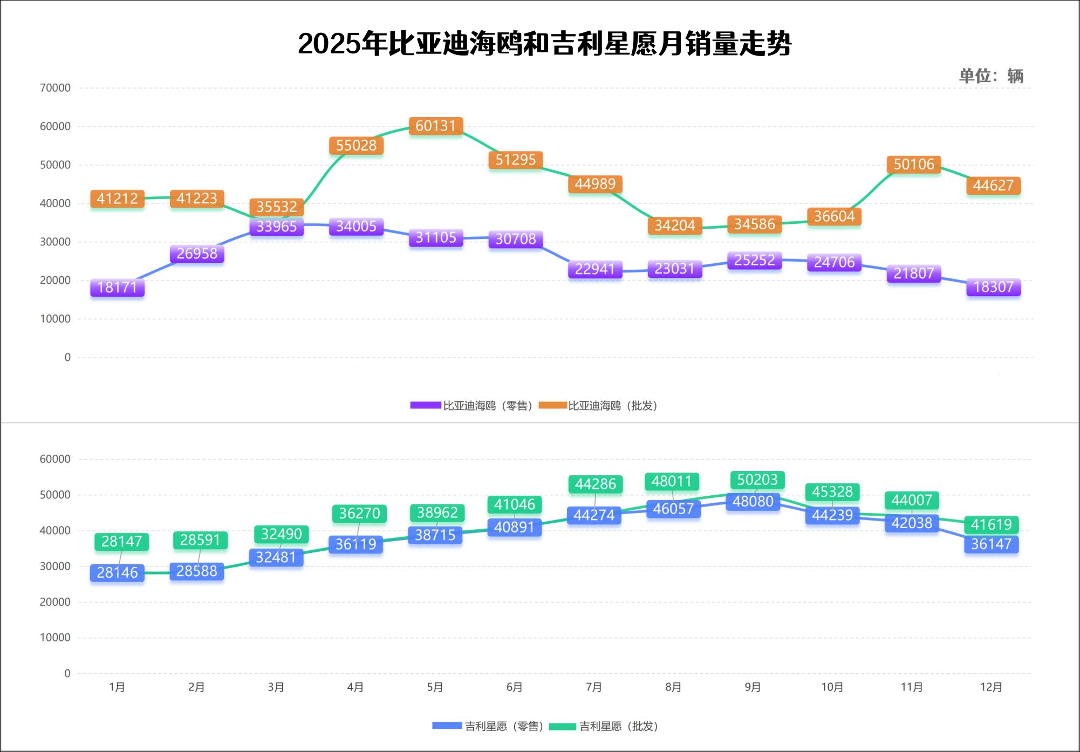
In 2025, BYD Seagull's annual sales reached 529,500 units, including exports and dealer wholesale volumes. Domestic sales exceeded 310,000 units. That same year, Geely Starwish's annual shipments slightly lagged behind at 479,000 units, but its domestic sales hit 465,800 units, securing the title of the best-selling model across all categories in 2025.
Clearly, throughout this period, no matter how many new entrants joined the fray, the Seagull and Starwish remained the undisputed kings of the pure electric compact car market, with no effective threats to their dominance.
Entering 2026, the Starwish's domestic sales remained largely unaffected, with overall wholesale volumes showing significant year-on-year growth. In contrast, the entire pure electric compact car segment faced crises. While the Seagull could continue its overseas conquests, BYD urgently needed to rejuvenate the Seagull for the domestic market.
To date, most companies still vying for a slice of this market adhere to the simplest and most brutal car-building logic: relentless competition. Following the Wuling Hongguang MINIEV's transition to a four-door model, Chang'an Nuomi and Besturn Pony also introduced four-door variants in an attempt to maintain sales.
But will this approach necessarily work? No one dares to guarantee it.

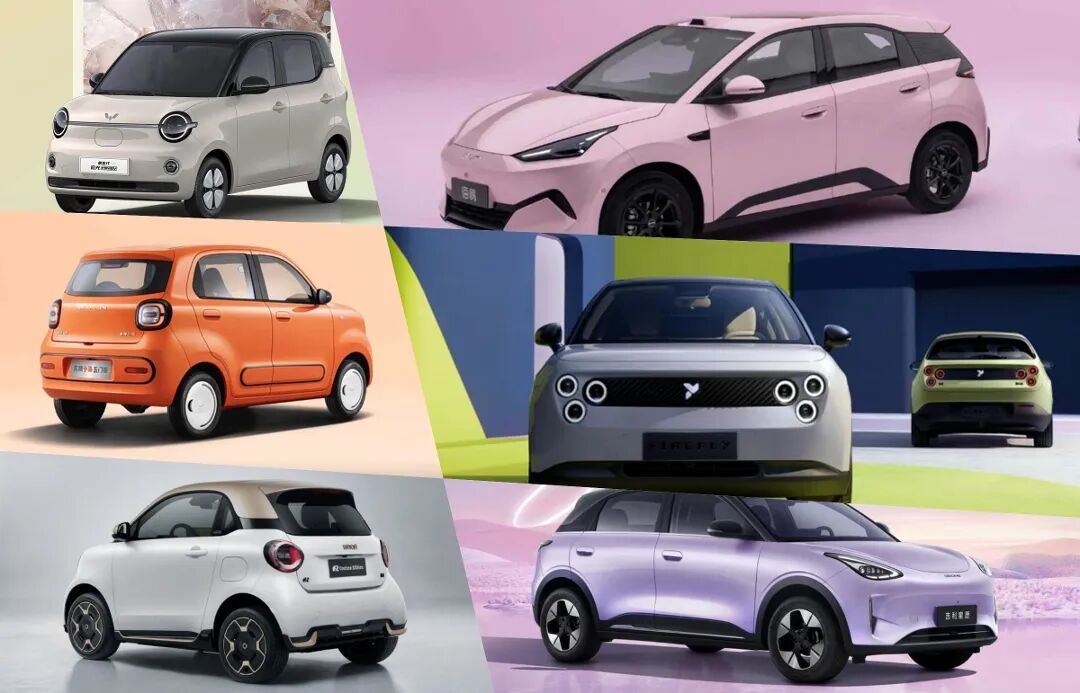
Meanwhile, as more Fireflies appear on the roads and even Smart chooses to revive the former Fortwo as the pure electric Elf #2, BYD, like Geely, understands that instead of simply catering to volume, enhancing overall vehicle value is the future path for pure electric compact cars.
Moreover, we have long known that building pure electric compact cars is a money-losing proposition. When the Ora Black Cat and White Cat were discontinued, Great Wall Motors had repeatedly made similar statements to the public.
Therefore, when the Seagull faces off against the Starwish, it is not a "scorched earth" battle where both sides suffer heavy losses.
The BYD Seagull has grown in size, but with the inclusion of advanced features like flash charging technology, independent suspension, and the "Divine Eye B" intelligent driving system, perhaps the Seagull aims, alongside the Starwish, to overhaul the ecosystem where "pure electric compact cars equal cheap."
Unsurprisingly, after the launch of the second-generation Seagull, new products will enter the market. The production version (mass-production version) of the MG GO concept car has already been revealed, suggesting that the Seagull vs. Starwish clash is merely a prelude to a value upgrade for pure electric compact cars.
As Chinese automakers reach their current standing, with new energy technology at the forefront of the global automotive market and price wars ravaging the industry while forcing continued sales, relying solely on low prices as a core competitive advantage contradicts the original intention of strengthening and expanding the Chinese automotive industry.
This year, industry profit margins have been extremely low, with relevant authorities disclosing this information periodically. In this environment, everyone is calling for an end to this seemingly endless, chaotic competition. From the automakers' perspective, the question remains: should Chinese cars continue to compete on price or value? Every company must weigh this decision.
The future of pure electric compact cars is destined to polarize.
Players like the Wuling Hongguang MINIEV will continue to compress costs to keep prices low, avoiding pressure from higher-segment products while locking down the sub-60,000-yuan commuter car market. On the other hand, centered around the Starwish, Seagull, and even the Firefly, there will be a sustained effort to refine products, provide comprehensive user experiences, and offset R&D costs through emotional value.
Of course, after the debut of the second-generation Seagull, the Starwish's sales foundation may face impact, as competition curves in segment markets often fluctuate. However, the clash between the Seagull and Starwish represents another node of mutual improvement in the rivalry between BYD and Geely, two leading Chinese automakers.
Looking ahead, the Starwish will receive its scheduled update, and new pure electric compact cars are under development. The experience BYD gains from developing overseas models like the Otter will also inform future Seagull upgrades. In other words, compared to price wars and verbal sparring, such a clash is truly meaningful.
Editor-in-Chief: Li Sijia Editor: He Zengrong

THE END
-
![]()
Why Has the Underestimated HDD Become the 'Data Terminal' for AI?
-
![]()
Survey | With Shanghai Factory Nearing Completion, Lexus Embarks on Electric Redemption
-
![]()
The Largest IPO Ever: Anthropic’s Prospectus Reveals a Valuation Nearing $2 Trillion, Blending Cutting-Edge Tech with Business Strategy
-
![]()
The Spectacle of the Flying Car Can't Rescue Tesla's Core Operations
-
![]()
Seagull vs. Starwish: A Clash of Titans in the Electric Compact Car Market
-
Capital Reevaluation of the 'Battery King'
-
![]()
Audi China Undergoes Division: Splitting the Brand, Taking a Risk on Destiny
-
![]()
SpaceX Secures $40 Billion in GPU Financing, Wagering on Market Growth Over the Next Five Years