Setting the Tone: How First Three Quarters' Financial Reports Reveal the True Operational Quality of Domestic Automakers
 11/04 2026
 360
With third-quarter financial reports now released in quick succession, the operating performance of listed domestic automakers for the first three quarters of this year has gradually come into focus. Against a backdrop of increasingly fierce competition in the domestic passenger car market, a seemingly endless price war, and a host of variables ranging from overseas trade barriers to heavy investment in intelligent technology, the performance gap among domestic automakers has widened further still.
On the whole, in the first three quarters, the operating performance of domestic automakers came to depend increasingly on overseas markets. Growth without revenue growth, revenue growth without profit growth, and a widening divergence between scale and profit have become defining characteristics of the industry. The true operational quality of each automaker is no longer measured by sales rankings; it now hinges on gross margin levels, the health of cash flow, cost-control capability, and the efficiency with which transformation initiatives are executed. Domestic automakers are moving beyond the extensive development stage in which "scale was everything."
Automaker profitability has diverged markedly
The most distinctive feature of the first three quarters of this year is the marked divergence in automaker profitability, with the industry entering a stage in which "the strong grow stronger." Faced with equally fierce market competition, companies with excellent product portfolios and supply-chain control capabilities maintained profit growth, while some automakers saw profits decline or even swing to losses, dragged down by market investment and joint-venture operations.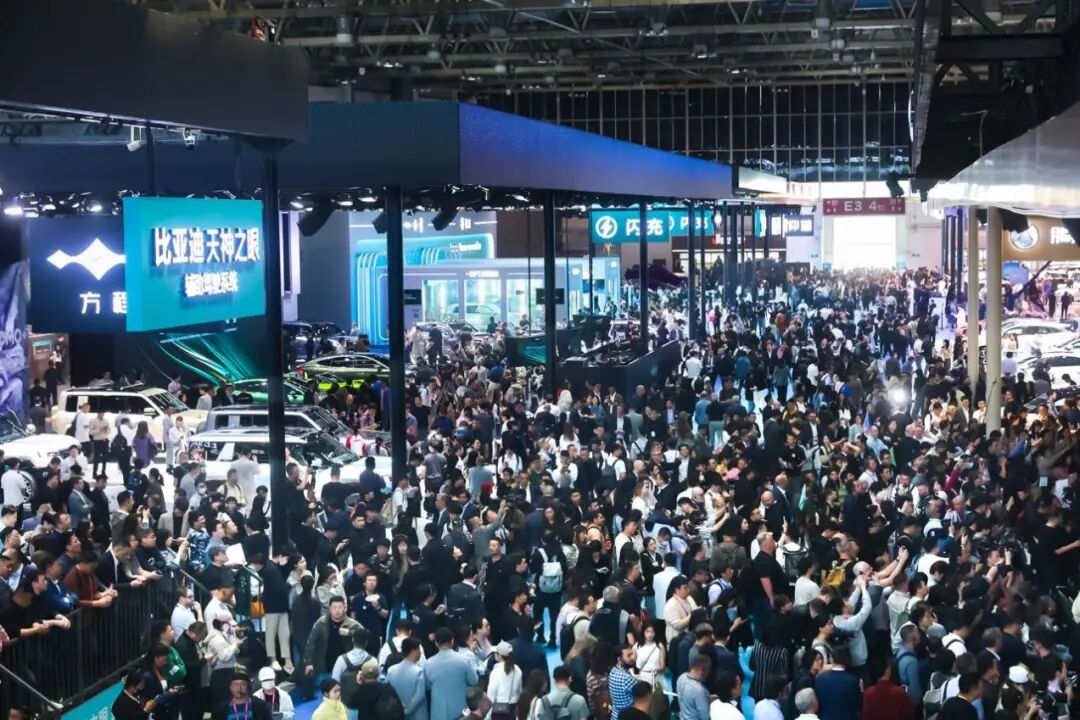
BYD's revenue in the first three quarters of 2026 was approximately 566.3 billion yuan, with net profit attributable to shareholders of 22.34 billion yuan and a gross margin of 18.5%. Third-quarter performance, in particular, rebounded markedly: Q3 revenue reached 221.5 billion yuan and net profit attributable to shareholders 10.02 billion yuan, up 28% year on year, demonstrating the strong profitability of a leading company.
While deploying multiple brands across the full price spectrum, BYD relied on vertical integration of its industrial chain to offset price pressure. Even as the domestic market base declined, it accelerated expansion in overseas markets and secured its overall profit level.
Geely Automobile's total revenue in the first three quarters was 272.564 billion yuan, up 13% year on year; core net profit attributable to shareholders was 14.9 billion yuan, a sharp increase of 41% year on year. Profit growth significantly outpaced revenue growth, demonstrating strong profit resilience. This performance was built on a multi-brand collaborative structure and a parts-sharing system that continuously dilute costs and convert them into tangible profit gains.
Chery Automobile maintained its operating foundation through product mix adjustment. In the first three quarters, revenue was 241.234 billion yuan, with gross profit growing faster than revenue. Deep cultivation of overseas markets and the volume ramp-up of new energy products drove gross margin improvement. Great Wall Motor's revenue exceeded 100 billion yuan in the first half, and it maintained a stable operating rhythm in the first three quarters, with a rising share of hybrid and new energy models becoming an important force supporting revenue.
Several other automakers faced greater profit pressure. Changan Automobile's revenue in the first three quarters was 101.88 billion yuan, with net profit attributable to shareholders of only 59.275 million yuan; it recorded a net loss attributable to shareholders in the third quarter alone. Sales fluctuations, raw material prices, and exchange losses became the main drags, and the company is in a painful transition period.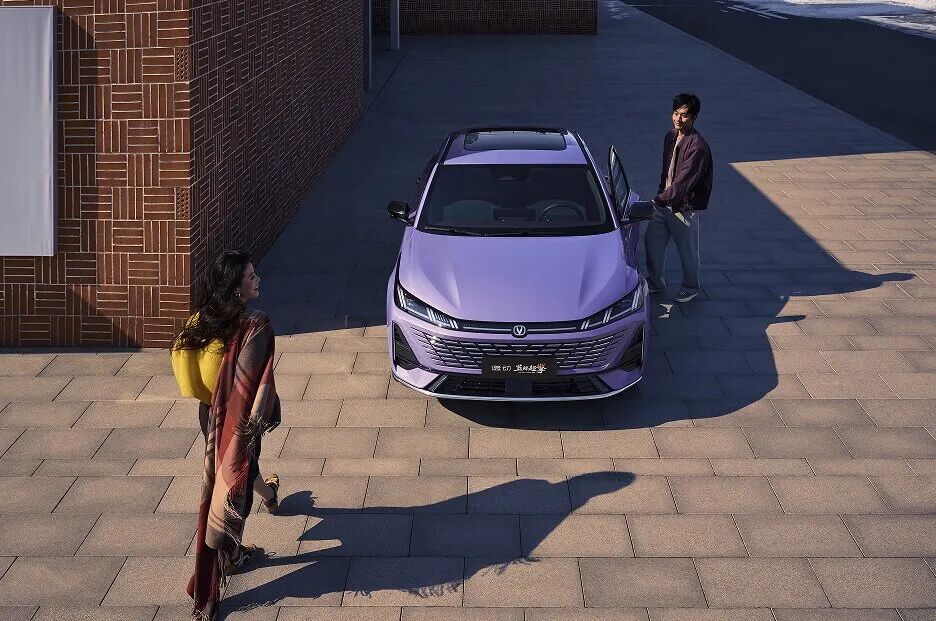
Because their joint-venture automakers performed poorly in the market, automotive groups with joint-venture brands under their umbrella saw their operating performance significantly affected—some even suffered losses.
Divergence within the new carmaking forces was also pronounced. XPeng Motors' gross margin continued to improve, and its losses kept narrowing. NIO's delivery scale grew steadily, but it had still not achieved stable profitability. Leapmotor leaned on scaled high-volume models to keep advancing toward profitability; Li Auto came under short-term performance pressure due to product replacement cycles.
Going overseas became key to offsetting domestic decline
The operating data accompanying many automakers' financial reports make it clear that growth space in the domestic market is limited, and overseas business has become the key factor determining automakers' profit growth.
Geely Automobile exported 797,700 vehicles in the first three quarters, and its overseas business entered a stage of systemic overseas expansion. It is no longer simply exporting whole vehicles; it is supported by the construction of overseas channels and after-sales systems. Overseas business effectively offset competitive pressure in the domestic market and became an important pillar of performance growth.
GAC Group's cumulative exports in the first three quarters were 197,700 vehicles, up 138.9% year on year. Third-quarter export growth reached 151.2%, and the export scale surpassed GAC's full-year export level for 2025. Channels in overseas markets such as Europe continued to expand; by the end of the reporting period, its European channels had covered 30 countries.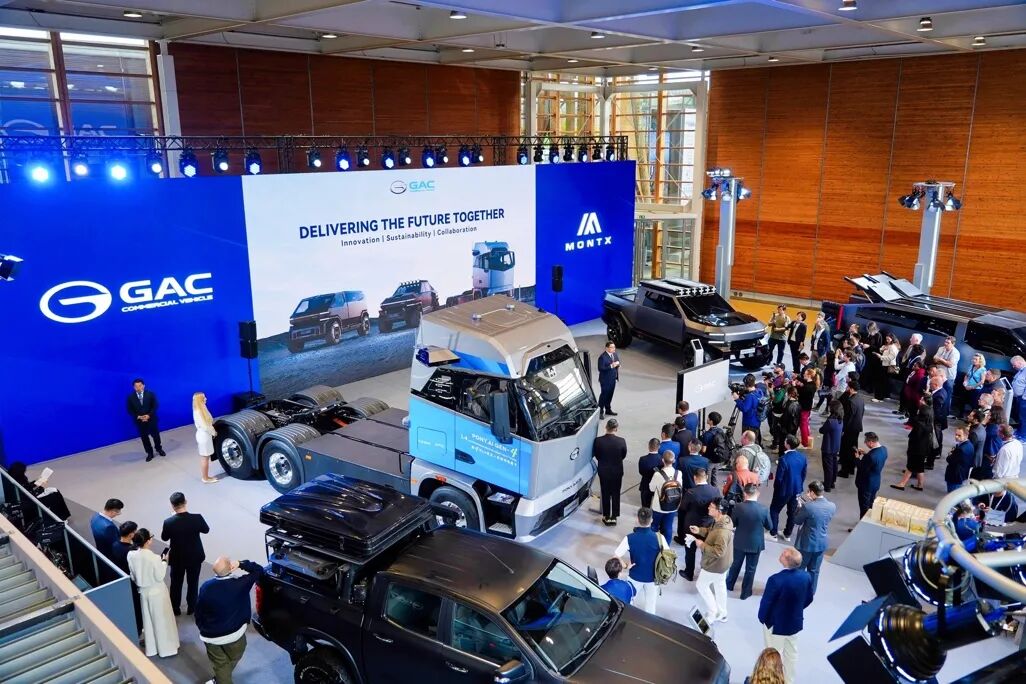
Changan Automobile's overseas wholesale sales were 727,000 vehicles, up 56% year on year. Despite short-term profit pressure, its overseas market maintained rapid expansion, laying the groundwork for long-term growth. BYD's overseas sales continued to rise, exceeding 700,000 vehicles in the first nine months, with products covering more than 100 countries and regions; overseas markets offset the pressure brought by the domestic price war.
For automakers that started their overseas layout late and have weak overseas channels, growth pressure was almost entirely concentrated in the domestic market, and performance was hit by domestic price competition. Globalized automakers with a second growth curve clearly have stronger resilience to industry cycles.
Adhering to long-termism and strengthening R&D
Automobiles are a heavy-asset, long-cycle industry. Excellent operational quality requires not only ensuring current operating stability, but also adhering to long-termism and laying out future tracks such as intelligent driving, whole vehicles, and batteries in advance.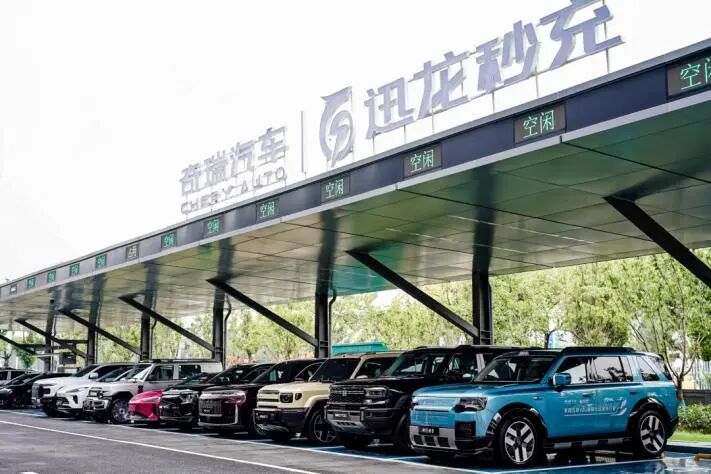
Judging from the financial reports, some leading automakers did not cut R&D spending under market competition pressure. One of the most prominent features of BYD's financial report is its high R&D investment. Even under profit pressure, it still insisted on technological investment, focusing on power batteries, whole vehicles, and intelligent technology to reserve technological advantages for next-generation products. SAIC Motor's strong operating cash flow provided funding support for its independent transformation and intelligent driving R&D.
The new carmaking forces were more cautious about cash flow management. Companies need to strike a balance among model R&D, factory construction, and investment in charging and battery-swapping infrastructure, and to control the pace of capital consumption. The market no longer recognizes the model of burning money for expansion regardless of cost. Investors and the market place greater emphasis on cash reserves and on trends of improvement in operating cash flow.
With the expansion of overseas scale, exchange rate risk management has also become an important part of automakers' financial operations. GAC, Changan, and several other automakers disclosed the impact of exchange losses in their financial reports, indicating that under a global layout, foreign exchange fluctuations will directly reduce profits and place higher demands on corporate financial management. Only companies that can manage funds well, hedge external risks, and maintain appropriate R&D investment have sustainable development capabilities.
Stock competition in the domestic market, a complex global trade environment, and huge investment in intelligent transformation coexist as multiple challenges. Whether large automotive groups, leading independent brands, or new carmaking forces, only by solidifying internal management, adhering to technological innovation, steadily advancing global layout, and balancing short-term performance with long-term strategy can they truly achieve high-quality development.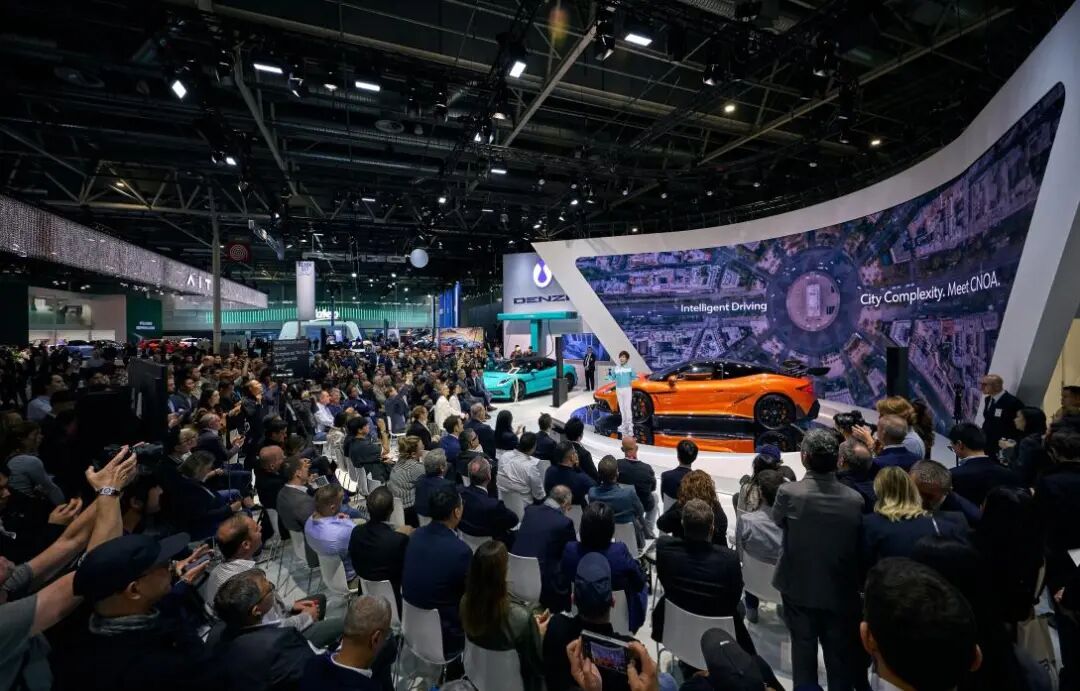
Overall, in the first three quarters of 2026, the elimination round in the domestic automotive industry continued to intensify, and the era of extensive scale expansion has ended. In the future, the core competitiveness of automakers will center on cost control, product mix optimization, cash flow management, and the ability to execute on technology. In a market environment of relentless involution, only automakers that balance scale, profit, and long-term R&D investment—and achieve stable profitability—can navigate the industry transformation cycle and stand firm on the long-term development track. (End)
-
![]()
ZTE Rumored to Sell Phone Business at 40 Billion Yuan Valuation, with a Major Internet Company Set to Take Over? Official Response Arrives
-
![]()
Prompt Engineering in Practice: Giving Six AI Characters Distinct Speaking Styles
-
![]()
Xingyu Co., Ltd.'s Q3 Net Profit Falls Nearly 40%: Chinese Automotive Lighting Has Won on Styling, but the Profits Are Gone
-
![]()
More like twins: the growth paths of these two automakers are strikingly similar
-
![]()
Chinese Automakers Go Global: Entering the "Export Quota Competition" Phase
-
![]()
New Energy Vehicle Exports Surge, but Smart Driving Remains an Overseas Weak Spot
-
![]()
"Rush-built cars" face regulatory crackdown
-
![]()
Long Gone From View, These New Forces Are Still Fighting to Come Back