After AITO Went "Independent," Seres Posts 1.42 Billion Yuan Net Profit; Three Major Long-Term Goals Revealed
 11/04 2026
 340
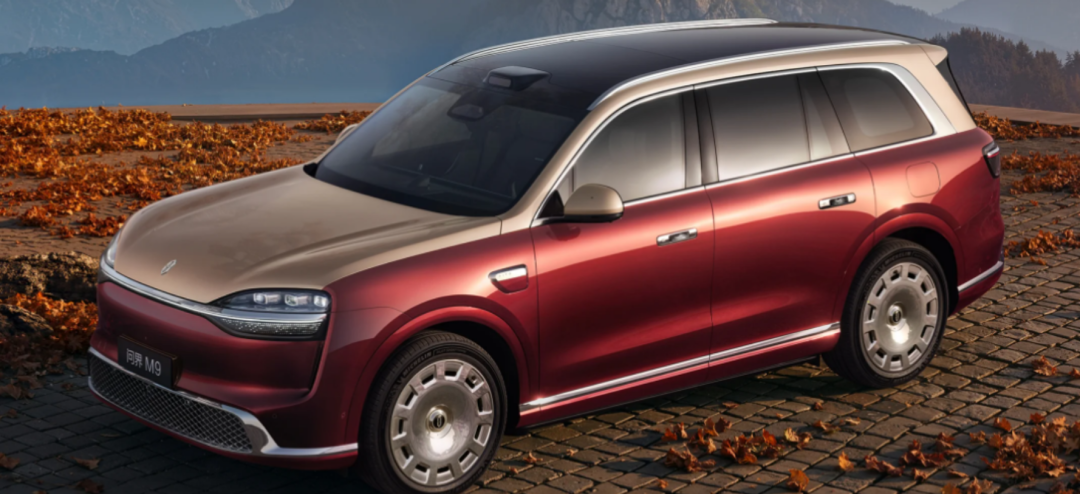 Image source: Weibo
Ever since AITO was officially handed over to Seres to run on its own, the market had been holding its breath.
Recently, Seres Vice President Kang Bo released the third-quarter report card: revenue of 28.08 billion yuan and net profit attributable to shareholders of 1.42 billion yuan, turning a loss into a profit outright. This was also the first quarterly scorecard delivered after AITO's operating leadership was transferred from Huawei back to Seres in September. The news had barely broken before the industry erupted in debate. Some declared that the turning point had arrived, while others coolly pored over the financial statements and found that the inside story was not so simple.

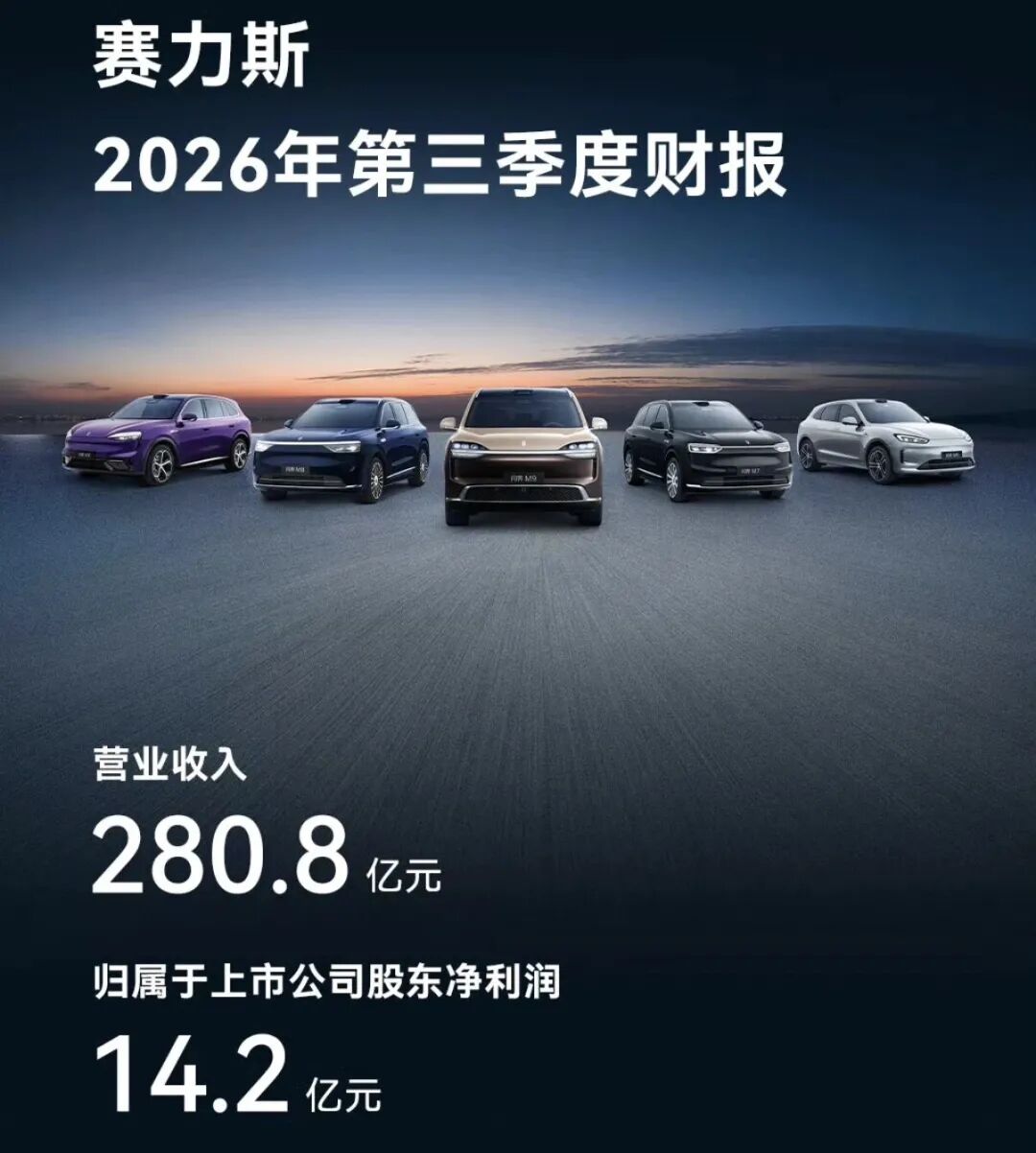 Image source: Weibo
01 The First Three Quarters Were a Roller Coaster; This Profit Must Be Read Separately
Seres' profit curve this year has, frankly, been a series of sharp rises and falls; investors with weak nerves would wince just looking at it.
In the first quarter, it still earned 754 million yuan, which looked like solid momentum; but then the second quarter collapsed outright, with a single-quarter loss of 2.471 billion yuan. At the time, pessimism was everywhere online, and many wondered whether this path could still work. It was not until the third quarter's 1.42 billion yuan profit landed that the total loss for the first three quarters was forcibly compressed to just 297 million yuan—which could be considered as rescuing a good part of the mess from the first half of the year.
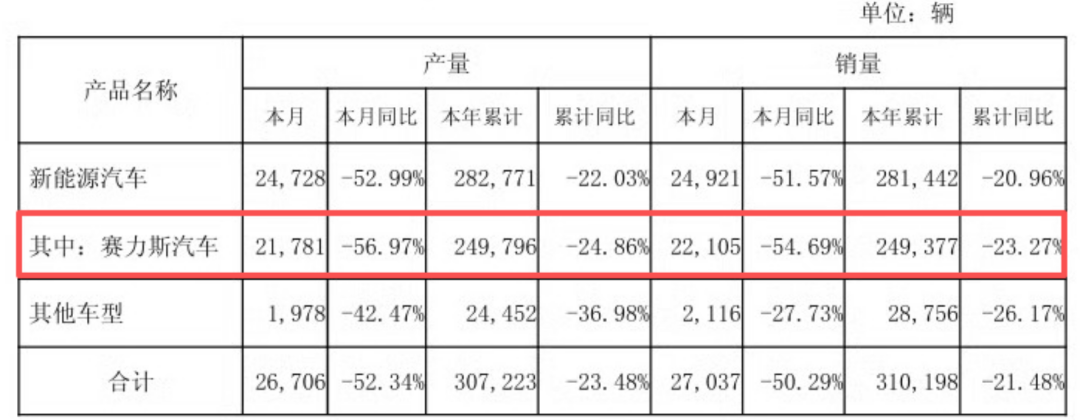
Image source: Seres financial report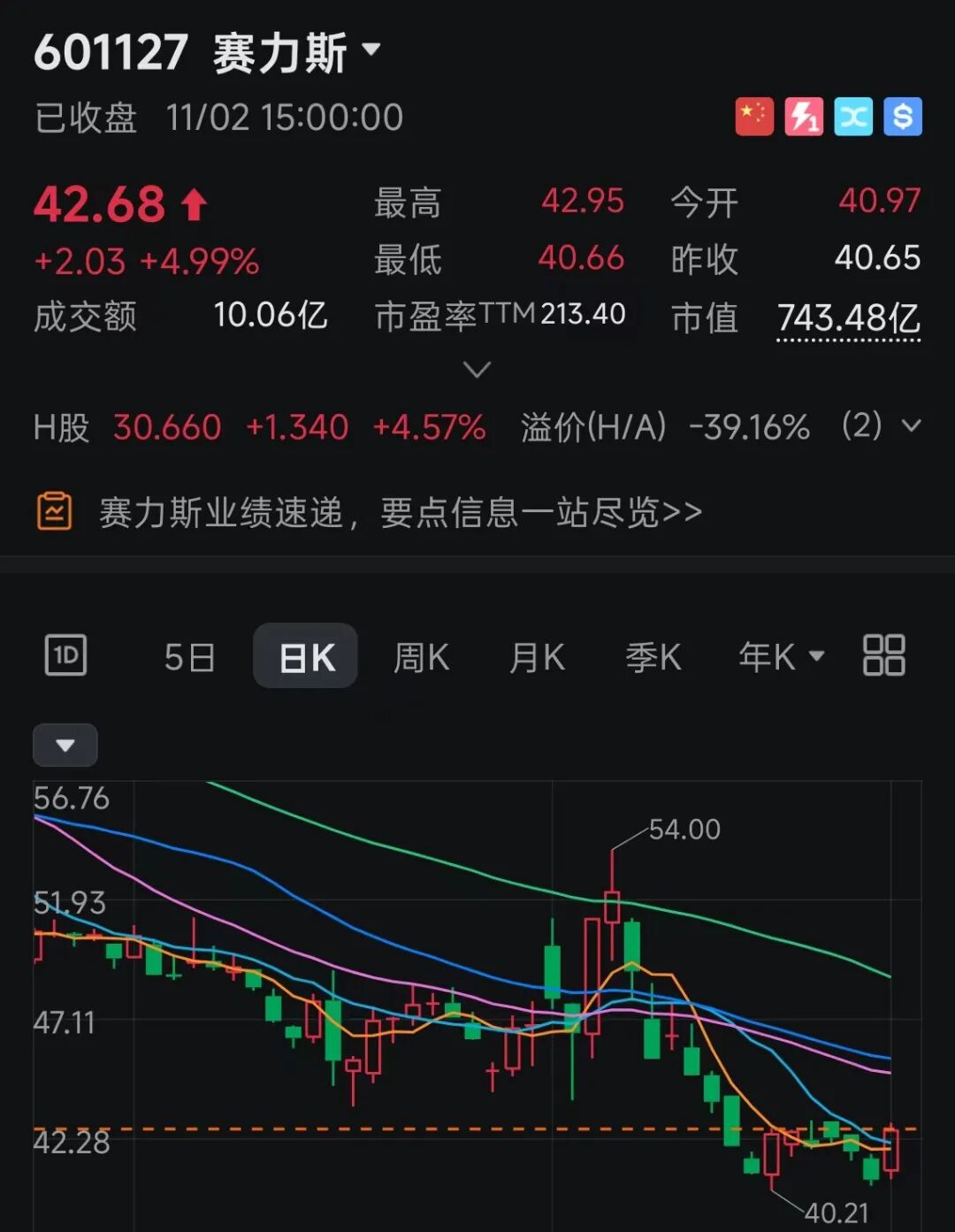 Seres' stock price rebounded. Image source: Futu APP
Many netizens, upon seeing the profit news, had the first reaction of being excited: the M9 is selling so well, and if it goes overseas later, will it just be easy money from then on?


 Image source: Weibo
But veteran players who understand financial reports immediately spotted the hidden details: net profit on the books looked good, but non-recurring net profit was still at a loss of 1.365 billion yuan.
In plain language: this time the money was not made from selling cars themselves, but from certain one-off gains that pulled the statements into positive territory. The core car-making business had still not turned a profit.
There is also a timing point that must not be confused. The third quarter covers July, August, and September, while the two sides finalized the model adjustment and Seres regained operating leadership only at the end of September. In other words, for most of the third quarter, it was still the old Huawei-led playbook. This 1.42 billion yuan cannot be directly treated as the result of Seres' independent operations. The report card that truly tests Seres' own capabilities must be counted starting from the fourth quarter.
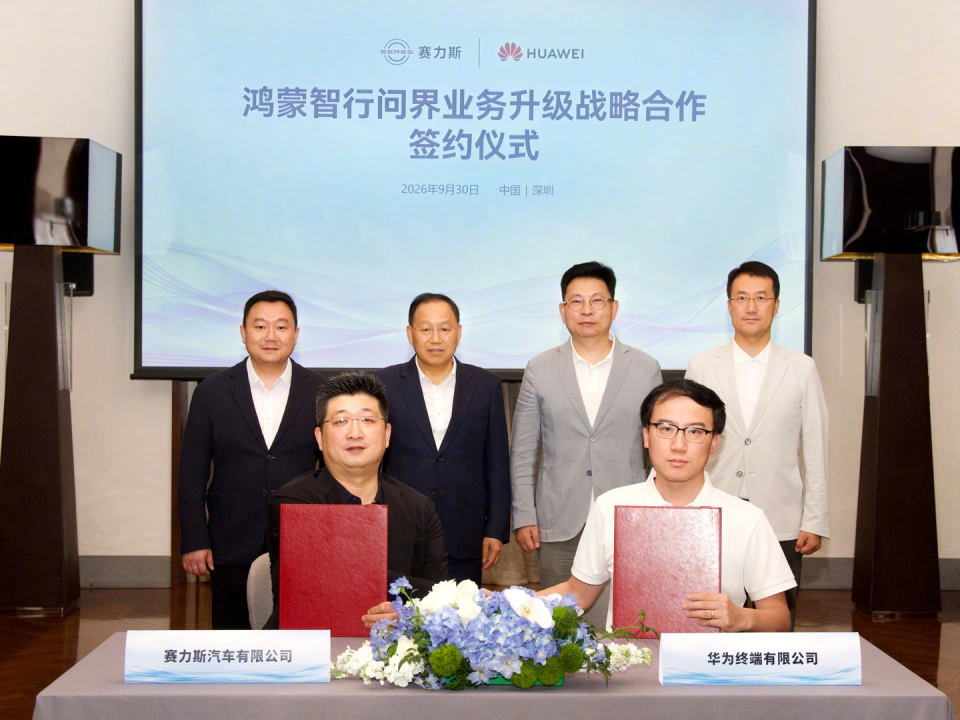
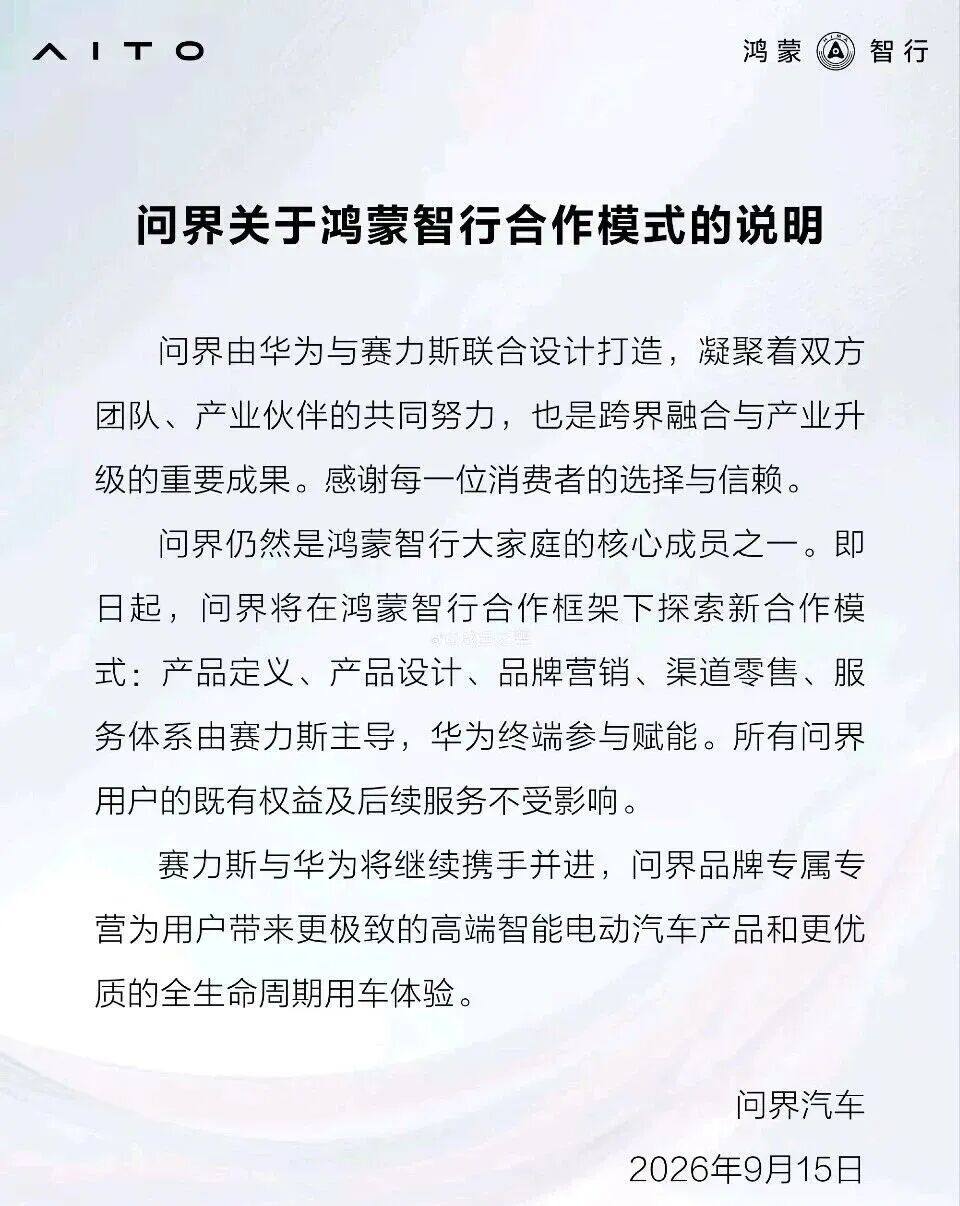
Image source: Weibo
02 What Level Is 1.42 Billion Yuan Exactly? It Is Not Easy for Asset-Heavy Automakers to Make Money
Car manufacturing is a money-devouring beast. Building factories, opening molds, piling up R&D, and spreading out stores all require money in the early stage, with investment measured in hundreds of millions. If scale does not come up and costs cannot be spread out, losses are the norm. Seres had been investing heavily for years, and this profit can be regarded as a bit of feedback after that investment.
The highlight of this financial report is not a surge in revenue, but that expenses were controlled. After sales stabilized, fixed costs such as plants and equipment were spread across each vehicle, the pressure eased, and profit space slowly emerged.
The market generally believes that this profit mainly came from three areas:
High-end cars really can fight. The AITO M9 has firmly held the sales champion title in the above-500,000-yuan segment for four consecutive months, steadily exceeding 10,000 units each month. In September alone, it sold 10,380 units, leaving NIO ES9 and Zeekr 9X far behind. High-priced cars naturally have thicker per-vehicle gross margins.

As scale came up, procurement and production costs moved downward, and the more it sold, the more it saved.
High-end users are less sensitive to price. Cars in the 200,000 to 300,000 yuan range compete on price cuts, while in the above-400,000-yuan market, people recognize products and brands more, and do not need to cut prices frequently to exchange for sales, making gross margin easier to defend. This is also where AITO's high-end route is most attractive.
But one point must be made clear: a single quarter of positive book profit does not equal stable profitability for the whole year, let alone the formation of a stable trend. The second quarter lost too much, and the money earned in the third quarter only filled the pit and had not yet fully covered the previous hole.
How to judge whether it is a real turning point? Look at continuity. If the core business continues to be profitable in the fourth quarter, then the trend can be considered established; if profit falls back again, then this was only a short-term fluctuation.
03 Whether Profitability Can Continue: Three Hurdles Lie Ahead
Good-looking books are only temporary. To turn car-selling profitability into the norm, Seres must overcome three difficulties next.
First: Can new products catch the traffic?
Everyone is waiting for the updated M8 to be launched on November 13, with a starting price of 389,800 yuan. The old M8 became a hit as soon as it launched back then and has a good mass base, and the market is hoping the new model can bring a wave of new orders.
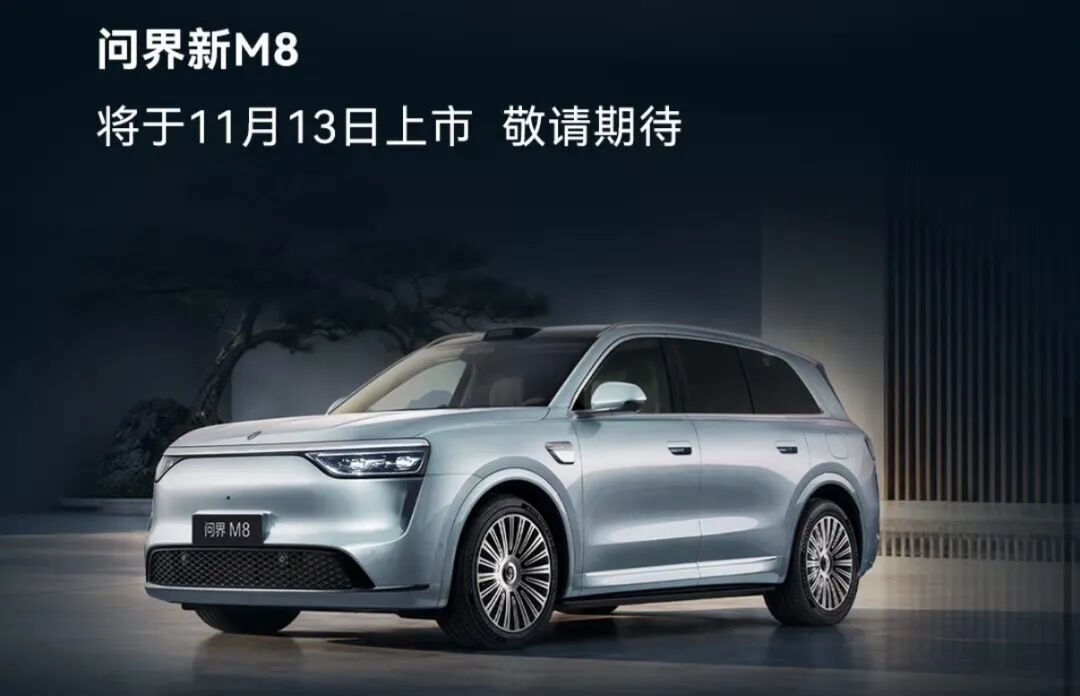
The current product lineup is already in place: the M9 guards the high-end, high-gross-margin base; the M6 is responsible for volume, with sales recently warming up and almost reaching 10,000 units per month, specifically used to dilute costs; the new M8 sits in the middle to fill the gap. This combination is the confidence behind the market's optimism that the fourth quarter has a chance to achieve real profitability in the core business.
Second: Will the high-end market be dragged into a price war?
The price war in new energy is burning hotter and hotter, gradually spreading from the 200,000-300,000 yuan range to the above-400,000-yuan high-end market. Once high-end cars also begin to compete on price cuts, the high gross margins that the M8 and M9 rely on for survival will immediately disappear.
Seres has taken a tough stance in institutional research: it will not follow the trend of price wars and will not blindly chase sales without profit. The contradiction lies here: if it refuses to cut prices in exchange for sales, then sales will easily come under pressure. The October production and sales bulletin has already given a warning: in Seres' first full month after independent dedicated operation, sales fell by 3,000 units month-on-month, and the pressure during the new-product gap period is visible to the naked eye.
Third: Upstream costs may disturb profit at any time.
Prices of batteries, chips, and intelligent driving hardware are a knife hanging over automakers' heads. Only when upstream parts prices fall is there a buffer for gross margin; once prices rise, the profit of high-end models will also be quickly eaten away.
Compared with many new forces, Seres is taking a very special route: high-end models raise gross margin, while volume models dilute costs. Some automakers rely on low prices to rush for scale, while others do high-end in small batches; Seres must grasp both ends, which is more difficult.
Moreover, the fourth quarter itself is very special: it is both the year-end volume sprint season and the spending peak season, with various promotions, channel rebates, and year-end bonuses concentrated in accruals, so expenses will clearly increase. If under such circumstances it can still achieve a positive non-recurring profit, then the quality of this profit will truly be high.
04 Three Major Goals Exposed: AITO Wants to Charge Toward Global High-End
Recent institutional research notes directly revealed AITO's next long-term direction, with three goals very clear:
Focus firmly on becoming a global high-end brand, with a long-term plan for overseas sales to account for one-third of total sales;
Give priority to profitability, reject involution, do not chase inflated sales without profit support, and firmly defend the high-end positioning;
Deeply cultivate old users, revitalize the user base that has already exceeded 1.2 million, and build a long-term, recyclable user ecosystem.
Going global is the biggest highlight next. According to the plan, AITO will enter Europe in the autumn of 2027, a timing that happens to coincide with Xiaomi's overseas expansion. One point widely rumored in the industry is that the overseas version of AITO will most likely no longer carry Huawei intelligent driving, but instead switch to Bosch's high-level assistance solution, with the cockpit and chassis supporting systems adjusted accordingly. To some extent, the European market will be a public major test of AITO's product strength after the Huawei intelligent driving halo is removed.
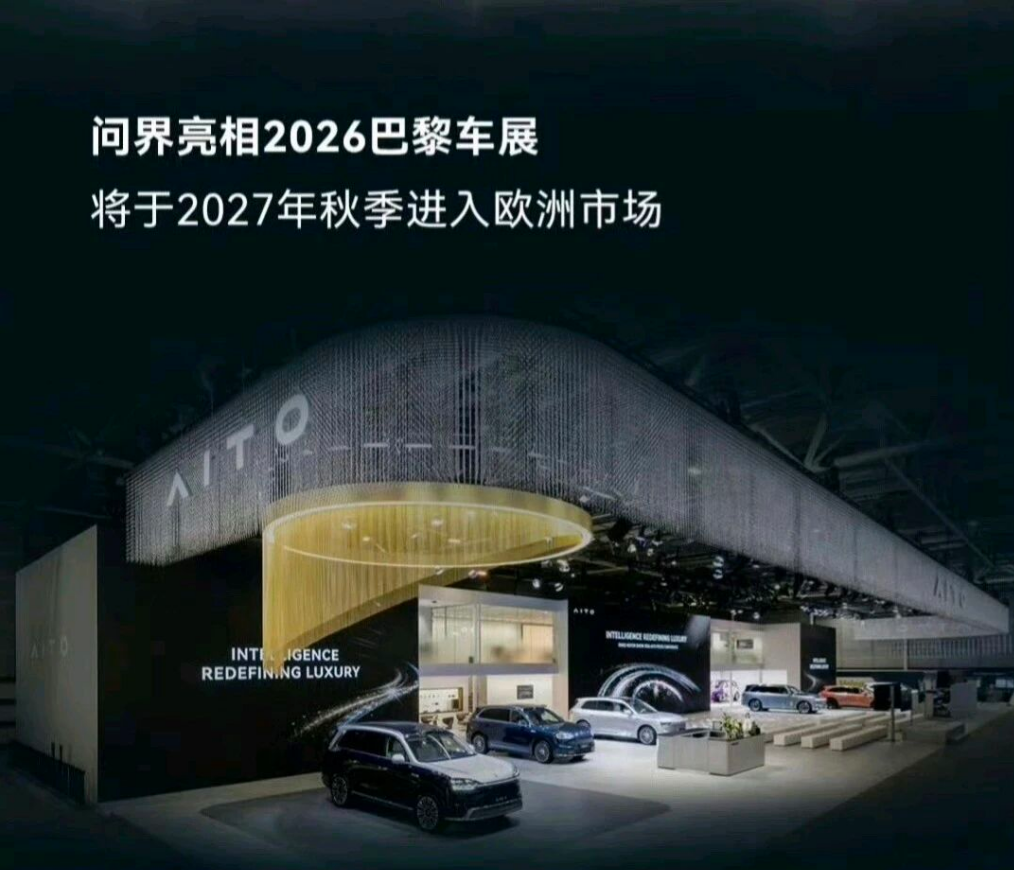
In addition, Seres also plans to fill in model shortcomings. Currently, AITO only sells SUVs, and officials have also said they will "optimize the model structure." Its own Magic Cube platform has a strong foundation and is compatible with extended-range, pure electric, and hybrid, and can build sedans, MPVs, and SUVs. It is very likely that new sedans or MPVs will be launched next to enrich the product line. However, officials have not yet announced specific models, and many car fans have already started waiting for news.

Many ordinary car owners will be curious: if the automaker makes money, is that good or bad for those of us buying cars? Simply put, for a brand that keeps losing money, after-sales network expansion, OTA updates, and parts stocking may shrink at any time due to lack of money. Only with stable cash generation can it have the confidence to maintain users and iterate products over the long term. But it must also be made clear: financial report profitability does not equal better car quality. Financial reports look at the company's business; whether a car is good to drive and durable must be judged by the actual vehicle.
05 Written at the End
After the new five-year cooperation agreement landed, Huawei and Seres are no longer the old all-inclusive model, but have become long-term allies with clearer division of labor, and a dedicated AITO operation team has been specially formed.
The 1.42 billion yuan profit is a good signal, proving that the high-end route does have room to make money, but it is far from the endgame. It only shows that this path has opportunities; it has not yet proved that, without relying on one-off gains, selling cars itself can also make steady money.
The fourth quarter is Seres' first major test after taking the helm independently: whether the new M8 can explode with orders, whether high-end gross margin can be defended, and whether sales can remain stable without price cuts will all have answers within two months.
One last question: relying on the M9 and M6, plus the upcoming new M8, do you think Seres can truly achieve non-recurring core business profitability in the fourth quarter?
Disclaimer: This article is only a financial commentary from a major-factory perspective and does not constitute any investment advice. The company data and regulatory events involved in the article all come from public information and are for reference only; the specific situation shall be subject to official releases. Image sources are from the internet; if there is any copyright issue, please contact us for deletion.
-
![]()
Can Li Jiaqi Help Chen Yusen Land a Big Result?
-
![]()
Attention Inflation: Big Tech Is Busier but Earning Less -
China's Auto Export Champion Sees Revenue Hit Record High
-
![]()
"Little Blue Light" Returns with Its Exclusive Color—Is the L3 Era Approaching?
-
![]()
Can the M-Hero X700 Become the Ultimate Box That Balances Off-Road Capability and Family Use?
-
![]()
Young People Are No Longer Buying Cars
-
![]()
Self-Driving Tech Is Getting Cheaper and Cheaper—Are Suppliers Sacrificing Profits for Market Share?
-
![]()
BYD's 490,000 Vehicles Dominate the Field as Joint-Venture Automakers Beat a Hastier Retreat: October Auto Market Undergoes Major Shakeup