Rolls-Royce and the Like Remain Absent—Who Is Still Holding the Fort at This Year's Guangzhou Auto Show?
 11/20 2026
 541
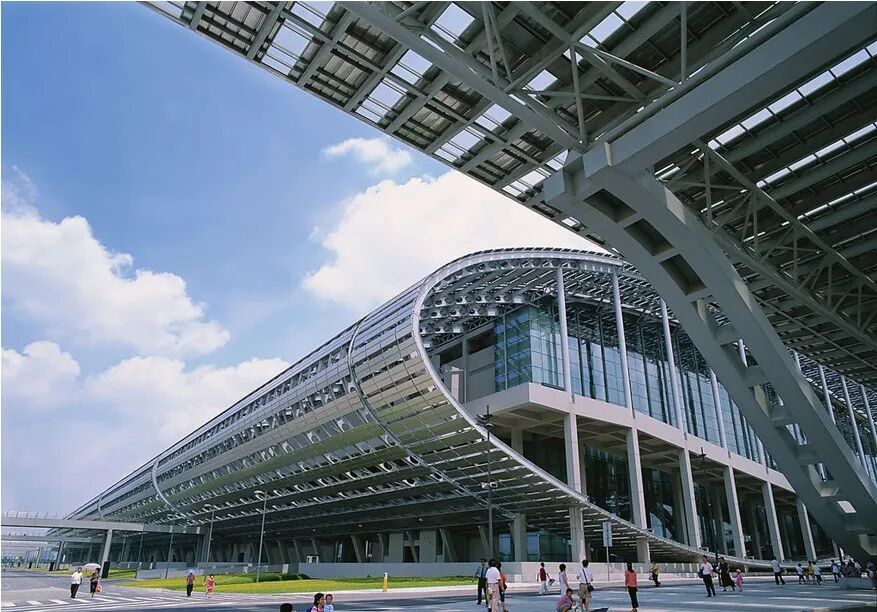
In less than ten days, the 24th Guangzhou Auto Show will open in Pazhou. Data released at the November 17 press conference show that this edition features a total of 1,106 vehicles, including 707 new energy vehicles and 115 world premiere models, across an exhibition area of 220,000 square meters. Yet in stark contrast to this impressive exhibitor lineup, Rolls-Royce, Bentley, Ferrari, and Lamborghini are all conspicuously absent from the list. For visitors familiar with auto shows, such vacancies are nothing new.
The Absence of Ultra-Luxury Brands Has Become the Norm
A look back at A-level auto shows over the past two years reveals a steady shrinkage of ultra-luxury brand booths. At the April 2025 Shanghai Auto Show, neither Lamborghini nor Rolls-Royce set up independent booths; Bentley almost single-handedly held up the ultra-luxury camp, and Porsche exhibited in the same hall as AITO. At the Guangzhou Auto Show in November of the same year, the scope of absence widened further, with Rolls-Royce, Bentley, Porsche, Lamborghini, Ferrari, and Jaguar Land Rover all missing, and the dedicated ultra-luxury hall of previous editions fading out entirely. At the April 2026 Beijing Auto Show, Bentley, Ferrari, Lamborghini, and Rolls-Royce still had no independent booths, and Rolls-Royce appeared only as part of the BMW Group exhibition area in a combined display.
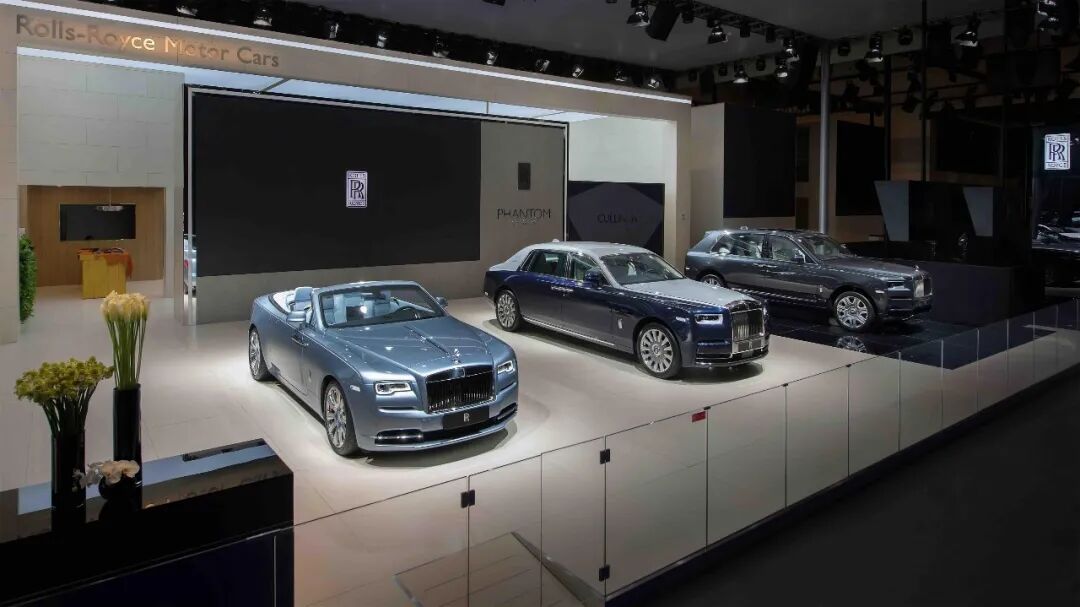
Public information shows that Lamborghini first brought its sports cars to a Chinese auto show in 2005—and now, exactly twenty years later, it bids farewell to public booths. Since its founding in 2003, the Guangzhou Auto Show has long been regarded as an important window for observing China's auto market, and precisely for this reason, the entry and exit of brands on the exhibition floor has drawn particular attention.
From this perspective, the absences at this year's Guangzhou Auto Show are not an isolated event but part of a shrinking trajectory that has continued for nearly two years. Porsche is worth noting: after sitting out last year's Guangzhou Auto Show, it has reappeared on the official exhibitor list this year. Against the overall tone of contraction, this return carries considerable signal value.
Better to Hold Private Viewings Than Spend Money Exhibiting
First, consider the market environment. Porsche's official delivery data show that in 2025 it delivered 41,938 vehicles in the Chinese market, down 26% year on year. Porsche attributed the decline to the severe environment of the luxury segment and intensified competition in China's pure electric vehicle market. With core markets under pressure, marketing investment naturally becomes more cautious.
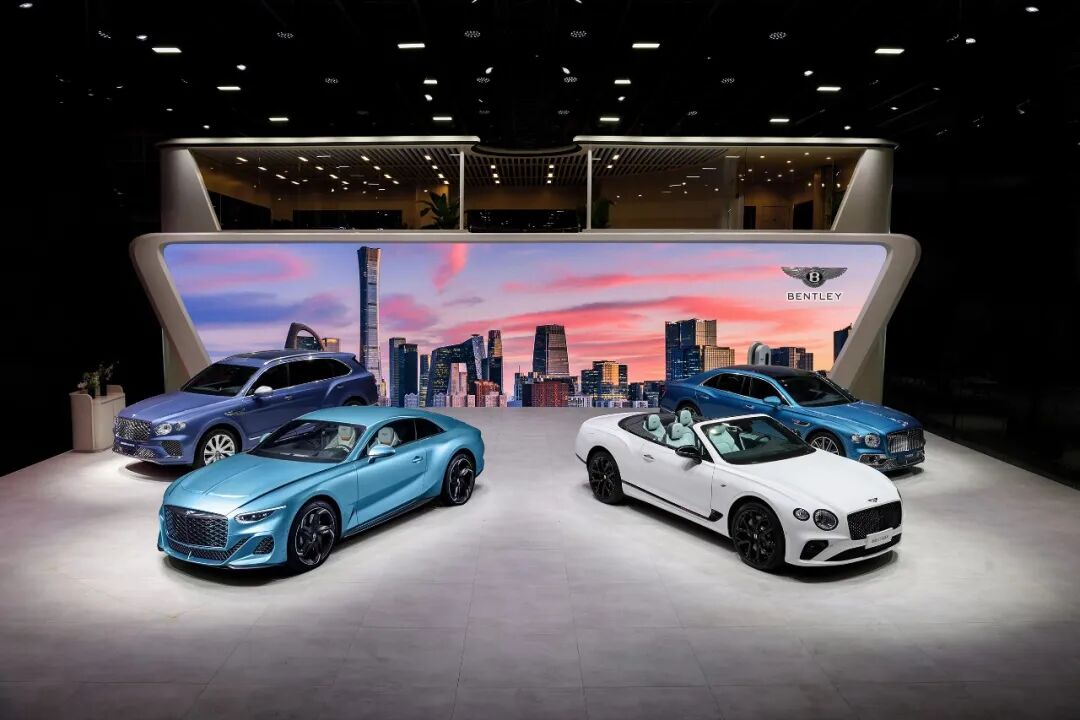
Globally, the business fundamentals of ultra-luxury brands are not weak. Data published by the BMW Group show that Rolls-Royce delivered 5,664 vehicles worldwide in 2025, a slight year-on-year decline of 0.8% and still the brand's fourth-highest level in history. Audi Group's annual report shows that Bentley delivered 10,131 vehicles worldwide in 2025 and has achieved seven consecutive years of profitability. Lamborghini performed even more strikingly: official data show that in 2025 it delivered 10,747 vehicles worldwide, exceeding 10,000 for the first time, up 0.6% year on year, with full-year revenue of 3.2 billion euros and an operating margin of 24%. These figures indirectly show that absence from auto shows does not equate to a brand losing momentum; companies are more likely actively adjusting how they allocate marketing resources.
Exhibition costs are also a practical consideration. According to estimates by people in the exhibition industry, booth fees, construction costs, manpower, and promotion expenses combined often require millions of yuan per participation, and ultra-luxury brands have higher requirements for construction specifications, further increasing spending. High investment corresponds to limited direct conversion. Auto shows draw considerable foot traffic, but the proportion of customers who can actually place orders on the spot is not high.
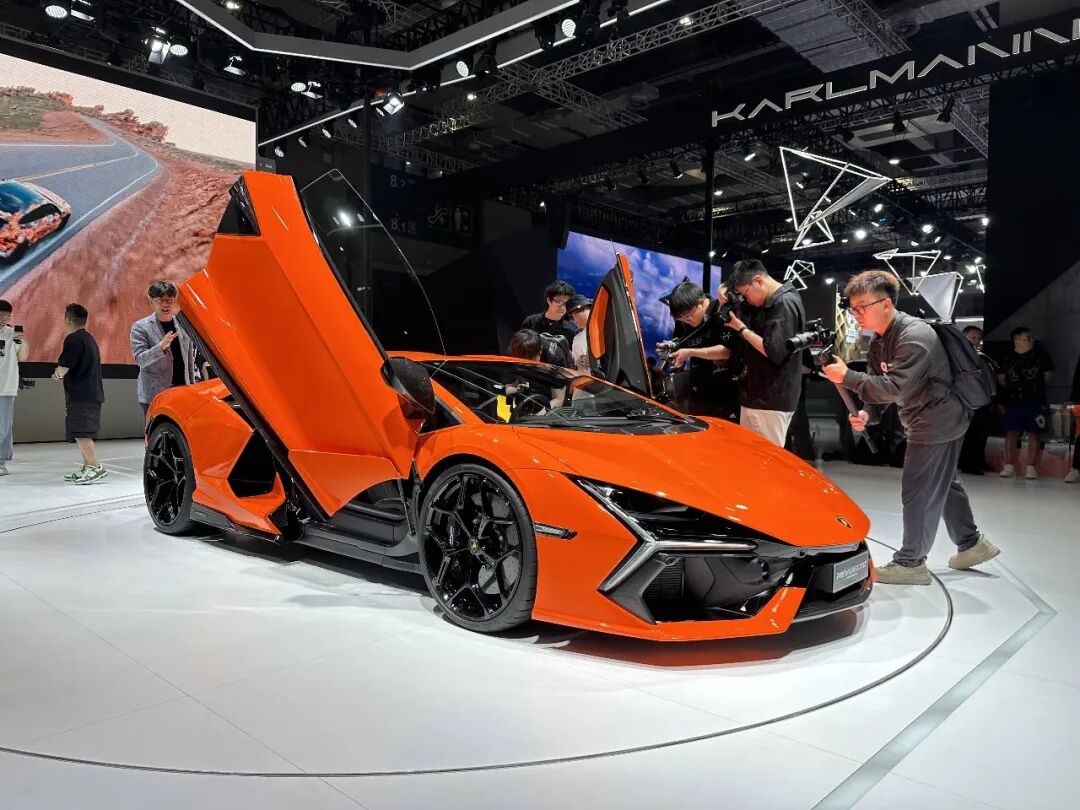
A person in charge at Lamborghini said in a public interview that auto shows have many brands and a crowded environment, making it difficult to communicate in depth with media and customers; the Chinese market was the last region globally where it withdrew from auto shows, and thereafter it will replace them with exclusive previews and brand events. A relevant person in charge at Jaguar Land Rover China expressed a similar view, believing that product iteration cycles are relatively long and there is no need for concentrated exposure on high-traffic platforms; the company is more willing to invest resources in in-depth customer activities such as "Range Rover House" and rely on community operation and private delivery to maintain brand tone.
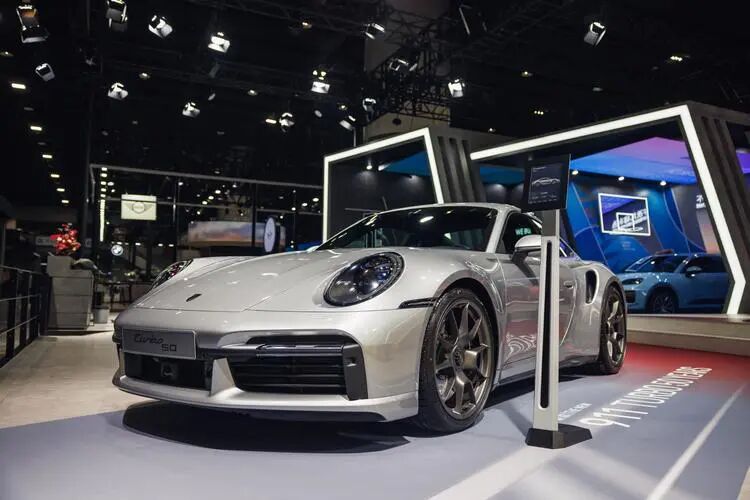
Offline layouts are keeping pace as well. Public reports show that Porsche operates multiple experience centers worldwide, integrating test drives, customization, and social functions in the same space, and forms such as brand experience stores and themed vehicle handover ceremonies have also become increasingly common in the luxury camp in recent years. Ultra-luxury brands have a limited customer base to begin with; dozens of high-net-worth customers experiencing two days in depth at a closed-door event may well yield no less conversion than a public booth drawing 100,000 visitors. For companies, participating or not is a normal marketing choice, and judging a brand's prospects in the Chinese market solely by its absence inevitably leads to hasty conclusions.
Visitors Care More About Smart Driving, Range, and Space
Ultra-luxury brands are contracting, but the exhibition itself has not cooled down. On this year's exhibitor list, German brands such as Mercedes-Benz, BMW, and Audi are all present, Maybach is exhibited with Mercedes-Benz, and the returning Porsche fills in a piece of the ultra-luxury camp. Among self-owned brands, high-end series such as Hongqi Jinkui, Yangwang, Tank, and WEY are all present, and new energy brands such as NIO, Li Auto, AITO, Zeekr, and Xiaomi have a full lineup. The 707 new energy vehicles on display account for more than 60% of the total, and this structural change already tells the story.
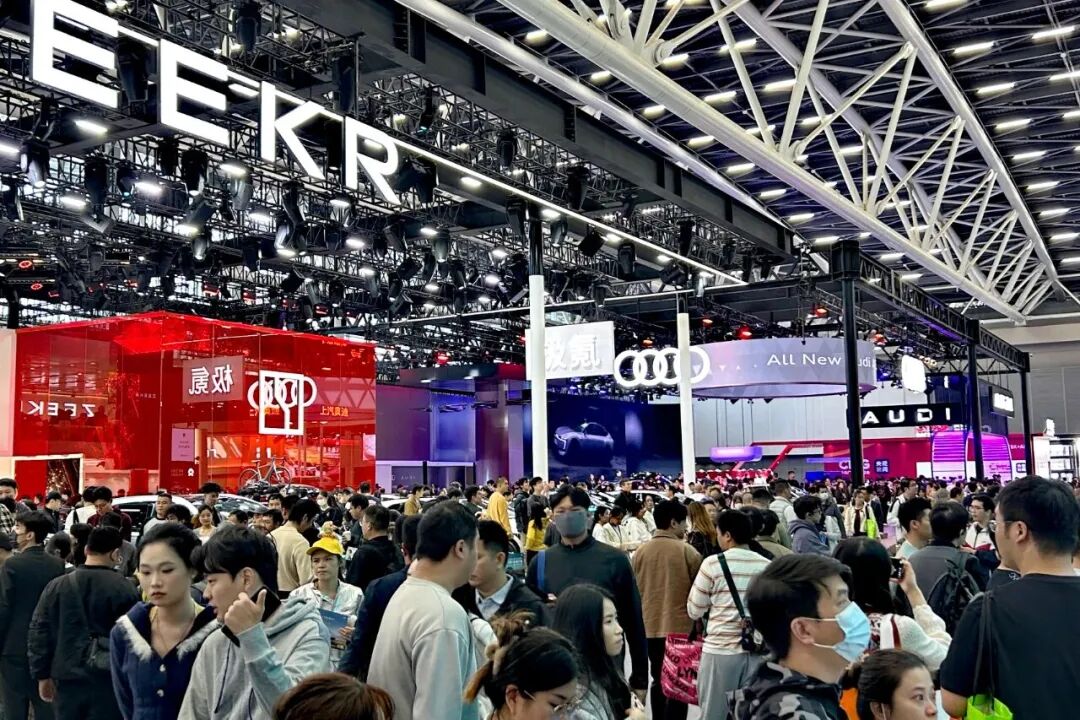
This change echoes the broader industry. Data from the China Association of Automobile Manufacturers show that in 2025 China's automobile production and sales both exceeded 34 million vehicles, with new energy vehicle production and sales reaching 16.626 million and 16.49 million respectively, and the share of new energy vehicles in domestic new car sales exceeding 50%. As new energy moves from an incremental option to the market mainstream, the tilt of auto show booths toward new energy is itself a projection of the industry structure.
The mindset of participating companies is also changing. On the one hand, companies still value the communication value of auto shows, as debut models, brand launch events, and executive interviews can amplify voice in a short period; on the other hand, actual conversion is receiving increasing attention. The Guangzhou Auto Show falls close to the end of the year, the South China market has strong consumer capacity, and combined with on-site car purchase subsidies and dealer promotions, the sales attribute of the exhibition is strengthening year by year. Balancing voice and orders is becoming a common demand of participating companies.
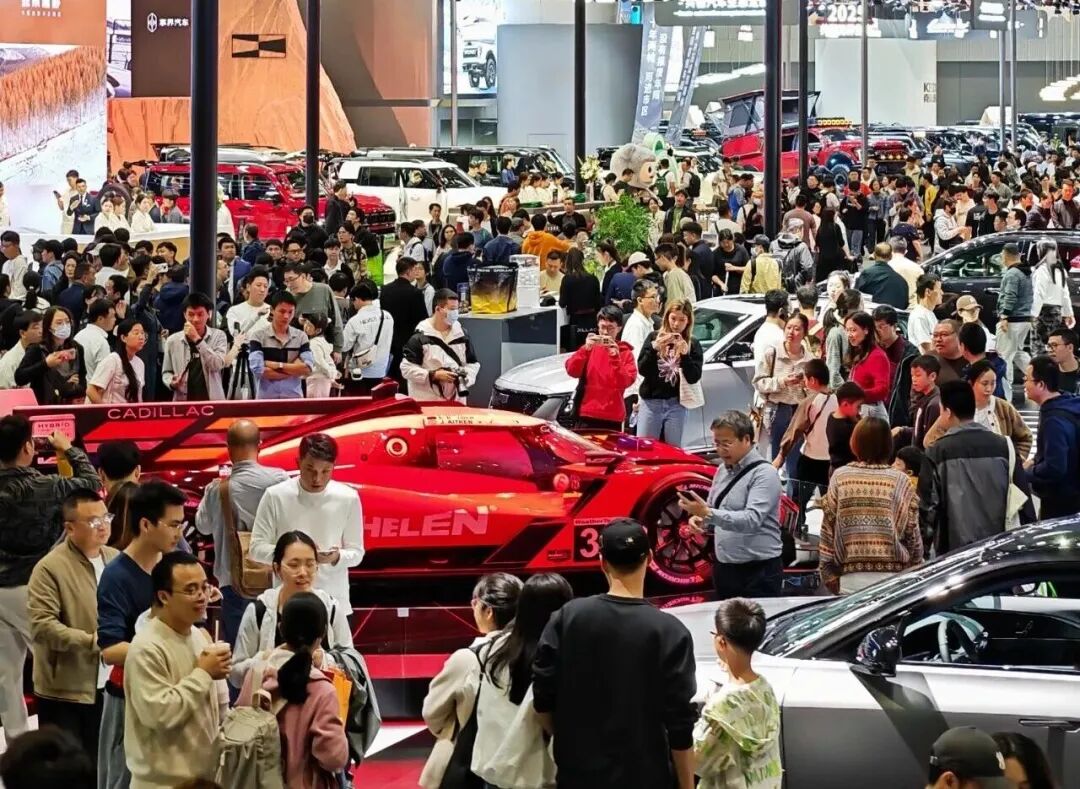
The focus of visitors is shifting as well. In earlier years, many visitors came specifically to view luxury cars and supercars up close and take photos across the fence; today, crowds gather more at domestic new energy booths, asking about intelligent driving, range, and spatial details. As exhibition tastes change, booth resources naturally adjust accordingly.
The role of auto shows is quietly changing. It is more like a comprehensive platform integrating annual sales and technology display than merely a stage for a few brands to show their halo. Ultra-luxury brands choosing to leave does not mean abandoning the Chinese market, but rather switching to more private and precise ways to maintain customers; brands that choose to stay need to continuously prove their value between foot traffic and orders. After the opening on November 27, who can deliver solid results in this year-end major test will be revealed in due course.
-
![]()
Apple's Unreleased AI Glasses: Chinese Manufacturers Have Already Broken into the Overseas Top 3
-
![]()
Why Are Smart Glasses Offline Experience Stores Struggling to Take Off?
-
![]()
Quarterly Report | 2026 Q3 China Smart Glasses Market Misses Expectations: Sales Growth Slows to 14.3%, Revenue Falls 4.3%; Full-Year Sales Growth Forecast Cut to Below 50%
-
[Focus] Demand for Deep-Ultraviolet Fluoride Optical Crystals Continues to Rise, with Broad Space for Domestic Substitution in China
-
![]()
AI Has Its Sights on Your Wallet | Juchao
-
![]()
LOTU Ranking | October 2026 Global TOP TV ODM Factory Shipments
-
![]()
Between Trade-offs: XPeng's High-Stakes Gamble
-
![]()
Alibaba: A Chinese Version of the "Google" Dream Shattered by the Chip Crisis?