Tesla's "Silver October" Retail Sales Plunge in China—Is It Panicking?
 11/25 2026
 352
Introduction | Lead
Tesla's sharp retail decline in China in October might easily look like a market rout, but the other side of the data reveals a clear market logic: it is essentially a proactive adjustment under the quarterly delivery rhythm and a phased result of global production and sales scheduling. In particular, as core businesses are reweighted—when vehicle sales are no longer the only narrative and new businesses such as FSD and Robotaxi continue to advance—it is still too early to conclude that Tesla is losing ground by focusing only on short-term data.
Produced by | Heyan Yueche Studio
Written by | Cai Yan
Edited by | He Zi
Full text: 2,246 words
Reading time: 4 minutes
In October 2026, Tesla's retail sales in China were 8,817 units, down 66.1% year-on-year. Model Y fell from 50,359 units in September to 7,807 units, and its ranking plunged from No. 1 to No. 66. For the first time in 51 months, Tesla's monthly domestic sales once again fell below 10,000 units—the lowest monthly result for Tesla in China since July 2022.
Why did Tesla's retail sales in China decline?
At first glance, this dataset—whether compared year-on-year with last October or month-on-month with September—looks "torn apart" and is easily misinterpreted as Tesla "collapsing." But looking at the other side of the data: Tesla's Shanghai wholesale sales in October were 67,829 units, of which 59,012 units were exports, accounting for 87%. Wholesale sales rose 10.3% year-on-year, setting the highest export share since the factory began production.
The reason for "high exports, low domestic sales" is also simple. It is closely tied to Tesla's long-standing production scheduling logic of "quarter-end volume push, quarter-start exports." Early October—as the first month of the fourth quarter—therefore saw production capacity prioritized for overseas markets with longer delivery cycles. Put simply, most of Tesla's October sales gap was loaded onto export ships.
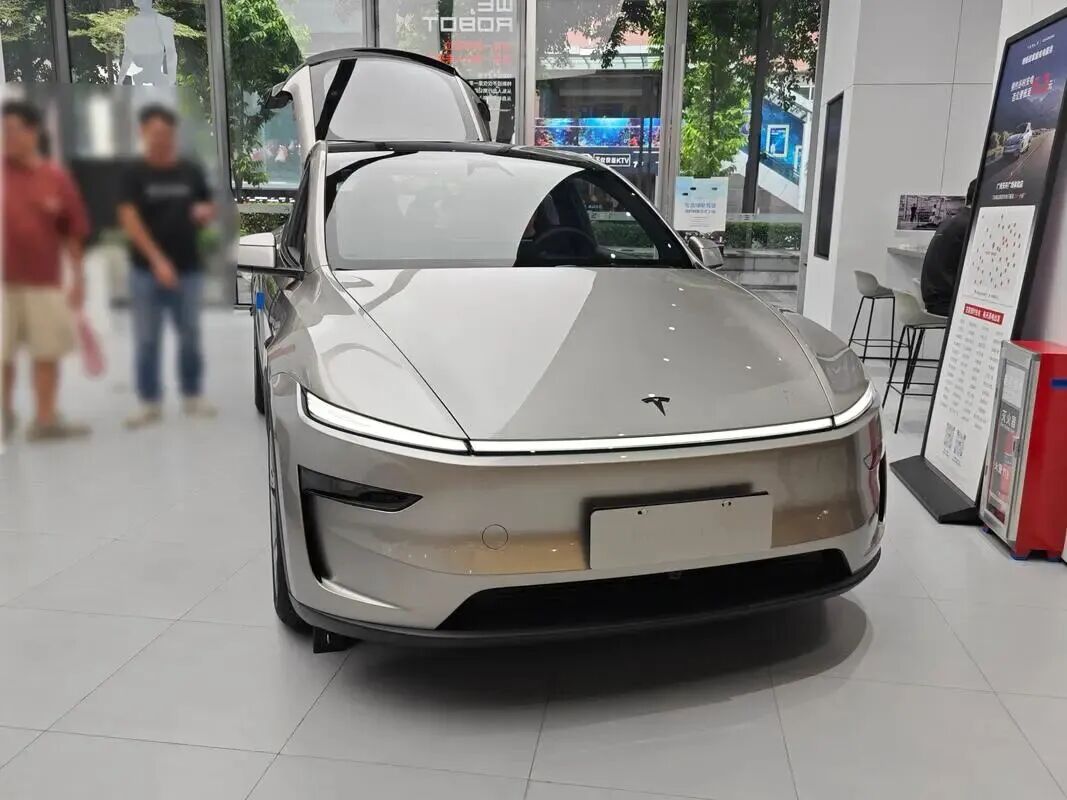
If we extend the time dimension, the discounts and incentives in September also pulled forward some of October's sales to a certain extent. In September, Tesla's domestic sales hit a new high of 65,000 units, among which Model Y won the SUV sales championship by a wide margin with 50,359 units, while Model 3 sold more than 13,000 units and also stayed in the first tier.
As a result, the delivery cycle for Model 3 and Model Y was extended from 1–2 weeks before September to 1–5 weeks. Many sales staff reported that stores simply did not have enough vehicles in stock. With delivery cycles lengthened by high September sales on one hand and production scheduling proactively tilted toward overseas markets on the other, Tesla's October sales data naturally did not look good.
Since 2026, Tesla's sales have indeed declined significantly. Tesla's retail sales in China have fallen year-on-year for five consecutive months. In the first ten months of 2026, cumulative sales were about 389,900 units, down 15% year-on-year, underperforming the overall pure electric market. Compared with the past three years, the decline is even more obvious: in October 2024, Tesla's retail sales were 40,400 units; in October 2025, 26,000 units; and in October 2026, only 8,800 units—an 80% drop in three years. This is the overall shipment decline that export production scheduling cannot conceal.
Therefore, combining Tesla's total shipments and its 2026 sales situation, it is not hard to find that compared with the monthly sales plunge, the "structural adjustment" of Tesla's vehicle business is more worth examining. In other words, a single month's sales setback can be excused as a matter of production rhythm and strategy, but five consecutive months of decline necessarily point to deeper problems.
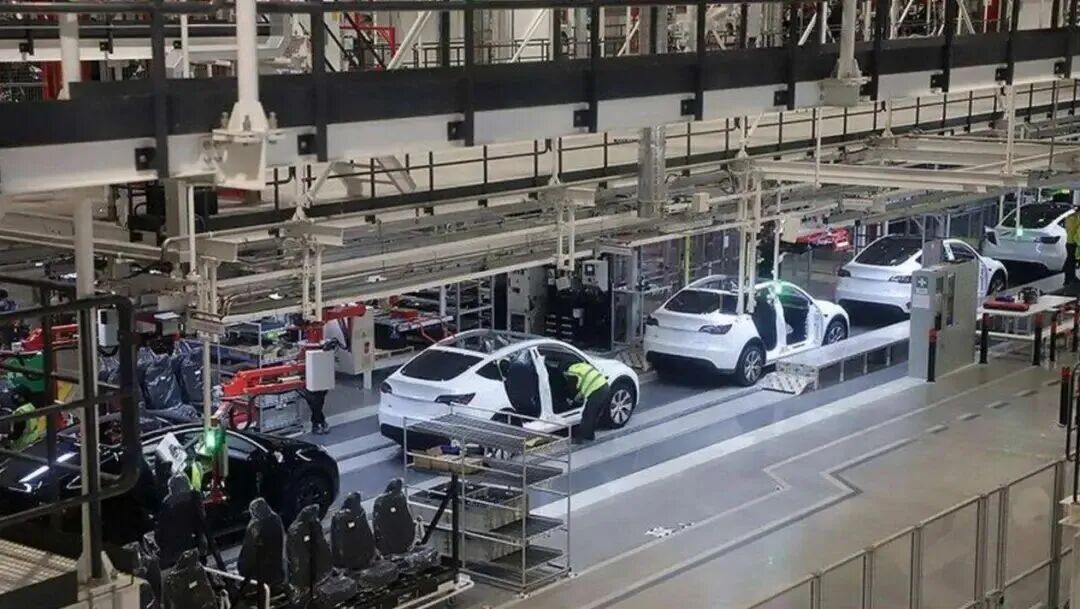
From the product side, the minimalist product strategy is already bleeding in the face of encirclement by self-owned brand new energy vehicles. The two main-selling models, Model Y and Model 3, have not undergone fundamental adjustments in seven years. In addition, Model YL cannot form an effective force, and the legendary youth edition Model Y keeps being delayed. This directly leads to the two models being continuously diverted from in the 200,000–300,000 yuan price segment by brands such as Xiaomi, Zeekr, NIO, and HIMA. It should be noted that in 2026, the 200,000–300,000 yuan pure electric market is no longer the landscape of three or five years ago. At this stage, whether consumers want space, intelligent driving, or handling, they can find excellent upper-tier models among self-owned brands.
From the market strategy perspective, the shrinkage of the automotive business is also the result of Tesla's active choice, with the market focus gradually shifting from "selling cars" to autonomous driving. In May this year, Tesla announced it would stop production of Model S and Model X, with the production lines switching to Optimus humanoid robots. Recently, Musk confirmed that Cybertruck will gradually cease production in mid-2027, with capacity shifting to Cybercab.
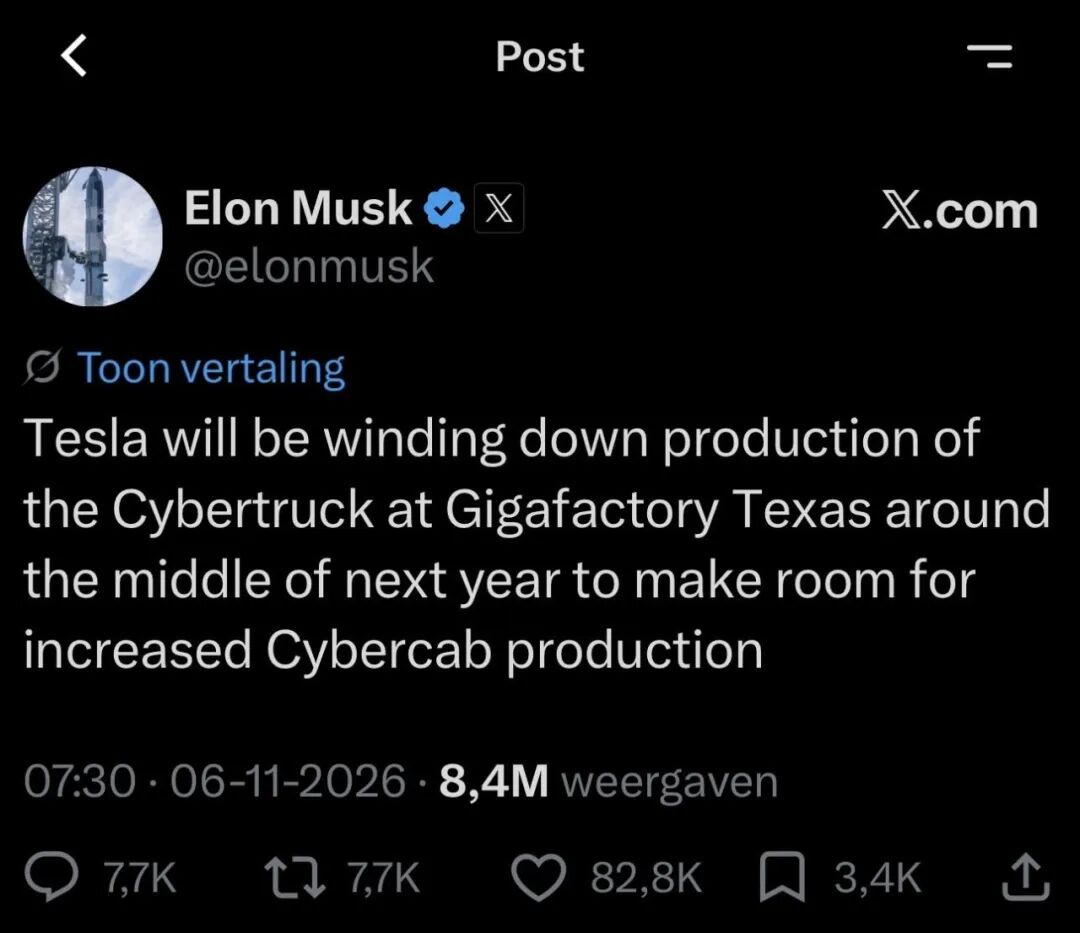
Regarding the contraction of the automotive product line, Musk said there is "not enough talent to produce multiple vehicles at once." In translation, resources are being prioritized for robots and autonomous driving—these are Tesla's most profitable businesses in the future—and as for automotive production lines, they should be cut where possible. Of course, whether this market logic works for Tesla depends crucially on whether the autonomous driving narrative can successfully take over from the vehicle business.
Although FSD and Robotaxi have already formed a commercial loop in European and American markets, they have so far not successfully entered the Chinese market. On one hand, FSD's entry into China has been repeatedly postponed. At the end of 2025, Musk said it had received "partial approval" and was expected to be fully implemented in February–March 2026. But as of September 2026, publicly verifiable information showed only 5,000 HW4.0 vehicles in small-scale gray testing.
More critically, Tesla FSD has remained in a passive state. In June 2026, China's first mandatory national standard for L2 combined driving assistance was approved and released, to be implemented in January 2027. Chinese automakers have already strided into the stage of popularizing urban NOA, with the penetration rate of L2 autonomous driving functions exceeding 70%. But Tesla FSD is still in regulatory approval and technical adaptation. Even Musk said that "Tesla has not yet truly established a leading advantage in China's intelligent driving competition."
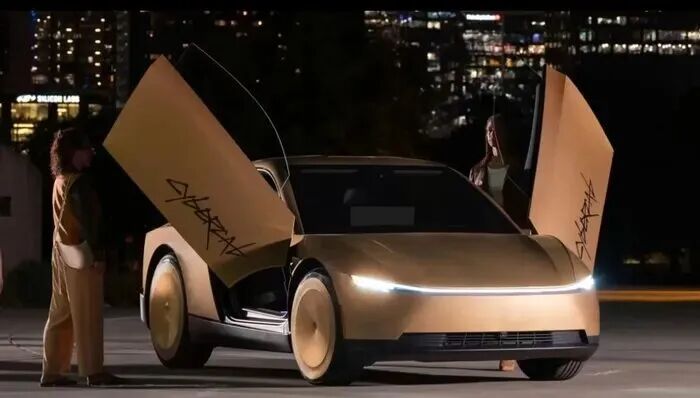
If FSD, the foundation of Robotaxi, is still like this, then Tesla Cybercab's entry into the Chinese market is even more distant. Put plainly, Tesla can use the story of "robots + autonomous driving" to support its global valuation, but this story is difficult to cash in in China's retail market. It is like a "Tesla car that can fly"—its role is more about "showing muscle" and driving up capital valuation.
So back to the most realistic question: how much time does the Chinese auto market have left for Tesla?
Tesla still has cards in hand
Although factors such as slow updates to Tesla's automotive product line, market competition penetrating every gap, and the unknown timing of FSD's landing have indeed affected the brand's sales in China to some extent, the moat it has built in the Chinese market over many years can still provide it with a long adjustment period.
First is resale value. The three-year resale value rates of Model Y and Model 3 are both about 61.3%, firmly in the first tier among pure electric models. For most Chinese consumers, this account can indeed offset the harm brought by product updates or price cuts. Second is the supercharging network. As of June 2026, Tesla had more than 2,600 supercharging stations and more than 13,000 supercharging piles in China, and more than 8,000 supercharging stations and more than 80,000 charging piles globally. Infrastructure support has become Tesla's deepest moat. Third is the cost of brand explanation: for most Chinese consumers, buying a Tesla is the most "all-purpose" choice.
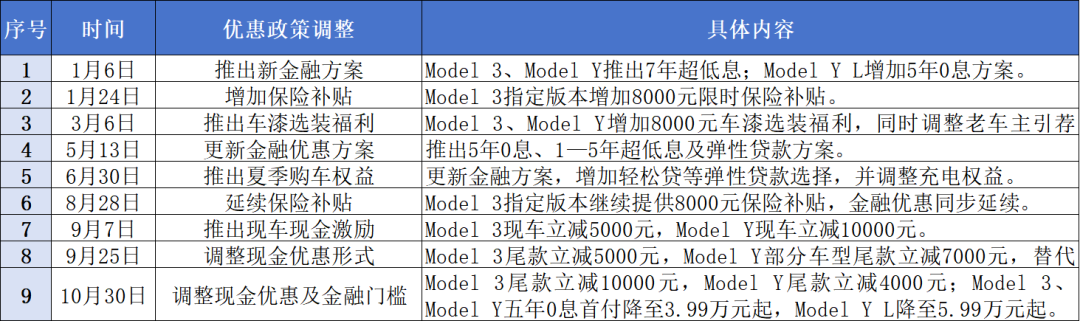
The supercharging network, resale value, and brand awareness have become Tesla's core competitiveness at this stage that is hardest to "replace." It is worth emphasizing that the most powerful part of this "competitive approach" is that "price cuts have little impact on Tesla, but they are poison to other brands." By early November, Tesla had adjusted its car purchase incentive strategies nine times this year, yet there was little online voice of betrayal.
Commentary
Today, even if Tesla is still one of the strongest brands at the table, the question before the brand cannot be avoided: should it accelerate product iteration to defend the vehicle base, or wait for the autonomous driving story to be localized and cashed in? In China, the most fiercely competitive new energy battlefield, it must deliver at least one answer to break the current growth dilemma.
(This article is original by "Heyan Yueche" and may not be reproduced without authorization.)
-
Why Are Listed Companies' Financial Reports Starting to Take Douyin E-commerce's Business Logic Seriously?
-
AI Steps on the Gas: A 167-Year-Old Cold Case Finally Hears an Echo
-
![]()
Short Dramas: Big Tech's Q3 Earnings Scapegoat or Lifeline?
-
![]()
Coating Material Selection: Four Critical Gates — Contrast, Absorption, Stress, and Process Window
-
![]()
Maishi Optoelectronics Completes IPO Coaching Acceptance Inspection, Securing 2 Billion Yuan in Financing This Year
-
Second Financing Round of the Year! Chengfeng Technology Secures Tens of Millions of Yuan in B+ Round
-
![]()
Why Can't Hongguo Swallow Bilibili?
-
![]()
The Day After Jensen Huang's Return: The Fed Pours Cold Water on the Rally