Why Does Li Auto Need to Slow Down Its Car-Making Pace?
 11/27 2026
 375
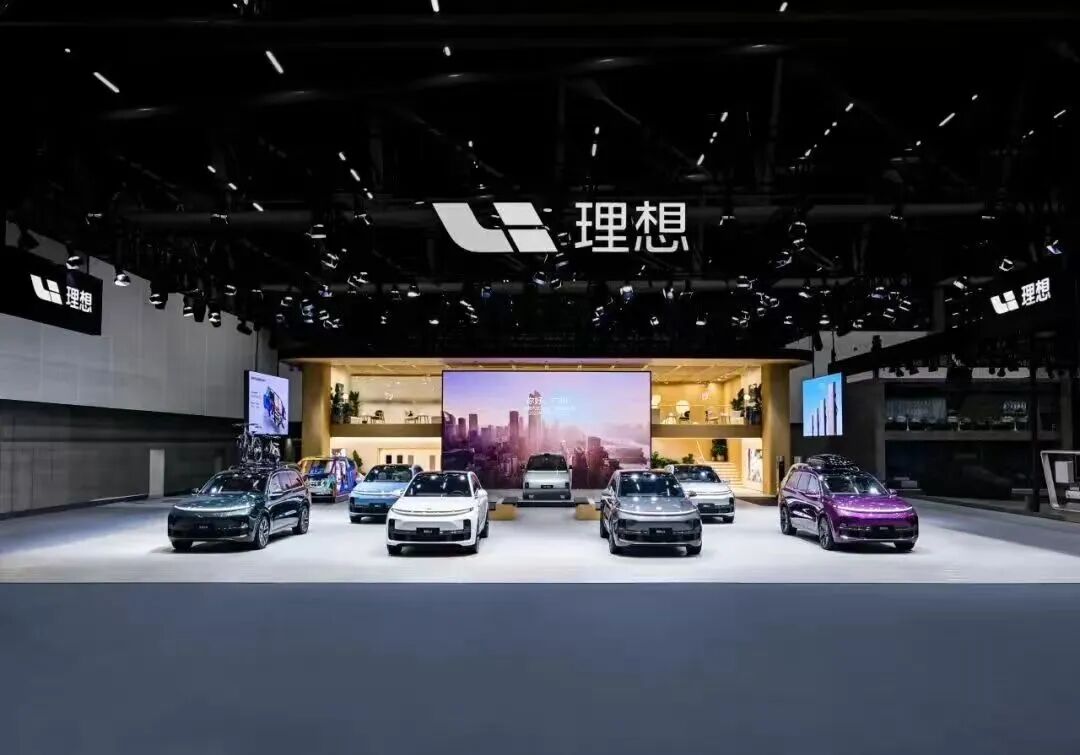
While the rest of the new energy vehicle industry is still racing against the clock to roll out new models and upgrade specifications, Li Auto has started to deliberately pump the brakes.
On November 25, Li Auto released its Q3 earnings report, showing improved operating performance driven by a richer product mix. The numbers: 99,964 vehicles delivered, up 1,634 from the previous quarter; vehicle sales revenue up 12.6%; and automotive gross margin rebounding from 9.4% in Q2 to 15.3%.
Based on figures extrapolated from the financial statements, automotive gross profit rose by nearly 1.9 billion yuan. The new-generation MEGA and Li i9 underpinned that gain. Yet on the earnings call, when Li Xiang turned to next year's product roadmap, he had this to say: Li Auto plans to add just one or two standalone models, and the overall model refresh cycle will shift from once a year to once every two years.
New cars have only just helped Li Auto lift its gross margin—so why would Li Xiang choose this moment to slow the facelift cadence?
Bear in mind that over the past few years, Li Auto has leaned on precise product definition and rapid iteration to turn one product after another into scaled businesses. Even as the entire industry gets swept up in price wars and spec wars, Li Auto still seems intent on proving one thing: product success is, from start to finish, a replicable system capability.
Edited by|Li Jiaqi
Image source|Internet
1. Structure Matters More Than Scale
In Q3 of this year, Li Auto delivered 99,964 vehicles, up 1.7% quarter-on-quarter; vehicle sales revenue reached 27.094 billion yuan, up 12.6% quarter-on-quarter; and vehicle gross margin hit 15.3%, up 5.9 percentage points from Q2.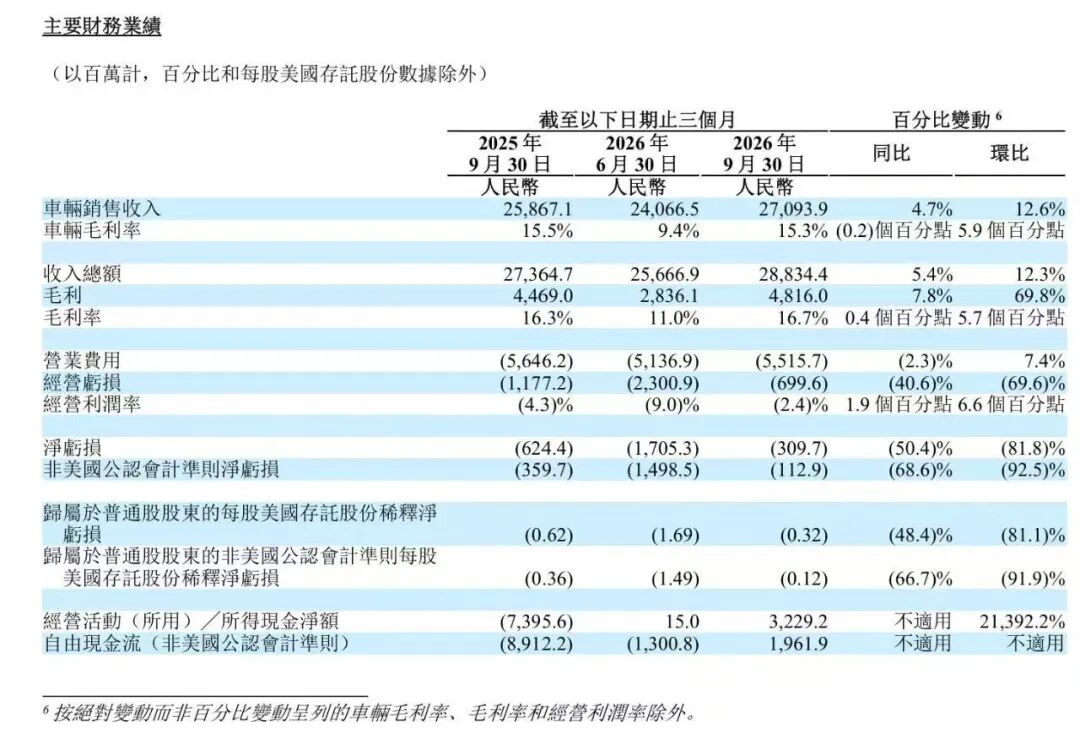
Break those figures down further and the shift becomes more intuitive. In Q2, each vehicle Li Auto delivered carried a gross profit of roughly 23,000 yuan; in Q3, that figure climbed to about 41,500 yuan. Delivery volume barely moved, yet gross profit per vehicle jumped sharply. CFO Li Tie's explanation: the Q3 margin improvement came mainly from product mix optimization—specifically, the launch and delivery of the new L6, i9, and MEGA. What determines an automaker's operating quality, then, is not only how many cars it sells, but which cars it sells, how those products are combined, and how much value each one generates.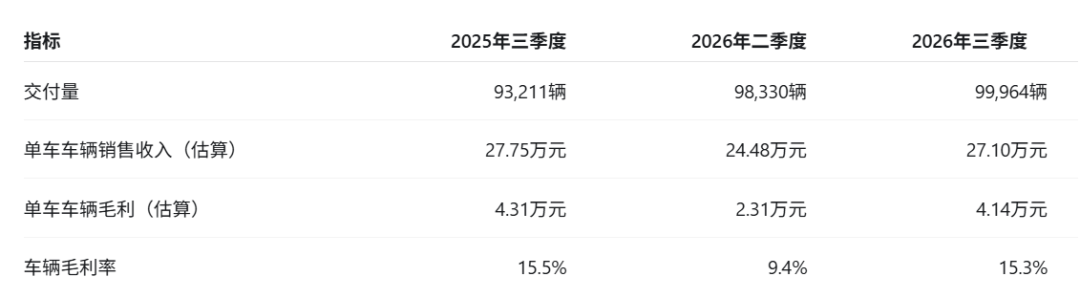
But here's the question: if new cars can improve product mix and raise per-vehicle value, why wouldn't Li Auto keep accelerating new model launches? Launching a new car brings benefits, yes—but ending the previous generation's sales cycle early comes at a cost. In Q3 2022, Li Auto booked 802.8 million yuan in provisions for inventory impairment and purchase commitment losses tied to an old-to-new model transition. Excluding that loss, vehicle gross margin for the quarter would have been 20.8%; including it, just 12%. A single product transition created an 8.8-percentage-point swing in vehicle gross margin.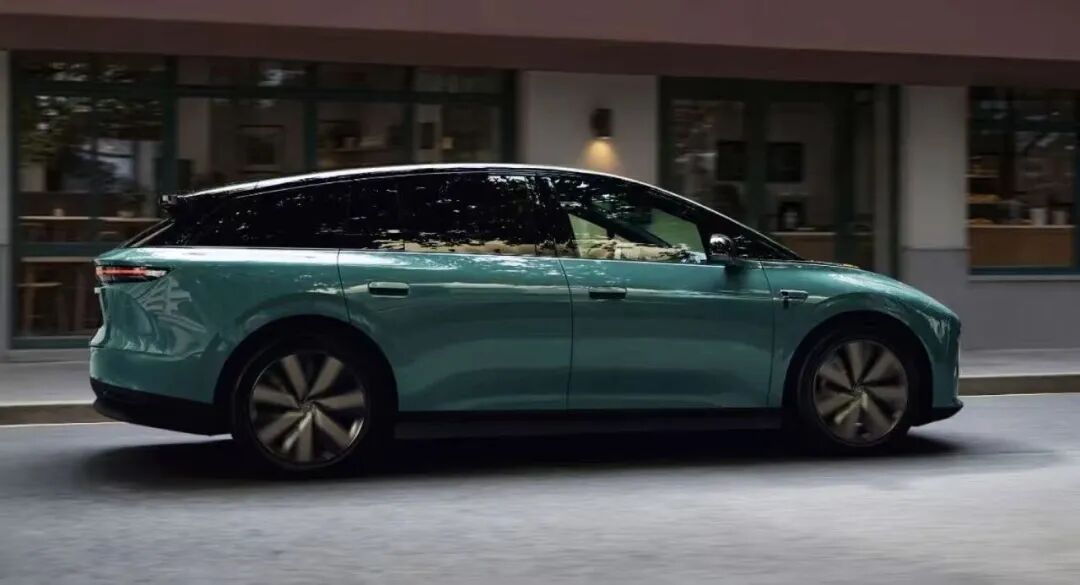
That year, demand for the Li L9 exceeded expectations, Li Auto accelerated the launch of the L8, and adjusted order forecasts for the Li ONE accordingly. The new model won market recognition, but the old one came under pressure from inventory and purchase commitments. The faster the product iteration, the greater the risks from parts procurement costs, inventory costs, and existing-model stock. The Li ONE transition had its own special circumstances, but it demonstrated at least one thing: car-making is ultimately a scaled business, and product updates require calculating not only how many orders a new car can bring, but also what it costs to cut the previous generation's cycle short. In the past, Li Auto excelled at calculating how many orders a new launch could generate; now it also has to calculate how to earn a fuller return on the previous round of product investment. What Li Auto needs to recalculate today is a complete operating ledger: how long will it take for a new car's added value to cover the cost of switching old products out early?
2. In-House Development Gives Li Auto the Confidence to Race the Supply Chain
Shifting Li Auto's product update cadence from once a year to roughly once every two years was one of the most closely watched points Li Xiang raised on this earnings call—and a key angle for outsiders assessing Li Auto's competitiveness next year. Li Xiang's view: Li Auto has completed the installation of in-house developed electric drive systems and chips, and core in-house development lets the company control the pace of technology and platforms more effectively, rather than being led by the update rhythms of battery and chip suppliers.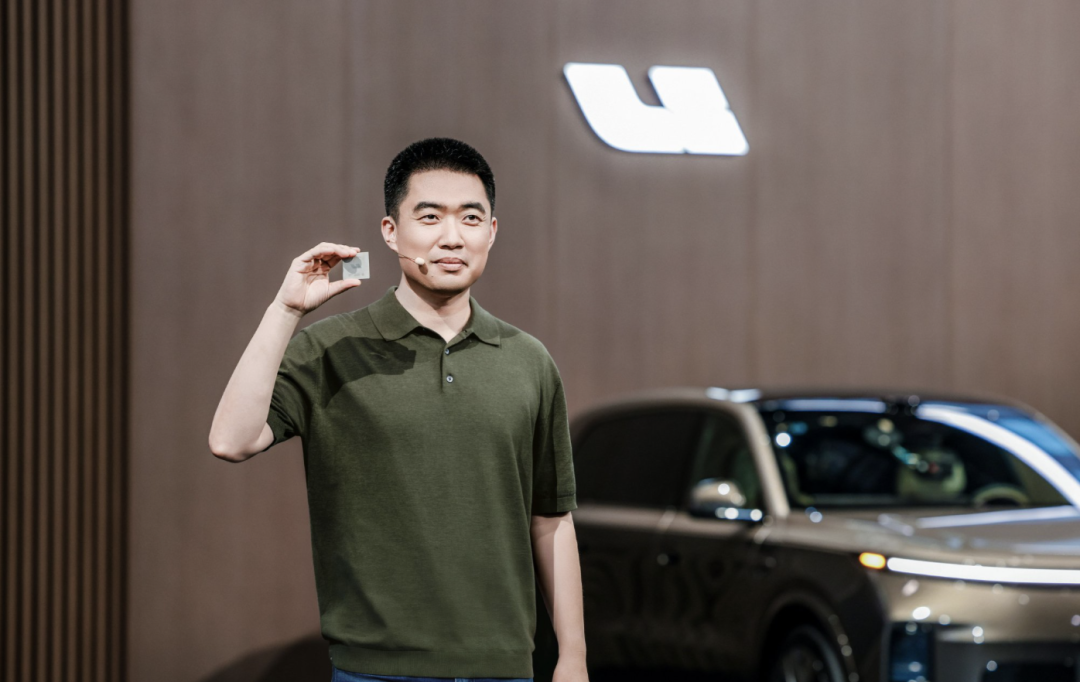
In the past, automakers depended heavily on upstream suppliers in core areas such as chips, batteries, and electric drives. When a supplier launches a new generation of chips, new batteries, or a new electric drive platform, automakers must decide whether to follow. Not following risks lagging in computing power, range, and performance; following means redoing vehicle adaptation, R&D validation, production switching, and supply chain adjustments.
That means automakers must race not only competitors but also suppliers' technology iteration cycles. As model lineups grow, this passive following brings greater operating pressure. R&D, parts, and production plans for different models need constant adjustment, making it hard for companies to establish a stable technology platform and product rhythm.
Li Auto has, in fact, been working to change this. The Mach M100 chip, Lianshan battery, and in-house developed electric drive have gradually entered mass production. The value of these technologies isn't just adding a few in-house developed features—it's enabling Li Auto to gradually seize the right to define, iterate, and apply key technologies. When chips are upgraded, how batteries adapt to different models, and how electric drives coordinate with the vehicle control system can all be arranged by the company according to its own product planning and technology maturity, rather than following suppliers' release schedules wholesale.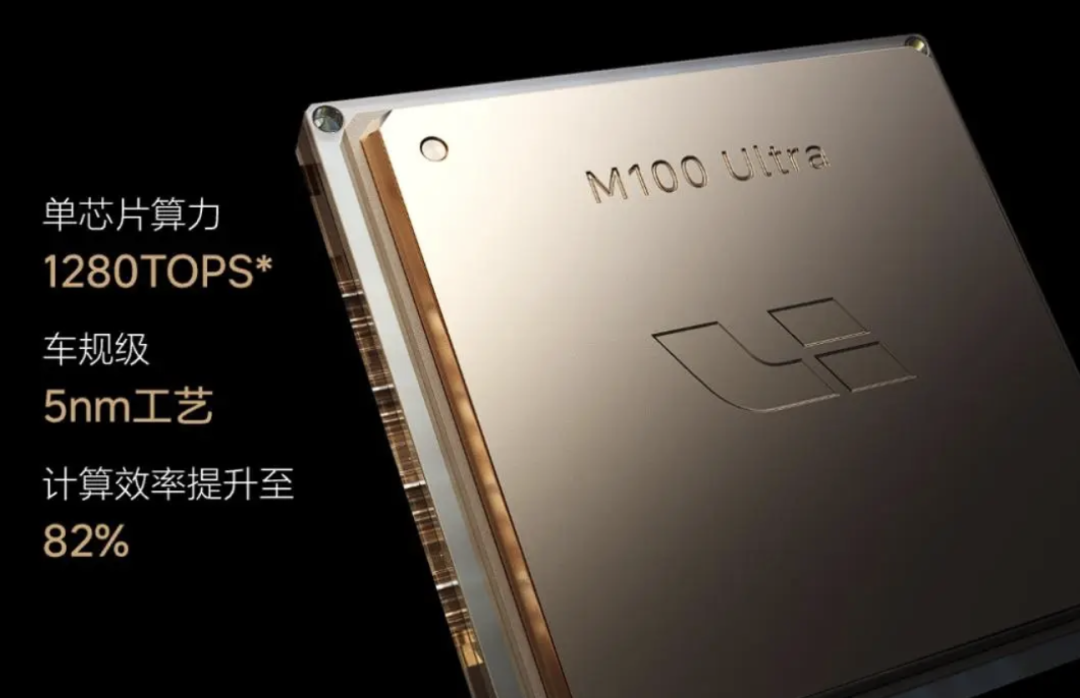
To be clear: for Li Auto, in-house development doesn't mean producing every part itself. What matters is mastering core technologies and system integration capabilities while leveraging external suppliers' professional strengths. Li Xiang noted that a roughly two-year product cycle better meets complete testing and validation requirements. A longer cycle facilitates full product validation and gives suppliers more stable capacity planning.
After all, for users, a stable product cycle means better resale value and product service; for the company, it means reducing duplicate investment caused by frequent facelifts. The ultimate value of in-house development, then, is not to replace all suppliers, but to ensure the company's product cycle is no longer dictated by suppliers' technology cycles.
Of course, this also means the "assembly-style" operating logic that fast-moving-consumer-style carmaking has relied on in recent years is being broken by automakers intervening in the supply chain through in-house development. On this point, Li Xiang's explanation: once the initiative in technology is gradually in one's own hands, companies no longer need to chase external technological changes through frequent facelifts—they can schedule product upgrades according to vehicle requirements and technology maturity.
3. System Design Will Inevitably Trump Product Definition
On this earnings call, when Li Xiang discussed in-house technologies and product platforms, he also revealed a noteworthy line of thinking: core technologies don't only serve the next new car—they can continue to be applied across different products. In September, Li Auto pushed Mach VLA 2.0 via OTA to AD Max models equipped with different chip platforms, Orin-X and Thor-U, covering nearly a million users. If the same R&D achievement can span different hardware platforms and serve vehicles already on the road, it means technology investment no longer relies solely on the next new car to realize value—it begins to have the potential to create value continuously across models and generations.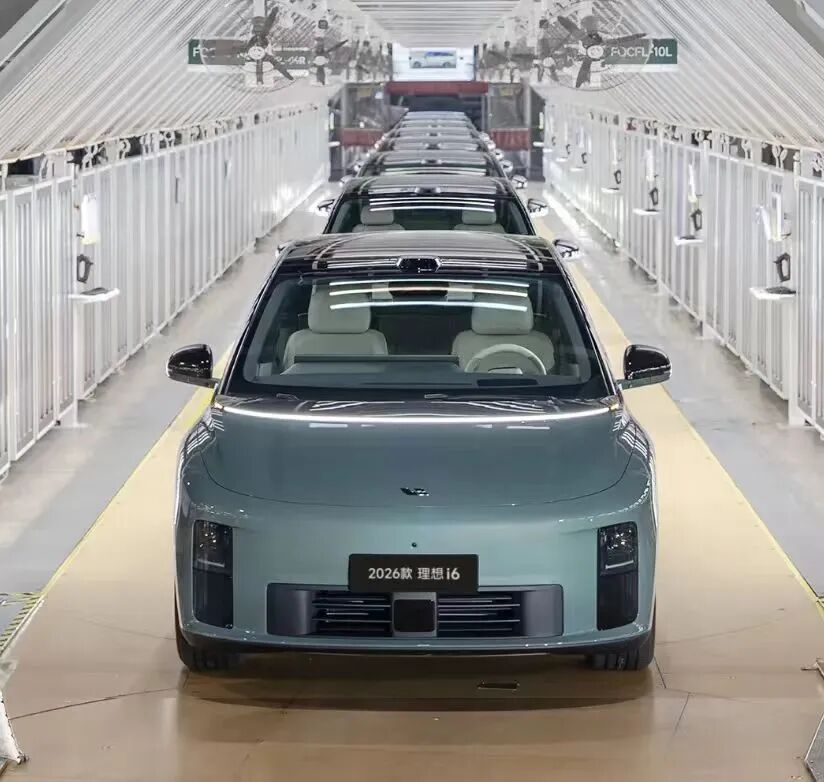
It must be acknowledged that Li Auto was the first among new carmaking forces to benefit from product definition—particularly its precise grasp of family users' needs and its successful combination of space, comfort, range, and intelligence in new energy vehicles through extended range. But this definition-driven approach has a natural limitation: every product development effort is a fresh market judgment.
A company that creates success through product definition and one that continuously creates success through system design are two entirely different growth models. As scale grows and products multiply, each independent product definition requires reorganizing R&D, supply chain, engineering validation, and market resources. A hit product can bring scale, but it cannot guarantee the next one will also be a hit.
Especially as competitors keep catching up, advantages in a single feature, scenario, or supply chain link are gradually eroded. This isn't a problem for any one company—it's a structural ceiling inherent in single-point product competition. Mature companies ultimately have to solve the same problem: how to accumulate the technology, methods, and experience behind one product's success so the next product doesn't have to start from zero.
Apple built its early market advantage with products like the iPod and iPhone, but what truly let its competitiveness compound was in-house chips, the iOS system, and its software-hardware ecosystem; Nvidia built its market position with GPUs, but once CUDA took shape, its competitive edge was no longer just a chip's performance but an entire computing platform and developer ecosystem; the same goes for Tesla, which uses its vehicle platform, electronic and electrical architecture, and manufacturing system to let different models inherit existing engineering results and reduce duplicate development...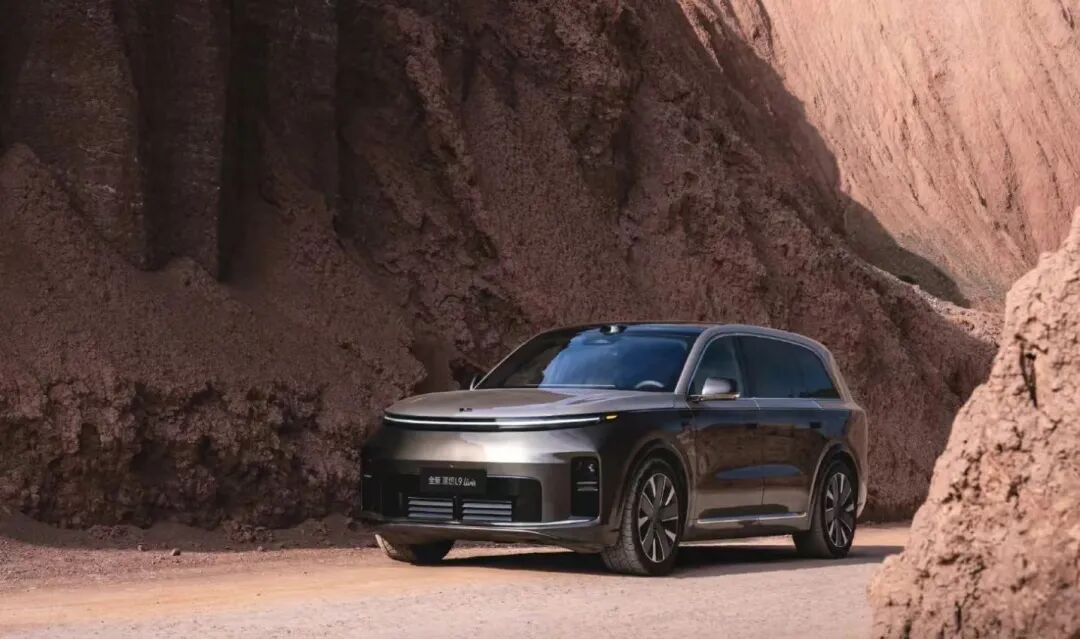
Behind these cases lies a fundamental test: how a company can accumulate one-off product investments into system capabilities that can be used repeatedly. In the past, Li Auto proved through its understanding of family scenarios that it could define a good product; in the future, it needs to keep building a technology system—through the Mach M100 chip, Lianshan battery, in-house developed electric drive, intelligent driving software, and vehicle platform—that can be reused across models and generations.
I recall that in a 2024 in-depth interview, Li Xiang once said: "I am the ceiling of Li Auto's products—and also the bottleneck." He noted that in the 0-to-1 stage, a company can rely on the founder's product judgment; but in the 1-to-10 stage, if product capability always remains concentrated in one person, the founder may become the limit to the company's continued growth. That judgment, viewed today, explains why Li Auto chose to use slowness to control speed.
For an intelligent car company, it must respect the objective laws of carmaking while meeting the high-efficiency demands of intelligence. What the company needs is not just how to define another good product, but a method that can accumulate the definition of a whole set of good products. That requires any automaker to return to the foundations of industrial manufacturing and reunderstand the automobile.
Adjusting from one facelift per year to one every two years is not abandoning product definition, nor reducing innovation—it's hoping to see product definition transform from repeated independent bets into continuous innovation built on mature technology platforms and organizational capabilities. Li Auto's underlying logic is clear: make chips, software, engineering platforms, and R&D systems the foundation of product innovation; let the ability to define products be responsible for finding the most valuable opportunities; let the technology platform determine which capabilities can be reused; and let the R&D system determine how quickly those capabilities can be implemented.
Obviously, this is a decision that dares to let others go first. It requires continuously proving which underlying technologies can truly be reused across models, reduce duplicate R&D, and improve product development efficiency. At the very least, the trajectories of Apple, Nvidia, and Tesla prove that slowness itself is never the goal; verifiable reuse is the key to building a company's competitiveness in the next stage.
Product definition-driven means betting on a single hit product; system design-driven means enabling valuable products to emerge continuously. In the narrative about next year and the future at this earnings call, the word Li Xiang mentioned most was "in-house development." What Li Auto aims to develop in-house is more effective control over technology and platforms, with the ultimate goal of better controlling its own rhythm.
The success of system design lies in solving how one part coordinates with another, how one method can be reused, and how existing advantages can be amplified exponentially. This narrative may not be exciting enough in an era that pursues novelty and speed, but when a company successfully builds a second growth curve, it instead becomes an absolute moat. This will be the business essence worth studying carefully after Li Auto slows down its carmaking pace. End
Strike a pose, gain some knowledge *Whoosh* ~ Here we go…
-
![]()
226 Trillion Tokens: Why Is DeepSeek Leading?
-
![]()
Can the Jones Matrix Not Handle Polarized Light? How Does the Mueller Matrix Handle It?
-
100,000 Units Is Just the Pass Mark — for Leapmotor to Truly Succeed, It Still Has One Weakness to Fix
-
From "Saying Nice Things" to "Getting Things Done": Big Tech's Personal AI Agents Have Arrived
-
![]()
Tencent Releases Next-Gen 3D Large Model Hunyuan Hy3D 3.6, With API as Primary Entry Point
-
Why Are Big Tech Profits Tightening Even as AI Revenue Rises?
-
![]()
Betting on AI and Embodied Intelligence! Zejing Co., Ltd. Signs Strategic Cooperation Framework Agreement
-
![]()
A High-Stakes Bet on Precision Optics: Yuxin Electronic to Acquire Huateng Optoelectronics for 160 Million Yuan