Guangzhou Auto Show Closes: The Auto Industry Relearns How to Survive Winter
 11/27 2026
 483
Introduction
In the cold winter, finding your own rhythm again is the fundamental way to survive and go further.
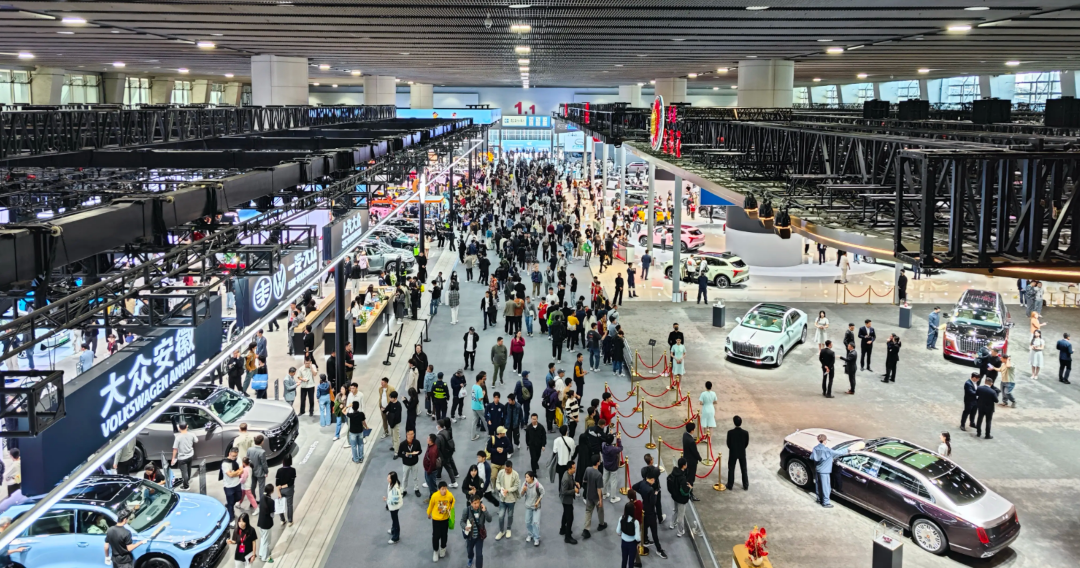
Today (November 27), the 24th Guangzhou International Automobile Exhibition officially opened.
As the last A-class auto show in China this year, it features 1,106 display vehicles, 115 world-premiere new cars, 707 new energy vehicles, and an exhibition hall scale of 220,000 square meters, including 73 press conferences on the 27th alone. Even though the weather in Guangzhou is not as warm as usual and outsiders complain that this year's Guangzhou Auto Show is less important, the bustle is still not absent.
But if you only look at the bustle, only look at who came and who did not, and who did not launch brand-new models at the auto show, you will miss what should most be understood about this year's Guangzhou Auto Show.
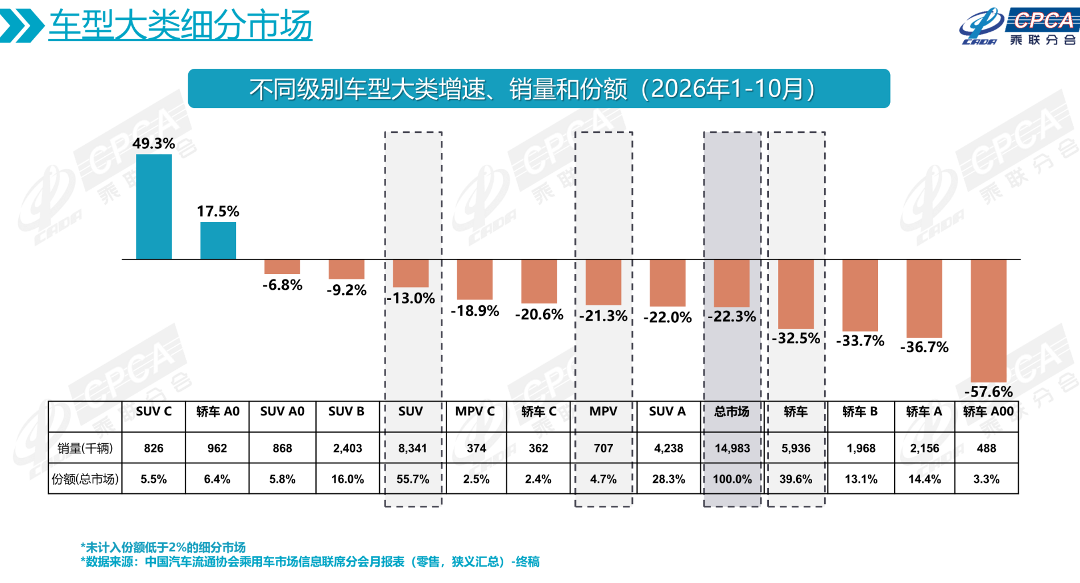
Against the broader backdrop of the auto industry, this year should be the toughest year in the past decade. This year's Golden September and Silver October have basically disappeared, and in all likelihood will not appear again; September retail sales fell 28% year on year, and October retail sales were 1.643 million units, down 27.1% year on year. The fact that the peak season is not prosperous is undeniable.
Cumulative retail sales in the first ten months fell by more than 20%. According to estimates by the China Passenger Car Association, full-year domestic retail sales will be about 18.5 million units, roughly returning to the level of twelve years ago.
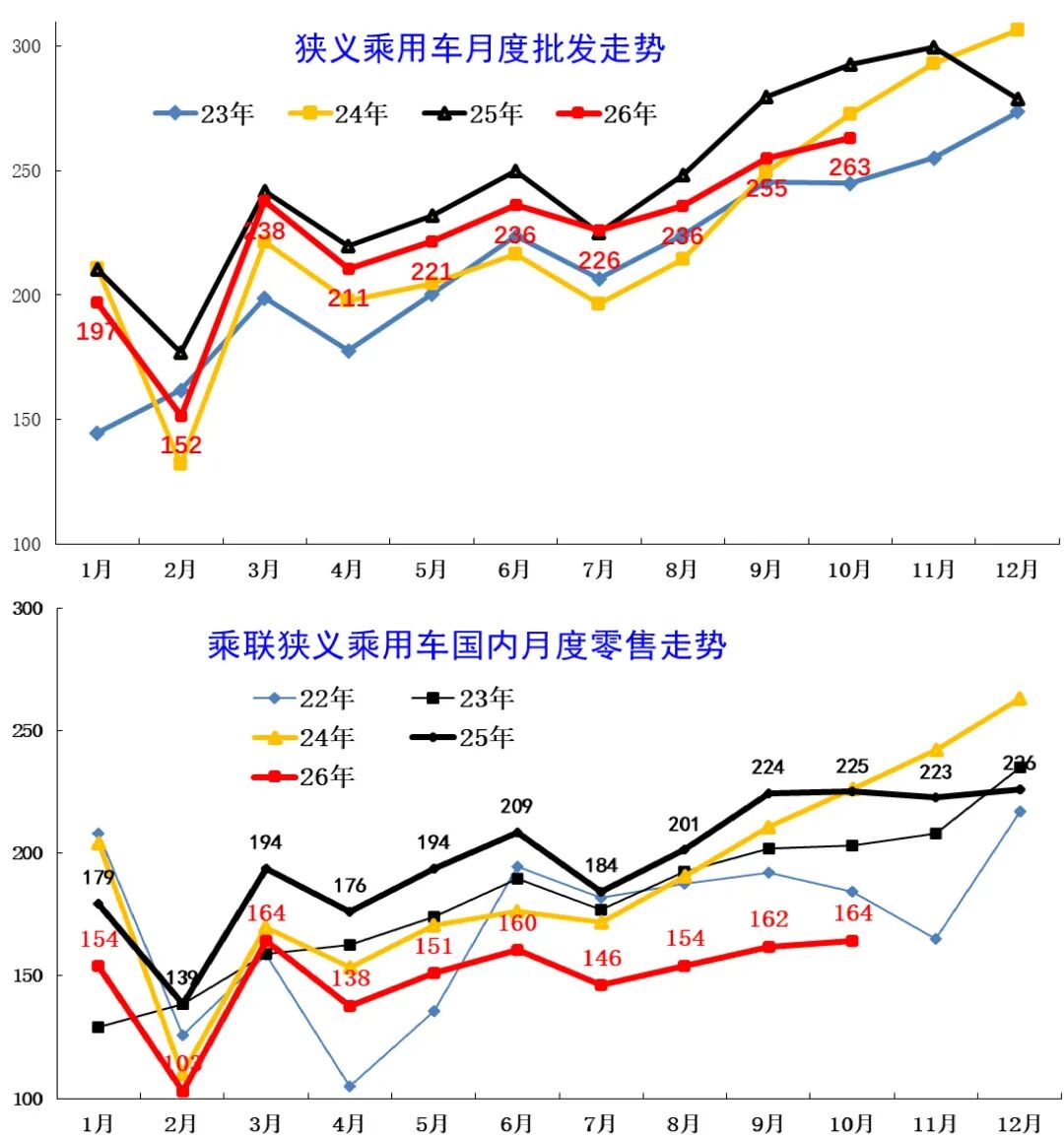
Fuel vehicle retail sales in October were 530,000 units, down 45% year on year, nearly halved; new energy vehicles reached 1.109 million units, with penetration surging to 67.5%. In the first half of November, the penetration rate had already exceeded 70%, making it the only segment in the entire market that is holding up.
Looking at the Guangzhou Auto Show in such a market and at this year's final battle, the mentality of automakers, media, and dealers is completely different from previous years.
In previous years, it was concentrated launches, grabbing orders, and competing for volume. This year it is more like a deeper review, not only looking back at the end of the year to take stock of the year's gains and losses and test next year's market water level, but also, after more than a decade of rapid galloping in the auto industry, the first time such a hard brake has been applied, forcing the entire industry and every participant to re-examine the industry's development and future.
01 Braking: The Industry Enters an Era of Diseconomies of Scale
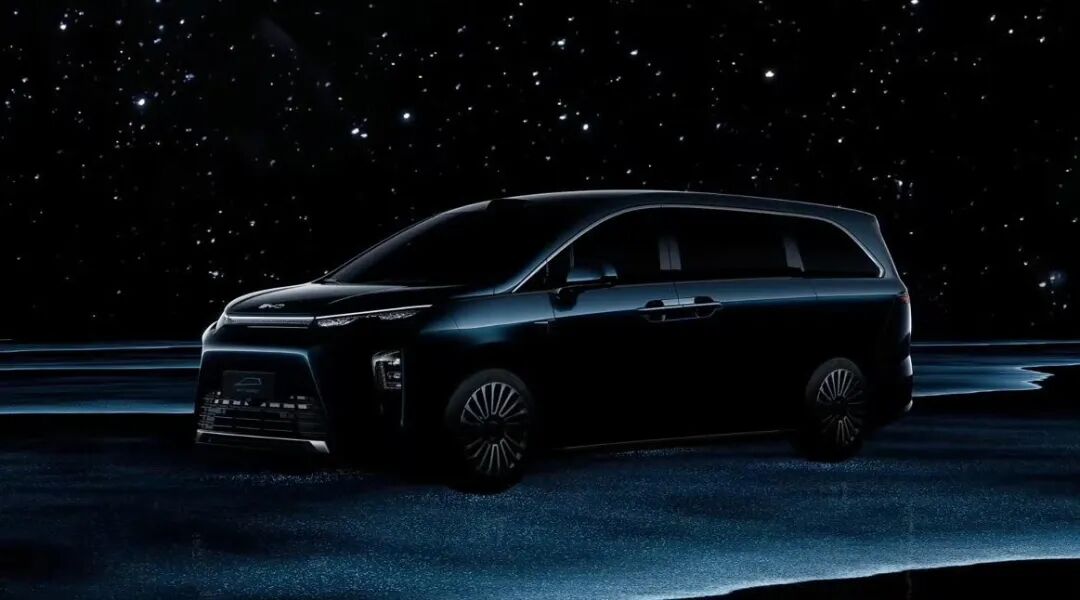
The most intuitive change at this year's auto show is that there are not many all-new models. Apart from models such as Yangwang Dingyao, Audi Q9, Lexus TZ, Avatr T09, and the Ocean Network flagship MPV, most of the protagonists on the stands are annual upgrades and facelifted models.
Including the past two batches of new cars from the Ministry of Industry and Information Technology, there were only 5-6 truly all-new models per batch, and the overall pace of new car filings has clearly slowed.
It is known that Chinese brands broke the two-to-three-year new car development rhythm of European and American companies, shortening it to just over a year, making China arguably the fastest country in carmaking. But the slowdown in the pace of new cars is not because automakers lack R&D capability, but because the industry is swallowing the bitter fruit of high-frequency iteration. The label of "rushed cars" is severely damaging China's auto industry and the entire ecosystem.
At present, some companies have begun to reflect on the pace of new model launches. At this Guangzhou Auto Show, leading automaker Geely Automobile and Geely Galaxy did not plan to hold press conferences; the Xingyue L PLUS and Galaxy M8 already held their presale events before the auto show. Within Geely, the pace of new products in the fourth quarter of this year has also been pushed back, with part moved to early next year for release.
And at Li Auto's third-quarter earnings call two days earlier, the company explicitly announced that the model update rhythm would be adjusted from one facelift a year to about once every two years, and in 2027 it would only add 1 to 2 independent all-new models, no longer rolling out large-scale facelifts.
Li Xiang explained that overly rapid iteration is not good for users, suppliers, or automakers themselves. Only by lengthening the cycle can products complete full validation and can the supply chain stabilize production scheduling. Behind this is precisely Li Auto's reflection on the past situation in which "the update heat of products such as L9 and L8 lasted only 2 to 3 months."
Behind these companies' consistent adjustments is the piercing of a logic long defaulted to by the industry: the scale effect of the auto industry is gradually failing under the environment of involution, and we have already entered a stage of "diseconomies of scale."
Leapmotor is a typical sample. It is one of the few leading automakers that maintained domestic retail growth this year, with delivery scale continuing to rise and third-quarter revenue hitting a new high, but its financial data revealed the other side of risk. As sales climb, gross margin continues to decline, operating profit has turned from profit to loss, and after excluding carbon credit income, the core vehicle business is under obvious pressure.
The core crux lies in the overly fast iteration of software and hardware. Platforms, components, and electrical and electronic architectures keep changing, and every round of facelifting requires renewed investment in development, validation, and production line adaptation costs. The dividend of spreading fixed costs through sales volume is being eaten up by continuous iterative investment. The larger the scale, the harder it is to bring down the amortized per-vehicle development cost, and the scale effect fails.
In the incremental market of the past, the car-sea tactic was effective. The market maintained double-digit growth every year, and one more new model meant grabbing one more piece of the cake. Now the pie is continuously shrinking, and the hot-selling window for a new car is only 3 to 6 months before heat quickly fades.
Many brands launch new products every month and iterate every year, rolling out a large number of new products, but ultimately bringing little incremental volume, merely cannibalizing their own existing users. Endless price wars and configuration involution are essentially the result of being dragged along by high-speed iteration.
When the marginal returns of launching new products approach zero, braking becomes the rational choice.
02 Joint Ventures Make a Comeback
New Forces Need New Stories
The most noteworthy contrast at this Guangzhou Auto Show is that joint venture brands are genuinely making a comeback, while leading new forces have reached the stage where they need to find new stories.
For a long time in the past, joint ventures such as Volkswagen, Toyota, BMW, and Mercedes-Benz left the market with the impression of slow transformation, sluggish localization, and aloof pricing. But the launch rhythm of the past two months, plus the products concentratedly unveiled at this auto show, are completely unlike the previous state.
FAW-Volkswagen and SAIC Volkswagen each launched two to three new energy models in the second half of the year. FAW-Volkswagen's ID.AURA T6 and ID.AURA L5, as well as the Jetta brand's pure electric M6, went on sale one after another. Among them, the ID.AURA T6 reached 12,000 units in its first full month of sales, with first-time buyers accounting for nearly 80%, far exceeding market expectations.
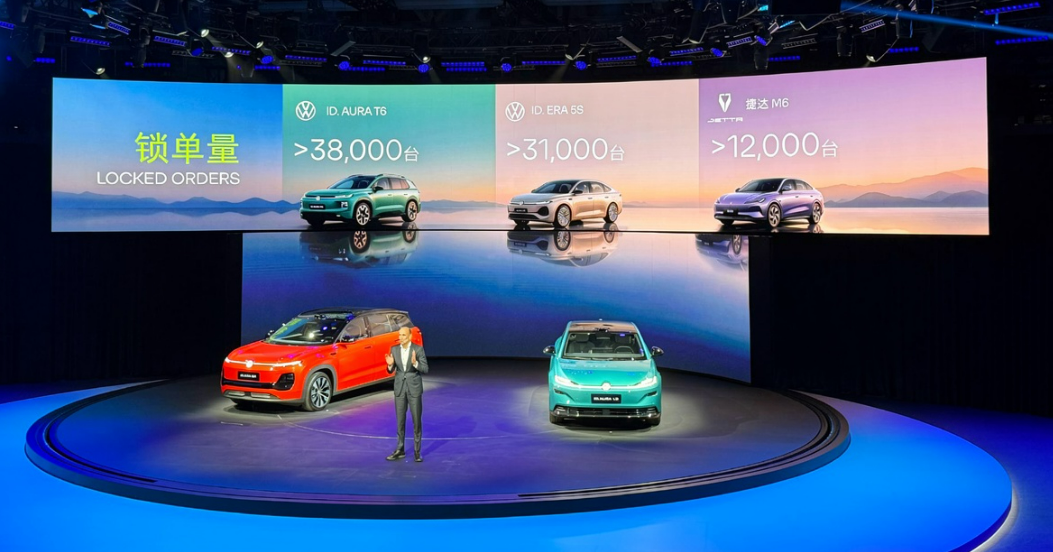
SAIC Volkswagen's ID.ERA 5S broke through 7,000 units in sales for two consecutive months, opening a new rhythm for joint venture new energy. Including the ID.ERA 5X, which directly set its starting price at 99,900 yuan; this pricing has unreservedly thrust into the core price heartland of independent new energy.
The luxury camp is likewise lowering its posture. BMW's new-generation iX3 has continued to release orders over the past two months. With the iX3 priced from 269,900 yuan, it has changed the past high threshold for luxury pure electric vehicles. Channel feedback shows that many stores have full order books, and many users no longer focus only on independent pure electric vehicles and are willing to re-evaluate the value of luxury brand electric cars.
The underlying change supporting the pricing of joint ventures and luxury brands is that they have successively completed more thorough localization. Their supply chain systems have fully switched to domestic suppliers and are no longer bound by the cost chain of the global system. They finally no longer carry the lofty premium posture of the past, and can thus look Chinese consumers in the eye.
As joint ventures comprehensively move toward pure electric, Toyota's approach is more characterized by its own resolve. At the Guangzhou Auto Show, Toyota will announce the naming of the range-extended Highlander, along with plans for a range-extended Sienna. Although range extension is growing weakly, Toyota still chooses to complete the electric driving experience of large-size family models, adapting to domestic users' needs for quiet, smooth, low-cost commuting while also accommodating long-distance travel.
Although the overall share of joint ventures has now fallen to 30%, they have not given up on the Chinese market. Instead, they have re-understood the competitive logic here, opened up the local supply chain, aligned product definitions with domestic users, returned pricing to the market, and continued to deliver differentiated product solutions.
For consumers, having one more layer of choice is itself a good thing. With the relatively stringent systems of joint ventures leading and breaking through in the market, it is itself a correction to the involutionary competition below.
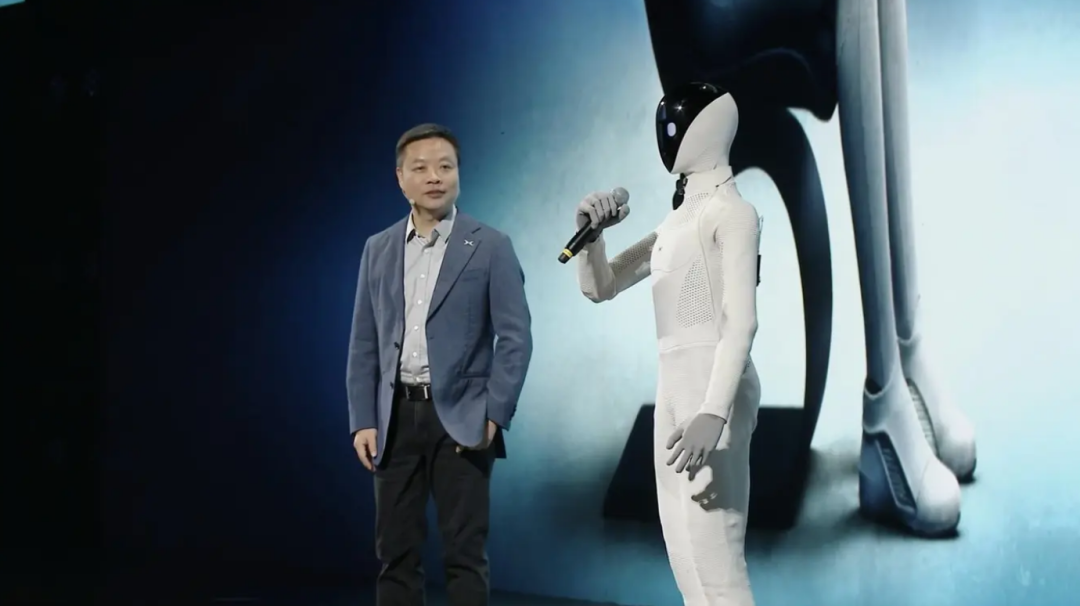
In sharp contrast, the leading new forces—XPeng, NIO, Li Auto, Xiaomi, and Leapmotor—had almost no heavyweight all-new models at this Guangzhou Auto Show. On the other hand, their sales or financial results have all shown stagnation.
XPeng and NIO simply held separate tech days on the eve of the auto show, avoiding the new car launch track. The main thread of XPeng's tech day was Turing AI intelligent driving, the humanoid robot IRON, and Robotaxi, discussing the long-term layout of physical AI; NIO's NIO IN tech day focused on AI-native organizational structure and the long-term iteration of the energy replenishment system, embedding AI into the entire business chain of R&D, manufacturing, and service.
Indeed, just like Li Auto, no matter how products are updated or how new products are added, the total volume is already very difficult to push further upward. So the biggest test left for the new forces is how to build a system capable of meeting higher sales demands and to think more systematically about corporate operations and development.
The two types of players face completely different propositions at present. Joint ventures are making up for lessons previously missed and using products to regain share; new forces must bid farewell to the old narrative of "new cars mean growth" and find a path to stable operations that does not depend on high-frequency launches.
03 Pure Electric Takes Half the Market
Powertrain Routes Move Toward Diversified Layouts
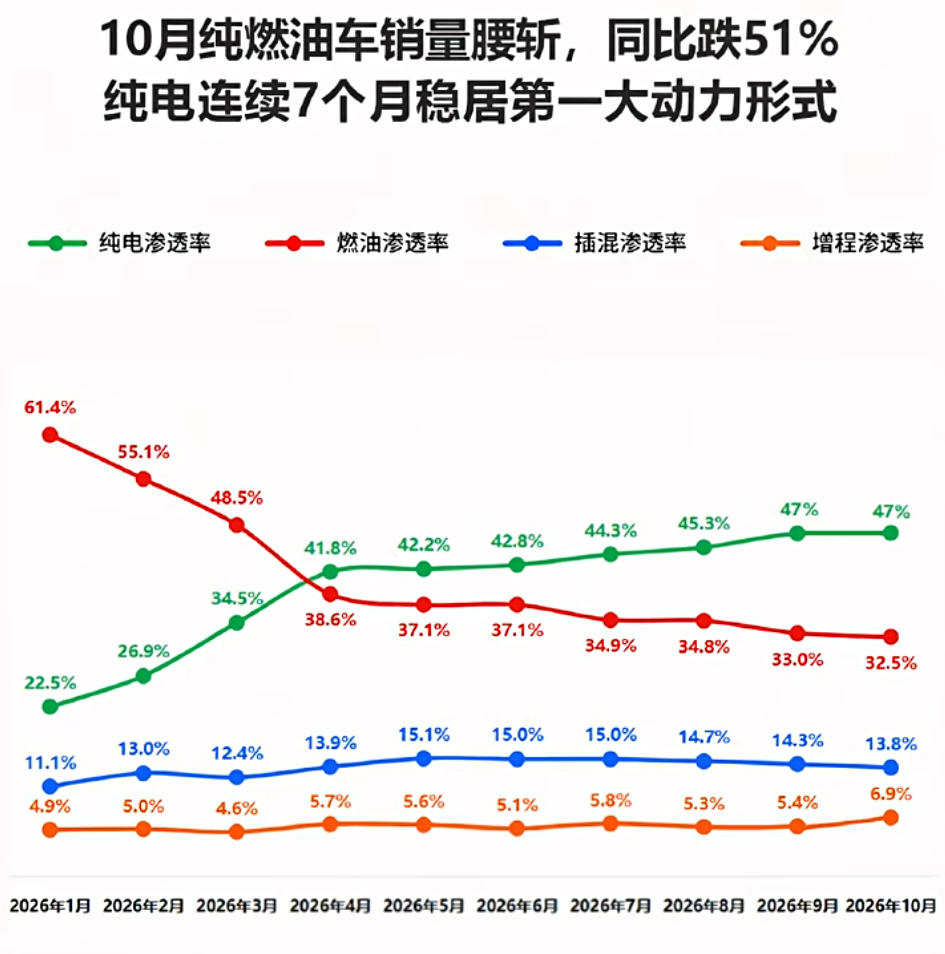
Judging from penetration data since the beginning of this year, pure electric penetration has reached 47% and will approach 50% next year, which has already become an industry consensus. As joint venture pure electric models continue to launch, pure electric will steadily become the largest powertrain track in the domestic market.
But the main line of penetration does not mean every company must go all in on pure electric. At this Guangzhou Auto Show, the differentiated layouts of various companies' powertrain routes can be clearly seen, and there are also strategic choices from a broader global perspective.
Toyota brought out the range-extended Highlander, using range extension to address the energy consumption and replenishment pain points of large SUVs; Geely Lynk & Co 900L chose the plug-in hybrid route, balancing performance, range, and long-distance scenarios.
Geely Xingyue L Plus gasoline-hybrid model appeared, focusing on stability and low usage cost; Great Wall even concentratedly released its HEV family at the auto show, with multiple hybrid models such as H6L HEV, Dagou PLUS HEV, and Menglong HEV appearing simultaneously, treating gasoline hybrid as an important base product.
The consumption structure of the domestic auto market over the past two years has basically been dominated by models at both ends. High-end mid-size or large SUVs are growing very rapidly, while on the other side, low-end entry-level small cars have very strong market demand. Behind this is precisely the fact that auto consumption has entered a stage dominated by additional purchases and replacement purchases, with first-time buyers continuously shrinking.
First-time buyers value low-cost commuting, and pure electric is naturally suited to this; but a large number of additional and replacement buyers have diverse family travel scenarios, and demand for long-distance and cross-regional travel still exists, so range extension, plug-in hybrid, and HEV still have stable soil to survive. Diversified powertrain forms will certainly be the overall trend of China's diverse market; it is just that this year the market has been overdrawn, making the tilt of the market balance more obvious.
In particular, behind the intensifying price war for pure electric models, it is becoming increasingly difficult to deliver brand-unique value and premium positioning—and this requires other bonus factors to level out the gap in consumers' minds. Such a bonus factor can be an engine, or it can be battery swapping.
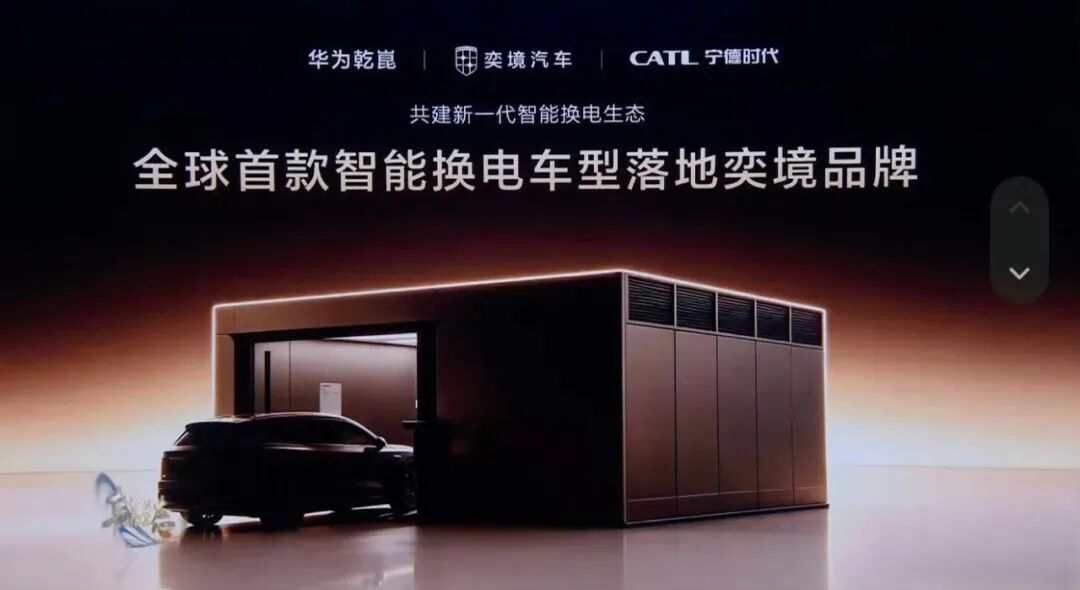
Now, NIO is no longer the only player deeply cultivating the battery swapping track. Arcfox, Yijing, Yipai, Wuling, as well as Avatr and Geely—which have not yet officially announced their plans—have all laid out in the battery swapping space. NIO, the leader, is no longer lonely.
A more important layer of logic also lies in the global layout. Domestic pure electric is moving fast, but policies, infrastructure, and consumer preferences differ enormously across overseas countries, and HEVs and plug-in hybrids still have strong vitality in many overseas markets.
Therefore, many companies will not bet solely on pure electric, but will run multiple routes in parallel, with different powertrain forms corresponding to different markets. This is not strategic wavering, but leaving enough flexibility for the companies themselves to find possibilities for growth.
04 Letting Go of the Obsession with Volume
Returning to Seeking Quality and Stability, Consolidating Systems
In fact, no matter how bustling this year's Guangzhou Auto Show is, integrating all the signals from the industry, a consensus is forming: the market in 2027 will be even tougher than in 2026.
Two days earlier, Cui Dongshu, secretary-general of the China Passenger Car Association, citing data from the National Bureau of Statistics, said that as of the end of September 2026, accounts receivable in China's automobile manufacturing industry were close to 3 trillion yuan, with turnover days reaching 100 days. Compared with 66 days in 2020, the payment collection cycle has lengthened by 34 days. Upstream component companies continue to advance funds, and capital pressure across the entire industrial chain continues to accumulate.
In mid-November, at the annual conference of the China Automobile Dealers Association, major dealers' call that "in 2027 we must survive, earn profits, and live with dignity" represented even more the industry's survival pressure.
The entire vehicle sector is bleeding, the midstream is fronting capital, and every link in the chain is under pressure. This pressure is forcing companies to bid farewell to disorderly involution and rethink their paths to long-term development. The automotive industry can no longer withstand the vicious cycle of "you cut prices, I cut lower; you pile on features, I pile on more."
The market pie is only so big. Under the domestic stock game, the vast majority of leading brands have seen domestic retail declines of 20%–30%, with incremental growth basically coming from overseas markets. As for next year's overseas situation, everyone can basically foresee it: whether it's the tightening of tax rebate policies, the EU's restrictions on Chinese cars, or the uncertainties in the international political situation, the systemic risks of overseas markets as a supplement to domestic sales are also being exposed.
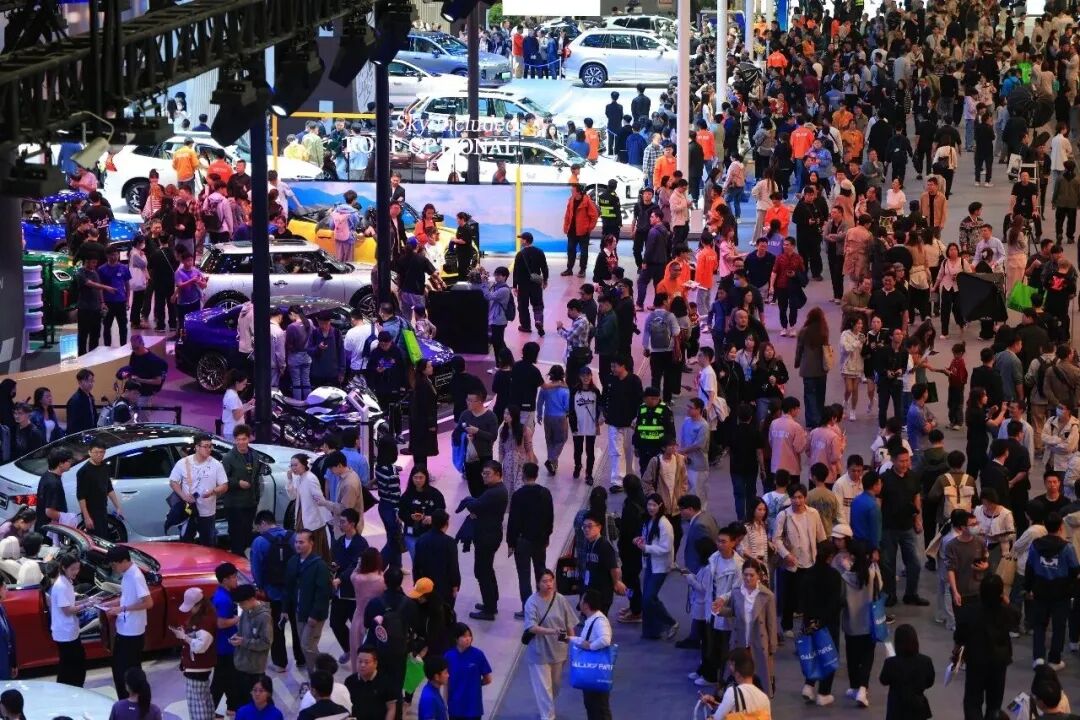
In such an environment, whether launching new cars or continuing to struggle, the significance is actually not great. This may also happen to be an excellent opportunity for China's auto industry to enter a phase of deep adjustment.
Every company must re-examine its systemic capabilities to see whether it can cope with the even more brutal market challenges ahead: whether dealer channels are stable, sales conversion capability, customer service, after-sales network, cost control—these invisible internal strengths determine whether a company can get through the winter smoothly.
Therefore, the current pursuit of stability and quality is not a form of lying flat, but more like a correction as the industry enters a period of chaos. Slowing the pace of new car iterations is to make vehicle quality and validation solid; no longer blindly waging price wars is to preserve reasonable profit margins; deepening service and channels is to retain increasingly scarce users.
This year's Guangzhou Auto Show is destined to be a turning point.
The auto market has abruptly shifted from an incremental era of frequent double-digit growth to a stock-market winter of continuous decline, with sales volume returning to levels from more than a decade ago. The exhibition halls are still bustling, with new cars, concept cars, and technology releases coming in an endless stream, but beneath the clamor, what automakers need to do has changed.
The excitement is for the audience to see. The real proposition left for auto industry professionals is how to continue to solidify the fundamentals in a continuously shrinking market, and how to rediscover their own rhythm in the cold winter—that is the foundation for surviving and going further.
Responsible Editor: Yang Jing edit: He Zengrong

THE END
-
![]()
226 Trillion Tokens: Why Is DeepSeek Leading?
-
![]()
Can the Jones Matrix Not Handle Polarized Light? How Does the Mueller Matrix Handle It?
-
100,000 Units Is Just the Pass Mark — for Leapmotor to Truly Succeed, It Still Has One Weakness to Fix
-
From "Saying Nice Things" to "Getting Things Done": Big Tech's Personal AI Agents Have Arrived
-
![]()
Tencent Releases Next-Gen 3D Large Model Hunyuan Hy3D 3.6, With API as Primary Entry Point
-
Why Are Big Tech Profits Tightening Even as AI Revenue Rises?
-
![]()
Betting on AI and Embodied Intelligence! Zejing Co., Ltd. Signs Strategic Cooperation Framework Agreement
-
![]()
A High-Stakes Bet on Precision Optics: Yuxin Electronic to Acquire Huateng Optoelectronics for 160 Million Yuan