Capturing the Victoria Harbour Fireworks with iPhone 18 Pro Max: A Glimpse into Apple's New Imaging Philosophy
 10/09 2026
 547
547
Apple has also begun leveraging hardware solutions to tackle imaging challenges.
On the morning of September 10, Apple unveiled the iPhone Duo and the 18 Pro series. Leitech noted that while there was considerable buzz around 'Apple's inaugural foldable phone,' the iPhone 18 Pro series generated relatively less discussion. The enhancements in the 18 Pro Max—featuring a more powerful chip, improved cooling, faster charging, a smaller Dynamic Island, and a superior camera—essentially encapsulated all the updates.
However, after a brief hands-on experience, Leitech discovered that the imaging capabilities of the iPhone 18 Pro series truly warranted a closer look. Departing from its traditionally conservative approach, the camera design of the iPhone 18 Pro series is notably bolder, almost daring. The introduction of variable aperture technology has transformed the iPhone 18 Pro series' camera from being merely 'adequate' to boasting both pronounced strengths and weaknesses.
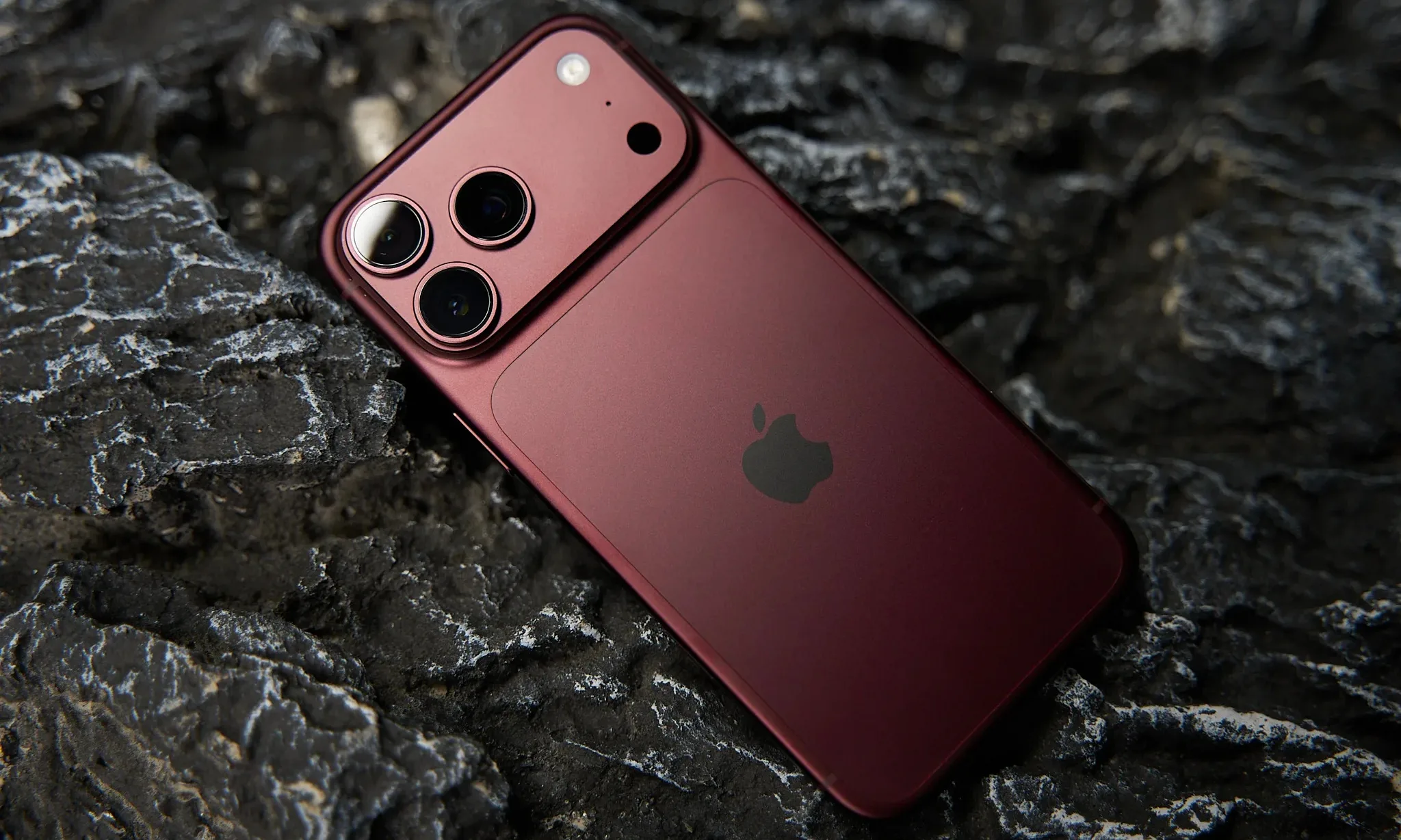
So, how does this new camera system perform? During the National Day holiday, Leitech captured numerous photos with the iPhone 18 Pro Max. Let's delve into the samples together.
Exposure and Color Reproduction: Consistently Stable
In terms of hardware, the iPhone 18 Pro Max is equipped with three 48-megapixel rear cameras: the main camera boasts an equivalent focal length of 24mm, with an aperture that can switch between four settings: f/1.48, f/1.8, f/2.8, and f/4 (marking the first time iPhone allows manual aperture control in the native camera app); the ultra-wide-angle camera has a fixed 13mm focal length and an f/2.2 aperture, while the telephoto camera features a fixed 100mm focal length and an f/2.8 aperture, neither of which is adjustable. The main and telephoto cameras can also provide 48mm (2×) and 200mm (8×) focal lengths through cropping.
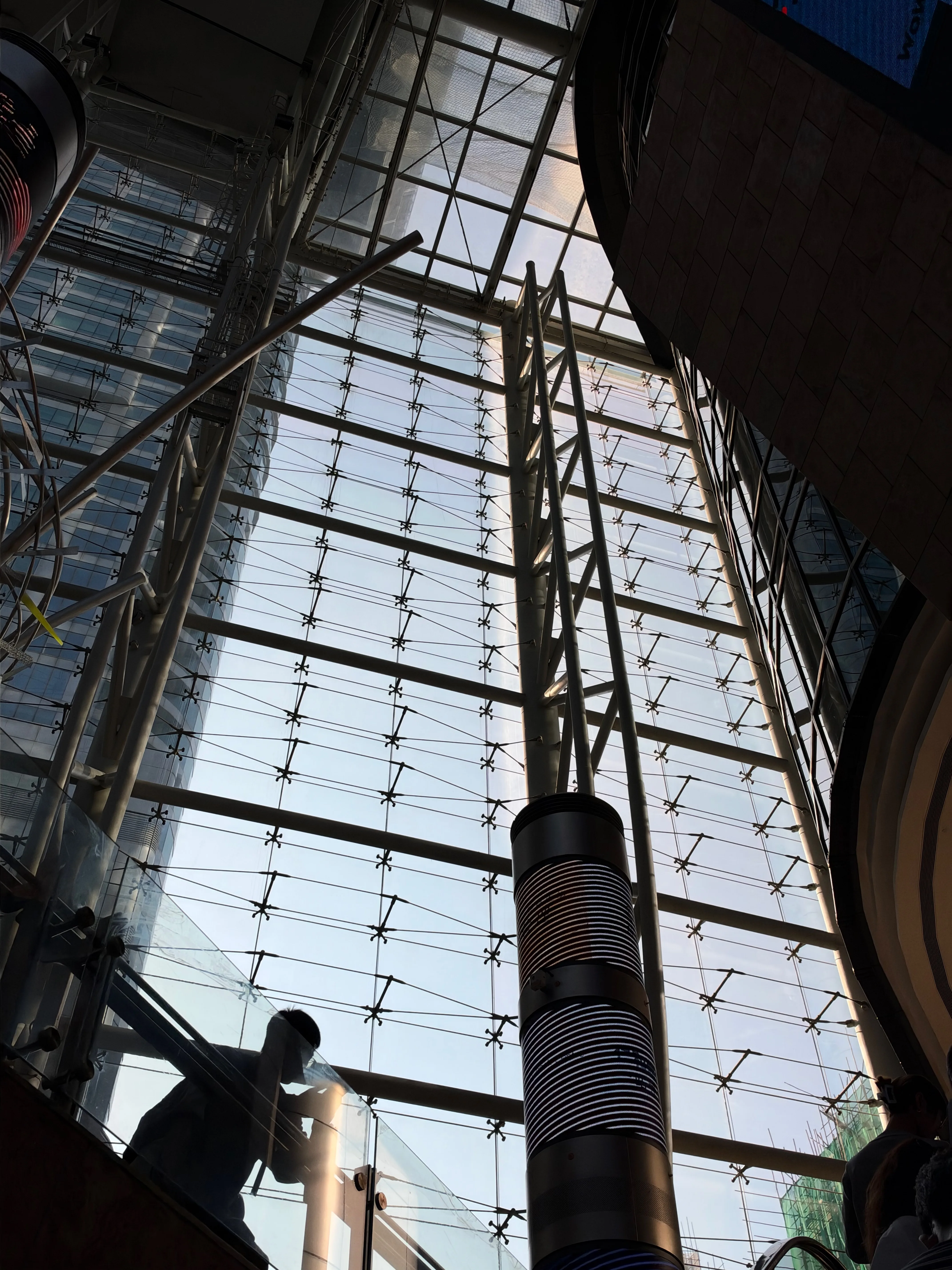
Image source: Leitech
Under most circumstances, the iPhone 18 Pro Max's sample photos perform as steadily as ever: brightness is not artificially boosted, nor is saturation exaggerated. The white on the wall remains pristine, and there is no color overflow on the red car body. Nowadays, many Android flagships tend to make the sky appear bluer and the leaves greener, which may be initially pleasing but becomes monotonous over time.
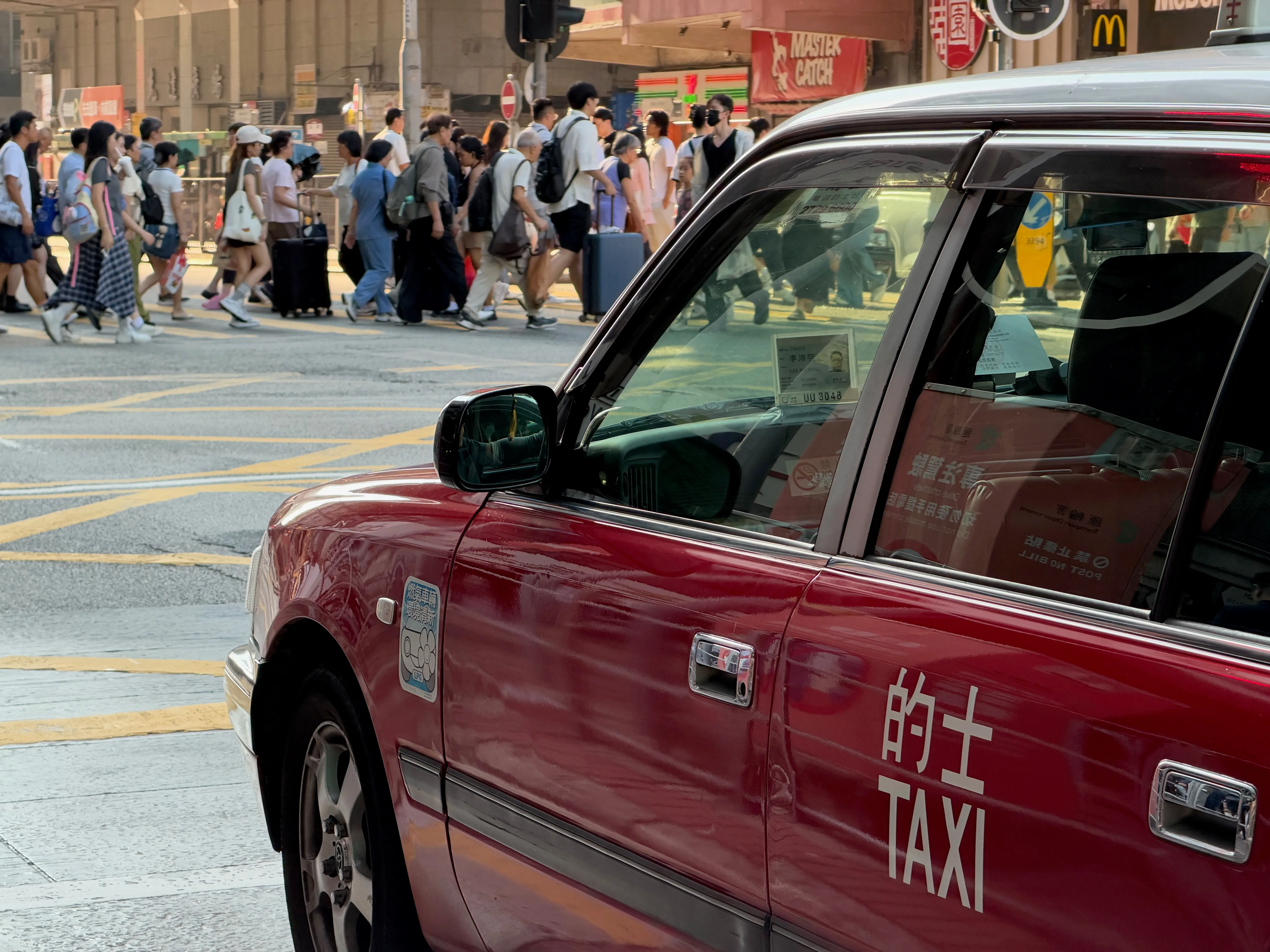
Image source: Leitech
One of the most reassuring aspects of iPhone cameras is their color consistency. Switching from the main camera to 4× and then to 8×, the overall tone of the image remains largely unchanged, with the gray of the wall and the yellow of the road seamlessly matching. There is no drastic color shift when changing focal lengths. For a long time, color control across multiple cameras has been one of the iPhone's most formidable strengths.
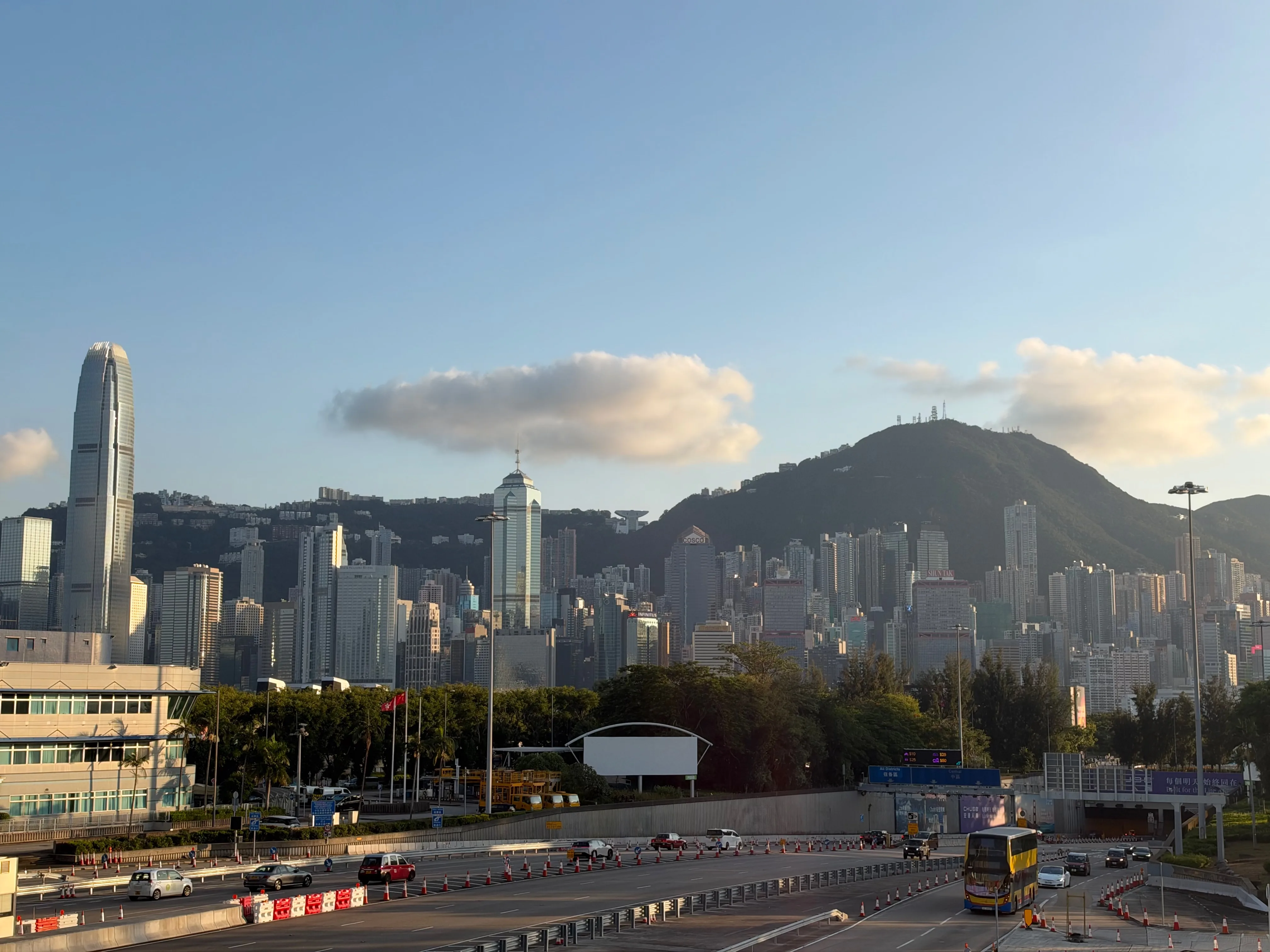
Image source: Leitech
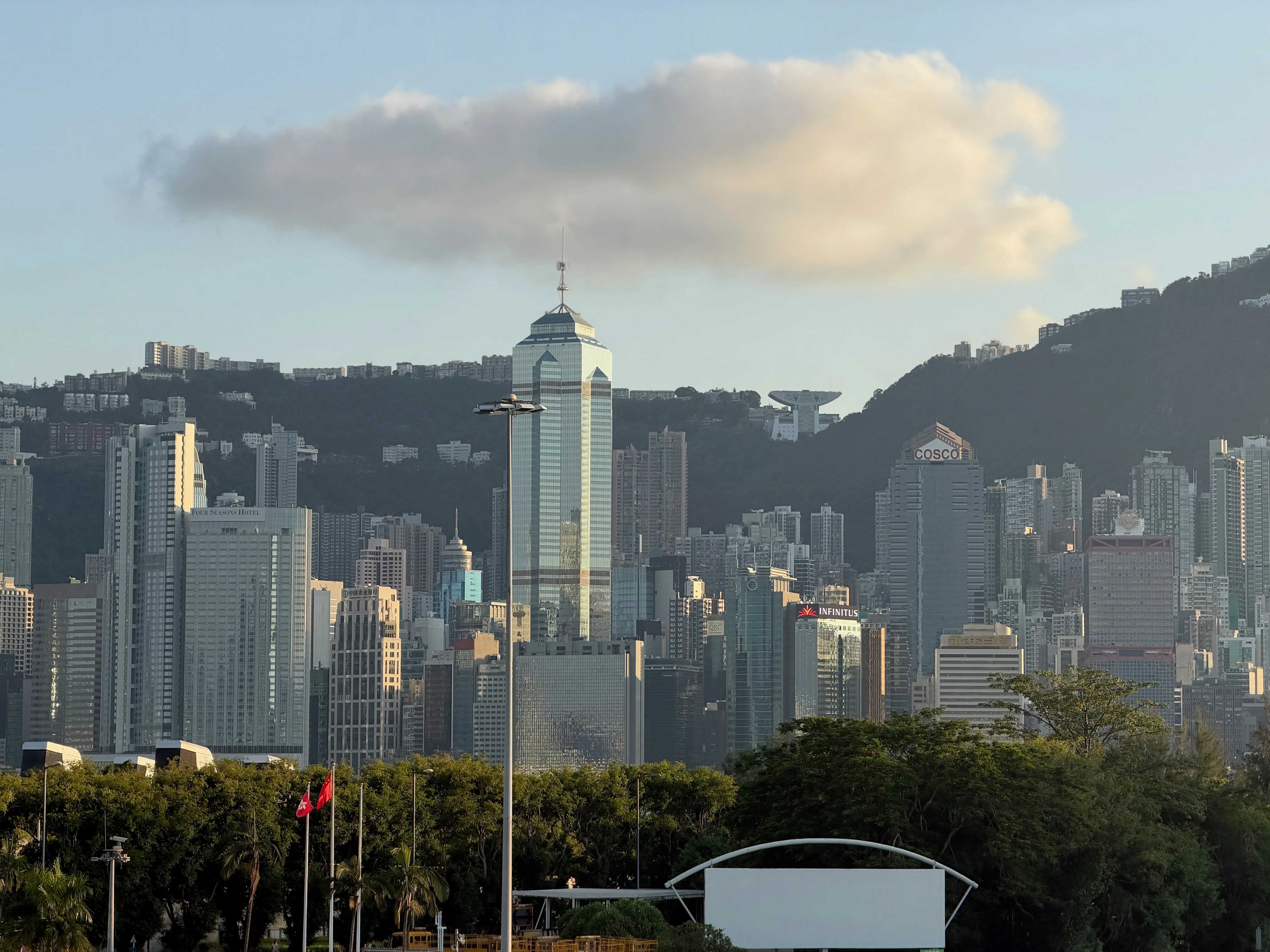
Image source: Leitech
The iPhone 18 Pro Max also excels in high-contrast scenes. Shooting from the lobby of the M+ museum towards the window, the black window frame and people are rendered as silhouettes, while the buildings and sky in Central retain their layers without overexposing the highlights to brighten the shadows. A small reflection on the IFC curtain wall is captured as a starburst. Switching to the main camera's 2× zoom and closing the aperture to f/4 for another shot, both the foreground and background remain clearly defined.
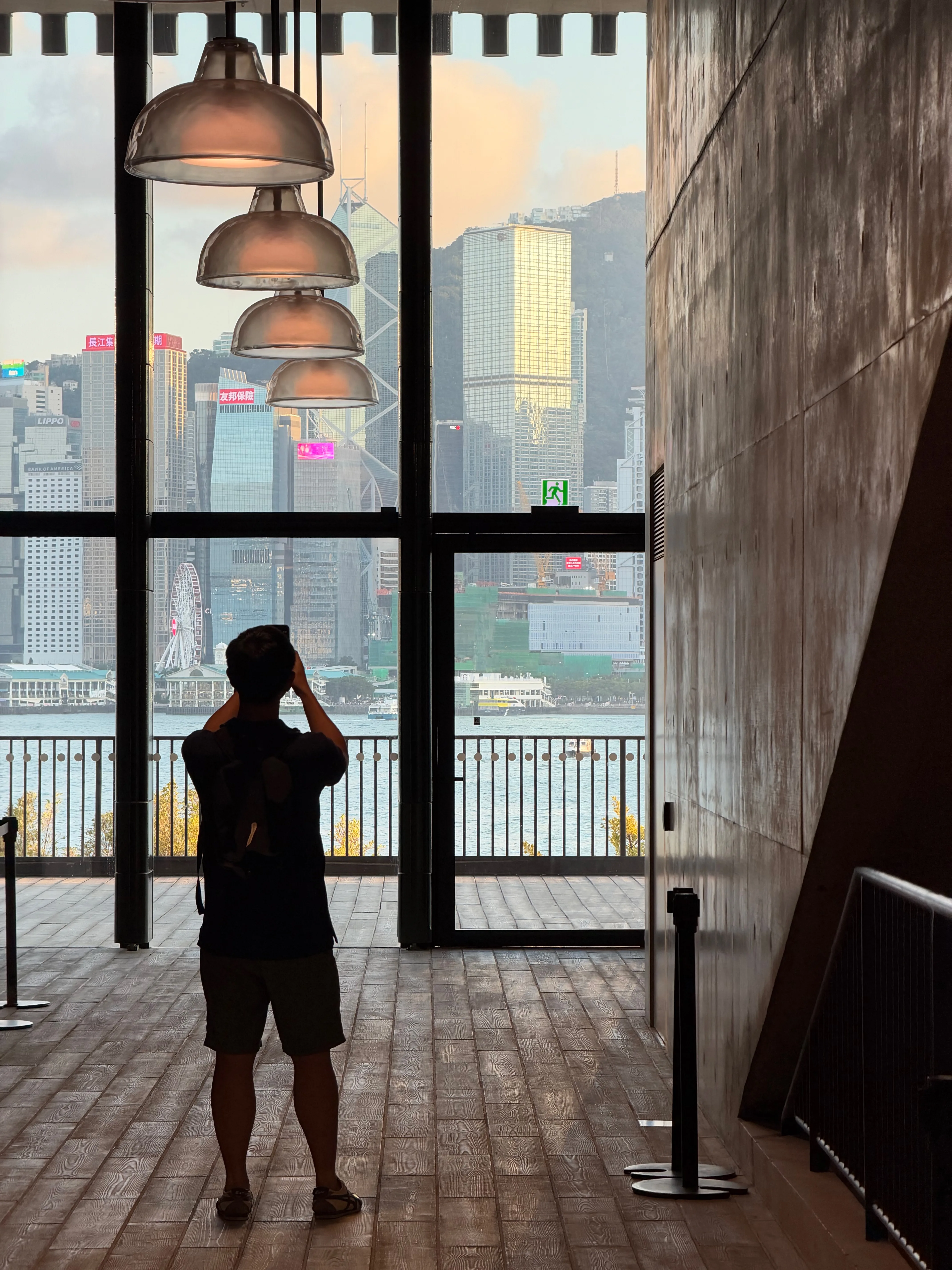
Image source: Leitech
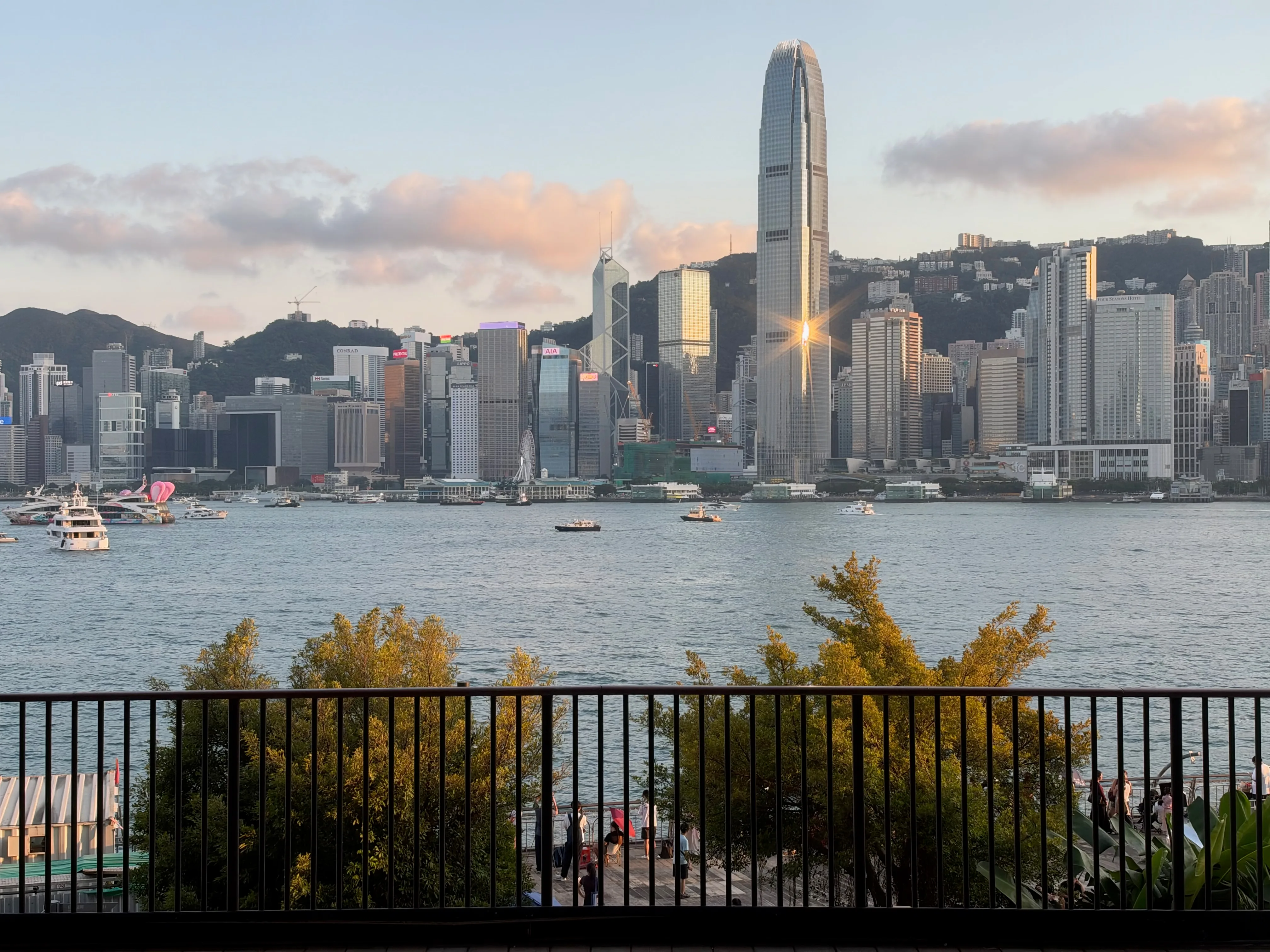 Image source: Leitech
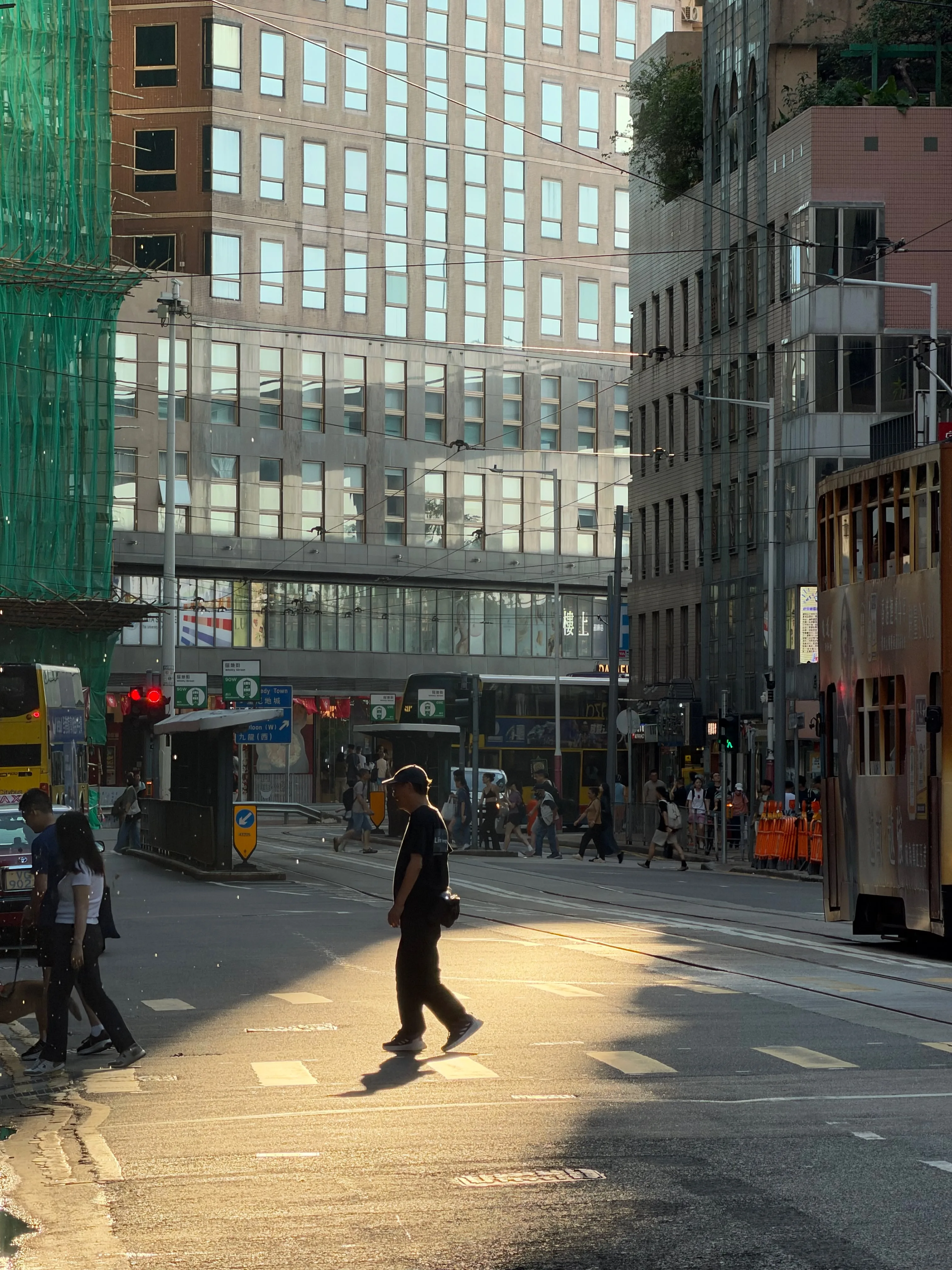
Image source: Leitech
Speaking of high contrast, Leitech also captured a 'classic view' of the exterior of M+, using a 'black and white contrast + film' style to filter out the variegated (distracting) colors of the ground bricks and walls. The diamond-shaped framework of the Bank of China Tower stands out clearly in gray tones; pedestrians and railings in the foreground are rendered as pure black silhouettes, with the dark areas achieving true black without losing detail.
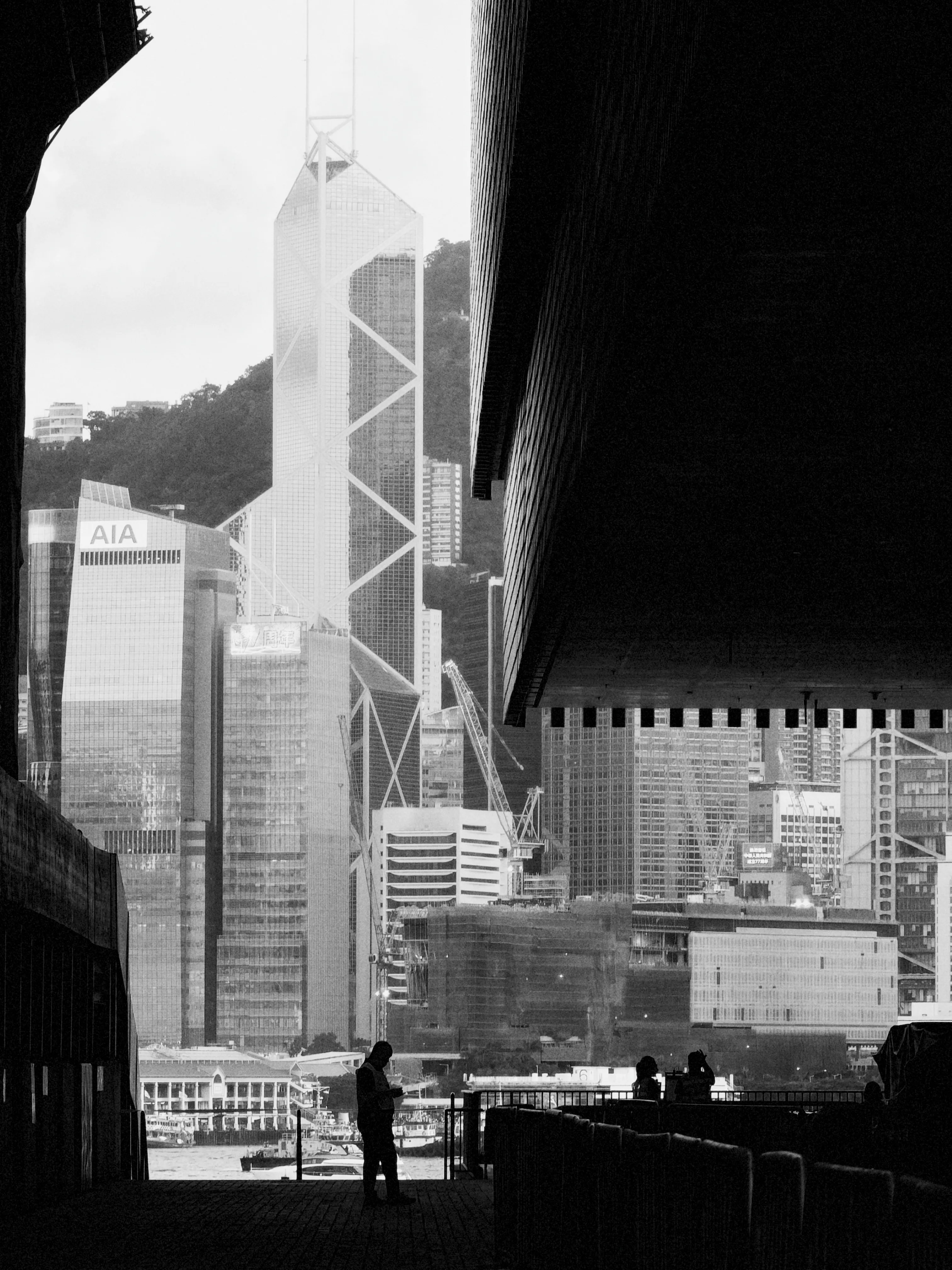
Image source: Leitech
Since we've mentioned camera styles, Leitech would like to add: in addition to the original photography styles, the iPhone 18 Pro now offers two new dimensions—texture and grain—with texture further divided into multiple sub-options. This set of black and white photos combines black and white tones with film grain.
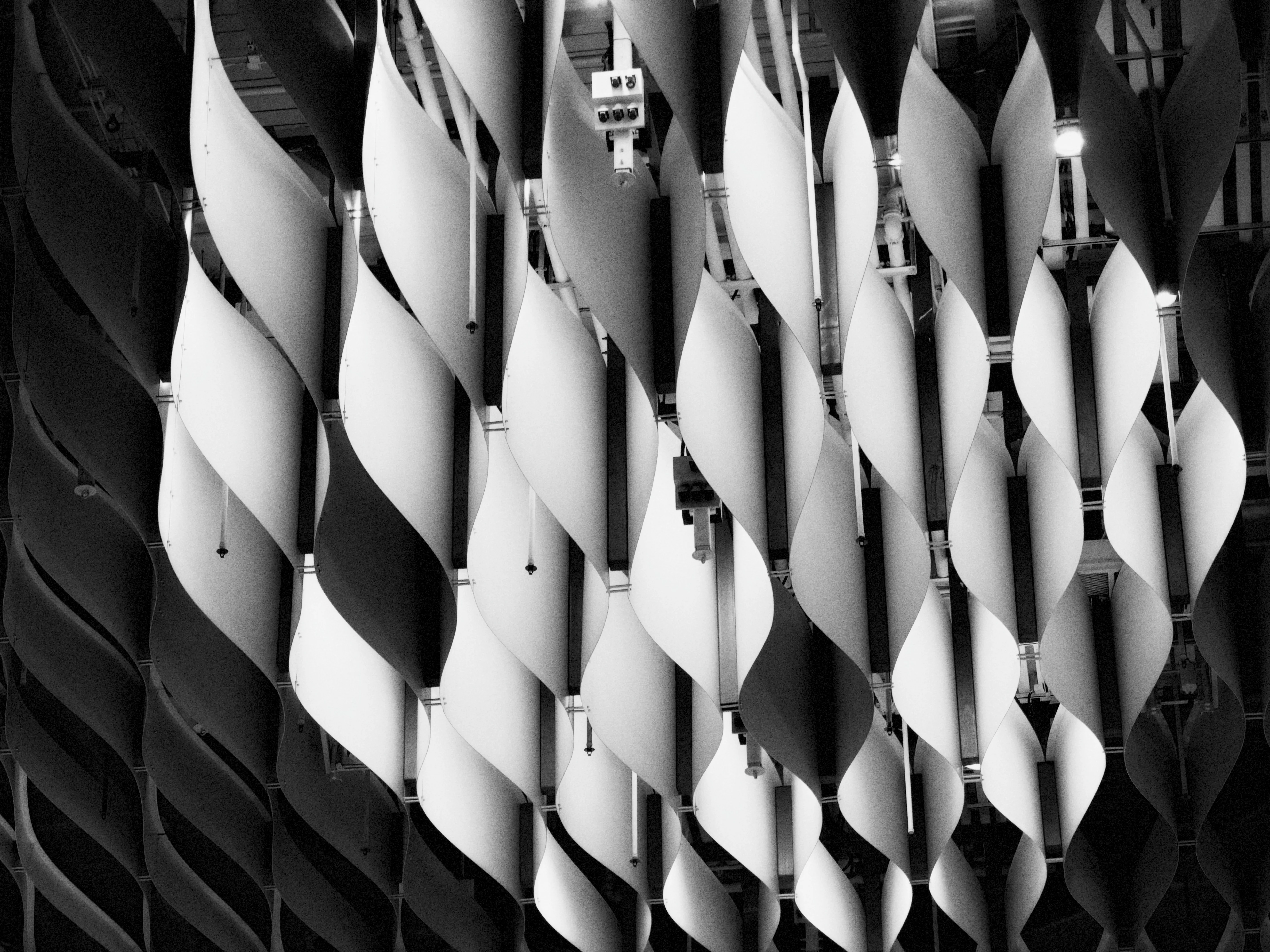
Image source: Leitech
However, in Leitech's view, although there are more camera styles available, the improvement in the upper limit of image quality is relatively limited. From the sample photos taken over the past few days, the daytime image quality improvement of the 18 Pro Max is not as noticeable as expected. Without zooming in for comparison, it may be difficult to distinguish which photos were taken with the 18 Pro Max and which with the 17 Pro Max.
Variable Aperture: Enabling Starbursts but Introducing Lens Flare Issues
After discussing the output quality, let's take a look at the biggest change in this generation—the main camera with variable aperture support.
During the National Day holiday, I typically manually adjusted the main camera's aperture in two scenarios: first, when shooting light sources, closing the aperture can render the reflections from streetlights and building facades into neat starbursts. This effect, based on real optics, is much more visually appealing than algorithmically generated starbursts.
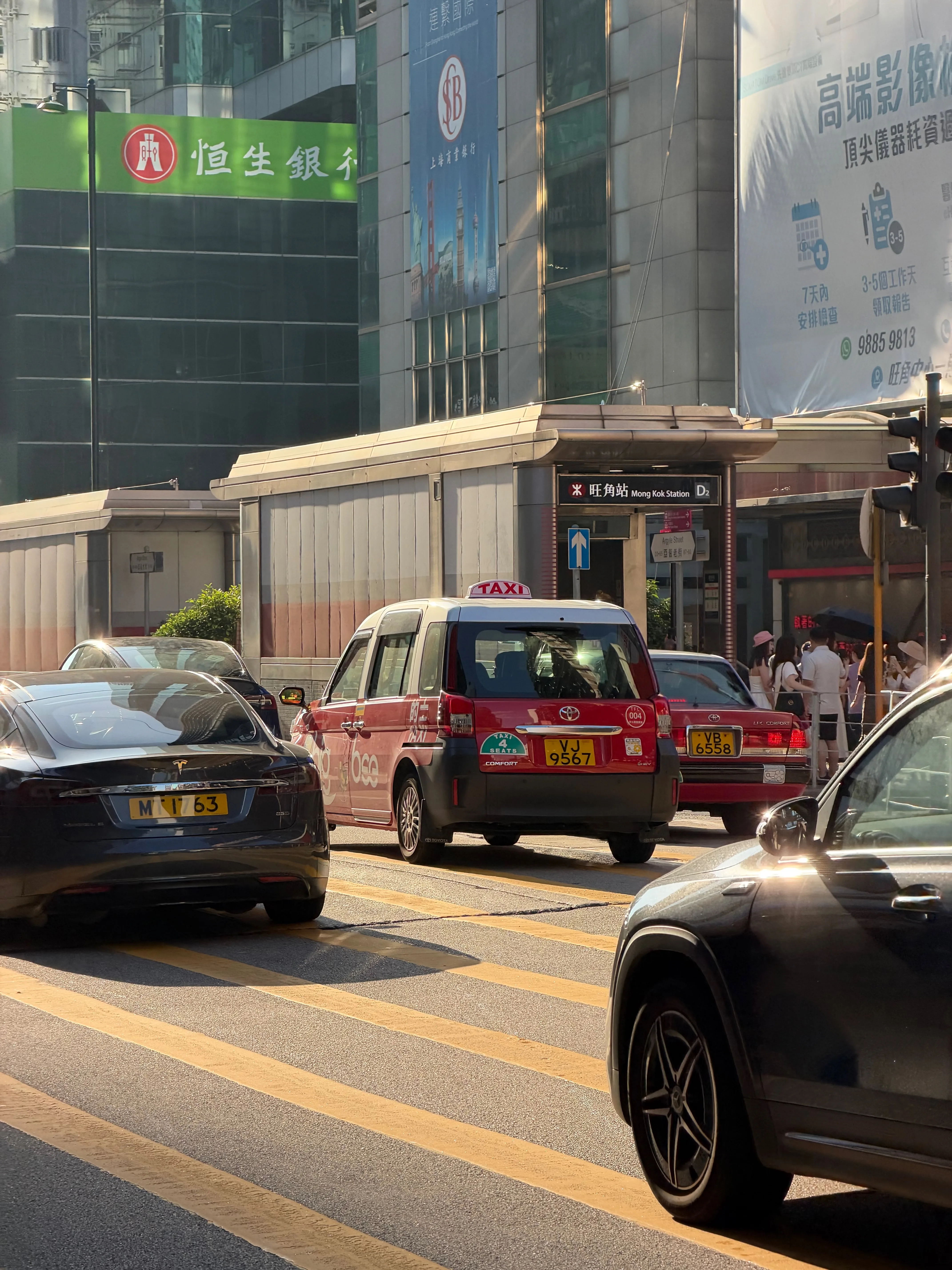
Image source: Leitech
However, the drawback of a large aperture is equally prominent—the iPhone 18 Pro Max suffers from significant lens flare issues. In fact, Leitech mentioned this problem in the initial review but could not determine at the time how much the variable aperture contributed to it.
This time, I specifically tried closing the aperture to its minimum before taking a shot. The following photo was taken at f/4 with the aperture fully closed, yet green flares and colorful halos still covered nearly half of the frame.
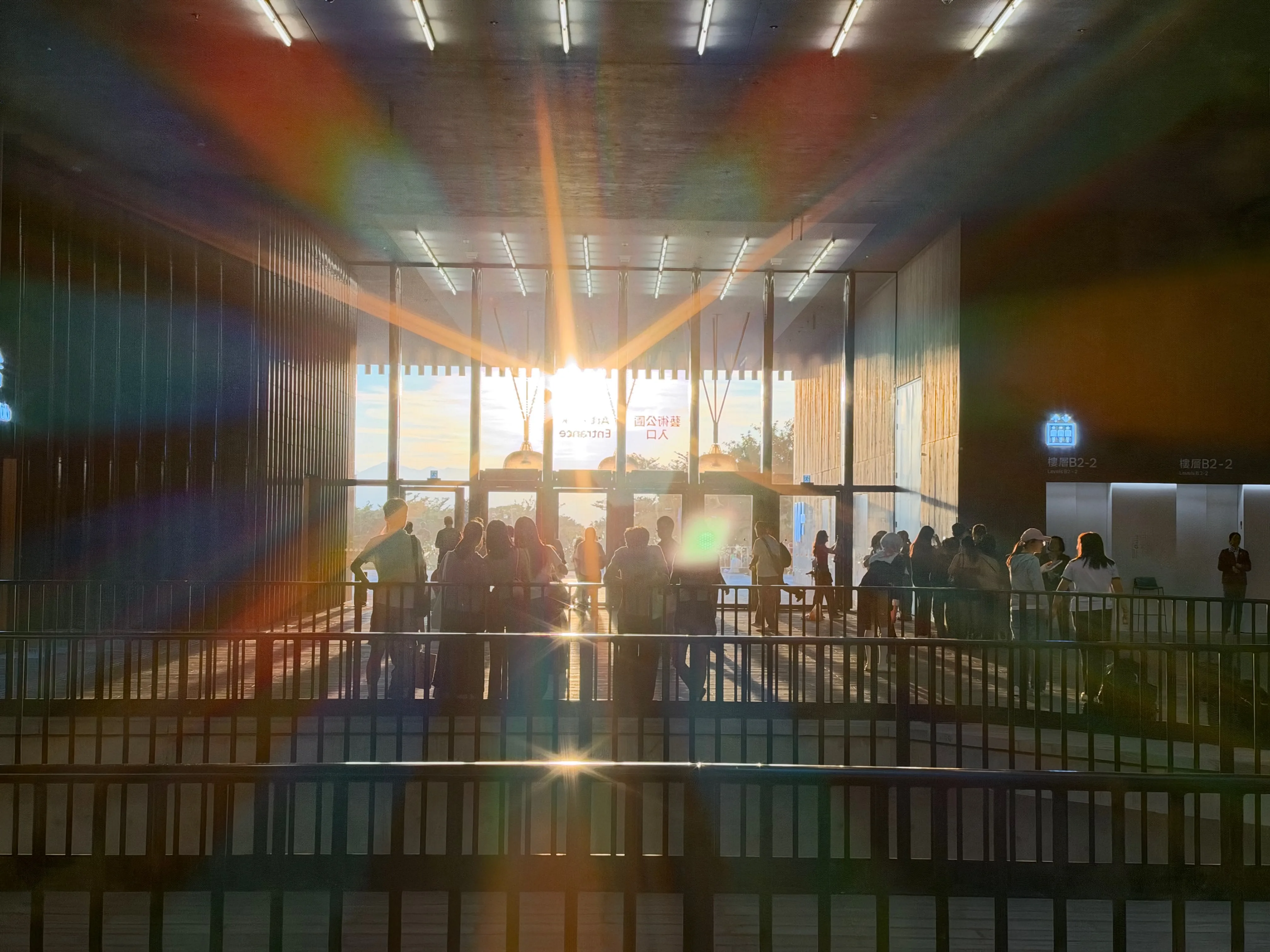
Image source: Leitech
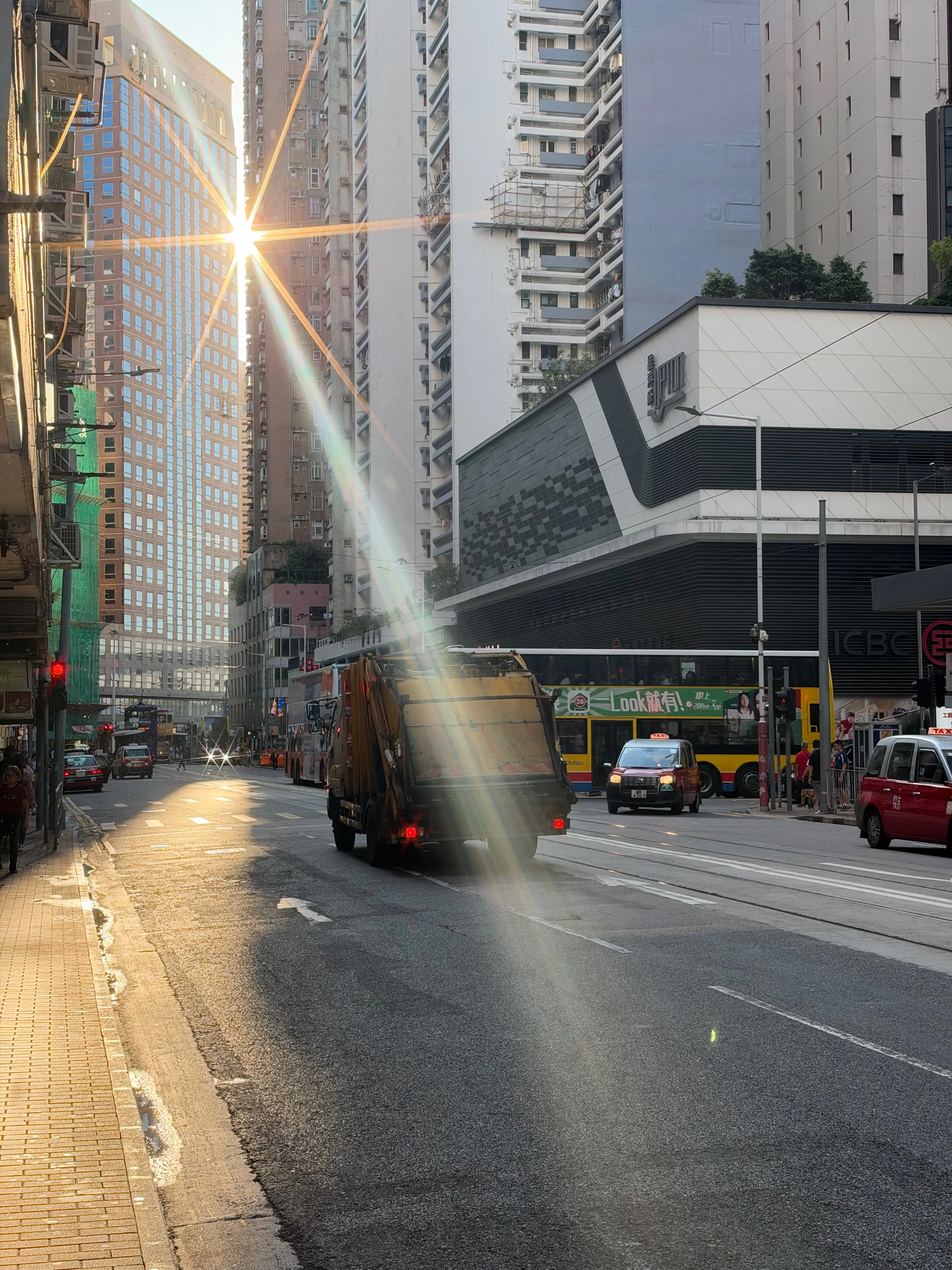
Image source: Leitech
In other words, the lens flare issue on the iPhone 18 Pro Max has reached a point where it seems almost unfixable.
As for the ghosting problem that has plagued iPhones for the past few years, my subjective impression is that it has weakened significantly compared to before, and it is less likely to occur when shooting lights directly at night.
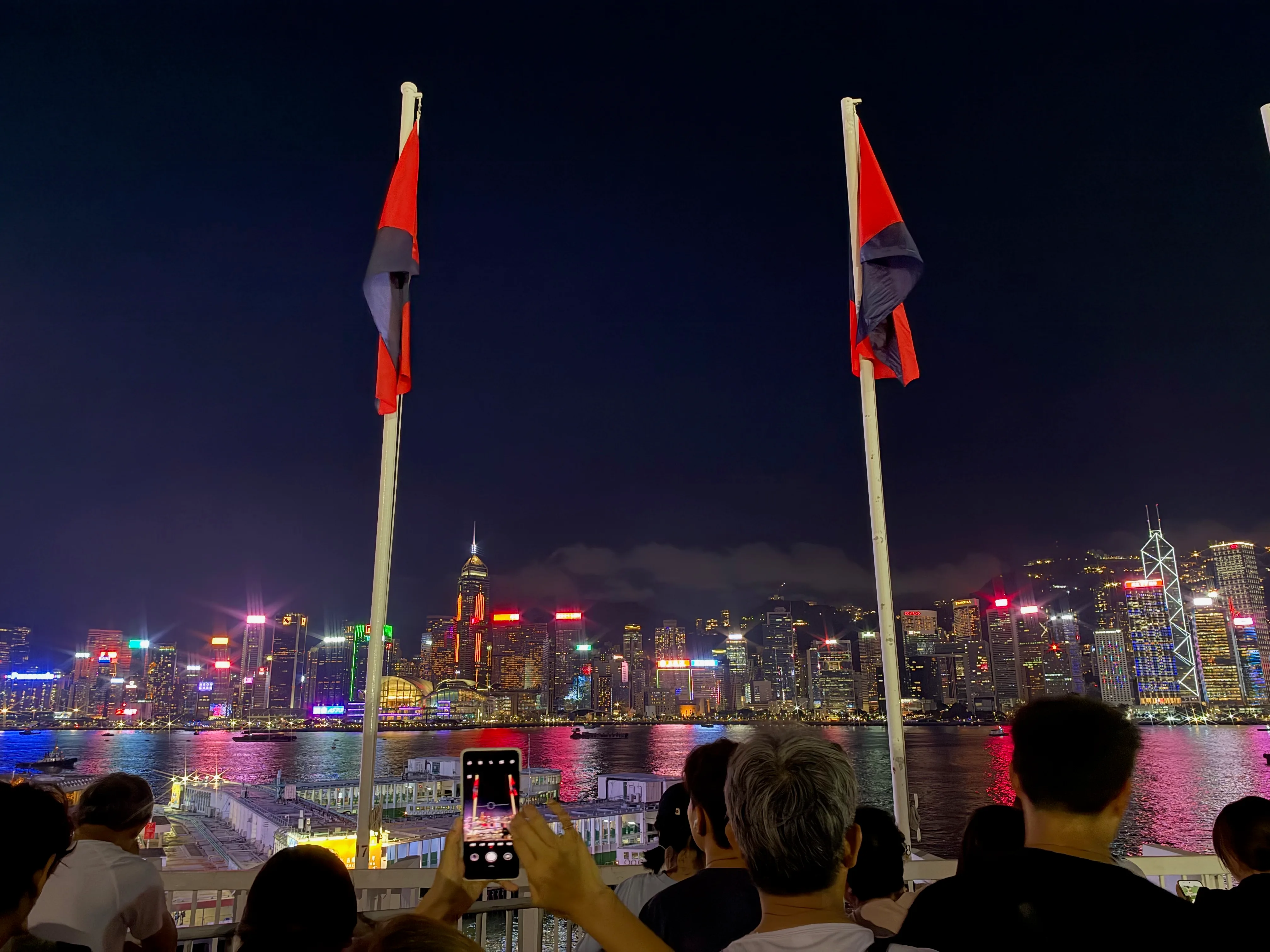
Image source: Leitech
Improved Night Scene Purity: The Biggest Surprise
During my time with the iPhone 18 Pro Max over the National Day holiday, Leitech also took the phone to Hong Kong to watch the annual 'National Day Fireworks Display.' Compared to the variable aperture technology, which has both pronounced strengths and weaknesses, Leitech believes that the improved night scene purity of the iPhone 18 Pro Max is what surprised me the most.
Whether shooting with the 2× or 4× camera, even at the moment when the fireworks explode, the gaps between the light spots remain clearly visible, no longer blending into a blurry mass of light as before. The background also avoids the smudging and 'dirty' feel caused by artificially boosting the ISO, resulting in a level of cleanliness that far surpasses the iPhone's usual performance.
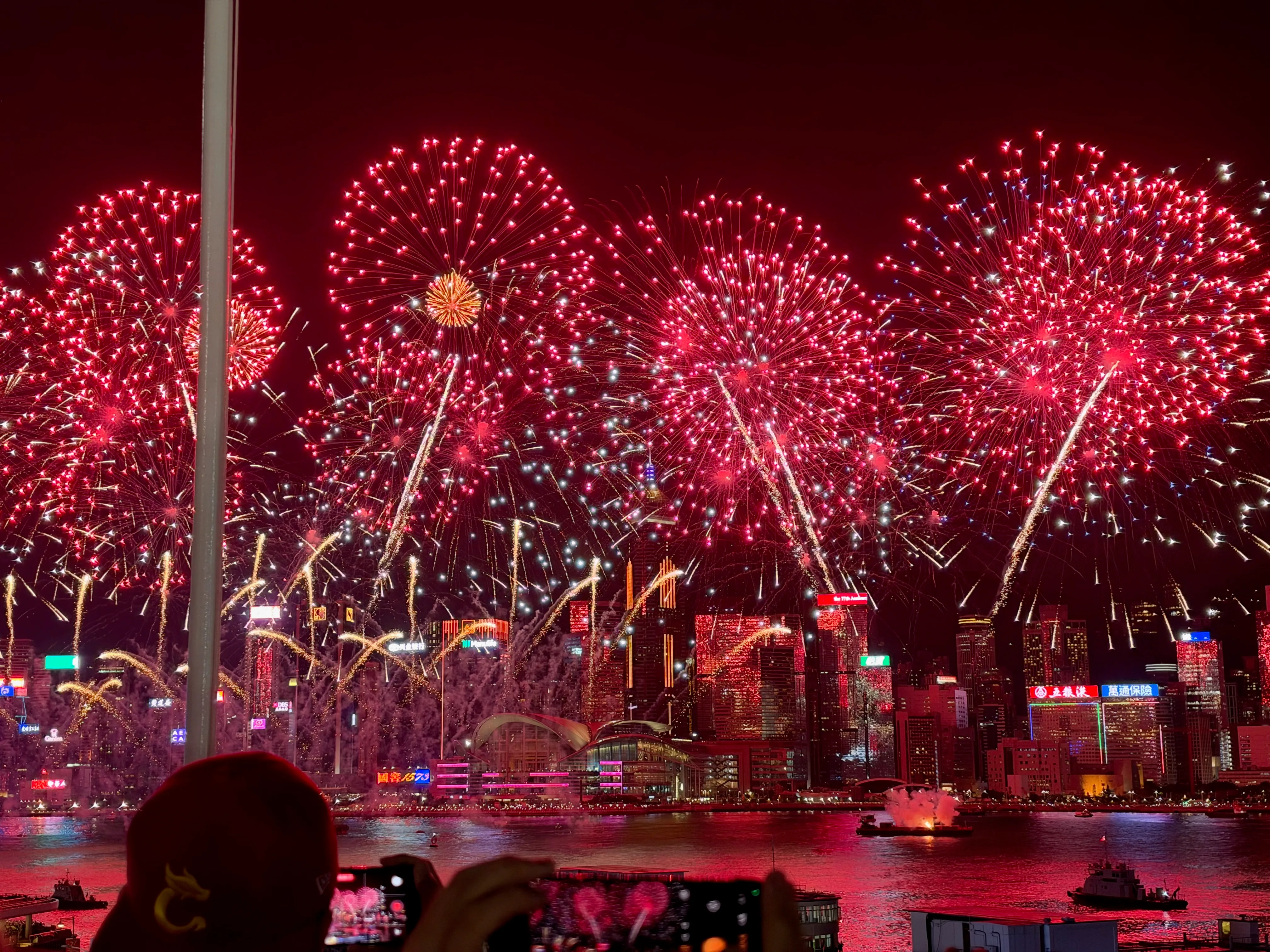
Image source: Leitech
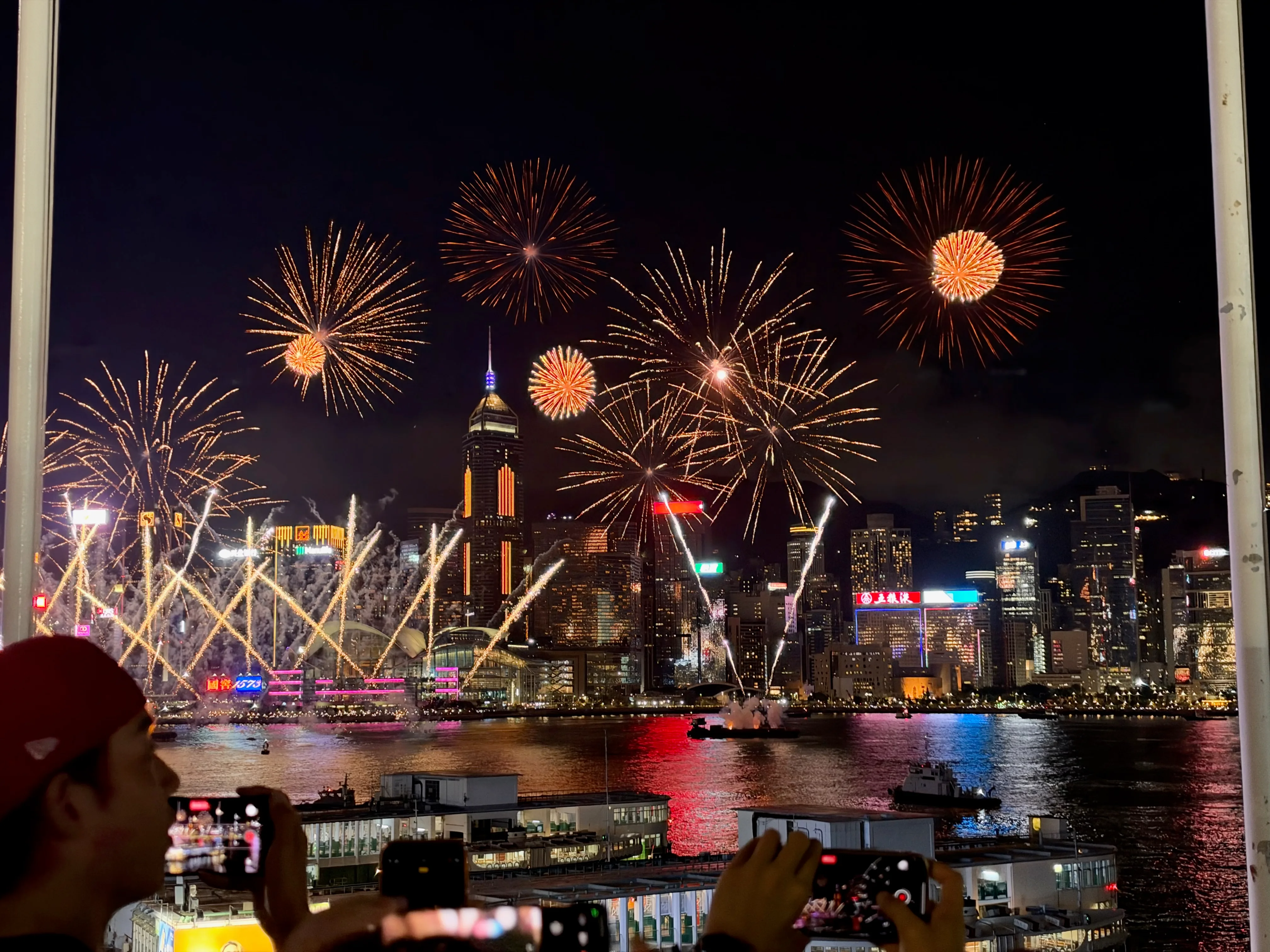
Image source: Leitech
The telephoto performance is also quite good. Switching to 4× and shooting towards Central, the outlines of the buildings and the branches of the fireworks remain intact. In the past, telephoto sample photos taken with an iPhone under such conditions would have been basically unusable.
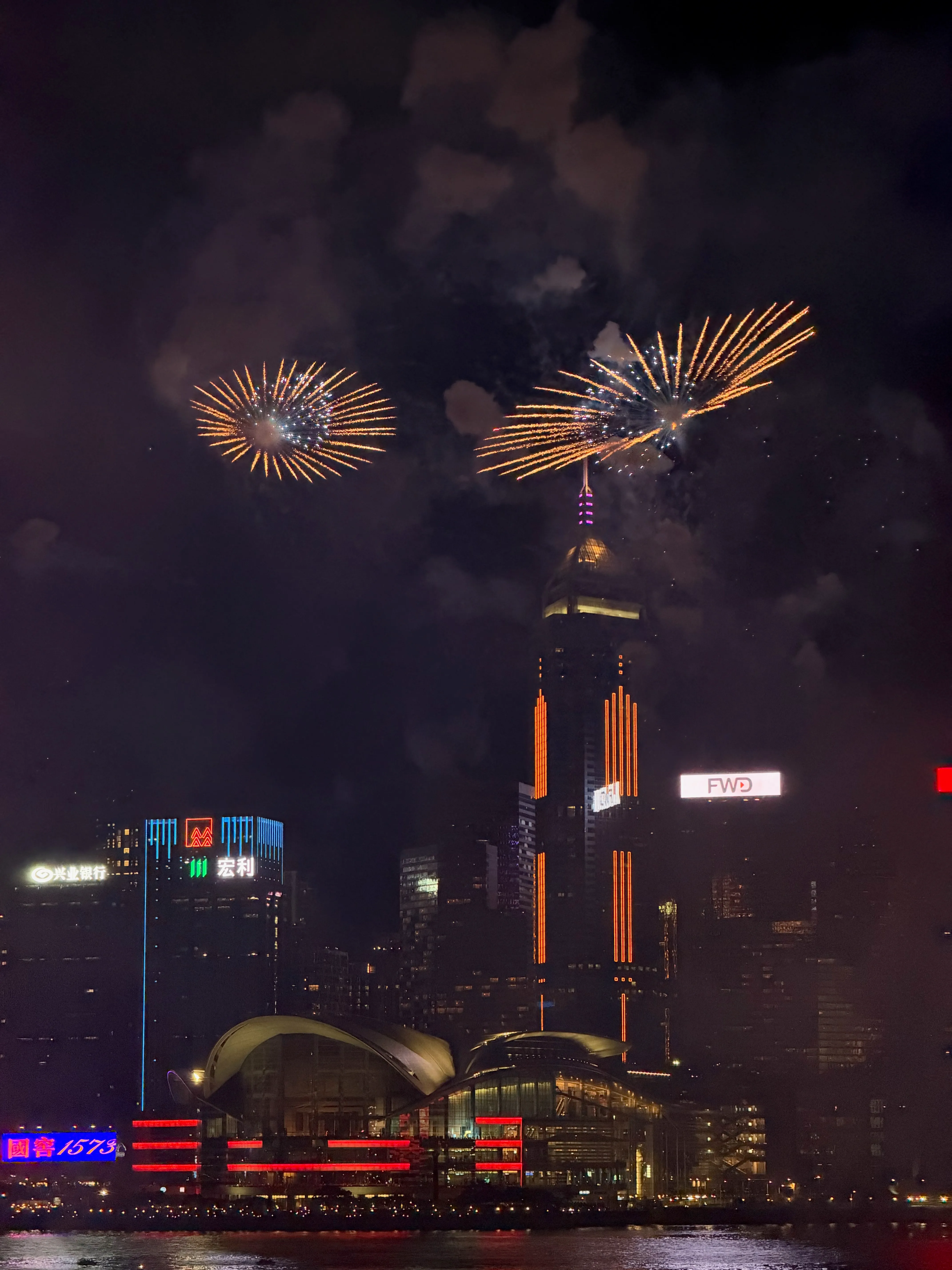
Image source: Leitech
Some may argue that these sample photos still have a 'dirty' feel, but Leitech must clarify that the 'dirtiness' in the images comes from the smoke after the fireworks explode, not from the phone's image processing. By comparing the distant view of the buildings after the fireworks display ends, we can see the difference between the two.
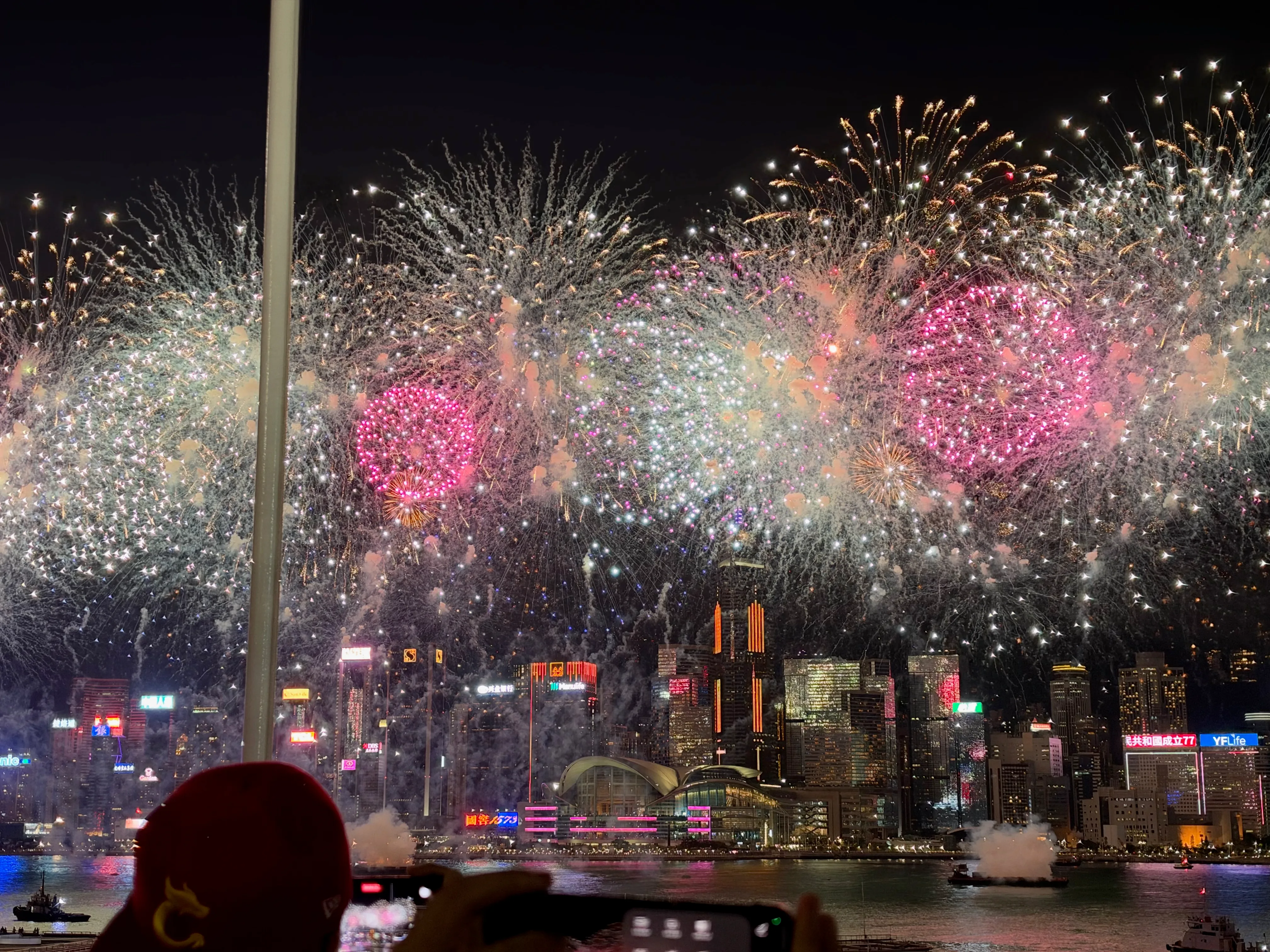
Image source: Leitech
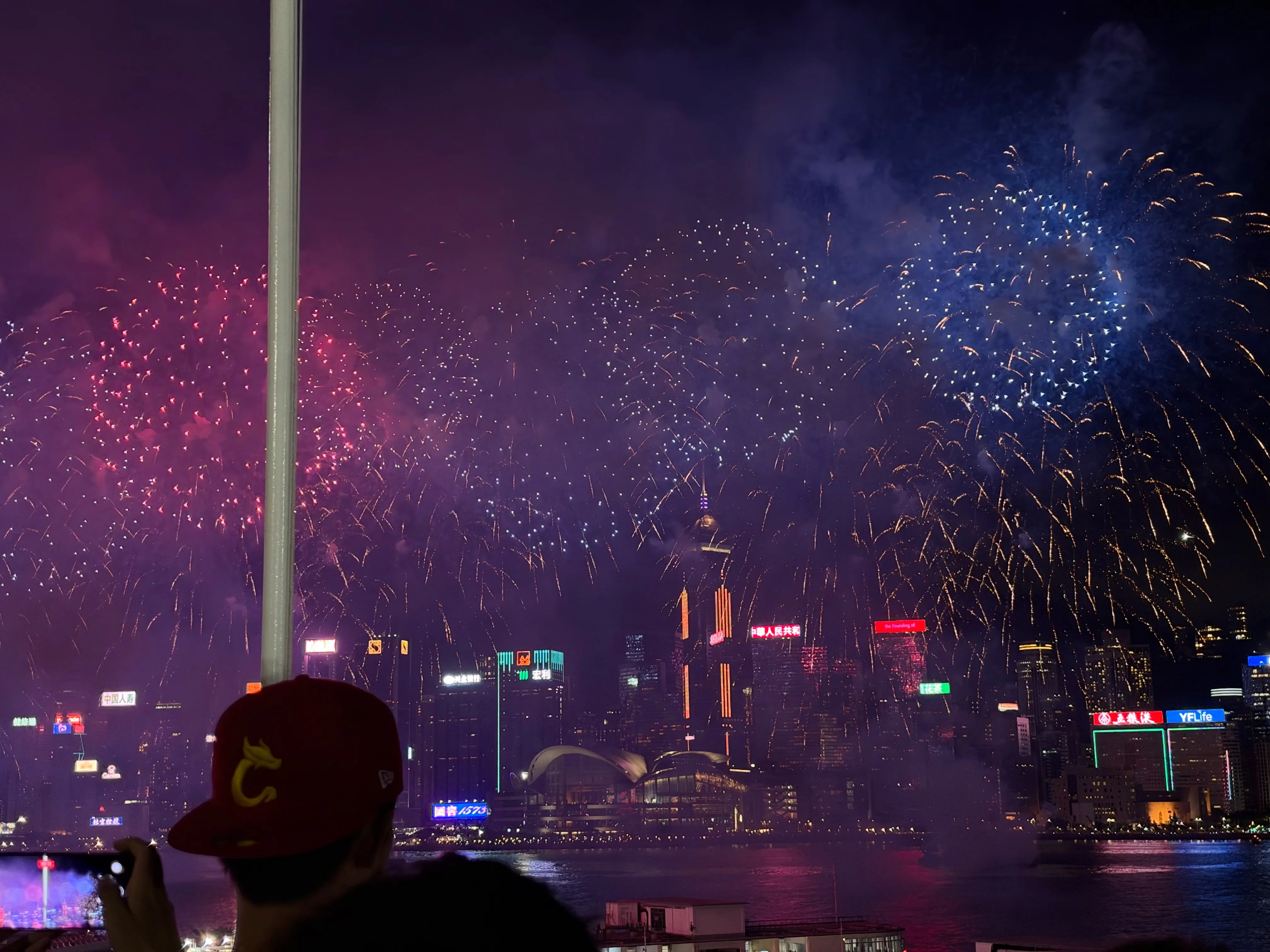
Image source: Leitech
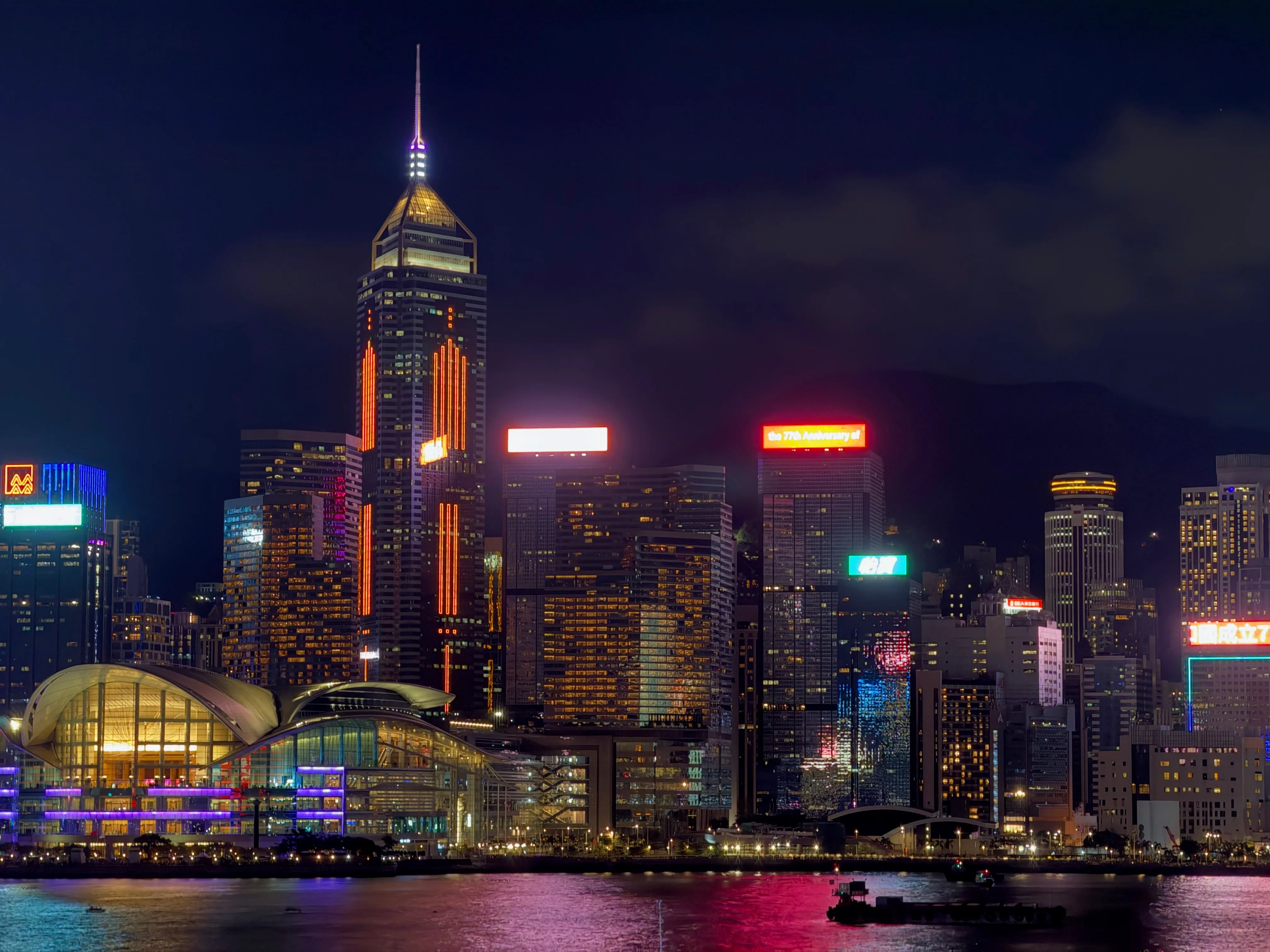
Image source: Leitech
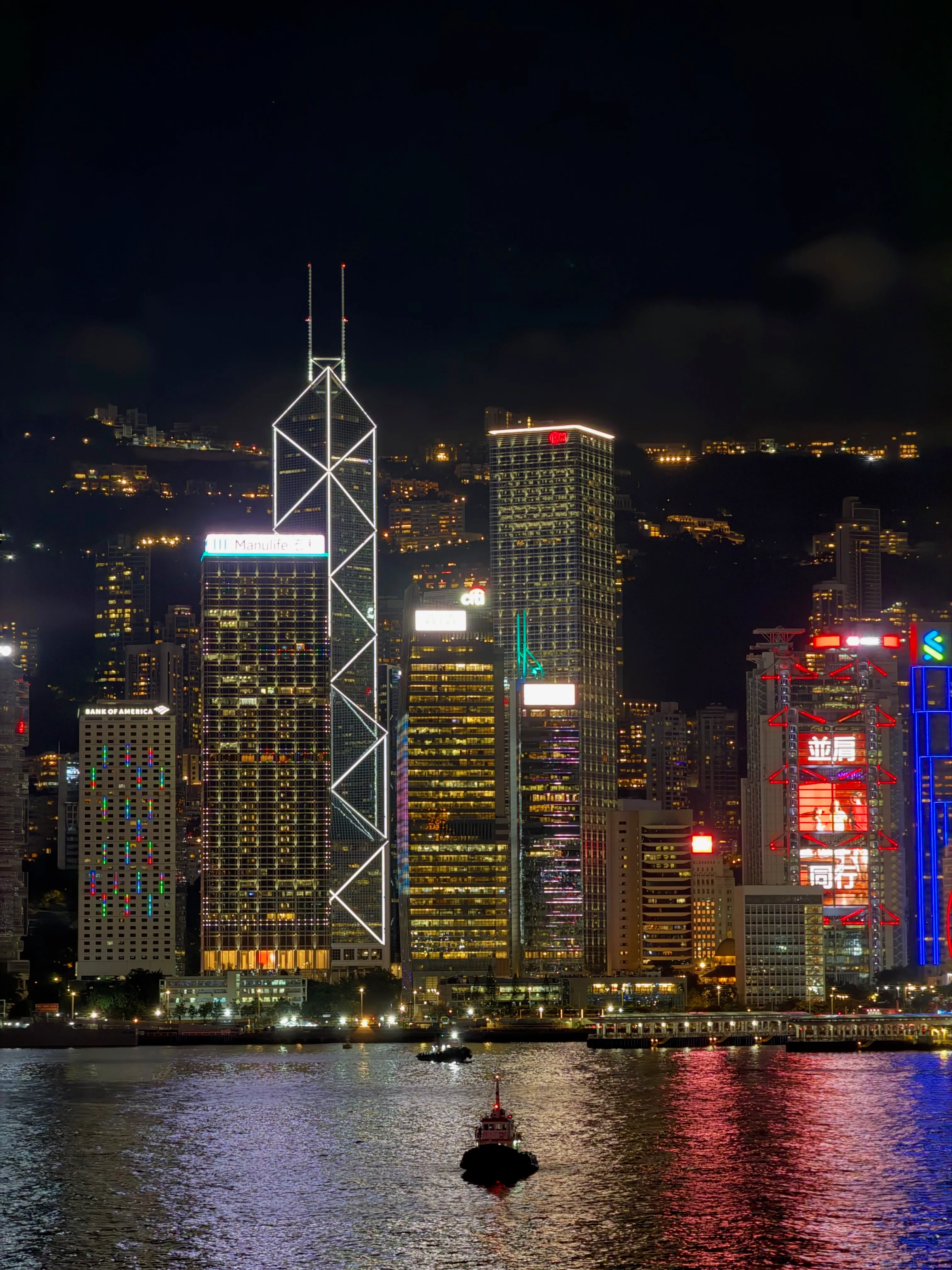
Image source: Leitech
However, having said that, while the night scene improvement of the iPhone 18 Pro Max is evident, its weakness is also exposed in 'must-capture' Live Photo scenarios like fireworks: compared to domestic flagship phones, the iPhone's Live Photos are still too blurry.
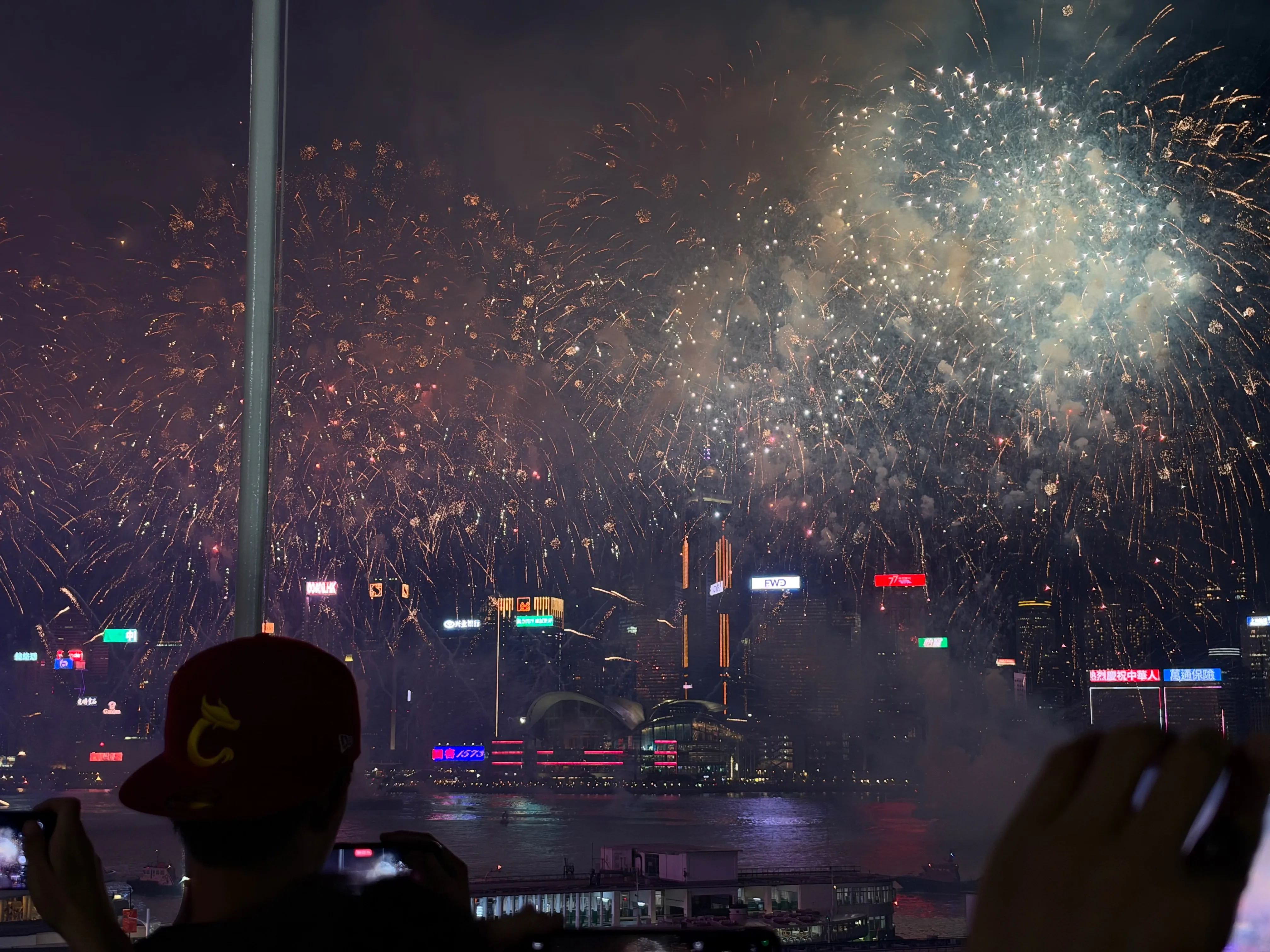
Live Photo cover frame
Image source: Leitech
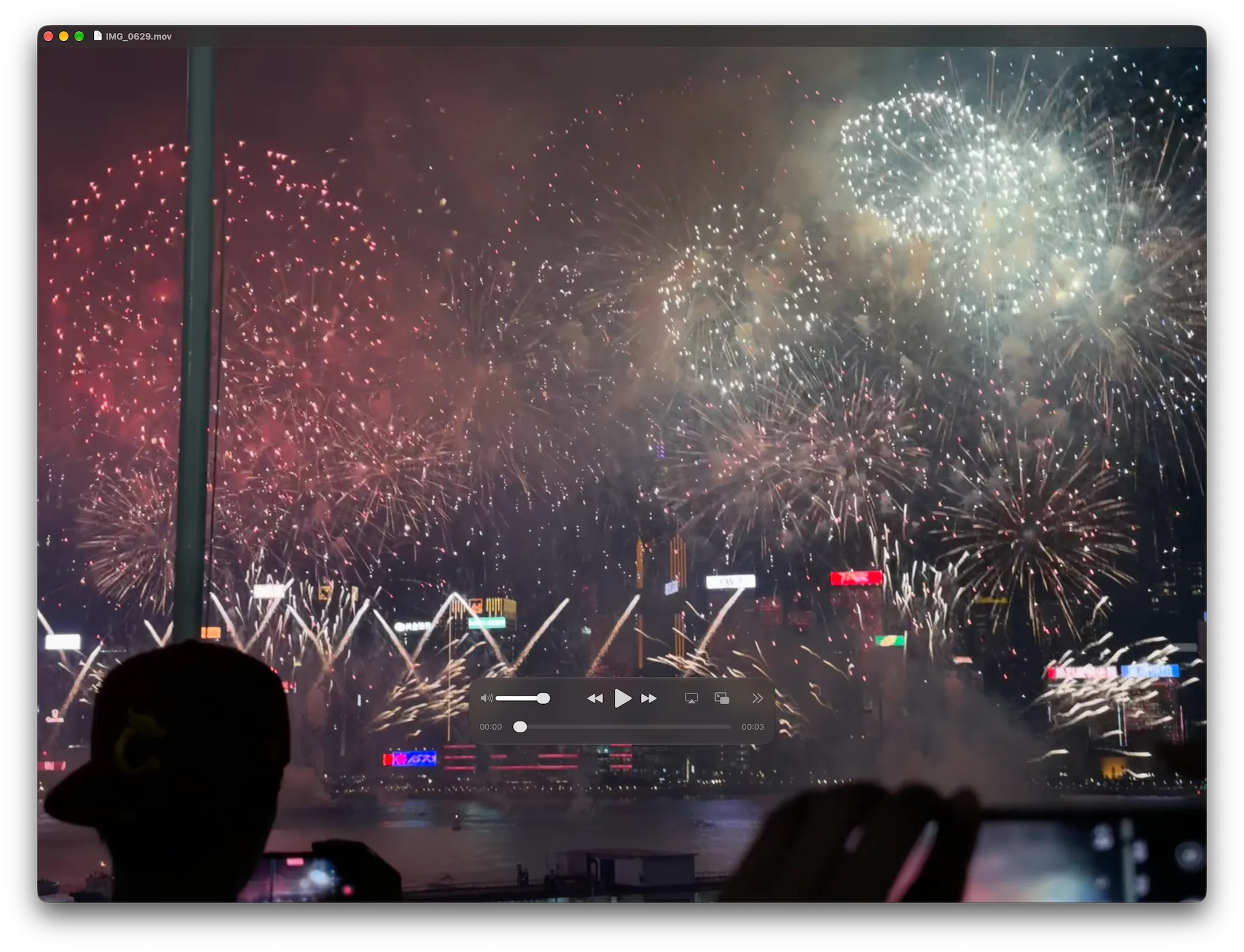
Live Photo non-cover frame
Image source: Leitech
Can the iPhone Finally Shoot Concerts?
If the iPhone 18 Pro Max has successfully 'challenged itself' in low-light environments, how does it perform in a scenario that has traditionally been a stronghold for domestic phones—shooting concerts? With this question in mind, Leitech took the iPhone 18 Pro Max to a Hans Zimmer concert.
Compared to the uniformly low-light environment of the Victoria Harbour night scene, the lighting at the concert was even less ideal. However, some photos taken with the 8× telephoto lens still exhibited decent resolution, with smudging kept within a reasonable range.
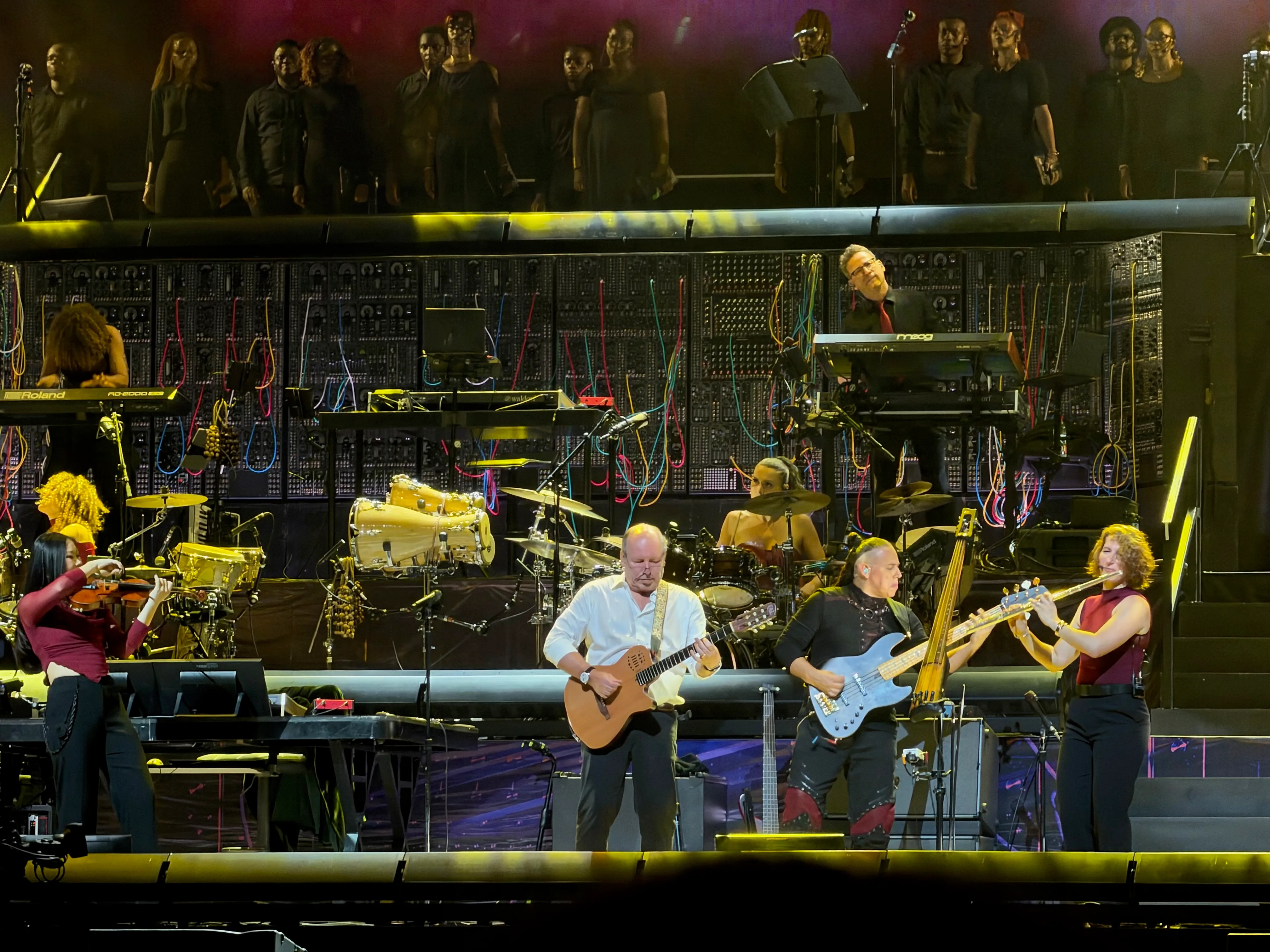
Image source: Leitech
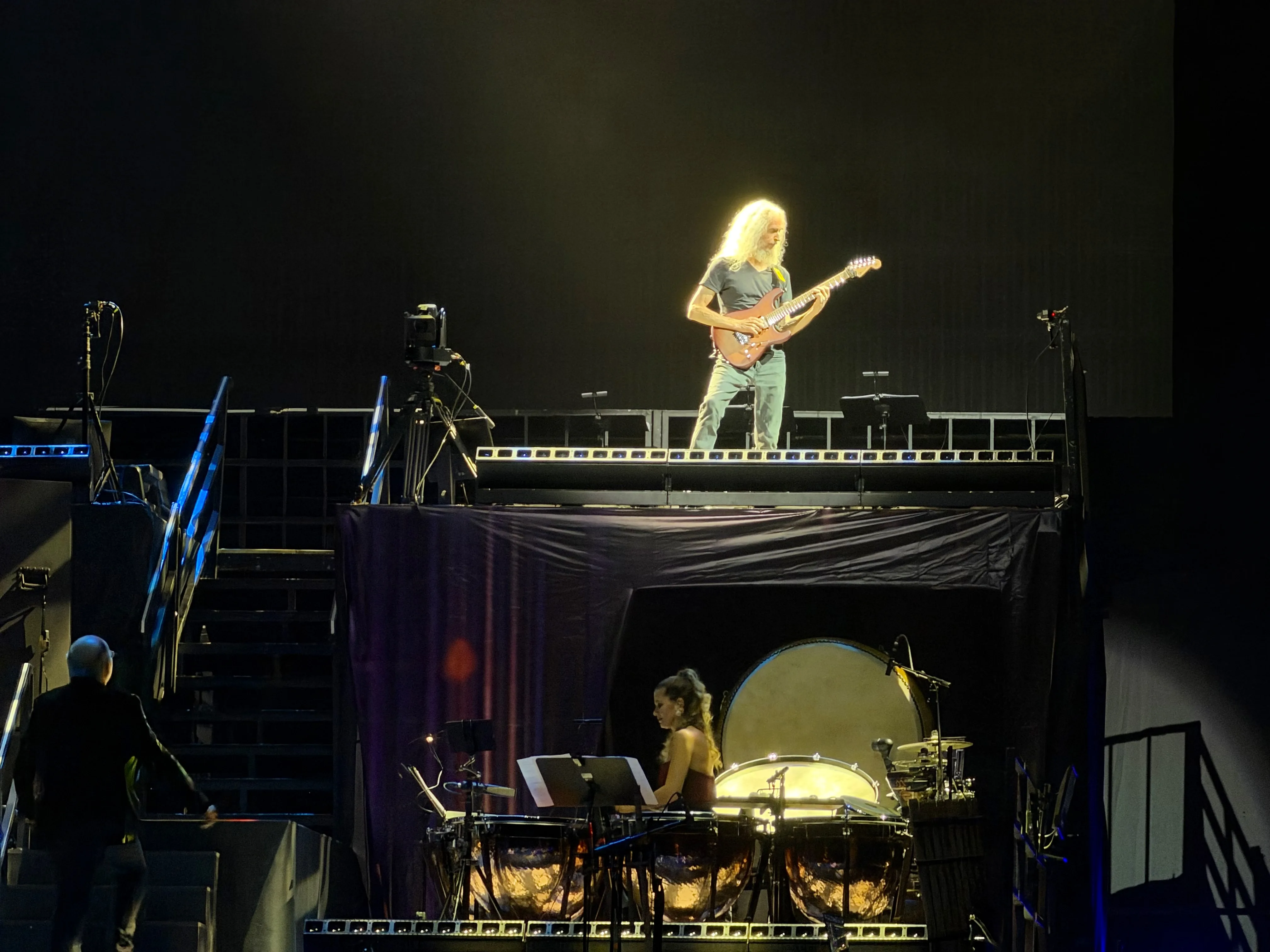
Image source: Leitech
Shooting at 4× or 2× will result in a cleaner image, with minimal flare occurring.
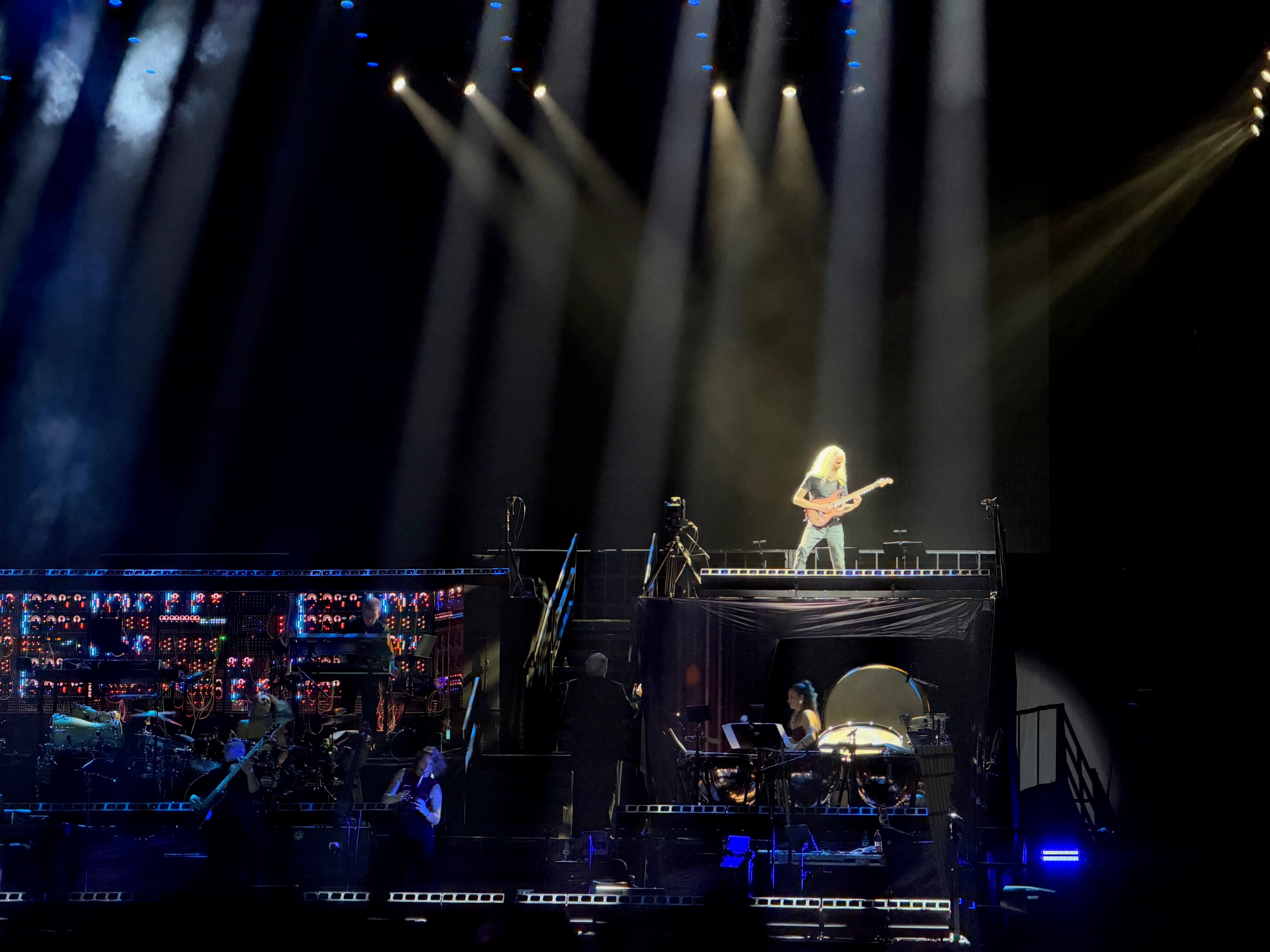
Image source: LeitechDue to these factors, Leitech holds the view that the imaging enhancements in the 18 Pro series carry significantly more "symbolic weight" than they do tangible improvement. Reflecting on Apple's recent camera innovations, we can observe a clear pattern: whenever a challenge could be tackled through algorithmic solutions or incorporated as a system-level function, Apple has consistently demonstrated swift and resolute action. Conversely, when it comes to pure hardware specifications, the company has largely refrained from engaging in the competitive fray.
However, with the introduction of the iPhone 18 Pro Max, Apple has finally embarked on a path of addressing issues through hardware-based solutions.
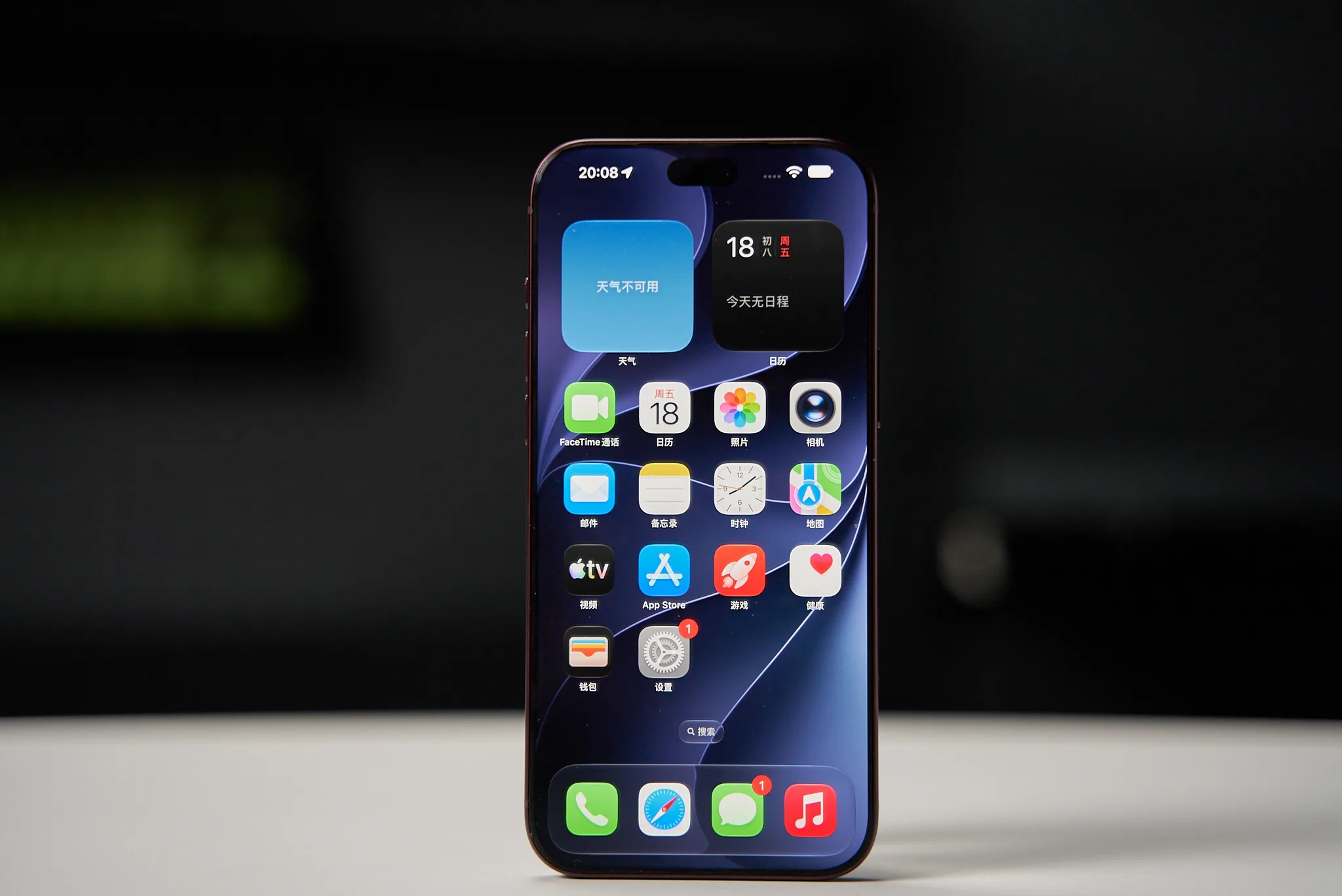
Image source: Leitech
Thus, from Leitech's perspective, this year's iPhone 18 Pro series signifies more of a breakthrough in Apple's own technological approach, albeit with limited impact and results that have not fully met expectations. Nevertheless, in 2026, Apple has at last taken a significant stride forward in its camera technology. Whether this step can genuinely reverse Apple's historically conservative technological trajectory, characterized by "following in others' footsteps," will become evident at next year's product launch.
Source: Leitech
The images featured in this article are sourced from the 123RF royalty-free image library. Source: Leitech
-
![]()
Holiday Sales of Communication Devices Soar by 119.8%: Is It Volume or Pricing Driving Growth?
-
![]()
OpenAI Annual Revenue Disappoints, AI Sector Tumbles, Nvidia’s Market Value Plunges $168.4 Billion Overnight
-
Can an AI Smartphone That 'Automates Tasks' Go Too Far?
-
![]()
4G Intelligent Lighting Module Selection, Deployment, and Common Issues
-
![]()
Must Adapt to iPhone Duo! Apple’s Mandate Puts Pressure on Small and Medium-Sized Developers
-
![]()
Laying Off 30% of Staff and Reverting to Fuel-Powered Vehicles: Decoding Porsche's '2035 Mid-term Strategy'
-
![]()
Why Do Flagship Smartphones Exhibit Reduced Stability Despite Achieving Higher Benchmark Scores?
-
![]()
Despite Rising Benchmark Scores, Why Are Flagship Smartphones Becoming Less Stable?