Honor RobotPhone Review: Half Movie Camera, Half Robot
 08/24 2026
 368
368
Honor has installed a 'brain' in a smartphone.
After a long period of silence, the smartphone market has finally welcomed a new contender—the Honor Robot Phone (Honor RP for short).
Most readers are probably already somewhat familiar with this phone. It made an appearance at CES and MWC earlier in the year, but at the time, I couldn't get my hands on it for a hands-on experience—I could only watch as staff members operated this 'new species' of device. Not long ago, the phone was officially released, and its pricing was announced. Leitech got an early look at the phone and has been using it extensively for some time. Now, let’s dive into what this so-called robot phone is actually like to use.
Let’s start with its most controversial feature: its design.
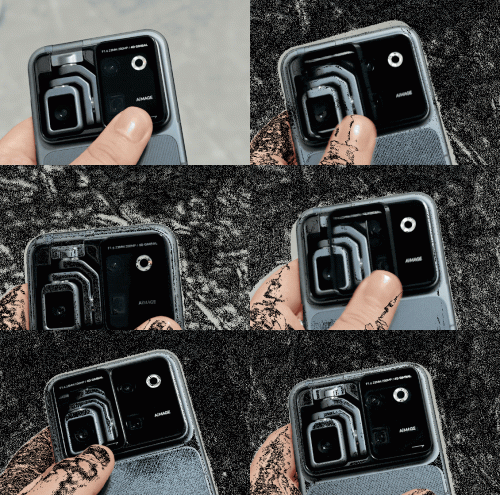
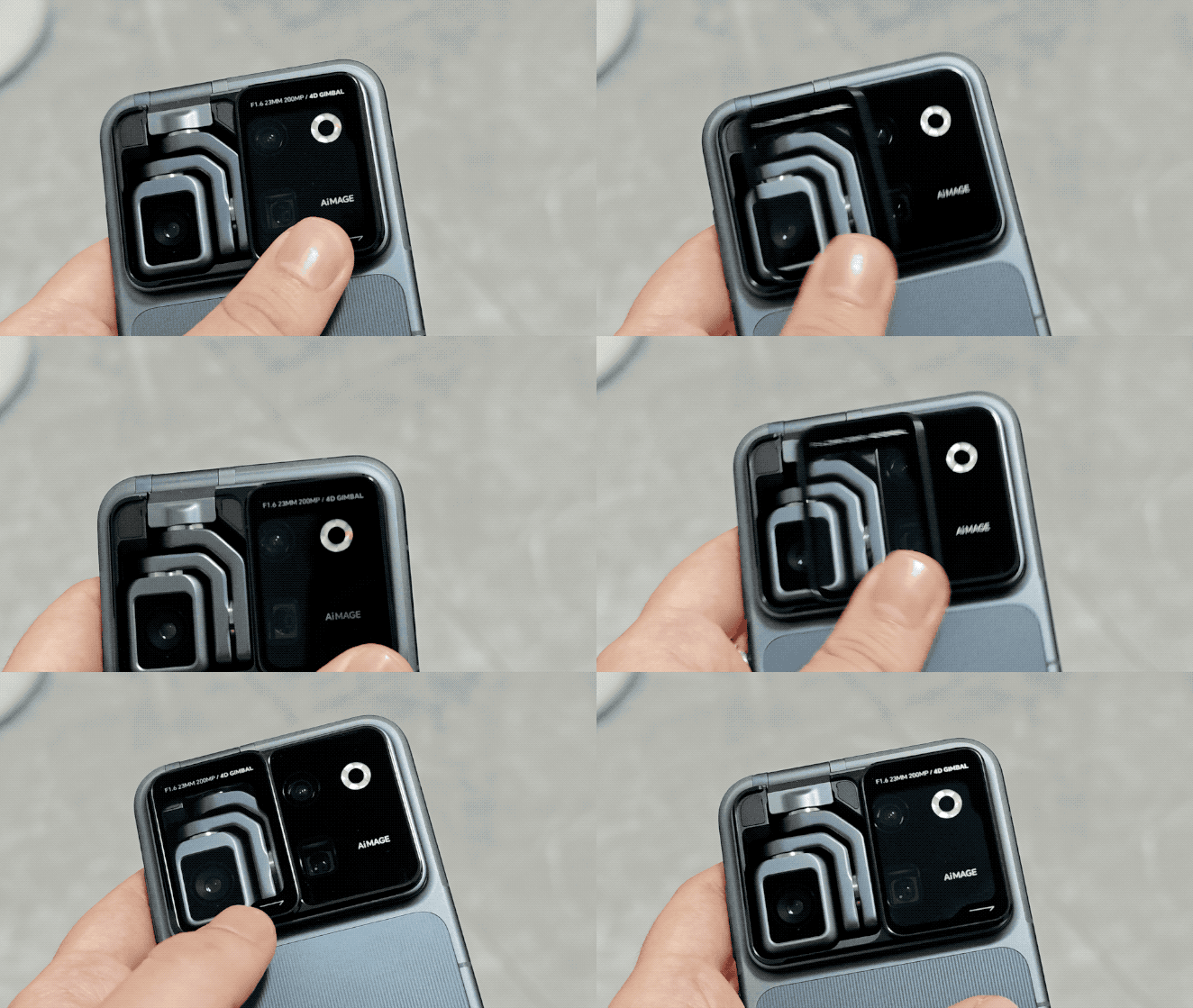
I suspect most readers will be somewhat skeptical upon seeing the Honor Robot Phone’s design—mainly because it crams a massive gimbal camera module into the camera Deco area. To protect the gimbal, Honor added a sliding 'porthole' cover on the Deco. Surprisingly, this design is not only practical but also oddly satisfying to fidget with.
(Image source: Leitech)
However, it’s worth noting that when sliding the porthole cover, your fingers can easily touch the gimbal and camera lenses. It’s advisable to check for fingerprints on the lens before shooting. Additionally, the protective cover itself isn’t very resistant to dirt, so users with obsessive-compulsive tendencies might find themselves cleaning it frequently.
(Image source: Leitech)
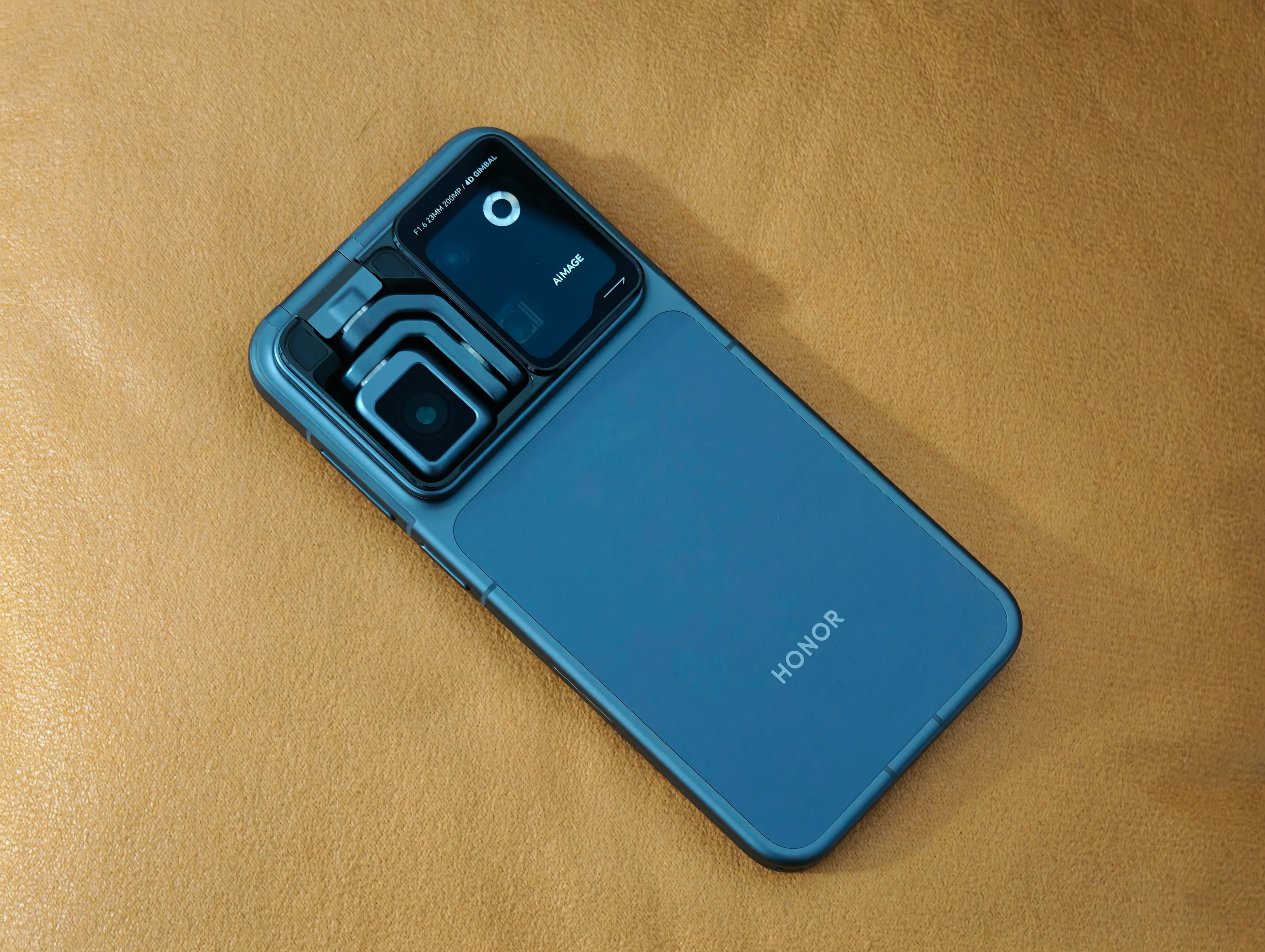
Surprisingly, despite its massive Deco, the Robot Phone features a relatively modest 6.31-inch screen (2640×1216 resolution, 120Hz refresh rate, peak brightness of 6800 nits)—making it a 'mid-sized' device. However, once you hold it, the 9.59mm thickness and nearly 250g weight become apparent. If the screen were enlarged to the mainstream 6.9-inch size, the handling experience would likely be 'a mess.'
That said, the smaller screen has its advantages—it’s extremely single-hand-friendly. Whether you’re browsing content or replying to messages during your commute, your thumb can easily reach all areas of the screen.
Oh, and besides the prominent gimbal camera, the RobotPhone also includes a 50MP 122° ultra-wide lens and a 200MP 1/1.4" 2.7X F2.6 large-sensor periscope telephoto lens. Even without deploying the gimbal, the shooting capabilities are more than sufficient for everyday use.
(Image source: Leitech)
There’s not much else to say about the rest of the design. Aside from the camera Deco, the overall aesthetic leans toward mainstream, though the anti-slip texture on the midframe is a nice touch.
Now, let’s talk about the so-called four-degree-of-freedom titanium alloy gimbal.
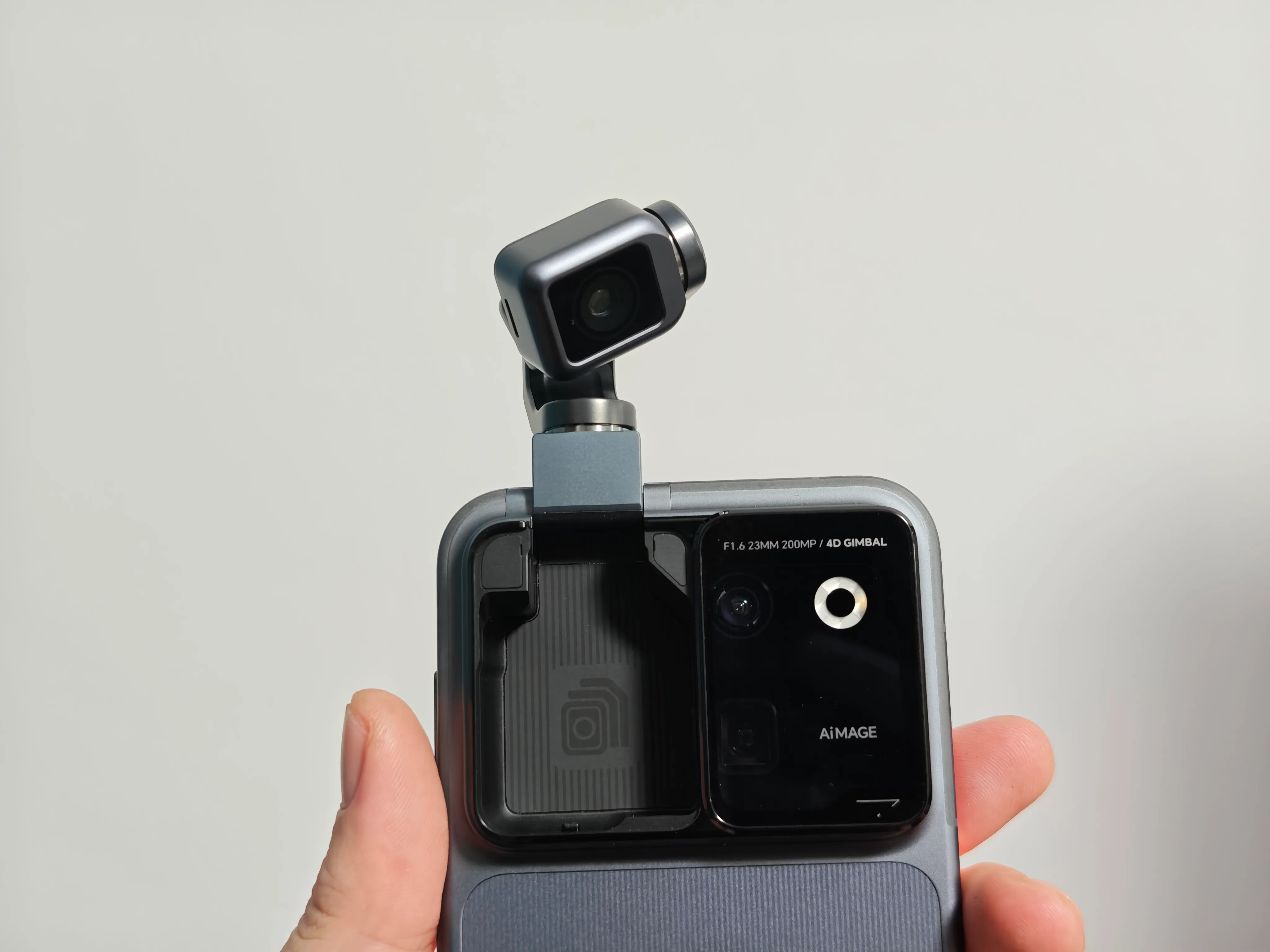
According to Honor, this gimbal integrates over 100 precision components, features a 2.6g titanium alloy motor with ±0.005mm machining accuracy, and boasts a maximum three-axis rotation speed of 360°/s. Honor also developed a shield tunnel steel flipping motor. While these specs sound impressive, the only thing that really stuck with me is how fast this thing spins.
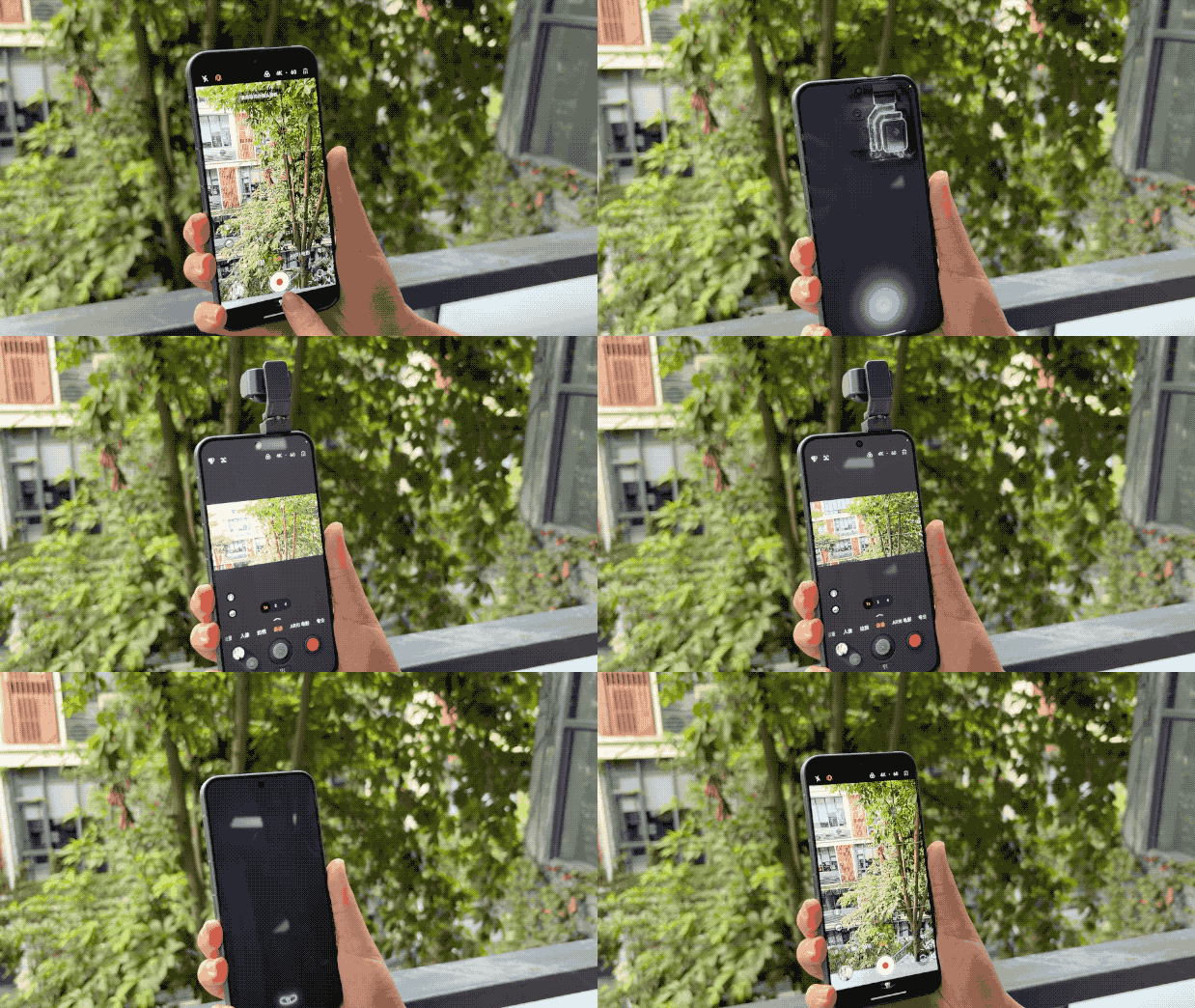
(Image source: Leitech)
Simply tap the button at the bottom of the camera interface, and the gimbal quickly pops out from the back cover, deploying in 0.8 seconds and ready to shoot in two to three seconds. I timed it—from pulling the phone out of your pocket to being ready to shoot takes about four seconds. So, if you need to capture a spontaneous moment, the phone’s built-in lenses can still deliver decent results.
However, to highlight the gimbal’s uniqueness, Honor included two separate shooting systems in the camera app: a completely redesigned gimbal shooting UI and the standard smartphone camera UI.
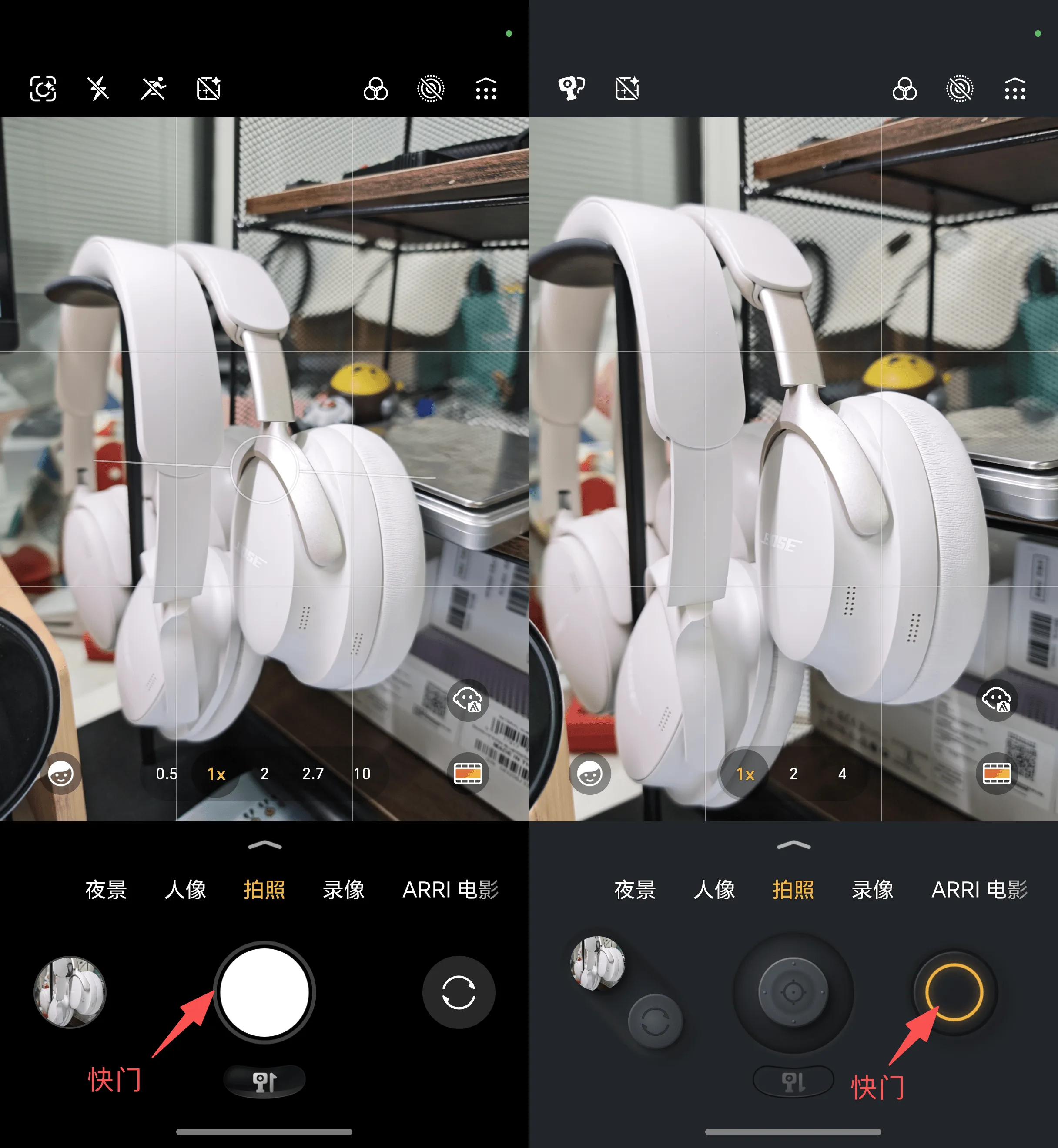
(Image source: Leitech; left: standard mode, right: gimbal mode)
The gimbal UI places the shutter button in the bottom-right corner, replacing the center area with a gimbal joystick. While I understand the design choice, it’s a bit challenging for users who have spent years with traditional smartphone cameras to adjust to this new shutter placement.
So, what makes this gimbal so special? Here are a few standout features I noticed.
First, there’s the stabilization. Traditional smartphone stabilization relies on moving lens elements or cropping the frame, offering limited adjustability. The Robot Phone, however, achieves true physical stabilization.
While climbing stairs and shooting with one hand, the footage remained incredibly stable, with the subject consistently centered without any unnatural shaking.

(Image source: Leitech)
Second is the gimbal’s unique 'tracking' feature. While regular smartphones can identify subjects, they still require manual adjustments to angle and distance. The Robot Phone, like a professional stabilizer, automatically locks onto the subject and follows it with smooth camera movements—far more consistent than manual adjustments.
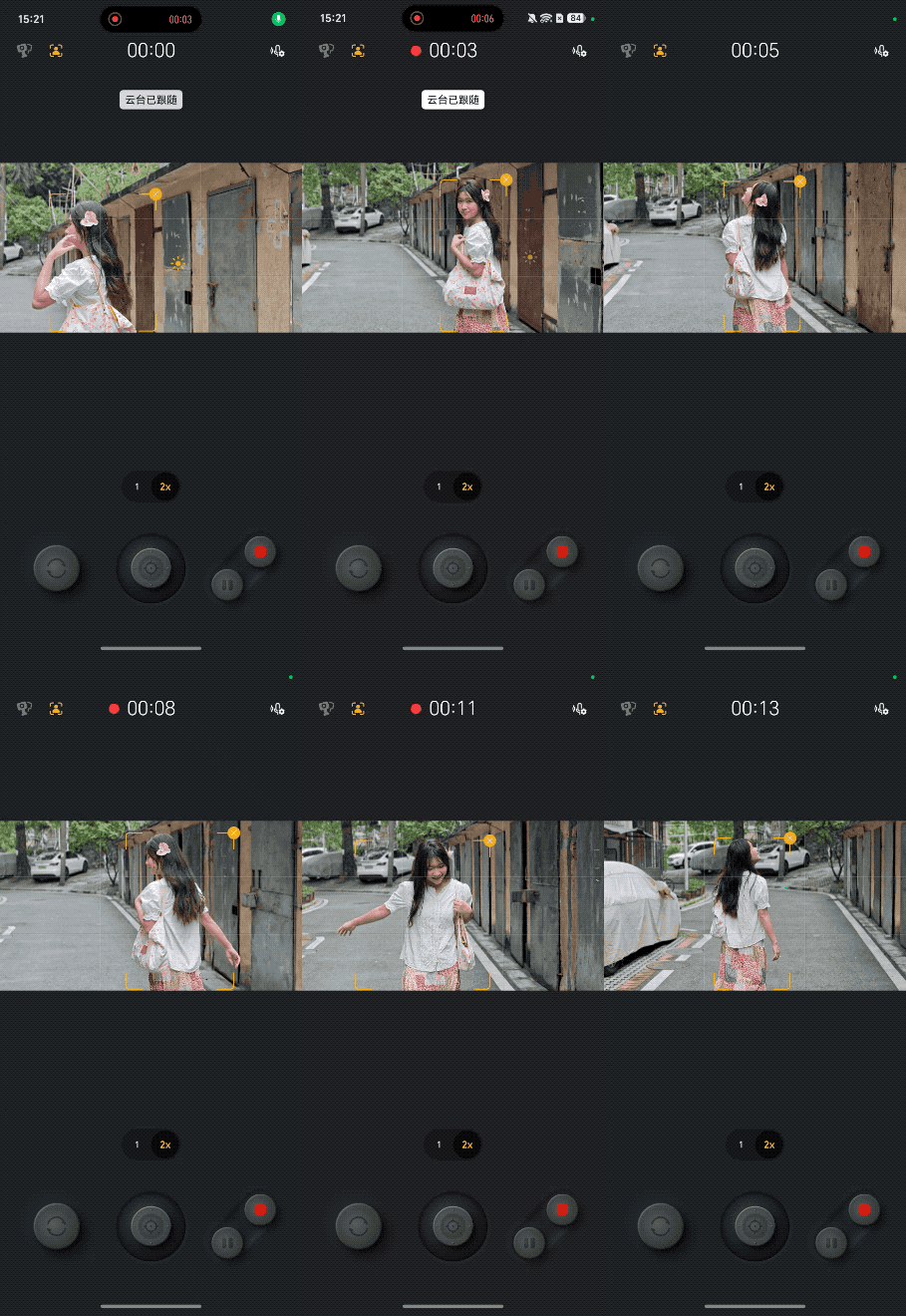
(Image source: Leitech)
Third is automated camera movement. After framing your subject, you can select a preset path, and the lens will smoothly move from left to right or bottom to top. This is far more uniform than manual adjustments. For someone who frequently covers trade shows, this feature is incredibly useful—previously, I had to crouch and slowly pan the phone to capture booth demos. Now, I can simply set up the phone and let it do the work.

(Image source: Leitech)
Besides subject tracking, you can also switch to FPV mode, horizontal lock, vertical lock, or even dreamlike rotational effects. Spinshot supports 90° and 180° automatic rotations. Combined with the simulated gimbal camera joystick in the camera UI, the operation feels much like using a standalone gimbal camera.
Another hidden use: selfies. With regular smartphones, using the rear main camera for selfies is a guessing game. The Robot Phone’s gimbal can directly point toward you.
Of course, the gimbal isn’t without flaws. First, its rotation has noticeable blind spots—it can rotate 270° to the left but only about 45° to the right, requiring secondary adjustments. Second, the gimbal causes the phone to heat up faster than usual, which is why Honor released a magnetic cooling module. Finally, the glass cover over the gimbal is prone to accidental bumps during handling. If misaligned, the gimbal refuses to retract until you follow on-screen instructions—not a major issue, but it does affect daily usability.
Many readers might wonder: does such excellent stabilization come at the cost of image quality? After all, you can’t have everything. Let me be clear—the gimbal camera’s image quality is undoubtedly T1-tier in the current smartphone market and exceptionally strong in certain areas.
Under good daylight conditions, the gimbal captures plenty of detail with natural colors, avoiding oversaturated tones just to please the eye.

(Image source: Leitech)
Even in slightly backlit scenes, the sky isn’t overexposed, and dark details remain intact—without the artificial HDR look often produced by algorithms. The result is a very natural viewing experience.
However, I noticed that the RobotPhone is overly sensitive to light changes. Even minor dimming in the surroundings causes it to significantly brighten the entire frame. While the overall look remains decent, the contrast is noticeable.


(Image source: Leitech)
When zooming to 2x, the RobotPhone produces natural bokeh effects when shooting portraits—no fake cutout look, with clean edges around hair. Skin tones appear healthy rather than overly whitened, making the results perfectly shareable on social media straight out of the camera.


(Image source: Leitech)
That said, with only one sensor, the gimbal struggles with high-zoom scenarios. For those, it’s better to switch to standard mode and use the dedicated telephoto lens.
During testing, I discovered a particularly interesting feature: Inspiration Snap.
Think of it as a camera with a brain. When enabled, it automatically analyzes the subject in the frame. If it’s a person, it recommends poses—where to place your hands, how to turn your face, which angles work best—and guides you step by step. Once the composition is roughly correct, the phone automatically adjusts the focus. All you need to do is press the shutter.
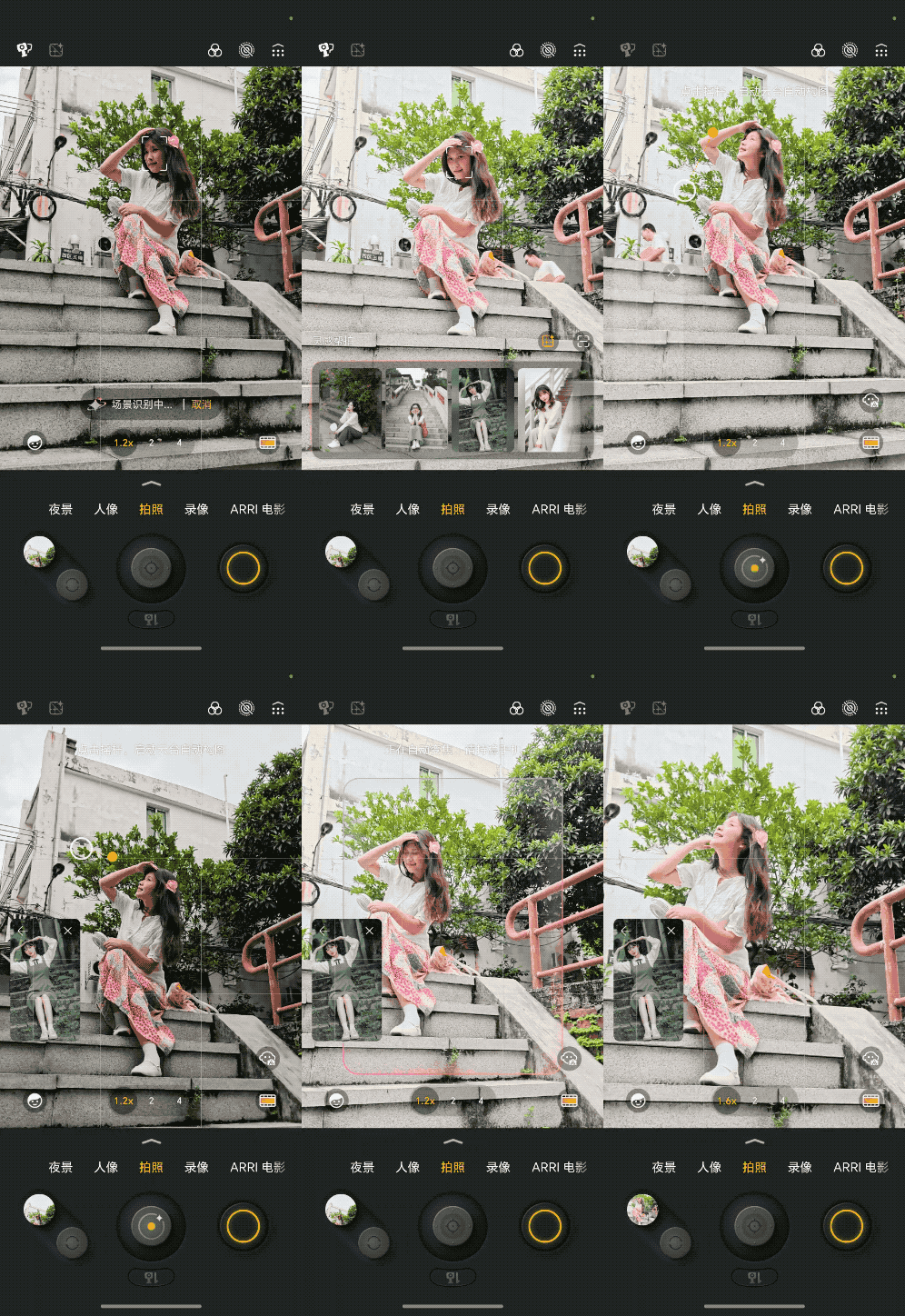
(Image source: Leitech)
AI Auto-Composition is even more impressive. Normally, helping someone take a photo involves manually adjusting the phone’s position until the composition looks right—a frustrating process for both parties. The Robot Phone eliminates this hassle. Once it recognizes the subject, the gimbal automatically rotates and adjusts to frame the shot perfectly, then selects the best composition angle through zooming.
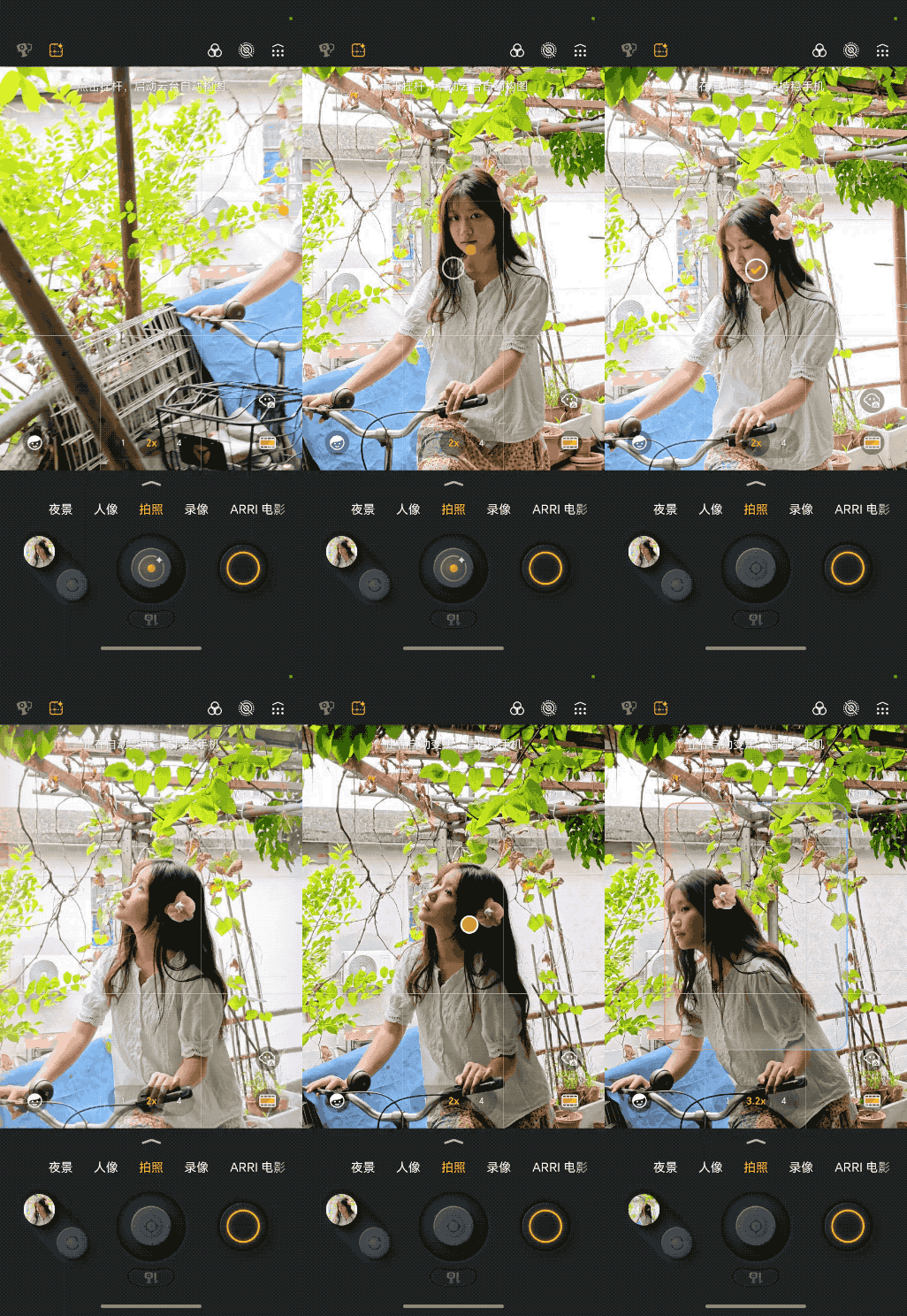
(Image source: Leitech)
Honestly, this is my favorite part of the Robot Phone’s imaging system. It doesn’t just rely on hardware—it teaches the camera to think, recognize subjects, offer suggestions, and even handle composition automatically. For those who struggle with portrait photography, this is far more valuable than raw specs.
In video mode, under standard settings, 4K60fps supports 0.5x to 15x focal length switching, while 4K120fps supports 1x to 10x. Combined with automated camera movements and tracking, this phone lowers the barrier to 'one-person film crew' setups. Previously, capturing moving subjects with moving shots required a gimbal and an operator. Now, all it takes is one phone and a few instructions.
Oh, and here’s a major selling point: ARRI. ARRI is a century-old German cinematic equipment brand behind the Alexa series of film cameras. Over the past 16 years, 14 Best Picture winners at the Oscars used ARRI gear. In essence, ARRI sets the aesthetic standards for the film industry.
When I first heard about Honor’s collaboration with ARRI, I wasn’t particularly excited—I assumed it was just another 'collaboration filter' gimmick, adding a couple of filters and calling it a day.
But Honor claims the Robot Phone’s LogC curve mapping is point-for-point aligned with ARRI film cameras, with the entire imaging pipeline reconstructed to ARRI standards. This means the RobotPhone comes with ARRI LogC3 curves, ARRI Wide Gamut 3 color space, 10-bit 4:2:2 video, and 11 ARRI Looks film color profiles. The ARRI film mode also includes professional tools like false color monitoring and peak focusing, supporting a 2.39:1 cinematic aspect ratio.
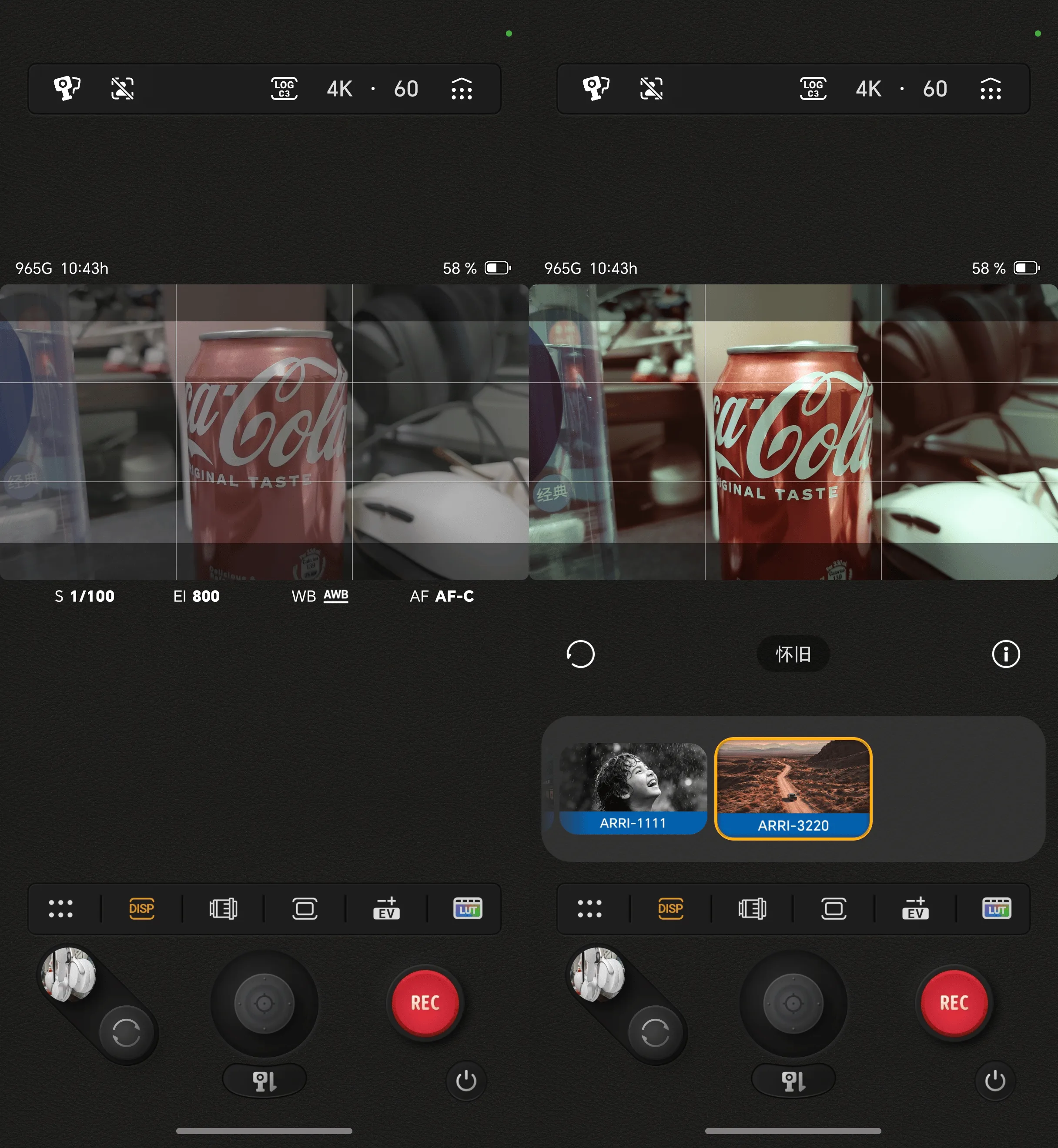
Here’s a quick explanation: Log footage initially looks dull and flat, but it preserves maximum dynamic range and color information, leaving ample room for post-production grading—a workflow previously exclusive to film cameras and professional crews. In ARRI mode, you can choose from 24/25/30/50/60/100/120fps frame rates. The 24fps and 25fps options align with standard film and television frame rates, clearly targeting professional creators.
The actual shooting effect is very good, but for some users who pursue direct output, the colors in this mode may be a bit overpowering.

(Image source: Shot by Lei Technology, the official account is replaced with a video)
In other words, LogC3 and ARRI Looks have little significance for those who shoot casually and want direct output. Their value lies in shooting Log footage with a phone and then seamlessly integrating it into the existing color grading workflow on a computer. Therefore, what the Robot Phone truly aims for is not the market of ordinary imaging flagships, but the title of "pocket film camera."
Battery life was a major concern before I got my hands on the device. With such a large mechanical gimbal packed inside, would the battery be compromised? As it turns out, it still comes equipped with a new-generation 7060mAh Qinghai Lake battery. Even without the gimbal, this battery would be considered "huge" for a phone of this size.
After heavy use throughout the day, I still had around 25% battery left when I got home at night, which is on par with mainstream flagships with large batteries. Honor deserves praise for not sacrificing battery life for the gimbal feature.
Other features include the Hongyan self-developed communication system, ultrasonic fingerprint recognition, and a four-microphone AI array. The ultrasonic fingerprint is fast and works even with wet hands. As a flagship phone, the Robot Phone is indeed qualified.
Finally, following Lei Technology's tradition, let's briefly discuss the pros and cons of the Honor Robot Phone.
Pros:
1. A four-degree-of-freedom titanium alloy gimbal provides mechanical stabilization that electronic stabilization can't match.
2. The AI-powered auto-framing feature is very user-friendly.
3. The gimbal's tracking and auto-panning are perfect for novice users.
4. ARRI LogC3 plus 11 film color profiles bring the film workflow to a phone for the first time.
Cons:
1. At 248g, it's a bit heavy, and the 9.59mm thickness takes some getting used to.
2. The gimbal has blind spots when rotating and only tracks people, making it easy to lose the subject in crowds.
3. The gimbal's protective cover is prone to accidental bumps, doesn't retract when bumped, and is not stain-resistant.
4. The LogC3 and ARRI workflows have a learning curve and are not useful for the average person.
Let's address a frequently asked question first. Is it better to buy a flagship phone plus a DJI Pocket for the same amount of money? That argument holds water, but what the Robot Phone sells is precisely the convenience of combining two devices into one: carrying one less device, framing with a large screen, and editing directly on the phone after shooting. At least from my experience this week, as long as I'm not taking on professional commercial jobs, it can indeed replace the Pocket.
So who is it for? Vloggers, content creators, or anyone who often shoots videos alone. Mechanical tracking, auto-panning, and the ARRI workflow are features that ordinary flagships can't offer. Not to mention, with phones looking increasingly similar these days, a device that can turn its head and shoot on its own is bound to pique people's interest.
Of course, if you just want to take quiet photos for your WeChat Moments, there are more "well-rounded" options available within a 9999 yuan budget. The Robot Phone is a fascinating device, but it's definitely not for everyone.
One last note. According to Honor, the same ARRI imaging system and YOYO Pro will be available on the Magic9 series in September. From this perspective, the Robot Phone seems more like a pathfinder, testing technology and market reception among a small group of early adopters before a wider release with the Magic9.
How far this path will lead, no one can say for sure. But just for making my daily shooting less tiring, these 9999 yuan are indeed worth it.
Honor Imaging Flagship ROBOTPhone Robot Phone Imaging
Source: Lei Technology
Images in this article are from 123RF Licensed Image Library. Source: Lei Technology
-
![]()
Alibaba's AI Offensive: Over Half of Investment Allocated, Time to Reap Returns
-
![]()
Alibaba’s AI Push: Over Half of Investments Made, Time to Harvest Returns
-
![]()
Chinese Enterprises Going Global 3.0: From World Factory to AI Infrastructure Builder
-
![]()
Honor RobotPhone Review: Half Movie Camera, Half Robot
-
![]()
AI-Driven Cheating Surges in Universities! Online Exams Reduced to Mere Formalities, Degree Credibility on the Line
-
Insta360’s Decade in Panoramic Imaging: Making Cameras ‘Invisible’ and Returning Creation to the Masses
-
![]()
Foreign Media Claims Apple is Concentrating Resources on AI Development: Vision Pro and Siri Teams Lay Off 200 People
-
Big News! Huaneng and Huawei Hold Talks in Shenzhen with Ren Zhengfei in Attendance; Huawei Emerging as the 'Second Brain' of China's Energy System