Eight-Year War of Resistance: Are Traditional Fuel Vehicles Mounting a Strategic Counterattack?
 04/03 2026
 431
431
Traditional fuel vehicles are stepping up their game in the intelligence arena, striving to bridge the experience gap with their new energy counterparts.
March 31, Xiamen. FAW-Volkswagen, a stalwart in the traditional joint-venture automotive sector, took a leaf out of internet giants like Huawei's book, orchestrating a meticulously planned spring launch event by the seaside.
At this grand event, FAW-Volkswagen, the reigning champion in single fuel vehicle brand sales, took a stroll down memory lane, showcasing 16 new models launched in the Chinese market over the past 35 years, stirring nostalgia among attendees. More significantly, five cutting-edge new models made their debut, spanning both fuel and hybrid core segments, clearly signaling the brand's commitment to a "fuel-hybrid coexistence" strategy.
Among them, the Sagitar S, priced at 79,800 yuan (US$10,900), stole the spotlight.
Almost as FAW-Volkswagen's event wrapped up, a thousand kilometers away in Hangzhou, another fuel-centric declaration reverberated. When the figure "cumulative sales exceeding 2.33 million units" flashed at Geely Boyue's 10th-anniversary celebration, a decade-long national SUV craze reached a fever pitch.
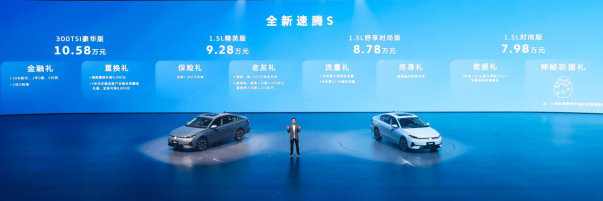
Geely Boyue unveiled a long-range extended-range version, the Boyue REV, heralding a new era of fuel-hybrid synergy for the once-dominant national fuel SUV.
Some observers noted that the 79,800-yuan Sagitar now sits at the same table as the BYD Qin Plus, marking a counterattack from traditional fuel vehicle incumbents against their new energy challengers.
The launch of the Geely Boyue REV took aim at Leapmotor, also based in Hangzhou, striking at the heart of Leapmotor's cost-effective extended-range market with a powerful blow.
As subtle shifts in these diverse product strategies emerge, they hint at future market landscape transformations, even suggesting that the long-standing fuel-electric rivalry may be entering a new chapter.
Strategic Counterattack?
Since 2016, China's new energy vehicle (NEV) market has been on the rise, experiencing four years of rapid growth before officially exploding post-pandemic. In just six years, NEVs have surged from less than 5% market share to over 50%, momentarily giving the impression that fuel vehicles might be on their way out.
During this period, fuel vehicles had little time to react, forced into a strategic defensive phase with shrinking market share and widespread strategic adjustments by industry players.
On April 22, 2024, the NEV penetration rate surpassed 50% for the first time. Yet, undeniably, companies like FAW-Volkswagen, Geely, and Changan have remained stable, relying on their fuel vehicle segments.
Meanwhile, despite the surface-level excitement in the NEV sector, trillion-yuan industry investments still lag behind Toyota in terms of profitability. Take Seres, a strong performer in the NEV market, as an example: its 2025 financial report released on the evening of March 30 showed annual revenue of 164.888 billion yuan (US$22.4 billion), up 13.63% year-on-year. However, net profit excluding non-recurring items was only 5.136 billion yuan (US$700 million), down 7.84% year-on-year, indicating revenue growth without a proportional increase in profits.
Most companies' attitudes toward electrification have become ambiguous, leading fuel and new energy vehicles into a phase of strategic stalemate.
In January this year, China's passenger vehicle market witnessed a dramatic reversal, with fuel vehicles making a strong comeback and NEV sales share dropping to 38.6%. Although it recovered to 42.38% in February, the trend was clear.
According to the China Association of Automobile Manufacturers, domestic NEV sales reached 765,000 units in February, down 14.2% year-on-year.
Among the top ten models by monthly sales, seven were fuel vehicles, with Volkswagen emerging as the biggest winner. The Sagitar, Lavida, Tiguan L, and Passat each sold over 20,000 units, signaling a resurgence of traditional fuel vehicle giants.
All signs indicate that fuel vehicles are entering a phase of strategic counterattack.
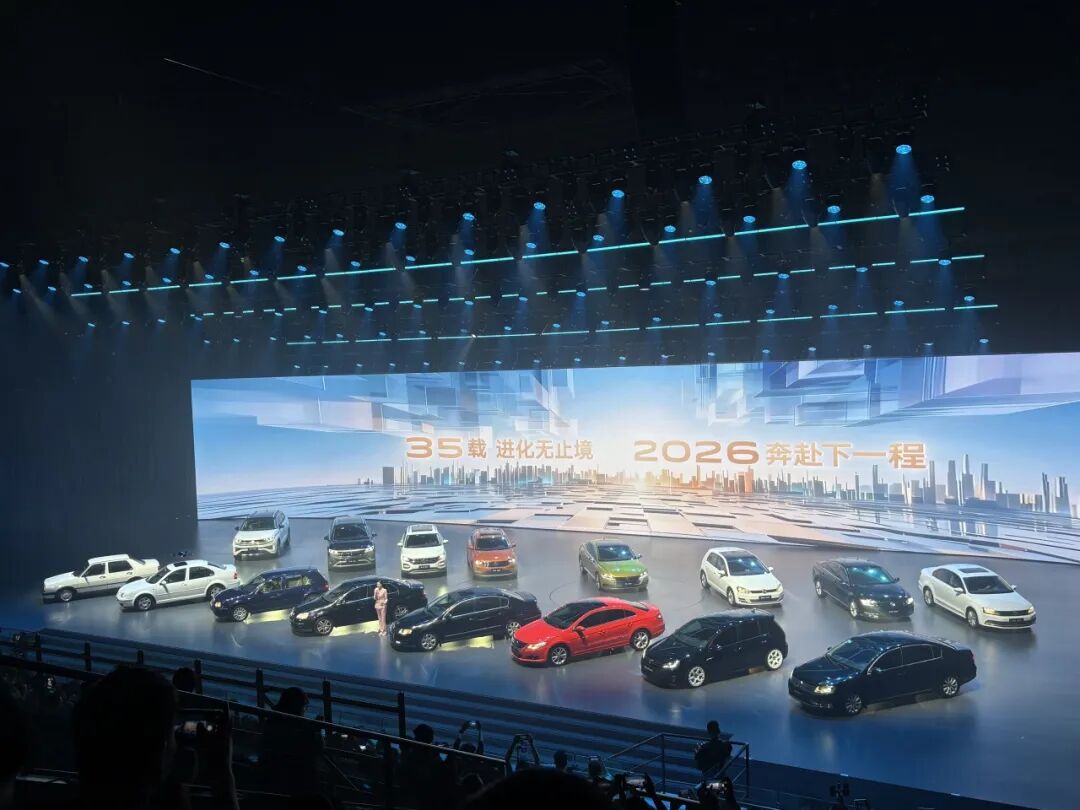
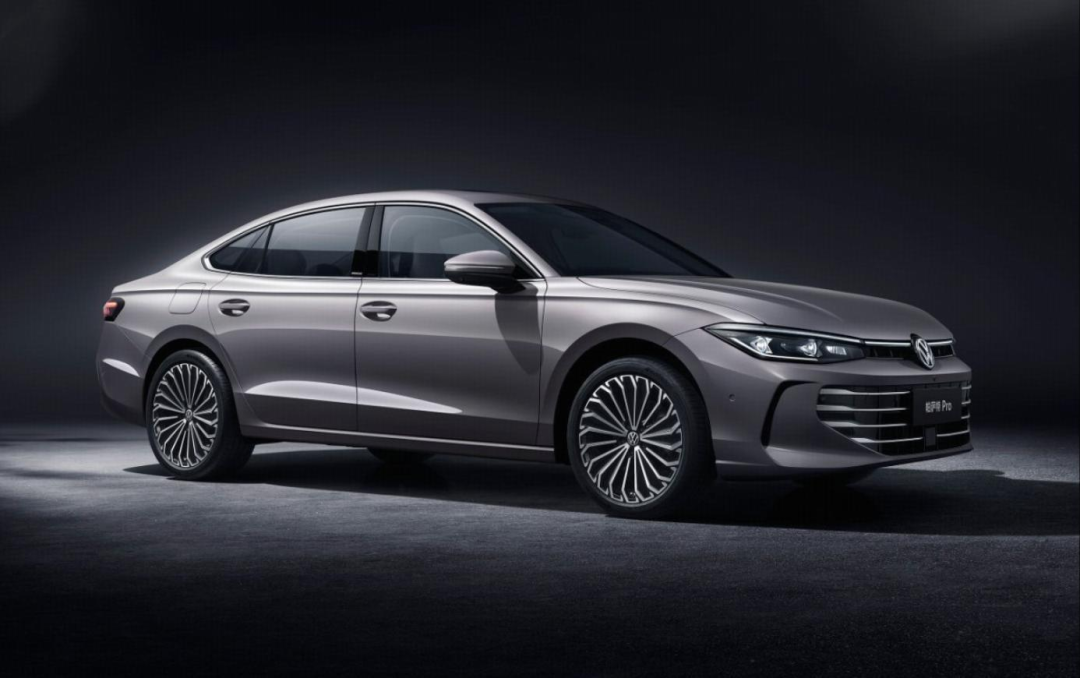
In addition to the newly launched 79,800-yuan FAW-Volkswagen Sagitar S, SAIC Volkswagen earlier set the starting price for the 2026 Passat Pro at 179,900 yuan (US$24,500), with limited-time discounts bringing it as low as 169,900 yuan (US$23,100), offering high-end features at entry-level pricing.
The 2026 Honda Accord starts at 179,800 yuan (US$24,400), but dealers offer direct discounts of 45,000 yuan (US$6,100), reducing the base car price to 134,800 yuan (US$18,300), with some regional clearance prices dipping below 130,000 yuan (US$17,600).
The 2026 Toyota Camry 2.0E Elite Edition sees discounts exceeding 45,000 yuan (US$6,100), bringing the base car price down to 126,800 yuan (US$17,200), firmly entering the 120,000-yuan (US$16,300) range.
Such prices would have been insufficient to buy a high-end Corolla just three years ago.
At the dealership level, fuel vehicles are adopting an all-or-nothing approach, attempting to reclaim lost ground.
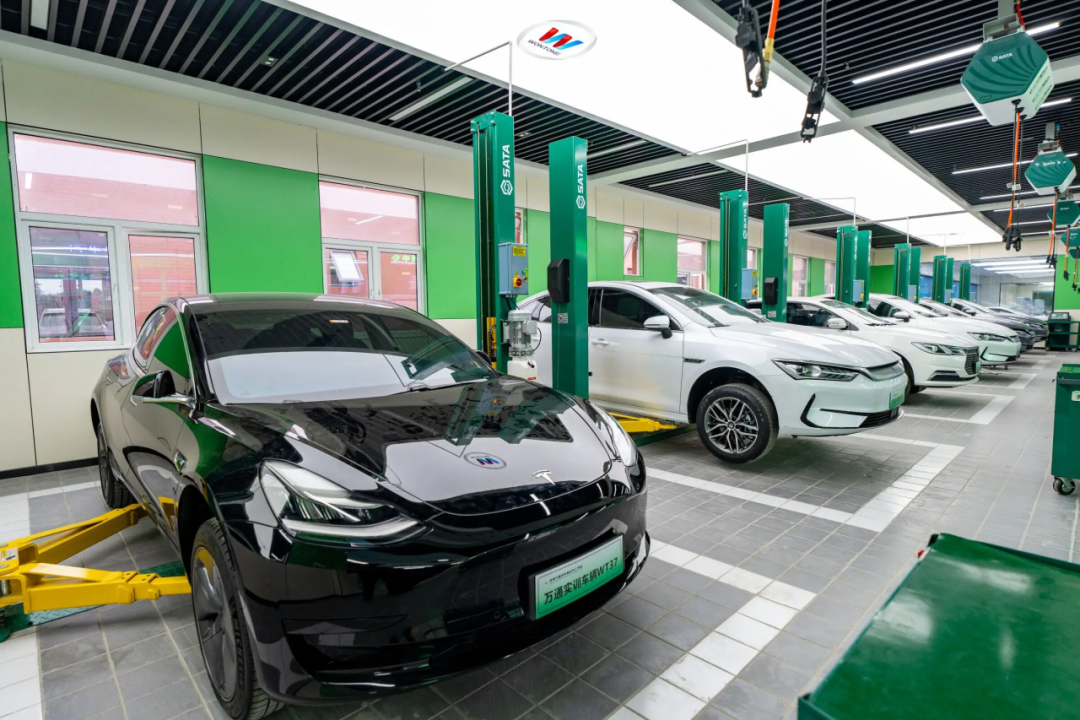
In 2025, Audi's retail sales in China reached 570,088 units, with wholesale volumes hitting 566,988 units, propelling Audi back to the top of the luxury market in terms of total sales and share after seven years.
Simultaneously, Audi claimed two "number one" titles: luxury fuel vehicle sales and share returned to the top after six years, while domestic luxury fuel vehicle sales and share remained firmly in first place.
"Fuel" undoubtedly became Audi's winning formula for reclaiming the sales crown. Beyond FAW-Volkswagen, Geely, and Changan reclaiming their fuel vehicle advantages in their own ways, luxury brands are also waking up to the potential.
In early 2026, Porsche dropped a bombshell—its flagship SUV K1, originally slated for Volkswagen's SSP pure electric platform, abruptly abandoned the pure electric route in favor of fuel and plug-in hybrid powertrains.
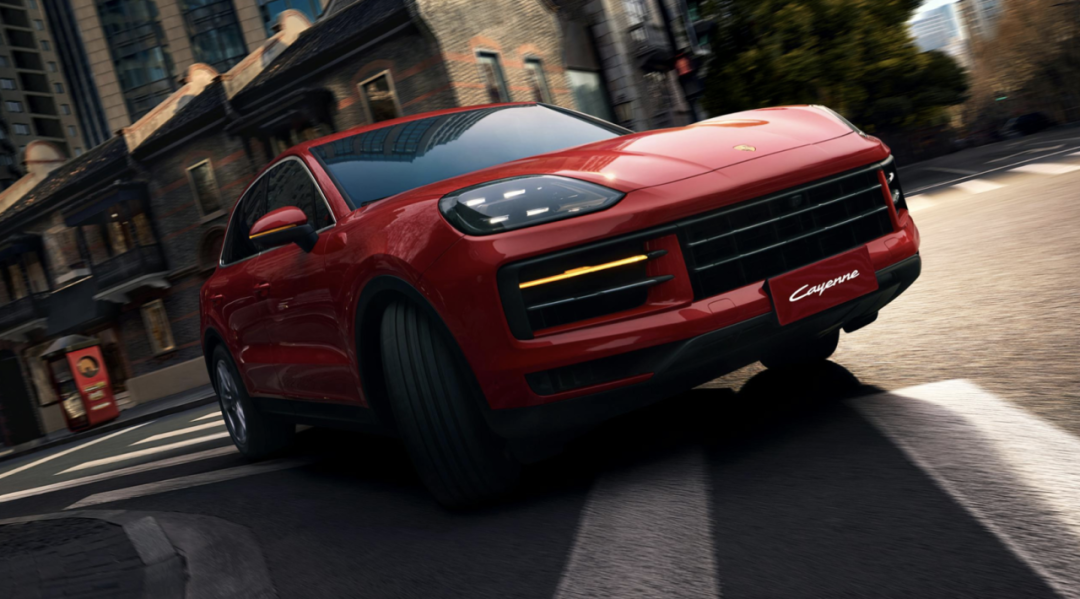
This once-promising "Cayenne successor" will now share Volkswagen Group's PPC luxury fuel platform with the Audi Q9, featuring 3.0T V6 and 4.0T V8 twin-turbo engines alongside a plug-in hybrid version, expected to launch by the end of 2027. Previously, Porsche had set aggressive electrification targets, aiming for over 80% EV sales by 2030, but reality dealt a harsh blow to this ambition.
In 2025, Oliver Blume, then also serving as Porsche CEO, admitted at a shareholders' meeting that this target was "no longer realistic." The company decided to slow its transition, extend internal combustion engine production, cancel in-house battery development, reduce Chinese dealerships by one-third, and implement significant layoffs.
Clearly, whether domestic or joint-venture brands, this year's domestic environment has seen notable shifts in new vehicle positioning, market share, and "fuel-electric coexistence" strategies.
More notably, traditional fuel vehicles are addressing their intelligence "shortcomings" to narrow the experience gap with new energy vehicles.
Closing the Intelligence Gap
Unlike domestic brands' advantages in independent R&D, joint-venture brands generally adopt "localized collaboration" strategies to quickly address shortcomings.
The Dongfeng Nissan N7, launched last year, implemented intelligent driving through a partnership with Momenta; SAIC-GM plans to update eight fuel models between 2025 and 2027, enhancing product intelligence and connectivity.
The 2026 Altima HarmonyOS Cockpit Edition, as the world's first fuel vehicle equipped with HarmonyOS, centers around Huawei's HarmonySpace 5 system, featuring a 15.6-inch Huawei Smart Screen and Qualcomm Snapdragon 8295 chip.
Audi's new Q5L integrates Huawei's Qian Kun Intelligent Driving System, boasting a smart triple-screen cockpit with an 11.9-inch fully digital instrument cluster, 14.5-inch central touchscreen, and 10.9-inch front passenger entertainment screen, combined with the Qualcomm Snapdragon 8295P chip, redefining intelligence standards for B-segment luxury fuel SUVs. Similar approaches are seen in models like the SAIC Audi A5L Sportback and the new FAW-Volkswagen Audi A6L Qian Kun Intelligent Driving Edition.
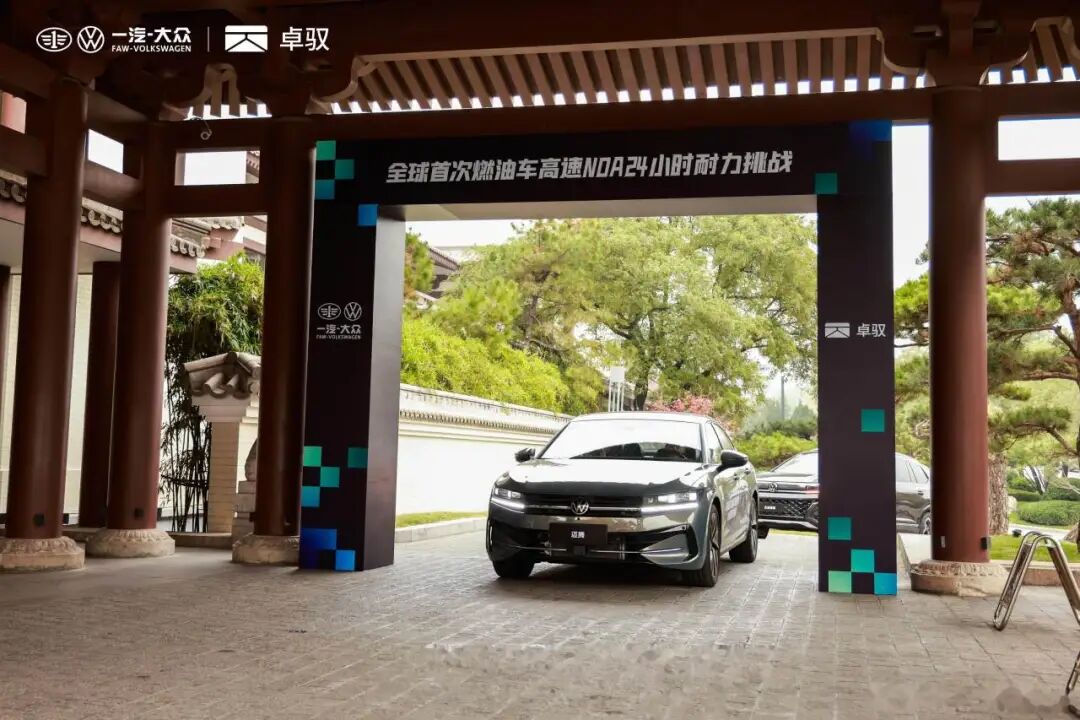
A series of FAW-Volkswagen models also adopt Zuyu (DJI) solutions to address intelligence shortcomings.
On another front, the "decentralization" of electronic-electrical architectures in 2025 marked a turning point for fuel vehicles. Previously, advanced driver-assistance systems seemed exclusive to NEVs, with intelligence benefits largely absent from fuel vehicles.
Historically, NEVs leveraged distributed electronic architectures and ample electrical supply to first achieve large-scale applications of smart cockpits and driver-assistance features, fundamentally altering consumer perceptions of automotive value and upgrading cars from mere transportation tools to mobile smart terminals.
This generational gap in industrial ecosystems left fuel vehicles not only at a disadvantage in energy forms but also comprehensively lagging in intelligent experiences, ultimately leading to market abandonment by consumers.
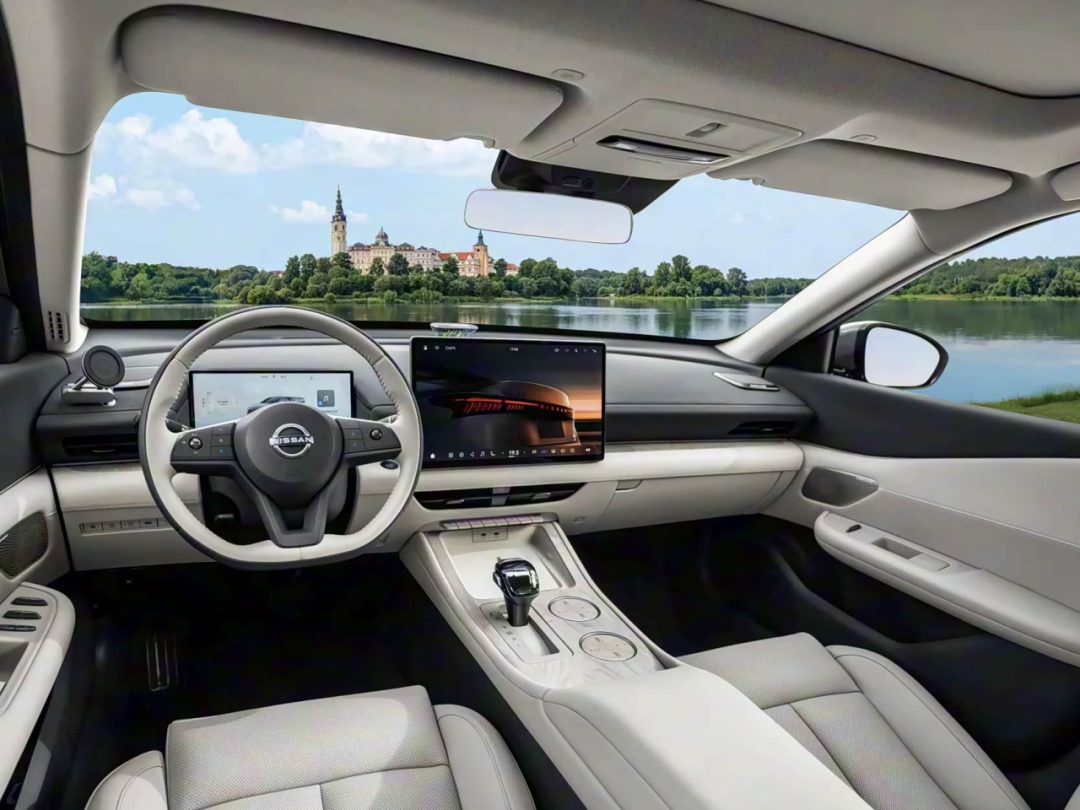
By collaborating with local tech firms, joint-venture automakers can rapidly enhance vehicle intelligence through advanced technologies in intelligent driving assistance, smart cockpits, and AI, addressing their own intelligence shortcomings and meeting growing consumer demand for smart vehicles.
This "adaptation" strategy undoubtedly provides strong technical support and momentum for fuel vehicles' intelligent transformation. If early electrification and intelligence were only reflected at the market terminal, this deep-seated wave of change has ushered in an era of "reverse joint ventures" for China's automotive industry.
In the latest industrial planning proposed by the Ministry of Industry and Information Technology, NEV penetration is targeted to reach 80% over the next 15 years.
As the journey progresses from 50% to 80%, perhaps the coexistence, complementarity, and equal rights of fuel and electric vehicles represent the best path forward.
Note: Image sources are from the internet. If infringement occurs, please contact for removal.
-END-
-
![]()
Putin's Visit to China: Can Chinese Automakers Spark a New Era of Growth in Russia?
-
![]()
Imported Cars: Once Dominant, Now in Decline
-
![]()
Tesla FSD V14.3: Is It Time to Let AI Take the Wheel?
-
![]()
Will Unitree Learn from the 'Big Brother' UBTECH to 'Work in Factories'?
-
![]()
Comprehensive Review of Google I/O 2026: Introducing Two New Models, Audio Glasses, and the All-Encompassing Gemini
-
![]()
Here Comes the Cyber Supervisor! CAO On-the-Job Test: Team Assembly in 4 Minutes, Chaos All Day
-
![]()
Rumors Abound: Is Kuaishou’s Kling AI Spin-Off on the Horizon, Threatening Baidu’s $20 Billion Valuation?
-
![]()
Selling 110,000 Vehicles Yet Suffering a 390 Million Yuan Loss: Is Leapmotor's Goal of Earning 5 Billion Yuan in Annual Profit at Risk?