Both the Left-Turning Smart and the Right-Turning MINI Have Hit the Wall of Electrification
 04/03 2026
 401
401
Declining Western Luxury Brands Struggle to Find Their Footing in the Eastern Market
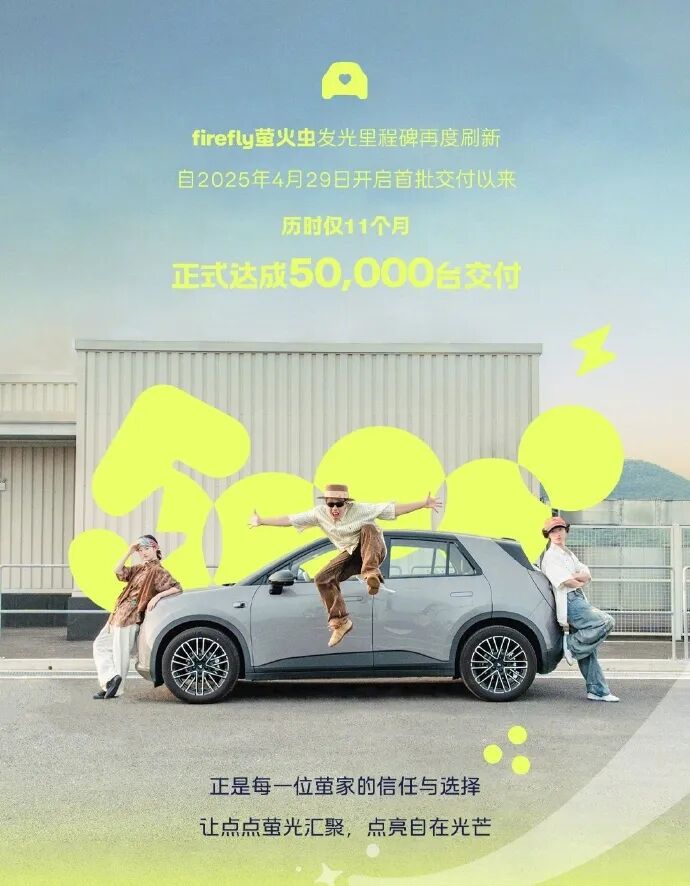
On March 29th, NIO's Firefly unveiled a poster announcing the delivery of 50,000 new vehicles. As an A0-class compact car priced at over 100,000 yuan, Firefly truly distinguishes itself amidst a plethora of budget-friendly A0-class models.
With Firefly's resurgence, luxury brands that once prided themselves on sophistication and premium quality are now struggling to carve out their niche in the market.
Looking back at the 2025 market, the A0-class segment is fiercely competitive, with nearly every major brand launching affordable yet fully-loaded A0-class compact cars. According to statistics, sales in the A0-class market surpassed 2.2 million units in 2025, experiencing rapid growth and a new energy penetration rate nearing 100%.
However, in this booming market, it's challenging to spot the classic European luxury brands in the segment priced above 100,000 yuan, except for Firefly. Both MINI and smart seem to have bid farewell to this market and are no longer the sophisticated choices in the A0-class segment.
In the era of gasoline-powered vehicles, MINI and smart were often viewed as counterparts, backed by renowned luxury brands BMW and Mercedes-Benz, focusing on unique and sophisticated compact car designs.
However, in the wave of electrification, their perceptions and approaches to electrification have significantly diverged, as reflected in their vastly different product offerings.
Going in Opposite Directions
In the gasoline-powered vehicle era, both smart and MINI secured a place in the premium A0 market with their distinctive products, each cultivating a loyal user base. With these sophisticated labels, they expanded from Europe to the global market.
However, propelled by the wave of electrification, their views and strategies on electrification have greatly differed, even evident in their products, which are now vastly different.
Smart has undergone the most dramatic transformation. After a change in ownership, the once-compact smart has been growing in size, with each new model appearing larger than its predecessor.
From the initial fortwo, measuring less than 2.7 meters in length with a two-door, two-seat design, to the current elf #5 (Smart #5), a 4.7-meter-long, five-door, five-seat mid-to-large SUV, the style has undergone a complete overhaul.
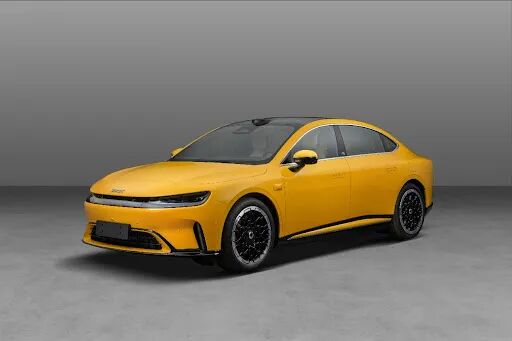
However, 4.7 meters is not the endpoint for smart. News has emerged that smart's next product, the elf #6 (Smart #6), will be a mid-to-large sedan exceeding 4.9 meters in length, dubbed the largest smart in history.
The increase in smart's exterior size has sparked controversy. As early as the 2024 Beijing Auto Show, Yi Han, CEO of smart China Marketing Company, responded, stating, "The market size for the Smart #5 is 4-5 times that of the Smart #1, making it crucial for the brand's current development." This reveals smart's strategic intent to capture a broader market space by expanding product size.
However, the results did not unfold as smart had anticipated. Instead, it continuously deviated from its intended path. According to third-party statistics, smart's global sales in 2025 were 30,799 units, a year-on-year decline of 7.9%, with the Smart #1 accounting for 60% of sales. The highly anticipated Smart #5, with its dual-power configuration, sold only around 5,000 units.
Such performance only indicates that smart's plan to boost sales through model expansion fell short in 2025.
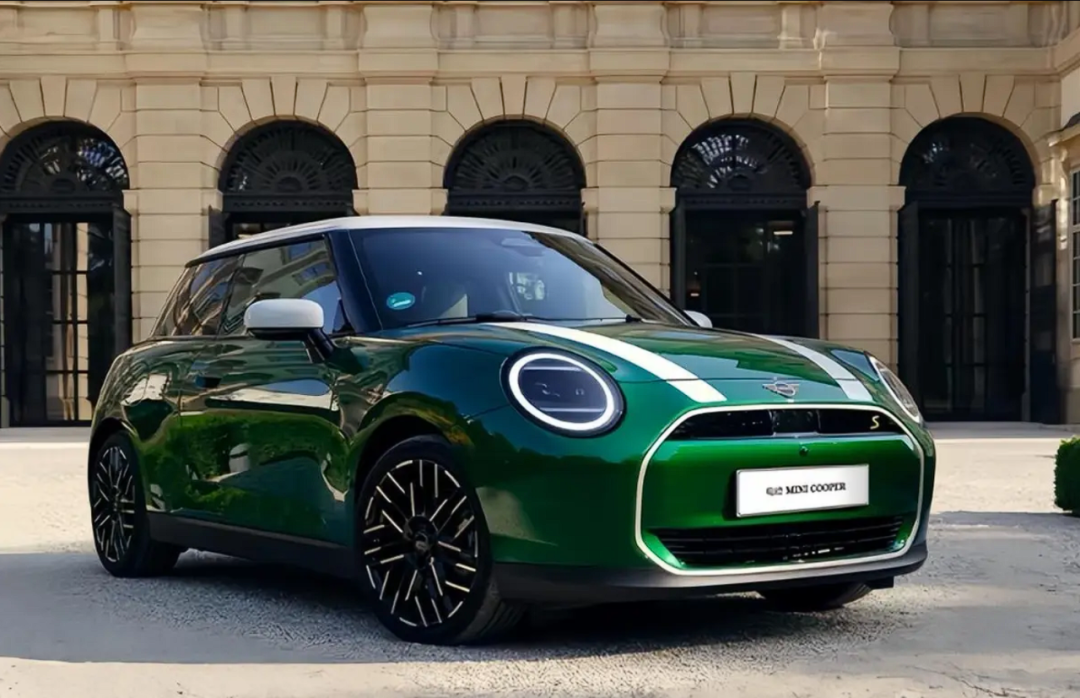
As for MINI, while its electrification transformation has seen some success, it still struggles to achieve more breakthroughs in the Chinese market.
In terms of electrification, MINI has adopted a more conservative approach. The design of the electric MINI is entirely based on the gasoline model, choosing to strictly maintain the size of a compact car.
This also led to the first electric model not being officially launched until 2024. With a length of 3.8 meters and a wheelbase of 2.5 meters, it aligns with the public's inherent perception of MINI models.
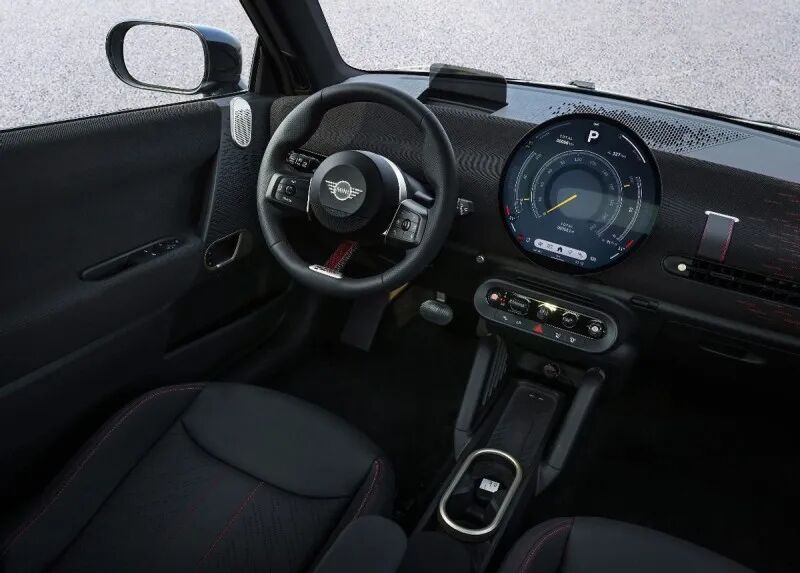
Moreover, to adapt to the wave of intelligence, MINI heavily invested in customizing a circular screen as the new car's central control display, solely to align with the design of the circular central console from the gasoline era.
Perhaps due to the lack of significant changes in appearance, the electric MINI smoothly succeeded some of the gasoline car market, helping MINI achieve its electrification transformation.
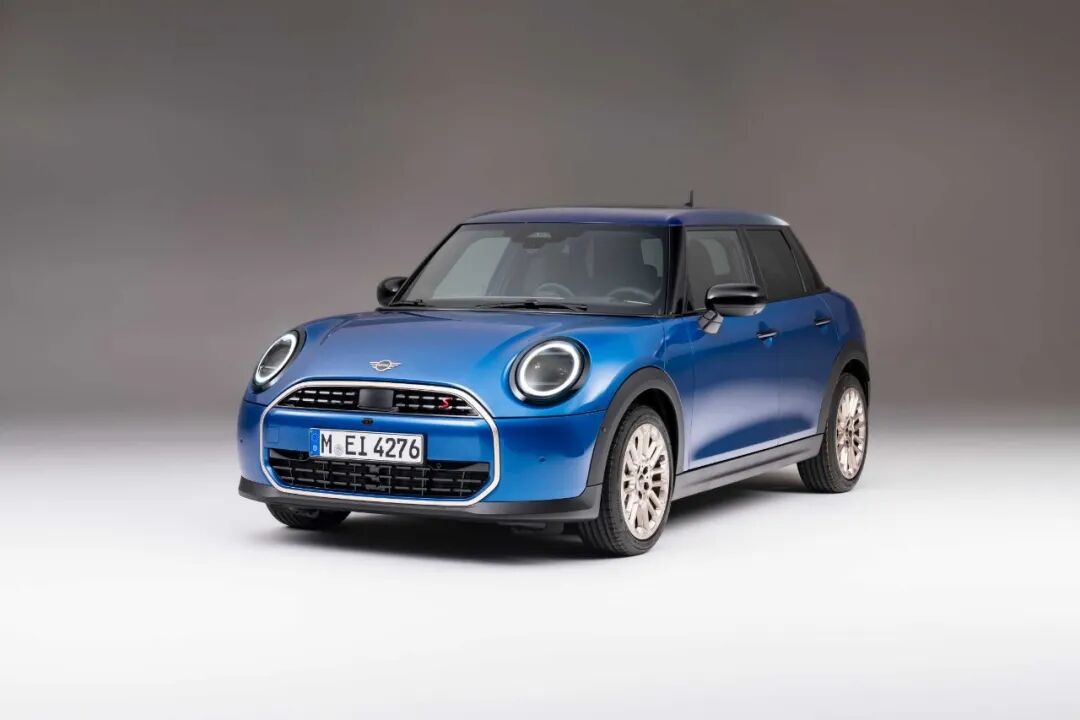
According to statistics, MINI's brand sales in 2025 were 288,000 units, a year-on-year increase of 17%, with electric models selling 100,000 units, a significant year-on-year increase of 87.9%. Electric models accounted for 36.5% of sales, far higher than the electrification level of European automakers.
However, in the Chinese market, the performance of the electric MINI is disappointing, with sales of less than 10,000 units, a year-on-year decline of 7.9%. It's crucial to note that the domestic market is the world's largest electric vehicle market, with annual growth exceeding 20%, making it the most inclusive market for electric models.
From the results, MINI's electrification transformation is indeed significantly better than smart's. However, when facing the domestic market, neither of the two completely different electrification paths has succeeded in China.
The Supply Chain Decides Everything
Behind the seemingly different outcomes for smart and MINI, the reasons for their failures and successes are not entirely dissimilar, both being results of reliance on the domestic supply chain.
For the electric MINI, incorporating the Chinese supply chain is a crucial part of its electrification. The electric MINI is manufactured by Spotlight Automotive, a joint venture between BMW and Great Wall Motors, highly integrating the advantages of the local supply chain in terms of components, significantly reducing the manufacturing cost of the electric MINI compared to Europe.
In terms of price, the entry-level version of the electric MINI has a domestic guide price of 209,800 yuan. However, in Germany, the cheapest market in Europe, it costs 32,900 euros, equivalent to 258,000 yuan, with lower configurations.
More importantly, delivery times in Europe usually take 8-12 weeks, with additional costs for various basic configurations available domestically, such as 490 euros for seat heating and 800 euros for audio upgrades.
In China, delivery of the electric MINI usually takes 2 weeks, with significant discounts. After terminal discounts, it may only cost 150,000-160,000 yuan, equivalent to a 40% discount on the European price.
However, due to this, the price of the domestic electric MINI is more susceptible to supply chain influences. MINI officially had to adjust prices in December 2025, becoming one of the earliest new energy automakers to raise prices in China.
Due to fluctuations in upstream battery costs and storage chip prices, the guide price of the single model increased by 5,000 yuan. Although the increase is not significant, in the highly competitive new energy market, MINI's decision to raise prices is counterintuitive.
As for the electric MINI's lackluster sales performance in the domestic market, it is also constrained by the supply chain. Because MINI pursued similarity to gasoline cars too much in design, many components require separate customization.
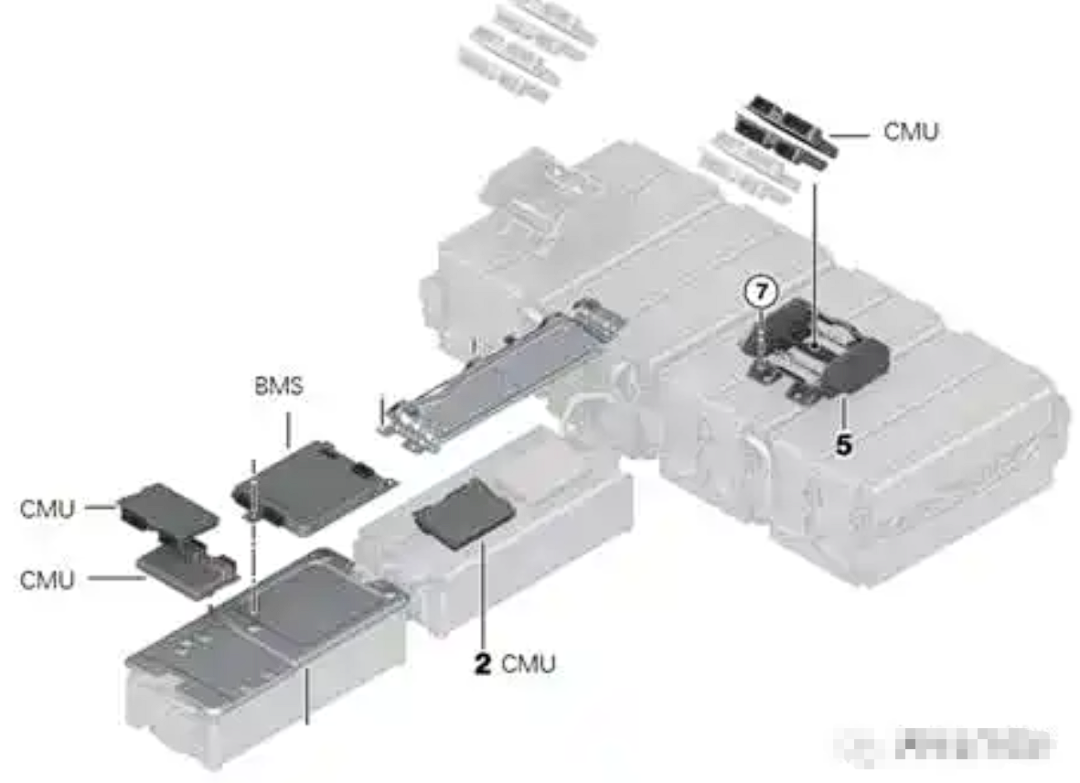
In addition to the custom OLED screen mentioned earlier, in terms of the battery pack, which accounts for the highest cost, the electric MINI did not adopt the mainstream flat battery pack produced domestically but instead used a custom irregular shape to accommodate more batteries within the limited car length.
This also results in the electric MINI's price being much higher than similar competitors, losing competitiveness in the domestic market like in Europe.
In terms of cost control, smart has taken it to the extreme. As a joint venture brand, smart's electric products are entirely based on the SEA platform provided by Geely, fundamentally restricting the possibility of realizing a product like the fortwo.
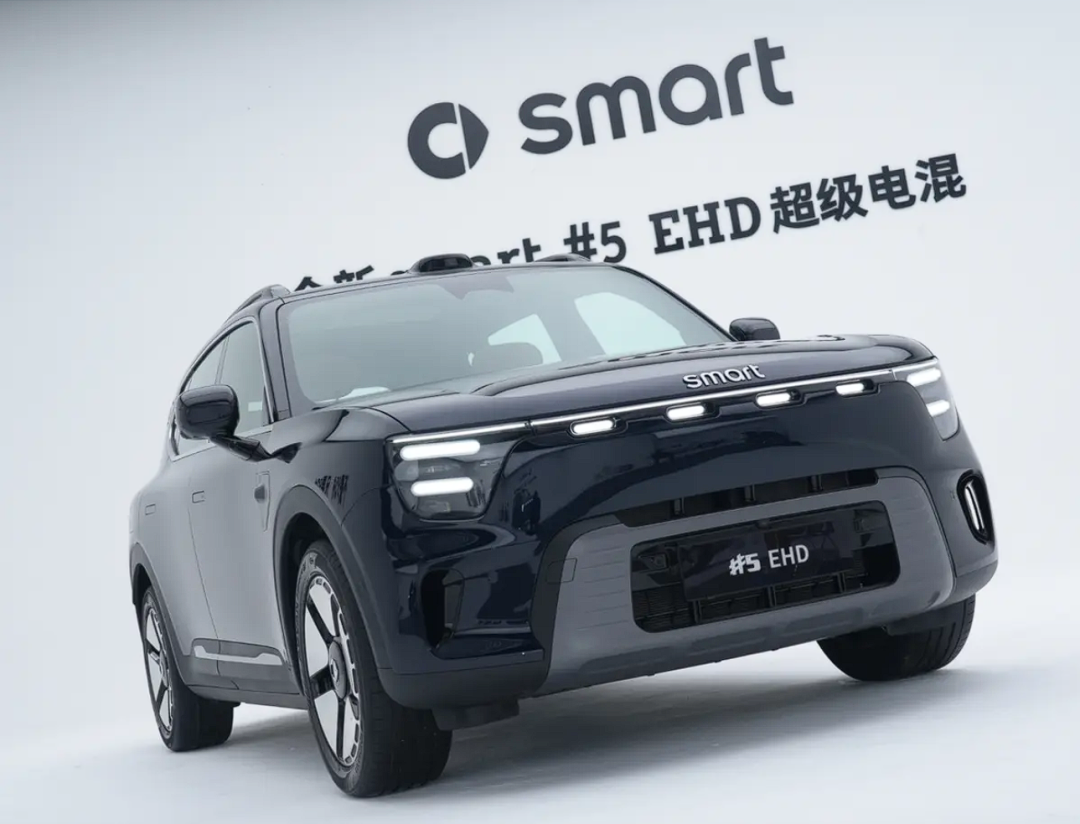
Although it has Mercedes-Benz's design team, when the foundation lacks soul, even the best exterior cannot save it.
According to feedback from many consumers, terminal stores always introduce smart products around Mercedes-Benz design and the Mercedes-Benz logo, losing the original intention of smart's compactness and agility.
Moreover, in terms of price, smart also participates in price wars, with frequent price changes, making it difficult for consumers to associate it with a luxury brand.
It can only be said that facing the domestic new energy market, the two major representatives of compact cars from renowned luxury families have not truly understood the market. Whether it's smart's desperate move or MINI's defensive stance, neither has achieved success in electrification transformation.
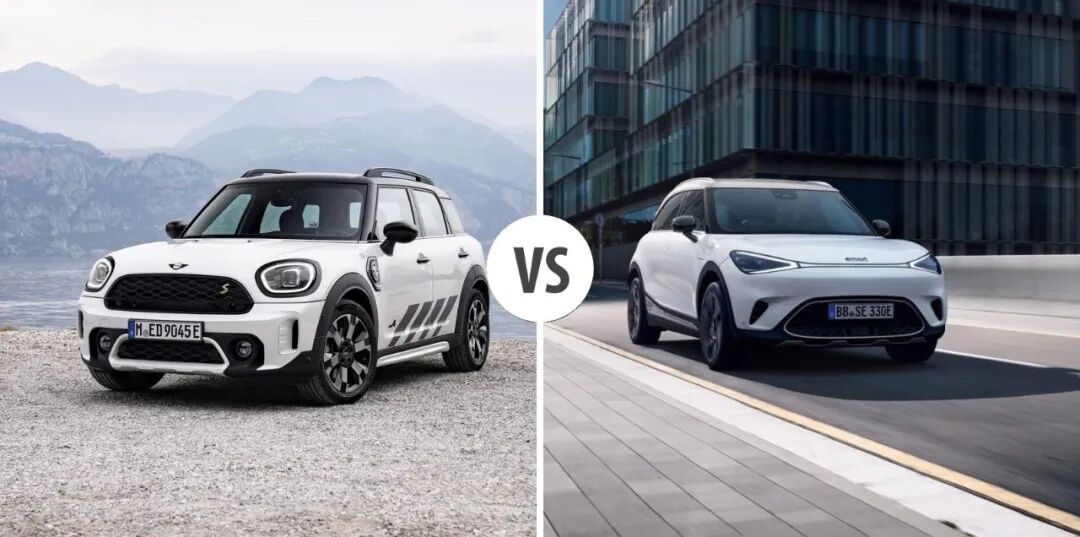
As the domestic market undergoes new changes, MINI still chooses to hold firm, targeting users who pursue purity, just like MINI's initial adherence when it was born in 1959.
On the other hand, smart has chosen more changes. On the one hand, it returns to its roots, aiming to bring back the fortwo model through electrification. On the other hand, in its pursuit of market expansion, smart chooses to go wider, extending its models to the mid-to-large sedan market, attempting to find a new balance between adherence and transformation.
The transformation paths of MINI and smart provide valuable insights. In the wave of electrification, adhering to brand core values and flexibly adapting to market changes are not mutually exclusive but require differentiated choices in different markets and user groups.
MINI's global success and local dilemmas, smart's sales decline and strategic adjustments, all indicate that in the new energy era, car brands need to more precisely grasp their positioning while maintaining sufficient strategic flexibility to remain competitive in the fierce market.
Note: Some images are sourced from the internet. If there is any infringement, please contact for removal.
-END-
-
![]()
Putin's Visit to China: Can Chinese Automakers Spark a New Era of Growth in Russia?
-
![]()
Imported Cars: Once Dominant, Now in Decline
-
![]()
Tesla FSD V14.3: Is It Time to Let AI Take the Wheel?
-
![]()
Will Unitree Learn from the 'Big Brother' UBTECH to 'Work in Factories'?
-
![]()
Comprehensive Review of Google I/O 2026: Introducing Two New Models, Audio Glasses, and the All-Encompassing Gemini
-
![]()
Here Comes the Cyber Supervisor! CAO On-the-Job Test: Team Assembly in 4 Minutes, Chaos All Day
-
![]()
Rumors Abound: Is Kuaishou’s Kling AI Spin-Off on the Horizon, Threatening Baidu’s $20 Billion Valuation?
-
![]()
Selling 110,000 Vehicles Yet Suffering a 390 Million Yuan Loss: Is Leapmotor's Goal of Earning 5 Billion Yuan in Annual Profit at Risk?